
Liverpool, the city that gave the world a sound
In 1962, a record store manager walked into a basement club on Mathew Street. Inside, four guys in leather jackets were playing rock'n'roll for a handful of people. Brian Epstein had just discovered the Beatles. Sixty years later, this port city in northwest England continues to produce more number-one hits than any other in the UK.
Music is in its DNA, but Liverpool is more than just its four most famous sons. It is a city of red brick and wrought iron, of docks converted into museums, of two cathedrals so different they seem to belong to entirely separate centuries, and of locals whose warmth takes most visitors by surprise.
A city for the curious and the night owls
Beatles fans will find their paradise here. But pigeonholing this city as just a musical relic would be a mistake. Liverpool draws in fans of industrial architecture, rabid football supporters, vinyl crate-diggers, and nightlife enthusiasts who like to hop between pubs until the early hours. The city holds more art galleries than any other British city outside of London. Most of the museums are free to enter.
That said, if you are chasing Mediterranean sun, look elsewhere. It rains often, sometimes multiple times a day. Fine dining enthusiasts might find it less polished than London or Manchester. And the beaches, even those adorned with famous sculptures, are Irish Sea beaches through and through: windy and brisk.
A modest budget for England
Expect to spend $90 to $169* per day for two people, which remains highly reasonable for the UK. Accommodations start at 60 GBP a night for a decent hotel, major museums are free, and a fish and chips at a pub runs about 12 GBP. A day pass for the local transit system costs 5.10 GBP (about $6.80*).
The Waterfront and the docks
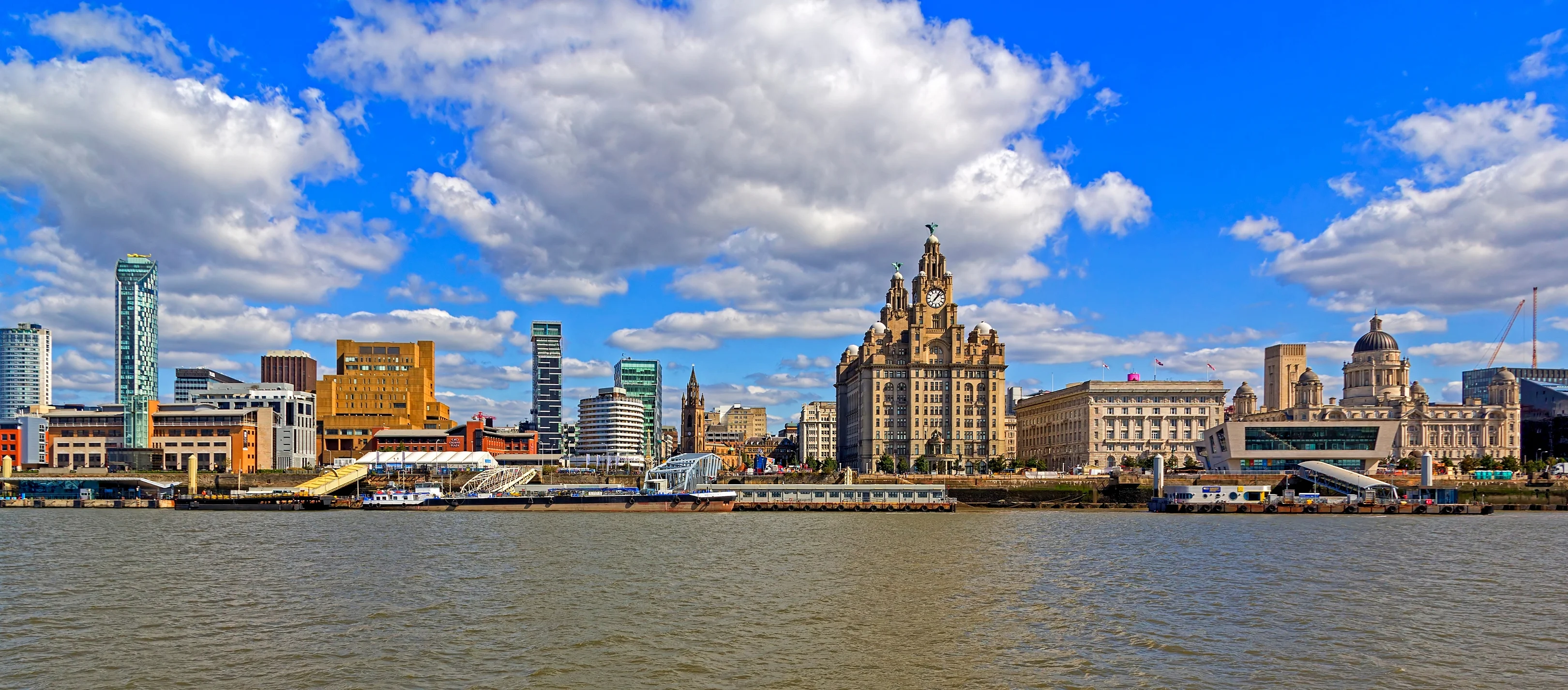
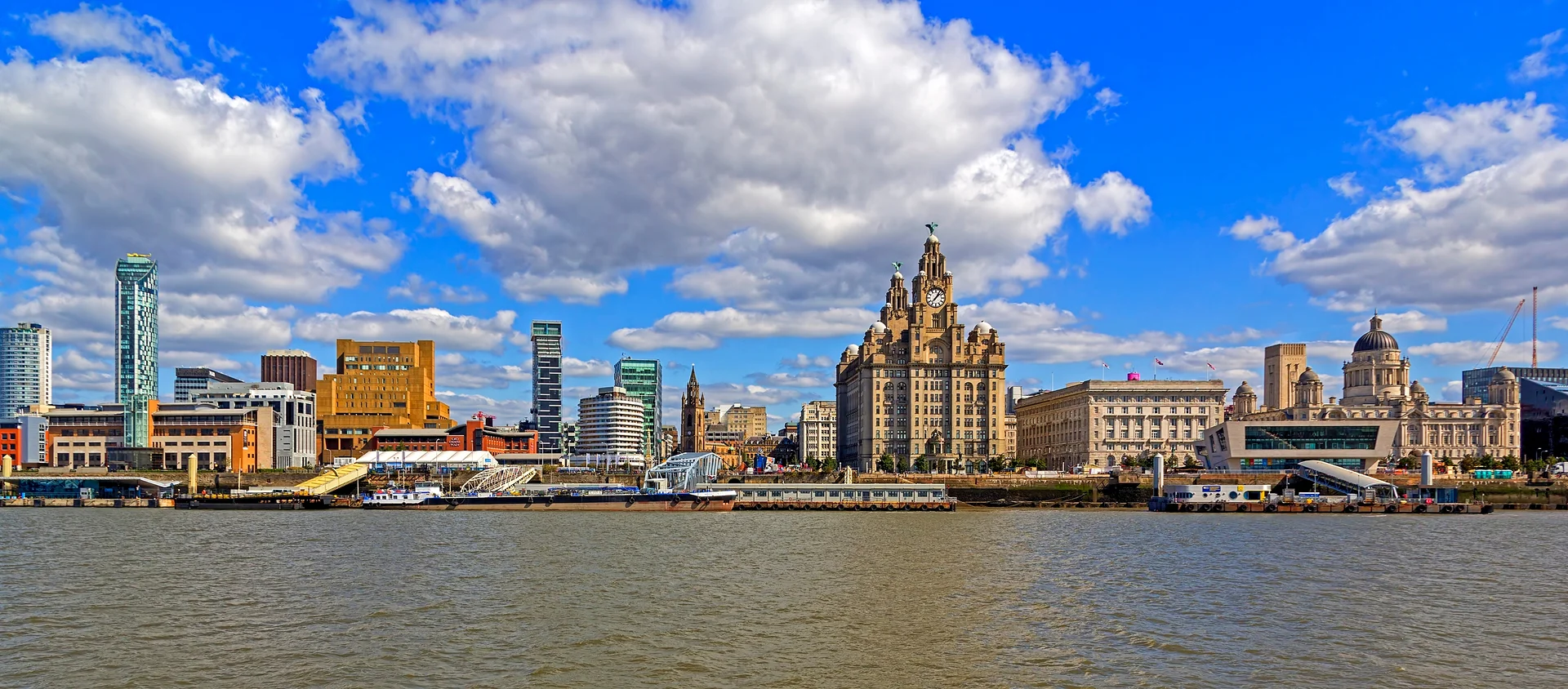
Liverpool’s waterfront was removed from the UNESCO World Heritage List in 2021. Three buildings dominate the Pier Head: the Royal Liver Building with its mythical birds perched on top, the Cunard Building with its Italian palace aesthetic, and the Port of Liverpool Building. This trio, known as the "Three Graces," stands as a monument to the era when this was one of the most important ports on the planet.
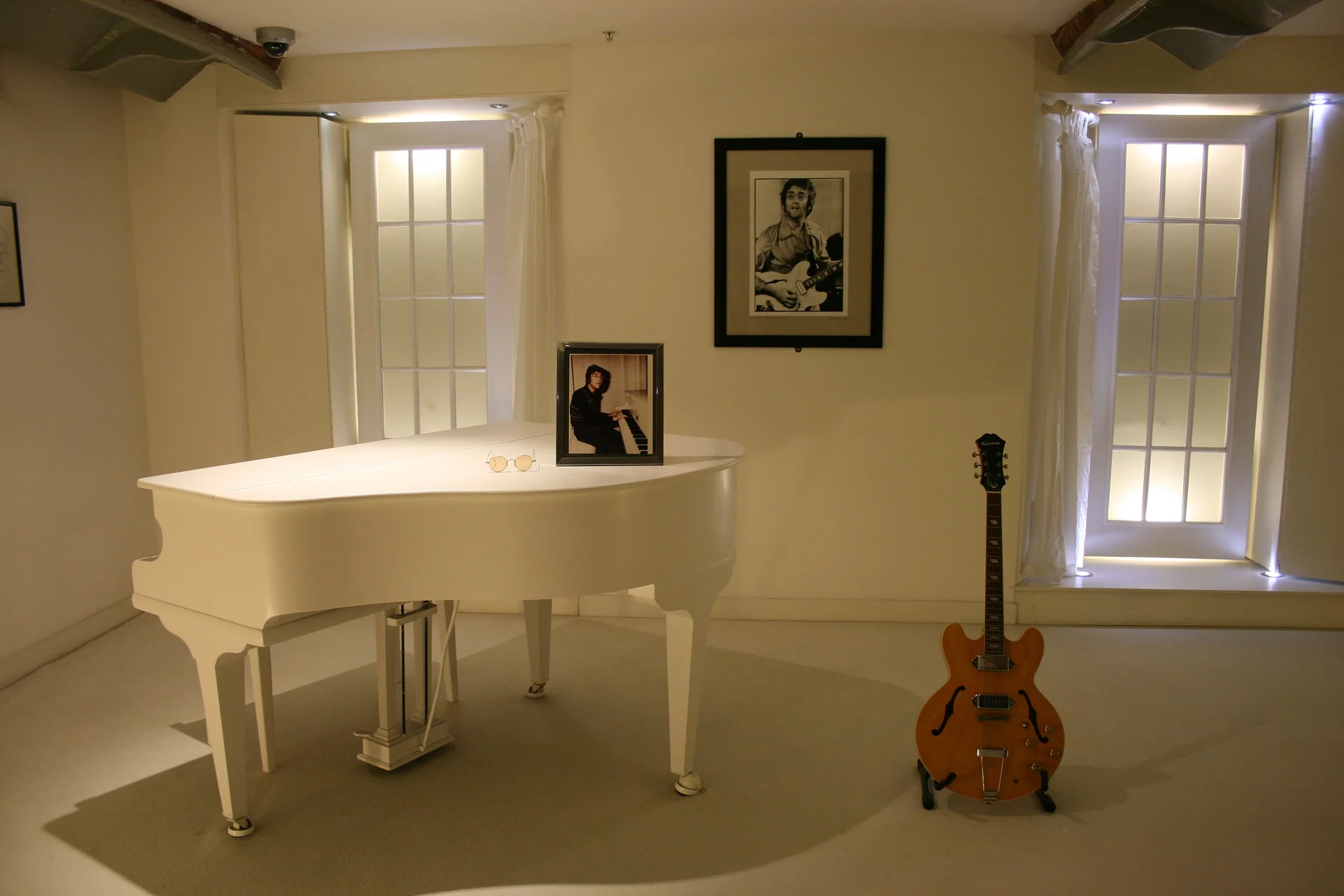
The Albert Dock, a former warehouse complex built in 1846, now houses the Merseyside Maritime Museum and the Beatles Story, while Tate Liverpool has moved temporarily to Mann Island during the redevelopment of its dock building. The Beatles Story tracks the band's rise with a massive collection of artifacts, recreations, and an audio guide narrated by John Lennon's sister. Tickets are 20 GBP (about $27*) and you should set aside a good two hours for the visit.
Friendly tip: Take the ferry across the Mersey to admire the skyline from the water. The 50-minute round trip costs about 12 GBP and offers the best vantage point of the Three Graces at sunset.
From the Cavern Quarter to the historic center
Mathew Street has become an enclave of Beatles nostalgia. The Cavern Club, where the band played 292 times between 1961 and 1963, was partially rebuilt after its demolition. The energy remains high, with live music every night. A wall of fame lists every band that has played in these vaulted cellars.
Beyond Beatlemania, the city center demands attention. St George's Hall, a neoclassical masterpiece, hides a mosaic floor made of 30,000 tiles depicting Neptune and the Liver Birds. These tiles are only uncovered a few times a year to protect them. The Bombed Out Church, or St Luke’s Church, which was gutted during the 1941 Blitz, still stands without a roof, now serving as an open-air cultural space.
Liverpool’s Chinatown is the oldest in Europe. Its arch, the largest outside of China, marks the entrance to a neighborhood where Cantonese and Sichuanese restaurants serve noodles late into the night.
The Baltic Triangle and the alternative scene
This industrial neighborhood south of the docks has transformed into a creative epicenter. Old warehouses now house craft breweries, art galleries, and clubs. The Baltic Market, set in the former Higson’s brewery, gathers street food vendors from around the world. You can grab Thai, Mexican, or Lebanese food for under 10 GBP (about $14*).
At night, the area comes alive. Cains Brewery Village offers mini-golf with cocktails, a bar inspired by Peaky Blinders, and DJ sets until dawn. This is the young, trendy side of Liverpool, far from the standard tourist path.
Friendly tip: The Woolton Picture House, the city's oldest independent cinema, screens films in a 1920s-era theater that has been kept entirely intact. It is a rare experience.
Following the Beatles in Woolton
True fans will make the pilgrimage to the southern suburbs. It was in Woolton that John Lennon and Paul McCartney met in 1957 at a church fete. Strawberry Field, the former orphanage where young John liked to play, inspired one of the band's most iconic songs. The original red gate is still there.
The childhood homes of John Lennon and Paul McCartney are owned by the National Trust. Tours move in small groups and must be booked in advance. You get to see Aunt Mimi’s living room where John learned guitar and the McCartney kitchen where the first tracks were composed. Tickets are 30 GBP per person.
Excursions around the city
Twenty minutes north, Crosby Beach surprises visitors with 100 cast-iron statues by Antony Gormley standing facing the sea. These life-sized figures, sometimes half-submerged by the tide, create an eerie atmosphere at sunset. Entry is free.
On the other side of the Mersey, the village of Port Sunlight is worth the detour. This model worker village, built by a soap magnate in the late 19th century, looks like a movie set with its Arts and Crafts cottages. The Lady Lever Art Gallery there houses an impressive collection of Pre-Raphaelite art.
Where to eat and drink in Liverpool?
The iconic dish remains scouse, a meat and vegetable stew that gave the locals their nickname. You can find it in traditional pubs like the Philharmonic Dining Rooms, a Victorian pub with extravagant decor; the men's restroom, featuring Art Nouveau marble, is worth a look in itself.
For more contemporary fare, Bold Street is the place to be. Mowgli Street Food serves Indian dishes in tiffin boxes while you sit on porch swings. Reservations are recommended. Panoramic 34, on the 34th floor of the West Tower, offers spectacular city views for afternoon tea or dinner.
The brewery scene is booming. Baltic Brewing in the Baltic Triangle and Love Lane Brewery near the docks offer local craft beers and tours of their facilities.
How to get to and around Liverpool?
John Lennon Airport, located 12 km from the center, receives low-cost flights from across Europe. The 500 bus reaches the center in 30 minutes for $3.40*. Manchester Airport, with better international connections, is 40 km away. Expect a 90-minute trip by train or shuttle.
From London, trains depart from Euston Station and arrive at Lime Street in about 2 hours and 15 minutes. Tickets booked in advance range from 30 to 70 GBP depending on the date. By coach, National Express makes the trip in 5 hours and 30 minutes for about 20 GBP (about $27*).
Once you are in town, the Merseyrail network efficiently serves the center and suburbs. The city center is compact and very walkable. For outlying sites like Anfield or Woolton, the 26 and 27 buses run regular loops.
When to go?
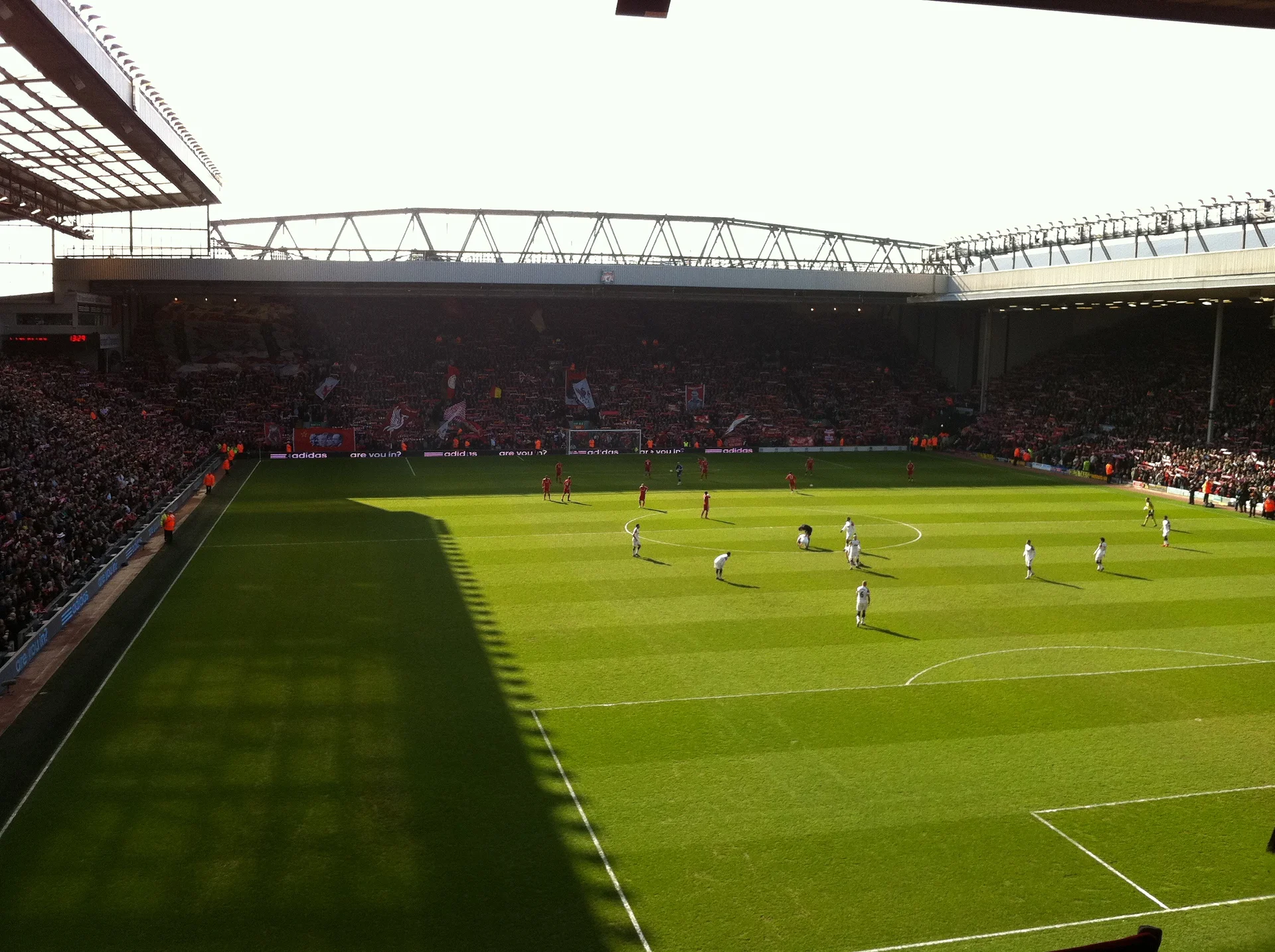
The period from May to September offers the best weather, though light rain is always a possibility. Music festivals animate the summer, notably Liverpool Sound City in May. Winter is cold and damp, but the city takes on a magical feel during the Christmas markets. Avoid football match weekends if you haven't booked in advance, as hotels will be sold out and prices will surge.
I was pleasantly surprised by my visit to Liverpool. The city is much more lively and upbeat than I thought, with plenty of pubs. There is also a great cultural scene and many museums to visit. If you are a Beatles fan, you absolutely have to visit this city.