
Manchester: The Northern rebel that rewrote the rules
A low rumble spills from a Northern Quarter pub, caught somewhere between an electric guitar riff and a cheering crowd glued to a giant screen.
That soundtrack is the very DNA of Manchester: a city that birthed independent rock, gave the world Oasis and the Smiths, but also engineered the first computer and drove the Suffragette movement. Behind red-brick facades blackened by two centuries of industry, the former cotton capital of the world reinvented itself as a creative, multicultural metropolis looking firmly toward the future.
The playground for the curious and the night owls
This city is made for you if you vibe with alternative neighborhoods, free museums, and nights that stretch out in centuries-old pubs. Soccer fans will find a mandatory pilgrimage here, between Old Trafford and the Etihad Stadium. Fans of Victorian architecture and majestic libraries will feel right at home. On the flip side, if you are chasing sun and beaches, you took a wrong turn since it rains more than 140 days a year here.
Manchester is entirely walkable or easy to navigate via tram. You do not need a car in the city center, but a vehicle comes in handy for exploring the Peak District, a national park of moorlands and green hills located less than an hour and a half to the southeast.
A reasonable budget for a major British city
Expect to spend between £80 and £150 per day ($106-$199*) for a comfortable trip: a 3-star hotel night runs around £70-90, a pub meal or casual restaurant costs £12-20, and major museums are free. Manchester remains noticeably more affordable than London, with prices roughly 30 percent lower.
The historic center: Victorian grandeur meets modernity
It all starts on Albert Square, dominated by the imposing Town Hall, a neo-Gothic masterpiece whose murals tell the story of when Manchester produced 60 percent of the world's cotton. The town hall is currently undergoing major renovations and reopens to the public in 2026. Right next door, the Central Library offers a peaceful haven with its circular reading room, marble columns, and quiet little cafe, a favorite haunt for locals.
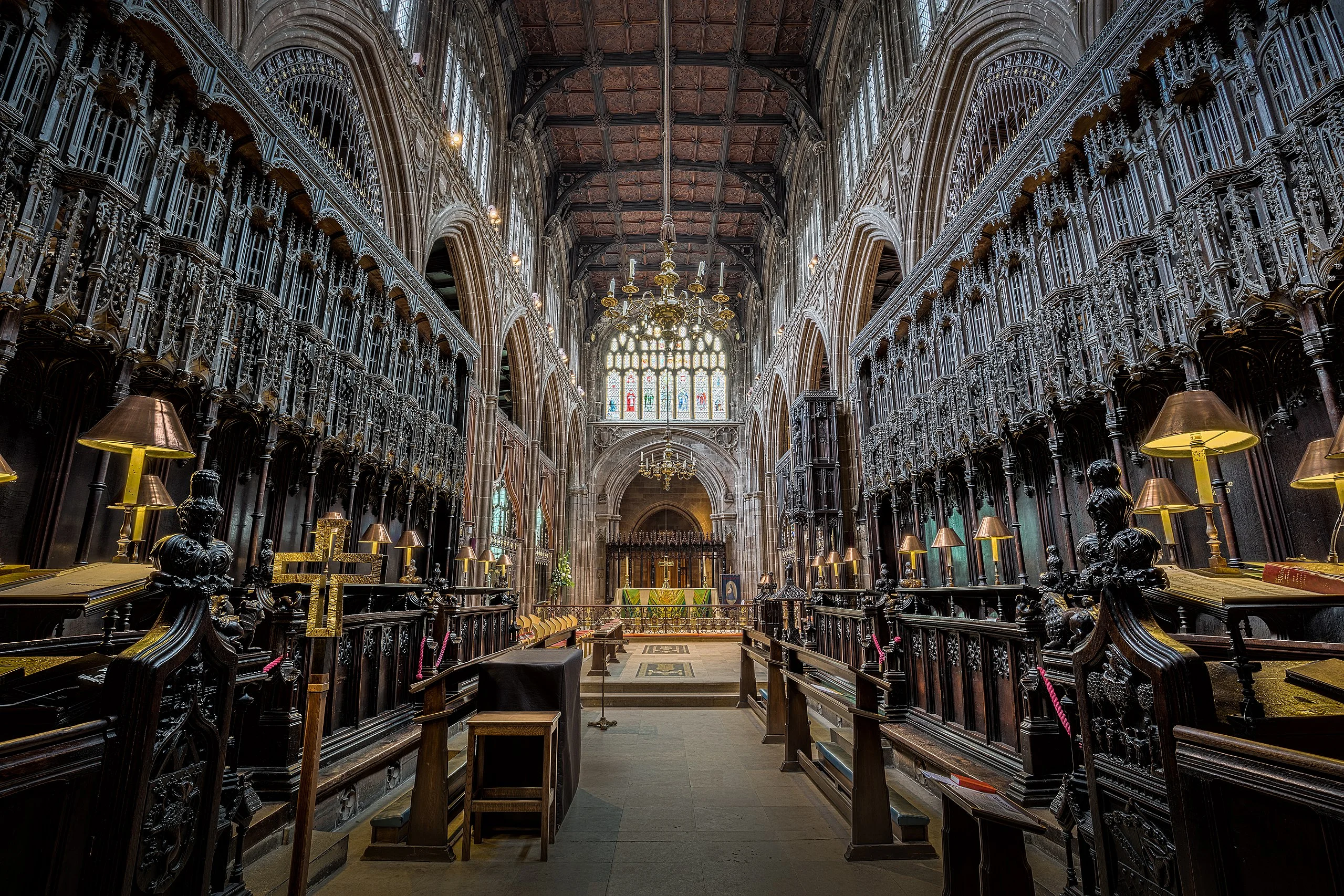
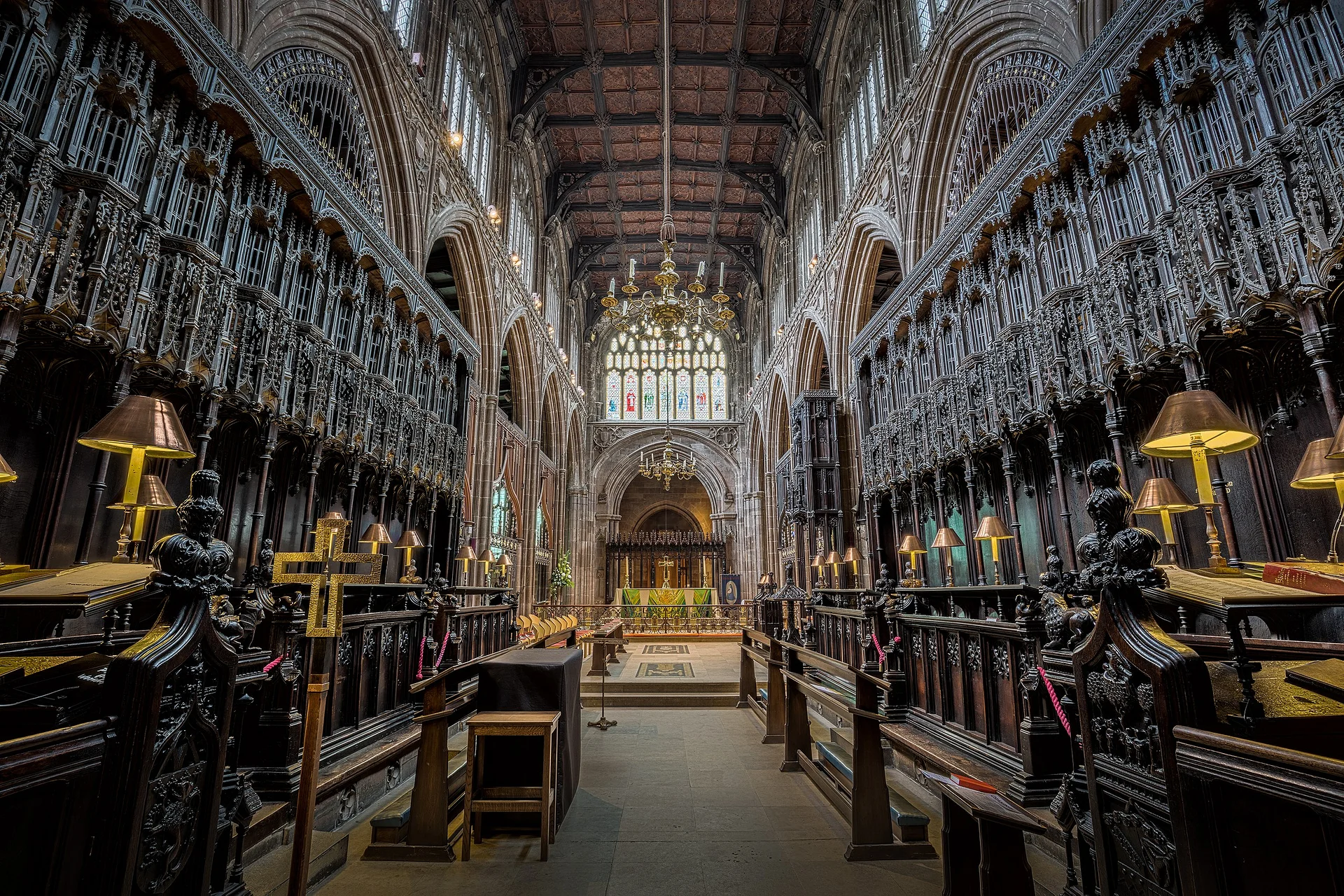
Just steps away, Manchester Cathedral raises its 15th-century Gothic silhouette, rebuilt after World War II bombings. Stroll over to the Shambles, timber-framed houses that survived medieval Manchester, before heading to Piccadilly Gardens, the city's main gathering spot.
Friendly tip: do not miss the John Rylands Library, a jewel of Victorian neo-Gothic architecture that celebrated its 125th anniversary in 2025. Admission is free, and the atmosphere feels straight out of Hogwarts.
Northern Quarter: The beating heart of counter-culture
This is where Manchester reveals its rebellious soul. This neighborhood of street art-covered walls, buzzing record stores, and vintage thrift shops concentrates the city's alternative scene. Afflecks, a multi-story indoor bazaar housed in a former department store, remains the temple of independent shopping since 1982, where rare vinyl, gothic clothing, and handmade jewelry mix in a lively blur.
Oldham Street, Tib Street, and Thomas Street overflow with trendy cafes and cocktail bars. At night, Edge Street lights up with string lights and fills with outdoor terrace seating. For an intimate jazz night, head to Matt & Phred's on Tib Street, where live shows run six nights a week.
Friendly tip: to dodge the endless lines at Rudy's Pizza in Ancoats, right by the Northern Quarter, arrive before noon or book online.
Castlefield and Salford Quays: Reimagined industrial heritage
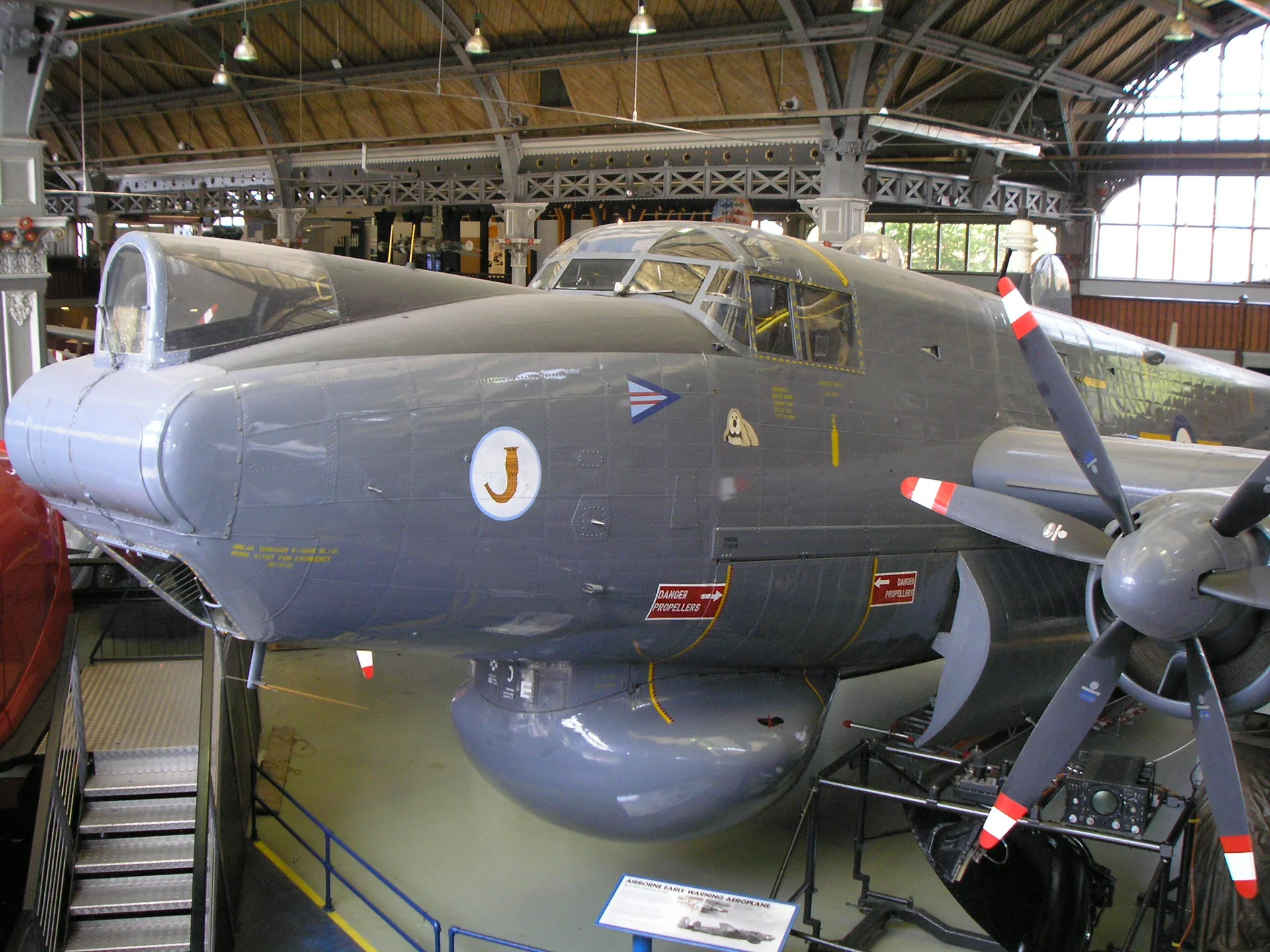
With canal paths lined with narrowboats and converted old warehouses, Castlefield offers a tranquil break right in the city center. This is where the Industrial Revolution was born, and the Museum of Science and Industry (MOSI) traces its history from the first locomotive to the first computer, built right here in 1948. Admission is free.
Farther out, Salford Quays houses The Lowry, a futuristic cultural center dedicated to Mancunian painter L.S. Lowry, famous for his stylized matchstick workers. Right across the water, the Imperial War Museum North, designed by Daniel Libeskind, offers an immersive dive into 20th-century conflicts. The brand new Factory International, opened in 2023, already stands out as one of the UK's most ambitious cultural spaces.
Friendly tip: a narrowboat cruise from Castlefield to Salford gives you unique angles on the city's industrial architecture.
For soccer fans: A mandatory pilgrimage
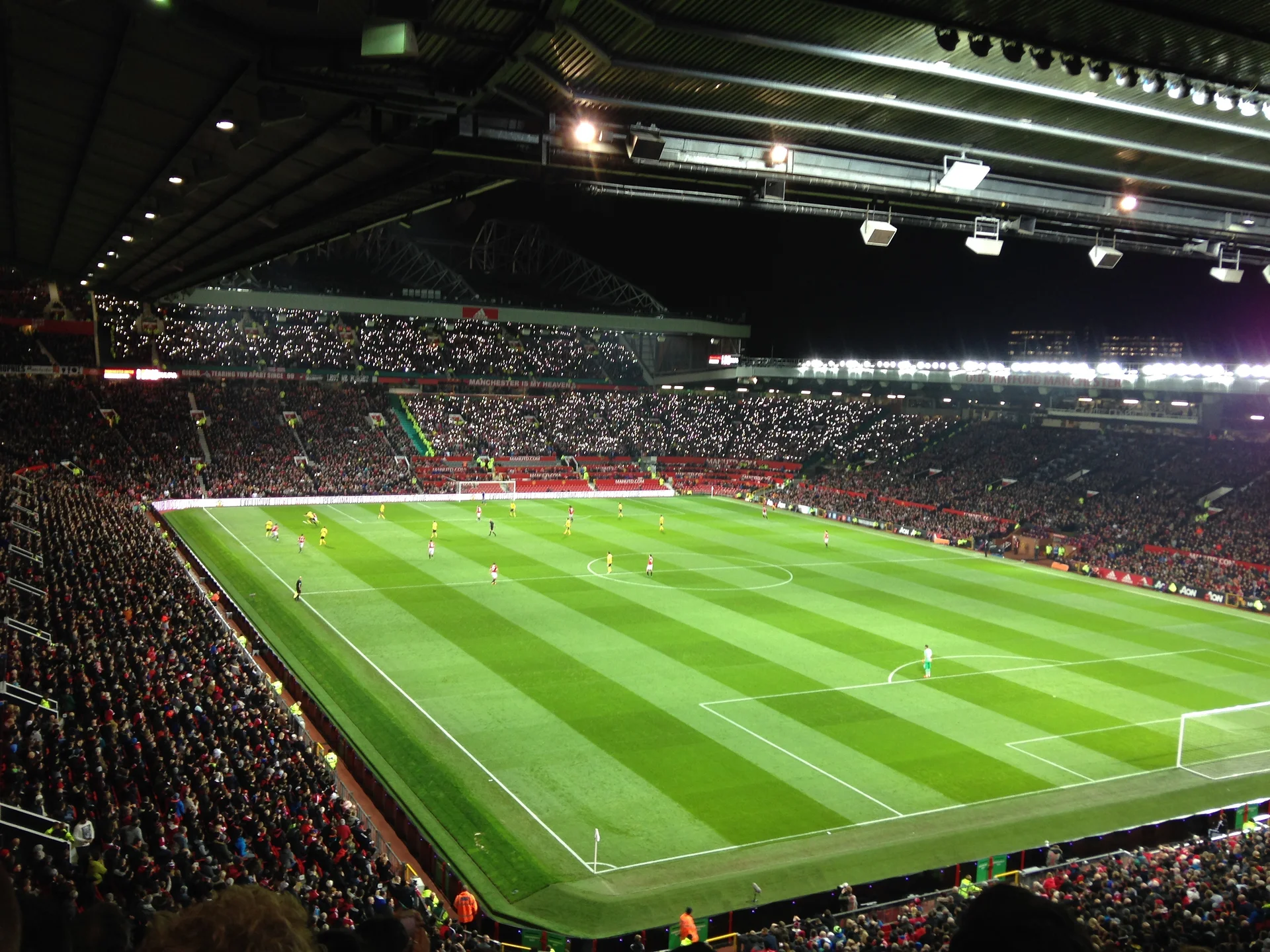
Manchester lives and breathes the beautiful game. The National Football Museum, right downtown, chronicles the sport's history with relics from both rival clubs. Red Devils supporters will not want to miss a tour of Old Trafford, Manchester United's "Theater of Dreams." City fans can check out the Etihad Stadium and its interactive museum. Book your match tickets several weeks ahead of time. Expect to pay at least £40 per seat.
Where to eat and drink in Manchester?
The Mancunian food scene now rivals London's. The Northern Quarter gathers the top spots: Bundobust for vegetarian Gujarati street food paired with exclusive craft beers, Yard & Coop for crispy buttermilk fried chicken, or BAB for elevated gourmet kebabs far removed from late-night drunk food.
For a more traditional vibe, step into The Oast House in Spinningfields, a century-old pub where you can sip pints in a rustic setting. Fine dining fans can book a table at 63 Degrees, a French restaurant where chef Eric Moreau masters low-temperature meats. On the street food front, Mackie Mayor, a converted Victorian market hall, brings together a dozen food stalls under a stunning glass roof.
Getting to and around Manchester
Manchester Airport, the third busiest in the UK, handles direct flights from major European hubs via Easyjet and Ryanair. A train connects the airport to the city center in 20 minutes. If you are coming through London, a direct train north reaches Manchester in about two hours.
Around town, the Metrolink light rail system covers all major neighborhoods efficiently. A dense bus network complements the tram in the center. For the Peak District or Liverpool (45 minutes away), driving or taking the train are your best options.
When to go?
May, June, and September strike the right balance between mild weather and manageable crowds. Summer pulls in heavier tourist traffic and drives up hotel rates. In December, the famous Manchester Christmas Market takes over Albert Square and neighboring streets, creating a festive atmosphere, though pathways get packed.
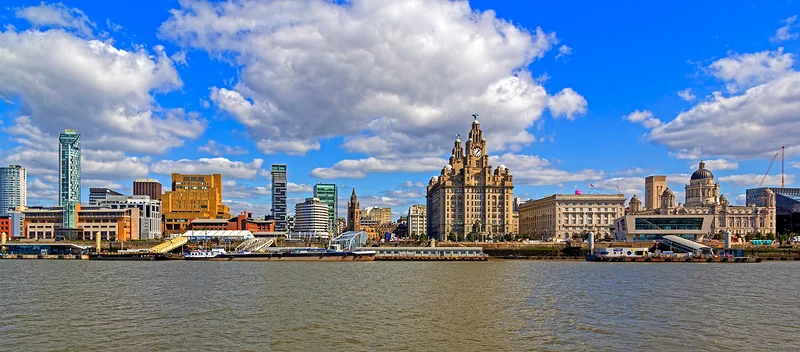
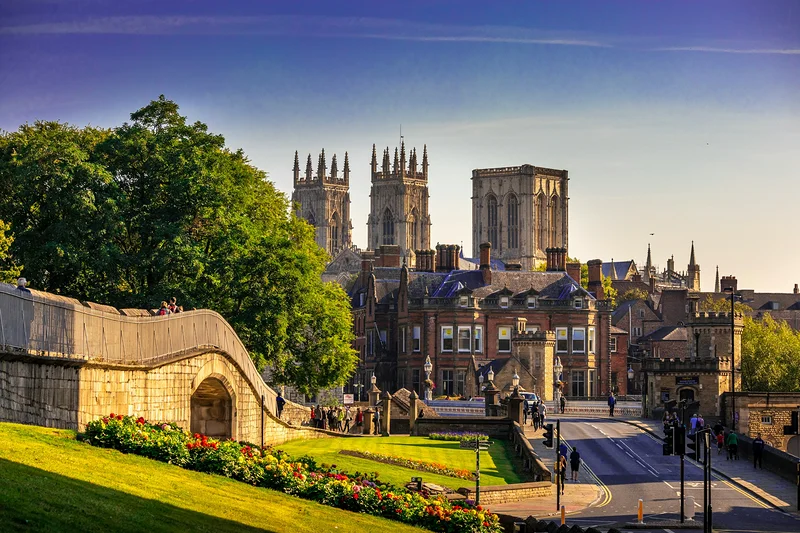
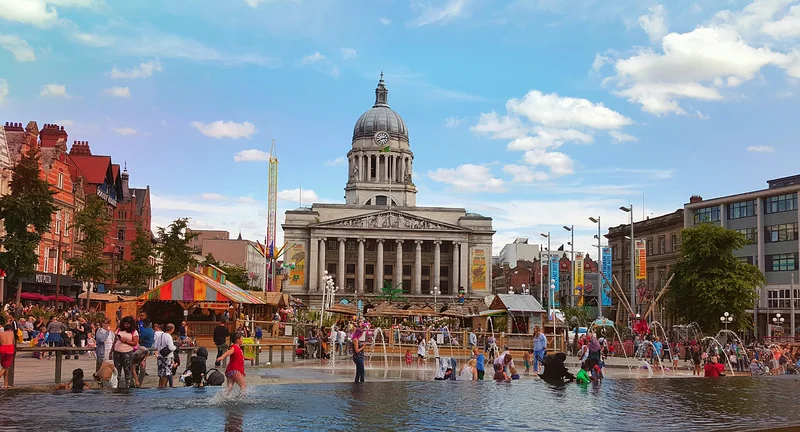
I love Manchester, you can feel the music on every corner, the vibe of the city is young and active, and everyone is kind and smiling.
The industrial history of the region blends with the modern buildings.<br>
Not to be missed if you are doing a road trip in England 😊