
London, a Metropolis of a Thousand Villages
Somewhere deep underground, a musician plays the cello on the platform of the Northern Line. Upstairs, a passing shower just cleared, leaving that distinct scent of wet asphalt mingling with the aroma of fish and chips from a nearby pub. That constant interplay between the refined and the gritty, the ancient and the modern, tells you more about this city than any postcard of Big Ben ever could.
A Capital That Divides as Much as It Fascinates
This city suits curious travelers who love walking, museum enthusiasts, and fans of British pop culture down to the ground. If you live for theater, live music, and street food, you will find an endless playground here. If you are looking for a total change of scenery or wide-open natural landscapes, on the other hand, you will not find them here.
Prices run high, the weather has a mind of its own, and the distances can test your stamina. Yet most major museums are free to enter, the transit system works with remarkable precision, and the cultural diversity delivers experiences that are hard to replicate anywhere else in Europe.
Great destination for:
- History buffs, museum-goers, and culture lovers of all stripes
- Theater fans, live music lovers, and night owls
- Foodies eager to sample cuisines from around the globe
- Street food fans, market wanderers, and vintage shoppers
- Solo travelers, thanks to an exceptionally secure transit network
Not ideal for:
- Anyone looking for guaranteed sunshine and warmth
- Strict budget travelers without any room for flexibility
- Travelers who cannot stand heavy urban crowds
- Those craving wild nature and vast open spaces
One of Europe's Priciest Capitals
Lodging eats up a massive chunk of your travel funds. Rates climb fast, even for basic setups, and the exchange rate against the British pound adds up quickly.
| Expense category | Price range |
|---|---|
| Hostel dorm or basic hotel | £35 to £80 ($47-$106*) |
| Well-located 3-star hotel | £120 to £180 ($159-$240*) |
| Quick bite (supermarket meal deal, street food) | £5 to £10 ($6.70-$14*) |
| Sit-down restaurant or pub meal | £12 to £25 ($16-$34*) |
| Transit + one activity | £10 to £20 ($14-$27*) |
| Backpacker daily budget | £60 to £90 ($80-$119*) |
| Comfortable daily budget | £150 to £250 ($199-$340*) |
An ETA Is Required
Visitors must secure an electronic travel authorization before boarding flights to the United Kingdom. The ETA costs £16 ($22*), is requested through the official app, and remains valid for two years. Most requests process within minutes, but submit yours at least three business days before departure.
Getting Your Bearings and Staying Safe
The city is generally secure, even at night in central neighborhoods. Keep an eye out for pickpockets in heavily touristed areas and on the Tube during rush hour. English eliminates any language barrier, and Londoners turn out to be much friendlier than their stereotype suggests.
The climate stays mild year-round but remains unpredictable. Always pack a rain jacket, no matter the season. Showers hit fast and pass quickly, and the sun might pop back out twenty minutes later.
Historic London: Westminster and the City
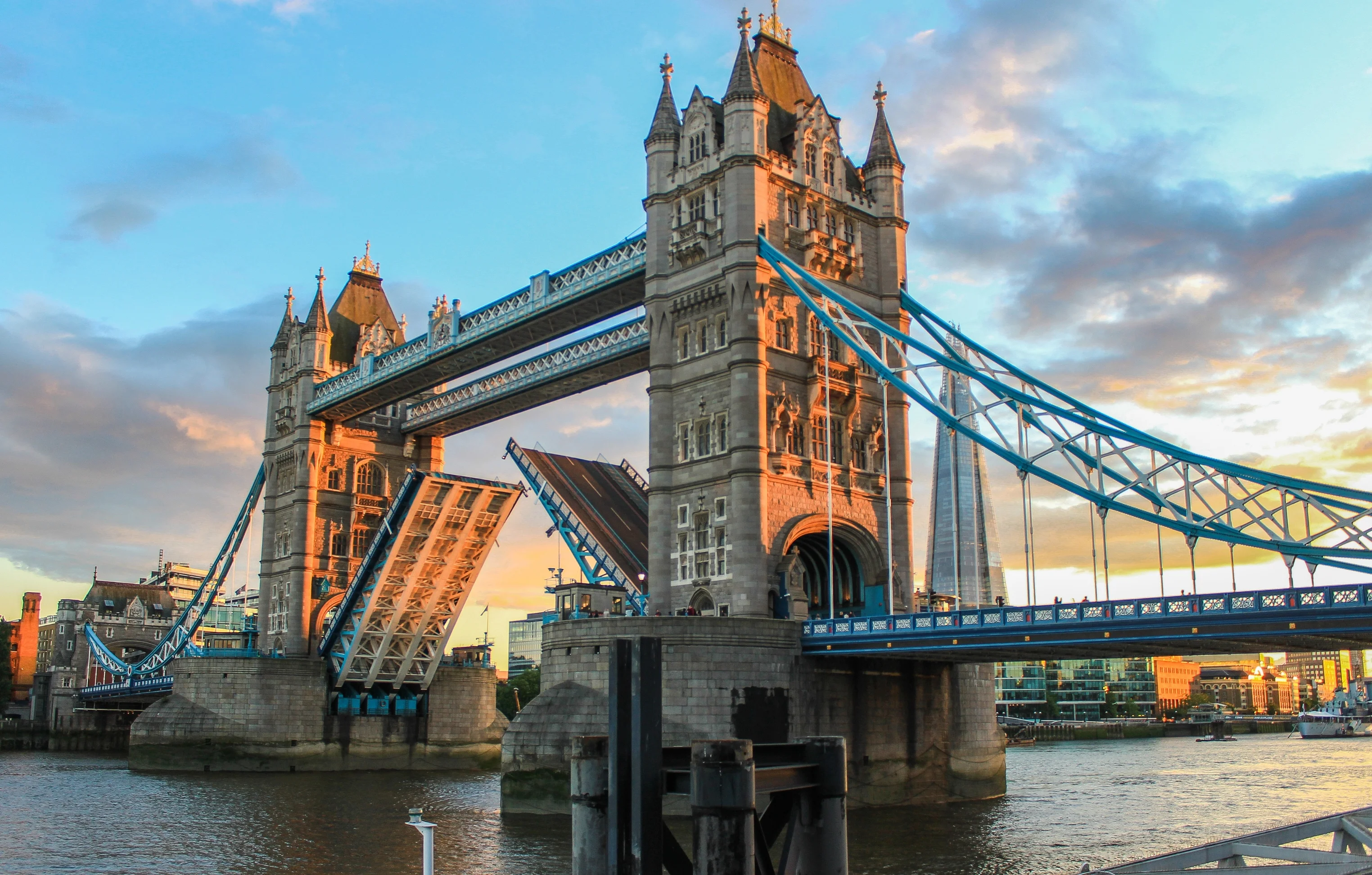
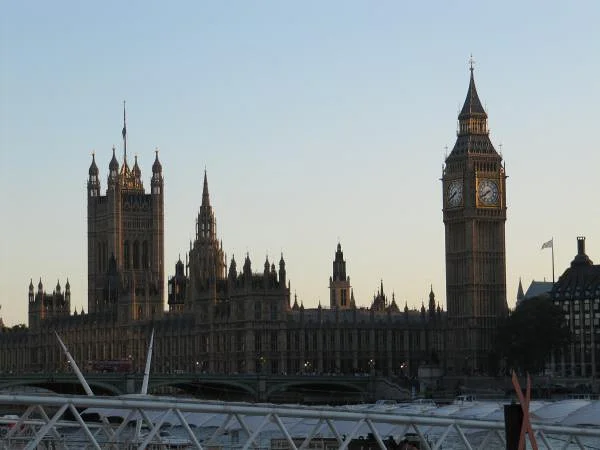
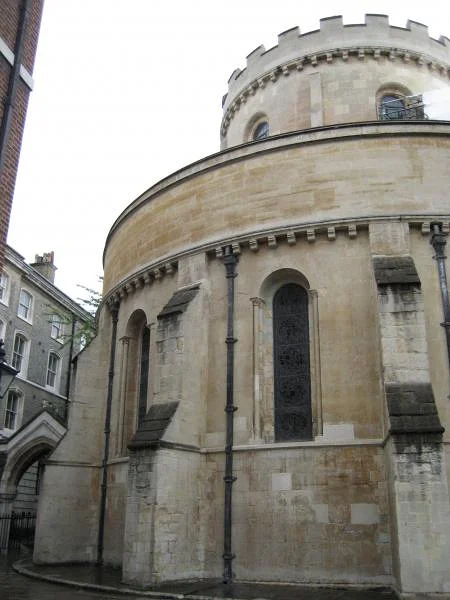
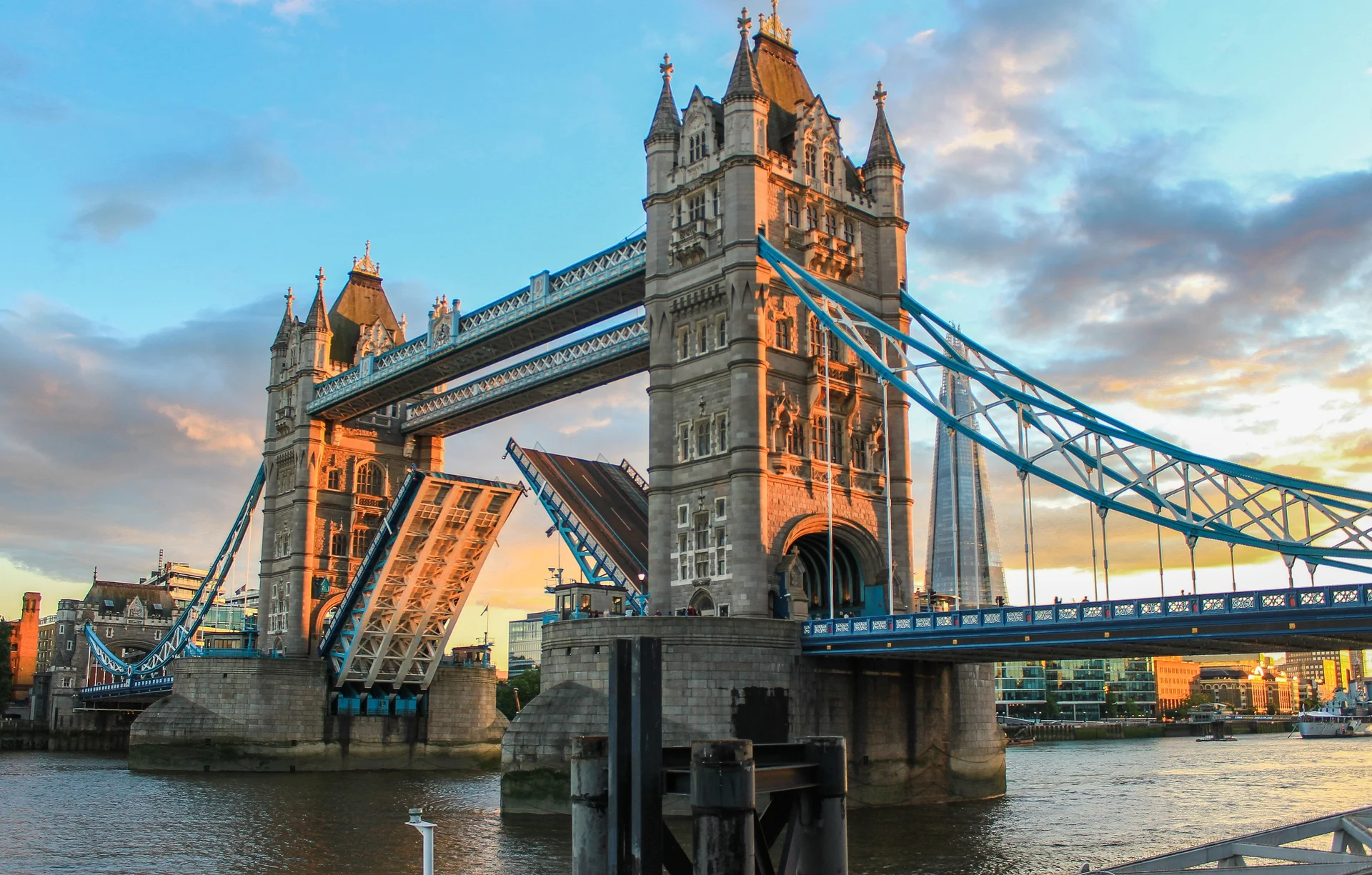
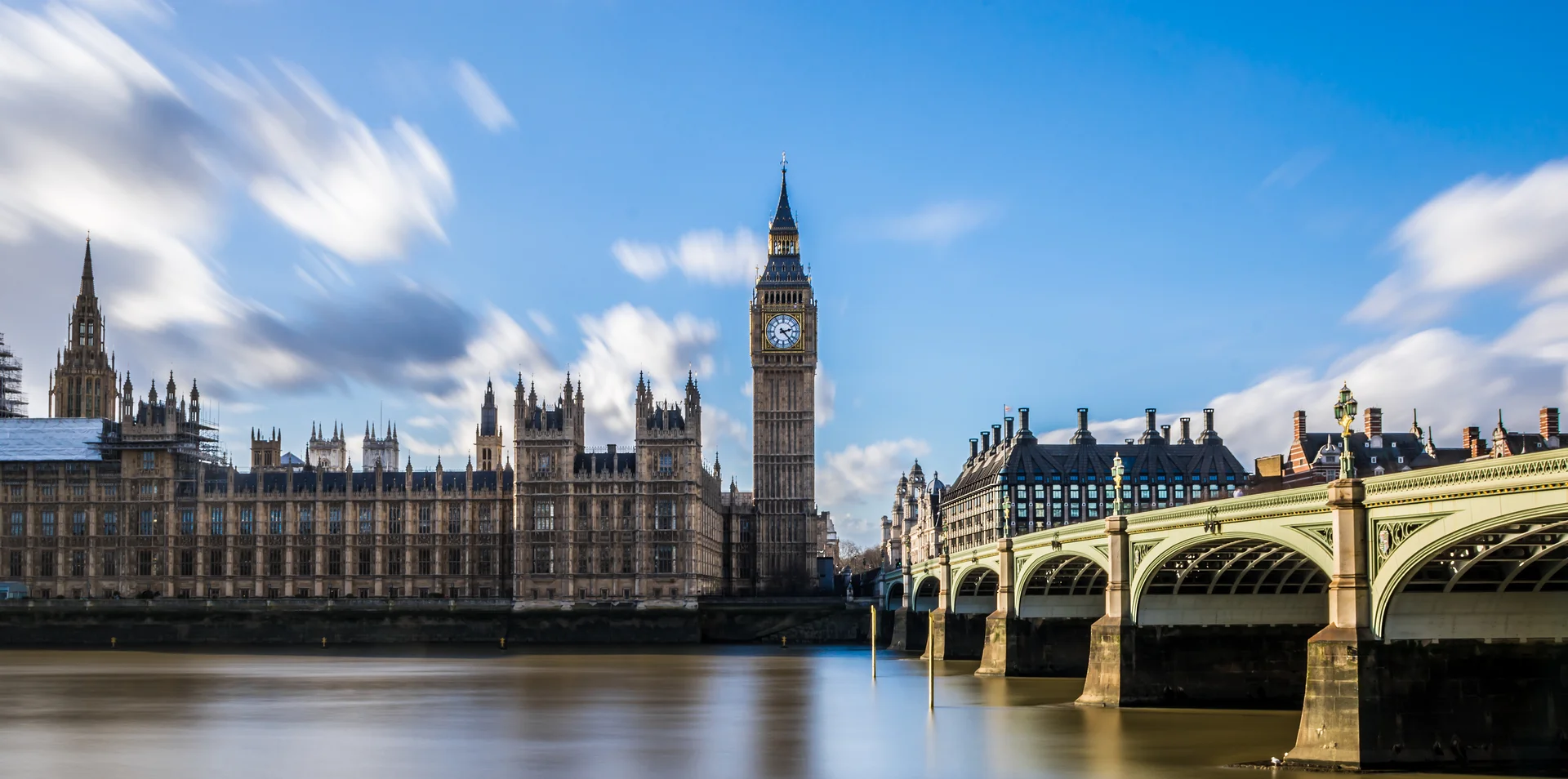
The main tourist hub stretches from Westminster to the Tower of London. Westminster Abbey, Big Ben, and the Houses of Parliament hold the bulk of British royal and political heritage. The Tower of London, a medieval fortress turned museum, houses the Crown Jewels.
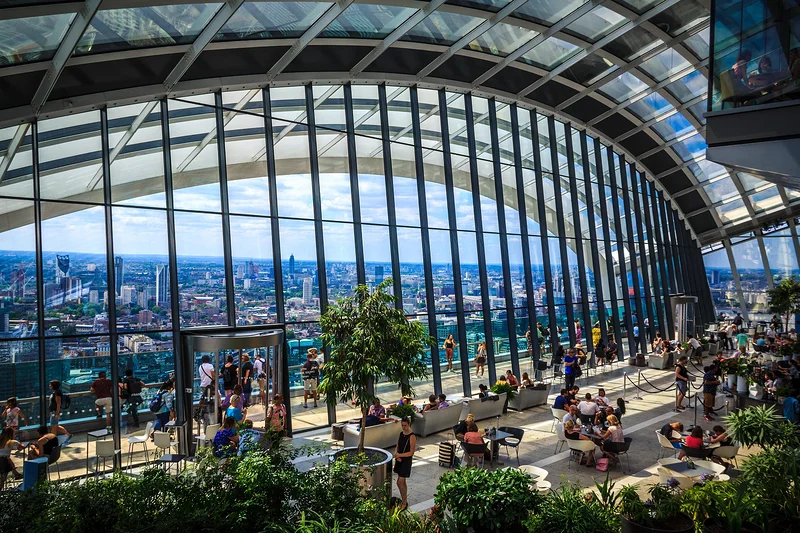
The City, the old financial district, mixes glass high-rises with medieval churches. The Sky Garden offers free panoramic views over the skyline, provided you book online several days ahead. Right nearby, Postman's Park hides a touching memorial dedicated to ordinary heroes who died saving others.
Friendly tip: steer clear of the restaurants immediately around Leicester Square and Piccadilly Circus, where prices are inflated for mediocre food. Walk ten minutes toward Soho or Covent Garden to find much better spots for the same cost.
East London: Shoreditch, Spitalfields, and Beyond
Shoreditch and Spitalfields make up the creative face of the city. Street art covers the walls along Brick Lane, while weekend markets draw lively crowds. Old Spitalfields Market sells everything from vintage clothing to global street food.
Further east, Hackney and Clapton host some of the top dining rooms in town. Saturday's Broadway Market draws locals for artisan cheeses and fresh bread. These are the streets where we love getting lost the most, with raw energy and creativity felt around every corner.
Abandoned Tube Tunnels
The London Transport Museum runs tours of disused underground stations under the name Hidden London. Aldwych station, closed in 1994, served as an air-raid shelter during World War II. Tickets sell out fast, so book several weeks in advance.
West and South London: Residential Neighborhoods
Notting Hill draws visitors for its Saturday Portobello Road market and pastel-painted townhouses. The neighborhood feels much nicer to stroll through during the week when the crowds thin out. Nearby, Little Venice surprises travelers with colorful houseboats moored along the canal, far from downtown noise.
South of the Thames, Peckham and Brixton showcase a multicultural side of the city. Brixton Village brings together more than 100 independent shops representing around fifty nationalities. Pop Brixton, built from stacked shipping containers, represents the new wave of London food halls.
Friendly tip: the Kyoto Garden in Holland Park is one of West London's best-kept secrets. This free Japanese garden, complete with roaming peacocks and koi fish, provides a pocket of calm ten minutes from Kensington.
Parks and Green Spaces
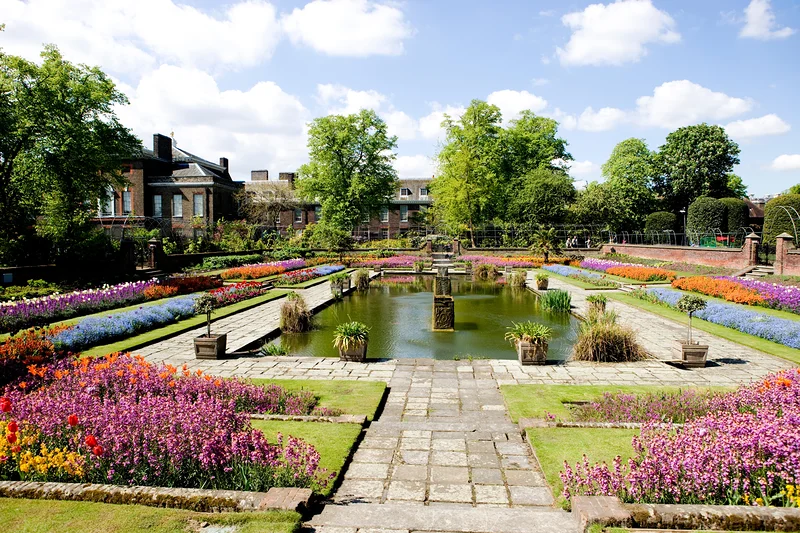
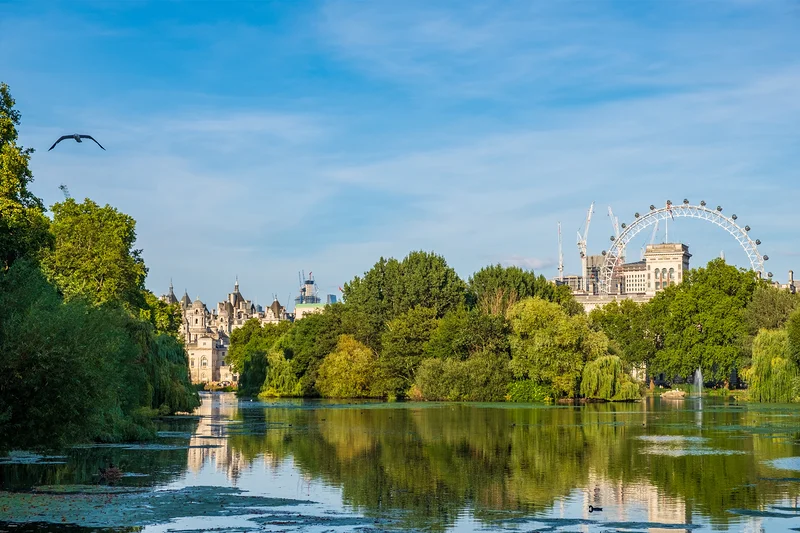
Hyde Park and Regent's Park remain the classics, but other green spaces deserve a detour. Less crowded, Hampstead Heath up north offers nearly countryside views and open-air swimming ponds.
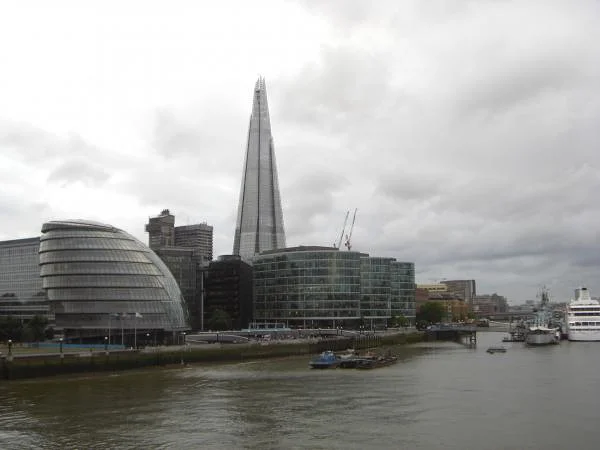
The banks of the Thames between Tower Bridge and the Tate Modern make for an ideal walk. The South Bank packs in theaters, galleries, and street food stands with Big Ben rising across the water.
Greenwich Park commands one of the finest views in the city, especially at sunset, when students and young couples gather with blankets and picnics. The Royal Observatory sits at the very top, marking the Prime Meridian line.
Where to Eat and Drink in London
Britain's old culinary reputation is dead and gone. London's dining scene ranks among the most dynamic in Europe, fueled by the city's cultural mix. The traditional Sunday roast, served in pubs at midday on Sundays, remains an institution featuring roasted beef or lamb with Yorkshire pudding and vegetables.
Markets offer the best value for your money. Borough Market, close to London Bridge, sells British cheeses, fresh oysters, and global dishes. Maltby Street Market, tucked more quietly beneath railway arches, draws food lovers on Saturdays.
For budget meals, supermarket meal deals at Tesco, Sainsbury's, or Marks & Spencer package a sandwich, snack, and drink. Pubs regularly serve lunch specials. In the evening, Brick Lane and Brixton dish out international food at fair prices.
How to Get to London
Five airports serve the capital: Heathrow, Gatwick, Stansted, Luton, and London City. The Piccadilly Line connects Heathrow to downtown in an hour. The faster Elizabeth Line costs a bit more. Express trains to the other airports run on higher fares.
From Paris, Eurostar pulls into St Pancras in 2 hours and 15 minutes. Tickets vary based on how early you book. Long-distance buses offer a cheaper route, though the trip takes 7 to 8 hours including the Channel crossing.
- Remember to request your ETA at least 3 days before departure through the official UK ETA app
- Eurostar tickets cost significantly less when booked 2 to 3 months ahead
- From Belgium, the Benelux, or Germany, Eurostar also serves St Pancras via Brussels and Lille
How to Get Around London
The Tube covers most of the city. A Zone 1-2 ride runs on contactless payment or an Oyster Card, with daily transit caps limiting your spending. Red double-decker buses let you see the city from street level, and they accept card payments only.
Avoid driving in the center. Between the Congestion Charge, the ULEZ clean-air zone, and steep parking fees, the bills add up fast. Black cabs are worth trying at least once as a classic London experience, while Uber and Bolt operate everywhere.
When to go
Spring and autumn provide the best balance between decent weather and manageable crowds. Summer draws heavy tourist traffic and pushes hotel rates up. Winter stays mild compared to Northern Europe, and the holiday light displays create a festive mood. Always pack an umbrella because rain can pop up at any time of year in a matter of minutes.

C'est vrai que c'est pratique l'Eurostar, surtout en réservant à l'avance, on peut trouver les billets à 88 euros A/R... ça permet même de partir le samedi matin et rentrer le dimanche soir, et du coup de payer une seule nuit d'hôtel!