
Visiting Brighton
Brighton sits on the southeast coast of England in the United Kingdom, right on the English Channel within East Sussex. It really took off during the 18th century as a seaside and spa destination. Energetic and lively, it is often called London on Sea. Back in 1841, a railway connection linked Brighton directly to London, which accelerated its growth as a resort town. The Victorian era left behind iconic buildings like the Grand Hotel, which still stands right on the waterfront today.
A Cornerstone of British Leisure Culture
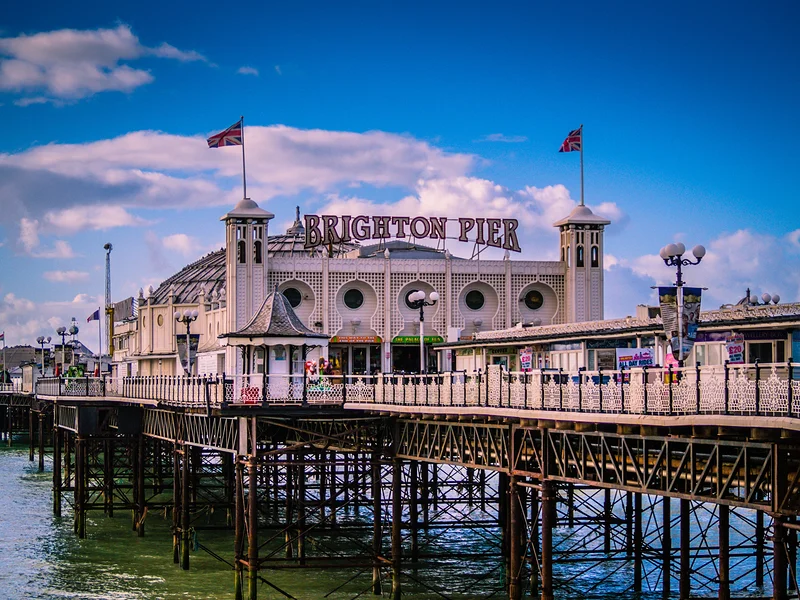
By the late 19th century, two piers had gone up in Brighton. The Palace Pier, packed with arcades and eateries, is still standing today. The West Pier met a rougher fate, originally featuring a concert hall and a theater before structural decline forced its closure in 1975. Fire damage followed over the years, and today only skeletal ruins remain visible from the shore.
Another defining landmark is the Royal Pavilion. Built by the Prince Regent who later became King George IV, its Indo-Saracenic architecture features distinctive domes and minarets. Today, it operates as an art museum housing major collections of fine art, fashion, and design.
A Classic English Seaside Town
The downtown area known as The Lanes packs narrow alleys with small shops, pubs, and restaurants. Wandering through the maze of streets brings you past spots like Blaker Street to check out the colorful pastel townhouses. Head over to North Laine next for street art and independent antique stores. This neighborhood gave birth to the mod subculture, a British movement centered around modern jazz, sharp suits, and motor scooters.
The Brighton seafront, famously captured by landscape painter John Constable, is well-developed. Over toward Hove, you will walk past rows of traditional wooden beach huts known as the Hove Beach Huts, and you can ride the observation pod of the i360 tower. Standing 162 meters tall, it offers sweeping views over the coastline and the city below. Heading east, take the Undercliff Walk, a 5-kilometer paved path built right at the base of the white chalk cliffs.
When to go
Spring and summer offer the best weather for exploring Brighton. Timing your visit for Gay Pride is well worth it, as it ranks among the largest celebrations in the United Kingdom, living up to Brighton's reputation as the country's LGBTQ+ capital.
How to get there
The closest major international hub is London Gatwick airport, which offers direct train service straight to Brighton. If you arrive via the Eurostar in London, connecting trains to Brighton depart from St Pancras or Victoria stations. For drivers, Brighton connects easily via the A23, the coastal A259, or the A27.
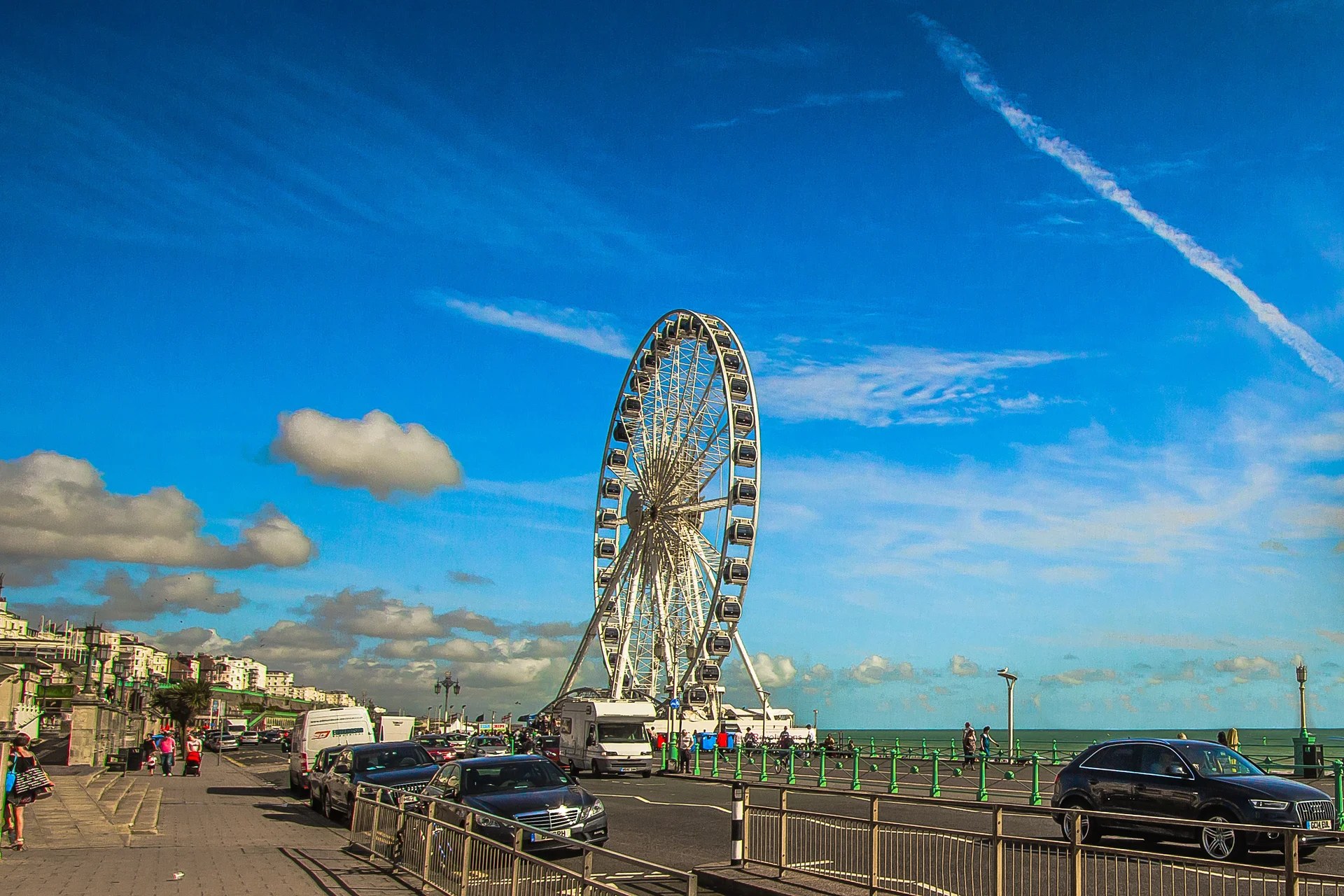
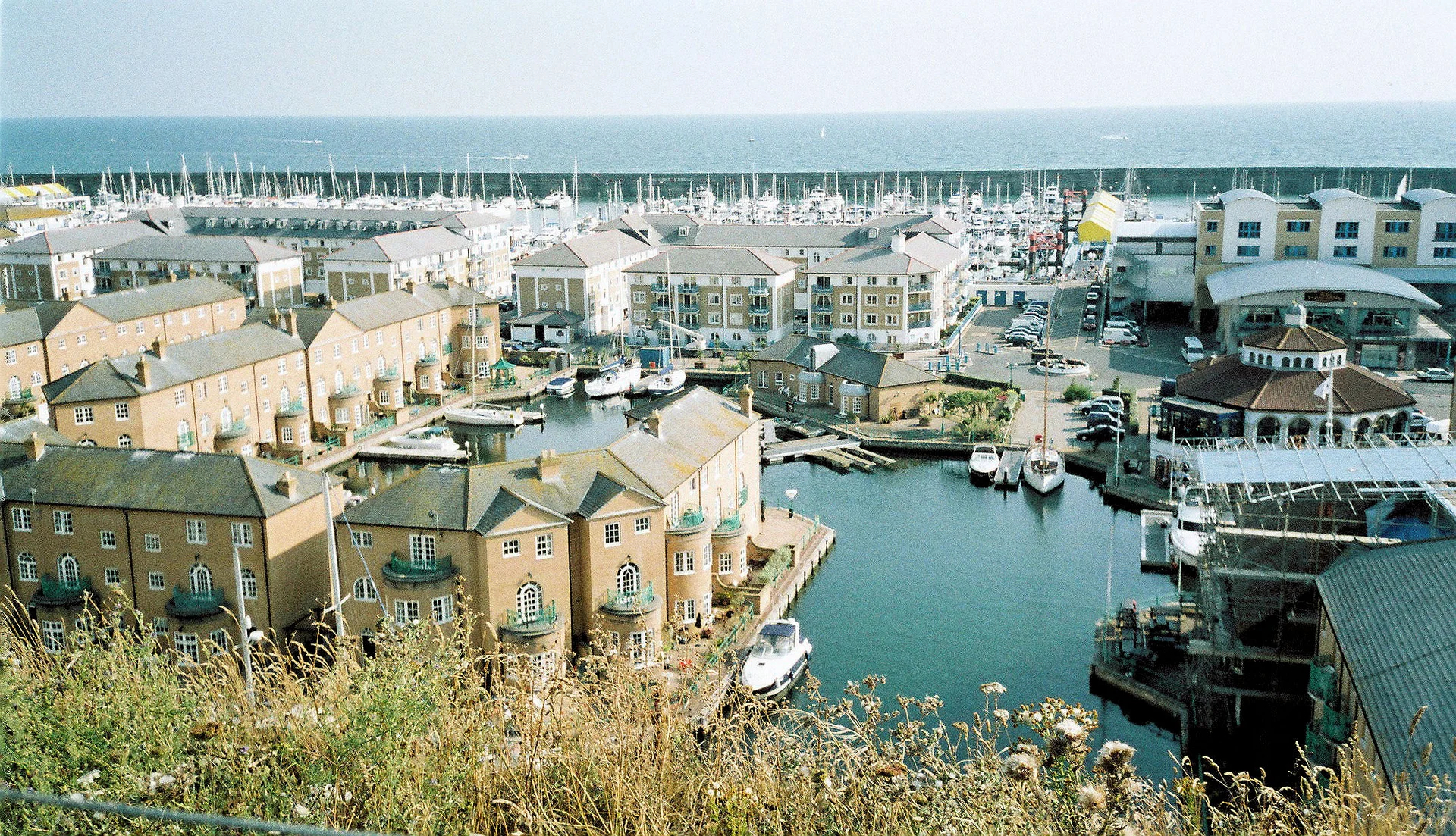
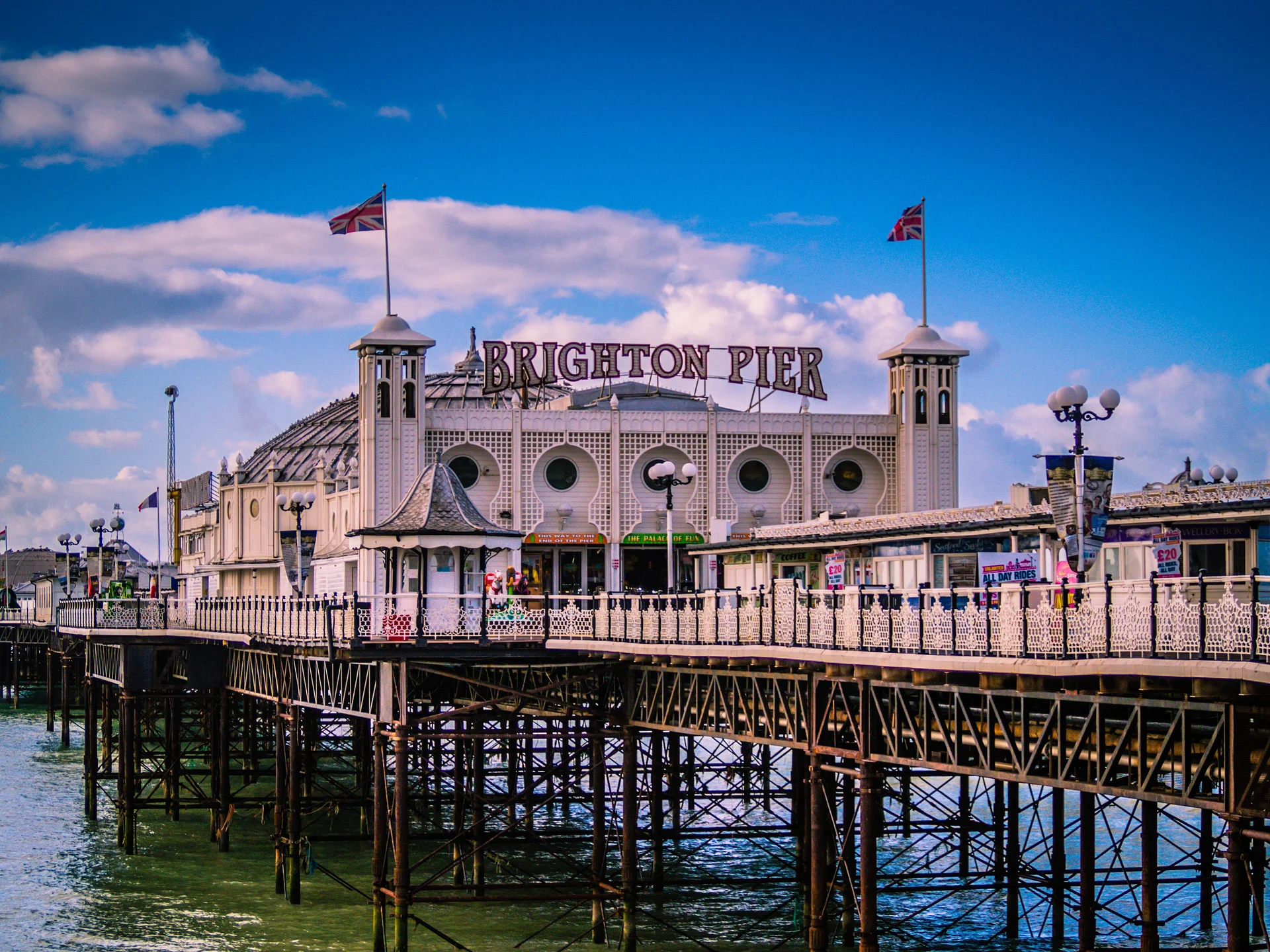
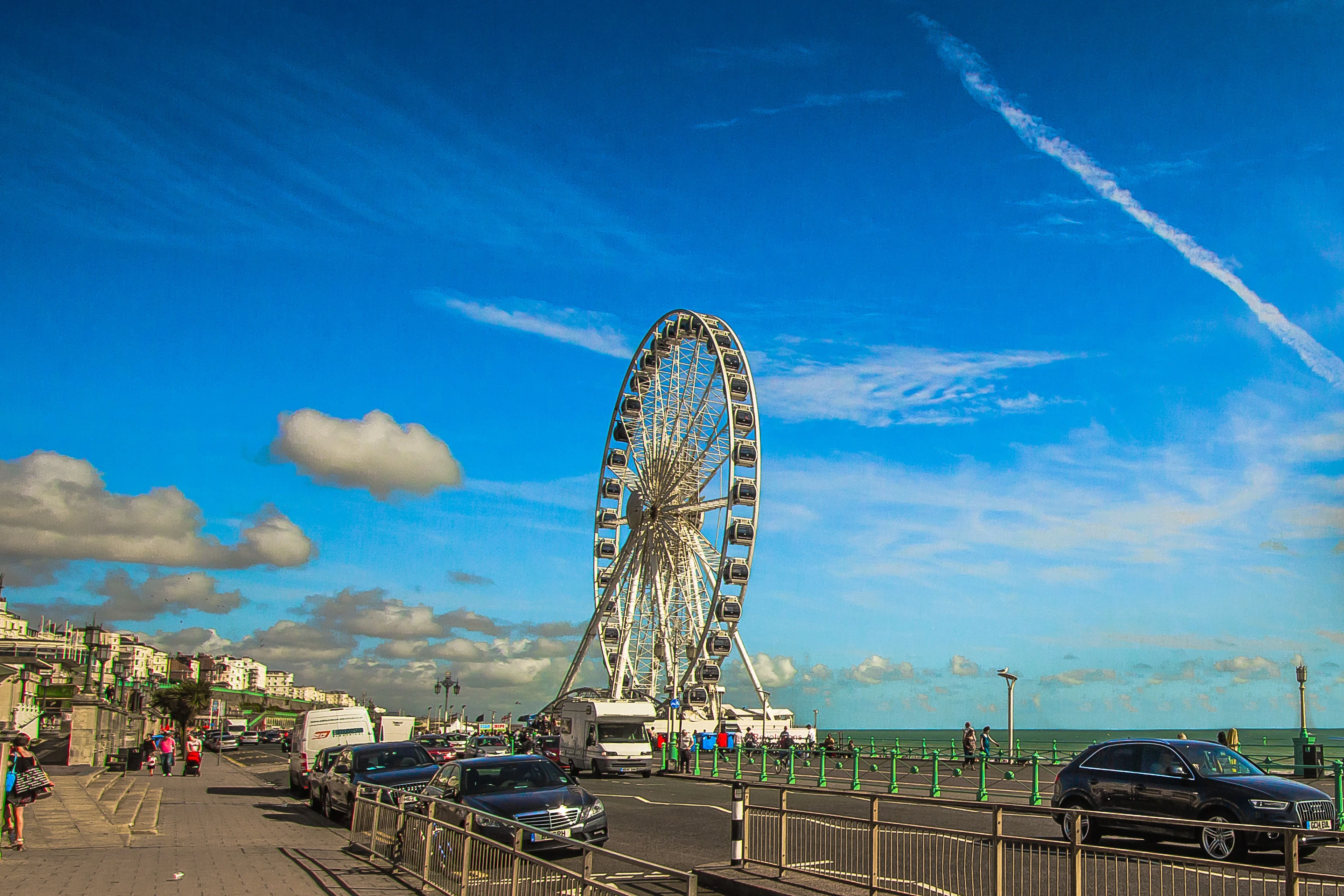
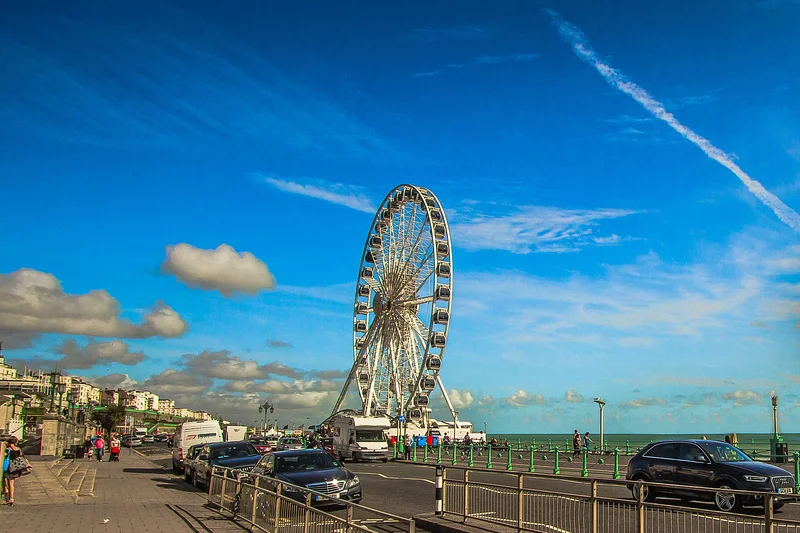
The English Santa Monica! I really loved the walk along the seaside. With the famous Pier, which is always so lively, its restaurants, and its Ferris wheel, Brighton makes for a lovely, authentic setting to stroll around and hang out on the beach. In the city center, I spent a long time wandering through The Lanes, beautiful little alleys packed with tea rooms, shops with colorful storefronts, and art galleries. As for sightseeing, I recommend checking out the Royal Pavilion, an impressive museum dedicated to fashion, and the British Airways i360 tower, which gives a splendid view of the Pier and the coast.