Salisbury, located in Wiltshire, is an English city rich in heritage and medieval architecture. Known for its iconic cathedral and proximity to major prehistoric sites, Salisbury offers travelers an authentic immersion into British history.
Salisbury Cathedral: A Gothic Masterpiece
In the center of the city stands Salisbury Cathedral, a remarkable example of English Gothic architecture. Built between 1220 and 1258, it features the tallest spire in the United Kingdom, reaching a height of 123 metres. Visitors can explore the cathedral's spacious interior, stained glass windows, and a clock dating back to 1386, which is recognized as one of the oldest working mechanical clocks in the world.
The cathedral also houses one of the four original surviving copies of the Magna Carta, a landmark historic document signed in 1215.
Old Sarum: The Origins of Salisbury
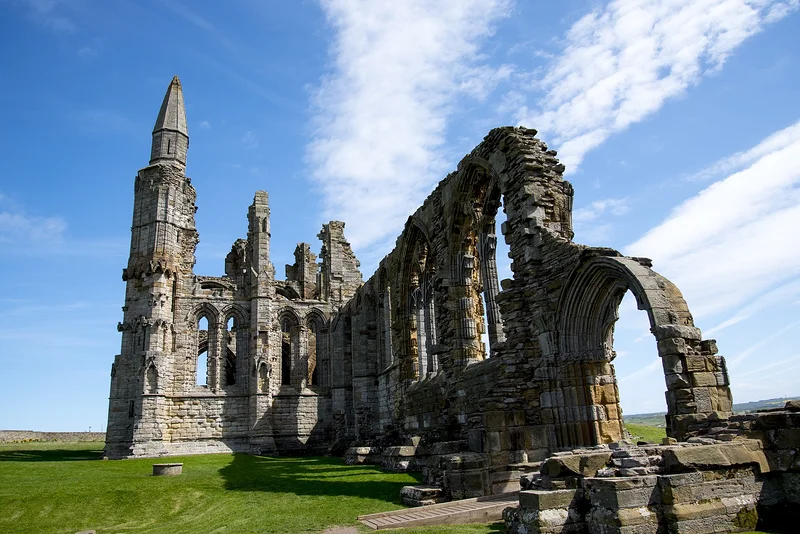
A few kilometres north of the city lie the remains of Old Sarum, the original site of Salisbury. This archaeological area preserves the ruins of an early castle and cathedral, providing panoramic views over the surrounding countryside. Visitors can wander through the foundations and discover more about the region's origins.
Stonehenge: An Iconic Prehistoric Monument
About 13 kilometres from Salisbury sits the world-famous site of Stonehenge. This megalithic stone circle, dating back several millennia, continues to draw interest for its mystery and historical significance. Guided tours are available to explain the leading theories regarding its construction and purpose.
The City Centre and Its Hidden Corners
Salisbury's city centre is filled with cobblestone streets, half-timbered houses, and lively public squares. The historic Market Place regularly hosts local markets where visitors can browse artisanal goods and food products. The adjacent lanes feature independent shops, cafés, and art galleries that showcase the traditional character of the city.
Traditional Cuisine with Local Flavors
Salisbury's food scene highlights classic British dishes, frequently prepared with regional ingredients. Diners can order savory meat or vegetable pies served with mashed potatoes and gravy. Traditional cream teas, consisting of scones with clotted cream and jam, are also a popular choice for an afternoon break.
Where to eat?
- The Old Mill (Harnham neighborhood): A historic pub serving classic British fare in a scenic riverside setting.
- The Refectory (city centre): Located within the cathedral grounds, this café serves light lunches and baked goods, ideal for a break during sightseeing.
- The Rai d'Or (city centre): A fusion restaurant offering a mix of Thai and British dishes in a relaxed setting.
- Henderson's Artisan Bakery & Cafe (city centre): An artisanal bakery offering fresh breads, pastries, and light lunches.
When to go?
Salisbury has a temperate climate featuring mild summers and cool winters. The months from May to September are especially pleasant for sightseeing, with comfortable temperatures and numerous cultural events. In September, the Salisbury Food & Drink Festival showcases local producers through tasting booths and cooking demonstrations.
How to get there?
Salisbury is accessible from London by train, with regular departures originating from Waterloo station. The trip takes about 1 hour and 30 minutes, and one-way tickets start at £20. By car, the city is reachable via the M3 motorway and the A303, with a drive time of roughly 2 hours from the capital.
How to get around?
Salisbury's city centre is compact and well-suited for walking. For destinations further out, such as Stonehenge, bus services and organized tours run directly from the city centre.