
Visiting York
As the capital of Yorkshire, York is a northern England destination with roots stretching back to the Roman Empire. Founded in 71 AD under the name Eboracum, the city later fell to the Viking kingdom of Jórvik between 876 and 954, serving as its capital. During the Middle Ages, it flourished as a major trading hub fueled by the wool trade. Its finest architectural landmarks date from this era, including the York Minster cathedral, the medieval walls, and Clifford's Tower. Today, York has a population of 200,000 and is home to a prominent university.
The Medieval City of York in England
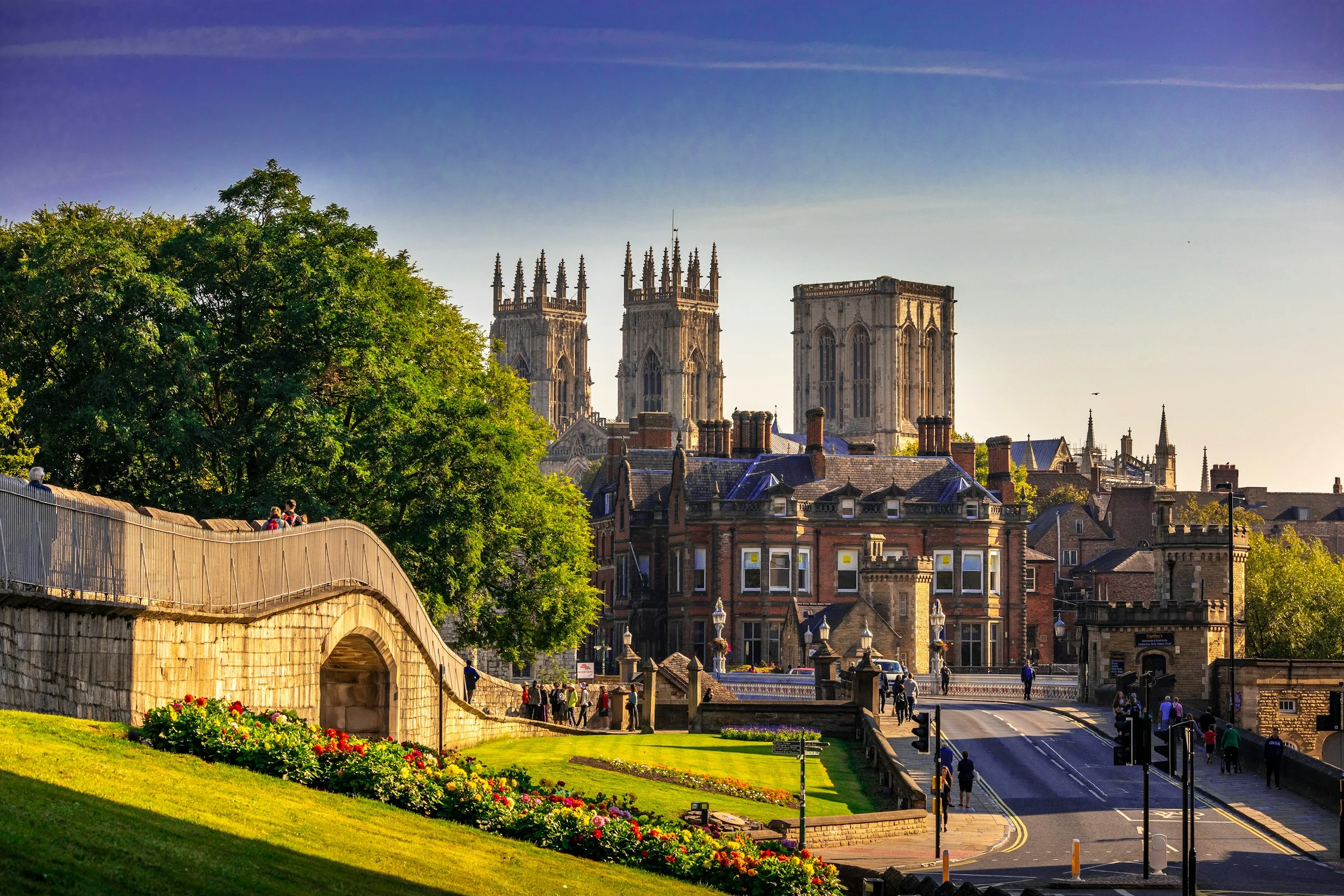
With thousands of years of history, York boasts an exceptionally rich medieval heritage. At the top of any itinerary is York Minster, featuring stunning stained glass and 15th-century Gothic architecture. It stands as the largest Gothic structure in northern Europe. Take a walk along the city walls for sweeping views of the historic center. Spanning over 3 kilometers (2 miles), these ramparts are a legacy of Roman and medieval defense, punctuated by gatehouses that add character to the streetscape.
Head next to the Shambles, a collection of narrow, sloping alleys lined with timber-framed buildings dating back to the 14th century. At one point, these streets housed up to 31 butcher shops in the 19th century. Today, they are famous for inspiring Diagon Alley in the Harry Potter series.
Exploring York's Cultural Scene
York punches well above its weight culturally, with numerous historic sites and institutions reflecting its past. Start at Clifford's Tower, a strategic stronghold where William the Conqueror built a castle in 1068 to subdue northern rebellions. The top of the tower provides a clear view across the city. Nearby, the York Castle Museum charts local history from the Georgian period onward, featuring a recreation of a Victorian street complete with actors in period costume.
Other notable stops include the National Railway Museum, which traces the evolution of British rail and showcases historic locomotives. For a dive into the Viking age, the Jorvik Viking Center explores the 9th and 10th-century Norse occupation with nearly 40,000 artifacts and a reconstructed Viking village.
When to go
Northern England receives plenty of rainfall, so plan your trip to York between July and September for the best weather.
How to get there
York is easily reached by train from London in just 2 hours.
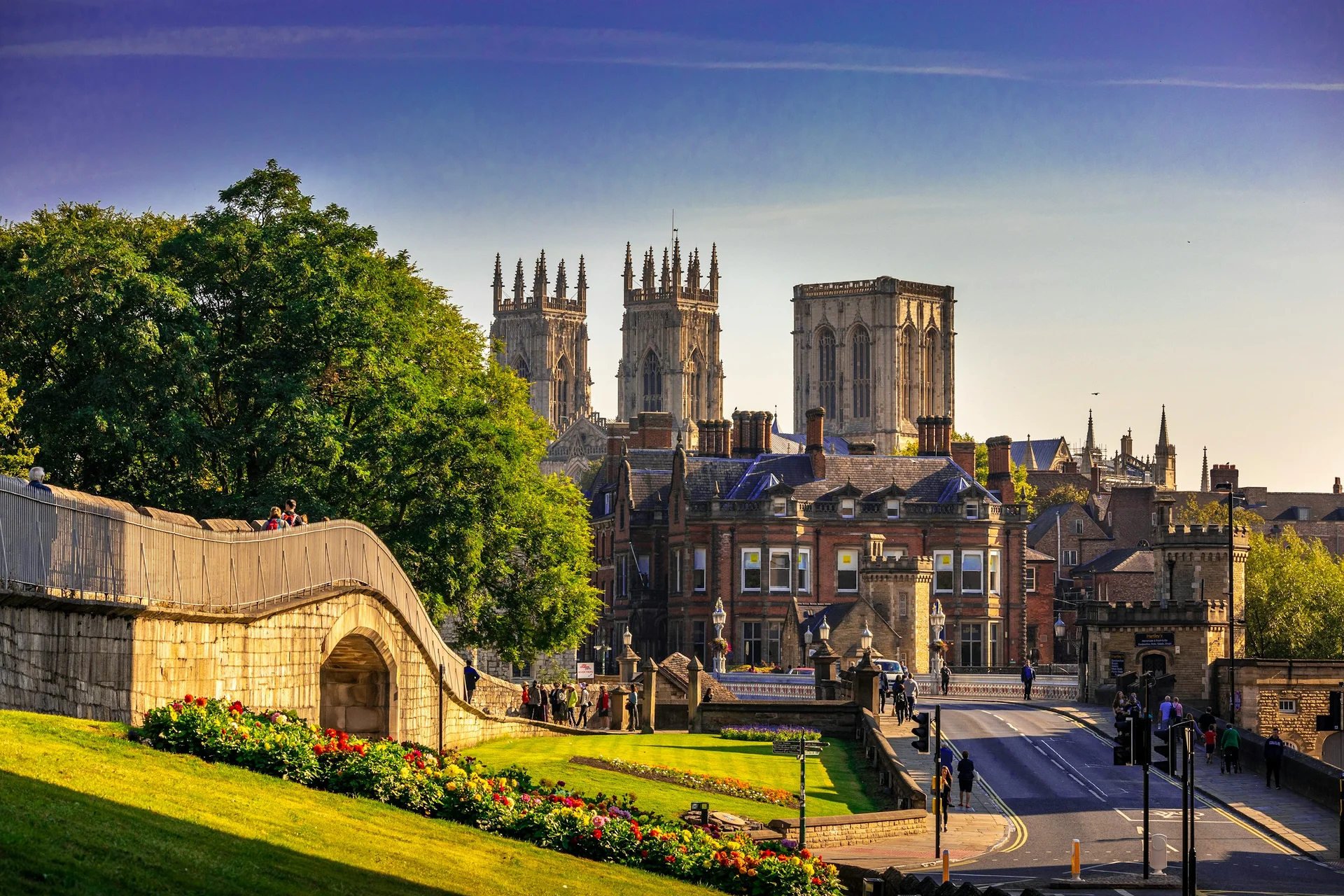

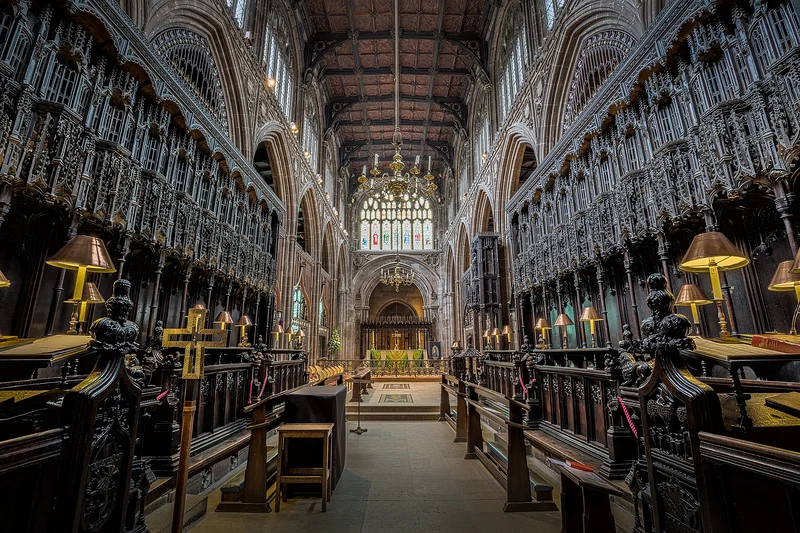
Even though York isn't the most famous city in the UK, it is really very pretty. Its cathedral is so impressive, especially because it is so massive. I recommend walking along the city walls to enjoy a great view of the surroundings.