Big Ben
  1. Top destinations
  2. Europe
  3. United Kingdom

Things to do in United Kingdom: 20 must-see attractions in 2026

Discover our members' favorite destinations in United Kingdom, plus reviews, practical info, and traveler photos...

The 5 most beautiful cities to visit in United Kingdom

London

#1 London +284

London pairs royal palaces with gritty street art and historic pubs with modern shipping-container food halls. Most major museums are free, the food scene draws from fifty different nations, and the Tube makes it easy to switch vibes in just a few stops. Expect high costs, with daily expenses often running £150-250 ($190-320) for a comfortable trip, but the experiences justify the price.

Inverness

#2 Inverness +151

As the capital of the Scottish Highlands, Inverness pairs a compact urban feel with immediate access to rugged terrain. You can spend your time exploring the castle overlooking the River Ness, walking the riverbanks, or visiting the local museum for a deep dive into regional history. Its location makes it a practical base for day trips to the nearby Loch Ness and the Culloden Battlefield.

Oxford

#3 Oxford +80

Oxford puts you inside the world of elite academia with its historic colleges and grand libraries, much like the ivy-covered atmosphere of an Ivy League campus. You can spend your days wandering through gothic architecture, exploring major museums, or taking a traditional punt boat out on the Cherwell river. For a quick day trip, head to the massive Blenheim Palace just outside the city center. Expect to pay about £10 ($13) for a standard museum entry or roughly £25 ($32) for an hour of boat rental.

Edinburgh

#4 Edinburgh +56

Edinburgh sits atop ancient volcanic crags, where winding cobblestone alleys and black-stone castles define the skyline. You can explore subterranean vaults, wander the grid of Georgian townhouses, or hike to the top of Arthur's Seat for a view of the entire city. Between the sound of bagpipes in historic pubs and a dram of local whisky, it is a place where deep history meets a sharp, modern edge.

Liverpool

#5 Liverpool +42

A record manager walked into a basement club in 1962 and found four boys in leather. The rest is music history. Yet Liverpool is more than just its most famous sons. Victorian docks now house major museums, two cathedrals stand in architectural defiance of one another, and pubs host live music every single night. Expect a red-brick city where the locals are as warm as the weather is famously rainy.

Ranking of the 15 activities selected by our editors in United Kingdom

#1 British Museum (London) +33 4.9

The British Museum is among the most influential institutions on the planet. Located in London, it guards a collection of over 8 million items spanning from prehistory to the present. Key highlights include the Rosetta Stone and the Parthenon Sculptures. With 13 million books and manuscripts, it draws 6 million annual visitors.

See the guide See deals-7%AVYGEO7

#2 National Gallery (London) +32 4.6

Located on Trafalgar Square, the National Gallery in London holds a status similar to the Louvre in Paris. It houses over 2,300 Western paintings spanning the 13th to 20th centuries. Highlights include Van Gogh's Sunflowers and Self-Portrait, Leonardo da Vinci's The Virgin of the Rocks, and Raphael's Madonna of the Pinks.

See the guide See deals-7%AVYGEO7

#3 St Paul's Cathedral (London) +25 4.7

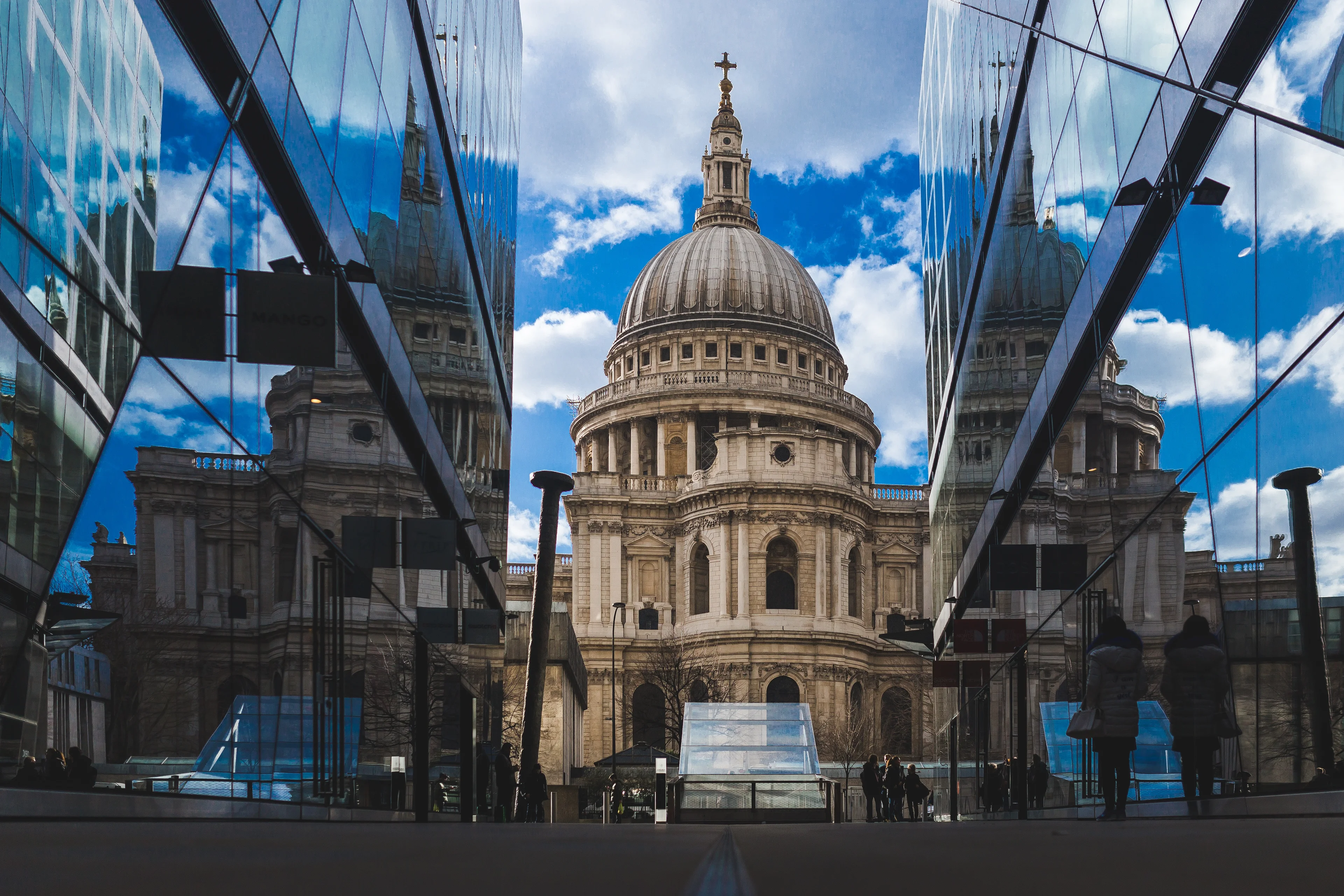
St Paul's Cathedral in London serves as the seat of the Anglican Diocese. Rebuilt by Sir Christopher Wren after the Great Fire of 1666, it blends neoclassical and baroque styles. Its massive dome draws inspiration from St. Peter's Basilica and the Hôtel des Invalides. Famous for its 125 bells and Golden Gallery, the cathedral hosted the funeral of Churchill and the wedding of Charles and Diana. The crypt holds notable British figures, including the architect Wren himself.

See the guide See deals-7%AVYGEO7

#4 London Eye (London) +22 3.9

The London Eye is a massive observation wheel located on the South Bank of the River Thames in London. Since opening in 2000, this 135-meter structure with 32 capsules has become a top attraction. A full rotation takes about 30 minutes, providing views of Big Ben, Buckingham Palace, and the Tower of London.

See the guide See deals-7%AVYGEO7

#5 Houses of Parliament (London) +22 4.6

The Houses of Parliament, in the heart of London, are essential for understanding British history and politics. With roots reaching back to the Middle Ages, this site remains a focal point of the United Kingdom. Admire the iconic Big Ben clock tower and tour the chambers of the House of Lords and House of Commons.

See the guide See deals

#6 University of Oxford (Oxford) +21 4.5

The University of Oxford is a collection of historic colleges and prestigious libraries reflecting a deep academic legacy. Christ Church, Magdalen College, and the Bodleian Library are essential stops. Gothic architecture, quiet cloisters, and massive book collections draw history buffs globally. It remains a hub of excellence, welcoming students from around the world annually.

#7 Bodleian Library (Oxford) +19 5

The Bodleian Library is a historic landmark in Oxford. Founded in 1602, it is among the oldest in Europe. It holds over 13 million items across notable buildings like the Radcliffe Camera and the Divinity School. Guided tours reveal gothic halls, medieval manuscripts, and Shakespeare texts. Its architecture defines the city.

#8 Tate Modern (London) +18 4.6

Tate Modern is a contemporary art museum in the Bankside neighborhood of London. Housed in a former power station since 2000, it features works by Picasso, Warhol, and Rothko. The massive Turbine Hall hosts large-scale installations. It remains one of the most visited museums in London, drawing millions of guests annually.

See the guide See deals-7%AVYGEO7

#9 Tower Bridge (London) +18 4.7

Tower Bridge, the icon of London, is a neo-Gothic bascule bridge built in 1886. Spanning 246 meters and standing 65 meters tall, it features a clever hydraulic system for river traffic. While steam once powered the towers, electric motors took over in 1976. The bridge museum walkway offers river views, and 2008 LED upgrades highlight its nighttime charm.

See the guide See deals-7%AVYGEO7

#10 Windsor Castle (Windsor) +15 4.4

Windsor Castle is a popular site and a home to the British royal family. It is the largest occupied castle in the world, spanning 13 acres of buildings and 32 acres of grounds. Explore over 1,000 rooms, including State Apartments decorated with French art, historic portraits, and items used for official state ceremonies and investitures.

See the guide See deals

#11 Christ Church College (Oxford) +15 5

Christ Church College is one of the most prestigious colleges in Oxford, known for its imposing architecture and role in British academic history. It houses the city cathedral and features expansive gardens. Its Great Hall inspired Hogwarts in the Harry Potter films. This site offers an immersion into the academic and religious past of Oxford.

#12 Big Ben (London) +15 4

Big Ben refers to the famous 13.7-ton bell inside the Elizabeth Tower, a 96-meter neo-Gothic spire attached to the Palace of Westminster. Since its 2022 restoration, the tower displays its original Victorian colors of Prussian blue and gold. Guided tours climb 334 steps to the belfry to view the clock mechanism. Tickets sell out monthly, so book early.

See the guide See deals

#13 Stonehenge (Salisbury) +14 4

Stonehenge, located on the Salisbury plain in the United Kingdom, is a prehistoric site dating back to 3000 to 2000 B.C. These massive standing stones remain a mystery. Were they for astronomy, burials, or rituals? Transported over hundreds of miles, they show incredible ancient engineering. Now a UNESCO World Heritage site, it hosts millions of visitors annually.

See the guide See deals-7%AVYGEO7

#14 Edinburgh Castle (Edinburgh) +14 4.2

Edinburgh Castle packs everything travelers love into one site, from deep history and legends to incredible views. Explore this unique landmark and its surprises, including the 1 p.m. gun salute, St. Margaret's Chapel, the Honours of Scotland, the Scottish National War Memorial, Mons Meg, and the military prison cells.

See the guide See deals-7%AVYGEO7

#15 Anfield (Liverpool) +14 5

Located in Liverpool in the north of the United Kingdom, Anfield has been home to the Liverpool Football Club since 1892. Built in 1884, it is one of the oldest soccer stadiums globally. Now seating 54,000 fans, the atmosphere is defined by the anthem You'll never walk alone, a tribute to those lost in the 1989 Hillsborough disaster.

See the guide See deals

The UK: Four Nations, Zero Consensus

Early morning fog rolling off the Scottish Highlands. The smell of fish and chips drifting down a Brighton side street at 4 p.m. Seagulls screaming over the white cliffs of Dover. The United Kingdom isn't just a destination you visit, it's one you absorb, across four nations that share a passport but not much else.

From London, which pulls in the entire world and somehow makes it work, to Welsh villages where the 21st century hasn't fully arrived, this country packs an almost absurd density of experiences into 94,000 square miles.

Great for culture and landscapes, not for sun-seekers or budget travelers

Let's be upfront: if guaranteed sunshine is your baseline, the UK will disappoint. British weather is genuinely unpredictable, and rain in July is not a rare event, it's a real possibility.

What the UK does deliver is exceptional tourist infrastructure, some of the best museums on the planet (several of them free), and solid public transportation, though that transit comes at a price. English is obviously not a barrier for American travelers, though a thick Scottish or Northern English accent can take a day or two to tune into. This country rewards history buffs, serious hikers, and anyone with a genuine interest in live music and cultural scenes. It's a tougher sell if you're chasing Mediterranean warmth or keeping to a tight budget. The trade-off is that you can move from moorland to medieval city to dramatic coastline in a single day.

London, Edinburgh, and Manchester deliver intense nightlife, free national museums, and a food scene that has genuinely transformed over the past two decades. Rural areas like the Lake District, the Highlands, and the Cotswolds offer quiet and serious walking trails. Cities move fast; the countryside doesn't. Safety standards are high across the board, though big cities have the same petty crime issues you'd find anywhere. Make sure your debit card has no foreign transaction fees, contactless payment is the default everywhere, and fumbling with cash will slow you down.

Budget honestly: this trip costs real money

No sugarcoating it: the UK is expensive. A bare-bones budget, hostel beds, pub meals, public transit, runs roughly £60-85/night per person (about $75-105). A mid-range trip with a three-star hotel and sit-down restaurants runs £85-130/night ($105-165). London inflates those numbers by 20-30%. Accommodation is the biggest line item, followed by transportation. Bed and Breakfasts offer the best value outside London, typically £45-70/night ($55-90) for a double room with a full cooked breakfast included, which genuinely keeps you going until dinner.

London: 32 boroughs, none of them the same

London is overwhelming in the best way. Over 9 million people, 32 boroughs, and a sprawl that stretches nearly 30 miles east to west. The historic core sits around Westminster, Buckingham Palace, Big Ben, the Abbey, but stopping there would mean missing most of what makes the city worth the flight. Shoreditch runs on street art and specialty coffee. Camden still holds its punk and alternative identity. Notting Hill delivers those pastel row houses you've definitely already seen on Instagram.

Along the Thames, the transformation over the past 30 years has been dramatic. Southbank lines up one cultural institution after another, anchored by the Tate Modern, a former power station turned world-class contemporary art museum. Further east, Canary Wharf is all glass towers and finance, while Greenwich holds onto its maritime history. The national museums stay free, which matters when you realize the National Gallery and the British Museum each deserve multiple days. First-time visitors are usually caught off guard by the sheer density of foot traffic and the size of the city.

Markets are worth your time for atmosphere and better prices. Borough Market, under its Victorian iron arches near London Bridge, is the real deal for food, global flavors, quality producers, and yes, crowds. Brick Lane mixes Bangladeshi curry houses with vintage clothing shops in a way that still feels genuinely neighborhood rather than curated. The Tube works well but gets pricey without a Visitor Oyster Card, which roughly halves your fares, budget around £5-8/day ($6-10) for transit. London is also extremely walkable, and wandering between neighborhoods on foot is how you find the stuff that doesn't show up on any list.

Pro tip: Download Citymapper before you land. It calculates the fastest route in real time across every transit mode, Tube, bus, Overground, bike, and shows you the exact fare and travel time for each option.

Scotland: real cities and landscapes that stop you cold

Edinburgh is one of Europe's great capital cities, full stop. The castle sits on an ancient volcanic plug above a medieval Old Town, with cobblestone closes (narrow alleyways) that climb and drop with the terrain. The Royal Mile connects the castle to the Palace of Holyrood and packs in souvenir shops, historic pubs, and listed buildings along the way. In August, the Edinburgh Festival turns the entire city into a performance venue with hundreds of shows daily, think of it as the Edinburgh equivalent of a massive arts festival taking over every available space. Prices spike hard during that month, so book accommodation several months out if you're going then.

Glasgow, an hour by train, is a different animal. It's grittier, more working-class, and genuinely proud of it. Scotland's largest city has a well-regarded music scene and remarkable Victorian architecture. The Kelvingrove Museum is free to enter and holds its own against anything in London. Between the two cities, Loch Lomond gives you your first real taste of Scottish scenery, dark water ringed by hills, with the Highlands just beyond.

The northern Highlands are the Scotland most Americans picture: bare mountains swept by wind, moody lochs, ruined castles in the middle of nowhere. The drive out to the Isle of Skye delivers views that justify the entire trip on their own. The Old Man of Storr, Skye's iconic rock formation, takes about an hour of uphill hiking to reach. Loch Ness draws plenty of Nessie hopefuls, but the real draw is the wooded shoreline and the ruins of Urquhart Castle sitting right at the water's edge.

Scottish distances are deceptive. What looks close on a map can take twice as long on single-track roads. Edinburgh to Skye is about 4 hours by car, longer by bus. Citylink and Megabus offer reasonable fares booked in advance, sometimes as low as £10 ($12) per leg. Renting a car gives you the freedom to reach remote spots, but driving on the left takes adjustment, and single-lane roads with passing places require full attention.

Wales: mountains, castles, and coastline in a compact package

Cardiff, the Welsh capital, surprises people. Once a gritty industrial port, it has rebuilt itself around the redeveloped Cardiff Bay waterfront and a castle that layers Roman ruins, a Norman fortress, and Victorian additions into one site. The Millennium Stadium (now called the Principality Stadium) dominates the city center, and on rugby match days the atmosphere shifts completely, rugby is the national obsession here in a way that American football is in certain US states.

Snowdonia National Park in the north holds Wales's highest peaks, including Snowdon at 3,560 feet. A rack railway runs to the summit for those who'd rather skip the four-hour round-trip hike. Stone villages like Betws-y-Coed serve as base camps for exploring the surrounding valleys. The medieval castles built by Edward I are scattered across the north, Caernarfon, Conwy, Harlech, all UNESCO World Heritage Sites, with walls that make their military purpose unmistakable.

The south coast has family-friendly beaches like Tenby, with its brightly painted harbor houses, and the Pembrokeshire peninsula, where the coastal path runs along dramatic cliffs above the Atlantic. The Brecon Beacons in the south offer open moorland and waterfalls with far fewer crowds than Snowdonia. Welsh is still spoken daily in parts of the country, the bilingual road signs, with their strings of consonants, will throw you at first.

Northern Ireland: recent history and raw coastline

Belfast has changed dramatically since the 1998 peace agreement. The political murals along Falls Road and Shankill Road document the Troubles in vivid detail and have become a significant part of the city's tourism, they're worth seeing with context, not just as photo ops. The Titanic Museum, built on the actual shipyard where the ship was constructed in 1912, is one of the better maritime museums in Europe. Victorian architecture fills the city center, with newer development pushing along the River Lagan.

The Giant's Causeway on the north coast is worth the drive. Around 40,000 hexagonal basalt columns, formed by ancient volcanic activity, create a landscape that genuinely looks like nothing else, think Iceland meets the Oregon coast, but older and stranger. It draws heavy crowds in summer; late afternoon visits are noticeably quieter. The Causeway Coastal Route along the Antrim coast connects ruined castles, rope bridges strung over the ocean, and small fishing villages.

Derry/Londonderry, a city whose very name still reflects a political divide, deserves a day for its intact city walls and layered history. The Mourne Mountains in the south offer hiking that's less trafficked than the Scottish equivalents. Northern Ireland also runs about 10-15% cheaper than the rest of the UK on accommodation and meals.

Fish and chips, Sunday roasts, and a food scene that has actually caught up

Fish and chips is still the baseline: battered cod or haddock with thick-cut fries, served in paper at a traditional chippie. Expect to pay £8-12 ($10-15) depending on where you are. On Sunday afternoons, pubs serve the Sunday roast, roasted meat, Yorkshire pudding, vegetables, and gravy, and the communal atmosphere makes it easy to end up in a long conversation with the regulars.

British food has genuinely improved. London alone has over 70 Michelin-starred restaurants, and the food markets serve Indian, Korean, and Mexican street food at a quality level that competes with dedicated restaurants, usually £8-15 ($10-19) a plate. Supermarkets like Tesco, Sainsbury's, and Marks & Spencer sell meal deals for £3-5 ($4-6): a sandwich, a drink, and a snack. A full English breakfast, eggs, bacon, sausage, beans, toast, is calorie-dense enough to carry you through to dinner without much trouble.

Tea remains the default drink, though coffee has made serious inroads. Pubs pour dozens of local ales and bitters on draft; Scotch whisky is worth trying in its home regions. Chains like Pret A Manger and Greggs handle fast, cheap eating without destroying your budget. On tipping: service charges are often already included in the bill. An additional 10% is appreciated but genuinely optional, nobody will chase you out the door.

May, June, and September are your best windows

Those three months hit the sweet spot: temperatures between 59-68°F, manageable crowds, and long daylight hours that stretch past 9 p.m. in midsummer. July and August bring British and European school vacations, which means packed sites and accommodation prices up 30-50% across the board. Scotland is at its best in September, when heather turns the moorland purple.

November through March brings cold, rain, and short days, but also a particular atmosphere that has its own appeal. Christmas markets appear in December, pubs string up lights, and cities feel genuinely festive. Accommodation rates drop significantly outside the holiday weeks themselves. Fall color in October is real and worth catching, especially in the New Forest in southern England.

Whatever season you visit, pack a light rain jacket and layers. Four seasons in one day is not a British exaggeration, it's a reasonable forecast. The Edinburgh Festival in August, the Notting Hill Carnival at the end of August in London, and St. Patrick's Day in March in Northern Ireland all draw massive crowds, but the energy at each is genuinely unlike anything else.

Getting to the UK from the US

Most US travelers fly direct into Heathrow or Gatwick for London, but direct routes also serve Manchester, Edinburgh, and Glasgow, worth considering if those cities are your primary destination. US passport holders currently enter the UK without a visa for tourism stays up to six months. However, starting in April 2025, American travelers need to obtain an ETA (Electronic Travel Authorization) before boarding, it costs £10 (about $12), is applied for online, and takes minutes to process. Make sure your US passport is valid for the duration of your stay.

If you're already in Europe, the Eurostar train connects Paris to London in 2 hours 15 minutes, departing from Gare du Nord and arriving at St Pancras in central London. Booked well in advance, one-way tickets start around £35-45 ($43-55); last-minute fares jump to £130-175 ($160-215). The Channel Tunnel car shuttle (Eurotunnel) moves vehicles from Calais to Folkestone in 35 minutes. Cross-Channel ferries with P&O or DFDS take about 90 minutes from Calais to Dover, with fares ranging roughly £70-175 ($85-215) for a car with passengers depending on timing.

Getting around once you're there

The rail network covers the country well, but the pricing system rewards planning. Book through Trainline or National Rail well in advance and you can pay £30 ($37) for London to Edinburgh; wait until the week of travel and the same ticket can cost £130 ($160) or more. Journey times are solid, 4.5 hours London to Edinburgh, 2 hours London to Manchester. First class costs noticeably more for marginally wider seats; it's rarely worth it.

Long-distance buses with National Express or Megabus can be as cheap as £5 ($6) booked early, but the trade-off is time: London to Edinburgh takes 8-10 hours by bus versus 4.5 by train. Good option for overnight travel when you'd be paying for a hotel bed anyway.

City transit is reliable across the major urban centers. London's Underground is the most extensive but also the most expensive metro system in Europe, use an Oyster card or tap your contactless card directly, which caps your daily spending automatically. Edinburgh, Manchester, and Glasgow all have efficient trams and bus networks.

Renting a car makes sense for the Scottish Highlands, rural Wales, or anywhere public transit gets sparse. Driving on the left takes an hour or two to get comfortable with, and single-track country roads demand real attention. Gas (petrol) runs about £1.55/liter ($7.40/gallon), avoid motorway service stations, where prices are noticeably higher.

Find the best deals to travel to United Kingdom

Hotels and stays Flights Car rentals Custom trips

Top photos posted by members

Big Ben
Château d'Edimbourg
Tate Modern de Londres