Visiting the Lake District
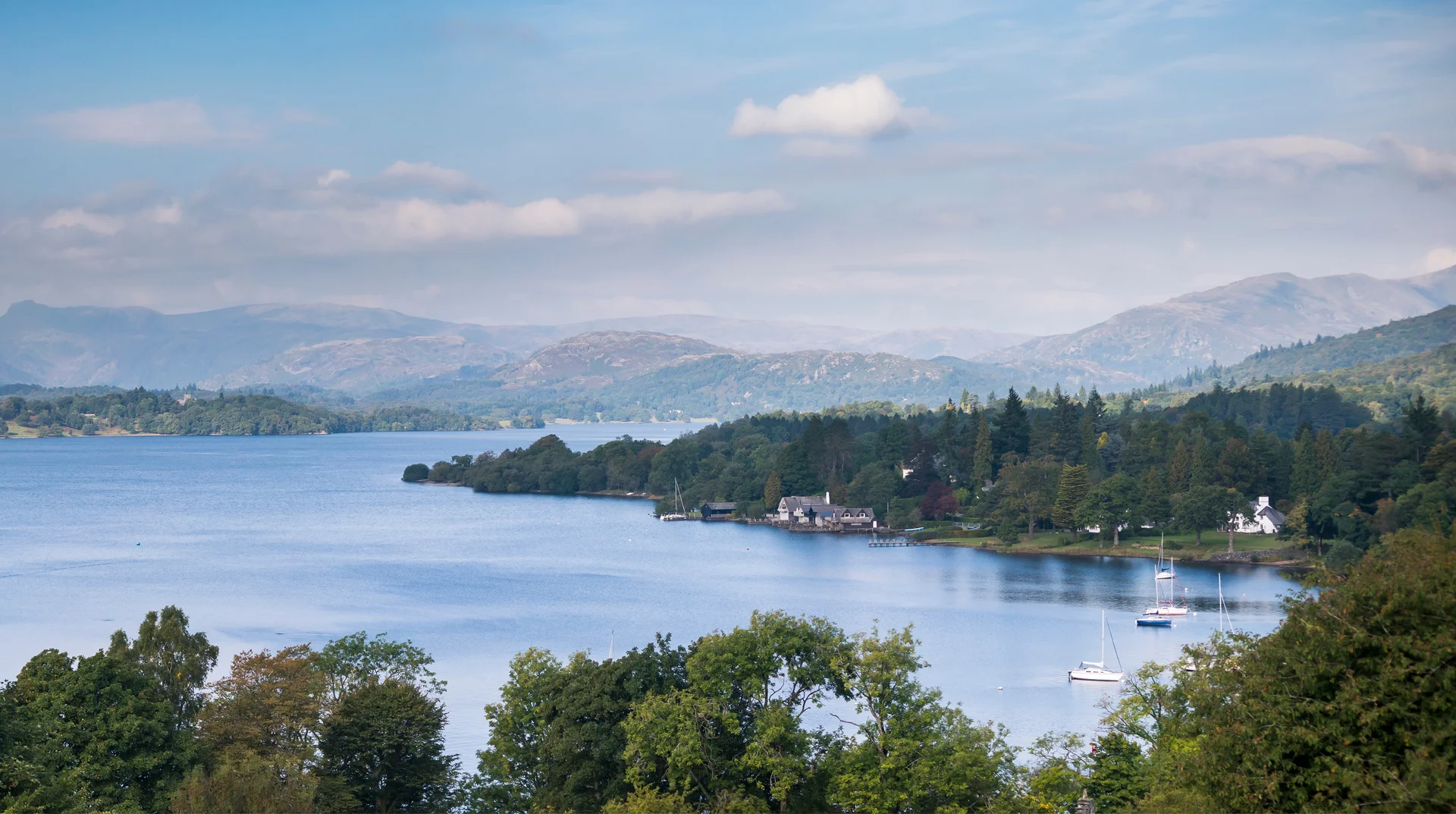
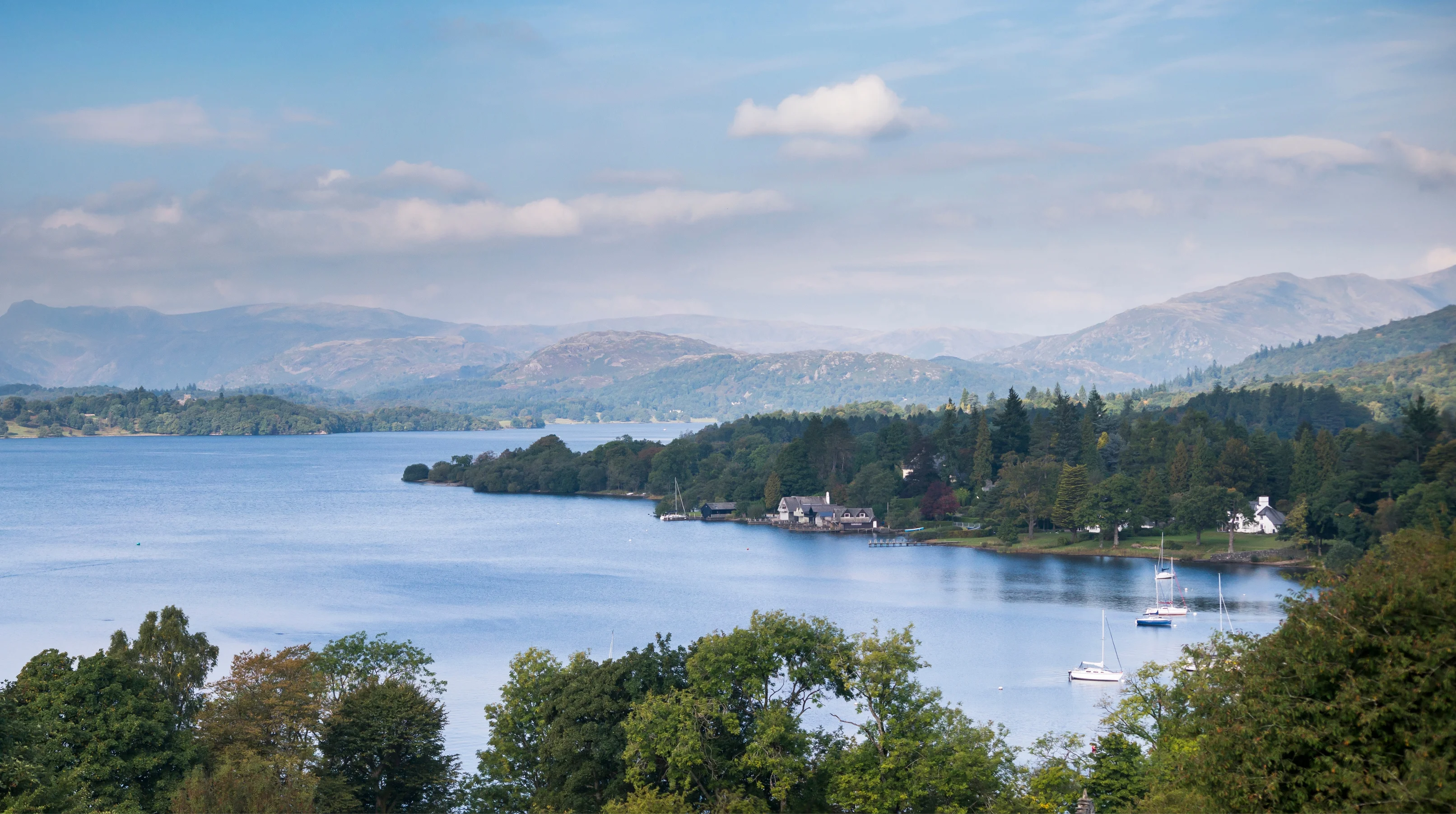
A cluster of rounded hills in the north-west of England, cut through by sixteen long, narrow lakes. The national park dates from 1951 and UNESCO listed it in 2017. It holds the country's highest summit, Scafell Pike, at 978 metres, and its largest lake, Windermere, seventeen kilometres long.
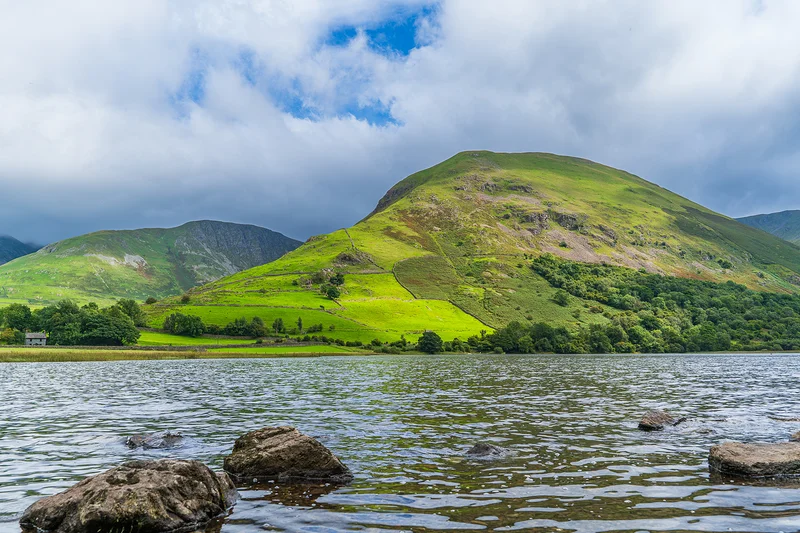
Here the summits are called fells and the small lakes tarns. The grey-stone villages, Ambleside, Grasmere, Keswick, fed the Romantic poets and Beatrix Potter's stories. You come to walk the ridges, sail the lakes and end the day in the pub, under rain that is never far away.
You will love it if
- You like walking, even under a grey sky
- A pub by the fire appeals to you more than a beach
- English gardens and writers' houses draw you in
Give it a miss if
- You want guaranteed sunshine: rain is the rule
- You want big sights without walking
- You can only come in August, when the narrow roads are jammed
The must-sees
-
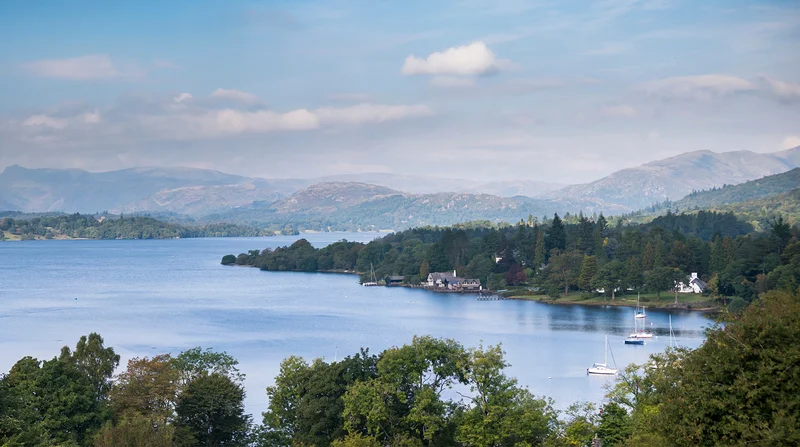
England's largest lake is crossed by boat, from Bowness to Ambleside or Lakeside, all year round. On the west shore, a chain ferry carries cars and foot passengers across in ten minutes. Climb Orrest Head, twenty minutes from Windermere station, to see the whole lake.
-
The village where Wordsworth spent his best years, in a small limewashed cottage. Next door, St Oswald's church keeps his grave. Leave with some Grasmere gingerbread, sold in the same shop since 1854.
-
Thirty-eight stones set more than four thousand years ago on a plateau above Keswick, facing the fells. Entry is free, at any hour. Come early in the morning or at sunset, once the coaches have gone.
-
4 Helvellyn by Striding Edge Hike
The most famous ridge in the Lake District, a narrow arête of rock leading to England's third-highest summit. Allow six to seven hours from Glenridding, on Ullswater. Only for walkers comfortable with exposure, and only in dry weather.
-
5 The Hardknott and Wrynose passes By car
England's steepest road, a single track climbing at 33% between Eskdale and Langdale. At the top, the ruins of the Roman fort at Hardknott look out to sea. Avoid it in a campervan, and in the rain if you are not confident.
The classic trap
Setting off up the fells with the valley forecast. The weather changes fast on the tops: thick fog can come down in half an hour, and the ridges turn slippery. Check the mountain forecast before you leave, take a waterproof jacket even in summer, and turn back if the cloud settles in.
Our itineraries in the Lake District
| Length | Itinerary | What you see |
|---|---|---|
| 4 days | Windermere › Ambleside › Grasmere › Keswick | The southern lakes, Wordsworth, Castlerigg |
| 1 week | Windermere › Hawkshead › Coniston › Keswick › Ullswater | Beatrix Potter, Ruskin, Derwentwater, Aira Force |
| 2 weeks | The whole park, then the west: Wasdale, Eskdale and Ravenglass | The wild valleys, Scafell Pike, the coast |
Start in the south, at Windermere, where the train comes in, and work north: Ambleside, Grasmere, then Keswick and Derwentwater. Ullswater is easily done from Keswick or Penrith. Got two weeks? Keep a few days for the west, Wasdale and Eskdale, wilder and further from everything.
When to visit the Lake District
| Appeal | Season | Temperatures | Rain | Crowds and prices |
|---|---|---|---|---|
| WinterDec. to Feb. | 1 to 7 °C | Very frequent | Low | |
| SpringMar. to May | 3 to 15 °C | Least frequent | Medium | |
| SummerJun. to Aug. | 10 to 20 °C | Frequent | High | |
| AutumnSep. to Nov. | 5 to 16 °C | Increasing | Medium |
Our advice
Aim for May or September: the days are long, the rain a little less present, and the roads quieter than in August. Avoid the English school holidays, especially late July and August, when the car parks in Windermere and Keswick overflow. In October, the russet bracken on the fells is worth the trip.
Getting to the Lake District
-
By train from London The simplest
From London Euston, West Coast trains reach Oxenholme in under three hours, then a short branch line runs to Windermere in twenty minutes. Penrith, on the same line, serves the north of the park. From Scotland, trains come down the same line from Glasgow and Edinburgh.
-
By plane to Manchester From abroad
Manchester airport has direct flights from across Europe and North America. From there, allow an hour and a half by road to Windermere, or take a direct train when one runs.
-
By car on the M6 With your own car
The M6 motorway runs up the eastern edge of the park: Kendal is about four hours from London and an hour and a half from Manchester. From there, the A591 takes you into Windermere and Ambleside.
Coming from outside the UK and Ireland? You need an ETA, the British electronic travel authorisation: 20 pounds in 2026, valid for two years, to apply for online before you leave.
Getting around the Lake District
Buses serve the heart of the park well: the 555 runs from Kendal to Keswick via Windermere, Ambleside and Grasmere, and open-top double-deckers follow the lakes in summer. On the water, the boats on Windermere, Ullswater and Derwentwater also work as transport, dropping walkers at the start of the paths. For the west and the remote valleys, you need a car.
Good to know
The roads are narrow, lined with stone walls, often single-track with passing places: drive slowly and reverse if the other driver cannot. Village car parks are pay-and-display and fill up before 10 am in summer. With a licence from outside the UK, you can drive here as a visitor; check your rental company's rules on licence age.
What to eat in the Lake District
- Cumberland sausage: a long, peppery pork sausage coiled into a spiral, served with mash and onion gravy.
- Herdwick lamb: the breed of sheep that grazes the fells, with dark, flavoursome meat, often in a stew.
- Grasmere gingerbread: halfway between a biscuit and a cake, sold in the same shop since 1854.
- Kendal Mint Cake: a bar of peppermint sugar, carried by climbers all the way up Everest.
- Sticky toffee pudding: a date sponge drenched in hot toffee sauce, whose best recipe the village of Cartmel claims.
- Local ales: the park's breweries fill the pub pumps, to taste by the pint you will order at the bar.
To eat like a local, walk into a village pub at lunchtime: a pie, a pint, and the fire lit even in July. In the afternoon, you will find a cream tea in the tea rooms, scones with clotted cream and jam.
Where to stay in the Lake District
| Area | What for | Good to know |
|---|---|---|
| Windermere and Bowness | Boats, the train, a first stay | The busiest |
| Ambleside and Grasmere | Fells, Wordsworth, pubs | In the heart of the park |
| Keswick and Derwentwater | Castlerigg, hikes, the north | The liveliest town |
| Ullswater and Penrith | Helvellyn, Aira Force, peace | Less choice of hotels |
| Coniston and the south-west | Brantwood, the Old Man, Hawkshead | More remote |
How much does a trip in the Lake District cost?
| Trip | Length | Budget per person |
|---|---|---|
| Budget (youth hostel or B&B, buses, pubs) | 7 days | €600 to €900 |
| Comfort (village hotel, car, restaurants) | 7 days | €1,200 to €1,800 |
| Luxury (lakeside spa hotel, fine dining) | 7 days | €2,500 to €4,000 |
- The season: English school holidays, and August above all, are the most expensive weeks. If you can choose, May and September remain the best compromise.
- Breakfast: in B&Bs it is almost always included, and a full English keeps you going until the evening.
- Parking: you pay everywhere, by the day, and the bill climbs fast if you change village several times.
- Boats: a day ticket on Windermere or Ullswater costs less than several single crossings.
- National Trust sites: Hill Top and several houses charge admission; an annual membership pays for itself in a few visits.
Traditions and way of life in the Lake District
The Lake District invented a way of looking at landscape. Wordsworth wrote his poems about daffodils here, Coleridge and Southey joined him, and Ruskin spent his last years facing Coniston, at Brantwood. Beatrix Potter bought farms with the money from Peter Rabbit, then left them to the National Trust to protect them.
The fells have a culture of their own: white-faced Herdwick sheep, summer agricultural shows, fell races. In late August, the Grasmere Sports mix Cumberland wrestling and hill running. You will also spot, in walkers' pockets, the guidebooks Alfred Wainwright drew by hand.