
Where to stay in England: the 7 areas to know in 2026
In England, one city sets the budget for the whole trip: London. Ten of our thirty-two reviews of the city mention its prices. A night there costs two to three times what it costs in York, Bath or Liverpool.
What saves everything is the train: Oxford, Bath, Brighton, Windsor and Salisbury are one or two hours from the capital. So you are not really picking a city. You are settling on a number of London nights, and the rest of the trip sleeps elsewhere. Seven areas below, from the Thames to the Lake District.
Compare hotel prices in England
In a hurry? Find the best accommodation deals in 3 clicks.
Compare live deals from Booking, Expedia, Agoda and other partners.
The budget.. that is the problem with London, hotels are very expensive. But if you head out using a deal you found online, you can handle that downside perfectly well.
One base or several?
Everything hinges on the number of London nights: that is the heaviest line in the budget. Here is how we would split it by length of stay.
- A long weekend: London alone, three nights. The city is worth three, and any day trip will cost you half a day in a station.
- A week: Two bases: three nights in London, then four elsewhere. Oxford or Bath if you stay south, York if you accept two hours on a train.
- Ten days: Three bases: London, then the south-west (Bath and Salisbury), then the north (Manchester or York). The train handles all three hops without a car.
- Two weeks: Four bases, adding the Lake District after the north. It is the only length of stay that justifies its four hours of train.
How much driving between two bases?
By train, from the London terminus indicated, disruptions aside. Driving times are longer on almost all of these journeys.
| Route | Driving time | Good to know |
|---|---|---|
| Londres → Oxford | 1 hr | From Paddington, several an hour |
| Londres → Windsor | 40 min | From Waterloo, direct |
| Londres → Bath | 1 hr 25 | From Paddington |
| Londres → Salisbury | 1 hr 30 | From Waterloo |
| Londres → Brighton | 1 hr | From Victoria, every half hour |
| Londres → York | 2 hr | From King's Cross |
| Londres → Manchester | 2 hr 10 | From Euston |
| Londres → Birmingham | 1 hr 25 | From Euston |
| Londres → Windermere | 4 hr | From Euston, changing at Oxenholme |
| Manchester → Liverpool | 50 min | The two cities combine easily |
| Salisbury → Stonehenge | 30 min | By coach or car, no train |
At a glance: our picks by traveller type
Pick the profile that fits you and go straight to the recommended area.
Map of the areas in England
See how the areas sit relative to one another before choosing your base. Click a name to jump to its description.
London The capital
for sheer density, provided you accept the bill
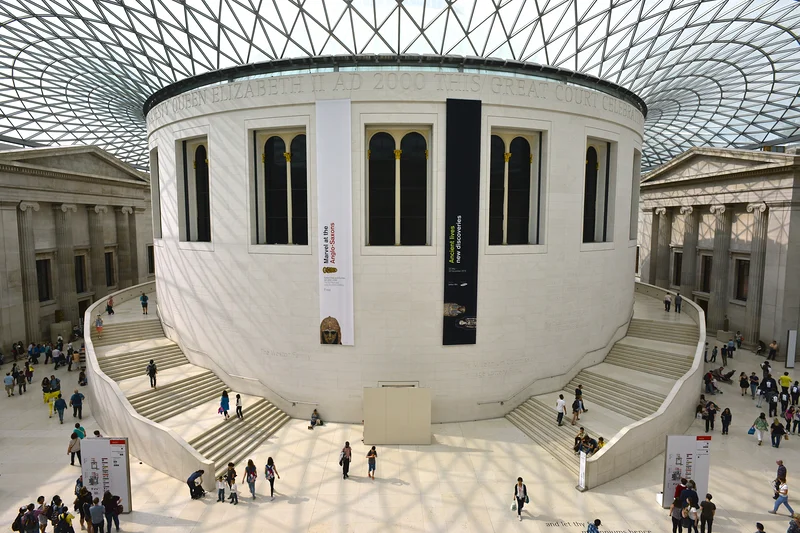
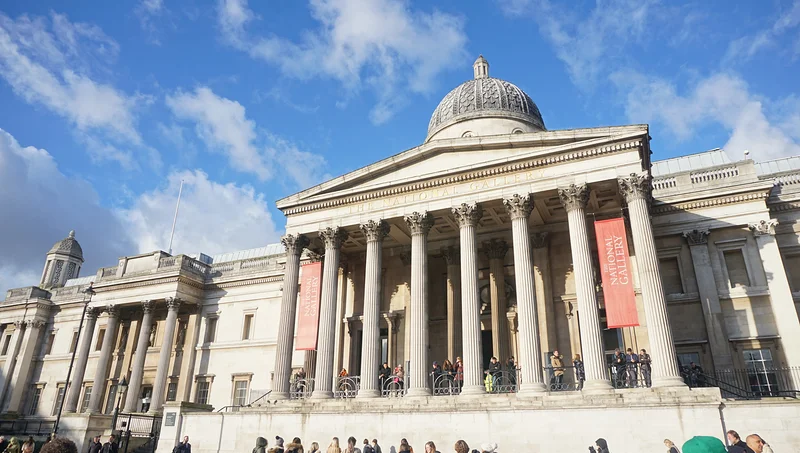
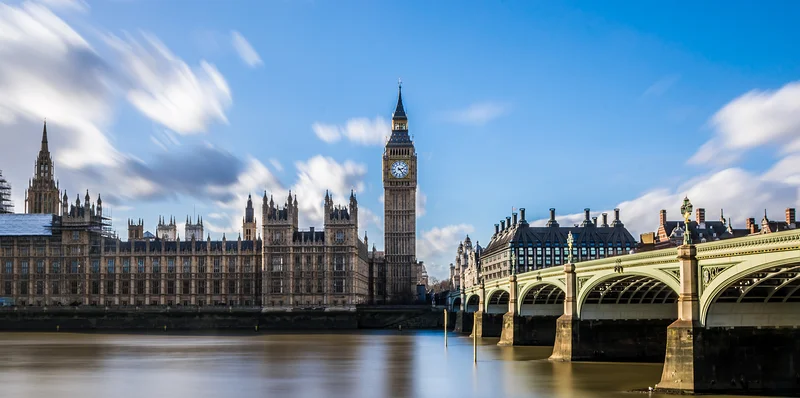
Two hundred and sixty-seven places described on our London page alone: no other English city has a third of that. The British Museum, the National Gallery and Tate Modern are free, thirteen stadiums are covered, from the Emirates Stadium to Wembley, and neighborhoods change character within three Tube stops. Price comes up in one review out of three: this is the only city in the guide where the cost of a night decides the number of nights.
I have visited this city several times. I have never been bored. Always intense weekends, from morning to night :)
The towns in this area
What to see and do in this area

Where to stay in this area
One Hundred Shoreditch Mid-range
Two hundred and fifty-eight rooms on Shoreditch High Street, with a bar and a rooftop terrace looking out over east London. Two Tube lines and the liveliest evening district right downstairs.
The Z Hotel Holborn Budget
Small rooms, some of them windowless, but in Holborn, which means a ten-minute walk from Covent Garden and the British Museum. The trade-off for anyone who comes out to go out, not to sit in their room.
Travelodge London Central Tower Bridge Budget
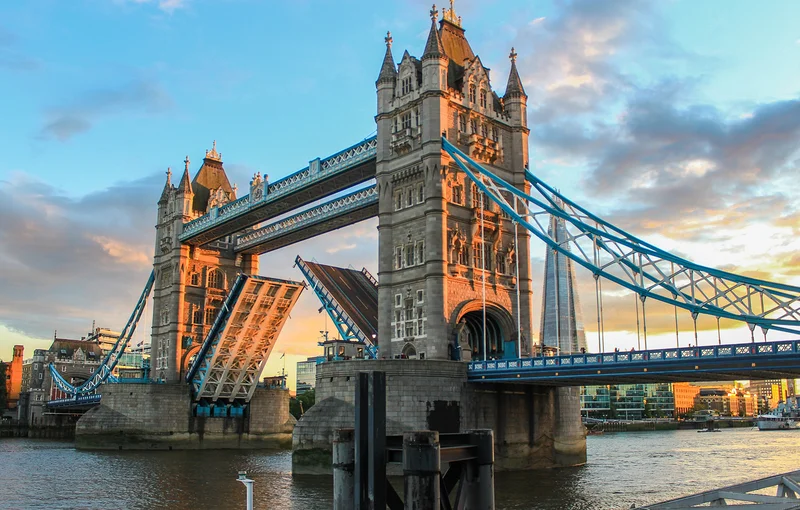
A few minutes on foot from the Thames and Tower Bridge, with two Tube stations within reach. The address that lets you keep three London nights without blowing up the trip budget.
Pros
- The great national museums, all free
- A Tube network that makes a car pointless
- Two international airports and the Eurostar
Cons
- The most expensive night in the country, by far
- A center where distances are always underestimated
Oxford, Windsor and the Thames Valley West of London
for college architecture, an hour from the capital
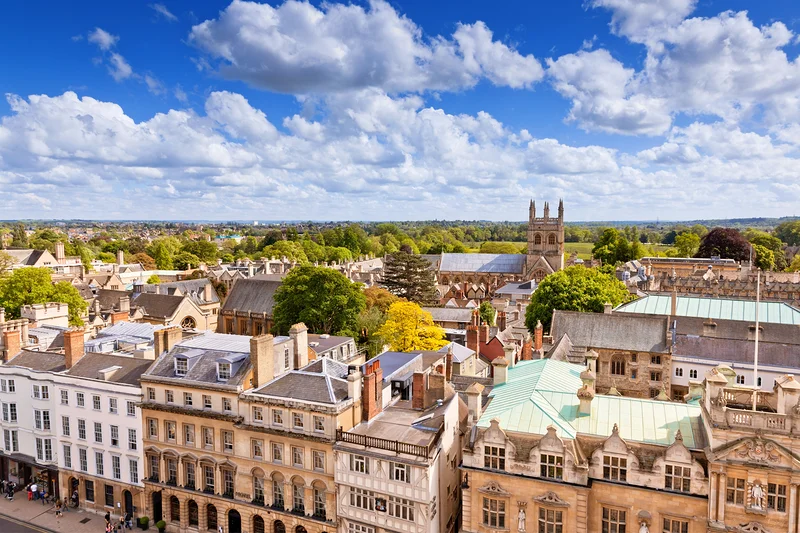
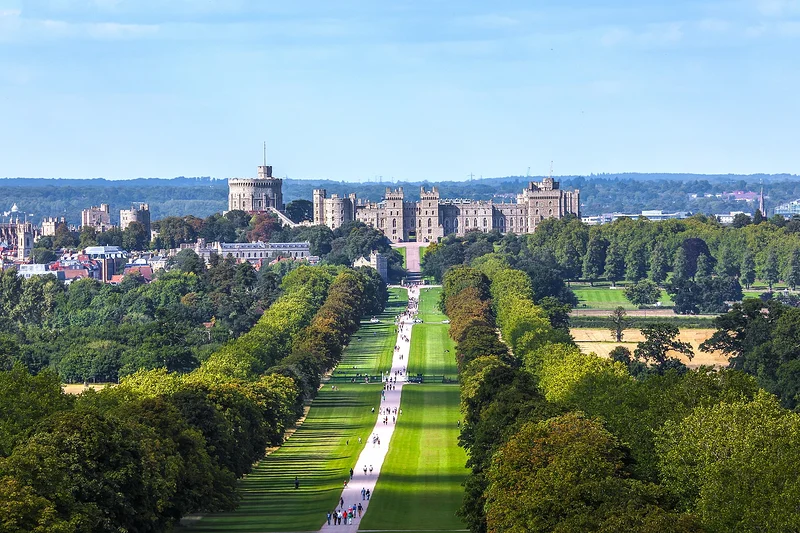
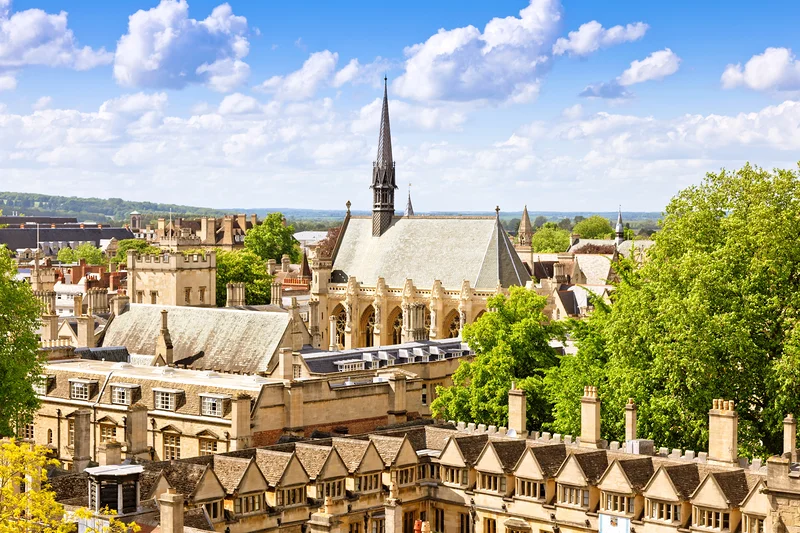
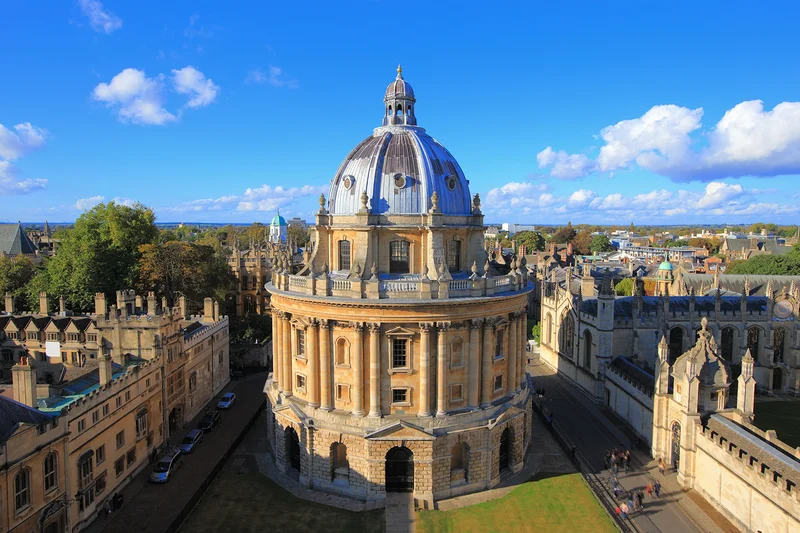
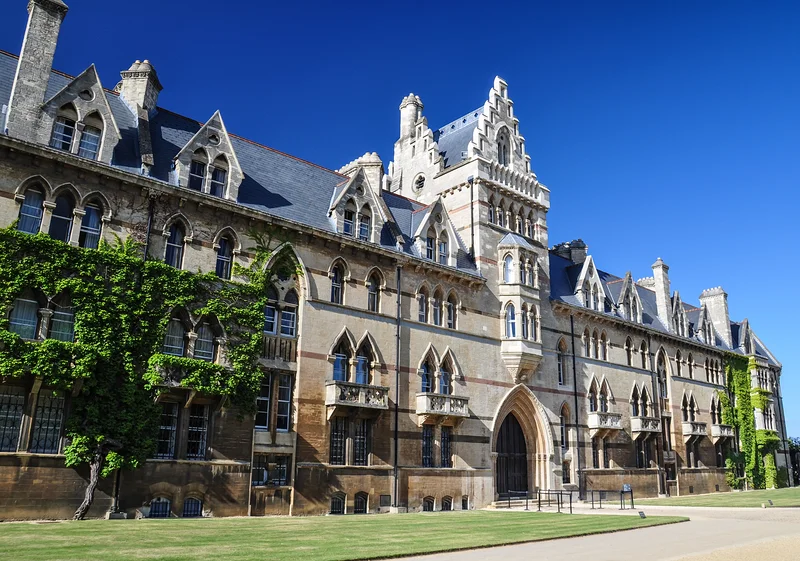
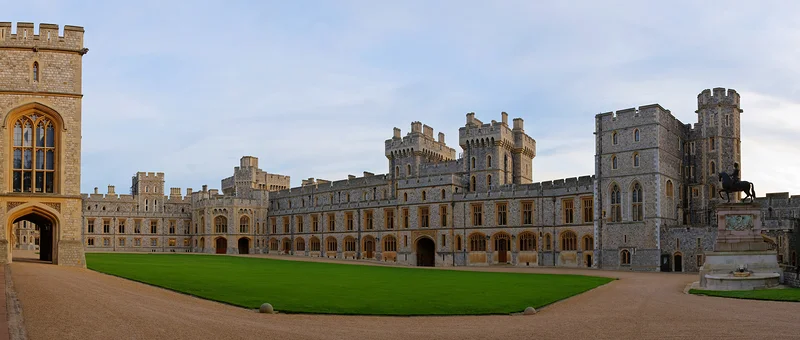
Close to forty colleges, a seventeenth-century library and closed quadrangles where Harry Potter was filmed: Oxford takes two days, and the review below says so plainly. Forty train minutes closer to London, Windsor lines up the largest inhabited castle in the world, its gardens and the banks of the Thames. Both work as day trips from London, but sleeping here costs a third less and makes evenings possible.
The Gothic-style buildings are all very impressive, especially the famous university. The city is also very lively. It has to be said that there are a large number of students. I recommend spending two days there, that is plenty.
What to see and do in this area
Where to stay in this area
The Randolph Hotel, by Graduate Hotels Luxury
Right in the heart of Oxford, facing the Ashmolean Museum, in a Victorian building with a spa. The city's historic address, and the closest to the colleges.
Old Parsonage Hotel Luxury
A 1660 house turned into a boutique hotel, a ten-minute walk from the center. Small, old, and the opposite of a chain.
Courtyard by Marriott Oxford City Centre Mid-range
Central, with air conditioning, a restaurant and consistent rooms. The no-surprise choice when you have come for the colleges and not for the hotel.
Pros
- An hour by train from London, no car needed
- Evenings in the college pubs, impossible on a day trip
Cons
- Oxford fills with day-trippers from ten to five
- Few central rooms: booking late costs dearly
Bath, Stonehenge and Wessex The south-west
for the Roman baths and the stone circle, an hour and a half from London
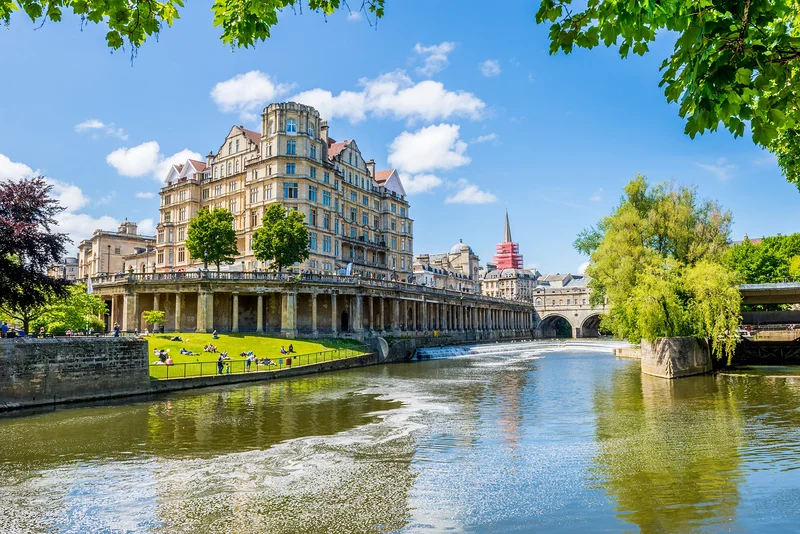
Bath is the only English city listed by UNESCO in its entirety: Roman baths, an abbey, Georgian crescents and a center you cross on foot. Forty minutes away, Salisbury and its cathedral with the tallest spire in the country serve as the base for Stonehenge, only a few miles off. What this area does not give you: the nightlife of a big city, and you need a car or a coach to reach the stones.
Salisbury has a very beautiful cathedral that I highly recommend you visit. But it is above all the ideal base for heading out to explore the Stonehenge site, which is only a few miles away.

What to see and do in this area
Where to stay in this area
Parade Hotel Bath Mid-range
In the heart of Bath, in a Georgian building, minutes from the Roman baths and the abbey.
Eight Mid-range
A two-minute walk from the Roman baths and five hundred meters from Bath Spa station. For anyone arriving by train, this is the simplest address in town.
Pros
- Stonehenge a few miles from Salisbury
- An intact Georgian center, walkable from the station
Cons
- Bath is expensive for its size, especially at weekends
- Stonehenge must be booked and visited at a set time
Brighton and Kent The south coast
for a seaside town an hour from London
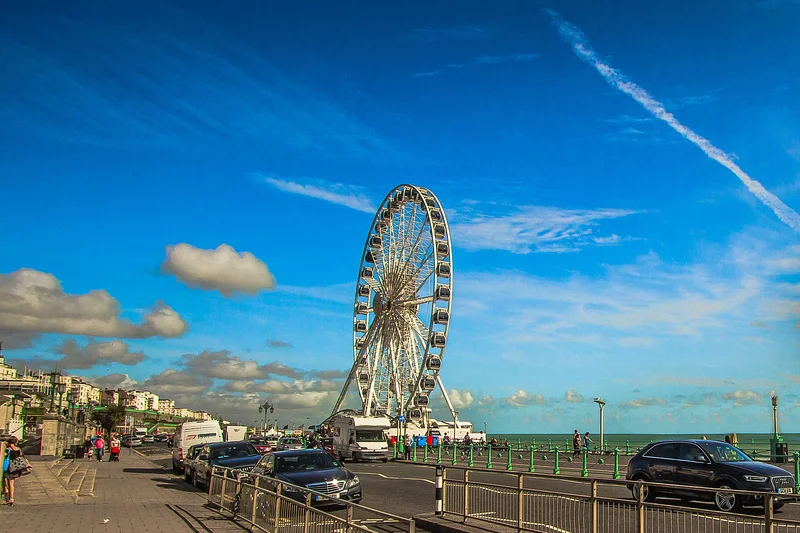
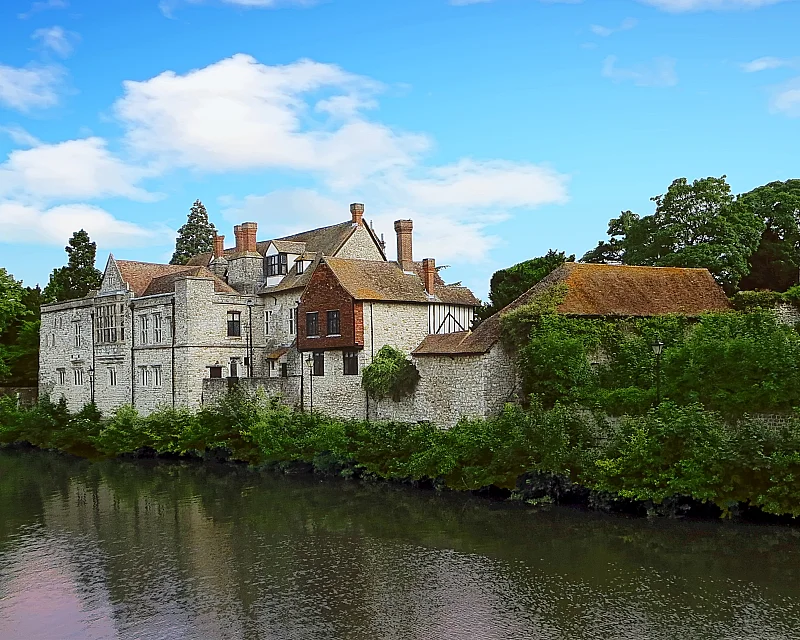
The pebble beach, the Pier and its big wheel, the alleys of the Lanes full of galleries and tea rooms: Brighton is where Londoners go for the sea, an hour by train from Victoria. You come for the evening as much as for the water. Further east, Kent and Maidstone open up castle and garden country. Worth keeping in mind, and one of our reviews says it: you do not cross the Channel for this particular beach.
The English Santa Monica! I really loved the walk along the seaside. With the famous Pier, which is always so lively, its restaurants, and its Ferris wheel, Brighton makes for a lovely, authentic setting to stroll around and hang out on the beach.
Where to stay in this area
No.124 by GuestHouse, Brighton Mid-range
In central Brighton, with a terrace and a restaurant, a few streets from the seafront and the Lanes.
Q Square by Supercity Aparthotels Mid-range
Four-star apartments an eight-minute walk from Brighton station. Useful for a group, or for two nights with a kitchen.
Pros
- An hour by train from London Victoria
- Nightlife that does not depend on the season
Cons
- A pebble beach, not sand
- Summer weekend rates close to London's
Manchester, Liverpool and the Midlands Red-brick England
for music, football and nights half the price of London
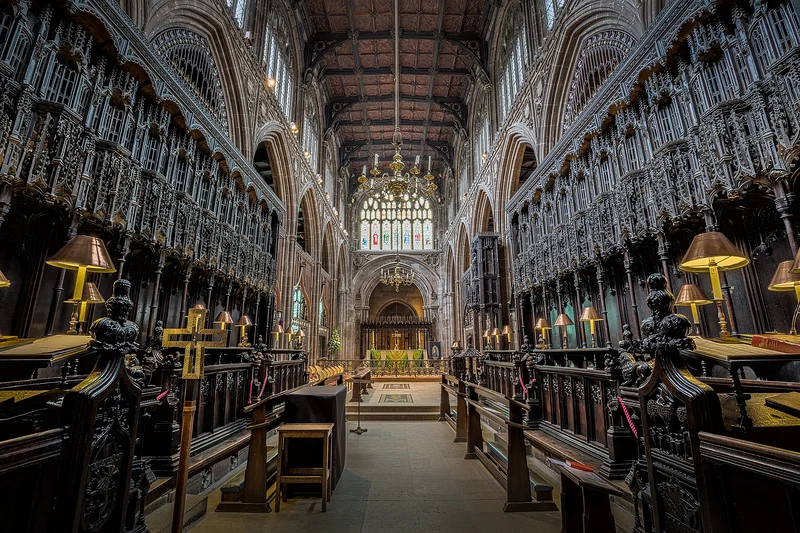
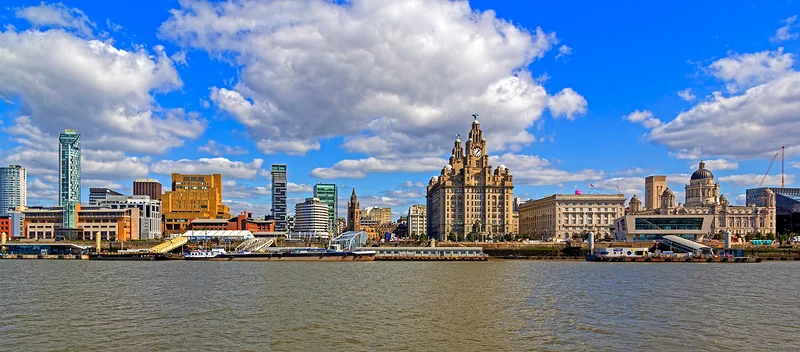
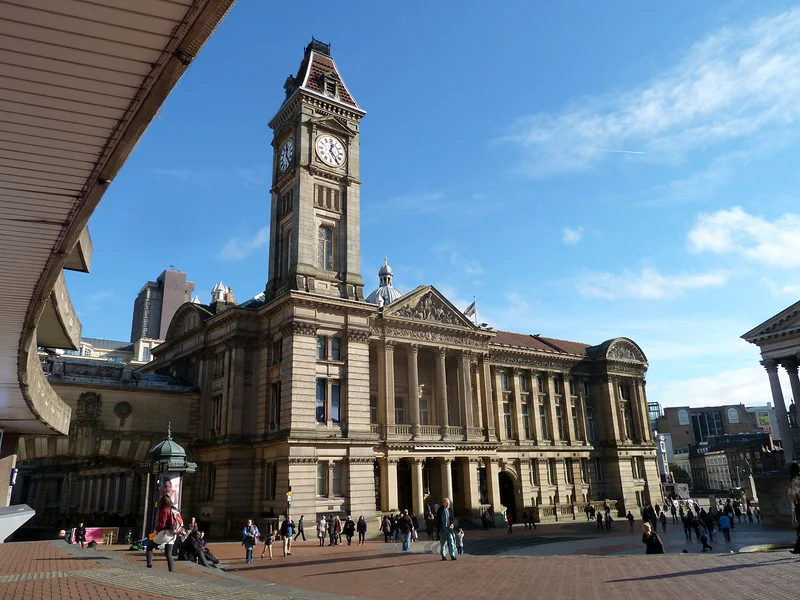
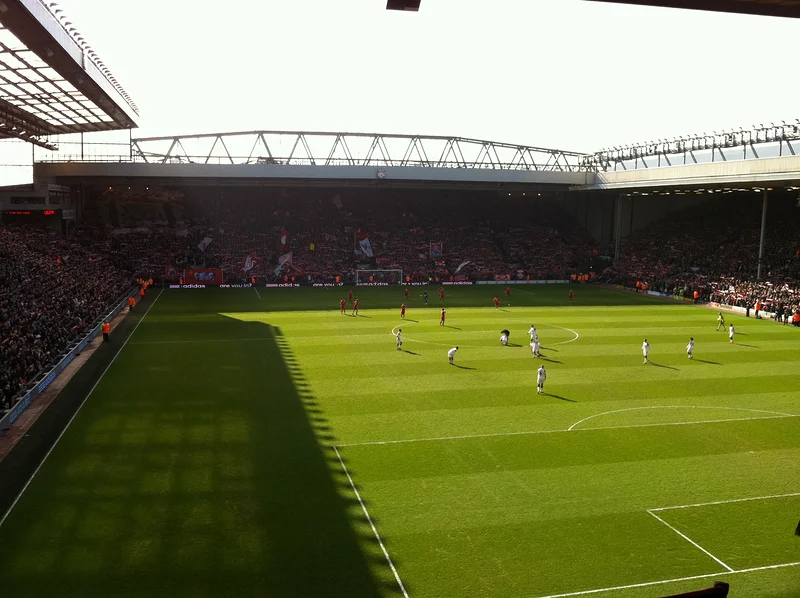
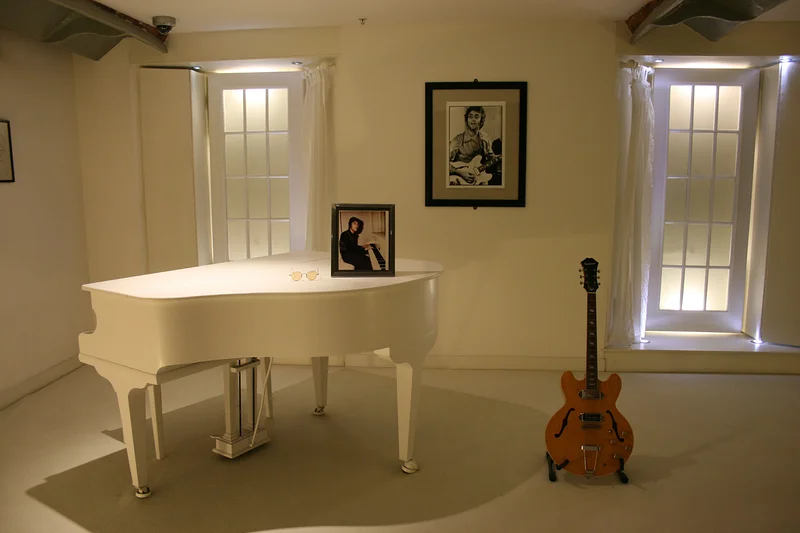
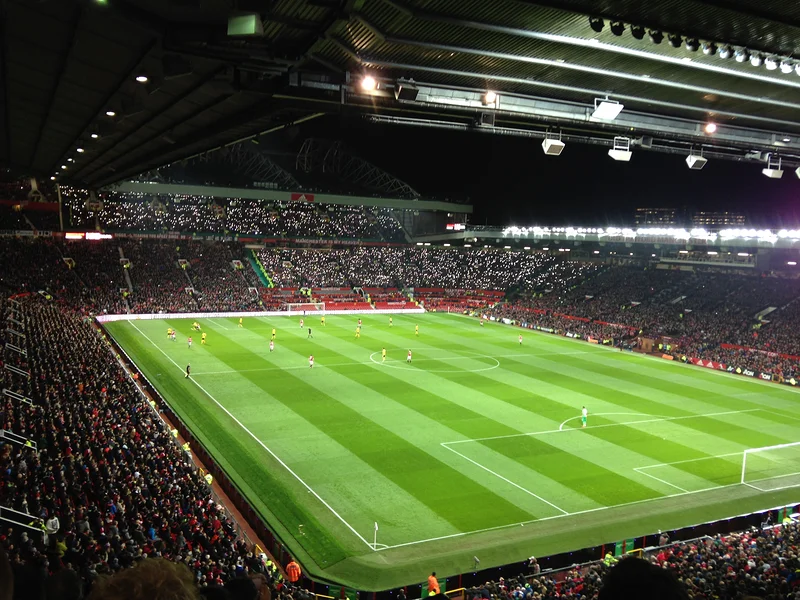
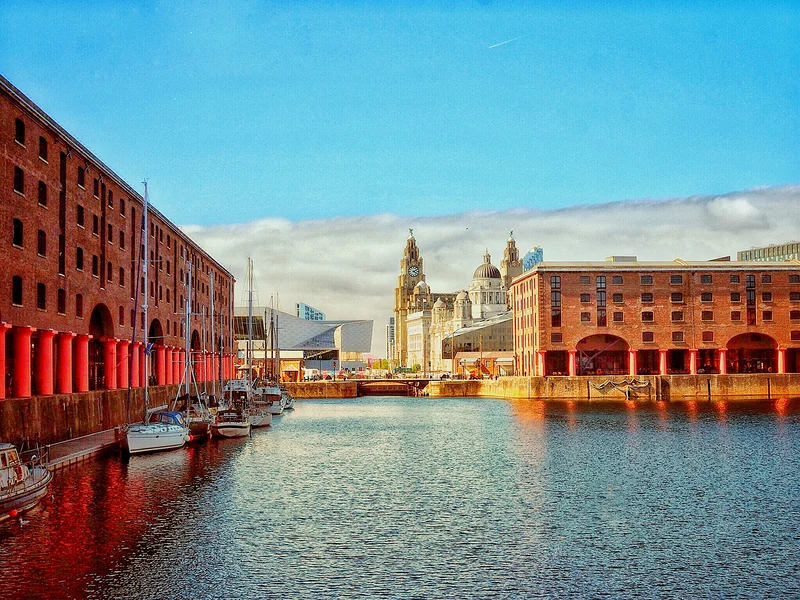
Three cities remade by their industrial heritage. Manchester and its two clubs, its Gothic cathedral and its streets full in the evening even in the rain; Liverpool, the Beatles, the Albert Dock and Anfield; Birmingham, which our members describe as surprisingly green and spacious. Value for money is the best in the country here. On the other hand, none of the three is walkable end to end.
Manchester is only ever talked about because of its two famous soccer clubs.
The towns in this area

What to see and do in this area
Where to stay in this area
Hotel Gotham Luxury
A 1930s former bank in central Manchester, art deco taken all the way and a rooftop bar. The most recognizable address in the city.
Titanic Hotel Liverpool Mid-range
A converted dock warehouse north of the center, large rooms under brick vaults and a spa. It is the address travellers rate highest in Liverpool.
Hotel du Vin Birmingham Mid-range
A Victorian former eye hospital in central Birmingham, with a bistro and a wine cellar. Large rooms, a ten-minute walk from New Street station.
Pros
- The cheapest nights in the guide, at equal comfort
- Two hours from London by train, and the three cities linked to each other
Cons
- Sprawling centres: distances are covered by tram or bus
- On match nights, hotels double their rates and sell out
York and the Yorkshire coast The north-east
for a complete medieval city, walls included
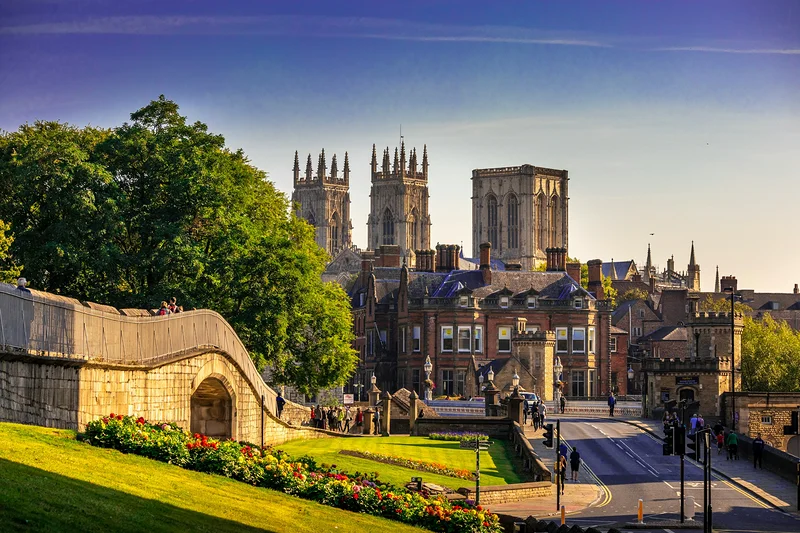
York kept its walls, and you walk the full circuit above the rooftops. Below, the largest Gothic cathedral in northern Europe and the Shambles, a fourteenth-century street whose upper floors almost touch. An hour's drive away, Whitby lines up a fishing harbour, a ruined abbey that inspired Dracula and fish and chips reputed to be the country's best. The catch is the distance: York is two hours by train from London.
York is one of my favorite spots and one of my favorite cities in England! It is magnificent with its huge cathedral and the ramparts that go all the way around the city.

Where to stay in this area
The Grand, York Luxury
The former railway company headquarters, a listed building, now a five-star with a spa. Five minutes from the walls and as much from the station.
Golden Fleece York Mid-range
An old inn in the center, a six-minute walk from York Minster, with a terrace and a bar. You sleep above a pub, with everything that implies about weekend noise.
Pros
- A complete medieval city, on foot
- Rates well below those in the south
Cons
- Two hours by train from London
- Whitby has to be earned: an hour's drive, no direct train
The Lake District Lakes and fells
for hiking and lakes, far from everything else
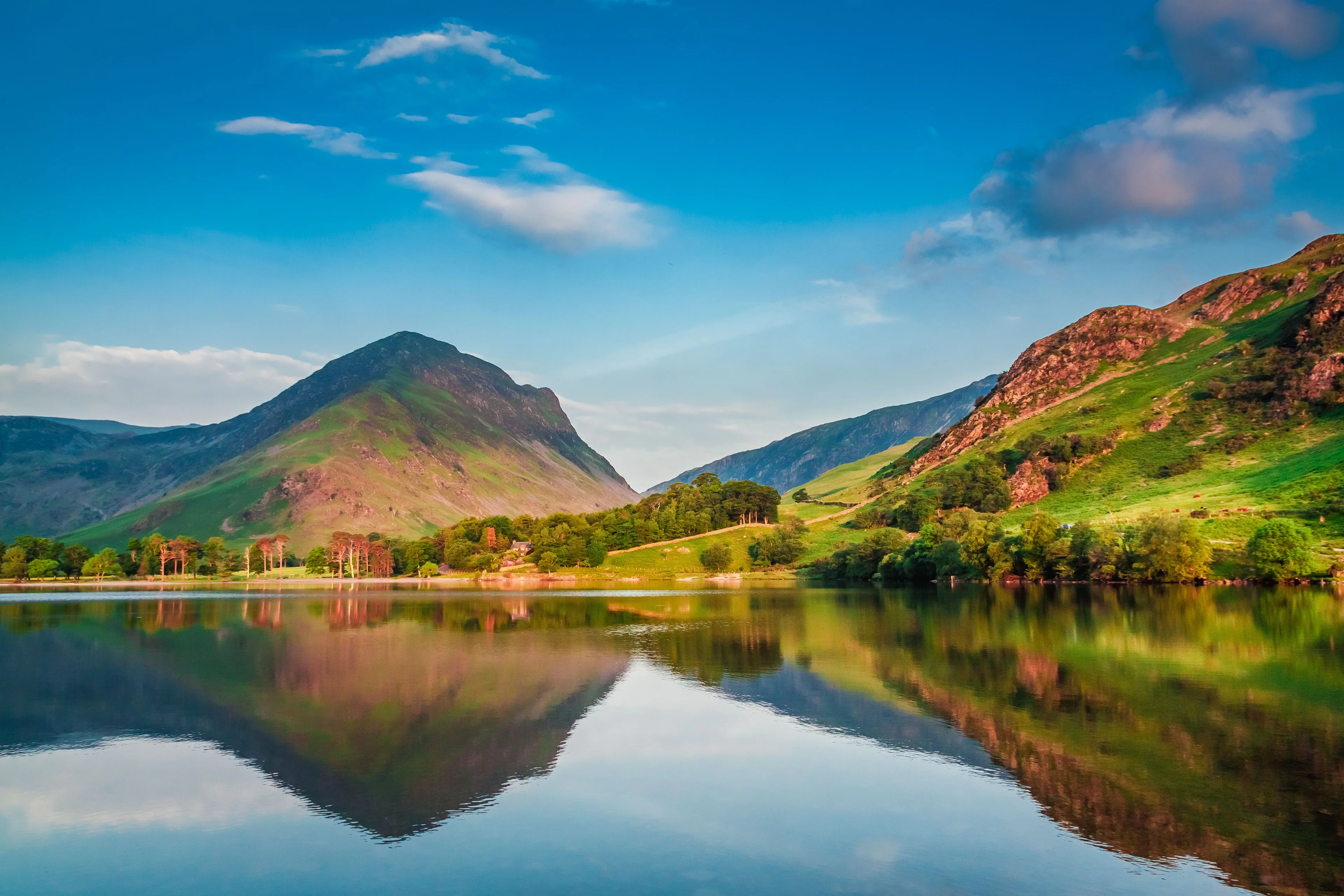
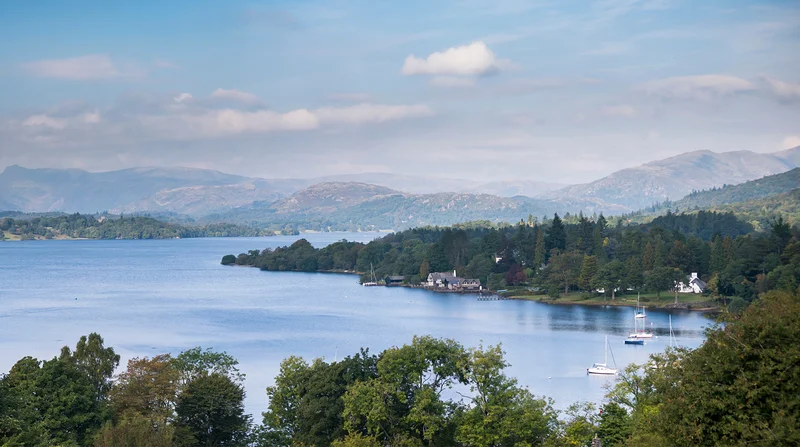
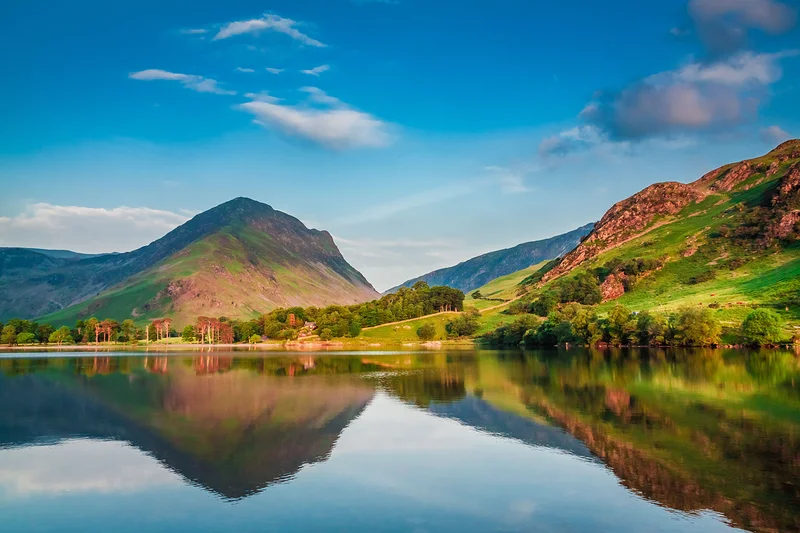
The largest national park in England, and the only place in the country where you can walk a full day without crossing a road. Windermere is the gateway: boats on the lake, paths up to the fells, and grey stone houses at the water's edge. It is also the most isolated area in the guide: four hours by train from London, and a car is useful once you are there.
The towns in this area
What to see and do in this area
Where to stay in this area
Craig Manor Mid-range
A stone house above Lake Windermere, with a view of the Langdale Pikes. Walking distance from the village and the pier.
Holbeck Ghyll Luxury
A Victorian manor overlooking the lake and the fells, two miles from the village. For anyone who comes to walk and wants a table in the evening.
Low Wood Bay Resort & Spa Mid-range
Right on the lakeshore, with a spa, a pool and a watersports base. The choice for families and for anyone who wants to sail without organizing it.
Pros
- Trails starting from the village
- The lake by boat, all year round
Cons
- Four hours by train from London
- A car is useful for getting out of Windermere
Our tips for booking the right place
- Every night outside London is worth two London nights: This is the central trade-off of the country, and ten of our London reviews raise it. A decent room costs $160 to $350* in central London against $80 to $183* in Manchester or Liverpool. Three nights in the capital then the rest elsewhere is the pattern that buys the most trip for the same money.
- The train settles almost everything, except Stonehenge: Oxford, Windsor, Bath, Brighton, Salisbury, York and Manchester are all under two hours and a quarter from a London terminus. The one major site no train serves is Stonehenge: you reach it by coach from Salisbury or by car, and you book a fixed time slot.
- Match nights change the prices: Our London page covers thirteen stadiums, Manchester two and Liverpool one. In all three cities, a home game fills the hotels in the district and doubles the rates. Check the fixture list before booking, especially from August to May.
- Booking early saves more than picking another district: Over the three months before a stay, the gap between an early booking and a last-minute one often exceeds, in London, the gap between the center and the outskirts. Sleeping far out to save money is therefore the second lever, not the first.
- Using London as your only base to see England: every day trip costs two journeys and a night at full price, when sleeping on the spot costs less than the return ticket alone.
- Booking in Manchester or Liverpool on a match Saturday without checking the fixture list: it is the one moment when these cities cost as much as the capital.
- Counting on the train for Stonehenge: no line goes there, and the site is visited on a booked slot.
- Choosing the Lake District for a short stay: four hours by train from London, and you need two nights on site for the journey to make sense.