
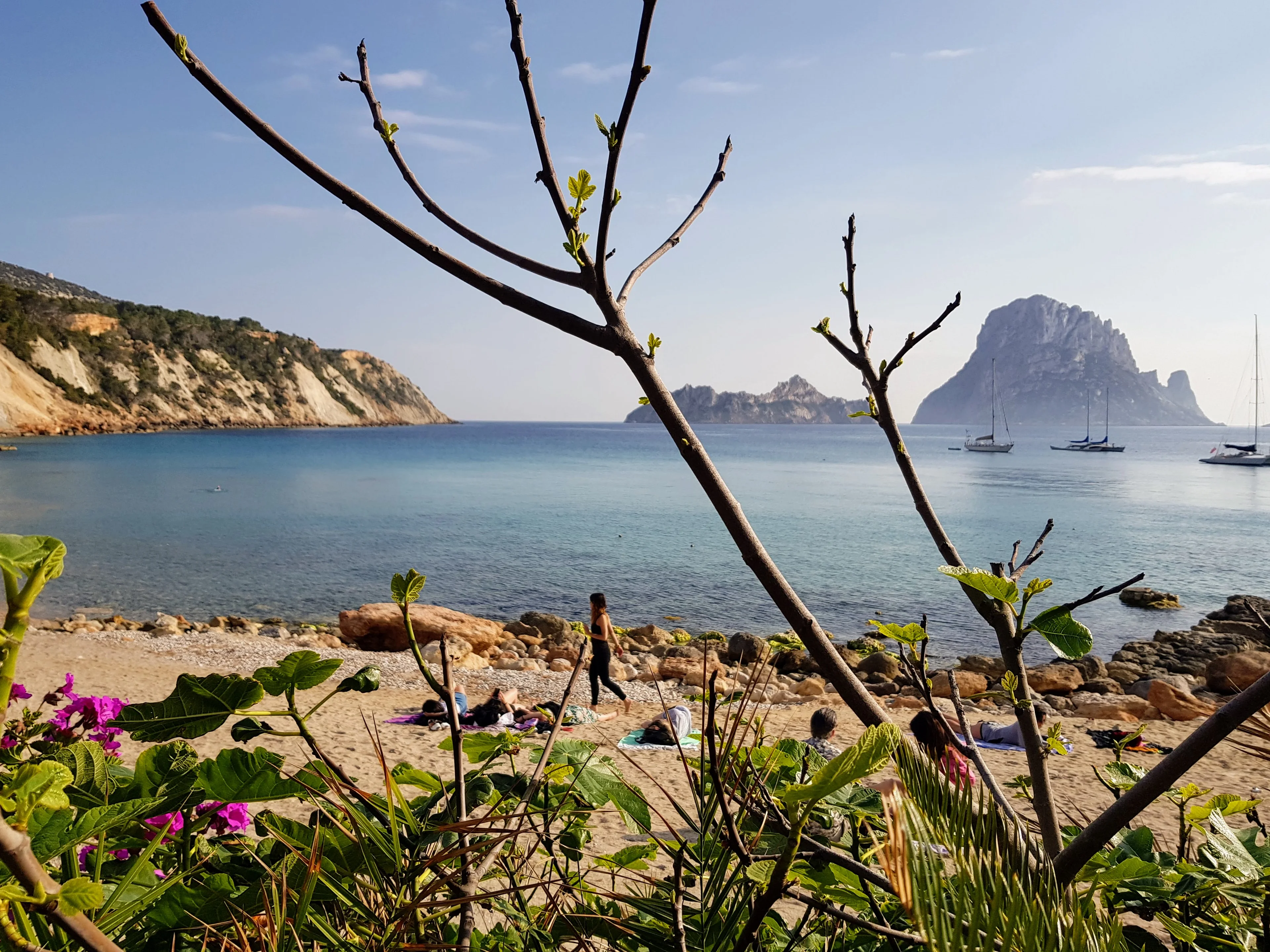
Visiting Ibiza: The Island of a Thousand Faces
The scent of pine trees mixes with the salt air, bougainvillea spills over whitewashed walls, and somewhere between the rugged coastline and terrace cafes overlooking the water, a DJ drops a new track while a local artisan sells handmade jewelry at a nearby market. Welcome to an island that refuses to be boxed into a single definition.
Ibiza: The Party Capital, But So Much More
If you are looking for all-night dancing, world-class DJs, and the electric energy of legendary superclubs, you are in the right place. Pacha, Amnesia, and Ushuaïa are not urban legends but real temples of nightlife where the party goes until dawn. Between June and September, the island pulses to the rhythm of this collective frenzy.
However, reducing Ibiza to its nightlife would be a major mistake. Families will find sheltered coves with crystal-clear waters, history buffs can explore Dalt Vila, the UNESCO-listed medieval citadel, and more relaxed travelers can unwind at rustic countryside restaurants surrounded by lemon groves.
The island has also been an unapologetic hippie sanctuary since the 1970s, complete with artisan markets, bohemian communities, and a peace-and-love spirit that is still very much alive. This duality creates its unique magic, allowing you to sunbathe on a family-friendly beach in the afternoon and dance in a superclub by night.
Steep Budgets If You Are Not Careful
Heads up, Ibiza can drain your wallet quickly if you do not keep an eye on your spending. Expect to spend between $113 and $169* per day per person on a smart backpacker budget (hostels, cooking in, public buses), between $230 and $340* for a comfortable trip with a decent hotel and a few meals out, and well over $570* if you are aiming for luxury with high-end beach clubs and ocean-view suites.
Club tickets cost between $34 and $90*, a meal at a traditional restaurant runs around $29 to $45*, and car rentals start at $40* per day. Prices skyrocket in July and August, a period best avoided if you are watching your wallet.
The Beaches: From High-End Glam to Secret Coves
Let us start with Ses Salines, the celebrity hotspot where sun-drenched beachgoers parade between umbrella pines and protected dunes. The atmosphere is high-energy, house music drifts from chic beach clubs, and yes, you might spot a famous face. The white sand stretches for nearly a mile and the crystal-clear waters invite you in, but be prepared to share the space and pay top dollar for lounge chairs.
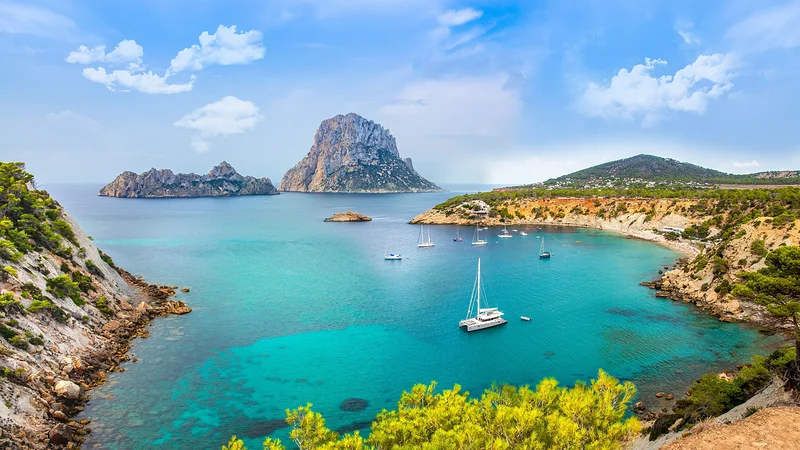
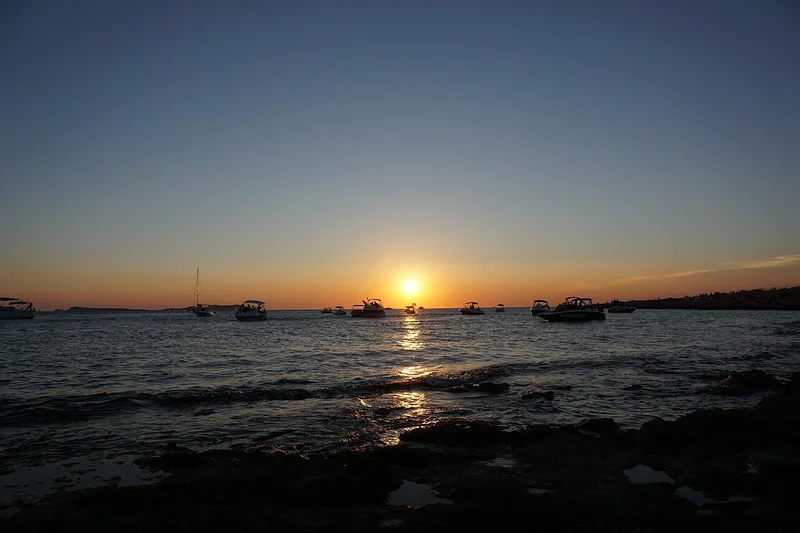
On the opposite end of the spectrum, Cala Conta offers postcard views with rocky islets rising out of a striking turquoise sea. Families love its shallow waters, photographers its legendary sunsets, and snorkelers its marine life. Arrive early or late in the day to dodge the summer crowds.
For a more authentic feel, head north to smaller coves like Cala Xarraca or Aigües Blanques. These wild beaches, often reached via gravel paths, are the domain of locals looking to escape the crowds. The lack of beach clubs and lounge chairs is precisely their charm, letting you simply drop your towel on the warm sand and enjoy the view.
Friendly tip: To avoid paying $113* for two lounge chairs at Cala Conta, walk to the right toward Cala Escondida, a hidden sister cove with free access, a relaxed vibe, and an eco-friendly chiringuito for quick snacks.
Ibiza Town: Ancient History Meets Luxury Marinas
The capital deserves at least a full day of exploration. Climb the cobblestone alleys of Dalt Vila, the fortified old town overlooking the harbor. The 16th-century ramparts tell stories of pirates and conquerors, while contemporary art galleries and bohemian boutiques prove the island has not forgotten the present.
Down below, the La Marina neighborhood buzzes with outdoor terraces, designer boutiques, and a striking mix of billionaire yachts and street vendors. The contrast is sharp: on one side, megayachts are docked at Ibiza Magna, one of the world's most expensive ports, while on the other, you will find neighborhood tapas bars where locals gather.
On Saturdays, the Las Dalias hippie market in San Carlos is worth the detour. Since 1985, artisans, musicians, and bohemian jewelry vendors have gathered here in a festive, colorful setting.
Friendly tip: Visit Dalt Vila in the late afternoon to catch the golden light on the white stone, then head down to Sa Penya, the old fishing district turned maze of trendy bars, for pre-dinner drinks.
The Wild and Authentic North
If you want the quiet, unspoiled side of Ibiza, set your sights north. Santa Agnès de Corona, a tiny inland village, turns magical in January and February when almond trees in bloom turn the plains into a pink-and-white carpet. The rest of the year, it is a peaceful haven with a white church and a handful of traditional homes.
On the northern coast, Portinatx appeals to families with its three sheltered beaches and calm waters. Even wilder, Cala de Sant Vicent rolls out a golden arc of sand beneath wooded hills. Then there is Benirràs, the legendary hippie beach where every Sunday at sunset, drummers gather for an impromptu ceremony that draws both the curious and the regulars.
San Juan: Untouched by Time
The village of San Juan embodies rural, low-key Ibiza. Forget the superclubs and beach crowds here, as you will only find a white church, scattered homes, and the feeling that time moves differently. It makes an ideal starting point for hiking trails winding through pine forests and cliffs.
Friendly tip: Rent a car to explore the north, as buses are infrequent and the best spots require going off the beaten path. Download offline maps since cell service can be spotty in certain areas.
Santa Eulalia and the Peaceful East
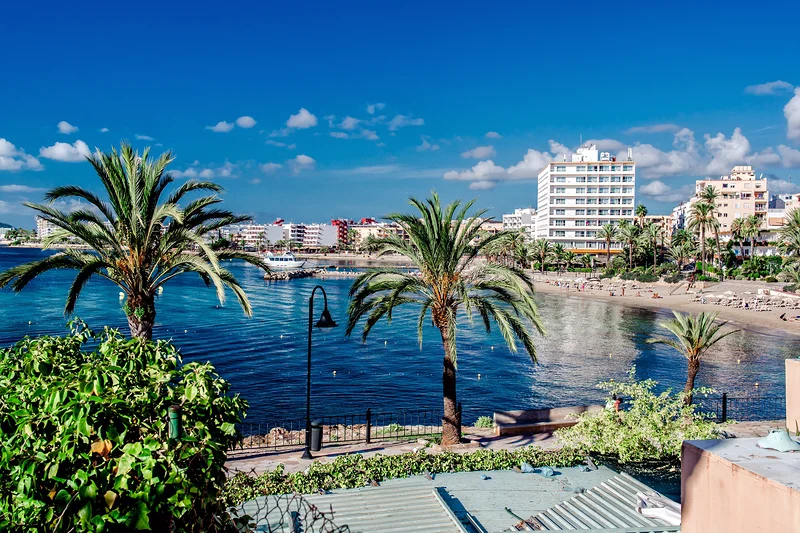
Far from the bustle of San Antonio, Santa Eulalia cultivates a family-friendly, laid-back atmosphere. Its palm-lined boardwalk, fine sand beach, and wide array of restaurants make it an ideal base for families and anyone seeking peace and quiet.
It is worth climbing up to the church of Puig de Missa, perched on a hill with views stretching across the entire bay. Just below, the Es Canar hippie market, known as Punta Arabí, has been running its 500 stalls every Wednesday since 1973. Handmade jewelry, ethnic clothing, henna tattoos, and live music create a lively vibe.
Eastern beaches like Cala Llenya or Cala Nova remain relatively untouched by mass tourism. Bordered by pine trees, they offer calm waters that are ideal for children and paddleboarders.
Friendly tip: If you are staying in Santa Eulalia, walk or bike to neighboring coves via the coastal path. The route between Cala Pada and Es Canar offers stunning viewpoints and leads to deserted beaches tucked away down hidden staircases.
Where to Eat and Drink in Ibiza?
Ibizan cuisine marries the land and the sea with straightforward, bold flavors. The signature dish is bullit de peix, a rockfish stew served with potatoes and generous garlic aioli, followed by arroz a banda cooked in the flavorful fish broth. You can sample it at traditional seaside spots like Can Pujol or Port Balansat, where recipes are passed down through generations.
Do not miss sobrasada and butifarra, the spicy pork sausages typical of the Balearic Islands, or sofrit pagès, a hearty meat and seasonal vegetable stew that hits the spot after a late night. Finish your meal with a slice of flaó, a fresh cheese and mint cheesecake.
For an agritourism experience, farm restaurants like Can Muson or Atzaró serve organic dishes in paradise-like gardens where you can dine under orange trees to live music. Chiringuitos, the local beach shacks, serve grilled fish and fresh salads at reasonable prices. Finally, the inland village of Santa Gertrudis packs in excellent restaurants and wine bars with a chic bohemian atmosphere.
How to Get to and Around Ibiza?
Ibiza Airport sits 7 kilometers south of the capital and receives direct flights from major European cities. Low-cost carriers run frequent routes in the summer, with round-trip fares starting around $57* from Paris, Brussels, or Geneva if you book in advance. Taking a ferry from Barcelona or Valencia makes for a scenic alternative, taking 8 to 9 hours with tickets around $90*.
On the island, the public bus network is decent and affordable ($2 to $3* per ride depending on distance, $4* and up on airport lines) but limited at night and for reaching remote beaches. Renting a car is essential to explore the island freely, especially since distances are short. Budget around $40* a day on average. Scooters are very popular and cost about $23* per day, but watch out for slippery roads, particularly after rain.
Taxis are plentiful but pricey, running $29 to $34* for an airport run to Ibiza Town. In the summer, water shuttles connect Ibiza Town, Playa d'en Bossa, Figueretas, and select beaches, providing a fun and scenic way to get around.
When to Go?
The high season runs from June to September, peaking in July and August when the island is packed and prices surge. May and June offer the best balance with pleasant temperatures around 77°F, clubs already open for legendary opening parties, uncrowded beaches, and milder rates. September is equally great with warm water, fewer crowds, and epic closing parties marking the end of the season.
Skip August if you dislike crowds and crushing heat, unless you are ready to share every square inch of sand and pay top dollar. Winter (November to March) turns Ibiza into a quiet island where most clubs close, but mild temperatures make for great hiking and prices drop dramatically.
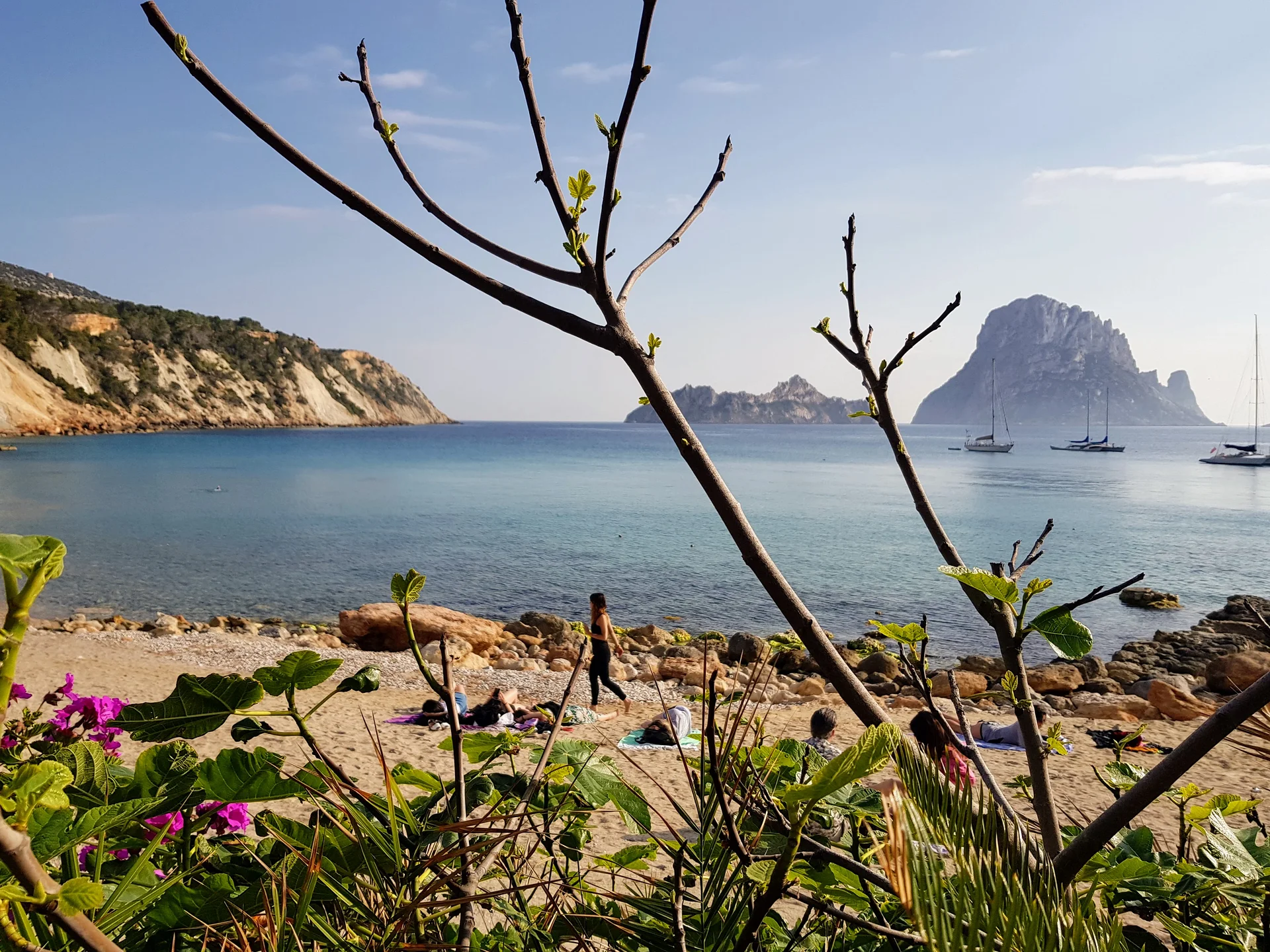
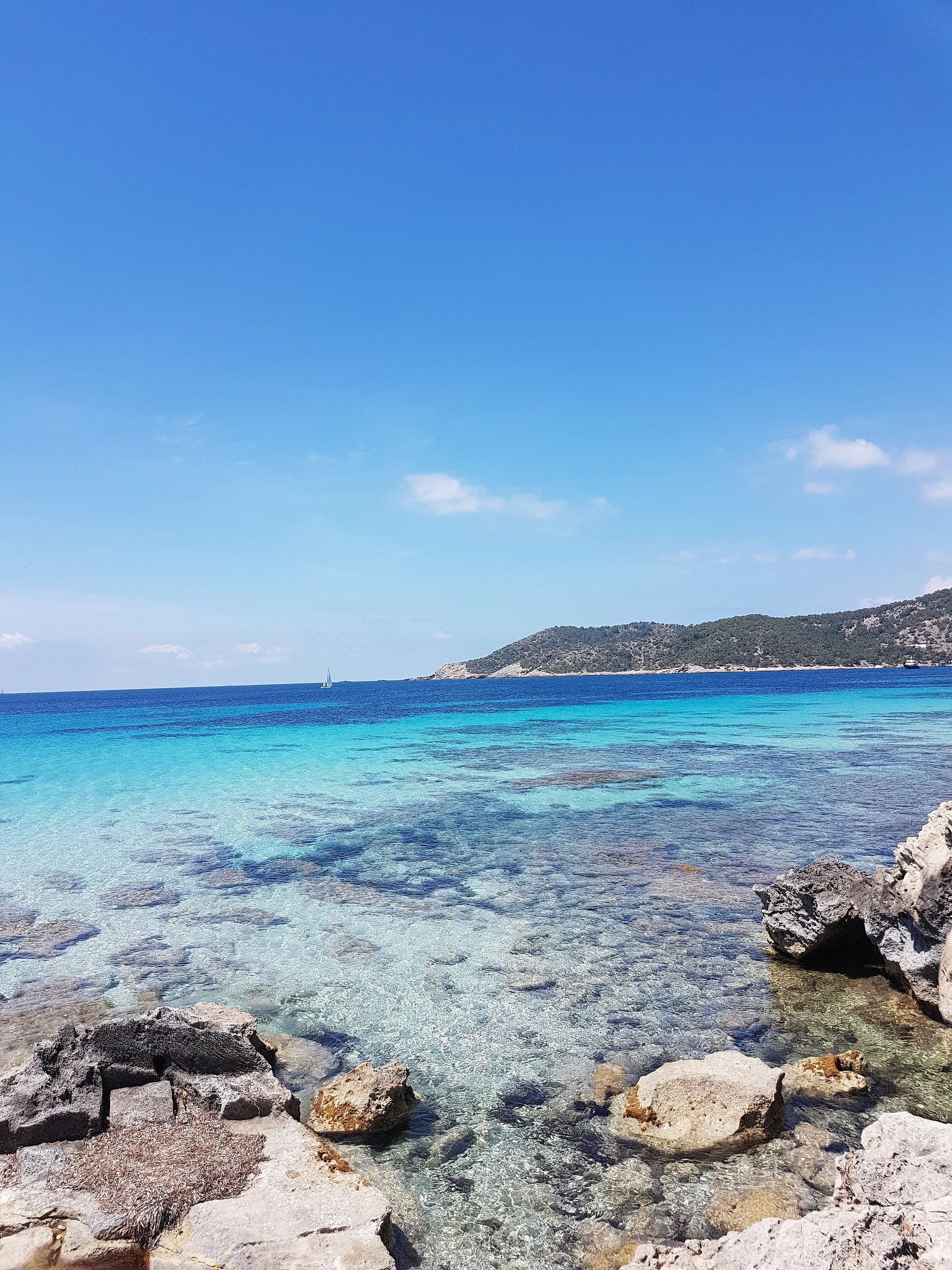
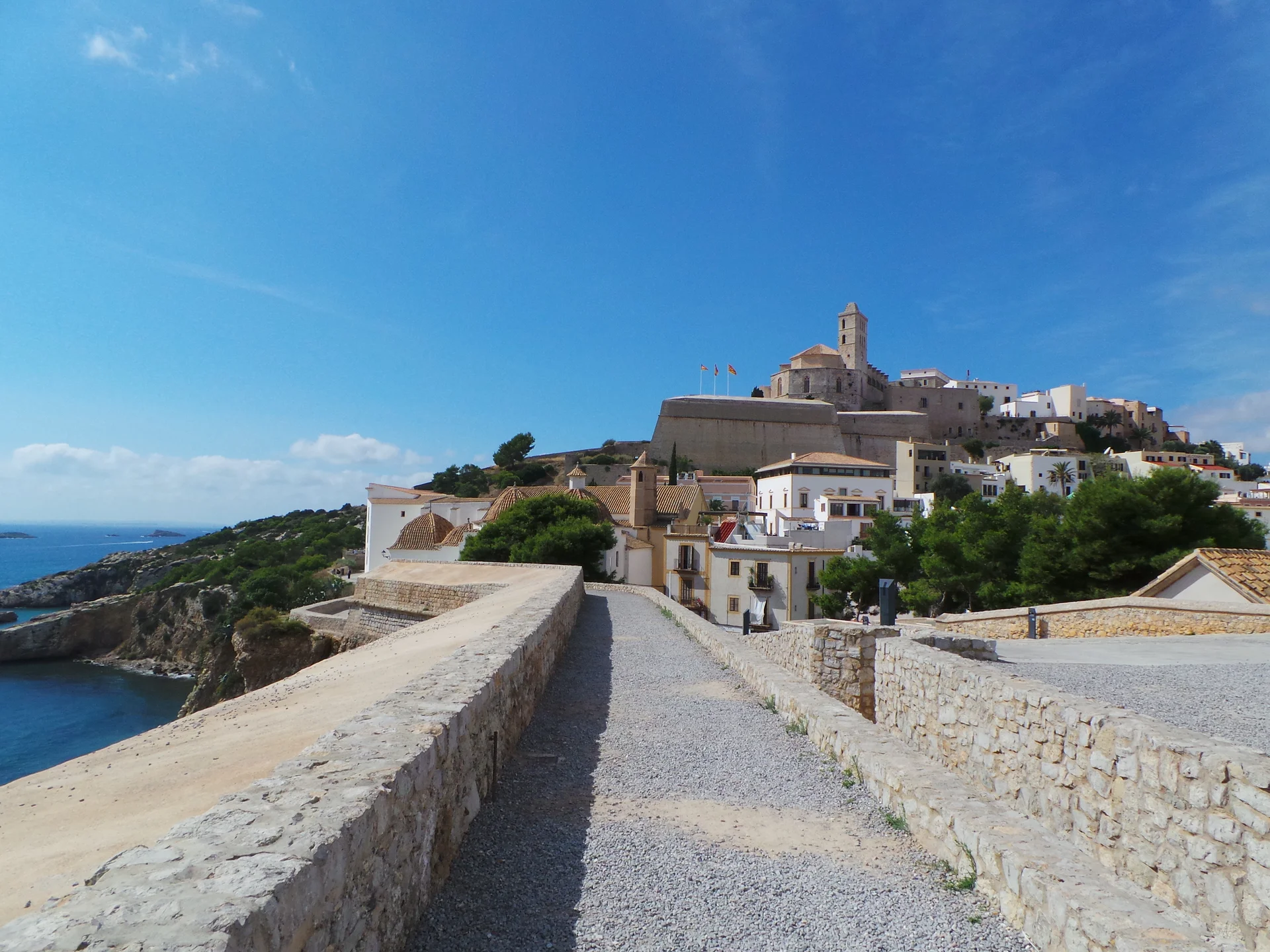
I was pleasantly surprised by my trip to Ibiza. While the island is known for its wild parties, there are plenty of other activities you can do. It is actually a destination that works really well for families. Ibiza has many traditional spots and the scenery is beautiful. For a more peaceful vibe, come outside of July and August.