Visiting the Canary Islands
The Canaries sit a hundred kilometres from the Sahara and a thousand from Spain, which explains everything: the temperature, the light, and the sand that falls out of the sky a few days a year.
Each island is a separate volcano, with its own age and character. Puerto de la Cruz opens the green north of Tenerife, Teguise and Yaiza the black of Lanzarote, and Las Palmas is the most populous city in the archipelago.
You will love it if
- You want 22 °C in January without leaving Europe
- Volcanic landscapes speak to you as much as beaches
- You will hire a car: the interior of the islands earns it
Look elsewhere if
- You want three islands in a week: each needs its own logistics
- You want warm sea: it stays at 19 °C in winter
- You hate wind: Fuerteventura and eastern Lanzarote live off it
The must-sees
The highlights
-
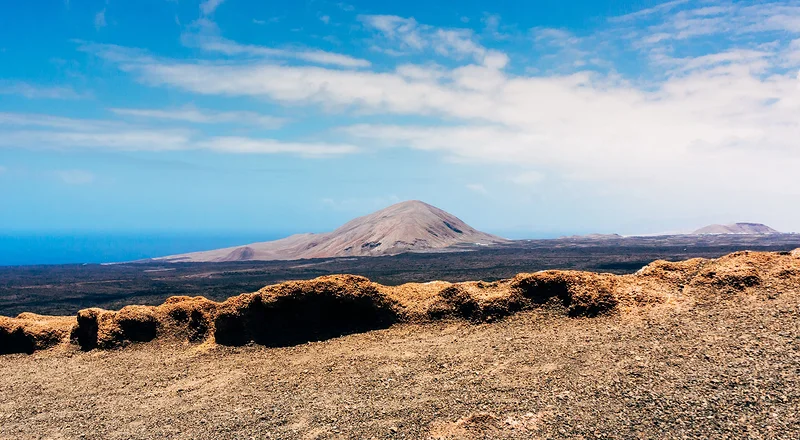
1 Timanfaya National Park +8 recs
Fifty square kilometres of bare lava, frozen by the eruptions of 1730 to 1736 that ran for six years. Ten metres down the ground still holds four hundred degrees: the wardens light brushwood with a gesture and raise a geyser with a bucket of water.
-
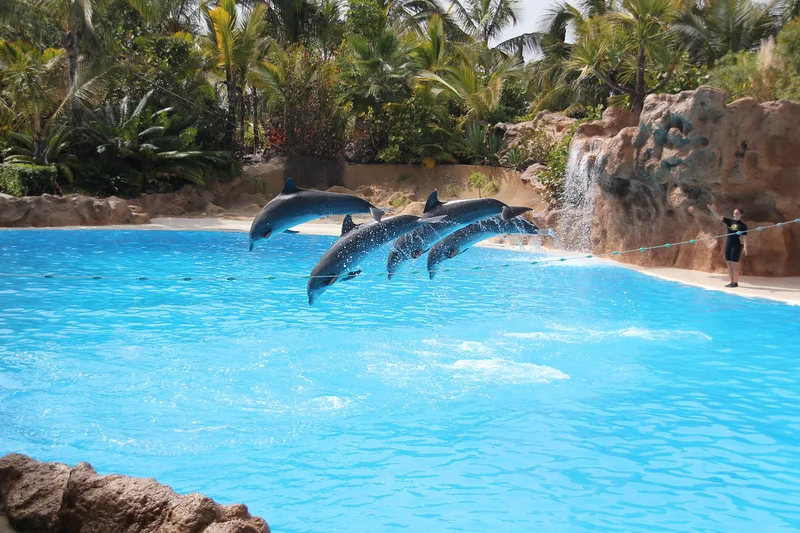
2 Loro Parque +11 recs
Founded in 1972 by Wolfgang Kiessling, first for parrots, it now holds one of the world's largest parrot collections and a breeding centre for threatened species. Allow a full day, not half.
-
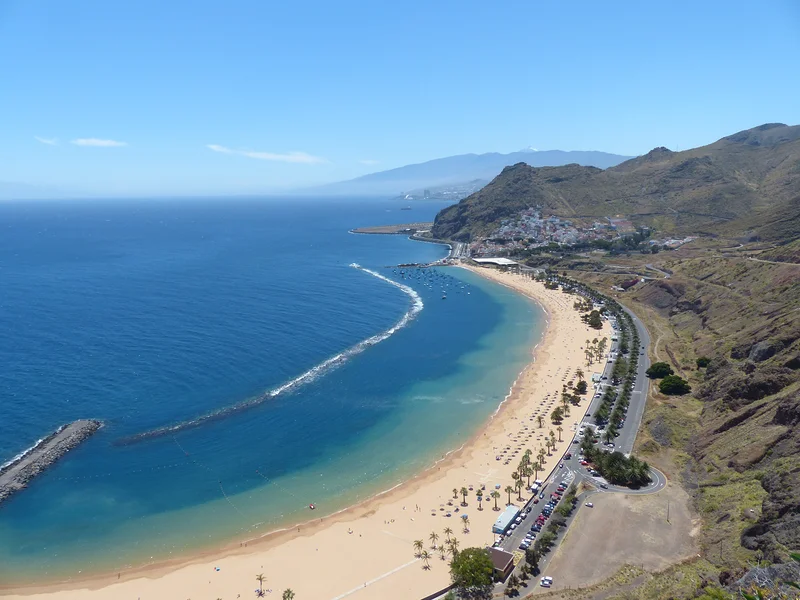
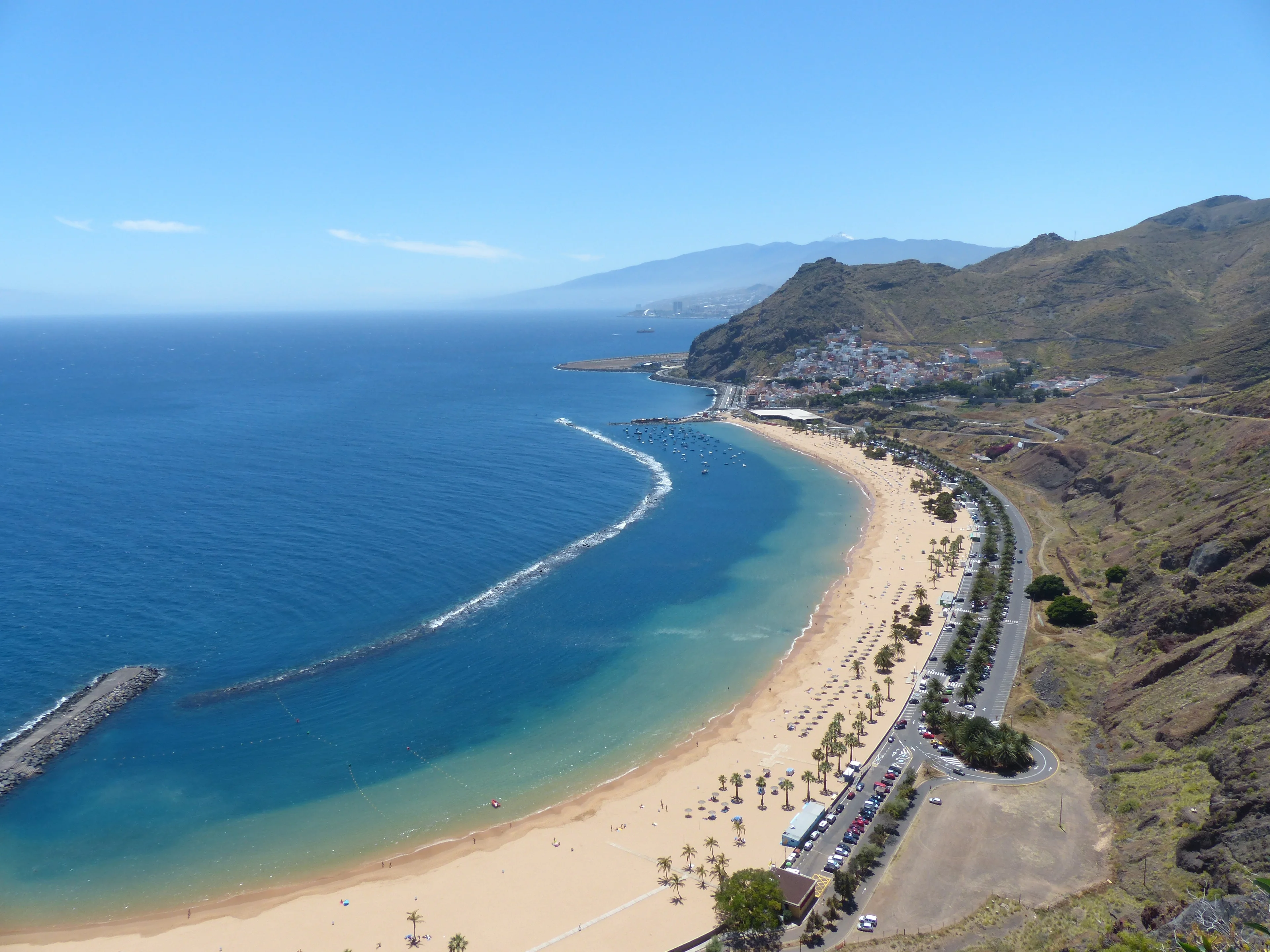
3 Las Teresitas Beach +8 recs
A kilometre and a half of golden sand, minutes from Santa Cruz. The sand is not local: it was shipped in from the Sahara in the seventies, because Tenerife's beaches are naturally black.
-
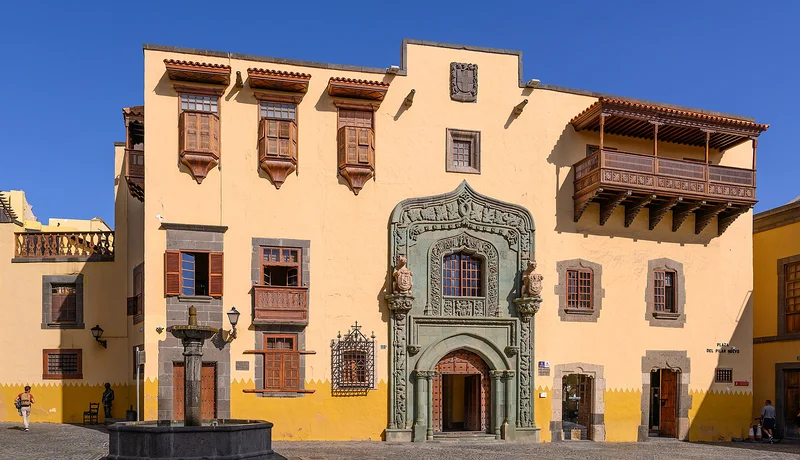
4 The Columbus House Museum +1 rec
The old Governor's House in the Vegueta quarter of Las Palmas, where Columbus is said to have stopped in 1492 to repair a rudder. Courtyards, mudéjar ceilings, and the best room on the conquest of the islands.
-
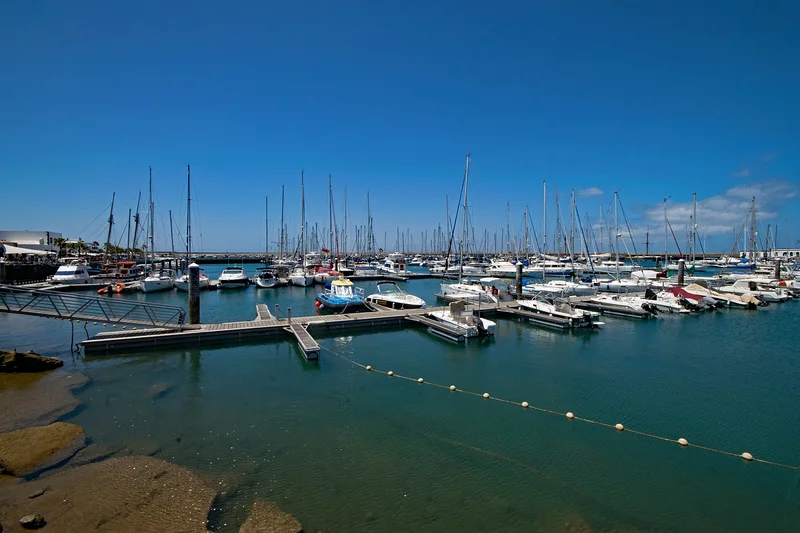
5 Marina Rubicón +3 recs
In the south of Lanzarote at Yaiza, right on the edge of the area buried by the lava flows. It was from this stretch, El Rubicón, that the first European settlers of the archipelago set out, in 1402.
The classic mistake
Booking a hotel in southern Tenerife to visit Puerto de la Cruz and La Orotava. An hour and a half of road separates the two slopes, and above all two climates: the south is dry and sunny, the north green and often clouded. You choose your side, you do not commute.
Our itineraries in the Canary Islands
| Length | Itinerary | What you see |
|---|---|---|
| 1 week | Northern Tenerife | Puerto de la Cruz, La Orotava, Loro Parque |
| 1 week | Lanzarote | Timanfaya, Teguise, Yaiza |
| 10 days | Tenerife + Las Palmas | Two islands, two capitals, two climates |
One island a week is the right measure: each is crossed in an hour and a half, but the interior climbs to two thousand metres and the mountain roads slow everything down.
To see two, fast ferries link Tenerife to Las Palmas in an hour and a half, which is simpler than getting back on a plane.
When to visit the Canary Islands
| Rating | Season | Weather | Crowds and prices |
|---|---|---|---|
| March to May, October | 21 to 26 °C, sea at 21 | Moderate, the best rates | |
| November to February | 19 to 23 °C, showers in the north | European high season, book early | |
| June to September | 24 to 29 °C, steady trade winds | Busy, Spanish families in August | |
| Calima episodes | Saharan dust, yellow sky | A few days a year, unpredictable |
Our advice
The calima has no season: this Saharan sand wind can arrive in February as in August, raise the temperature ten degrees in a day and erase the skyline. Flights are sometimes diverted. It lasts two to four days, and there is nothing to do but wait.
Getting to the Canary Islands
-
1 By plane The only way in
easyJet, Ryanair and Vueling serve Tenerife, Las Palmas, Lanzarote and Fuerteventura from airports across Britain in about four hours. It is the one European destination where winter is high season.
-
2 By ferry Island to island
between the islands, fast boats link Tenerife to Gran Canaria in 1 h 30 and to Fuerteventura in 2 h. They take hire cars, which the companies allow on request.
-
3 By car On the ground
essential as soon as you leave the coast. Motorways ring Tenerife and Gran Canaria, but the mountain villages are reached on narrow hairpins, and satnav always underestimates the time.
Tenerife has two airports: the southern one takes most European flights, the northern one, near Santa Cruz de Tenerife, mostly handles inter-island hops. They are an hour apart.
Getting around the Canary Islands
Santa Cruz de Tenerife and Las Palmas are walkable, and a tram links Santa Cruz to La Laguna in half an hour. Everywhere else, the car is the only sensible option.
Worth knowing
At Timanfaya, the volcano road is driven only in the park's own coach, never in your car, and the ticket cannot be booked ahead. Arriving before ten or after three saves two hours of queue in high season.
What to eat in the Canary Islands
- Papas arrugadas: small potatoes boiled in heavily salted water until the skin wrinkles and crusts with salt. Served with both mojos, and never peeled.
- Mojo: red with chilli and paprika, green with coriander. Both arrive together, one for fish and one for meat, and nobody is policing it.
- Gofio: the toasted grain flour inherited from the Guanches, the people who were here before the conquest. Made into a paste, a dessert, or dusted over fish: the one food that runs through the whole history of the islands.
- Queso ahumado: smoked goat's cheese, a speciality of the markets of Santa Cruz and the north, often served grilled with mojo.
- Vieja sancochada: boiled parrotfish with papas and mojo. The Sunday dish of the fishing villages, and it looks like nothing at all.
- Lanzarote wines: malvasía grown in pits dug into volcanic ash, each shielded by a low stone wall against the wind. The strangest vineyard landscape in Europe.
- Barraquito: coffee, condensed milk, Licor 43, lemon and cinnamon, served in a glass in four distinct layers. You drink it without stirring, or you stir: both camps exist.
The guachinches of northern Tenerife are what to look for: growers' houses that open a room for a few months a year to sell off their wine, with two or three dishes and no menu. The only sign is a hand-written board.
Where to stay in the Canary Islands
| Area | What it is for | Worth knowing |
|---|---|---|
| Puerto de la Cruz | Loro Parque, green north, lava pools | A historic resort, gentle prices, often cloudy |
| Santa Cruz de Tenerife | Las Teresitas, markets, carnival | A real city, few tourists, good value |
| La Orotava | Colonial architecture, the valley, Teide | A hillside town, quiet, car needed |
| Teguise or Yaiza | Timanfaya, vineyards, Marina Rubicón | White houses with green shutters, the local rule |
| Las Palmas | Columbus House, city beach, local life | One of the few cities with the beach downtown |
At Puerto del Rosario, the capital of Fuerteventura, you do not sleep for the town but for the wind: it is one of the most reliable windsurfing bases in Europe, and the schools run all year.
On Lanzarote, the planning rule imposed in the sixties bans tall buildings and bright colours. Houses are white, with green shutters inland and blue on the coast: the whole island looks like a single project, because it is one.
How much does a trip in the Canary Islands cost?
| Style | Length | Budget per person |
|---|---|---|
| Budget (apartment, buses, markets) | 7 days | 350 to 500 € |
| Comfortable (hotel, car, restaurants) | 7 days | 800 to 1,200 € |
| High end (boutique hotel, excursions, diving) | 7 days | 1,800 to 2,800 € |
- Canarian VAT: the islands charge a local tax of 7 % instead of Spain's 21 %. Electronics, perfume and spirits are markedly cheaper.
- March and October: the same temperatures as February, half the people, and flights a hundred euros lower.
- Natural pools: the lava basins of northern Tenerife are free and better sheltered than the beaches, which take the Atlantic swell.
- The set lunch: ten to fifteen euros in the guachinches and the canteens of Santa Cruz, against thirty on the southern seafronts.
- Avoid Christmas and Easter: the two peaks of the archipelago, when rates double and hire cars run out.
Traditions and way of life in the Canary Islands
Before the Castilian conquest, completed in 1496, the islands were peopled by the Guanches, of Berber origin, who arrived nobody quite knows how: they had no boats. Their language is gone, but gofio, the place names and the whistled language of La Gomera come from them.
Las Palmas was taken in 1483 and became the compulsory stop for ships heading to the Americas. The Columbus House tells the exact moment the archipelago went from the end of the world to the middle of the road.
Two useful habits. The carnival of Santa Cruz, in February, is the second largest in the world after Rio: the city is shut down for a fortnight, and hotels are full six months ahead.
And the sea: the northern beaches face the open Atlantic, with rip currents that drown people every year. The flags are respected here, not decorative.