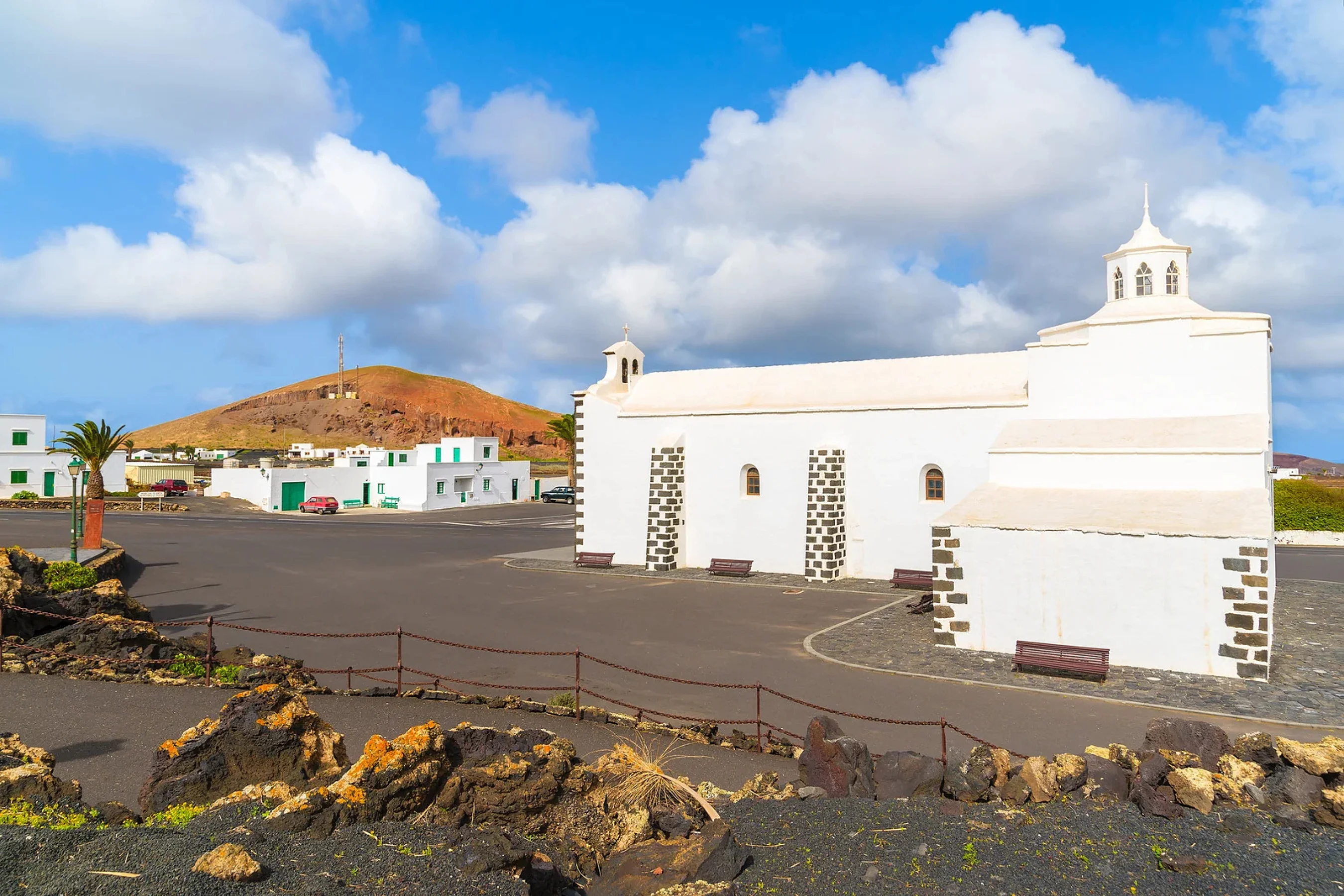
Tinajo, the volcanic heart of Lanzarote
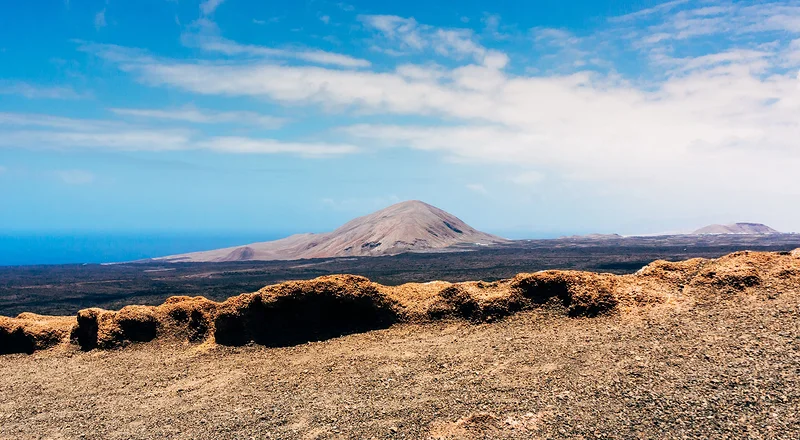
Here, the ground is black, red, or ochre, and the vines grow in craters dug by hand. Tinajo occupies the west-central part of Lanzarote, between Timanfaya National Park and the Atlantic-battered coast.
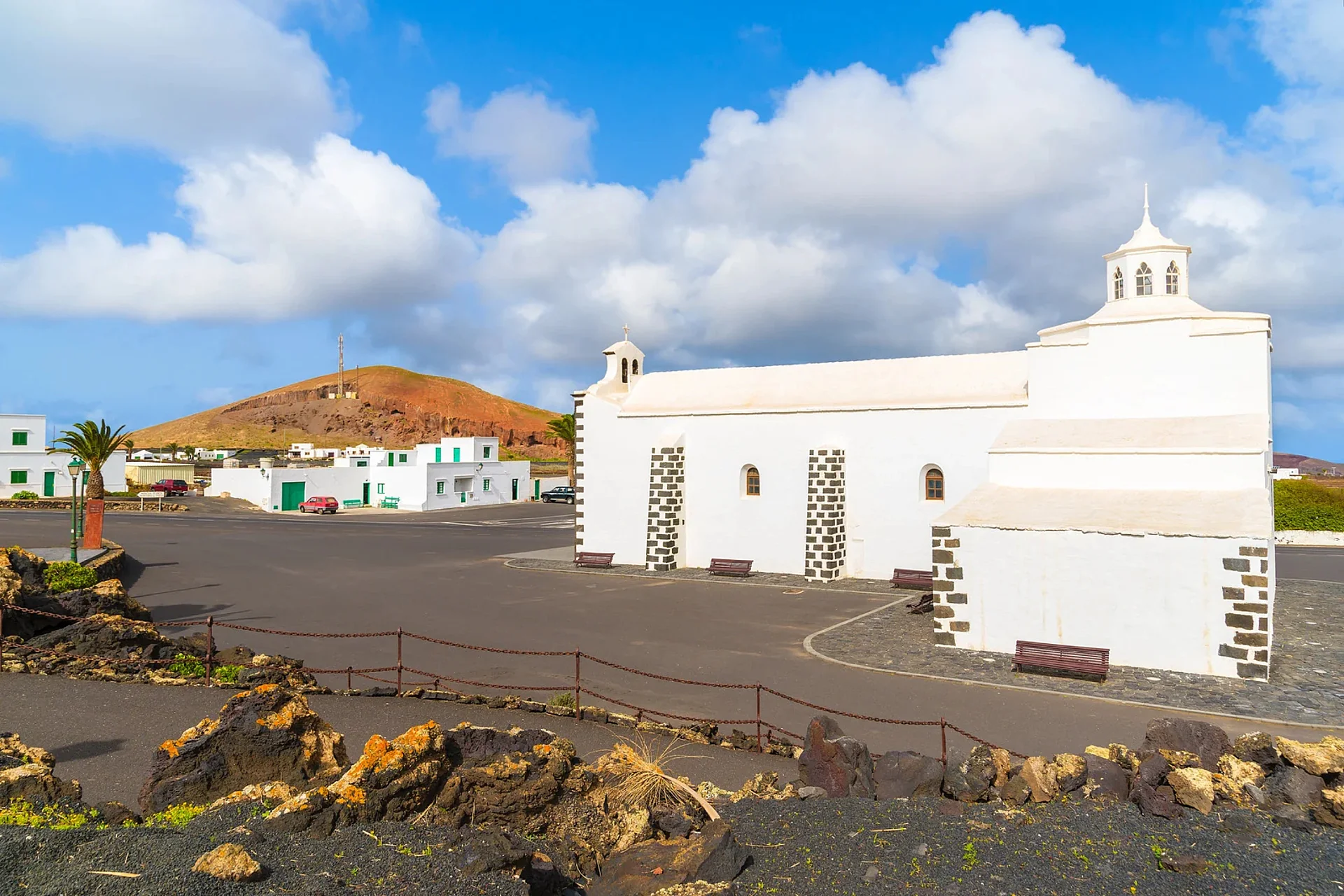
It is a municipality of about 5,200 residents, far from the large resort hotels of the south. The wind is constant, and the villages are low-slung and whitewashed.
A destination made for you?
Tinajo suits those who want to hike across lunar landscapes, surf or cycle, then return to a village where Spanish is spoken above all else. The pace is calm and days start early.
On the other hand, it disappoints travelers expecting nightlife, wide golden sand beaches, or shopping options. Without a car, exploring the island is difficult.
Suitable destination for:
- Hikers and volcanic landscape enthusiasts
- Surfers and cyclists
- Travelers seeking peace and quiet
Unsuitable destination for:
- Those looking for evening nightlife
- Fans of lounging on large sandy beaches
- Travelers without a vehicle
Practical realities
The climate is mild year-round, but the wind is a constant factor: pack a windbreaker, even in the middle of summer. The sun is strong, vegetation is nearly absent, and shade is rare.
Shops are concentrated in the main village and in La Santa on the coast. Spanish dominates, and English is understood in tourist areas.
Volcanoes and trails
Timanfaya National Park
Part of the park belongs to the municipality. The Montañas del Fuego are the result of the 1730-1736 eruptions, which covered a large part of the island. The park is heavily visited: arrive at opening time to keep waiting to a minimum.
Montaña Blanca and Caldera Blanca
The hike toward Caldera Blanca offers sweeping views down into a massive crater. The trail is exposed with no shade. Head out in the morning with plenty of water.
The coast and sports
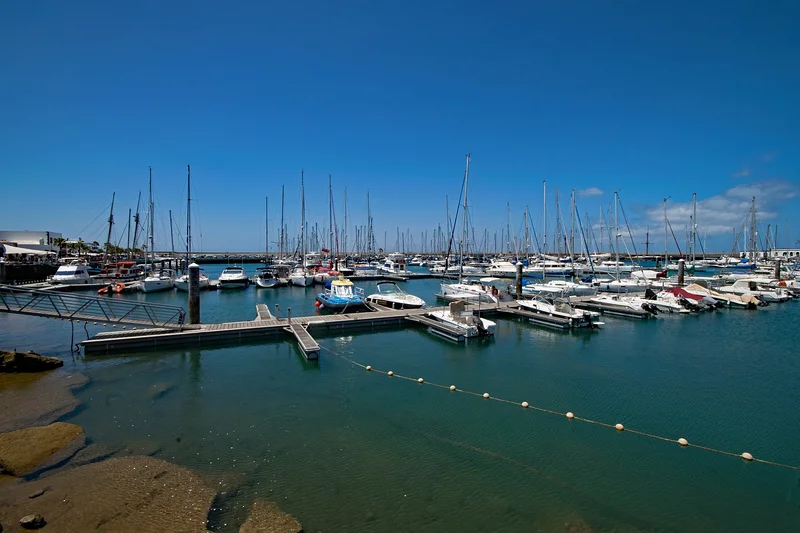
La Santa is known for its sports center and waves. Surfers head to El Quemao, a powerful wave reserved for advanced levels. Flat and quiet roads also attract cyclists, especially in winter.
Friendly tip: At Timanfaya, entries are limited to opening hours. Come early, before the tour buses arrive, to enjoy the low-angle morning light on the craters.
Crater vineyards
The La Geria wine region is nearby. Vines grow in hollows of volcanic ash (hoyos) protected by small stone walls. Malvasía, the island signature grape variety, can be tasted in several local bodegas.
Where to eat and drink in Tinajo?
Try the papas arrugadas served with mojo rojo and mojo verde sauces. The fresh catch of the day, often grilled, is a reliable choice at restaurants in the village and La Santa.
To accompany your meal, ask for a glass of malvasía volcánica, the local white wine.
Where to stay in and around Tinajo?
Lodging consists mainly of villa and apartment rentals, with a concentration in La Santa for sports enthusiasts. The village of Tinajo remains quieter and more residential.
How to get to Tinajo?
Lanzarote-César Manrique Airport (Arrecife) handles direct flights from several European cities. Plan for about 25 to 30 minutes of driving to reach Tinajo.
How to get around Tinajo?
A rental car remains the most practical way to explore the park, vineyards, and coast. Roads are in good condition and uncrowded, outside the immediate approaches to Timanfaya.
When to go?
The temperate climate allows for visits almost year-round. Winter is mild and ideal for hiking and cycling, while winter swells favor surfers. Summer is warmer and very windy.