Visiting Lanzarote
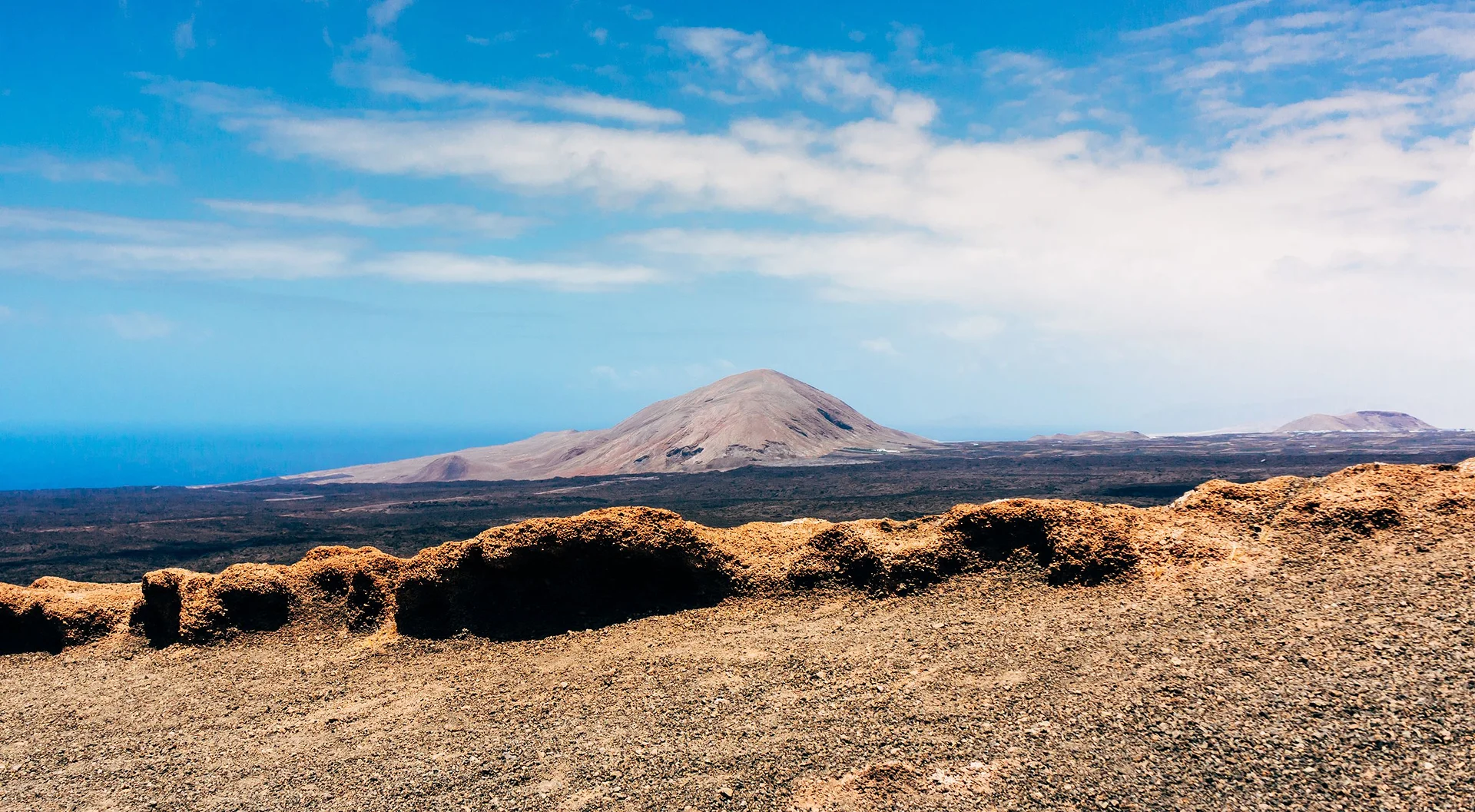
A black and ochre island some sixty kilometres long, where it almost never rains. Between 1730 and 1736, six years of eruptions buried a quarter of its land: that chaos of lava is now the Timanfaya park.
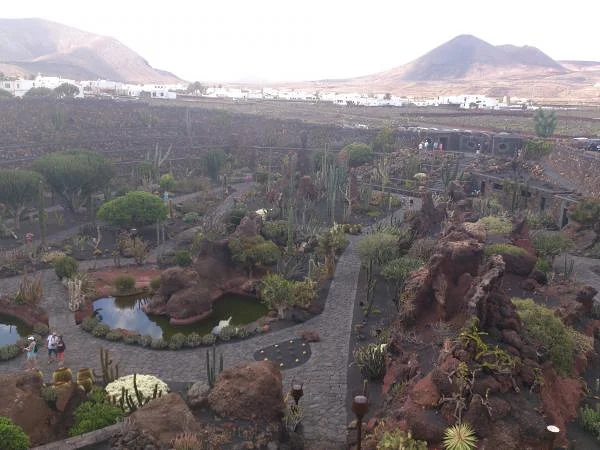
One man, César Manrique, then decided what it would look like: low white houses, no billboards, and lava caves turned into places to visit. That coherence is what you will come to see.
You'll love it if
- Volcanic landscapes appeal to you more than palm trees
- You want mild sunshine in the middle of winter
- You like architecture and places designed by an artist
Give it a miss if
- You dream of forests and shaded hikes
- Constant wind spoils the beach for you
- You want nightlife that lasts until dawn
The must-sees
-
1 The vineyards of La Geria Wine route
Between Uga and Masdache, every vine grows at the bottom of a funnel dug into the ash, sheltered from the wind by a half-moon stone wall. The LZ-30 road crosses the valley in about twenty minutes: stop at the bodegas along it to taste the volcanic malvasía. The harvest starts at the end of July, one of the earliest in Europe.
-
A collapsed lava tube that César Manrique turned into a garden, a lake and an auditorium. Tiny white blind crabs live in the underground lake, found nowhere else. Entry costs €17 in 2026. Pair it with the Cueva de los Verdes, a kilometre away, where a guide leads you through the same lava flow for almost a kilometre.
-
Five coves of golden sand at the foot of the southern cliffs, linked by a path a kilometre and a half long. From Playa Blanca, a five-kilometre dirt track leads there: cars pay €3 at the entrance to the protected area, while access on foot or by bike is free. Come in the morning, when the water is the calmest on the island and before the car park fills up.
-
4 The Teguise market On Sundays
Every Sunday, from 9 am to 2 pm, more than four hundred stalls fill the squares of the old capital: crafts, goat's cheese, music. Get there before ten, ahead of the tour coaches, then climb to Santa Bárbara Castle, on the volcano above the village.
-
5 La Graciosa Neighbouring island
From the port of Órzola, at the northern tip, the boat takes twenty-five minutes to reach Caleta del Sebo. The island has no paved roads: the streets are sand, and you reach the beaches by bike or by 4x4 taxi. Leave early for a day trip, or stay the night to have it almost to yourself once the last boat has gone.
The classic mistake
Turning up at Timanfaya in the middle of the day. The Route of the Volcanoes can only be done by coach, from the Montañas del Fuego entrance, and the queue grows from late morning. Come at opening time, 9 am: the ticket costs €30 in 2026, and sit on the right of the coach, on the view side.
Our itineraries in Lanzarote
| Length | Itinerary | What you see |
|---|---|---|
| Long weekend (4 days) | Puerto del Carmen › Timanfaya › La Geria › Papagayo | Volcanoes, vines, coves |
| 1 week | Arrecife › Teguise › Haría › Jameos del Agua › Mirador del Río › Timanfaya › Papagayo | The whole island |
| 10 days | The island, then La Graciosa and Fuerteventura | Two neighbouring islands |
Lanzarote is best explored in day trips from a single base: no site is more than an hour's drive away. Keep a full day for the north, its caves and the Mirador del Río, and another for the volcanic south. Staying ten days? The ferry from Playa Blanca puts Fuerteventura thirty-five minutes away.
When to visit Lanzarote
| Verdict | Season | Temperatures | Sea | Crowds and prices |
|---|---|---|---|---|
| WinterDec. to Feb. | 15 to 21 °C | 19 °C | High | |
| SpringMar. to May | 16 to 24 °C | 19 to 20 °C | Average | |
| SummerJun. to Sep. | 21 to 29 °C | 21 to 23 °C | High | |
| AutumnOct. and Nov. | 18 to 26 °C | 22 to 23 °C | Average |
Our advice
Aim for October, November or April: the sea keeps its summer warmth, the wind drops and prices come down. Winter is the high season for northern Europeans, summer for Spanish families. In July and August the trade wind blows hard: pick a sheltered beach, in the south.
Getting to Lanzarote
-
By direct flight The simplest
Direct flights link Lanzarote with London and most UK airports, as well as Dublin, in around four hours. César Manrique airport is five kilometres from Arrecife and ten minutes from Puerto del Carmen.
-
Via Madrid or Barcelona The most choice
Spanish domestic flights serve the island several times a day. It is the way in when your airport has no direct flight, and the usual route from North America.
-
By ferry from the other islands To combine two islands
From Corralejo, in the north of Fuerteventura, the boat reaches Playa Blanca in thirty-five minutes. Ferries also link Arrecife with Gran Canaria and Tenerife.
Coming for a week: a direct flight and a car picked up at the airport are all you need. Combining two islands? Fly into Lanzarote, fly home from Fuerteventura, and cross between them on the Playa Blanca ferry.
Getting around Lanzarote
Rent a car: buses link Arrecife well with the resorts, but not with the sites in the north or with Timanfaya. Roads are good, traffic is light, and the island can be crossed in an hour. A small car is enough. For the Papagayo track, check that your contract allows dirt roads.
Good to know
The main sites close early: last entry at 3.45 pm at the Montañas del Fuego, 4.45 pm at the Cueva de los Verdes. Group them in the morning and keep the afternoon for the beach. In the Timanfaya park, leaving the road or walking off the guided trails is forbidden.
What to eat in Lanzarote
- Papas arrugadas con mojo: small potatoes boiled in salty water until the skin wrinkles, served with a spicy red sauce or a green coriander one.
- Vieja: a white-fleshed rock fish, grilled or steamed, in the harbours of El Golfo or Playa Quemada.
- Queso de cabra: the island's goat's cheese, fresh, semi-cured or aged, sometimes rubbed with paprika.
- Malvasía volcánica: the white wine of La Geria, dry or sweet, from vines planted in the ash.
- Gofio: a flour of toasted grain, stirred into broth, milk or cheese, handed down from the first inhabitants.
- Volcano-grilled meat: at the El Diablo restaurant, inside Timanfaya, the heat of the earth cooks the grills.
For fish, head to El Golfo, on the west coast, where restaurants line their terraces up facing the sunset. Ask for the catch of the day and its price by weight before ordering: the seafront tables of Puerto del Carmen aim first at the visitor in a hurry.
Where to stay in Lanzarote
| Area | What for | Worth knowing |
|---|---|---|
| Puerto del Carmen | Beaches, restaurants, nights out | The liveliest base |
| Playa Blanca | Papagayo coves, ferry | The most sheltered south |
| Costa Teguise | Beaches, golf, airport nearby | Quieter in the evening |
| Arrecife | Town, harbour, local life | Little beach |
| Haría and the north | Valley of palms, caves | You need a car |
| La Graciosa | Sand streets, empty beaches | Another island, by boat |
How much does a trip in Lanzarote cost?
| Trip | Length | Budget per person |
|---|---|---|
| Budget (apartment, shared car, self-catering) | 7 days | €450 to €700 |
| Comfort (4-star hotel, car, restaurants) | 7 days | €1,000 to €1,500 |
| Luxury (5-star hotel, boat trips) | 7 days | €2,200 to €4,000 |
- The season: Christmas, the February carnival, Easter and August are the most expensive weeks. Aim for May, June or November if you want to spend less.
- The car: hire is cheap in the Canaries, and fuel is taxed less than on the mainland. For two people, it costs you less than coach excursions.
- César Manrique's sites: from €9 to €30 per entry in 2026. Timanfaya, the Jameos and the Cueva de los Verdes add up to almost €65 per adult.
- The crossings: the ferry to La Graciosa or Fuerteventura is extra.
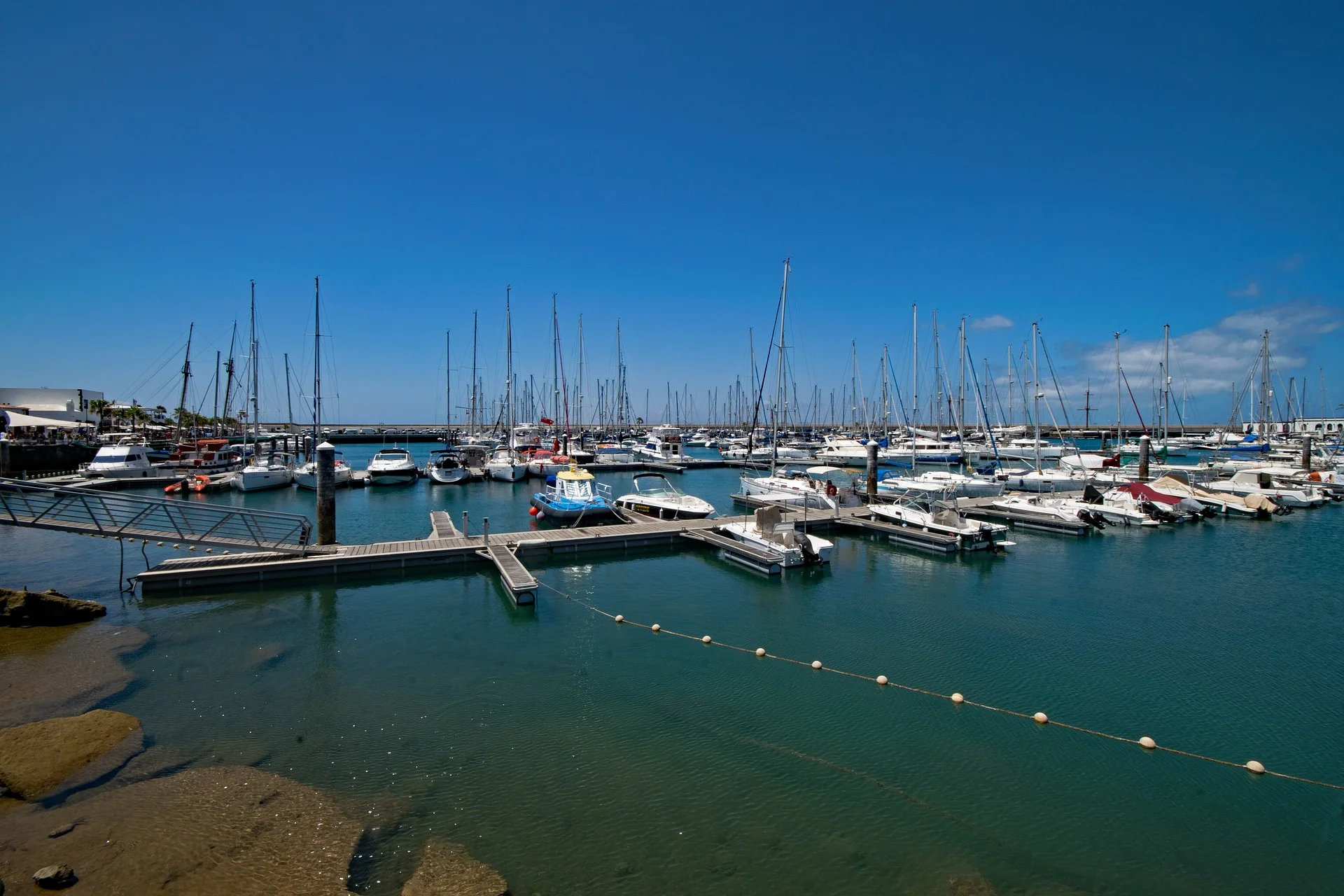
- Meals: a set lunch in an inland village costs half as much as a table at the marina.
Traditions and way of life in Lanzarote
People speak Spanish, with the soft Canarian accent, and you will hear the bus called a guagua. In mid-September, the island walks to Mancha Blanca for the Fiesta de los Dolores, honouring the Virgin who, by tradition, stopped the lava, with a large crafts fair.
On the road, look up at the roundabouts: you will see César Manrique's wind mobiles still turning there. The white houses with green or blue shutters are no accident: it is the rule he got adopted.