

Santa Cruz de Tenerife: The Canary Island Capital Everyone Forgets
It is 10:00 AM, and the scent of grilled cheese mixes with the aroma of fresh tropical fruit. At the Mercado de Nuestra Señora de África, a vendor slices off a piece of queso ahumado and hands it to you without a word, just a smile. Welcome to the capital of Tenerife, a city most visitors rush right past in their haste to reach the southern beaches. Their loss, your gain.
The Capital Without Tourists: Is It Right for You?
Santa Cruz de Tenerife is nothing like a typical beach resort town. It is a city of 200,000 residents that moves to its own rhythm, featuring sidewalk cafes packed with locals and a cultural scene that punches well above its weight class. The Guardian even ranked it among the top five places to live in the world.
Great destination for:
- Food lovers and market enthusiasts
- Curious travelers looking to get off the typical tourist path
- Fans of architecture and urban culture
- Families traveling with kids thanks to the parks and calm beaches
- Partygoers visiting in February for the second largest carnival in the world
Skip this destination if you want:
- A traditional resort vacation focused entirely on laying out at the beach
- A massive, monumental colonial old town
A Reasonable Budget for the Canary Islands
Santa Cruz is noticeably less expensive than the resort towns in southern Tenerife. A complete menú del día costs $12 to $14* on weekdays. The Canary Islands benefit from a reduced sales tax rate of 7 percent instead of the 21 percent found on mainland Spain.
| Expense Category | Price Range |
|---|---|
| Night in a hostel or basic apartment | $34 to $57* |
| Night in a comfortable hotel or nice apartment | $68 to $124* |
| Quick bite or menú del día | $9 to $16* |
| Sit-down restaurant meal | $23 to $45* |
| Daily transport and activities | $12 to $29* |
| Backpacker daily budget | $62 to $90* |
| Comfortable daily budget | $113 to $180* |
Climate, Language, and Daily Life
The weather stays mild year round, ranging between 16 °C and 28 °C depending on the season. Spanish is the dominant language, and English is less common here than in the southern beach resorts. Knowing a few phrases in Spanish will be appreciated.
The infrastructure is top notch, and the city is clean and well kept. Safety is good with no sketchy areas to avoid. The daily routine follows the Spanish schedule, meaning late dinners, shops occasionally closing between 2:00 PM and 5:00 PM, and quiet Sundays.
The Heart of the City: Squares and Architecture
The downtown area is very walkable. Start at the Plaza de España, the largest public square in the Canaries, which features a massive reflecting pool and a geyser that shoots 30 metres into the air. Beneath the square, an underground gallery holds the ruins of the Castillo de San Cristóbal, the island's first fortification built in the 16th century.
The Calle del Castillo, the main pedestrian shopping drag, leads all the way to the Plaza Weyler and the Teatro Guimerá, the oldest theater in the Canary Islands, which opened in 1851. The Parque García Sanabria, the largest urban park in the archipelago spanning 67,000 m², displays sculptures by Henry Moore and Joan Miró nestled among jacaranda trees.
Friendly tip: Right at the park entrance, look for the Reloj de Flores, a floral clock built in Switzerland and gifted by the Danish consul in 1958. It remains one of the most photographed symbols in the city.
The Waterfront: The Auditorium and the Palmetum
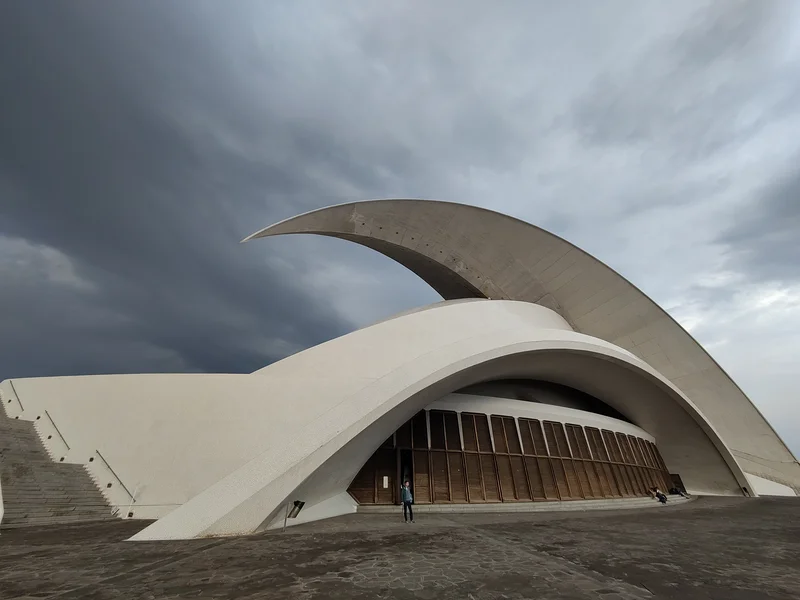
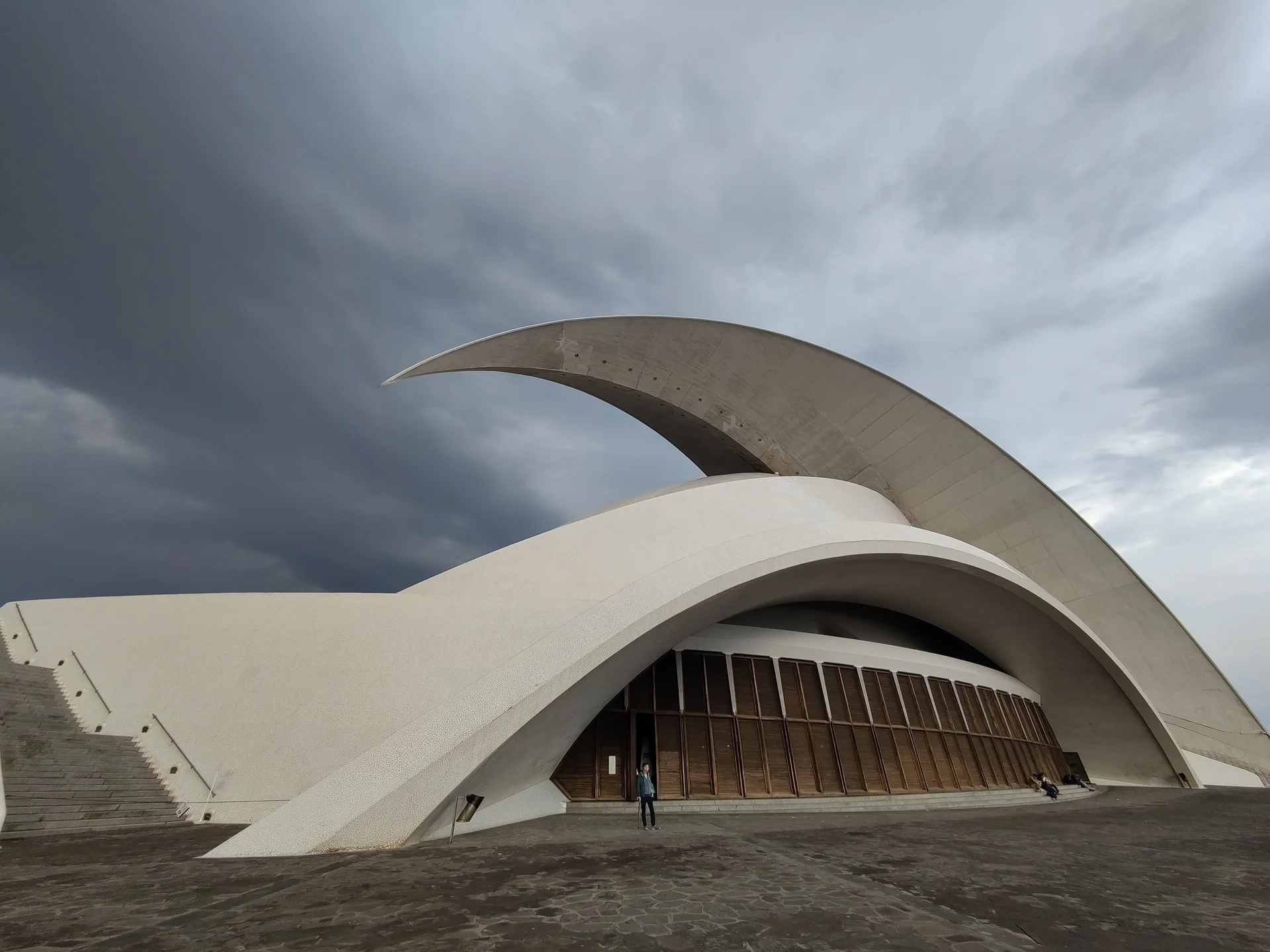
The Auditorio de Tenerife Adán Martín, designed by Santiago Calatrava and opened in 2003, is the island's most iconic building. Its white wave-like silhouette stands out dramatically against the Atlantic. Guided tours run on weekdays for about $5.70*.
Right next door, the Palmetum is a 12-hectare botanical garden built on top of a converted former landfill. It brings together more than 600 species of palm trees, making it the largest collection of its kind in Europe. Admission costs $6.80*, and the upper sections offer sweeping ocean views.
Las Teresitas, San Andrés, and the Gateway to Anaga
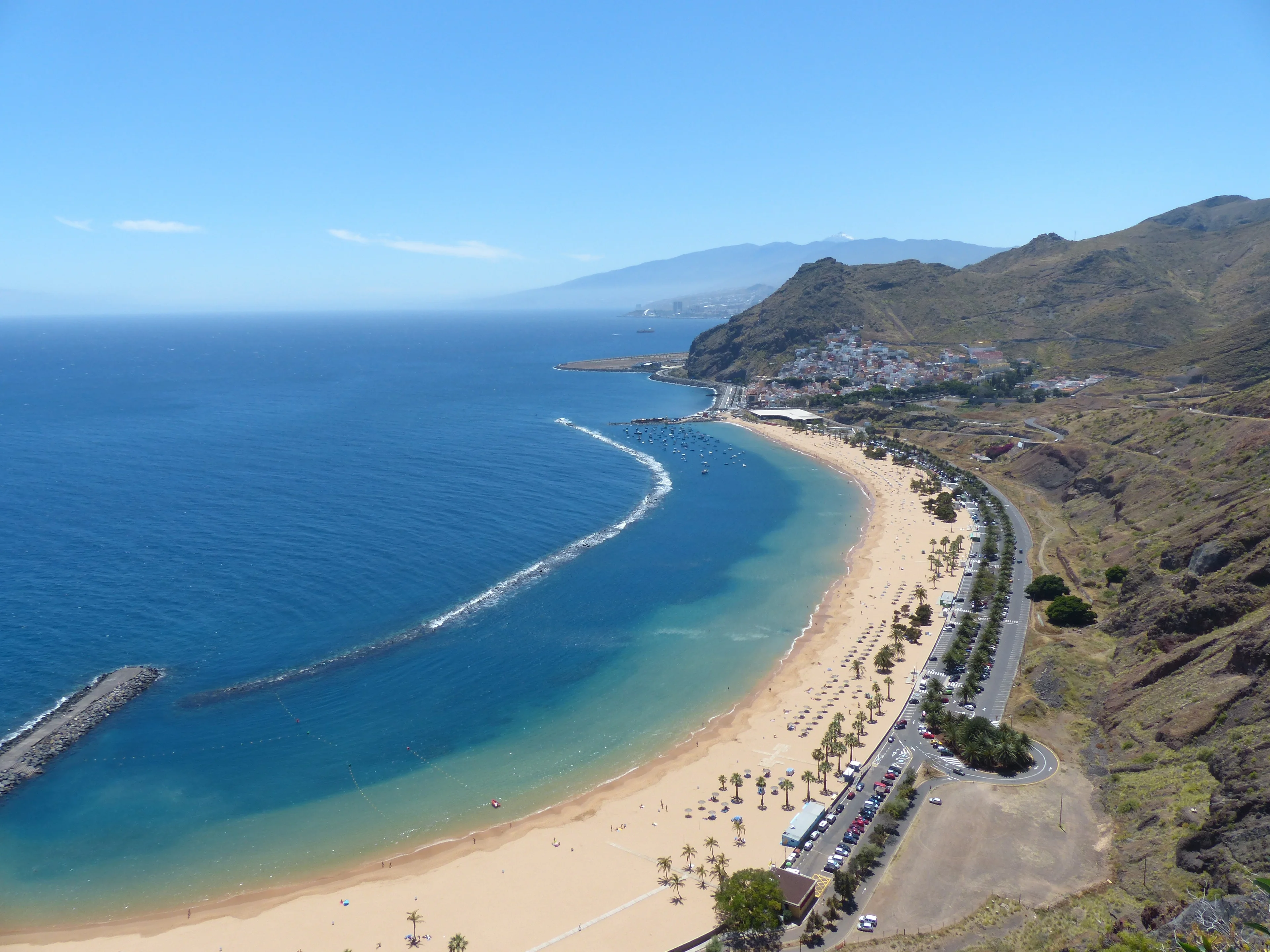
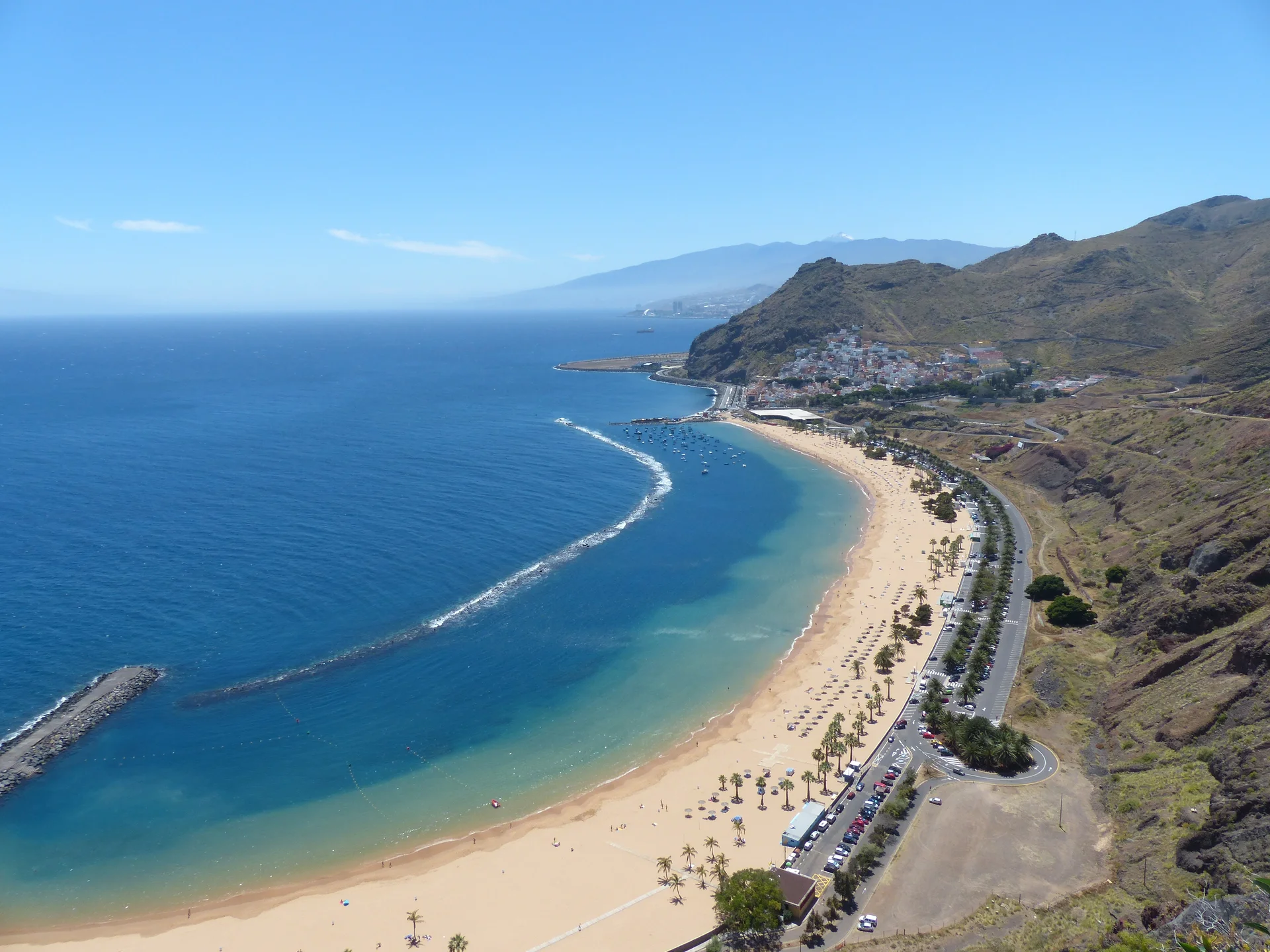
Located 7 km to the northeast, Las Teresitas Beach features golden sand imported from the Sahara back in the 1970s. Lined with palm trees and protected by offshore breakwaters, its calm waters make it ideal for families. Free parking is available, but it fills up early during the summer.
The nearby fishing village of San Andrés offers a handful of fresh seafood restaurants with sea views. It is easily one of the best spots on the island to grab grilled fish at fair prices, far away from resort inflation.
Friendly tip: Combine a morning in Santa Cruz with an afternoon hike in the Parque Rural de Anaga, a UNESCO biosphere reserve just a 30-minute drive away. The laurisilva laurel forests, which date back to the Tertiary period, are entirely unique in Europe. Head out before 3:00 PM to beat the afternoon fog that rolls in at higher elevations.
Where to Eat and Drink in Santa Cruz de Tenerife?
The food scene caters mostly to locals, which keeps prices honest. Make sure to try papas arrugadas with mojo rojo and mojo verde sauces, queso asado drizzled with palm honey, and ropa vieja. The guachinches, small family-run eateries without flashy signs, offer the most authentic and budget-friendly meals around.
Bodegón El Puntero on Calle San Clemente is a solid bet for seafood. Calle Domínguez Alfonso, better known as La Noria, packs in tapas bars and lively patios. Three local restaurants are recognized by the Michelin Guide: Sagrario, Kazan, and Abikore. When it comes to wine, bottles from the Tacoronte-Acentejo designation, grown in volcanic soil, are well worth ordering.
Where to Stay in Santa Cruz de Tenerife and Around?
The neighborhood around the Plaza de España and Calle del Castillo is the most convenient spot since everything is within walking distance. You will find mid-range hotels and vacation rentals here. The area near Parque García Sanabria offers a quieter, more residential feel.
Another option is staying in San Cristóbal de La Laguna, a UNESCO-listed university town situated 15 minutes away by tram. Prices run slightly lower there. If you visit during the carnival in February, book your lodging at least two months in advance because rates double and places fill up instantly.
How to Get to Santa Cruz de Tenerife?
Tenerife has two international airports. North Airport sits 15 to 20 minutes from Santa Cruz. South Airport, the main international hub, is about an hour's drive away. From major European hubs, you can find direct flights lasting around 4 hours and 20 minutes via Vueling, Ryanair, Transavia, or Iberia. Fares are often quite competitive during the off-season.
From the North Airport, Bus Line 20 gets you into the city in 15 minutes for $3*. From the South Airport, Line 111 takes about an hour and costs $11*.
How to Get Around Santa Cruz de Tenerife?
Downtown is entirely walkable. To travel between Santa Cruz and La Laguna, the tram is the best option with departures every 5 to 15 minutes and tickets at $1.60*. The TITSA bus network covers the entire island. You can pick up a reloadable Ten+ card for $2.30* at local tobacco shops, which gives you about a 20 percent discount on fares.
Renting a car remains the best choice for exploring Mount Teide, Anaga, or the western villages. There is a large parking garage at the Plaza de España. Taxis operate on metered, regulated rates.
When to go?
Santa Cruz works as a year-round destination. The months between July and October offer the warmest weather and comfortable ocean temperatures. The carnival in February is an intense experience, but be prepared for big crowds and inflated prices. The shoulder seasons from October to November and March to May strike the best balance between affordable prices and peace and quiet.
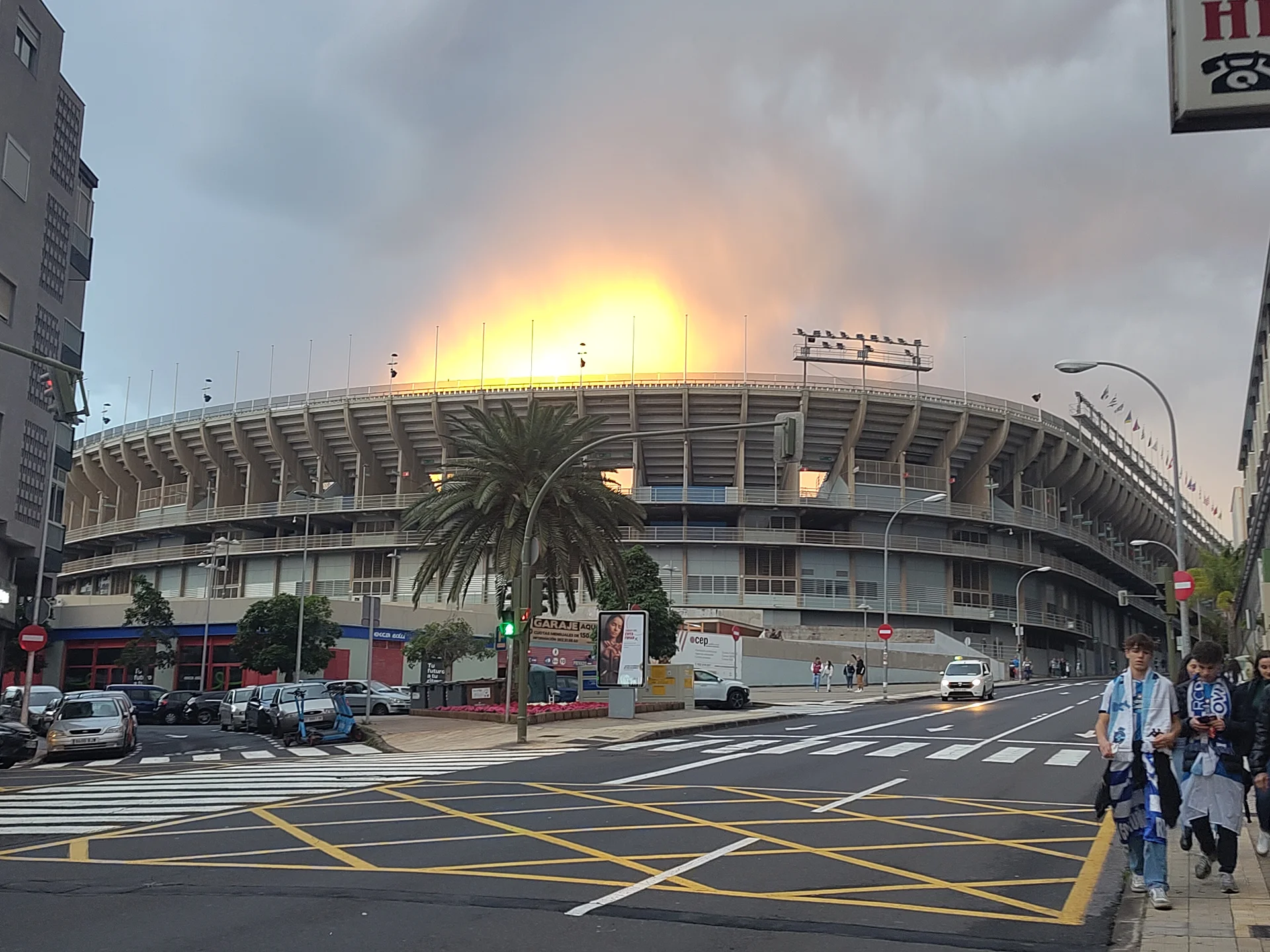
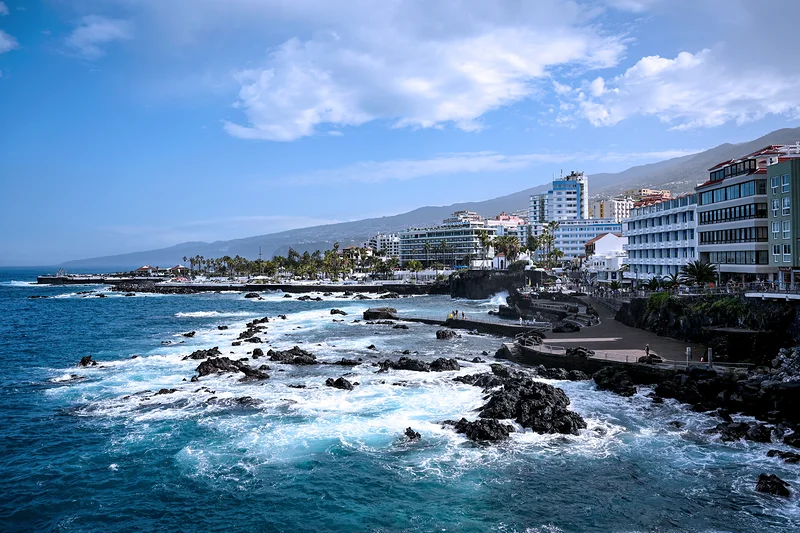
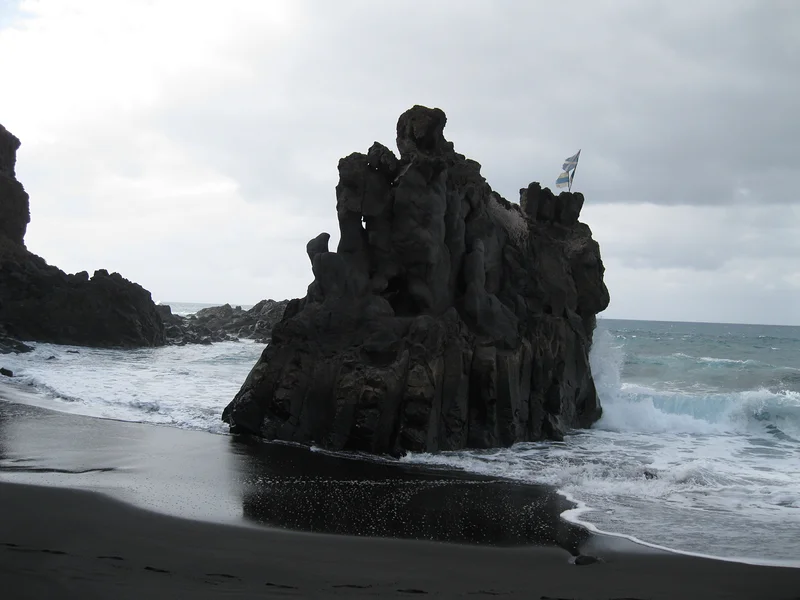
Tenerife is a stunning island with very diverse landscapes. The south is lively for going out, while the north is more traditional. Between its volcanic beaches, colorful villages, numerous hikes, and the impressive Teide volcano, there is always something to explore. I loved the Los Gigantes cliffs and the many natural pools. The island is not very big, but it is not well served by public transport, so I recommend that you rent a car.