
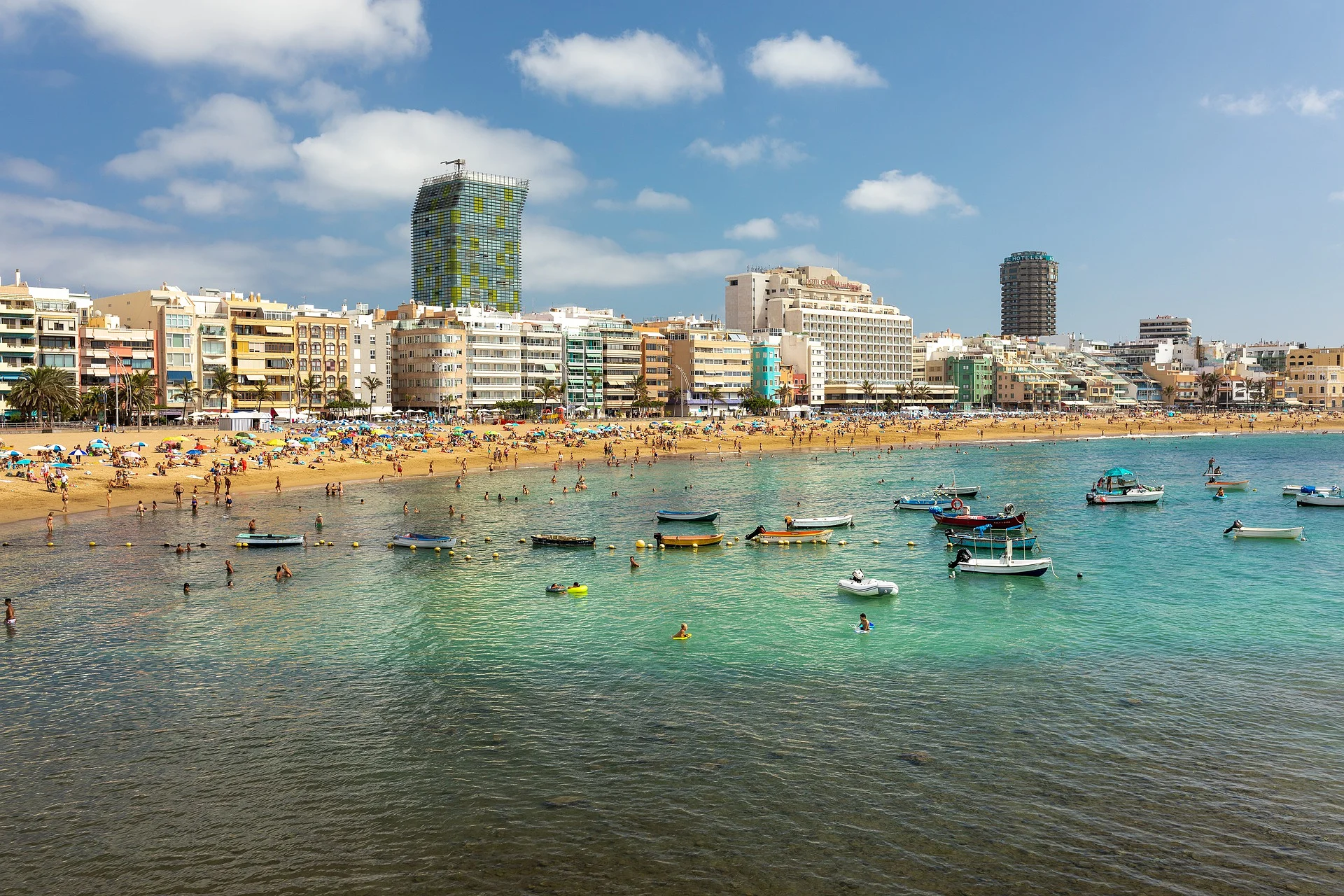
Las Palmas, the Canaries' beach city
In the morning, surfers walk across the Paseo de las Canteras with boards under their arms while cargo ships glide toward the nearby port. Las Palmas is a capital of 378,517 residents that lives with its feet in the sand, combining the tempo of a major city with the relaxed mood of a seaside resort.
Claimed by Spain in 1483, it long relied on sugarcane and drew attacks from corsairs and pirates. Today, it stands as the largest city in the Canary Islands and the capital of Gran Canaria.
Is this destination for you?
Las Palmas appeals to travelers who want a real city with markets, museums, and late nights without giving up an urban beach. It also suits watersports enthusiasts and anyone looking for a mild climate during the off-season.
On the other hand, it might disappoint anyone dreaming of a picture-postcard island with deserted coves and quiet surroundings. Expect traffic, apartment buildings, and cruise ships here.
Best suited for:
- City dwellers who want the beach without leaving town
- Fans of surfing, paddleboarding, kayaking, and diving
- Anyone curious about colonial and Atlantic history
- Travelers taking off-season trips
Not recommended for:
- Those seeking wild nature just steps away
- Seekers of absolute evening quiet, especially near the beach
Practical realities
Sunshine is reliable year-round. Outside of summer, temperatures hover between 17°C and 21°, and the ocean stays slightly brisk. Numerous direct flights from Europe make the city an easy trip for a short getaway.
Las Canteras and the oceanfront
Playa de Las Canteras
Three miles of fine sand curve along the bay. A natural rock barrier, la barra, softens the waves near the shore and keeps swimming safe. It regularly ranks among the world's top urban beaches.
Behind this barrier, locals surf, kayak, and paddleboard. Scuba divers appreciate the rich marine life found below the surface.
Paseo de las Canteras
The boardwalk runs along the water, moving from one outdoor terrace to the next. Menus feature grilled fish, marinated tuna called embarrado, and occasionally black pork puchero, a hearty local stew. The neighborhood stays lively well into the evening.
This is also the home of the Auditorio Alfredo Kraus. During evening concerts, its stage appears to merge directly into the sea.
Port of La Luz
The Port of La Luz hums with constant activity as cruise ships, freighters, and fishing trawlers cross paths. A simple 1494 fort stands restored near the docks.
Vegueta, the historic center
The mood shifts completely in Vegueta, which is older and much quieter. The city's most striking historic buildings gather here, far from the modern apartment blocks.
Market and cathedral
The market, housed beneath an 1863 iron hall, ranks among the oldest in Spain. Stalls overflow with colorful tropical fruit.
On the Plaza de Santa Ana, eight black bronze dogs keep watch over the cathedral. Construction took four centuries and blends Gothic, Renaissance, and neoclassical styles. Its dark stone contrasts sharply with the elegance of the Episcopal Palace. Along the rue des Balcons, grand noble homes make it easy to forget the modern city outside.
Casa de Colón and the museums
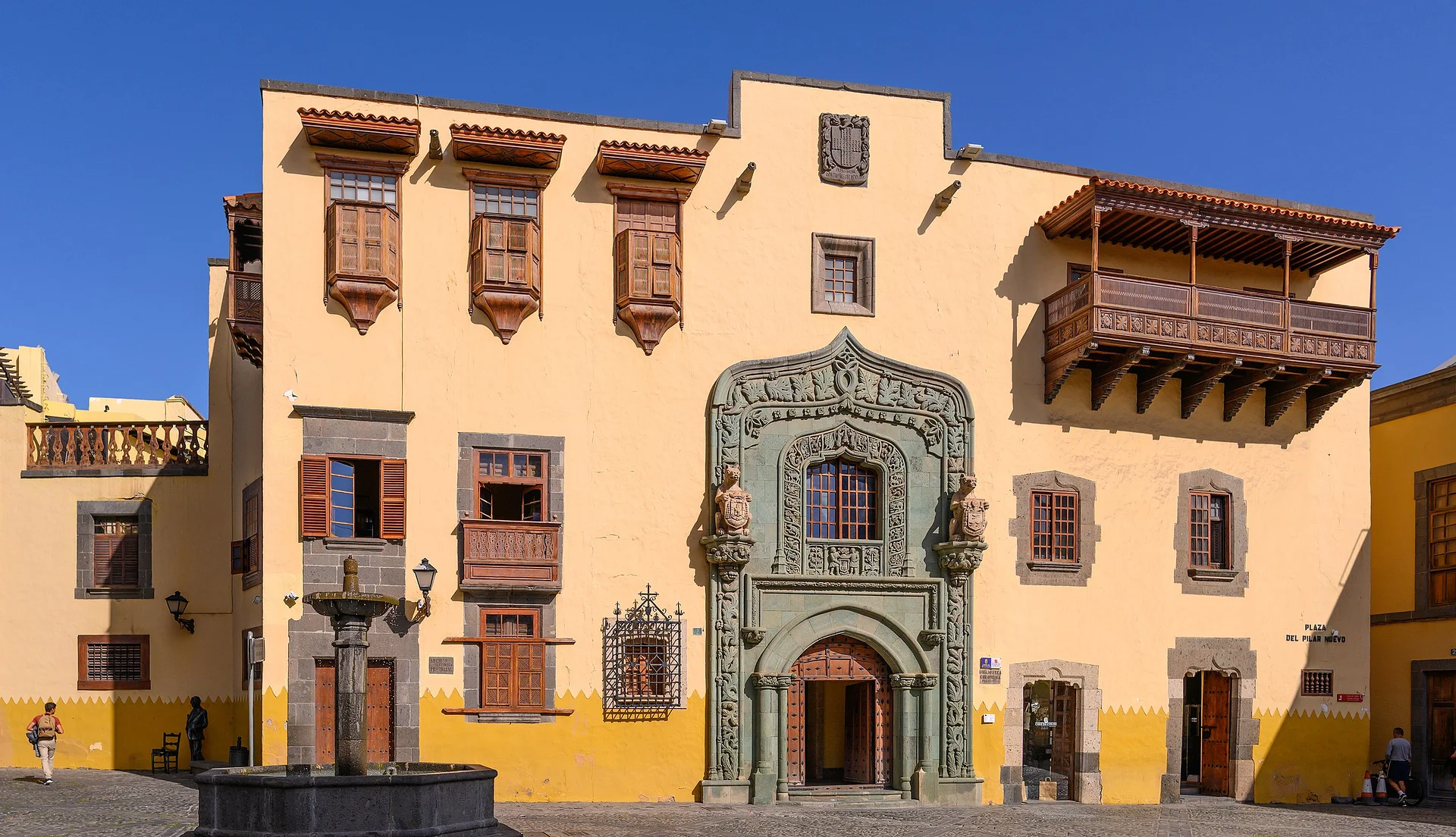
In the Pasaje Pedro de Algara, ochre tones lead the way to the Columbus House Museum. This museum chronicles the history of the island, the Americas, and New World explorers. Housed in the former governors' residence, it famously hosted a stopover by Christopher Columbus. Parrots now live in its courtyard.
The Centro Atlántico de Arte Moderno displays paintings, sculptures, and graphic works from three continents. You will also pass the hermitage of San Antonio Abad (1757), the Canarian Museum with its indigenous heritage, and the Museum of Sacred Art.
Triana, San Telmo, and Santa Catalina
Past the bustling shops of rue Triana, San Telmo Park offers a leafy place to catch your breath. Farther north, the Santa Catalina neighborhood remains one of the city's most vibrant areas.
Friendly tip: spend your mornings exploring Vegueta and save the afternoon for Las Canteras. You get to enjoy the market in peace, followed by the beach when the afternoon light softens.
When to visit Las Palmas
The sun shines year-round, with peak warmth lasting from April to late October. For the ultimate local experience, aim for February when the carnival takes over the city for nearly a month. Dating back to the 16th century, it holds official status as a festival of national tourist interest.
Getting to Las Palmas
The city has its own airport, served by frequent direct flights from European hubs. Buses and taxis connect the terminals directly to downtown.
Several ferry lines also operate regular connections from the Iberian Peninsula and between the islands.
Getting around Las Palmas
Vegueta is best explored on foot, as is the Paseo de las Canteras. Renting a car remains the most practical option for exploring the rest of the island.

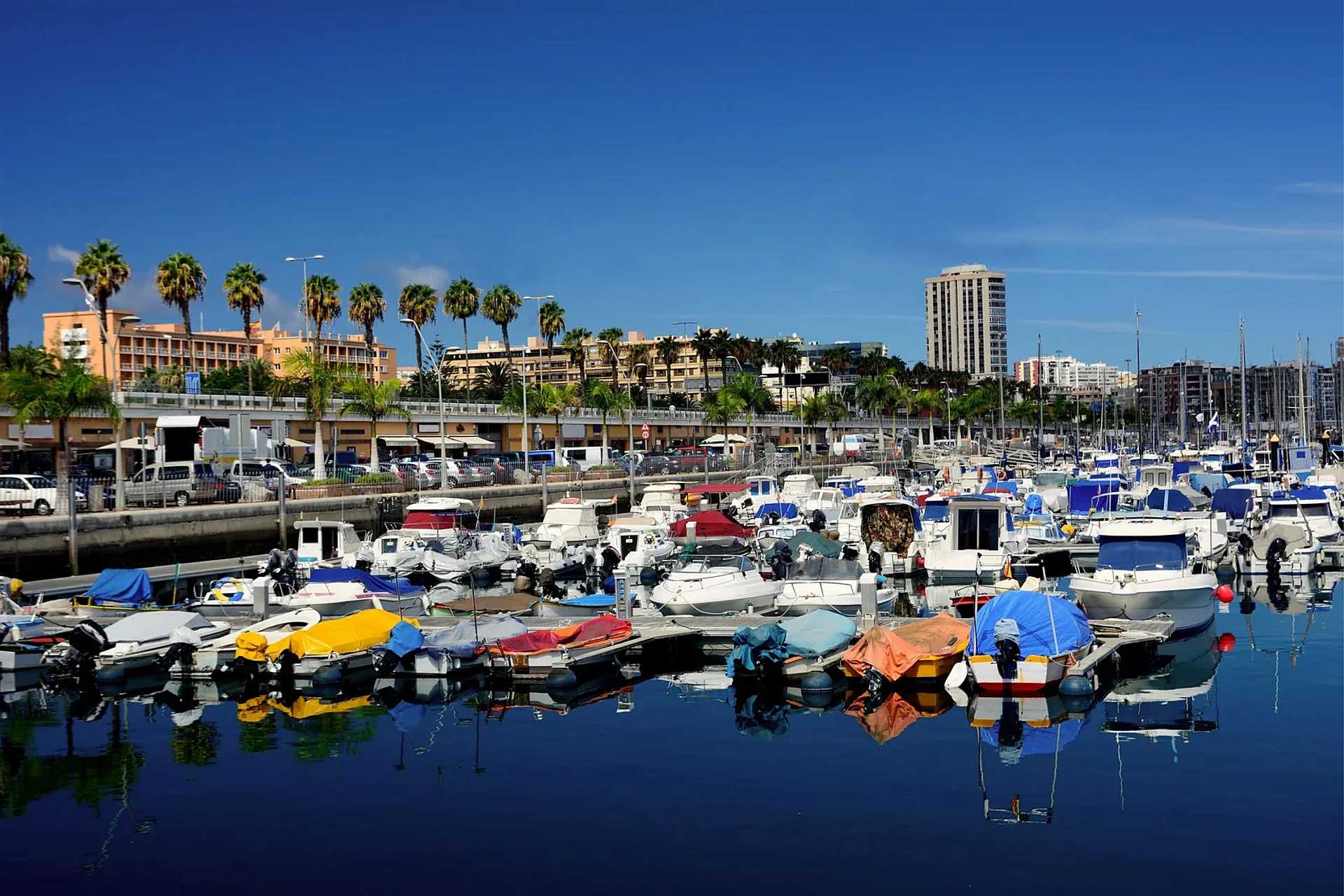
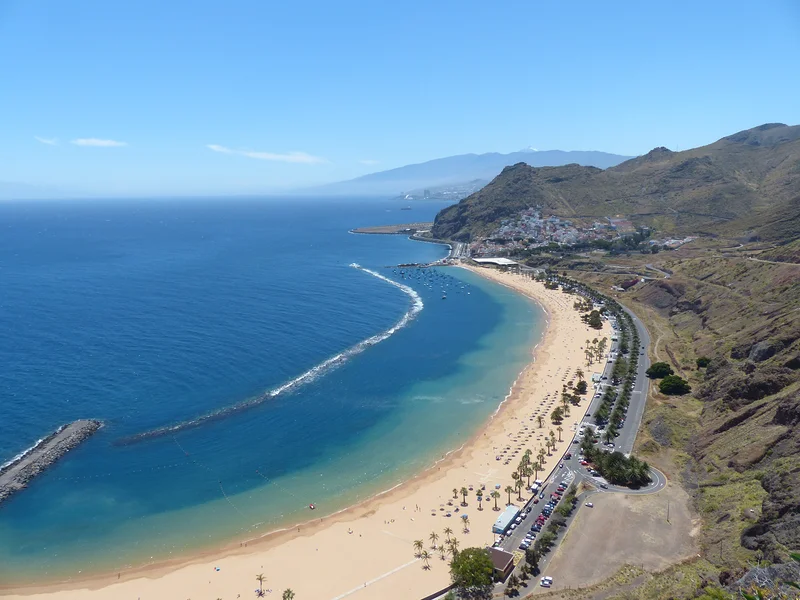
When going to the Canaries, you expect to find a bit of an escape, some wild nature. That was my mindset, anyway. Las Palmas is a very big city, almost 400,000 inhabitants. Concrete, rows of apartment buildings along the beach, roads packed with cars, tons of people on the white sand beaches. I only stayed 2 days, then I continued my trip elsewhere in the Canaries.
There are still a few nice corners, some historical spots like the Christopher Columbus house.