
Toledo, where three cultures wrote history in letters of gold
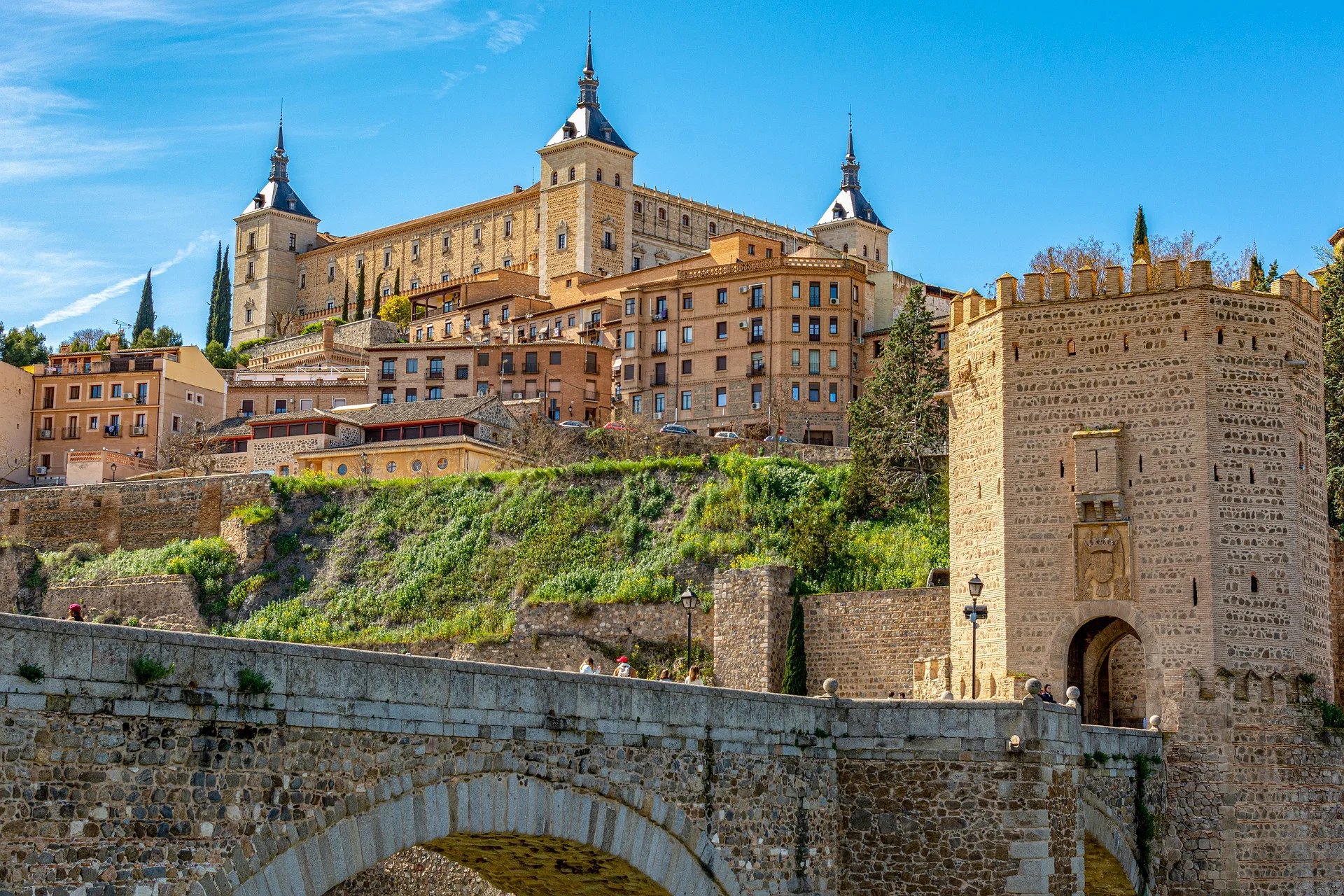
You have seen plenty of medieval towns on travel shows, but standing on a hilltop fortress that has weathered centuries without losing its edge hits differently. Welcome to Toledo, one of those rare spots where every cobblestone holds a piece of European history. Gothic church towers stand right beside Mudéjar arches, ancient synagogues whisper prayers from a millennium ago, and the Tajo river loops below just as it has since antiquity.
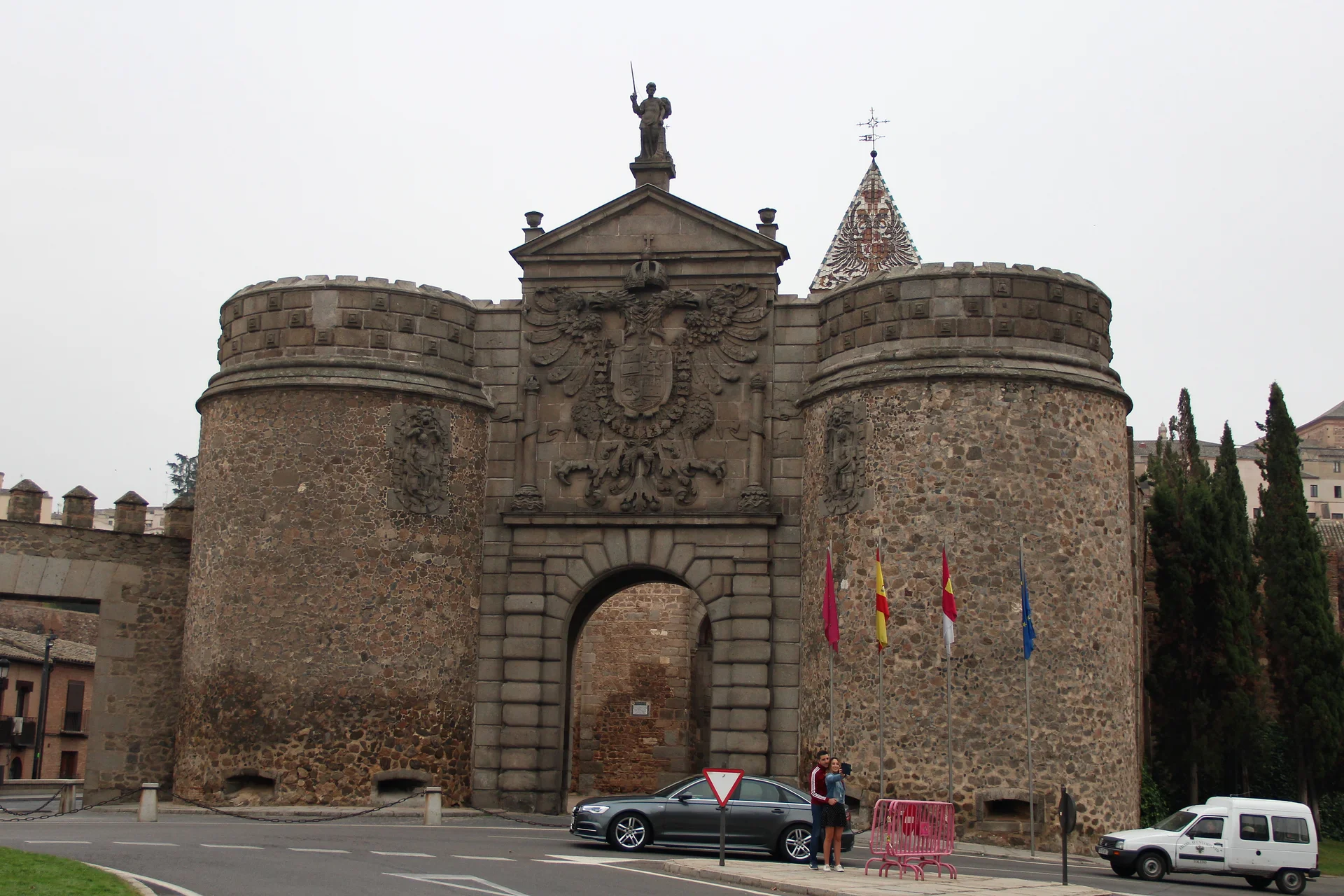
Once an imperial capital before the court packed up for Madrid, Toledo never lost its swagger. In fact, being bypassed by modern expansion allowed it to keep its medieval maze intact, right down to the artisan workshops and that timeless atmosphere that grabs you the moment you walk through the fortified gates. This Castilian crown jewel deserves much more than a rushed day trip from Madrid, though that is how most visitors first meet her.
A destination for history buffs and architecture lovers
If you are looking for beach clubs, mountain hikes, or all night electronic music, look elsewhere. But if you get chills standing beneath a 13th-century vaulted ceiling, love getting hopelessly lost in cobblestone alleyways, and appreciate the fine details of a baroque altarpiece, you are in the right place.
This destination is tailor-made for history and architecture enthusiasts, couples on a romantic getaway, and families eager to introduce kids to European heritage. Photographers will find frame-worthy shots on literally every corner. On the flip side, travelers with limited mobility will need to prepare for steep inclines and uneven paths throughout the historic center, though outdoor escalators do help with the climb from certain parking areas.
A reasonable budget for an exceptional destination
Here is some good news: Toledo is significantly easier on the wallet than Madrid or Barcelona. Expect to spend between $68 and $102* per day per person for a comfortable trip, including lodging and meals. Three-star hotels run around $57-$90* a night, traditional restaurants offer lunch specials for $14-$21*, and entry to the cathedral costs $14*.
Monumental heritage: an open-air museum
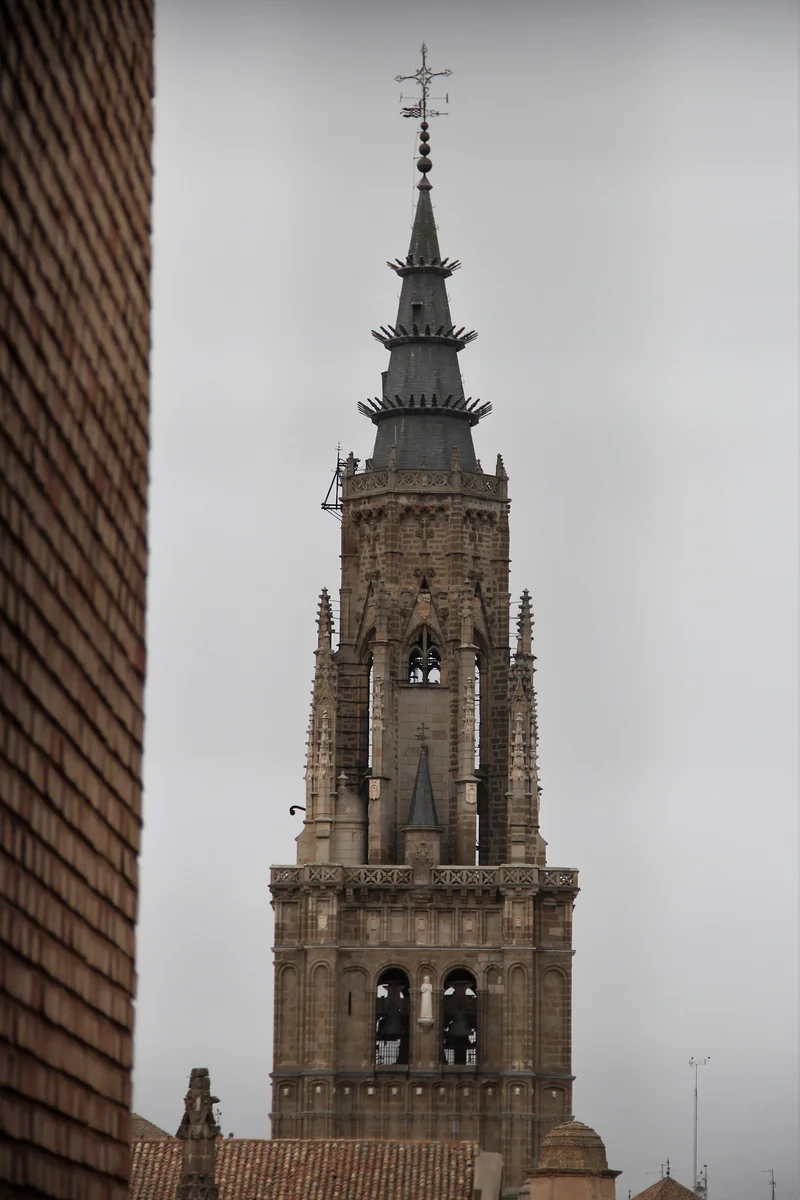
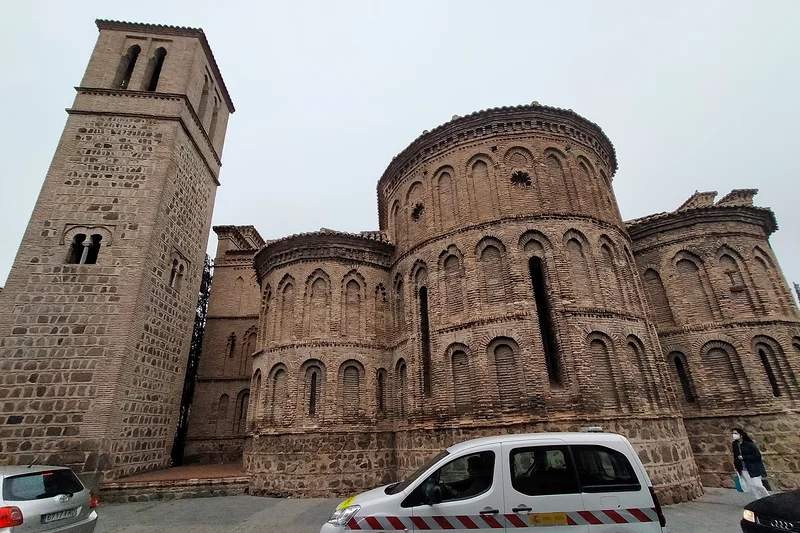
You cannot talk about this city without mentioning its staggering architectural depth. Christians, Muslims, and Jews shaped this settlement over centuries, creating a rare mix of influences. The gothic Cathedral of Santa María, one of Spain's most imposing cathedrals, anchors the historic core. It took two centuries to build, which explains the blend of Gothic and Mudéjar styles that makes it entirely unique. Step inside the sacristy to view works by El Greco, Titian, and Velázquez.
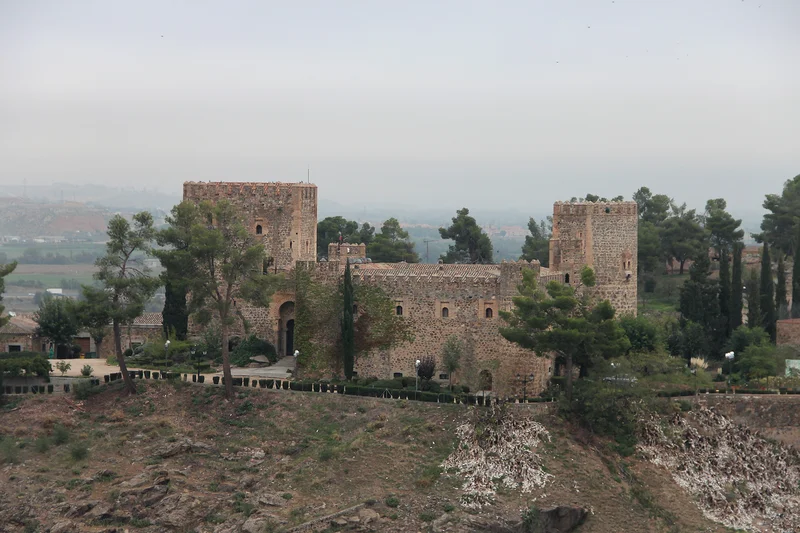
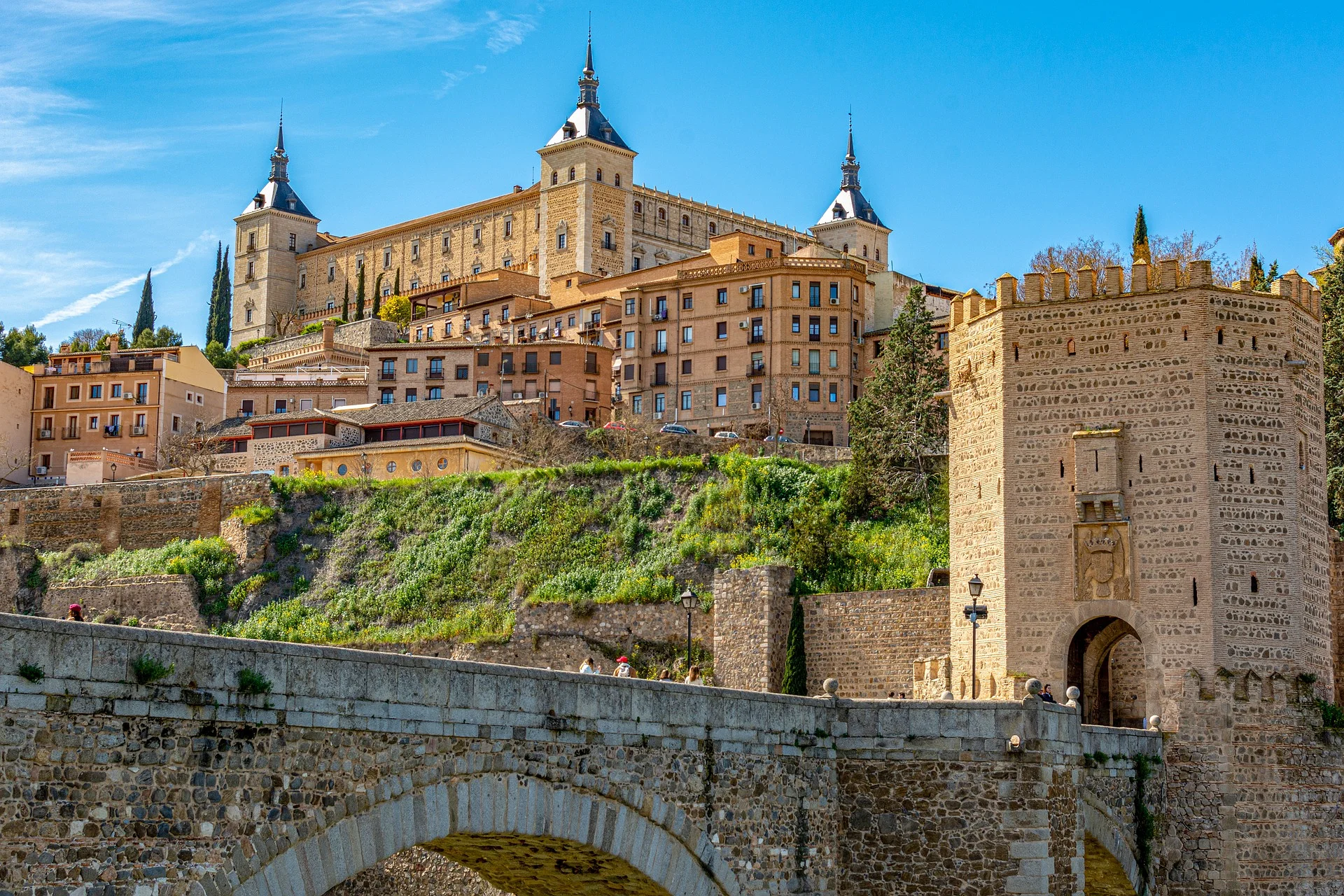
Right nearby, the Alcazar commands the highest point in town. This massive fortress started as a Roman palace, served as a medieval citadel, and now houses the Army Museum. Climb to the top for sweeping views across the rooftops of Toledo and the looping river below.
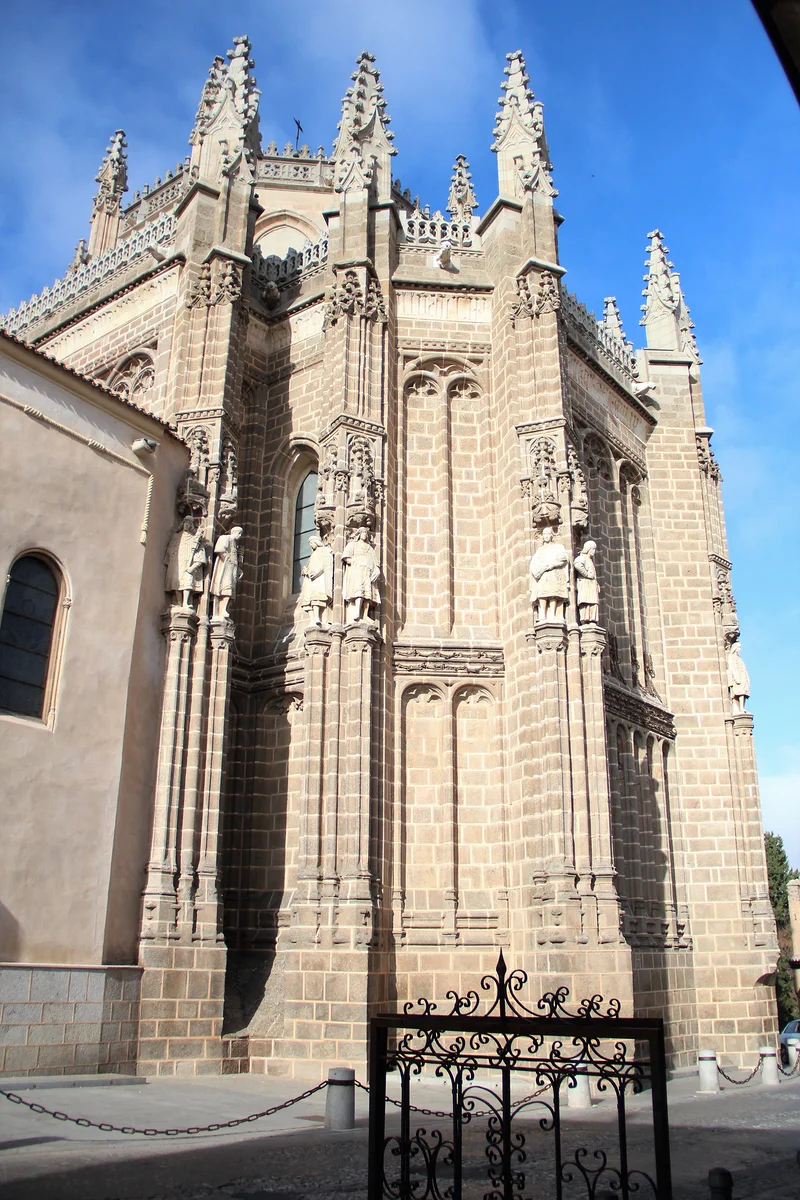
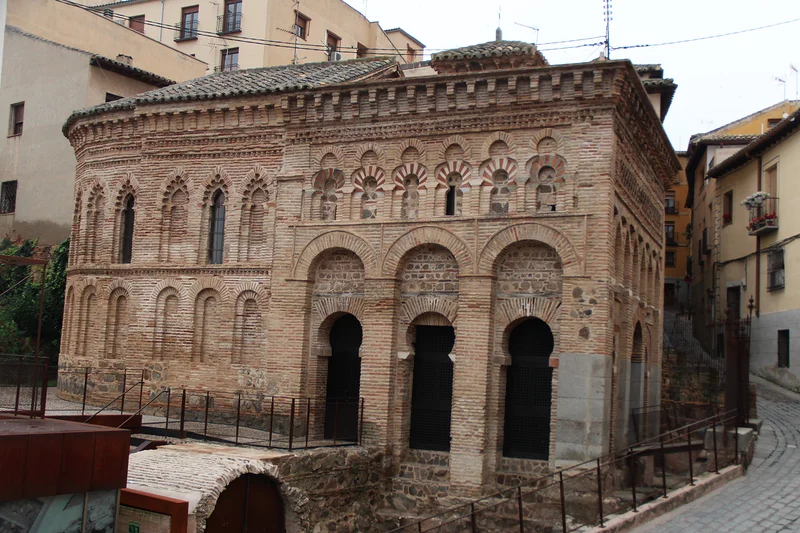
The compact Christ of the Light Mosque, a 10th-century structure turned church after the Reconquista, showcases this cultural crossover perfectly. It is the oldest building in town, and its horseshoe arches point directly to Hispano-Moorish craftsmanship. Down the street, the Monastery of San Juan de los Reyes, built by the Catholic Monarchs, commands attention with its flamboyant Gothic cloister and rows of gargoyles.
Friendly tip: invest in the Toledo Card if you plan on hitting multiple monuments. It bundles transit and major site entries while letting you bypass ticket lines.
The Jewish and Sephardic legacy: memory and emotion
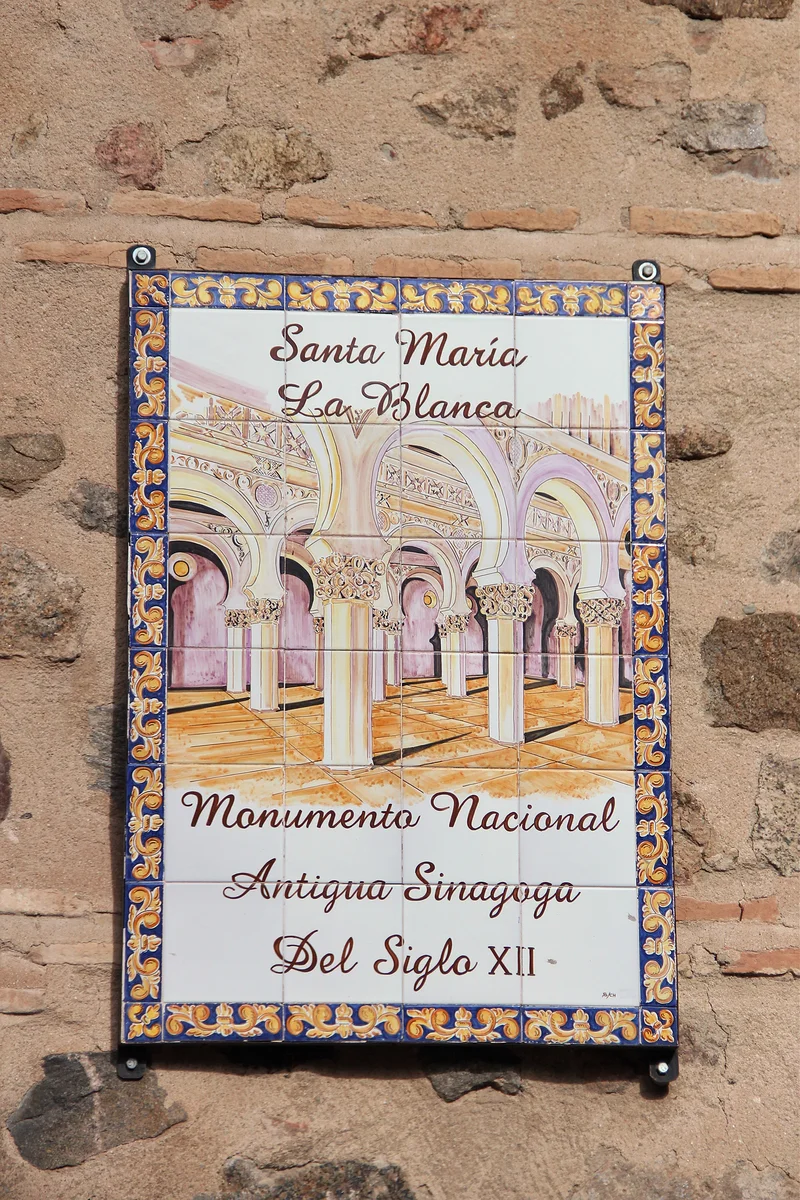
The old Jewish quarter holds two distinct treasures: the synagogue of Santa María la Blanca, the oldest in town, which was converted into a church in the 15th century, and the Tránsito synagogue, home to the Sephardic Museum. The latter is well worth your time for its remarkably preserved Mudéjar plasterwork and its deep dive into Spanish Jewish history prior to the 1492 expulsion.
The narrow alleys of this neighborhood, lined with whitewashed walls and hidden courtyards, carry a quiet intensity. Wander through here late in the day when golden light hits the stone and the tour groups have cleared out.
The painter of Toledo
You cannot visit this city without running into the artistic ghost of El Greco. The Cretan painter made Toledo his adopted home and immortalized it on canvas. His masterwork, The Burial of the Count of Orgaz, hangs in the Church of Santo Tomé and justifies the admission fee on its own. The El Greco Museum recreates the artist's world inside a faithful 16th-century residence.
The Santa Cruz Museum, housed inside a former Renaissance hospital, pairs classical architecture with modern gallery design. You will find El Greco pieces, archaeological finds, and decorative arts displayed in striking spaces.
Friendly tip: beat the crowds at Santo Tomé by showing up right when doors open at 10 AM. The church is compact and fills up fast during peak season.
Local life and pacing: breathing room between sights
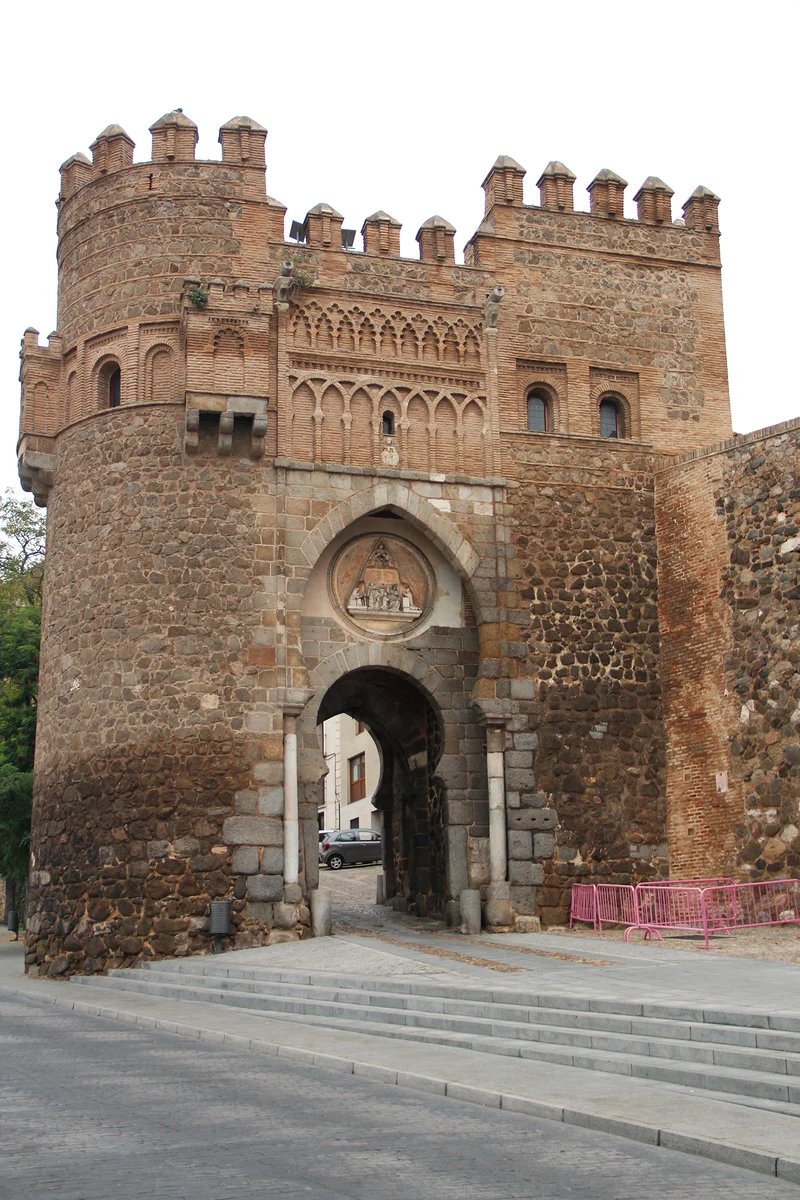
When your feet need a break from sightseeing, head to Plaza Zocodover, the pulsing center of the city. This lively square brings together cafe terraces, souvenir shops, and constant street energy. Most historic alleyways fan out from here. Walk through the grand Puerta del Sol, a 14th-century Mudéjar gateway, to access the older residential blocks.
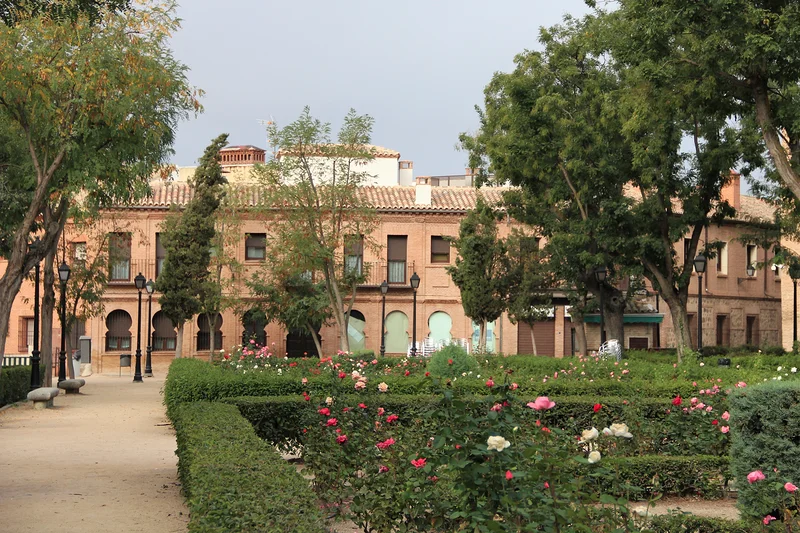
For some greenery, head to the Jardines de la Vega or walk the ecological path running along the Tajo between the Saint Martin Bridge and the Alcántara Bridge. This two-hour walk gives you angled, picturesque views of the walled city against the horizon.
As evening hits, the Santa Teresa neighborhood comes alive for aperitivo hour. Tapas bars here are authentic, packed with locals, and reasonably priced. It is the ideal spot to try regional cooking away from the tourist-heavy spots near the main sights.
Friendly tip: for the most dramatic sunset over Toledo, cross the Alcántara Bridge and climb up to the Mirador del Valle. Seeing the city light up against the dusk sky in summer is worth the trek.
Day trips nearby: windmills and wine
If you have an extra day to spare, take a drive out to Consuegra (about 60 kilometers away), a town famous for its line of whitewashed windmills perched on a ridge that inspired Cervantes in Don Quixote. The medieval castle towering above them frames a classic view across the Castilian plains.
Wine enthusiasts can tour vineyards across the Castilla-La Mancha region, including the Martúe estate about a 40-minute drive away. These estates produce robust Tempranillo reds that pair naturally with local game dishes.
Where to eat and drink in Toledo?
Toledan cooking is rustic and hearty. The signature dish, carcamusas, is a slow-cooked pork stew made with peas, tomatoes, and a splash of white wine, served piping hot in a small earthenware crock. Bar Ludeña has been perfecting this recipe for decades, and the place stays packed with locals, which tells you everything you need to know.
Other regional staples include perdiz a la toledana (partridge braised in vinegar and herbs) and migas, a shepherd's dish of pan-fried breadcrumbs tossed with garlic and chorizo. Game meats like deer and wild boar appear regularly on menus, a nod to the region's hunting traditions.
On the sweet side, Toledo is famous for mazapán (marzipan), an almond and sugar confection shaped into countless designs. The Santo Tomé pastry shop near the church of the same name has been turning it out since 1856 using traditional recipes. Several local convents also keep this craft alive, selling their sweets through discreet revolving wooden turntable hatches. For cheese lovers, aged Manchego cheese shows up everywhere as a tapa or a plate accompaniment.
For quality tapas without inflated prices, check out Calle Alfileritos or Calle Sillería, where the crowds thin out compared to the cathedral perimeter.
How to get to and around Toledo?
From Madrid, sitting just 70 kilometers away, the AVE high-speed train gets you to Toledo station in 33 minutes flat for $15-$23* depending on the time of day. Alsa buses also run between the two cities in about an hour for $5.70-$7.90*, offering a budget option if you are not in a rush. If you arrive by car, parking lots like Safont or Parking Paseo de la Rosa sit just outside the historic gates.
Once you arrive, leave the car behind. Toledo is meant to be explored on foot, even if the inclines test your calves. Outdoor escalators near Puerta del Sol help bridge the elevation gap from the parking areas up into the historic core. A small tourist train makes a loop past the major monuments if you need to save energy, and around twenty local bus lines cover the broader city layout.
When to visit?
The prime windows for visiting are April through June and September through November. Temperatures hover comfortably between 60 and 75 degrees Fahrenheit, making it easy to walk the steep streets without overheating. Spring brings blooming private patios, while autumn washes the surrounding countryside in warm, golden tones.
July and August can turn scorching, with temperatures pushing past 100 degrees, and the ancient stone traps that heat, making midday walking tough. Winters stay mild, rarely dropping below 40 degrees, though November and December see higher rainfall. The Corpus Christi festival, held nine weeks after Easter, turns the town into a masterpiece of flower carpets and grand processions. It is an incredible spectacle, but it draws massive crowds, so book well in advance if you aim for that week.
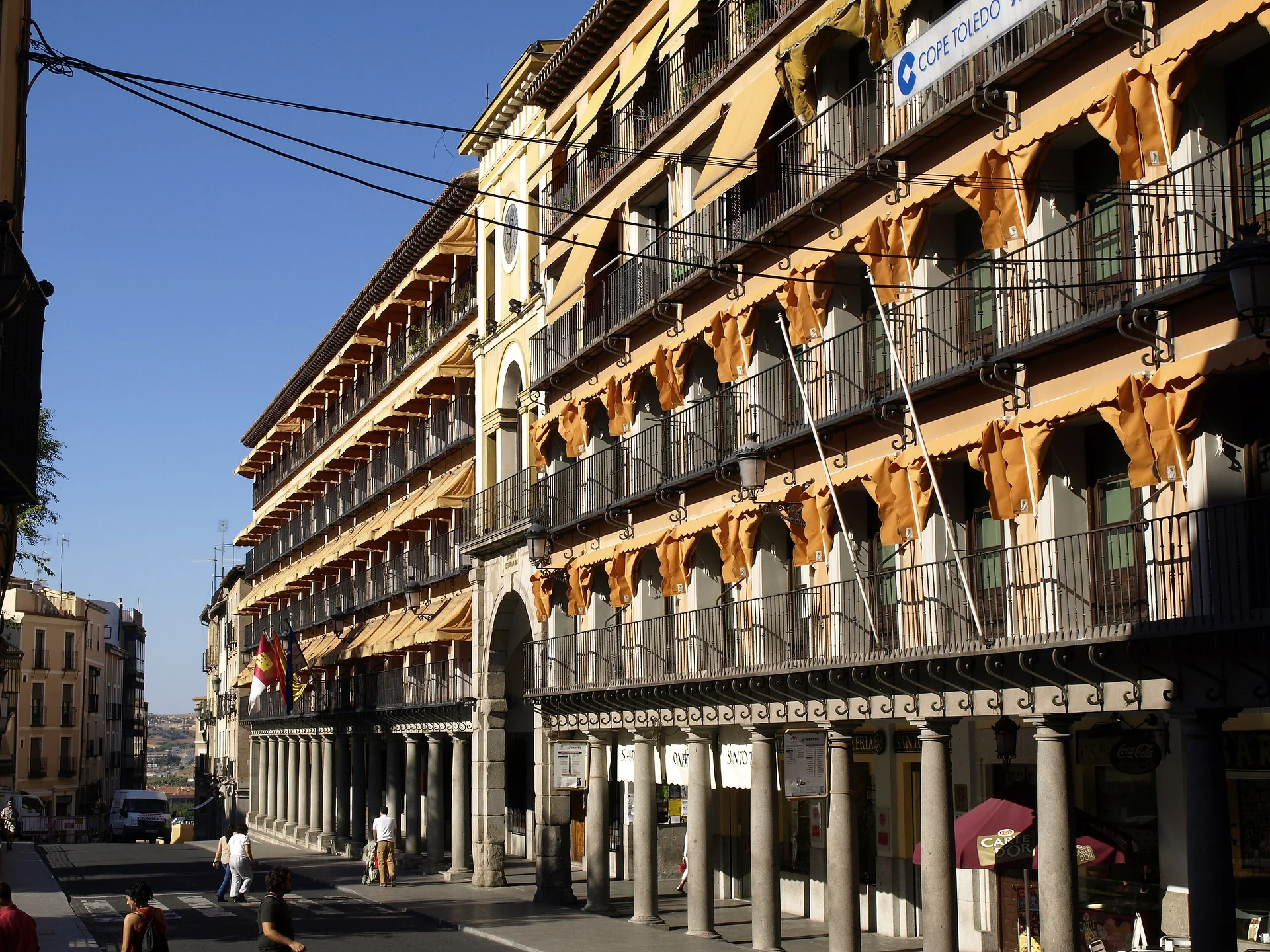
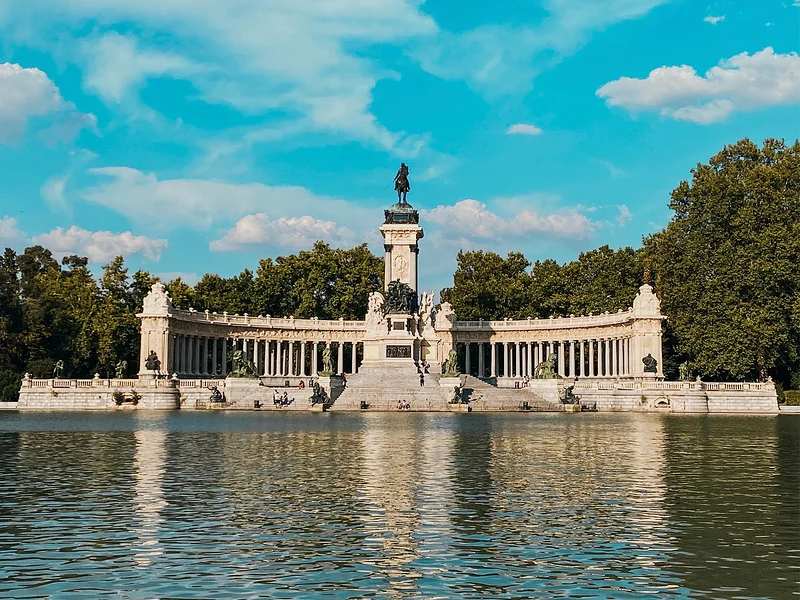
Close to Madrid, Toledo is a very beautiful historic city that is worth the trip. I recommend spending at least two to three days there to see all of its major sites. In the area around Toledo, you can also visit the famous Don Quixote windmills, a superb excursion that I recommend.