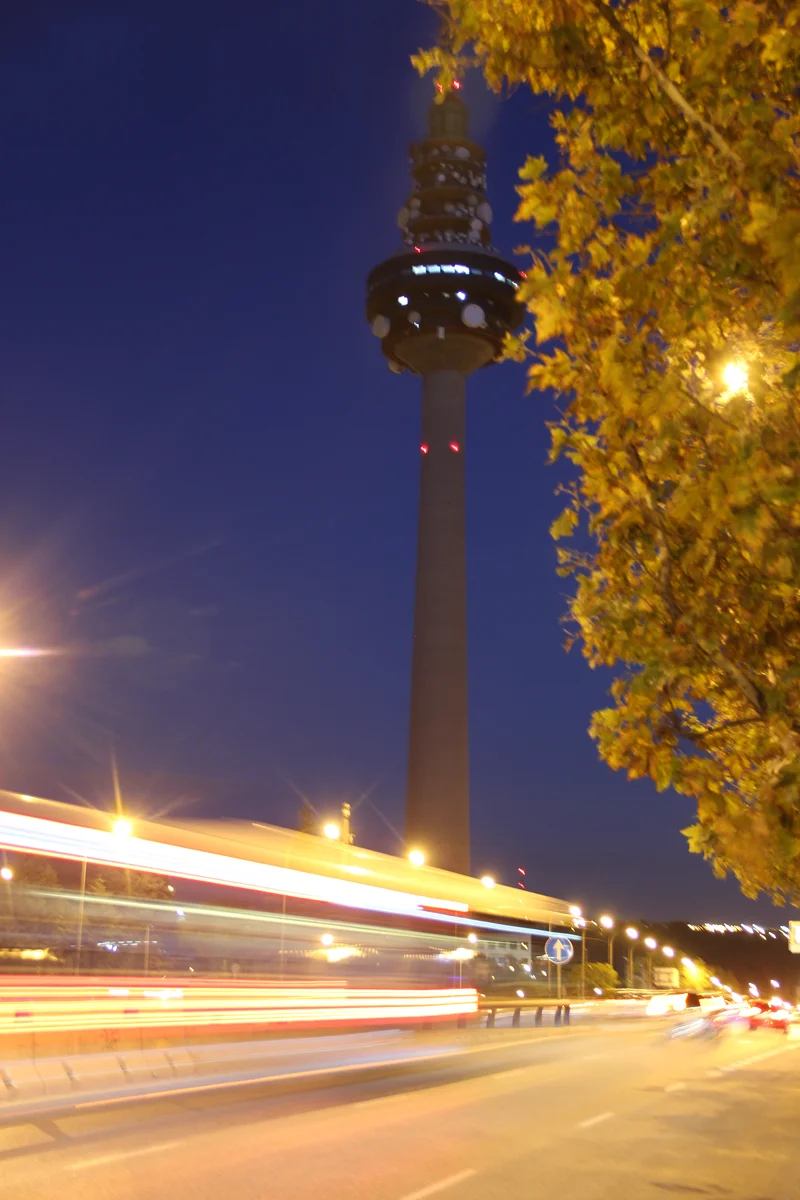
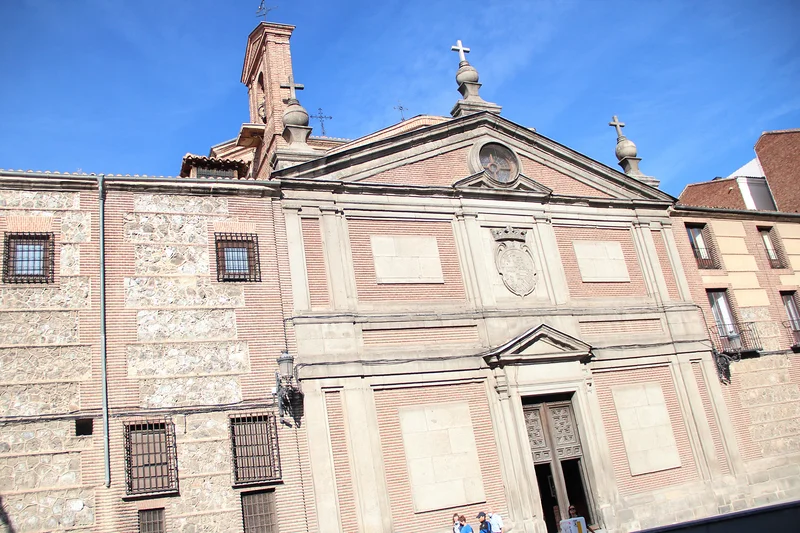
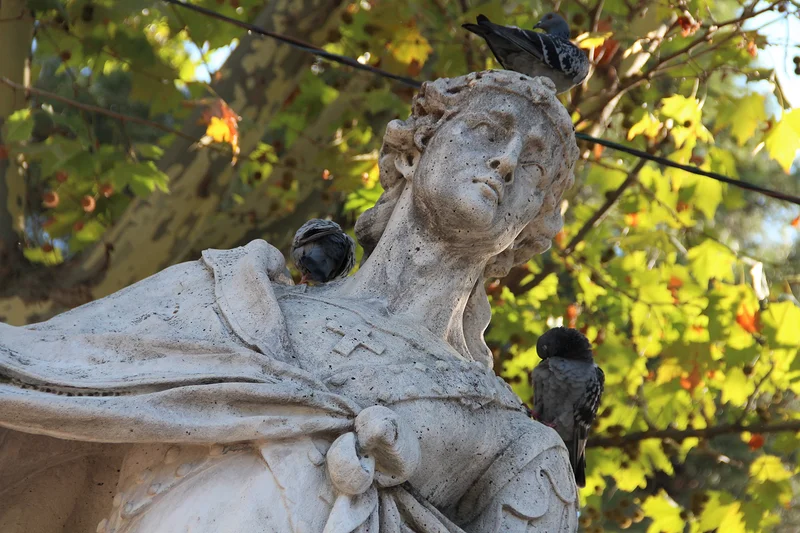
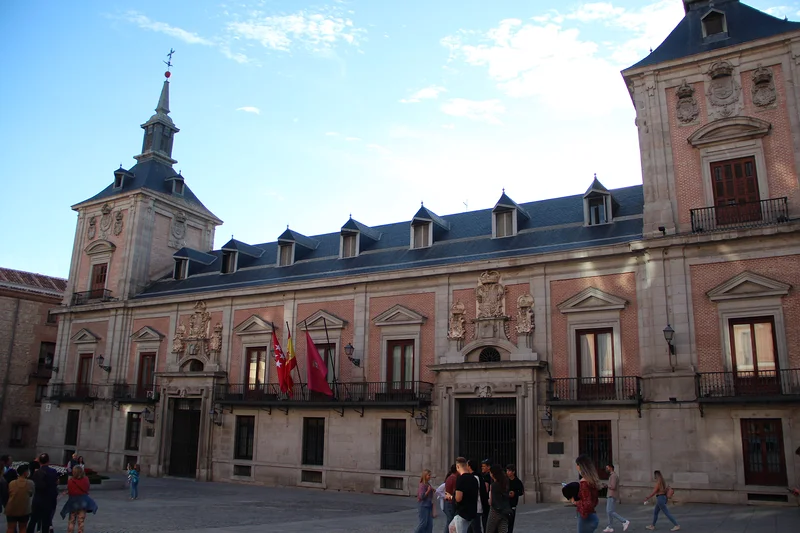
Parc el Retiro à Madrid

Things to do in Madrid: top 15 must-see attractions 2026

Looking for inspiration to visit Madrid? Browse the attractions our traveler community loves most — historic sites, cultural visits, scenic walks and laid-back spots...

Top 15 attractions our members recommend

Prado Museum

#1 Prado Museum +40 4.8

Le musée du Prado est sans doute le plus connu de Madrid. Incontournable pour les amateurs d'art visitant la capitale ibérique, sa renommée dépasse les frontières espagnoles. Ses collections permanentes comprennent plus de 35 000 œuvres d'art européen du XIIe au XIXe siècle, avec une emphase particulière sur la peinture espagnole, notamment des artistes tels que Francisco de Goya, Diego Velázquez et El Greco. Les peintures flamandes y ont également une place de choix, avec des oeuvres de Rubens et de Van Dyck, entre autres.

Voir le guide View offers
Reina Sofia Museum

#2 Reina Sofia Museum +28 4.4

Avec trois musées prestigieux, le Paseo del Arte est le Triangle d'or de la culture à Madrid. Dans ces lieux d'exception, le Musée Reine Sofia se distingue par son incroyable collection permanente dédiée à l'art moderne et contemporain. Les plus grands artistes de 1900 à nos jours y sont exposés, une liste vertigineuse dans laquelle on retrouve les œuvres majeures de Miro, Bacon, Magritte, Dalí ainsi que l'illustre Guernica de Pablo Picasso. Le site est composé d'un ancien hôpital réaménagé par Francisco Sabatini, d'une extension crée par Jean Nouvel et du Palais de Cristal situé au Parc Retiro.

Voir le guide View offers
Retiro Park

#3 Retiro Park +21 4.7

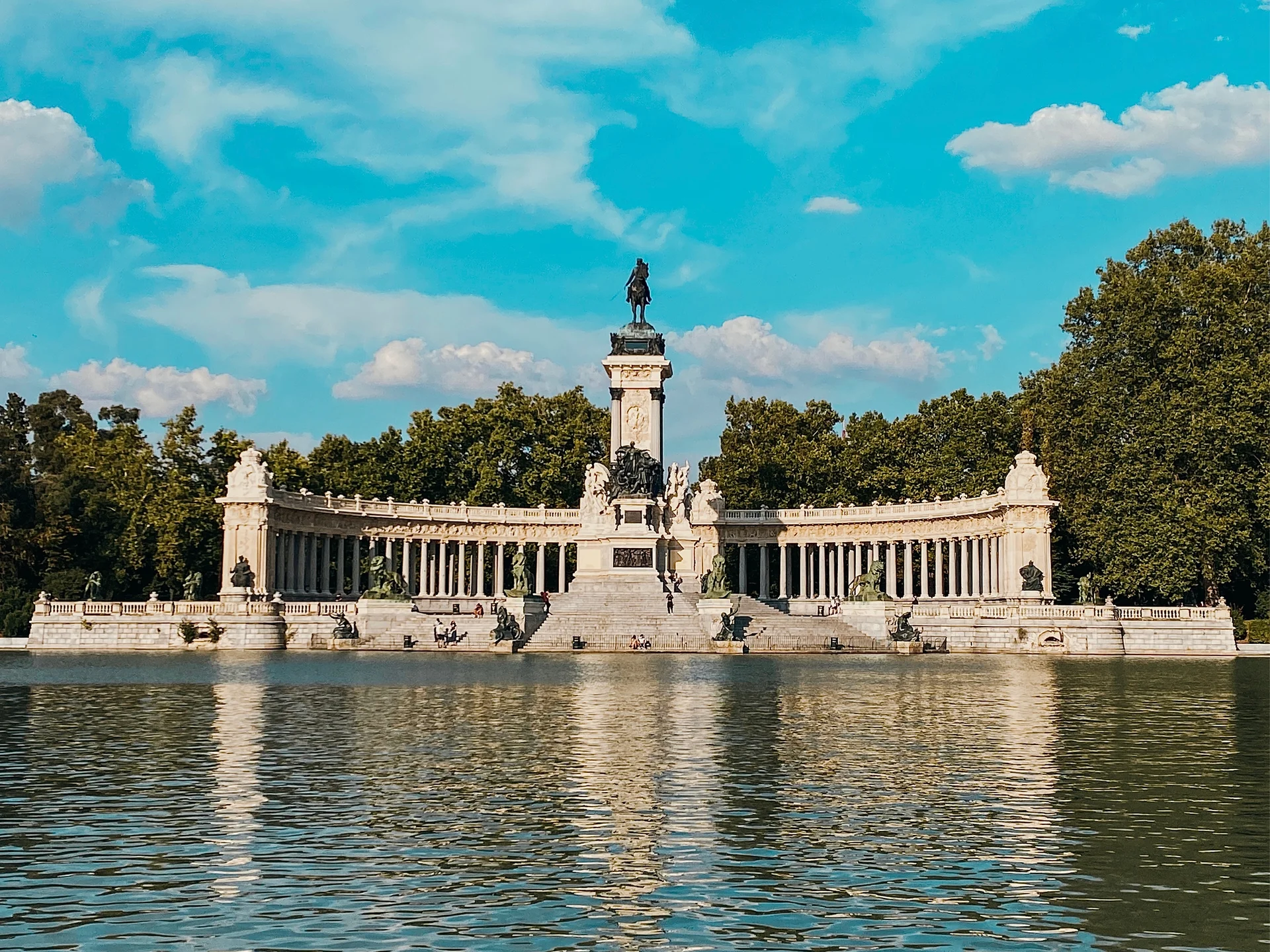
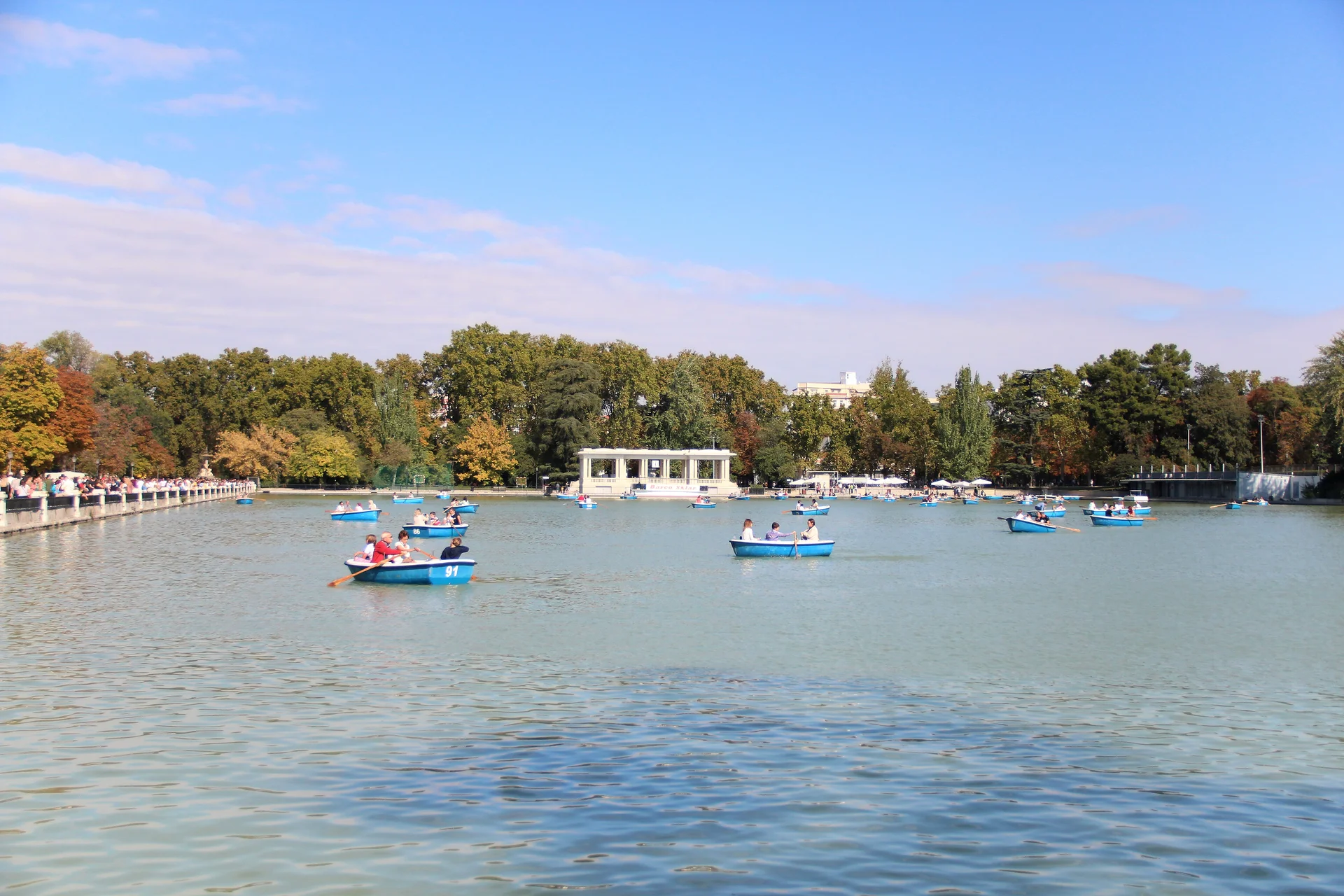
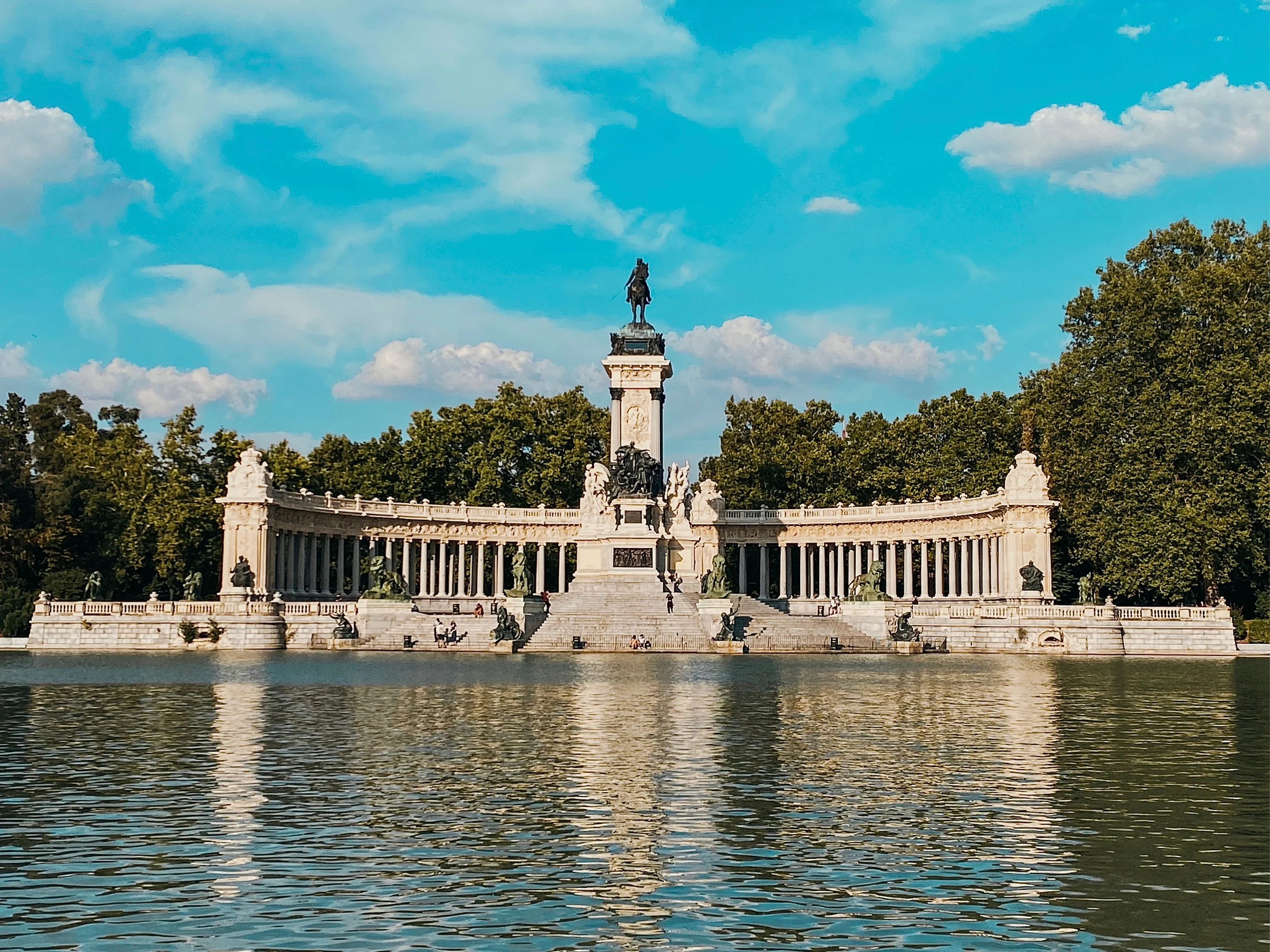
Le Parc El Retiro de Madrid est un vaste espace vert de 125 hectares situé au centre de la ville. Il est célèbre pour ses jardins bien entretenus, ses allées ombragées, ses fontaines élégantes et ses monuments historiques. Il offre également une variété d'activités de loisirs, notamment des promenades en bateau sur son grand lac, des concerts en plein air, des expositions d'art et de nombreux sentiers de randonnée et de course à pied. Les visiteurs peuvent également visiter le Palais de Cristal, une magnifique serre en verre qui abrite des expositions d'art contemporain.

Voir le guide View offers
Plaza Mayor

#4 Plaza Mayor +19 4.8

Magnifique lieu de vie du centre historique de Madrid, la Plaza Mayor est incontournable depuis le XVe siècle. Conçue à l'initiative de Philippe II, dont la statue trône au cœur de son immense esplanade, elle est un des emblèmes de la ville. Avec 129 m de long et 94 m de large, elle impose le respect. Bordée par des arcades et entourée d'édifices comme la Casa de Panaderia, ancienne boulangerie principale de 1590, elle présente neuf entrées qui mènent aux ruelles adjacentes, dont le monumental Porche de Cuchilleros. Marché de Noël et divers événements festifs s'y déroulent toute l'année.

Voir le guide View offers
Santiago Bernabéu Stadium

#5 Santiago Bernabéu Stadium +8 4.4

Le stade Santiago Bernabéu, inauguré en 1947 et résidence du Real Madrid, est un monument du football situé au cœur de la capitale espagnole. Construit pour remplacer le stade Chamartín, il a accueilli des événements majeurs tels que l'Euro 1964 et la Coupe du Monde 1982. Depuis 2019, des rénovations estimées à 1,2 milliards d'euros modernisent l'infrastructure, augmentant sa capacité à 85 000 places et ajoutant des innovations comme un toit rétractable. En dehors des matchs, il est possible de visiter l'enceinte, d'y admirer les trophées, les vestiaires et le musée du club.

Voir le guide View offers-7%AVYGEO7
Matadero

#6 Matadero +7 5

C'est dans le site de l'ancien abattoir de Madrid et les hangars de son marché au bétail que le Matadero a ouvert ses portes en 2006. Ce centre de création contemporaine met en lumière tous les domaines de la création, chaque entrepôt de cet ensemble fabuleux est dédié à l'art, qu'il relève du design, du théâtre, de la scène, de la musique ou de la culture numérique. Immense lieu qui ressemble à un village dans la ville, ses extérieurs sont consacrés aux activités ludiques et tant les festivals que les expositions rythment la programmation ultra variée de ce paradis de la culture.

San Miguel Market

#7 San Miguel Market +6 4.3

Au cœur du centre historique de Madrid, le Marché San Miguel est une véritable institution. Ce temple de la gastronomie espagnole rassemblent les délices venus de toutes les régions à travers une vingtaine d'étals fixes et six mobiles. Le site est somptueux, magnifique halle de 1200 m, toute de verre et de fer, c'est d'abord son architecture qui séduit. Inaugurée en 1916, elle s'inscrit dans la tradition puisque dès le Moyen-Age, des artisans y vendaient leurs produits. Ce sont désormais des producteurs et des chefs étoilés qui assurent un partage des saveurs à travers des mets à emporter de qualité.

Bear and Strawberry Tree

#8 Bear and Strawberry Tree +6 4

El Oso y el Madrono, en français statue de l'Ours et de l'Arbousier, est une statue monumentale située en plein centre de Madrid, au niveau de la Puerta del Sol. Mesurant quatre mètres de haut pour un poids de près de 20 tonnes, cette statue représente un ours appuyé sur un arbousier, qui cherche à cueillir un de ses fruits. Les symboles de l'ours et de l'arbousier sont liés à l'histoire de Madrid depuis le XIIème siècle, période à partir de laquelle ils commencent à être réprésentés sur les armoiries et blasons de la ville.

Madrid City Hall

#9 Madrid City Hall +6 5

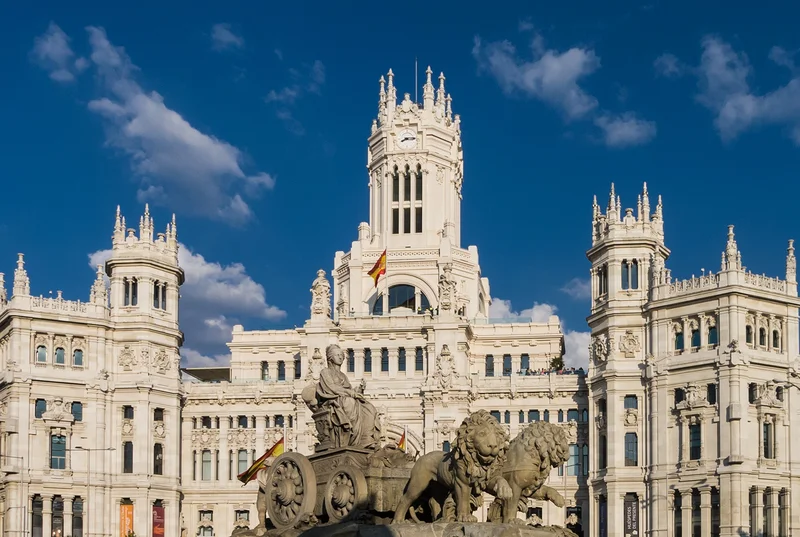
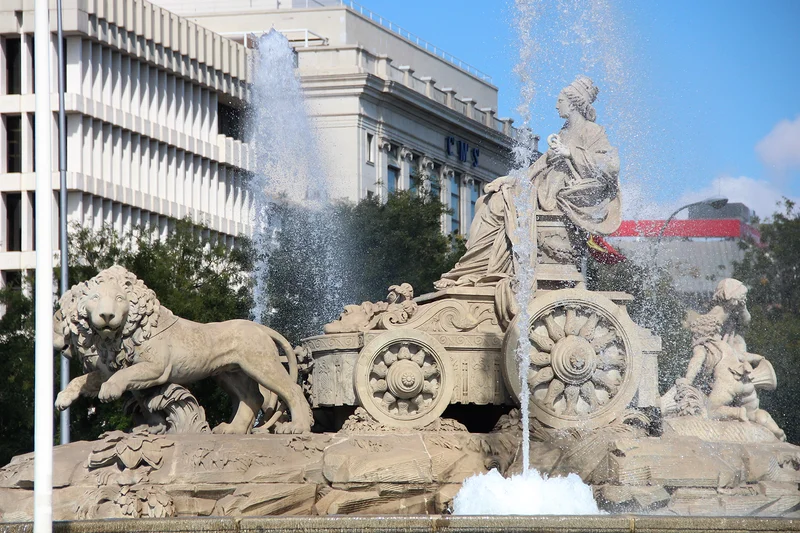
La Casa del Ayuntamiento ou hôtel de ville de Madrid se situe dans le palais de Cybèle, un monument historique ayant autrefois abrité le siège du bureau des postes de la capitale espagnole. Le palais est un vaste édifice gothique qui date du début du XXème siècle. Il donne sur la place de Cybèle, un des centres névralgiques de Madrid, à deux pas du Parc El Retiro. Des travaux de rénovation engagés en 2007 ont permis d'y installer de nouvelles institutions culturelles et d'ouvrir le bâtiment au public. C'est du haut de son belvédère, le Mirador Madrid, qu'on trouve un des plus beaux points de vue sur Madrid.

Casa de Campo

#10 Casa de Campo +6 5

La casa de campo est le plus grand espace vert de la capitale espagnole, situé au sud-ouest de Madrid, à proximité du centre-ville. Outre sa taille, il comporte de nombreuses infrastructures de loisirs comme un parc d'attractions, un lac, un zoo, un aquarium, des terrains de tennis, une piscine... Propriété de la famille royale du XVIème au XXème siècle, il est finalement ouvert au public au moment de la proclamation de la Seconde République d'Espagne en 1931. Sur place, quelques belvédères offrent de belles vues sur les principaux bâtiments du centre-ville de Madrid. 

Templo de Debod

#11 Templo de Debod +6 5

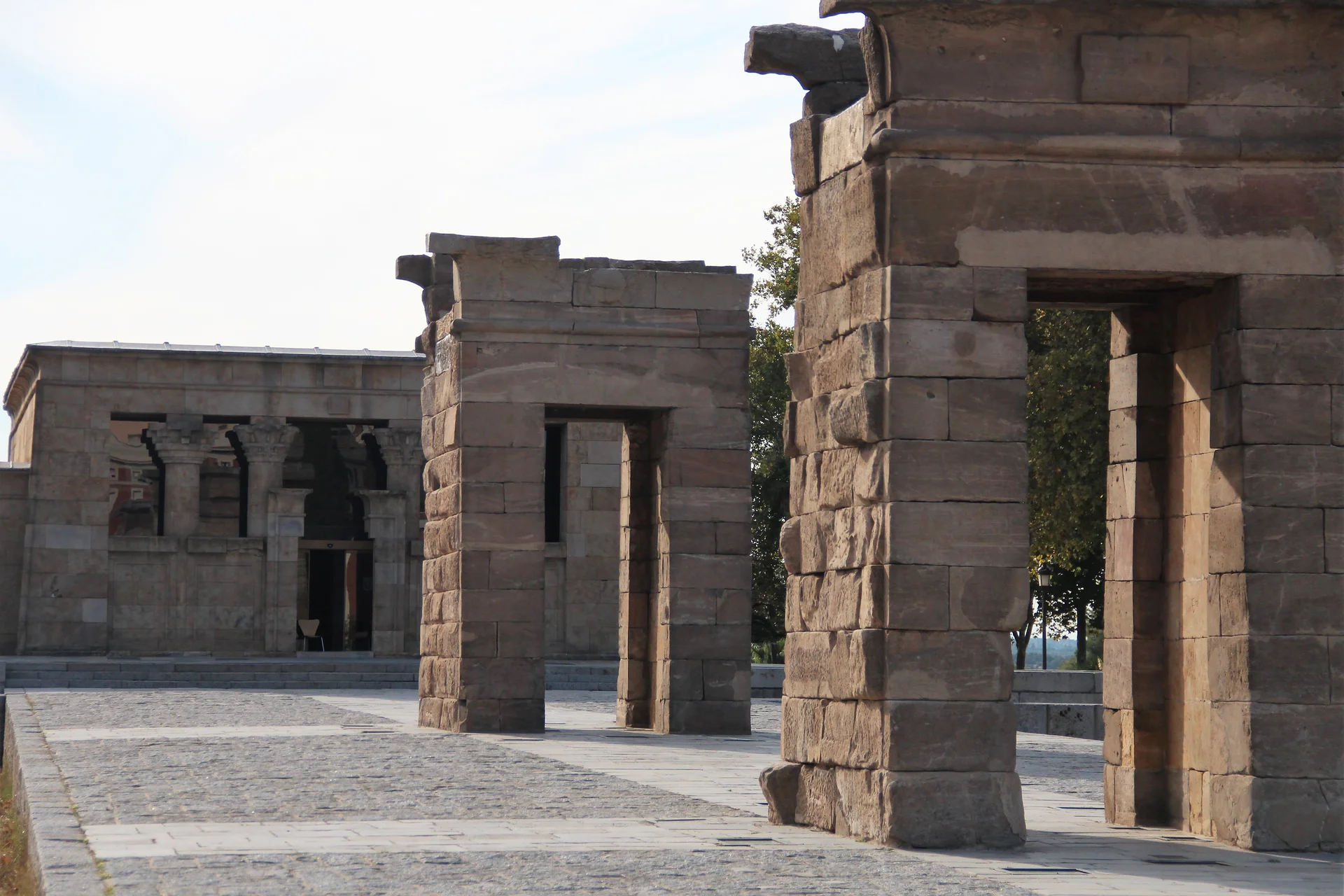
Le temple de Debod, ou temple d'Amon, est un temple antique égyptien situé en plein coeur de Madrid, dans le parc de l'Ouest ! Ce temple est un cadeau du président égyptien Nasser à l'occasion des travaux d'édification du haut barrage d'Assouan. En effet, dans les années 50, une campagne lancée par l'Unesco et dans laquelle l'Espagne s'engage permet de sauver plusieurs temples voués à être ensevelis par la montée des eaux liée à la création du barrage. Après avoir été démonté et remonté à l'identique, le temple de Debod ouvre au public en 1972.

Almudena Cathedral

#12 Almudena Cathedral +6 5

La cathédrale de Madrid a été construite tardivement et tout au long du XXème siècle, ce qui explique son aspect moderne et son architecture variée : crypte néo-romane, façade néo-classique et intérieur néo-gothique ! En effet, autrefois objet de rivalités avec sa voisine Tolède dont elle dépendait, Madrid devient finalement le siège épiscopal du diocèse en 1885. À partir de cette date, les travaux peuvent commencer mais seront empêchés par des problèmes financiers ainsi que par le contexte de la guerre civile espagnole et de la dictature de Franco. L'édifice est consacrée en 1993 par le papte Jean-Paul II lui-même.

Crystal Palace

#13 Crystal Palace +2 5

Le Palacio de Cristal ou Palais de Verre est une vaste verrière située dans le parc du Buen Retiro à Madrid. Composé de fer et de plaques de verre, il est un exemple emblématique de l'architecture moderne de la fin du XIXème siècle, qui use de nouveaux matériaux issus du monde de l'industrie pour concevoir de nouveaux styles. Le bâtiment est conçu par Ricardo Velázquez Bosco en 1887 pour l'exposition des îles des Philippines et accueille lors de cet évènement un ensemble de plantes tropicales provenant de la colonie espagnole. Aujourd'hui, il accueille des expositions d'art moderne et contemporain.

Palacio de Velázquez

#14 Palacio de Velázquez +2 4

Le Palais de Velázquez est un magnifique pavillon réalisé par l'architecte Ricardo Velázquez Bosco à l'occasion de l'exposition universelle minière de Madrid à la fin du XIXème siècle. De style néo-classique, le bâtiment comporte de nombreuses innovations architecturales comme l'usage du verre et du fer dans la construction. L'intégration de verrières au bâtiment est un marqueur de l'architecture de Ricardo Velázquez Bosco qui est également l'auteur du Palacio de Cristal. Situé au coeur du parc El Retiro de Madrid, le palais accueille aujourd'hui des expositions d'art moderne et contemporain issues des collections du musée Reina Sofia de Madrid, spécialisé dans le domaine.

Riyadh Air Metropolitano

#15 Riyadh Air Metropolitano +1 4

Le Riyadh Air Metropolitano, inauguré en 2017 à Madrid, est un stade moderne de 68 456 places, accueillant l'Atlético Madrid. Connu pour son architecture avant-gardiste et ses équipements ultra-modernes, il a hébergé des événements prestigieux comme la finale de la Ligue des Champions en 2019. Offrant une acoustique exceptionnelle et des installations de premier ordre, il est aussi respectueux de l'environnement grâce à ses technologies durables. Ce stade symbolise la modernité et l’innovation, tout en étant facilement accessible pour les supporters locaux et internationaux.

Voir le guide View offers

Map of must-see attractions in Madrid

Madrid, the capital that never sleeps and eats late

Past midnight, the sidewalks of La Latina are still overflowing. Groups of friends share plates of jamón ibérico at Formica tables, a guitarist improvises on a street corner, and someone orders a third round of cañas. In Madrid, 10 p.m. is barely dinnertime.

The Spanish capital lives on a shifted schedule, happily lagging behind the rest of Europe. With 3.3 million inhabitants, it sits on a Castilian plateau at 2,130 feet of elevation, with no beach, no port, and no navigable river. What the city does have, however, is three of the world's greatest art museums on a single boulevard, a culinary scene that rivals Barcelona, and a nocturnal energy unmatched on the continent.

The great rival to Barcelona, only more Spanish

We will go ahead and say it: Madrid is underrated. Most travelers head straight to Barcelona without stopping. That is a mistake. The capital is more affordable, less saturated with tourists, and much more representative of traditional Spain.

Best for:

  • Art lovers and world-class museums
  • Night owls and those seeking intense nightlife
  • Foodies looking for tapas, markets, and counter-style dining
  • City trippers on a 2 to 4 day weekend
  • Soccer fans wanting to see the Santiago Bernabéu

Not for:

  • Travelers looking for beaches or rugged wilderness
  • Those who struggle with heat: July and August regularly exceed 104°F
  • Families with young children preferring a quiet pace
  • Early risers who like to get to bed before midnight

A gentle budget for a Western European capital

Madrid remains one of the most affordable capitals in Western Europe, about 5 to 10 percent cheaper than Barcelona. The menú del día, a three-course lunch special including a drink, is your best ally. Expect to pay between 12 and 18 EUR ($13 to $20) at most restaurants in the center.

Estimated budget per person per day in Madrid, in euros
Expense Category Range
Night in a hostel or hostal 25 EUR to 45 EUR ($27 to $49)
Night in a well-located 3-4 star hotel 80 EUR to 150 EUR ($87 to $163)
Quick meal: bocadillo, market snack, local fast food 4 EUR to 8 EUR ($4 to $9)
Restaurant meal or tapas crawl 15 EUR to 30 EUR ($16 to $33)
Transport plus one museum entry 8 EUR to 20 EUR ($9 to $22)
Total budget day 55 EUR to 80 EUR ($60 to $87)
Total comfortable day 120 EUR to 200 EUR ($130 to $217)

A safe and accessible city

The city center is very walkable. Language is rarely an issue, as many locals speak some English. The climate is continental and dry, very hot in summer and cold but bright in winter. Pack sunscreen and carry a water bottle between June and September.

Safety

Pickpocketing remains the main concern in high-traffic areas like Puerta del Sol, Gran Vía, and on crowded subways. Keep your belongings in front of you and stay alert in crowds. Outside of that, the city is generally very safe, even at night.

The Golden Triangle of Art: Prado, Reina Sofía, Thyssen

Few cities in the world pack as many masterpieces onto a single axis. The Paseo del Prado lines up three major museums in less than half a mile. At the Prado Museum, large canvases by Velázquez, Goya, and El Greco await. The Las Meninas alone is worth the trip.

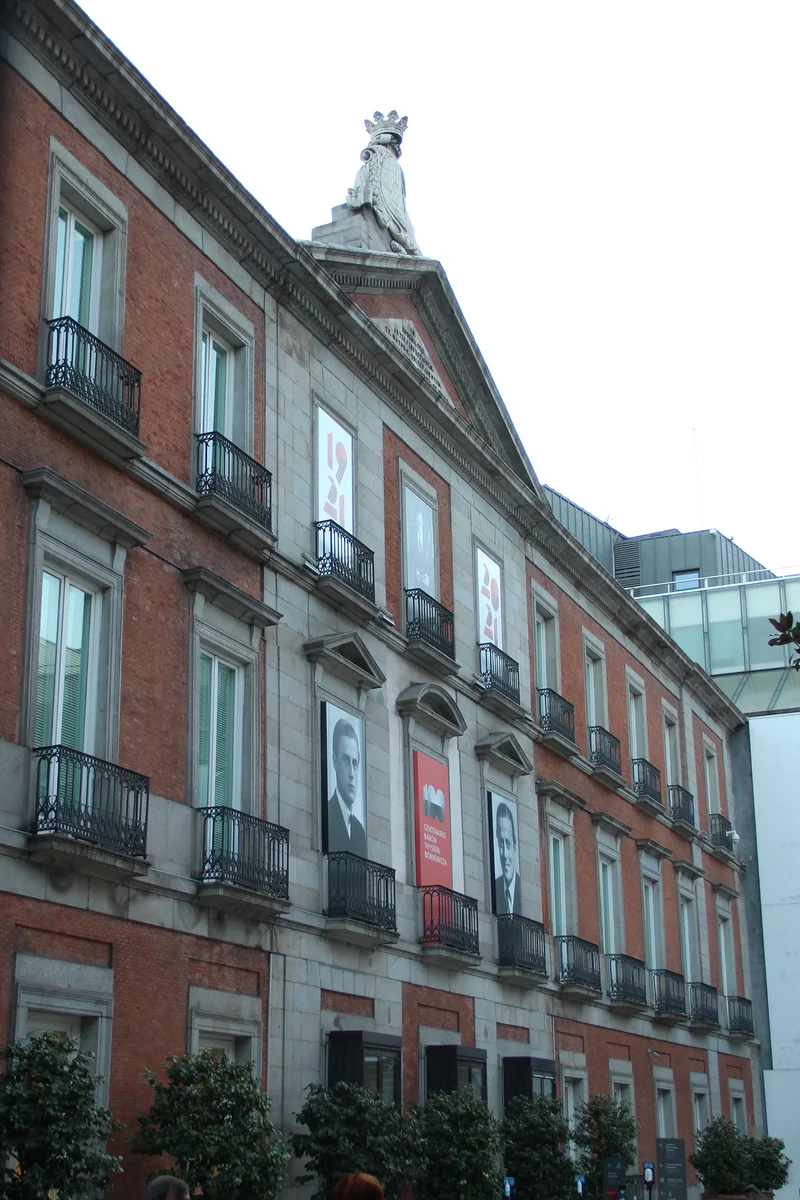
A few hundred yards away, the Reina Sofía Museum houses Picasso's Guernica, an immense and moving work that no reproduction can truly prepare you for. Between the two, the Thyssen-Bornemisza Museum offers an overview of Western art from the 13th to the 20th century, which is easier to digest in a single visit.

Pro tip: The Prado is free Monday through Saturday from 6 p.m. to 8 p.m., and the Reina Sofía is free from 7 p.m. to 9 p.m. Wednesday through Saturday. Arrive 15 minutes before the free entry starts to minimize your wait.

La Latina, Lavapiés, Malasaña: three neighborhoods, one night

La Latina is the neighborhood for tapas. The Calle Cava Baja packs more bars per square foot than any other street in Europe. On Sunday morning, the El Rastro flea market takes over the streets. It is the largest market in Spain, loud and colorful.

A bit further south, Lavapiés leans into its multicultural vibe. You can find Indian, Senegalese, and Peruvian food that is sometimes better than what you would find in the countries of origin. On Saturday afternoons, the marisquerías of the Mercado de la Cebada turn into impromptu seafood bars. Fishmongers cook their fresh products on the spot for a fraction of restaurant prices.

Pro tip: Avoid the San Miguel Market near Plaza Mayor. It is pretty but expensive and very touristy. Try the Mercado de San Fernando in Lavapiés instead, which is much more popular with locals.

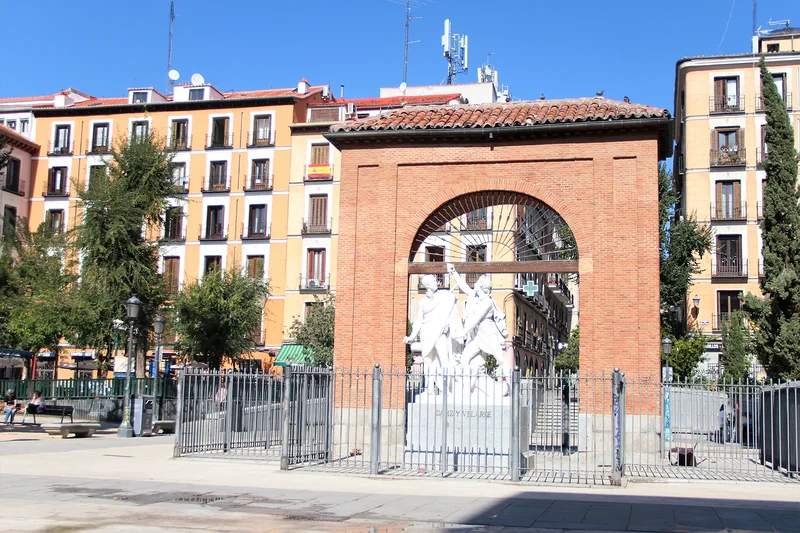
To the north, Malasaña cultivates a bohemian spirit. Think thrift stores, vinyl record shops, specialty coffee roasters, and street art on the facades. The Plaza del Dos de Mayo sets the tone. This is where locals resisted Napoleonic troops in 1808, and that rebellious spirit has not quite faded.

Royal and monumental Madrid

The Royal Palace is the largest in Western Europe by floor area. You can only visit a portion of its 3,418 rooms, but the open halls are impressive enough, featuring ceilings painted by Tiepolo, armor collections, and opulent decor. Below, the Campo del Moro gardens remain surprisingly quiet.

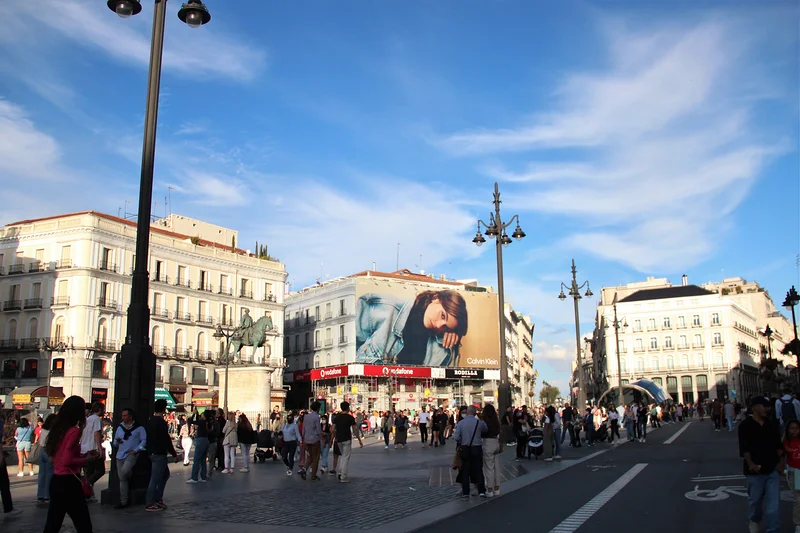
The Plaza Mayor, framed by its red arcades, once served as the stage for Inquisitional trials. Today, the terraces there are overpriced, but walking through the square at sunset is worth it. Nearby, Puerta del Sol marks the zero kilometer point for all of Spain's roads.

El Retiro and sunsets

The El Retiro Park is the Madrid equivalent of Central Park. You can rent a rowboat on the lake, relax under century-old trees, or visit the Crystal Palace, a glass and iron greenhouse set at the water's edge. On Sundays, musicians, jugglers, and fortune tellers set up shop there.

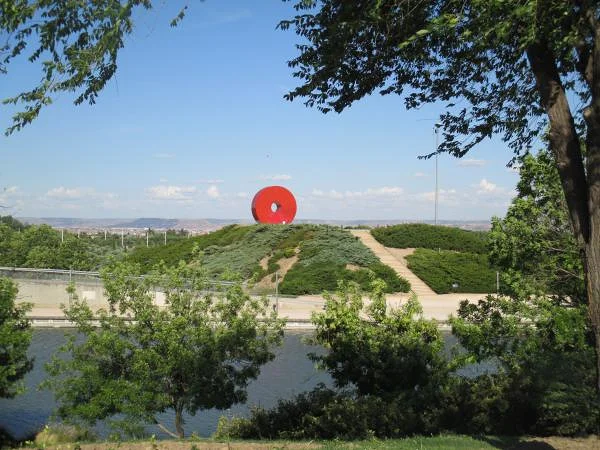
For a sunset away from the crowds, climb the Cerro del Tío Pío, which locals nickname Siete Tetas (Seven Breasts) for its seven small hills. The view over the city skyline, with high-speed trains whizzing below, is one of the best in the capital. It is still a well-kept secret.

Where to eat and drink in Madrid?

Madrid is a city of counters. You eat standing up, leaning on the bar, picking from shared plates. The bocadillo de calamares, a sandwich of fried calamari rings on crusty bread, is the city's iconic snack. You will find the best ones around Plaza Mayor at the most unassuming vendors.

Specialties to try

  • The cocido madrileño: a winter stew of chickpeas, meats, and vegetables, served in three distinct courses
  • The tortilla de patatas: a thick potato omelet, served everywhere, never made exactly the same way twice
  • Churros con chocolate: served for dipping in thick hot chocolate, especially at San Ginés, which has been open since 1894
  • Patatas bravas: fried potatoes topped with a spicy sauce, the ultimate test of any good tapas bar

For a more elaborate dinner, the Chueca neighborhood is full of fusion restaurants and rooftops. The Mercado de San Antón, spread over three floors, lets you snack on the ground floor and dine with a view of the rooftops at the top.

Pro tip: Sobrino de Botín, founded in 1725, is listed by Guinness as the oldest restaurant in the world. Make a reservation to taste the roast lamb cooked in a wood-fired oven, the house specialty.

Where to sleep in Madrid and the surrounding area?

The Centro Histórico neighborhood, between Sol, Opera, and La Latina, offers the best walking access to major sites. It is also the most in-demand, so book ahead. For better value, look at Malasaña or Lavapiés, which are well-served by the metro and significantly more lively at night.

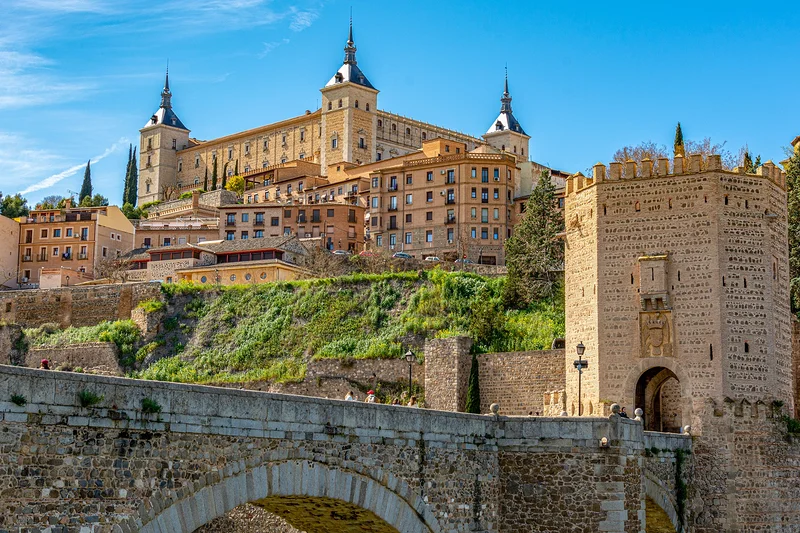
For a more upscale experience, Salamanca suits travelers looking for quiet. Accommodations are pricier there, but the streets are impeccable. Near Atocha station, you can find good mid-range hotels that are convenient for train trips to Toledo or Segovia.

How to get to Madrid?

The Adolfo Suárez Madrid-Barajas Airport is one of the largest in Europe, with direct flights from major international hubs. Low-cost carriers regularly offer one-way tickets starting at 30 to 50 EUR ($33 to $54) if you book early.

From the airport to the center

Metro line 8 reaches the center in 30 minutes for 4.50 to 6 EUR ($5 to $7), airport supplement included. The Airport Express bus connects terminal T4 to Atocha in 40 minutes for 5 EUR ($6), and runs 24/7. Taxis charge a flat rate of 30 EUR ($33) to the center.

By train

From Barcelona, the high-speed AVE train reaches Madrid in 2 hours and 30 minutes. The same network also connects Seville in 2 hours and 30 minutes and Valencia in 1 hour and 40 minutes, making multi-city trips easy.

How to get around Madrid?

With 13 lines, the metro is the most efficient way to get around. It is clean and frequent, with trains every 3 to 5 minutes. A single ride costs 1.50 to 2 EUR ($1.60 to $2.20). The tourist pass offers unlimited rides for 8.40 EUR ($9) per day, and a 10-ride ticket for 12.20 EUR ($13) is the best deal for short stays.

On foot, the historic center is easy to navigate, as everything is relatively concentrated. Taxis are affordable, costing 6 to 12 EUR ($7 to $13) for a ride within the city center. Uber, Cabify, and Bolt all operate in the city.

When to go?

Aim for spring, from March to June, or autumn, from September to November, when temperatures hover between 59 and 82°F, terraces are open, and the light is superb. Avoid July and August if you dislike heat, as the thermometer often exceeds 100°F and the city empties out.

Find the best deals to travel to Madrid

Activities and guided tours Hotels and stays Flights Custom trips

When to visit Madrid?

The most favorable period to discover Madrid covers:

March April

Favorable months also include:

February May August September

Check the details below to fine-tune your choice based on your preferences!

Climate and atmosphere in Madrid month by month

January Less Favorable

Temperatures
2°C to 10°C
Sunshine
4.9h / day
Rainy days
5 days
Rainfall
25 mm

Madrid winters are cold but sunny, making it an ideal time to visit museums like the <strong>Prado</strong> or the <strong>Reina Sofía</strong> without the usual crowds. Traditional cafes are ready to serve you hot chocolate after a walk through the quiet streets of the <strong>Los Austrias</strong> neighborhood.

February Less Favorable

Temperatures
3°C to 13°C
Sunshine
5.8h / day
Rainy days
4 days
Rainfall
23 mm

The first hints of mild weather are starting to show, and outdoor cafe tables are timidly making a comeback. The <strong>Carnival</strong> brings a touch of whimsy to the streets, especially in <strong>Lavapiés</strong>. It is a great time to experience the local culture without the usual crowds and in a more authentic atmosphere.

March Favorable

Temperatures
6°C to 17°C
Sunshine
6.7h / day
Rainy days
5 days
Rainfall
28 mm

Parks like the <strong>Retiro</strong> fill up with walkers again, craft markets pop up everywhere, and the atmosphere shifts. <strong>Madrid</strong> hosts plenty of temporary exhibits, and evenings start to stretch out on lively squares like the <strong>Plaza de Santa Ana</strong>.

April Very Favorable

Temperatures
9°C to 20°C
Sunshine
7.9h / day
Rainy days
6 days
Rainfall
31 mm

The city hits its stride in April. Flowering trees, art events, and outdoor concerts fill the streets with energy. It is the perfect time to visit rooftop terraces in the city center for a view of the monuments bathed in golden light.

May Very Favorable

Temperatures
13°C to 25°C
Sunshine
9.1h / day
Rainy days
5 days
Rainfall
33 mm

Madrid moves to the rhythm of San Isidro, the city's most significant festival. Parades, dancing, traditional costumes, and concerts bring the historic neighborhoods to life. Evenings are mild and festive, perfect for soaking up the Madrid energy outdoors.

June Favorable

Temperatures
17°C to 31°C
Sunshine
10.6h / day
Rainy days
3 days
Rainfall
12 mm

Temperatures climb and locals clear out during the hottest part of the day to escape the heat. It is the perfect time for morning sightseeing, air-conditioned museum exhibits, or lively evenings on rooftop bars. The cultural scene remains packed despite the rising mercury.

July Less Favorable

Temperatures
20°C to 35°C
Sunshine
11.2h / day
Rainy days
1 days
Rainfall
5 mm

Things slow down during the day, but the nights are incredibly active. Music festivals like <strong>Mad Cool</strong> are in full swing. Parks host summer concerts, and open-air cinemas bring locals and travelers together in a relaxed atmosphere, despite the intense heat.

August Less Favorable

Temperatures
20°C to 34°C
Sunshine
10.4h / day
Rainy days
2 days
Rainfall
7 mm

The city slows down significantly in August as many locals head out for their own summer vacations. This makes it the perfect time to visit museums, monuments, and restaurants without the usual crowds. Expect warm, lively nights that are ideal for catching a flamenco show or spending an evening out in neighborhoods like <strong>Malasaña</strong>.

September Favorable

Temperatures
17°C to 29°C
Sunshine
8.6h / day
Rainy days
3 days
Rainfall
18 mm

The heat finally dials back, and the city settles into a comfortable rhythm. September is a great time to explore the narrow streets of the city center or catch street performances. The outdoor terraces are packed again, and the cultural calendar kicks into high gear.

October Favorable

Temperatures
12°C to 22°C
Sunshine
6.9h / day
Rainy days
5 days
Rainfall
38 mm

Fall brings golden hues to parks like the <strong>Casa de Campo</strong> and provides perfect weather for wandering the streets. The city calendar fills up with theater and jazz festivals. Madrid feels elegant and bright, offering a much calmer pace than the summer months without losing its signature energy.

November Less Favorable

Temperatures
7°C to 15°C
Sunshine
5.4h / day
Rainy days
6 days
Rainfall
40 mm

Madrid settles into a cozy atmosphere. The streets slowly begin to light up, Christmas markets start appearing, and museums host their year-end exhibitions. It is a quiet time, perfect for soaking up the local pace of life in <strong>Madrid</strong> at a relaxed speed.

December Less Favorable

Temperatures
4°C to 11°C
Sunshine
4.6h / day
Rainy days
6 days
Rainfall
38 mm

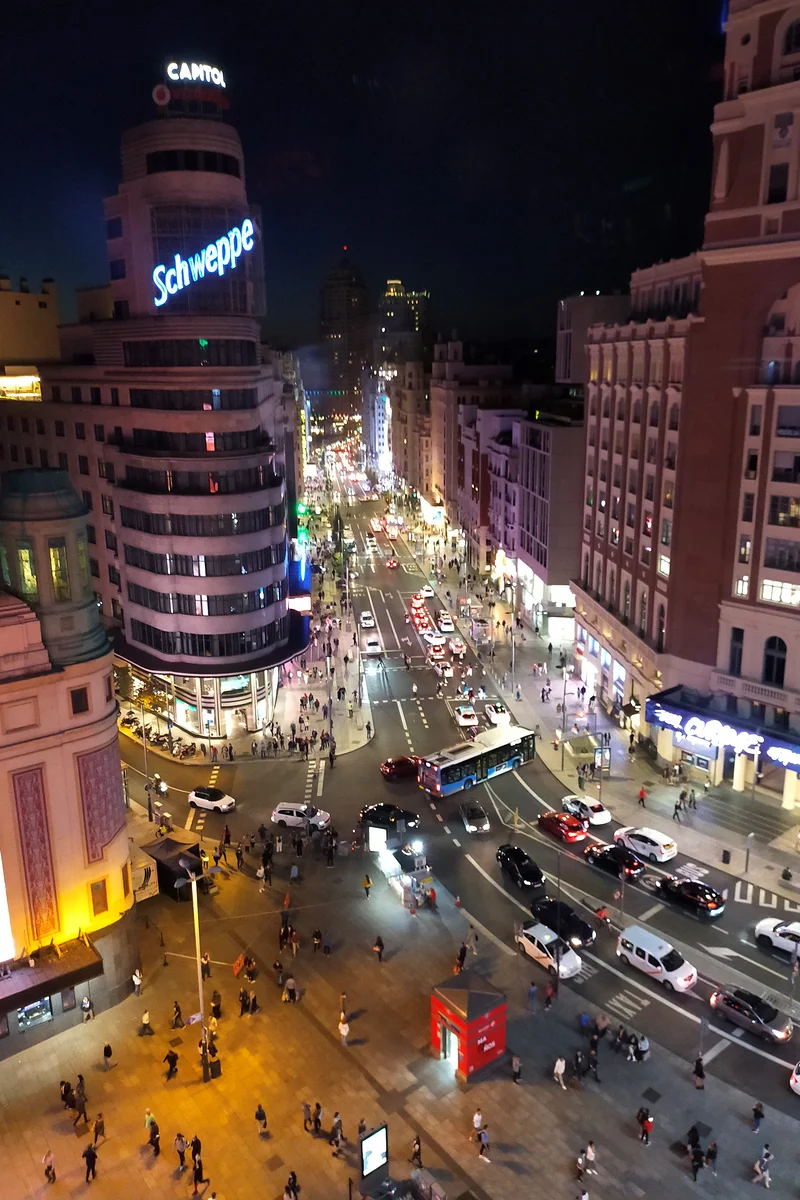
Year-end festivities are in full swing around the <strong>Puerta del Sol</strong> and the <strong>Gran Vía</strong>. Ice rinks, live shows, and holiday lights draw in families and sightseers alike. The atmosphere stays warm despite the chill, with a festive Madrid that keeps moving late into the night.

Weather charts for Madrid

Flight prices to Madrid, month by month

Tip: click the filter icon below to choose your departure city and trip duration.

Top photos posted by members

Parc el Retiro à Madrid
Lago de Retiro
Templo de Debod

Traveler reviews on Madrid

Write a review

Reviews summary

On the city

10 reviews
+30
recos
  • Overall 4.6/5
  • Family 4.4/5
  • Couple 4.8/5
  • Friends 4.6/5

On the attractions

90 reviews
+164
recos
  • Museums +77
  • Parks and gardens +27
  • Squares +19
  • Monuments +14

Culture and food

Madrid has an impressive number of monuments and museums.
I loved going from the splendid Plaza Mayor to the Reina Sofia museum while tracing history through these streets.
There is so much to see that it is hard to pick a favorite, but if I had to keep two moments, it would be the view over the city rooftops from the Mirador at the Palacio de Cibeles and, of course, discovering Picasso's Guernica painting at the Reina Sofia.
As a bonus, the Spanish capital offers an insane selection of restaurants, from simple tapas spots to exclusive fine dining.
Madrid is great for a weekend or much longer!

7
Recommends :
Overall rating :
With family :
As a couple :
With friends :

The sweet life

I went to Madrid for the first time on a school trip, and I was particularly impressed by Picasso's painting, Guernica, at the Reina Sofia museum. I went back as an adult, and I really enjoyed its little bars serving tapas and sangria at all hours. I loved taking a nap in Retiro Park. There is nothing crazy to see in Madrid, unlike Barcelona, but it is a very pleasant city to live in.

8
Recommends :
Overall rating :
With family :
As a couple :
With friends :

Sun, sangria & strolls

For a girls' trip, Madrid is a dream destination! The city itself is beautiful, the weather is (almost) always perfect, and the people are pleasant. I had two real favorites: the Museo Del Prado and the Museo Nacional Centro de Arte Reina Sofía! They are huge and full of works to admire. Just be careful not to get ripped off (like we did) with the Flamenco nights you might book...

3
03/02/2025

Bonjour ! Que s'est-il passé avec les soirées Flamenco ???

03/02/2025

Bonjour ! Que s'est-il passé avec les soirées Flamenco ???

Recommends :
Overall rating :
With family :
As a couple :
With friends :

Very different neighborhoods

A very sprawling capital divided into very different neighborhoods. You will definitely find a corner that you like. You eat greasy food there, but man is it good.

6
Recommends :
Overall rating :
With family :
As a couple :
With friends :

Nice city, but nothing amazing

Madrid disappointed me a little. Sure, it is the capital of a great country, but honestly, I do not find it up to the standard of the rest of Spain.
After one weekend, I think I have seen the main things to see.

5
Recommends :
Overall rating :
With family :
As a couple :
With friends :

Great food and elegant architecture

A very different city from other Spanish destinations like Barcelona or Seville. Madrid feels more modern, and the historical heritage is more spread out. You will find great museums like the Prado, and elegant architecture around areas like the Puerta del Sol. I also discovered some places to eat where you can get a good, filling meal for a reasonable price.

4
Recommends :
Overall rating :
With family :
As a couple :
With friends :

A very lively city

I was able to visit the city in December, and I was not disappointed! The sun was out, even though the temperatures were low. While walking around the city, you always find new buildings, new avenues, new churches, and new plazas with their markets. This city fascinated me with its architecture and especially with how lively it is! There is never a dull moment, day or night, there are always people everywhere. The locals welcome you with warmth.
During the Christmas season, many little Christmas markets pop up, and you can attend the festival of lights on December 21, with fireworks and a lantern release!

6
Recommends :
Overall rating :
With family :
As a couple :
With friends :

Such lively streets

I spent a little weekend in Madrid in December. A few observations:

- The temperature is pleasant in the sun, but it cools down at the end of the day, so remember to bring a scarf!

- Some streets, near the Puerta del Sol, are super crowded with people walking around on Saturday! Clearly, the heart of life is in the streets!

- A very nice surprise, the city center is very pedestrian friendly, with few cars on the small streets, where the roads are often taken over by pedestrians.

Other than that, great atmosphere, beautiful architecture, and good food. I recommend it!

6
Recommends :
Overall rating :
With family :
As a couple :
With friends :

Impossible to get bored in Madrid

Madrid is a city of sunshine. However, it is also a bit high in altitude, so you can get cold there in the winter! But above all, it is a city where it is impossible to be bored. You can spend your time visiting museums or exhibits. You can also relax by enjoying the local food or the vibe. The welcome you receive from the Madrileños is warm (this term is used for both men and women).
Here it is impossible to be bored.

5
Recommends :
Overall rating :
With family :
As a couple :
With friends :

An unforgettable city

A well-located city in the geographical center of Spain, with great connections to all of Europe and Latin America.
I am Italian, but I spent nine months of my life in Madrid, and from the moment I moved there, I was surprised by how welcoming the Madrileños were.
Plus, Madrid is made up of a diverse mix of people from all over Spain and a large community of Latin American immigrants who have adapted well to Spanish culture.

The city has museums and monuments you cannot miss, especially the Prado Museum, a world-class must-see, not to mention the Royal Palace, the Plaza Mayor, the Reina Sofía Museum, or the Atlético and Real Madrid museums. The Atlético Museum, while lesser known to tourists, is a true ode to soccer history.

Nightlife in Madrid never stops. Whether it is Saturday or Tuesday, there will always be something to do, drinks to have, concerts to go to...

Also, from Madrid, you can visit World Heritage cities like El Escorial, Aranjuez, Ávila, Segovia, Alcalá de Henares, or Toledo. You will arrive in each of these cities from Madrid in less than 90 minutes.

Everything is well supported by a magnificent public transportation network.

For me, Madrid will always be an unforgettable city.

6
16/11/2014

Bien que Madrid soit la capitale espagnole, d'autres villes du pays font beaucoup plus parler d'elle au niveau touristique. Je pense par exemple à Barcelone, Séville, Ibiza... Ton récit me donne envie de découvrir Madrid. Merci !

16/11/2014

Bien que Madrid soit la capitale espagnole, d'autres villes du pays font beaucoup plus parler d'elle au niveau touristique. Je pense par exemple à Barcelone, Séville, Ibiza... Ton récit me donne envie de découvrir Madrid. Merci !

Recommends :
Overall rating :
With family :
As a couple :
With friends :

You've seen every review.

More cities to visit from Madrid