
Visiting the Prado Museum
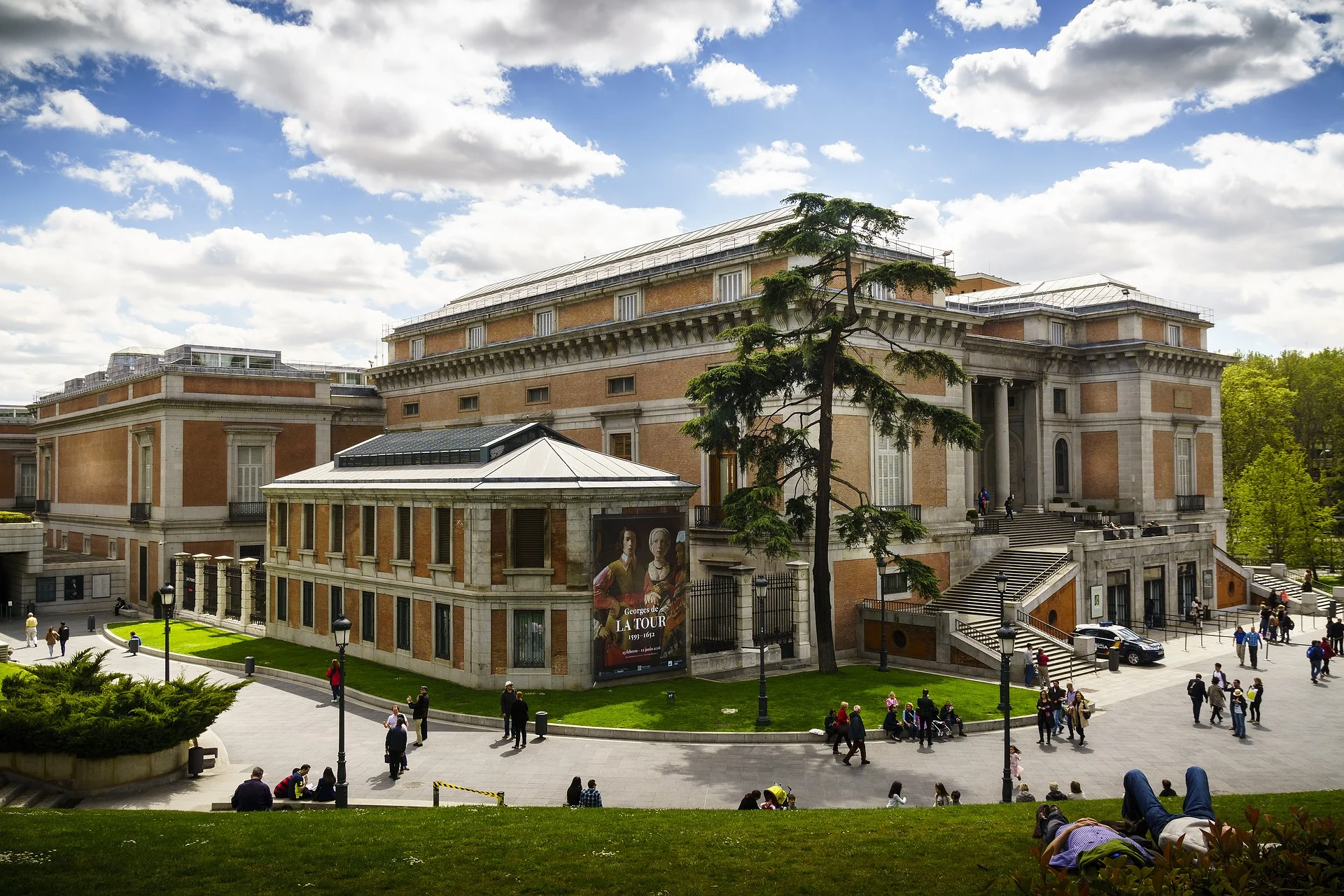
As the primary cultural landmark in Madrid and home to the most significant art collection in Spain, the Prado Museum sees nearly 3 million visitors annually. Commissioned by King Charles III as a natural history cabinet, the structure was built in 1786 by local architect Juan de Villanueva, alongside the city's astronomical observatory and botanical garden. Later, Queen Maria Isabel of Portugal convinced the crown to repurpose the building as a royal gallery for paintings and sculptures.
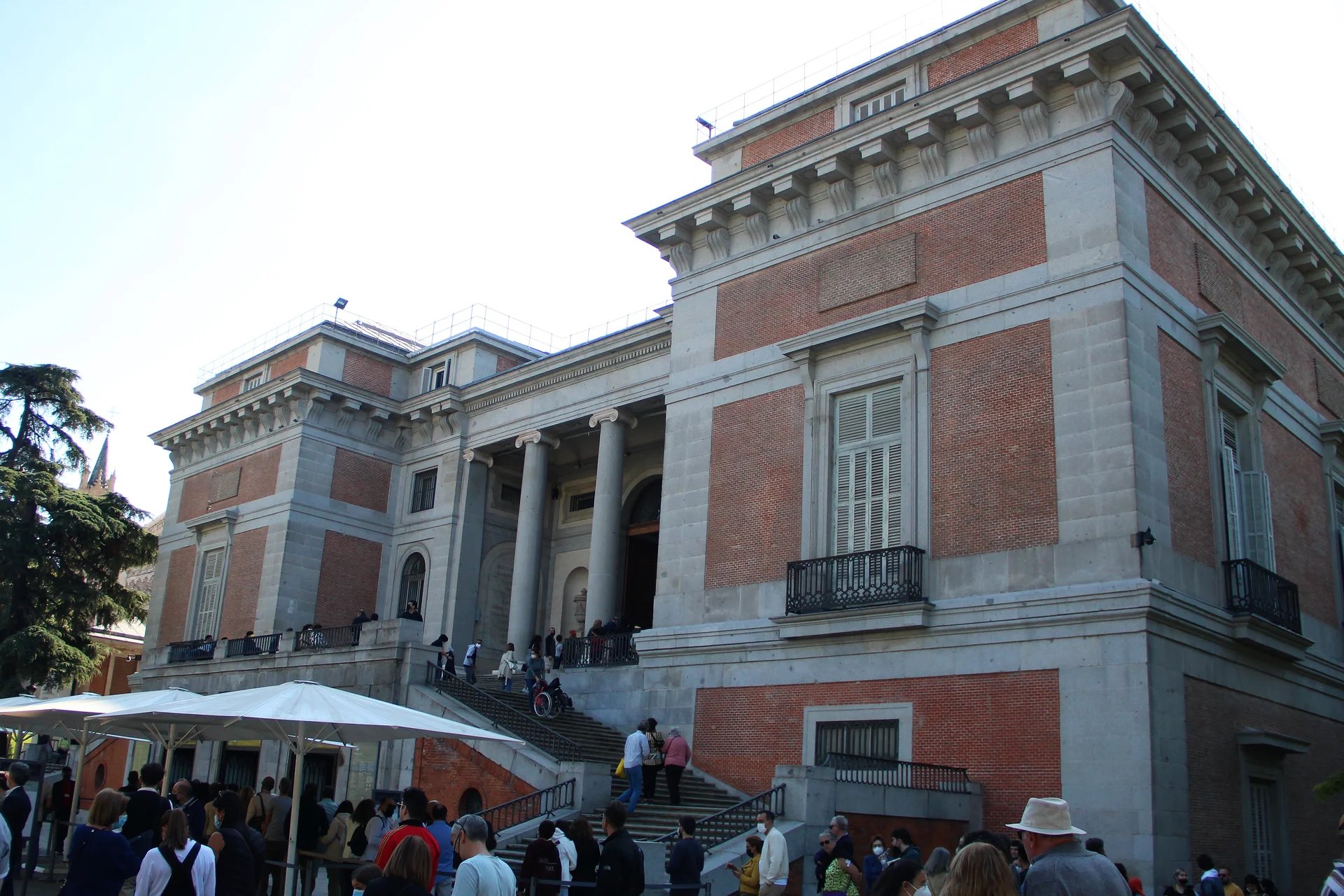
The neoclassical design, defined by imposing Greco-Roman columns, is instantly recognizable. When it opened to the public in 1819, the catalog held just 300 pieces. The collection grew quickly through church acquisitions and private donations, eventually reaching over 10,000 works, though only about one-seventh of that total is on display at any given time. In 2007, an expansion known as the Edificio Jerónimos (Jerónimos Building) was inaugurated to house temporary exhibitions and sculptures.
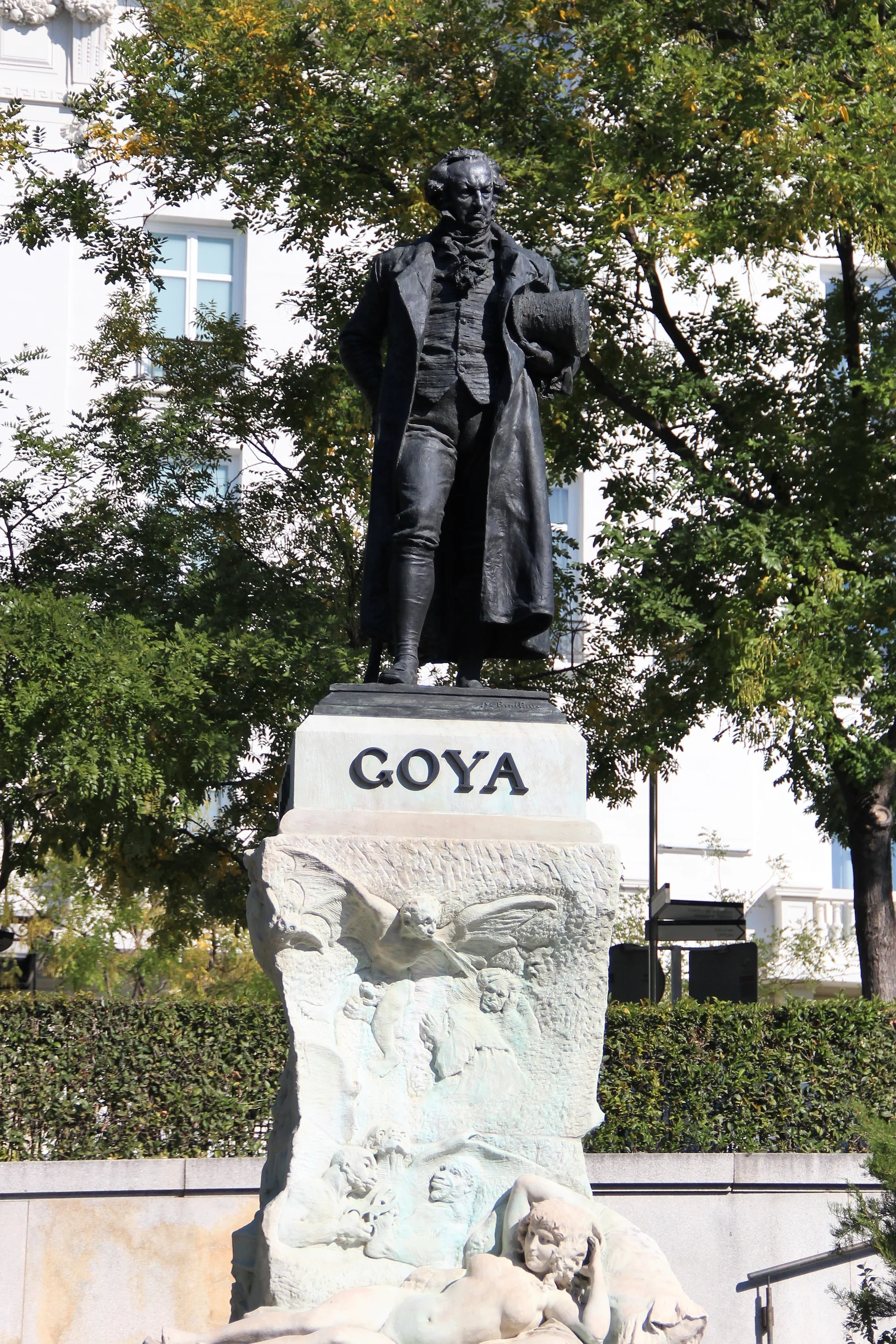
The Spanish collection here is peerless. Spanning nearly 700 years, the gallery features roughly 100 works by Francisco de Goya, including his centerpiece, The Third of May 1808. You will also find major pieces by El Greco, Ribera, Murillo, and Velázquez, whose Las Meninas remains the most famous canvas in the building.
The ground floor and first floor host the Venetian school and Italian masters such as Caravaggio and Botticelli. The first floor also showcases German, Dutch, and French painters. The Prado stops at older painting, up to the 19th century: twentieth-century art, including Picasso, Miro, Dali and Guernica, hangs at the Museo Reina Sofía, on the same Paseo del Arte.
Opening hours
| Monday | 10:00-20:00 |
|---|---|
| Tuesday | 10:00-20:00 |
| Wednesday | 10:00-20:00 |
| Thursday | 10:00-20:00 |
| Friday | 10:00-20:00 |
| Saturday | 10:00-20:00 |
| Sunday | 10:00-19:00 |
*Information subject to change

The Prado Museum is extremely rich, the building is magnificent, and you would probably need a full day to really appreciate its collections.
Nevertheless, I would personally recommend it only for the chance to see Goya's Black Paintings in person. This series is absolutely unforgettable, of rare power, and fascinating to study. And I experienced this discovery as one of my first artistic shocks that left a deep mark on me.