
Visiting Templo de Debod
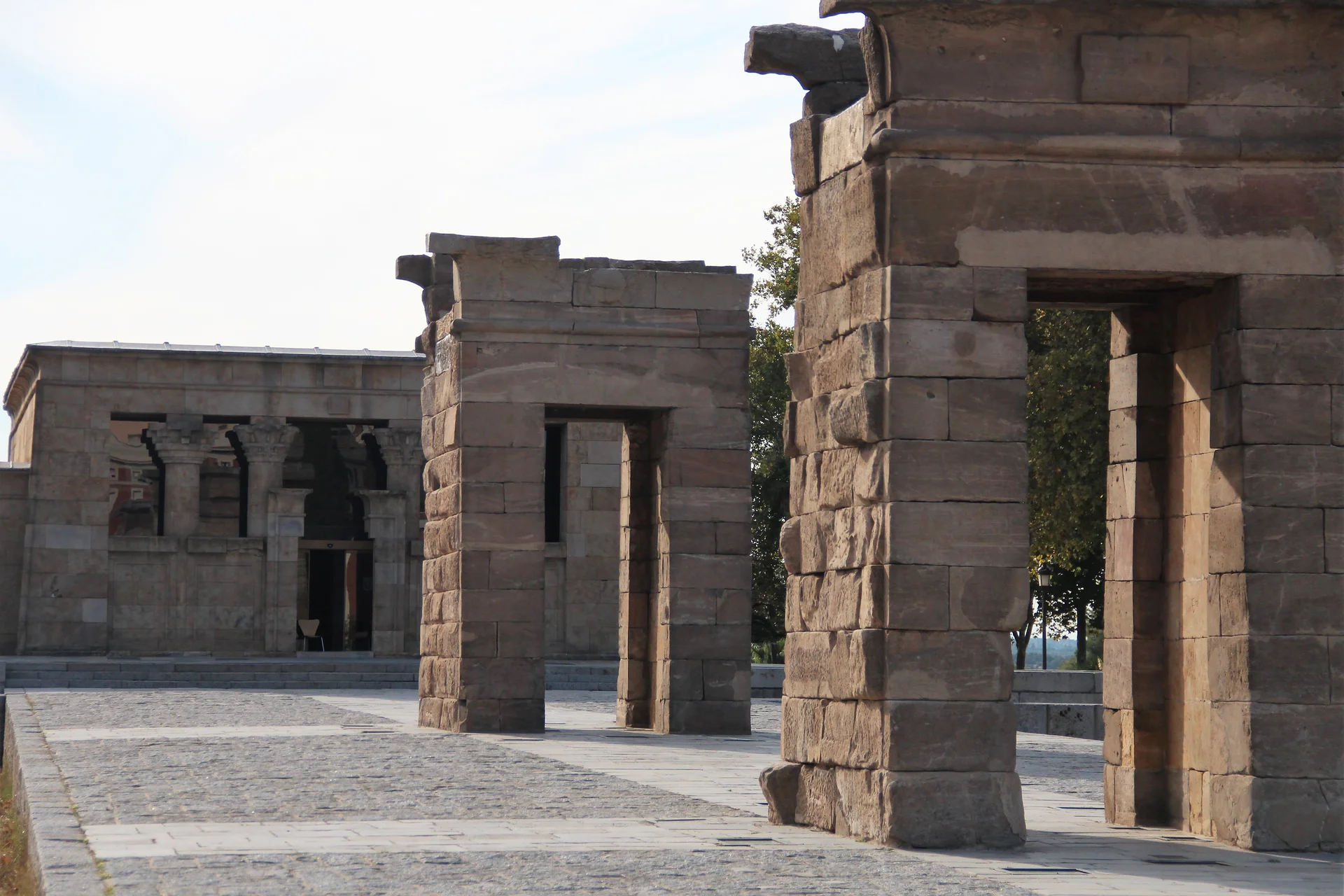
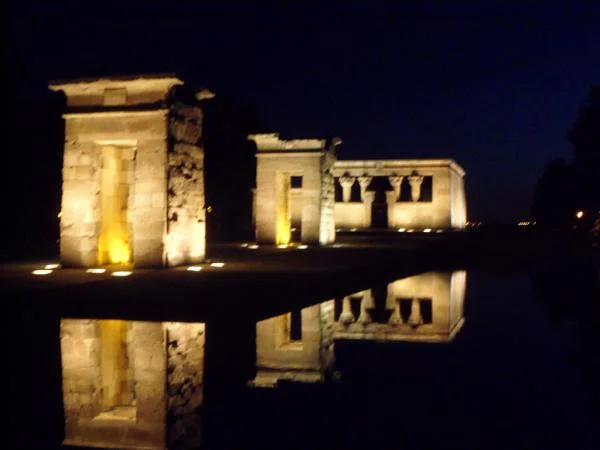
The Templo de Debod, also known as the Temple of Amun, is an ancient Nubian structure from Egypt that was gifted to Spain in the late 1960s. It sits in the Parque del Oeste (West Park), atop the Montaña del Príncipe Pío, a spot that serves as a prime vantage point for sunsets over the Spanish capital. Originally built in the 2nd century BC by King Adijalamani of Meroe, the temple is dedicated to the Egyptian god Amun. It is surrounded by a reflecting pool and set within a garden filled with plane trees and palms. The site opened to the public in 1972 and has been designated a site of cultural interest since 2008.
History of Templo de Debod
The Temple of Amun dates back to the 2nd century BC in the Upper Nile region of Egypt. By the 6th century, the region had converted to Christianity and the temple was abandoned. In 1954, Egyptian President Nasser planned the construction of the Aswan High Dam, a project that threatened to submerge the valley. An international campaign led by UNESCO was launched to save the monuments at risk from the rising waters. Because Spain had assisted Egypt, the country received the Temple of Amun as a gift. The structure was dismantled stone by stone, then reconstructed to match its original orientation along an east-west axis.
Inside, the chapels feature Egyptian carvings and hieroglyphs. The upper level houses a model that displays the valley and its temples as they appeared during antiquity.
An Egyptian temple in the heart of Madrid
The Temple of Amun is located in the Parque del Oeste in Madrid, on the former site of the Cuartel de la Montaña (Mountain Barracks). This was a military building that served as the backdrop for the uprising of Spanish rebels during the invasion led by Napoleon, an event famously commemorated as 3 de Mayo.
Opening hours
Closed on Mondays

This temple dedicated to Amun was a gift from President Nasser in 1968. It was given to the Spanish government as a thank you for the help provided for the work on the Aswan Dam. Many architectural sites were located in that valley at the time. Many other countries also received these "gifts."