Malaga

Things to do in Malaga: top 8 must-see attractions 2026

Looking for inspiration to visit Malaga? Browse the attractions our traveler community loves most — historic sites, cultural visits, scenic walks and laid-back spots...

Top 8 attractions our members recommend

Malaga Cathedral

#1 Malaga Cathedral +7 4

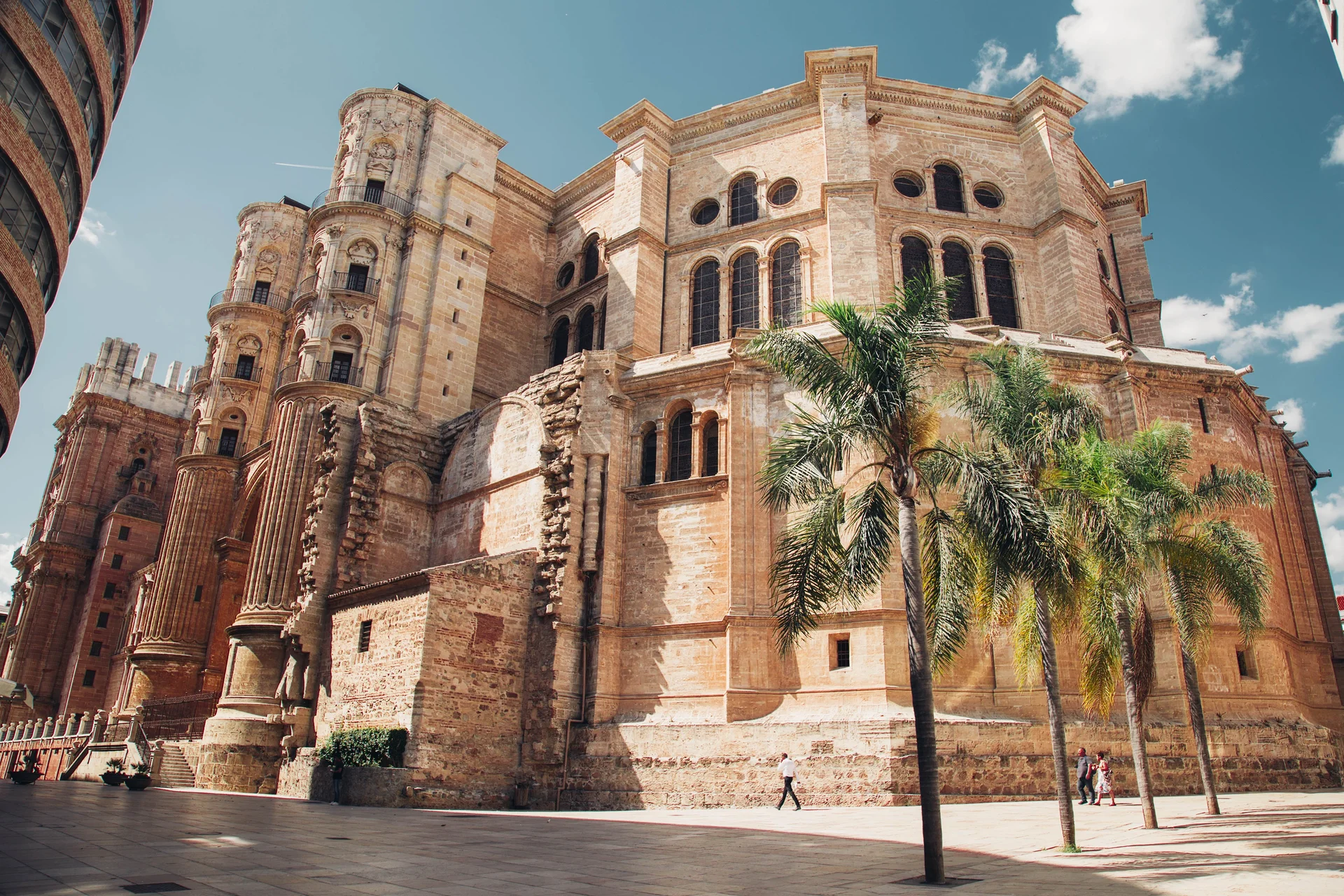
La cathédrale de Málaga, surnommée "La Manquita" en raison de sa seconde tour inachevée, est un chef-d'œuvre d'architecture mêlant styles gothique, renaissance et baroque. Située au cœur de la ville, elle impressionne par ses façades sculptées et son intérieur somptueux avec des chapelles et un chœur baroque. Une montée sur ses toits offre une vue panoramique exceptionnelle sur Málaga et ses environs, faisant de cette visite un incontournable pour découvrir l'histoire et la culture de la ville.

Pompidou Centre Malaga

#2 Pompidou Centre Malaga +7 4

Inauguré en 2015, le Centre Pompidou Malaga est la première extension internationale du célèbre musée parisien. Avec son « cube » coloré déjà iconique, il abrite une collection de plus de 90 œuvres d'artistes renommés tels que Pablo Picasso et Henri Matisse. Le musée propose également des expositions temporaires, des ateliers et des événements interactifs pour tous les âges. Situé dans le quartier animé de Muelle Uno, il est idéal pour une immersion artistique suivie d'une promenade le long du port.

Voir le guide View offers
Museo de Málaga

#3 Museo de Málaga +7 4

Le Musée de Malaga, inauguré en 2016, abrite une collection riche de plus de 2 000 œuvres allant de l'art ancien à l'art moderne. Situé dans un palais Renaissance, il propose une atmosphère accueillante. Parmi les artistes notables, on trouve Francisco de Goya, Pablo Picasso, et Joaquín Sorolla, reflétant l’influence de l'école andalouse. Le musée offre également des événements et des ateliers pour tous les âges, faisant de votre visite une expérience enrichissante et mémorable.

Historical Botanical Garden of Malaga

#4 Historical Botanical Garden of Malaga +7 4

Le Jardin Botanique Historique de Malaga, connu sous le nom de La Concepción, est un havre de nature à seulement quelques kilomètres du centre-ville. Fondé en 1855, il abrite plus de 25 000 plantes exotiques de 2 000 espèces différentes. Ce jardin romantique offre un voyage dans l’histoire avec ses vestiges archéologiques, statues et fontaines. C’est l’endroit idéal pour une promenade paisible, avec des visites guidées disponibles pour découvrir ses trésors botaniques, dont la célèbre "Avenue des Palmiers" et ses glycines en fleurs.

Gibralfaro Castle

#5 Gibralfaro Castle +7 3

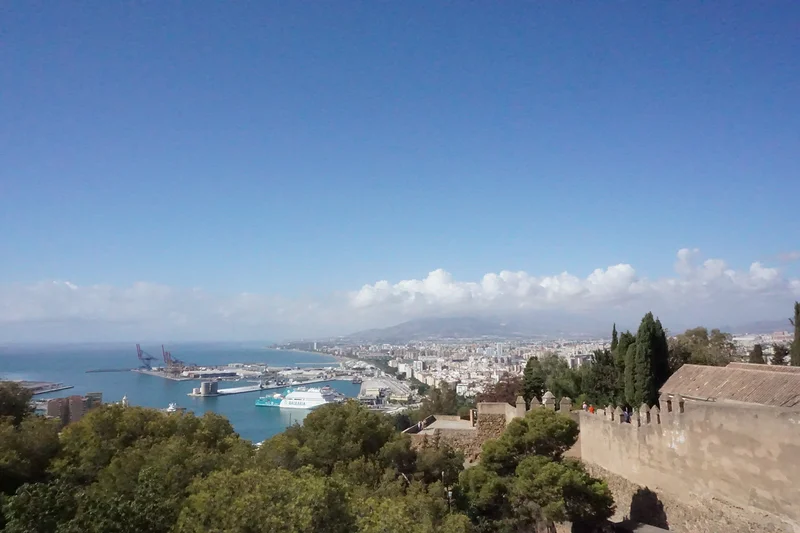
Le Château de Gibralfaro, construit au XIVe siècle, surplombe Malaga et offre une vue panoramique exceptionnelle sur la ville, la mer et les montagnes environnantes. Il servait de poste de défense pour protéger l'Alcazaba, et ses murs imposants témoignent de son importance militaire dans le royaume de Grenade. Les visiteurs peuvent se promener sur ses remparts, capturer des vues spectaculaires, et explorer un petit musée militaire exposant l'histoire locale. Une visite couplée avec l'Alcazaba vous permettra d'en apprendre beaucoup sur l'Histoire de Malaga.

Voir le guide View offers
Alcazaba

#6 Alcazaba +7 4

L'Alcazaba de Malaga, construite au XIe siècle par les Maures, est une forteresse historique incontournable bâtie sur les hauteurs de la ville andalouse. Ses jardins, cours et fontaines révèlent une architecture mêlant influences romaines et islamiques. En plus de sa richesse culturelle, elle offre une vue imprenable sur Malaga et la mer Méditerranée. Pour une visite complète, il est recommandé de coupler l'exploration de l'Alcazaba avec celle du château de Gibralfaro, situé à proximité, accessible par un sentier panoramique.

Voir le guide View offers-7%AVYGEO7
Roman Theatre of Malaga

#7 Roman Theatre of Malaga pas encore de reco

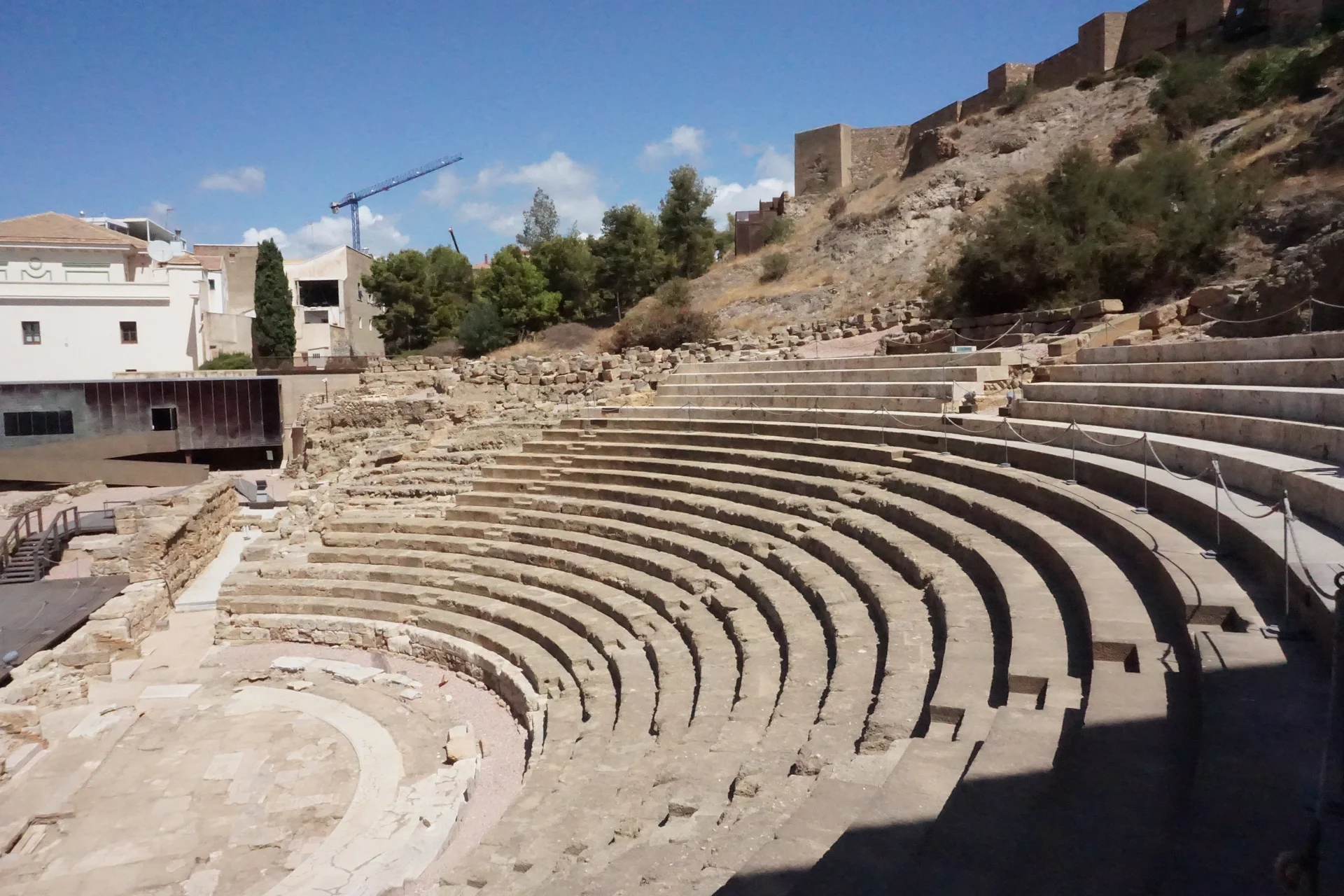
L'amphithéâtre romain de Málaga, construit au 1er siècle avant J.-C. sous l'empereur Auguste, est un vestige fascinant de l'époque romaine, situé au pied de l'Alcazaba dans le centre historique. Redécouvert en 1951, ce site bien conservé offre une plongée dans l'histoire antique de la ville. Les visiteurs peuvent explorer ses gradins, sa scène et son orchestre, tout en profitant d'expositions interactives au centre d'interprétation. Le cadre pittoresque, avec vue sur l'Alcazaba, fait du Teatro Romano un lieu incontournable à Málaga.

Voir le guide View offers
Picasso Museum

#8 Picasso Museum pas encore de reco

Le Musée Picasso de Málaga, situé dans un palais historique, est un incontournable pour les amateurs d'art. Il expose plus de 200 œuvres retraçant les diverses périodes de la carrière de Picasso, incluant peinture, sculpture, céramique et dessin. En plus de sa collection permanente, le musée propose des expositions temporaires mettant en lumière des artistes comme Joan Miró, Henri Matisse, ou Alberto Giacometti, explorant leurs liens avec l'œuvre de Picasso. Ce musée offre ainsi une immersion unique dans l'univers du maître du cubisme et l'art moderne.

Voir le guide View offers

Map of must-see attractions in Malaga

Malaga, the Andalusian city that stopped waiting its turn

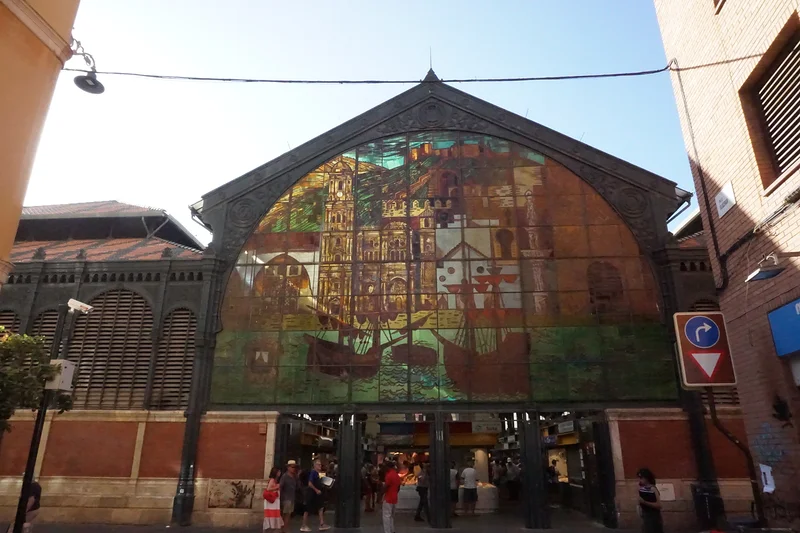
An elderly gentleman walks two lean greyhounds under century-old ficus trees. Just two streets away, the stalls of the Mercado de Atarazanas overflow with pink shrimp, misshapen tomatoes, and ham sliced right before your eyes.

Long relegated to a mere stopover on the way to the Costa del Sol, Malaga has reinvented itself over the last decade. The birthplace of Picasso now boasts more museums per capita than any other Spanish city outside of Madrid. Yet, it has lost none of its raw character. Here, you still order your tapas at the counter, standing up, while talking loudly.

A destination tailored for the culinary curious

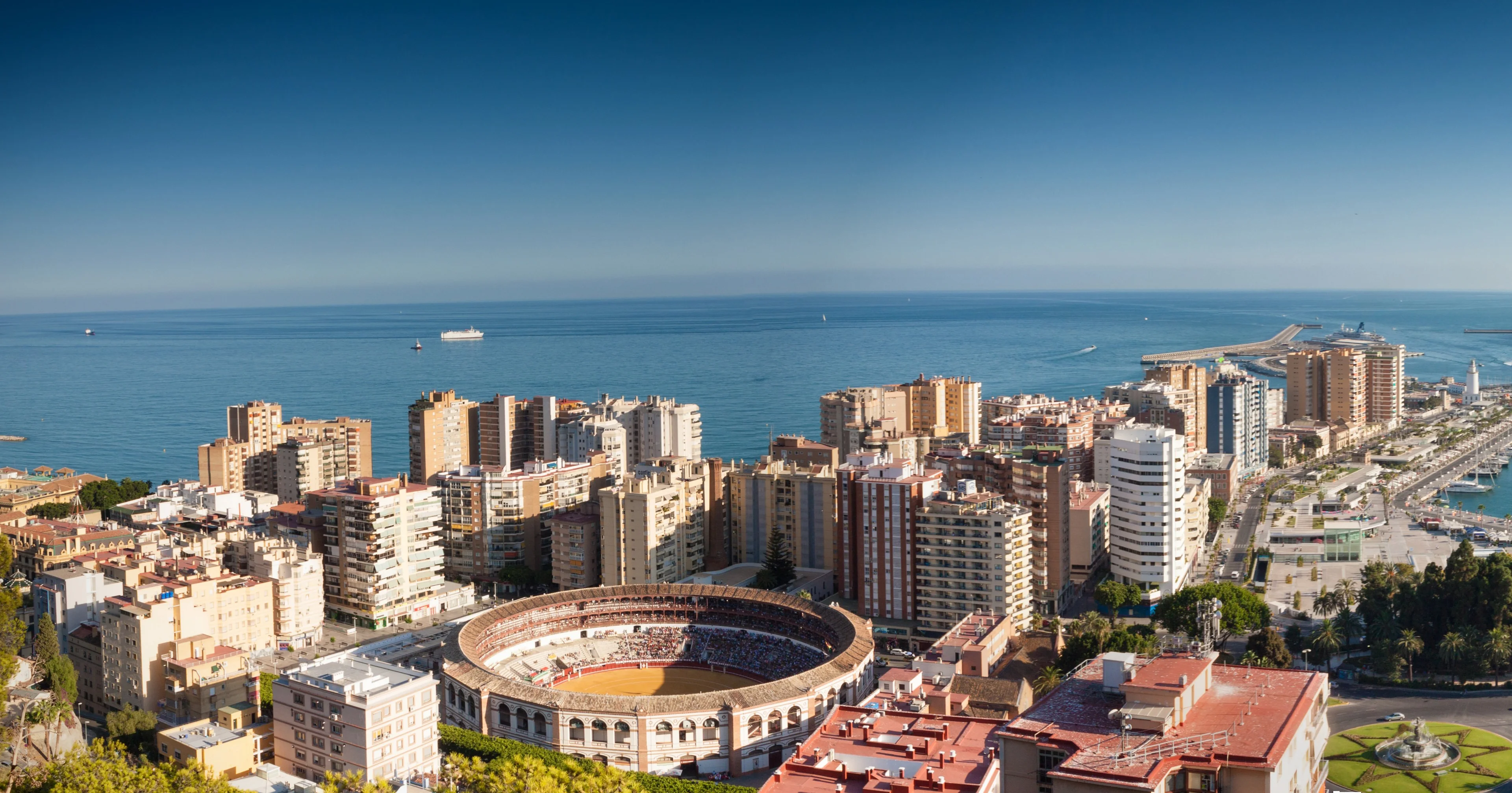
Malaga charms with its rare balance of culture, beach, and gastronomy, all under a climate that offers more than 300 days of sunshine a year. It is a city on a human scale where you can get from the beach to the historic center in a ten-minute walk.

But this is no sanitized beach resort. The city center thrives year-round, driven by a local population that refuses to be swallowed up by tourism.

Best for:

  • Foodies and tapas lovers who want to eat local without breaking the bank
  • Art and culture enthusiasts, with one of the densest museum scenes in Spain
  • City-trippers looking to combine urban life and beach time in one trip
  • Couples seeking rooftops, lively alleys, and flamenco nights
  • Families with children, thanks to the shallow waters of Pedregalejo

Not for:

  • Those seeking paradise-like, isolated beaches, as the urban beaches are decent but nothing more
  • Travelers looking for wild nature and rugged hiking, unless combined with the inland backcountry
  • Those who avoid the heat, as 104°F (40°C) is not rare in July and August

A reasonable budget for Southern Europe

Malaga remains significantly cheaper than Barcelona or Madrid. You can travel here comfortably without watching every euro, provided you avoid the tourist traps concentrated around Calle Larios and Muelle Uno.

Indicative daily budget per person in Malaga (2025)
Expense Price Range
Night in a hostel 30 to 55 € (about $32-60)
Night in a well-located 3-star hotel 80 to 130 € (about $87-141)
Casual meal (tapas at the counter or menu del día) 8 to 15 € (about $9-16)
Restaurant meal 20 to 40 € (about $22-43)
Daily transport + activities 10 to 25 € (about $11-27)
Backpacker daily budget 60 to 85 € (about $65-92)
Comfortable daily budget 130 to 200 € (about $141-217)

Easy to navigate, even without speaking Spanish

The historic center is entirely walkable. Public transport is reliable and inexpensive, but you probably will not need it if you stay in the old town. The climate is mild from October to May and scorching in the summer. The heat in July and August turns afternoon sightseeing into an endurance test.

Regarding safety, Malaga is a safe city by European standards. Standard precautions apply, so watch out for pickpockets in crowded areas like Plaza de la Merced or around the cathedral. The language barrier is virtually non-existent in the tourist center, where English is widely spoken. Off the beaten path, a few words of Spanish go a long way.

The historic center: between a one-armed cathedral and tapas counters

The heart of Malaga fits in a compact area. You can walk from the 1st-century Roman Theater to the cathedral, nicknamed La Manquita (the one-armed lady) by locals because its south tower was never finished. Legend has it the money intended to complete it was used to fund the American Revolutionary War. True or not, locals love this story.

Just above, the Alcazaba is worth the hike. This 11th-century Moorish fortress offers peaceful gardens and a clear view of the port. The combined entry with the Castillo de Gibralfaro, perched even higher, costs about 3.55 € (about $4). We recommend going in the late afternoon, as the sunset from the ramparts of the Gibralfaro is one of the best free shows in the city.

Pro tip: The Alcazaba and Castillo de Gibralfaro are free on Sundays starting at 2 PM. Arrive around 1:45 PM to avoid the line that forms quickly.

Soho and Lagunillas: the side of Malaga that moves

The Soho neighborhood, dubbed the barrio de las artes, has transformed over a few years. Its walls bear murals by international artists like Obey and D*Face. Specialized cafes, galleries, and natural wine bars coexist with screen-printing workshops. This is the Malaga of 30-somethings and digital nomads.

On the other side of Plaza de la Merced, the Lagunillas neighborhood offers a striking contrast. Here, the street art is the work of local artists, alternative bookstores sit next to neighborhood groceries, and rents have not yet skyrocketed. It is the Malaga that many guidebooks often forget to mention, and that is a shame.

Pedregalejo and El Palo: the fishermen's Malaga

Five kilometers east of the center, these two former fishing villages form another world. The paseo marítimo stretches for three kilometers, lined with small colorful houses and chiringuitos where sardines are grilled on old boats dug into the sand. This is where you eat the best espeto in the city.

The coves of Pedregalejo are shallow, making them perfect for families with young children. The atmosphere on weekends is decidedly local, with Malagueña families, retirees playing cards, and expats in flip-flops. Bus number 11 from the center gets you there in twenty minutes, or you can take a nice walk along the coast.

Pro tip: At the restaurant El Tintero in El Palo, there is no menu. Servers circulate with platters and shout out what they are carrying. You raise your hand, and you get served. Espetos start at 2 € (about $2.20) per plate.

Museums: Picasso and far beyond

The Museo Picasso, housed in the Palacio de Buenavista, does not possess the master's most famous works, but its collection traces an intimate journey from childhood to maturity. For the blockbusters, you would have to go to Paris or Barcelona.

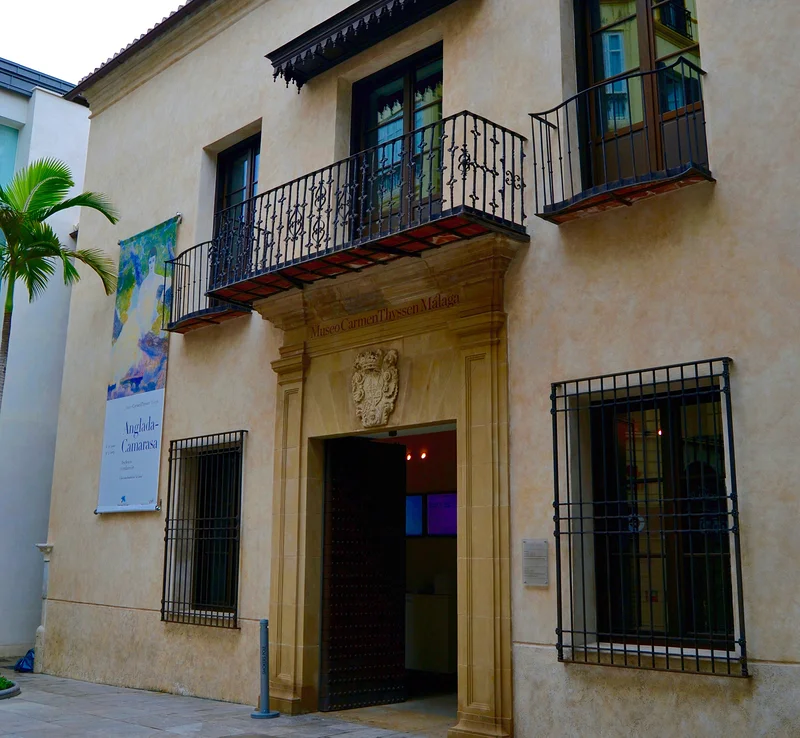
Beyond Picasso, Malaga surprises with the density of its cultural offerings. The Centre Pompidou Málaga, recognizable by its multicolored cube at the port, offers high-level temporary exhibitions. The Museo Carmen Thyssen, dedicated to 19th-century Andalusian painting, occupies a Renaissance palace in the old town.

The Museo de Málaga, which fuses fine arts and archaeology in the former Customs Palace, is free for European residents.

Good to know:

  • Most museums are free or discounted on Sunday evenings
  • The Museo Picasso is free on Sundays during the last two hours of operation
  • The street art of Soho and Lagunillas is an open-air museum, accessible 24/7

Where to eat and drink in Malaga?

The Malagueña culinary scene relies on simple products prepared with minimal intervention. Three specialties you must try: espeto de sardinas, sardines skewered on reeds and grilled over a wood fire on the beach; ajoblanco, a cold soup made of almonds, garlic, and olive oil, served chilled with grapes.

Third classic: fritura malagueña, an assortment of small fried fish that is crispy and not overly greasy when done right.

For tapas, move away from the terraces on Calle Larios. The bars around Plaza de Uncibay and Calle Carretería offer much better value. La Tranca on Carretería serves generous tapas in a loud, joyful atmosphere. Los Gatos on Plaza de Uncibay is perfect for a platter of pintxos with a caña on the terrace.

As for wine, the sweet wine of Málaga, made from the moscatel grape, is a local institution. The El Pimpi bodega, at the foot of the Alcazaba, is certainly very touristy, but its labyrinthine rooms decorated with barrels signed by celebrities are worth a visit for a drink.

For a more intimate tasting, La Odisea, a small family house with an Andalusian patio, offers local wines served directly from the barrel.

Where to stay in Malaga and its surroundings?

The historic center remains the most practical choice for a first trip, as everything is walkable and options range from 30 € (about $33) a night in a hostel dorm to boutique hotels for over 200 € (about $217). The La Malagueta neighborhood, between the center and the beach, suits travelers who want to combine cultural visits with downtime, with vacation apartments between 100 and 180 € (about $108-195) a night.

The Soho neighborhood attracts travelers seeking a creative vibe, with lodging often more affordable than in the strict center. For a more local and economical stay, the Huelin neighborhood on the west side offers housing between 50 and 100 € (about $54-108) a night with a wide beach and chiringuitos frequented by locals.

Book well in advance if you are coming during Semana Santa, the Feria de Málaga in August, or mid-summer.

How to get to Malaga?

The Málaga-Costa del Sol Airport is the fourth busiest in Spain. Direct flights connect it to most major European cities year-round with low-cost airlines like Ryanair, easyJet, or Vueling. From Paris, expect a flight time of about 2.5 hours. Tickets can regularly be found between 30 and 80 € (about $32-87) one-way off-season.

By train, the Spanish AVE high-speed train connects Madrid to Malaga in about 2.5 hours, making it an excellent option if you are combining several Spanish cities. From Seville, count on 2 hours by standard train.

By car from France, plan for about 12 hours of driving from the Pyrenees border via the AP-7 motorway along the Mediterranean coast.

How to get around Malaga?

The historic center is entirely walkable. The EMT bus network covers the rest of the city with a single ticket for 1.30 € (about $1.40). Pro tip: the Bonobus 10-ride card costs about 8.40 € (about $9) and saves nearly 40% on individual fares. To reach Pedregalejo or El Palo, lines 3, 8, and 11 make the trip in twenty minutes.

A car is useless in the city, and parking in the center is a nightmare. The white taxis with blue stripes are abundant and affordable. Uber and Cabify also operate, often at lower rates than taxis. From the airport, the Cercanías C1 commuter train is unbeatable: 1.80 € (about $2) for a 12-minute ride to the center.

When to go?

The best times are spring and autumn, with pleasant temperatures around 68-77°F (20-25°C), moderate crowds, and reasonable prices. Semana Santa, in late March or early April, is a highlight with its spectacular processions, but accommodation must be booked months in advance.

Winter remains mild and sunny, perfect for visiting without the crowds. Avoid July and August if you are sensitive to heat, as temperatures regularly exceed 95°F (35°C), and the Feria de Málaga in mid-August causes prices and crowds to spike.
Find the best deals to travel to Malaga

Activities and guided tours Hotels and stays Flights Custom trips

When to visit Malaga?

The most favorable period to discover Malaga covers:

February March April September

Favorable months also include:

January May June August October November

Check the details below to fine-tune your choice based on your preferences!

Climate and atmosphere in Malaga month by month

January Favorable

Temperatures
8°C to 17°C
Sea water
16°C
Sunshine
6h / day
Rainy days
5 days
Rainfall
60 mm

Museums are perfect for ducking into on the occasional chilly day, while the winter light makes the historic side streets look incredible. The city offers a relaxing pace with few tourists around, creating a mellow atmosphere that is ideal for exploring the local heritage at your own speed.

February Favorable

Temperatures
9°C to 18°C
Sea water
15°C
Sunshine
6.5h / day
Rainy days
4 days
Rainfall
45 mm

Temperatures are mild enough for long walks along the port and the beach, all without the summer crowds. Cultural festivals like the Carnaval de Málaga bring a festive, colorful energy to the city, featuring popular street performances.

March Very Favorable

Temperatures
11°C to 21°C
Sea water
15°C
Sunshine
7.5h / day
Rainy days
3 days
Rainfall
30 mm

Spring is settling in and gardens like <strong>La Concepción</strong> are in full bloom, making them ideal for fragrant walks. It is also a pleasant time to explore the <strong>Soho</strong> neighborhood and its street art galleries, which offer a relaxed and creative atmosphere.

April Very Favorable

Temperatures
13°C to 22°C
Sea water
16°C
Sunshine
8h / day
Rainy days
4 days
Rainfall
40 mm

Holy Week turns <strong>Málaga</strong> into a massive stage for religious and artistic displays, with processions filling the streets across the city. The atmosphere is solemn yet gripping, blending Andalusian spirituality with local energy in a striking production.

May Very Favorable

Temperatures
15°C to 24°C
Sea water
18°C
Sunshine
9h / day
Rainy days
3 days
Rainfall
20 mm

Sidewalk cafes fill up with locals and travelers taking advantage of the long, sunny days. It is the perfect time of year to wander through the historic center or visit the <strong>Alcazaba</strong> before finishing with a sunset drink at <strong>Muelle Uno</strong>.

June Favorable

Temperatures
19°C to 28°C
Sea water
21°C
Sunshine
10h / day
Rainy days
2 days
Rainfall
10 mm

The beach becomes the main draw, yet the atmosphere remains relaxed before the arrival of the summer crowds. Evenings slowly pick up pace around the bars in the city center and along the waterfront, making it the perfect time to enjoy tapas with a view of the Mediterranean.

July Favorable

Temperatures
22°C to 31°C
Sea water
23°C
Sunshine
10.5h / day
Rainy days
1 days
Rainfall
3 mm

Malaga heats up in July, but the coastal breeze keeps things manageable. Evenings take on a festive energy with free outdoor concerts and events along the city beaches, which are popular spots for locals.

August Less Favorable

Temperatures
23°C to 32°C
Sea water
24°C
Sunshine
10h / day
Rainy days
2 days
Rainfall
5 mm

Malaga hits its peak tourist season this month and the city is high energy, especially during the Feria de Málaga. This summer staple keeps the streets alive day and night with traditional music, sevillanas dancing, and plenty of opportunities to sample local food.

September Favorable

Temperatures
21°C to 29°C
Sea water
23°C
Sunshine
8.5h / day
Rainy days
3 days
Rainfall
25 mm

The heat eases up just enough to make this the perfect time to explore the white villages surrounding <strong>Málaga</strong> or head out for a hike in the <strong>Montes de Málaga</strong>. By evening, the beaches quiet down and the restaurants offer a more relaxed, personal level of service.

October Very Favorable

Temperatures
17°C to 25°C
Sea water
21°C
Sunshine
8h / day
Rainy days
4 days
Rainfall
40 mm

The fall light brings a distinct character to the Andalusian facades and Moorish architecture in the historic center. Take advantage of the sunny days to bike out to Pedregalejo, a charming fishing neighborhood known for its <strong>espetos</strong> (skewered sardines grilled over an open fire).

November Favorable

Temperatures
13°C to 20°C
Sea water
19°C
Sunshine
7h / day
Rainy days
5 days
Rainfall
55 mm

The summer crowds have thinned out, making cultural sightseeing much more manageable. You can still enjoy lunch on a patio in the mild temperatures, then spend your afternoon exploring the extensive collections at museums like the <strong>Pompidou</strong> or the <strong>Picasso</strong>.

December Favorable

Temperatures
10°C to 18°C
Sea water
17°C
Sunshine
6h / day
Rainy days
6 days
Rainfall
70 mm

Malaga decks itself out in holiday lights and hosts seasonal events throughout the city center. You will find craft markets, outdoor concerts, and mild temperatures that make for a relaxed atmosphere without the crushing crowds or biting cold.

Weather charts for Malaga

Flight prices to Malaga, month by month

Tip: click the filter icon below to choose your departure city and trip duration.

Top photos posted by members

Malaga
L'Amphithéâtre Romain
Cathédrale de Malaga

Traveler reviews on Malaga

Write a review

Reviews summary

On the city

2 reviews
+9
recos
  • Overall 3.5/5
  • Family 3.5/5
  • Couple 3.5/5
  • Friends 4/5

On the attractions

12 reviews
+42
recos
  • Museums +14
  • Churches and cathedrals +7
  • Castles and palaces +7
  • Parks and gardens +7

Nice for a weekend getaway

Even though it is a big city, you can cover all its historical and cultural heritage in 2 days. The old town, the Alcazaba, and Gibralfaro are worth the trip. A few museums too, like the Malaga Museum (it is free) or the Picasso Museum. The palm grove is nice for a digestive stroll.
The beach is nothing special.
After 2 days, go enjoy the rest of Andalusia :)

16
Recommends :
Overall rating :
With family :
As a couple :
With friends :

Lively and festive but not as pretty as its Andalusian cousins

A big Spanish city, lively and festive, with plenty of coastline and beaches. If you want to spend your vacation tanning or going out, it is not bad at all. A good vibe is guaranteed. On the other hand, when it comes to cultural or architectural heritage, Seville, Granada, and Cordoba are much more interesting to visit in Andalusia. I do not really see Malaga as a historic city.

15
Recommends :
Overall rating :
With family :
As a couple :
With friends :

You've seen every review.

More cities to visit from Malaga