Visiting Andalusia
Eight centuries of Muslim presence left here what is found nowhere else in Europe: an intact Nasrid palace above Granada, an eighth-century mosque in Córdoba with a cathedral built inside it, a minaret turned bell tower in Seville. None of it is a ruin; all of it is still in use.
The rest is a matter of temperature. The Guadalquivir valley passes forty degrees in July, and life is organised around that constraint: shutters closed at midday, terraces full at midnight, patios planted for shade. An hour from Granada, the Sierra Nevada keeps its snow until May.
You'll love it if
- You come for the architecture as much as for the table
- You'll live on Spanish hours, lunch at three and dinner at ten
- You'd rather have April or October than peak season
Give it a miss if
- You want to sightsee on foot in July and August
- You expect to walk into the Alhambra without booking
- Days that start early and end early suit you better
The must-sees
-
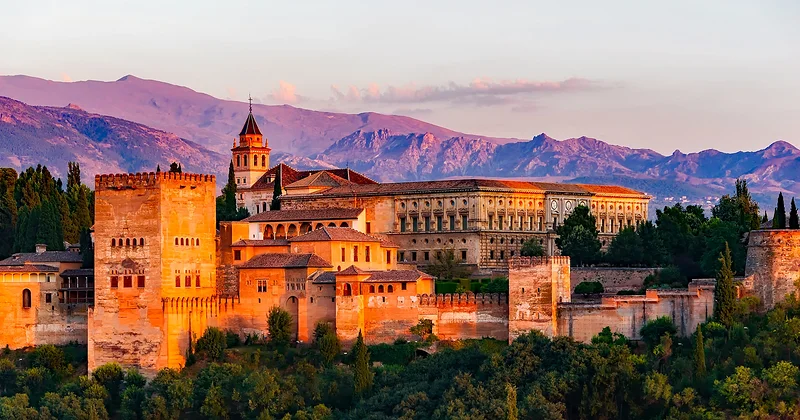
1 The Alhambra +48 recs
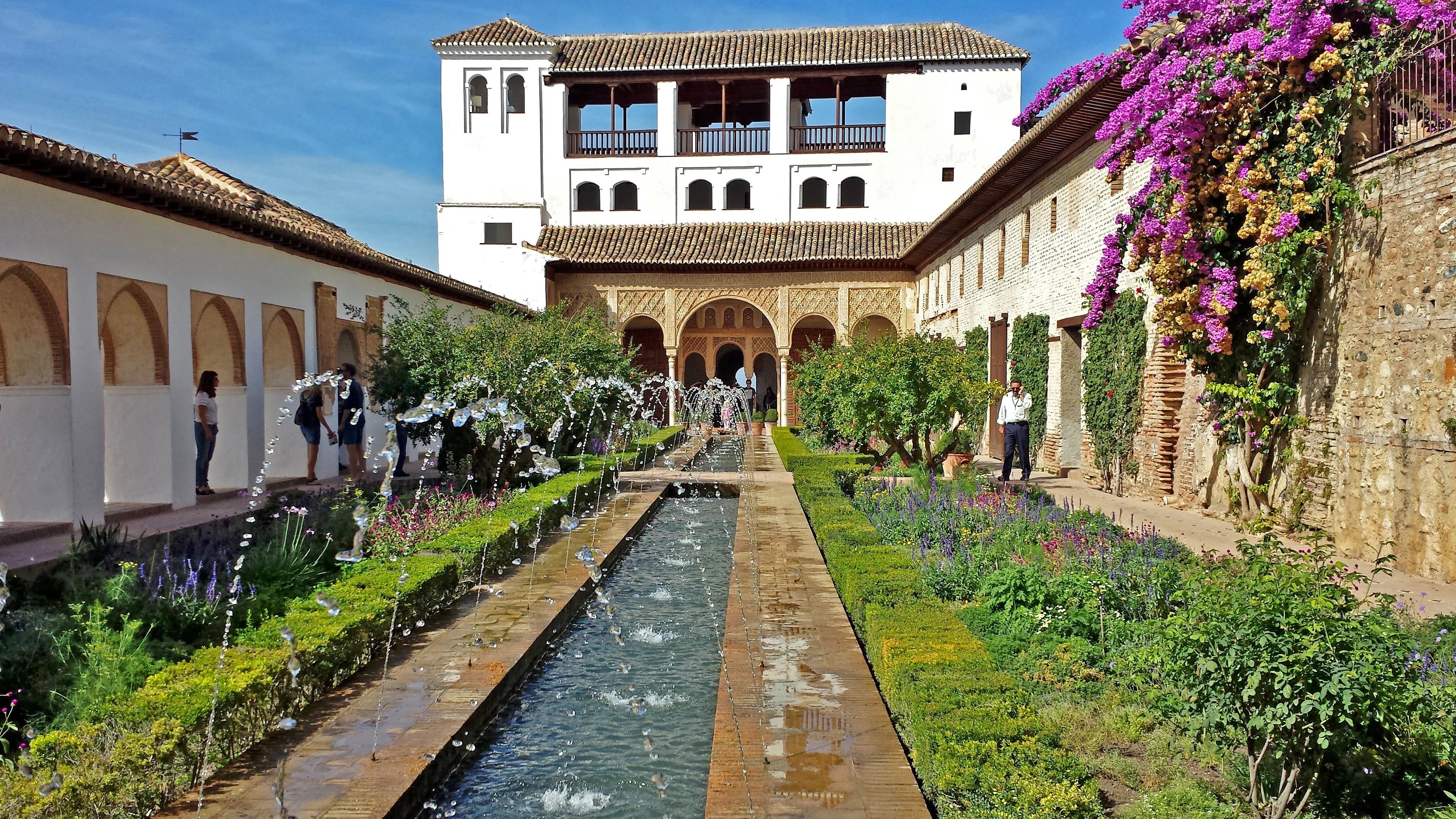
The palace of the Nasrid sultans, built between the thirteenth and fifteenth centuries on the Sabika hill. Tickets for the Nasrid palaces carry a time slot and sell out weeks ahead. Without a booking you see only the gardens.
-
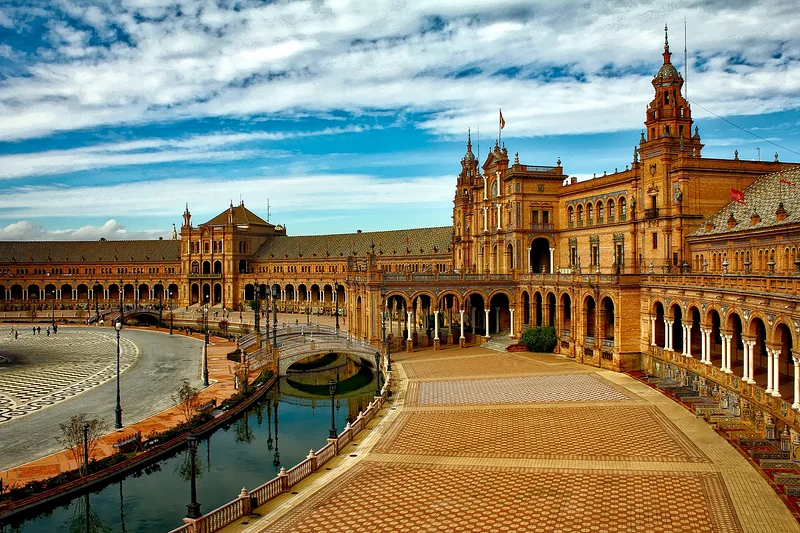
2 Seville +257 recs
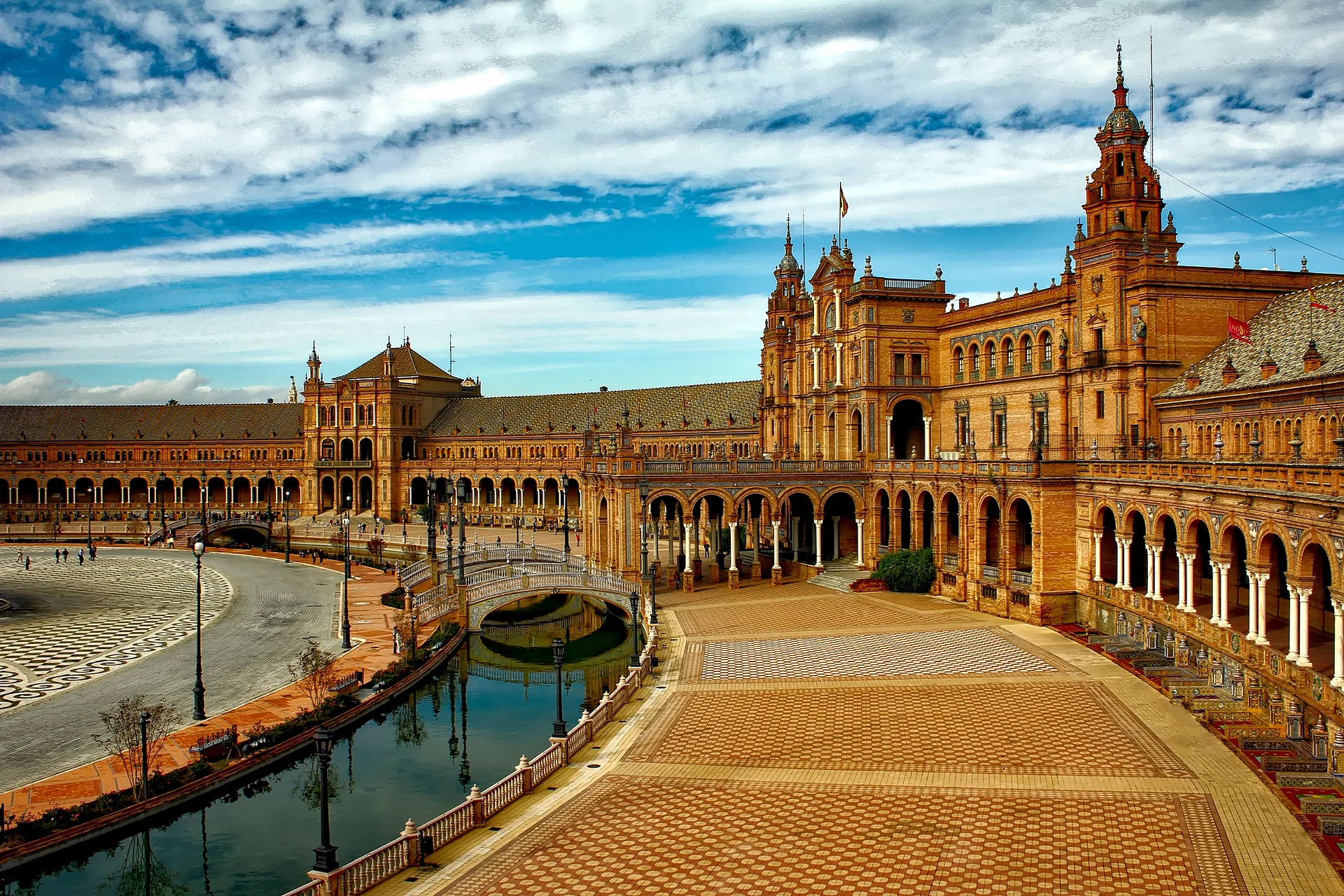
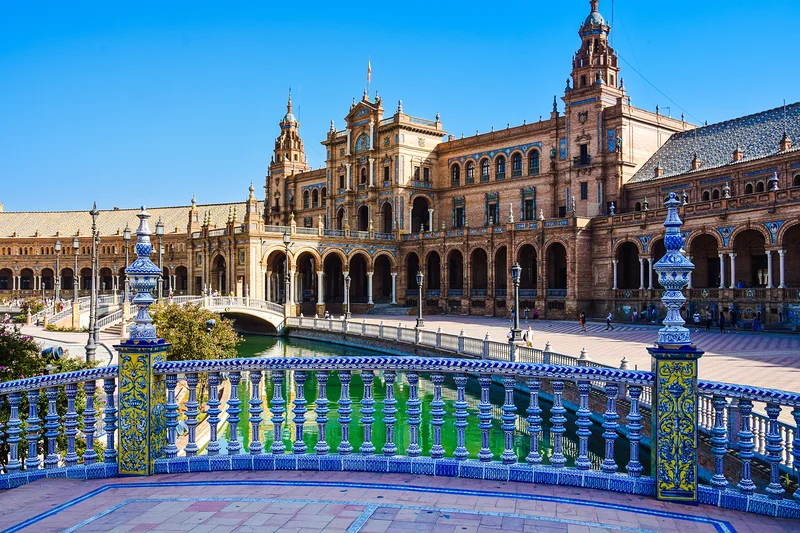
The Mudéjar Alcázar, the largest Gothic cathedral in the world and its former Almohad minaret turned bell tower. Walk Santa Cruz in the morning and Triana at the end of the day, for the flamenco.
-
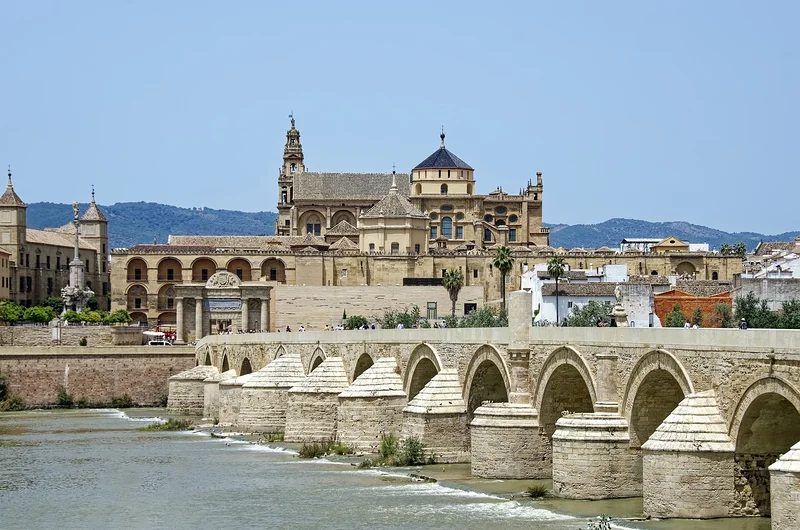
3 The Mezquita of Córdoba +18 recs
A forest of eight hundred columns and two-tone arches begun in 785, inside which a cathedral was built in the sixteenth century. The two buildings share one roof, and that collision is what makes the place.
-
4 Holy Week March or April
Seven days of night processions in Seville, Malaga and Granada, with brotherhoods carrying their floats on their shoulders. The city stops, accommodation doubles its rates and books a year ahead.
-
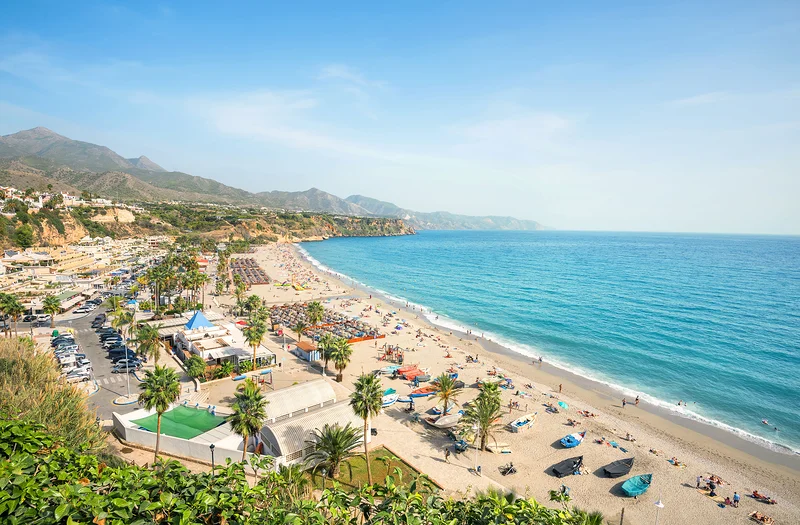
5 The white villages +15 recs
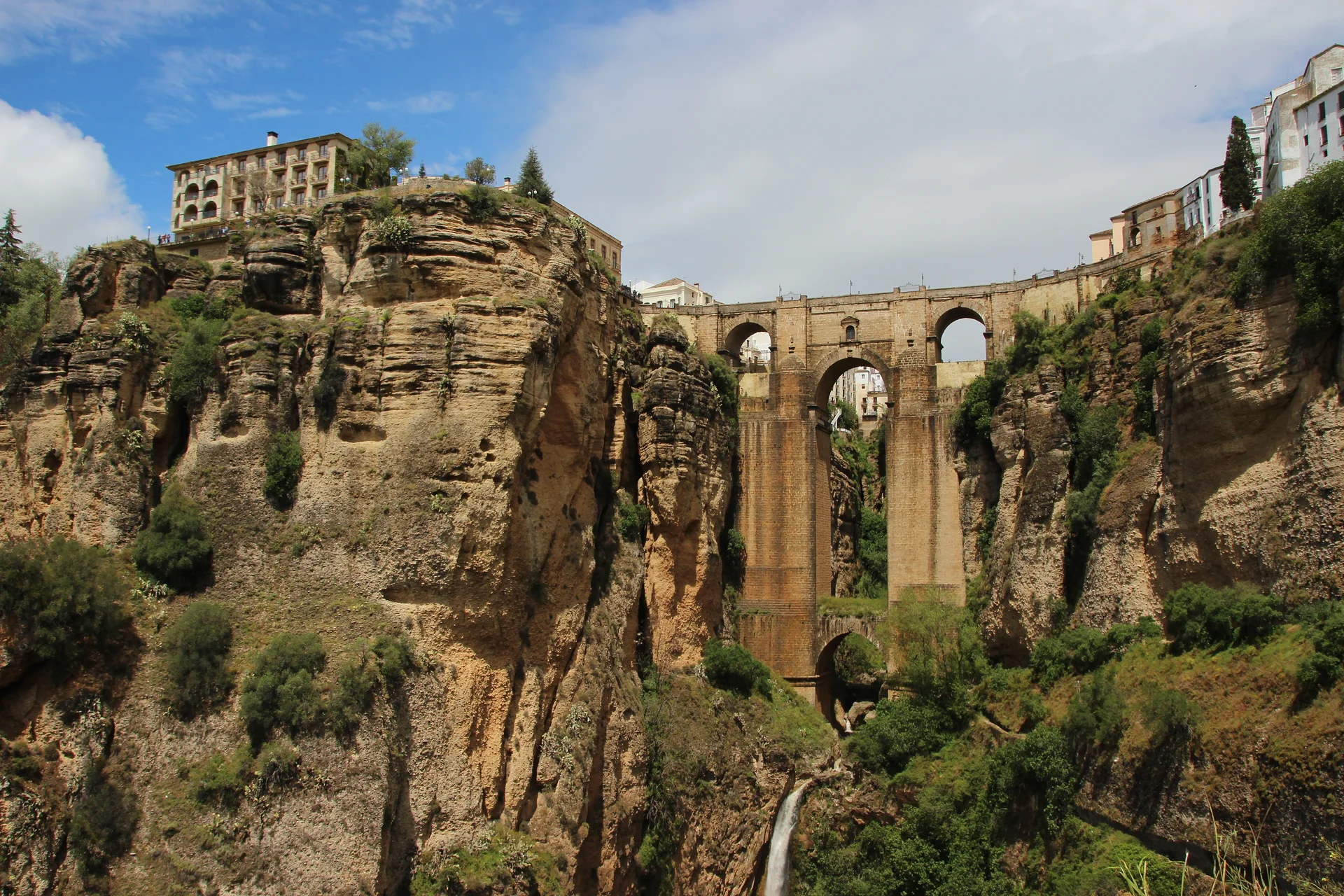
Whitewashed towns clinging to the slopes, from the Sierra de Grazalema to the coast at Nerja. You come for the light on the walls and the coves below the cliffs, not for monuments.
The classic mistake
Booking the Alhambra for the day after you arrive. Slots for the Nasrid palaces sell weeks in advance, and the ticket comes BEFORE the flights. Everything else can be arranged afterwards.
Our itineraries in Andalusia
| Length | Route | What you see |
|---|---|---|
| Long weekend (4 days) | Seville › Córdoba | Alcázar and Mezquita |
| 1 week | Seville › Córdoba › Granada | The three Andalusian capitals |
| 10 days | Seville › Córdoba › Granada › Nerja › Malaga › Tarifa | Palaces, sierra and coast |
The high-speed line links Seville, Córdoba and Malaga in under an hour each, which makes the classic trio doable without a car. Granada is the exception: you reach it by bus or car from Seville, about three hours.
East to west or the other way round makes no difference, but avoid doubling back: Andalusian distances are counted in hours as soon as you leave the railway.
When to visit Andalusia
| Rating | Season | Weather | Crowds and prices |
|---|---|---|---|
| April, May, October | 20 to 28 °C, dry | Heavy, high prices in Holy Week | |
| March and November | 15 to 22 °C, some rain | Moderate, good prices | |
| December to February | 10 to 17 °C, mild | Light, skiing in the Sierra Nevada | |
| July and August | 35 to 43 °C in the valleys | Coast full, cities deserted |
Our advice
Aim for the second half of October: the heat has broken, so have the rates, and the patios are still in flower. And if you come in July, invert your days: sightsee before eleven and after seven.
Getting to Andalusia
-
1 By plane Fastest
Malaga takes direct flights from most British and Irish airports, Seville from the larger ones. Granada and Almería have thinner traffic. Malaga is the best served by a distance.
-
2 By train Simplest
if you are already in Spain, the high-speed line reaches Seville, Córdoba and Malaga from Madrid in two to three hours. The stations are in the city centres.
-
3 By car Most flexible
essential for the white villages, the Sierra de Grazalema and the coves of the Cabo de Gata, which no train reaches. Hire it on arrival rather than driving down.
Getting around Andalusia
Between Seville, Córdoba and Malaga, the train is enough and saves time. Everywhere else the car is the only answer: intercity coaches exist but run once or twice a day.
Worth knowing
Andalusian old towns are restricted-traffic zones, monitored by camera. A fine is issued automatically, even when you are only reaching your hotel: ask them to register your plate before you drive in.
What to eat in Andalusia
- Salmorejo: the cold tomato and bread soup of Córdoba, thicker and richer than gazpacho, served with hard-boiled egg and ham.
- Pescaíto frito: small fried fish from the coast, flour, very hot oil, lemon. Eaten at a chiringuito, feet almost in the sand.
- Jamón ibérico: Iberian-breed pork, raised in the dehesa and acorn-fed for the best cuts. Sliced by knife, never by machine.
- Tortilla de camarones: a fried fritter of tiny shrimp, a speciality of the bay of Cadiz, crisp and translucent.
- Sherry: the wine of Jerez, from bone-dry fino to syrupy pedro ximénez. The bodegas of Jerez de la Frontera run visits and tastings.
- Pringá: the leftovers of the Andalusian stew, pressed into a soft roll. The next day's dish, and often the best thing on the menu.
- Piononos: small cakes from Santa Fe, near Granada, soaked in syrup and topped with torched cream.
The hours are not negotiable: kitchens open around two for lunch and around nine for dinner. Turning up at seven means empty rooms and cold stoves.
Where to stay in Andalusia
| Area | Good for | Worth knowing |
|---|---|---|
| Seville, Santa Cruz | Everything on foot, Alcázar and cathedral | Expensive and noisy on festival nights |
| Seville, Triana | Flamenco, neighbourhood tapas | Quieter, ten minutes' walk from the centre |
| Granada, Realejo or Albaicín | Alhambra, steep lanes | The Albaicín is climbed on foot, bring the legs |
| Córdoba, Judería | Mezquita, patios | Two nights are enough |
| Cabo de Gata | Coves, coastal walking | A car is essential, few shops |
How much does a trip in Andalusia cost?
| Style | Length | Budget per person |
|---|---|---|
| Budget (hostel, tapas, regional trains) | 7 days | €400 to €550 |
| Comfortable (hotel, restaurants, monuments) | 7 days | €850 to €1,300 |
| High-end (parador or boutique hotel, notable tables) | 7 days | €2,000 to €2,800 |
- Holy Week and the Feria: in Seville, accommodation rates double and sometimes triple across those two weeks.
- Tapas in Granada: a drink ordered comes with its tapa, at no extra charge. Two rounds make a dinner.
- Monuments: Alhambra, Alcázar, Mezquita and cathedral each charge separately. Count them in, they weigh as much as a night.
- The menú del día: at midday on weekdays, a full meal with a drink costs a fraction of the evening menu.
- The car: pointless along the railway, it becomes a heavy line the moment you keep it for the whole trip.
Traditions and way of life in Andalusia
Flamenco was not born on a stage but in the courtyards of Triana and Jerez, and it keeps that origin: what you hear in a tablao for visitors and what happens in a neighbourhood peña do not carry the same weight. Purists separate the cante, the toque and the baile, and know that the singing comes first.
Andalusian Spanish swallows its final consonants and has its own vocabulary, to the point that Spaniards from the north sometimes ask again. It is not a careless accent: it is an old variant, the one that crossed the Atlantic and is heard again in Latin America.
One custom to know, in Granada above all: the tapa that comes with your drink is free, and it changes with every round. You don't choose it, you don't order it, and refusing it is rude. In the rest of Andalusia it is paid for, and the menu says so.