

Visiting Almeria, a blend of history, nature, and beaches
Located on the southern coast of Spain, Almeria is a destination that pairs deep heritage with sun-drenched beaches and distinct natural landscapes. It flies under the radar compared to Seville or Granada, yet this Andalusian city offers plenty for those seeking a more grounded, authentic experience. Here is a look at the highlights that could make your trip memorable.
History shaped by Arab influence
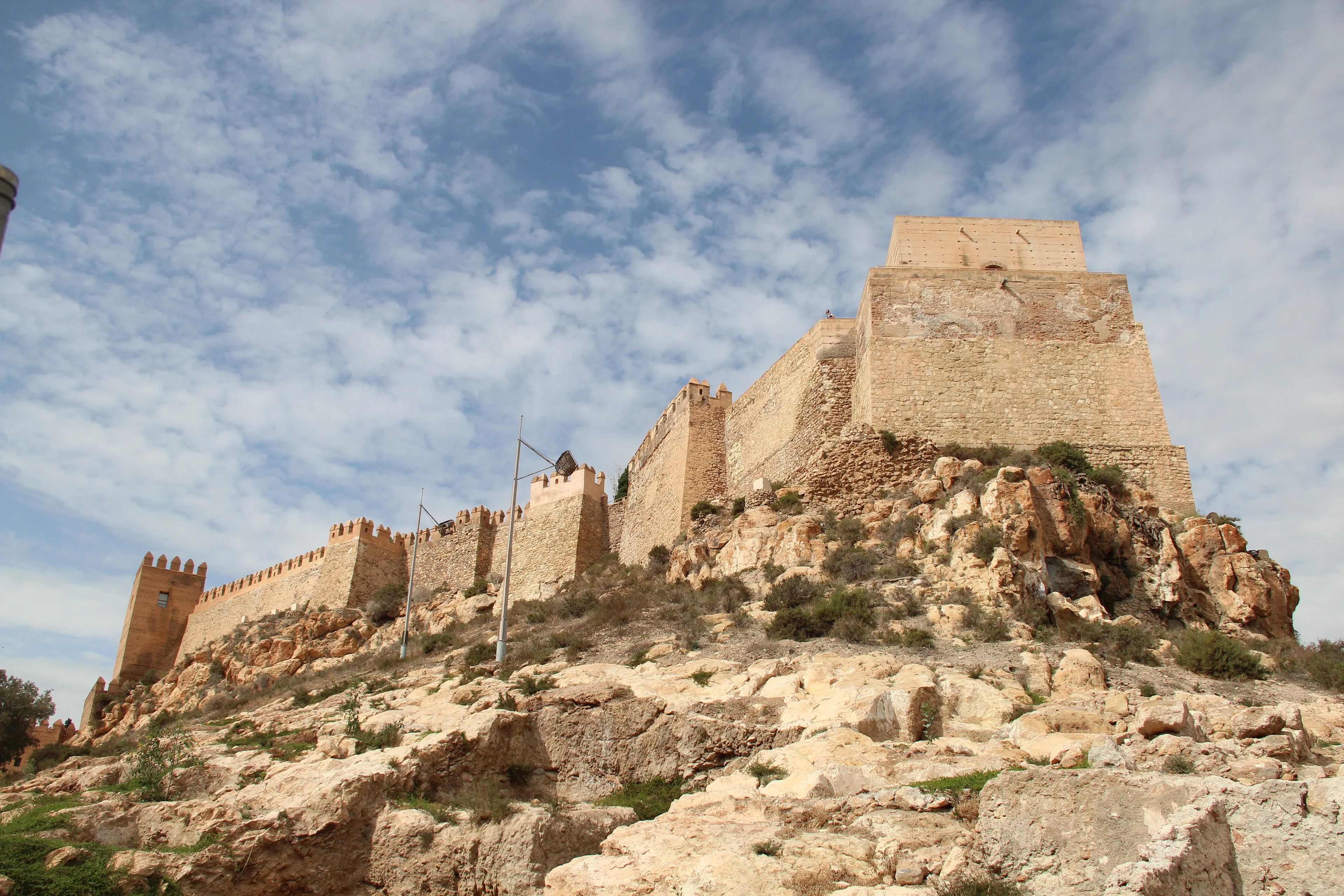
Almeria remains tied to its Moorish past, best exemplified by its architectural crown jewel: the Alcazaba. This massive 10th-century fortress offers high-ground views over the city and the Mediterranean. Wander through the gardens and along the ramparts, remnants of the era when Almeria served as a prosperous trade hub during the Caliphate of Cordoba. Nearby, the Almeria Cathedral stands as a hybrid of a house of worship and a defensive bastion, notable for its Gothic and Renaissance design.
Beaches for every mood
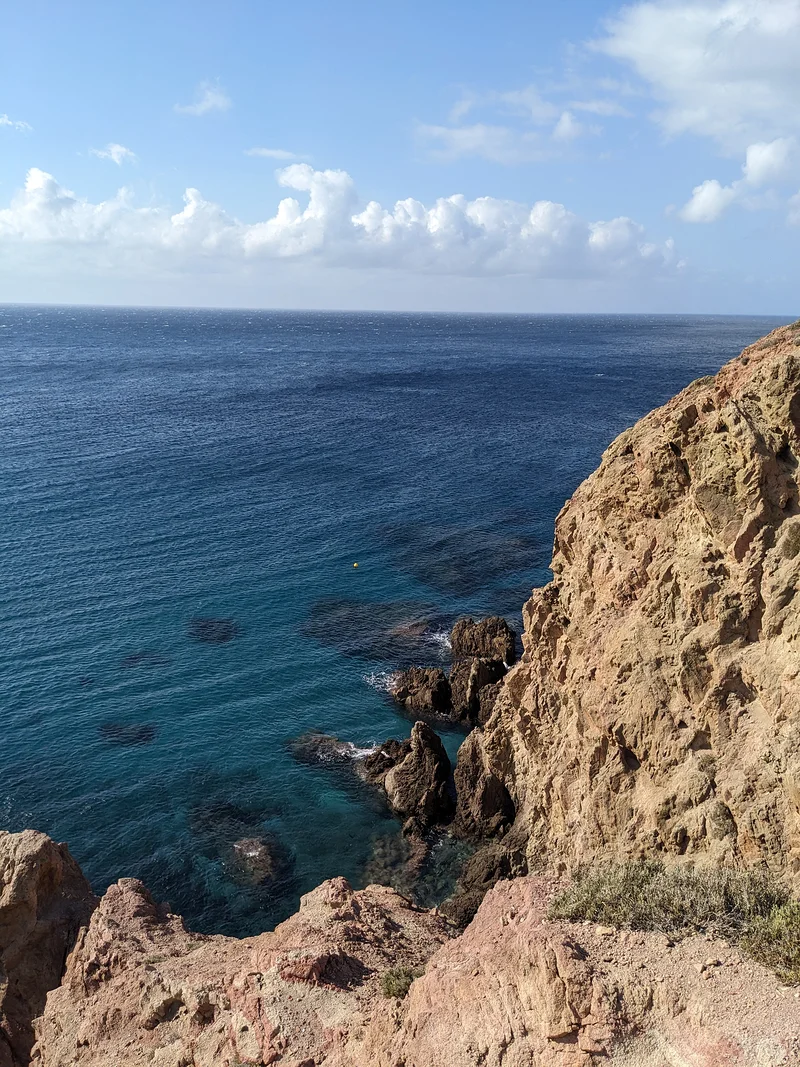
Almeria is a magnet for beachgoers. Playa de las Almadrabillas, just steps from the city center, works well for a quick swim or an evening stroll. If you prefer quiet, head to the wilder stretches of the Cabo de Gata-Nijar Natural Park, located about 30 minutes away by car. Golden sands like Playa de los Muertos or secluded coves like Cala de Enmedio offer a genuine Mediterranean experience.
Dramatic landscapes
The area surrounding Almeria is packed with natural landmarks. Beyond the park at Cabo de Gata, the Tabernas Desert, the only true desert in Europe, provides stark, rugged scenery. This unique terrain served as the backdrop for many classic spaghetti westerns, some directed by Sergio Leone. You can even visit theme parks like Mini Hollywood to step directly into a Wild West movie set.
Flavorful and accessible dining
Almeria is a city where traditional Andalusian cooking meets the bounty of the sea. Lean into the local tapas culture by hitting the bars in the city center, where a small plate is often served alongside your drink. Don't miss the caldo quemado, a traditional fish soup, or the gamba roja de Garrucha, a prized local red prawn. The Mercado Central is the best spot to browse fresh, regional ingredients.
A town with local charm
What sets Almeria apart is its laid-back, approachable pace. It feels less like a tourist hub and more like a real Andalusian city. Walk the narrow streets of the La Chanca neighborhood, known for its colorful houses, or head to the Paseo Maritimo, a waterfront promenade perfect for catching the evening light.
When to go
The best time to visit Almeria is from April to June or September to October. These windows offer comfortable temperatures for exploring without the intense heat of midsummer. You will also find thinner crowds, making it easier to enjoy the beaches and natural sites at a relaxed speed.
How to get there
For US travelers, the most efficient route is to fly into a major European hub like Madrid or Barcelona, then connect to the Almeria Airport (LEI). Once you land, renting a car is the best way to explore the surrounding coast and desert. Alternatively, you can take a train or bus from Madrid or Malaga, which allows you to see more of the Andalusian countryside along the way.
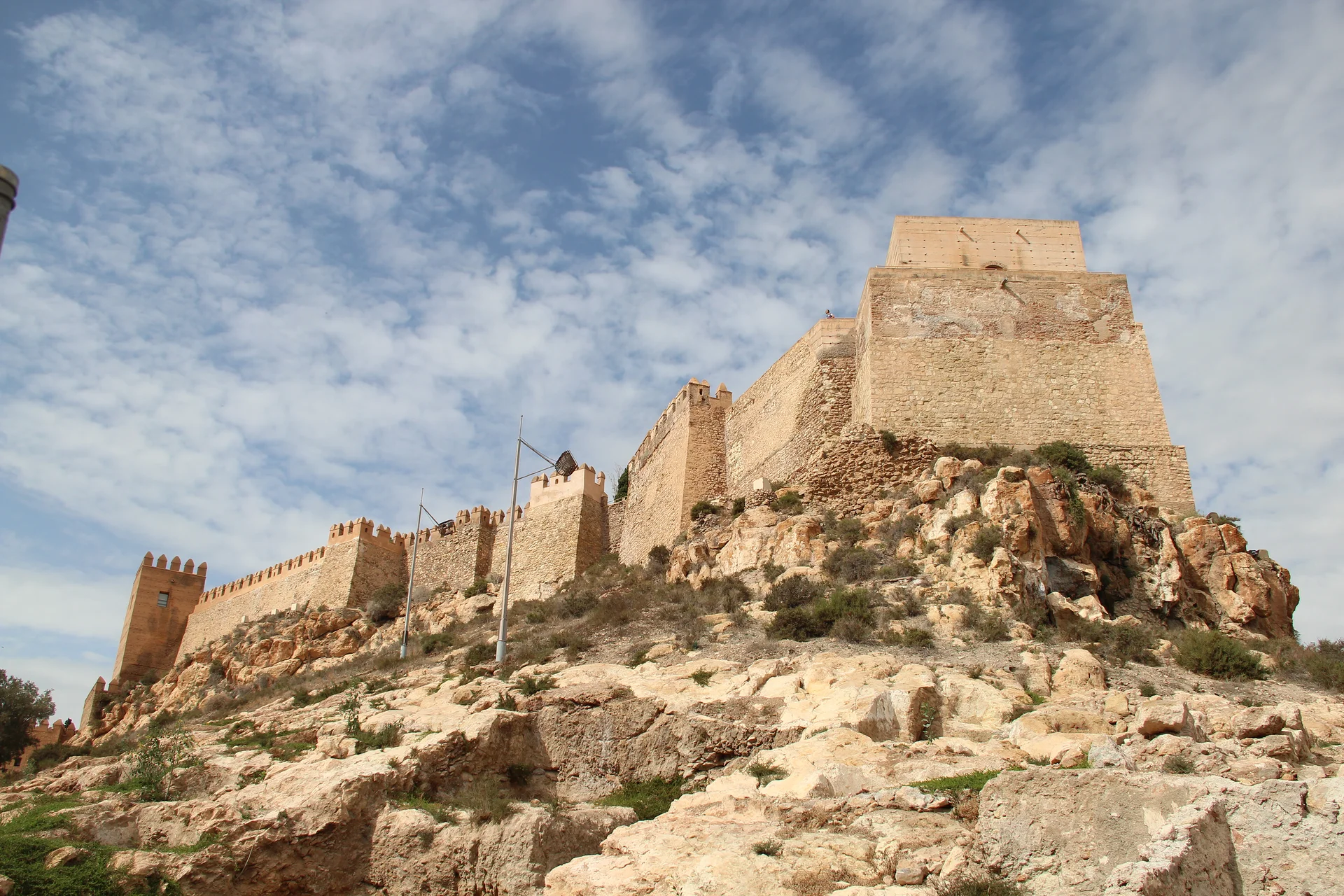
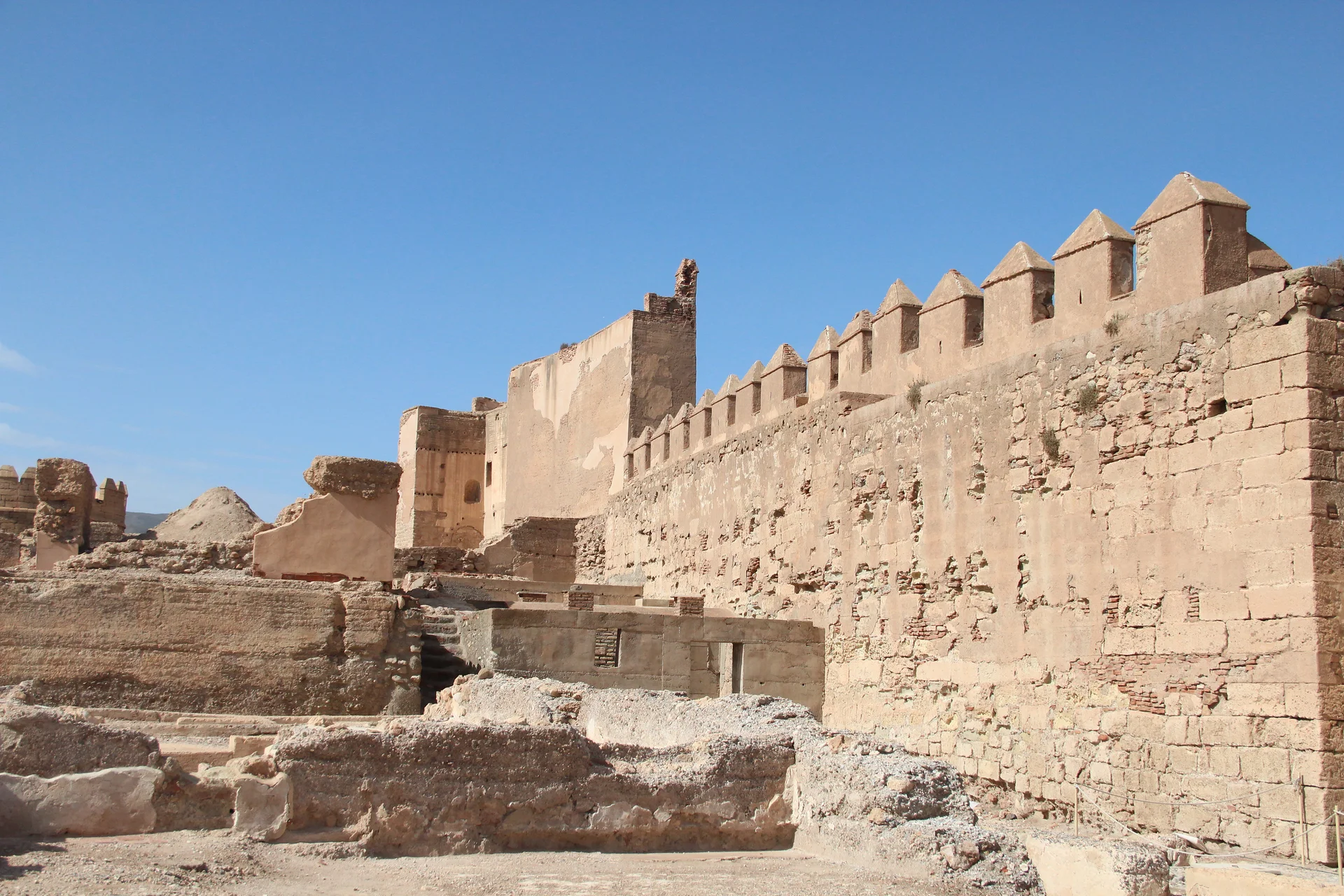
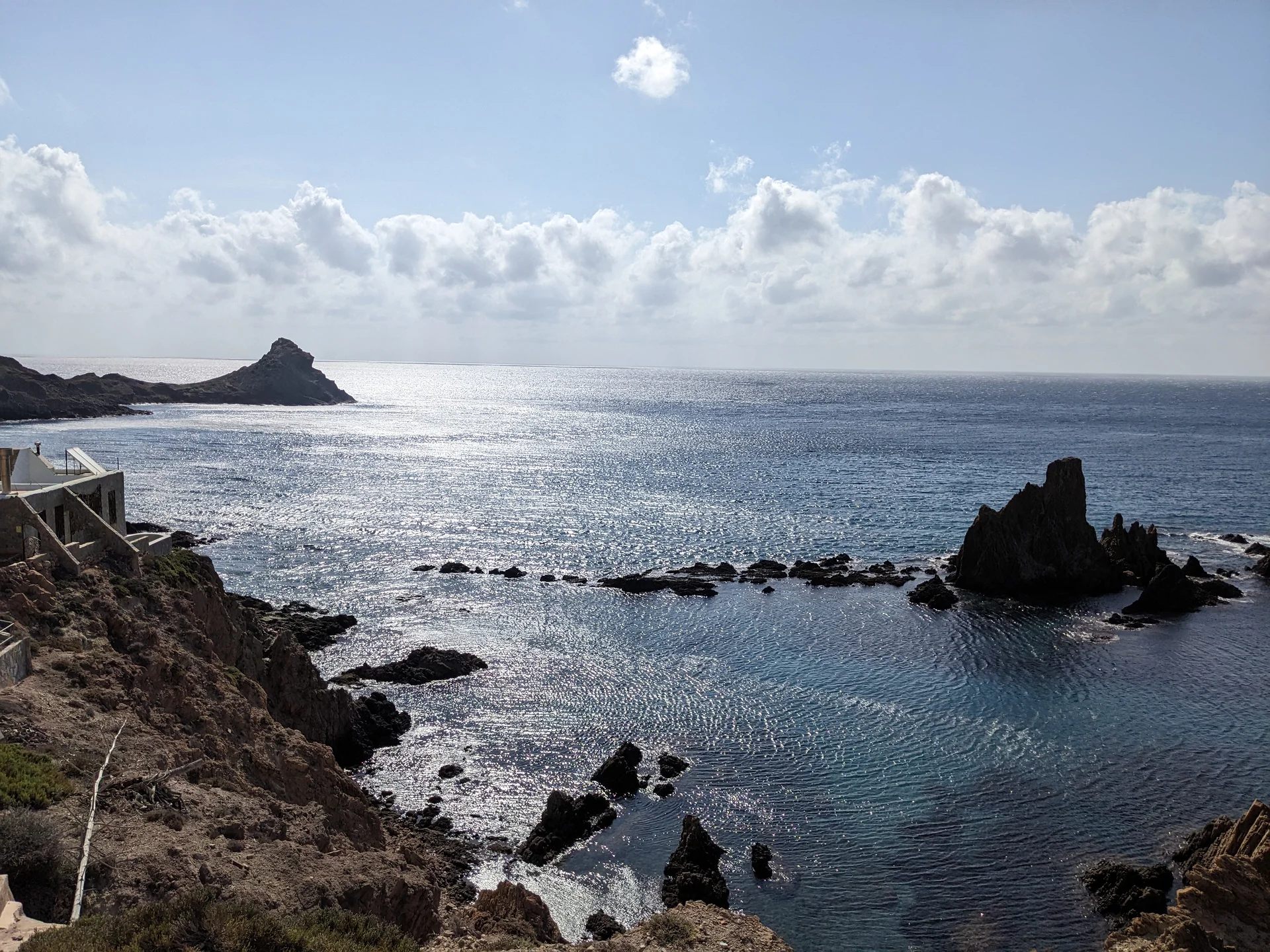
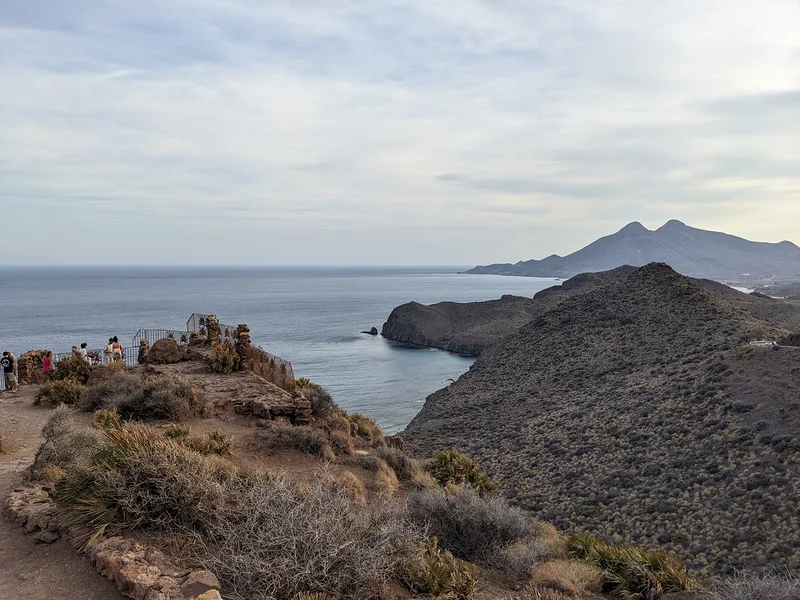
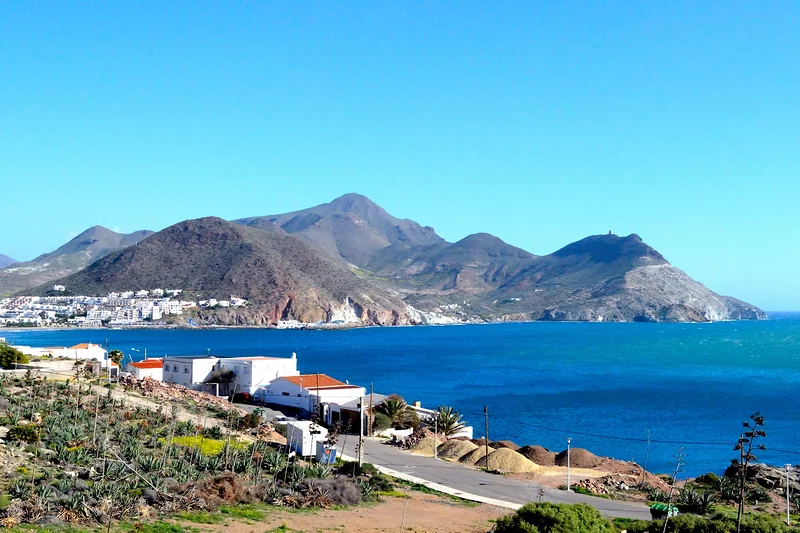
Small town with a few monuments, like its cathedral or its Alcazaba, located near the Cabo de Gata nature reserve.
From there on, less concrete, less plastic (those massive greenhouse crops are just horrible).
It is also where I was able to eat tapas with the best value for money between Malaga, Granada, Nerja and San Jose.