
Visiting the Alcazaba of Almeria, a remnant of the Arab presence
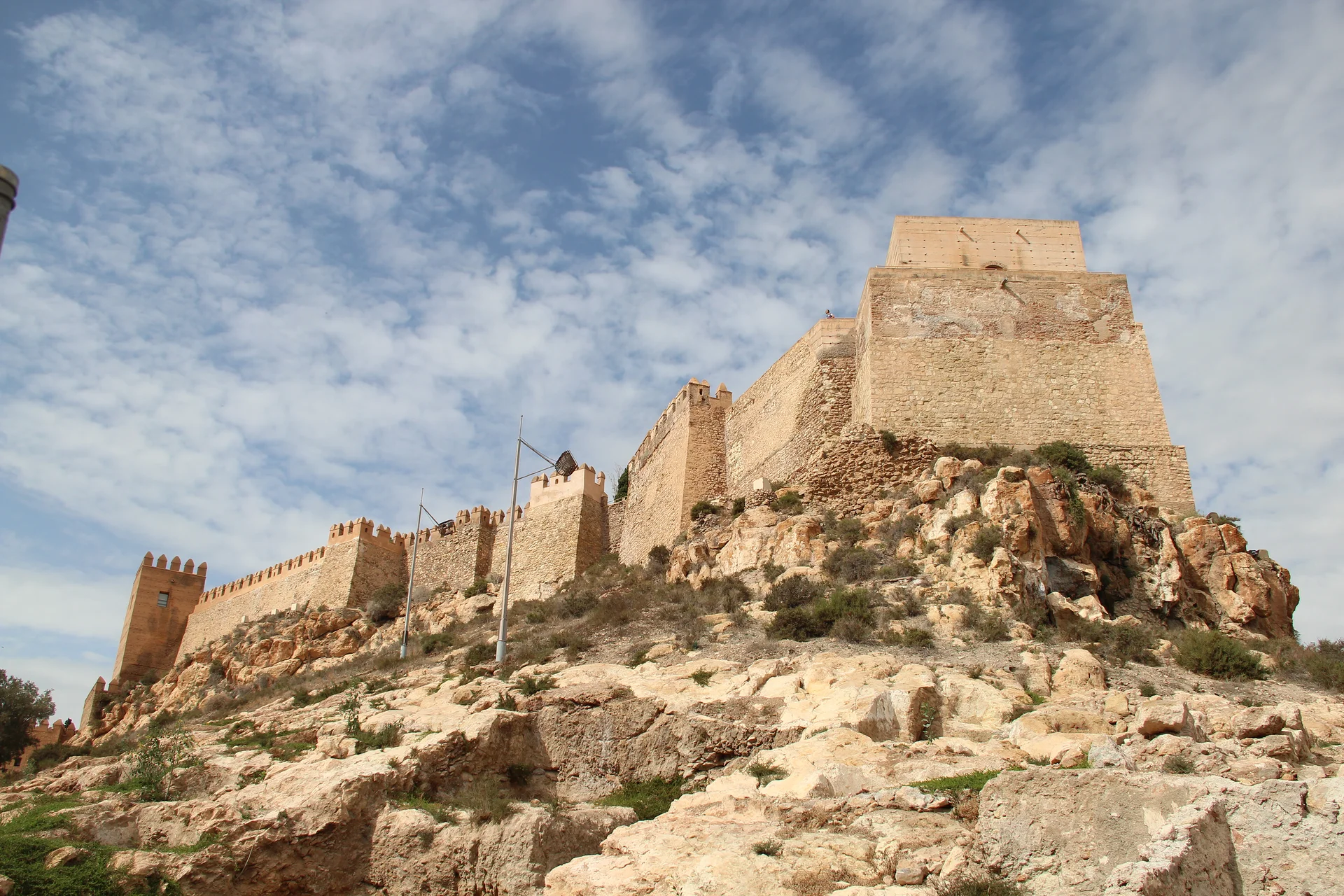
Dominating the city of Almeria, the Alcazaba stands as one of the largest fortified complexes in Spain and a primary symbol of its Andalusian heritage. Built in the 10th century during the reign of Abd al-Rahman III, this monument is defined by its architecture, gardens, and expansive views of the Mediterranean. Here is why this fortress is a necessary stop during your trip.
Architecture across the centuries
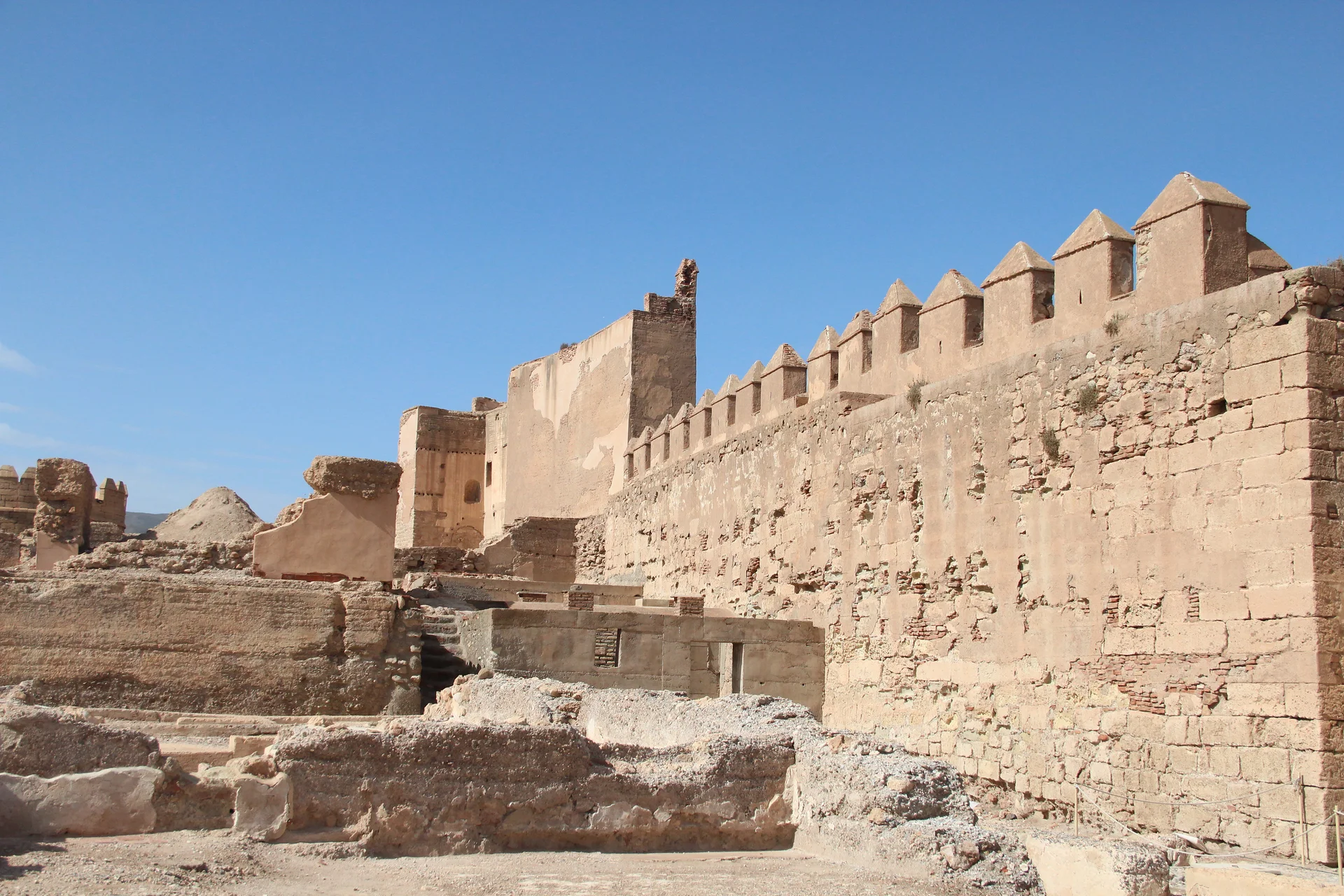
The Alcazaba reflects the turbulent history of the region. Its three fortified enclosures, each constructed during different eras, show both Arab and Christian influences. The first enclosure, which is the oldest, served as a refuge for the population during attacks. The second once housed palaces, baths, and lush gardens, illustrating the sophistication of the period. Finally, the third enclosure, added after the Reconquista (the centuries-long Christian reconquest of the Iberian Peninsula), marks the transition toward Christian military architecture.
Gardens and expansive views
Inside the Alcazaba, carefully landscaped gardens offer a quiet space. Reflecting pools, a central element of Islamic architecture, create a serene atmosphere perfect for walking. Make sure to climb to the ramparts for wide views over Almeria, its port, and the Mediterranean Sea.
A site steeped in history
The Alcazaba has witnessed numerous historical events, from Muslim conquests to the Reconquista. Today, it houses archaeological remains that document these past eras. During your visit, information panels will help you understand the strategic and cultural importance of this site.
Opening hours
- November to March: 9:00 AM to 6:30 PM
- April to October: 9:00 AM to 8:30 PM (closing at 11:00 PM on Fridays and Saturdays, from mid-June to August)
*Information subject to change