
Tarifa, where Europe ends and the wind never stops
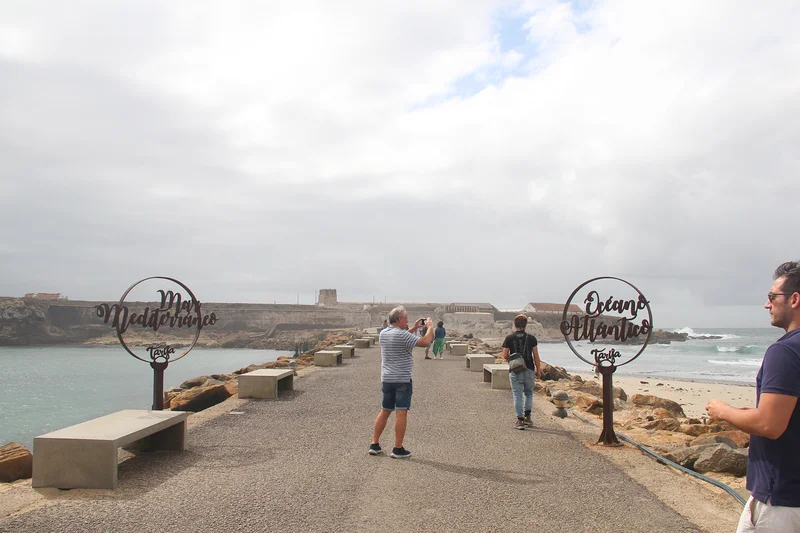
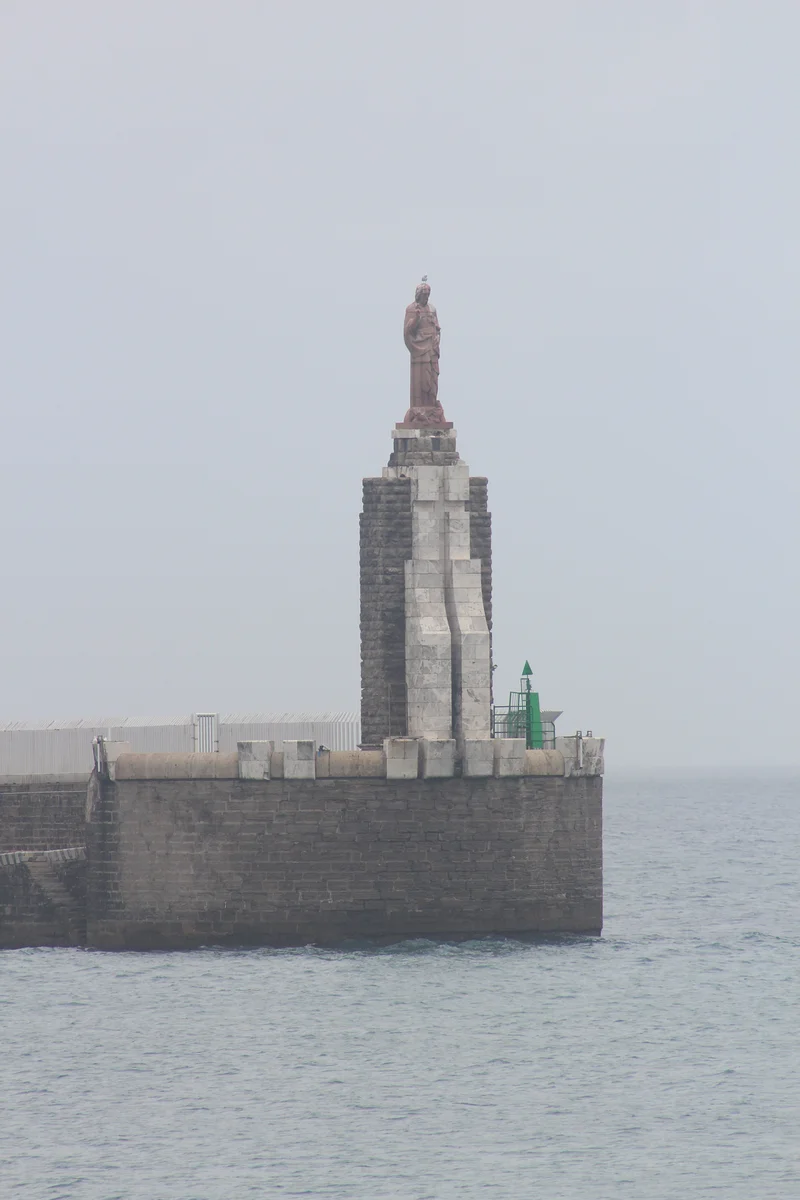
Nine miles. That is all that separates the southern tip of Spain from the coast of Morocco. On a clear day from the Isla de las Palomas, you can clearly make out the Rif mountains and the lights of Tangier. This close proximity to Africa has shaped the town history, its Arab influenced architecture, and even its name. Tarifa comes from Tarif ibn Malik, a Berber commander who landed here in 710.
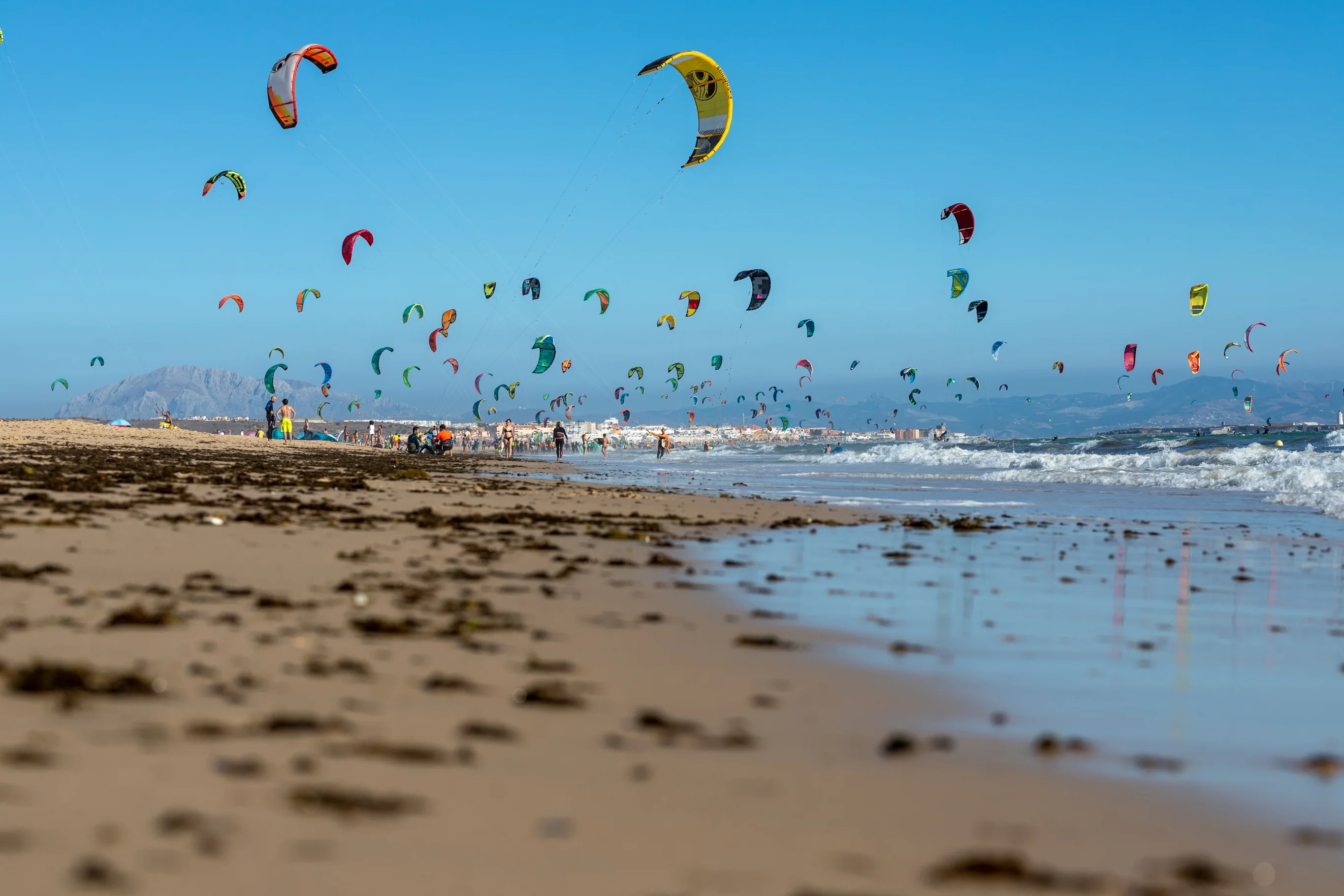
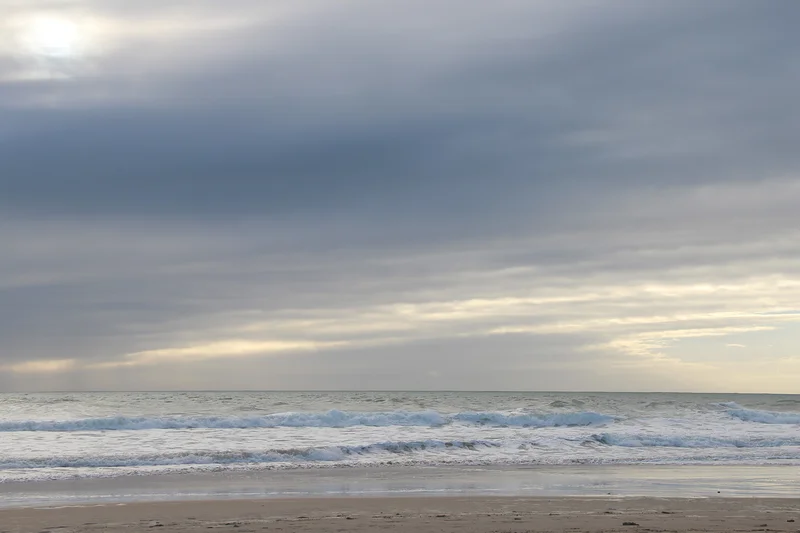
Yet what truly defines this small Andalusian town is the wind. Three hundred days a year, the Levante blows from the east with gusts that can exceed 45 mph, or the Poniente arrives from the Atlantic with an almost predictable regularity. This phenomenon transformed a quiet fishing village into the kitesurfing capital of Europe.
The mecca of kite, and much more
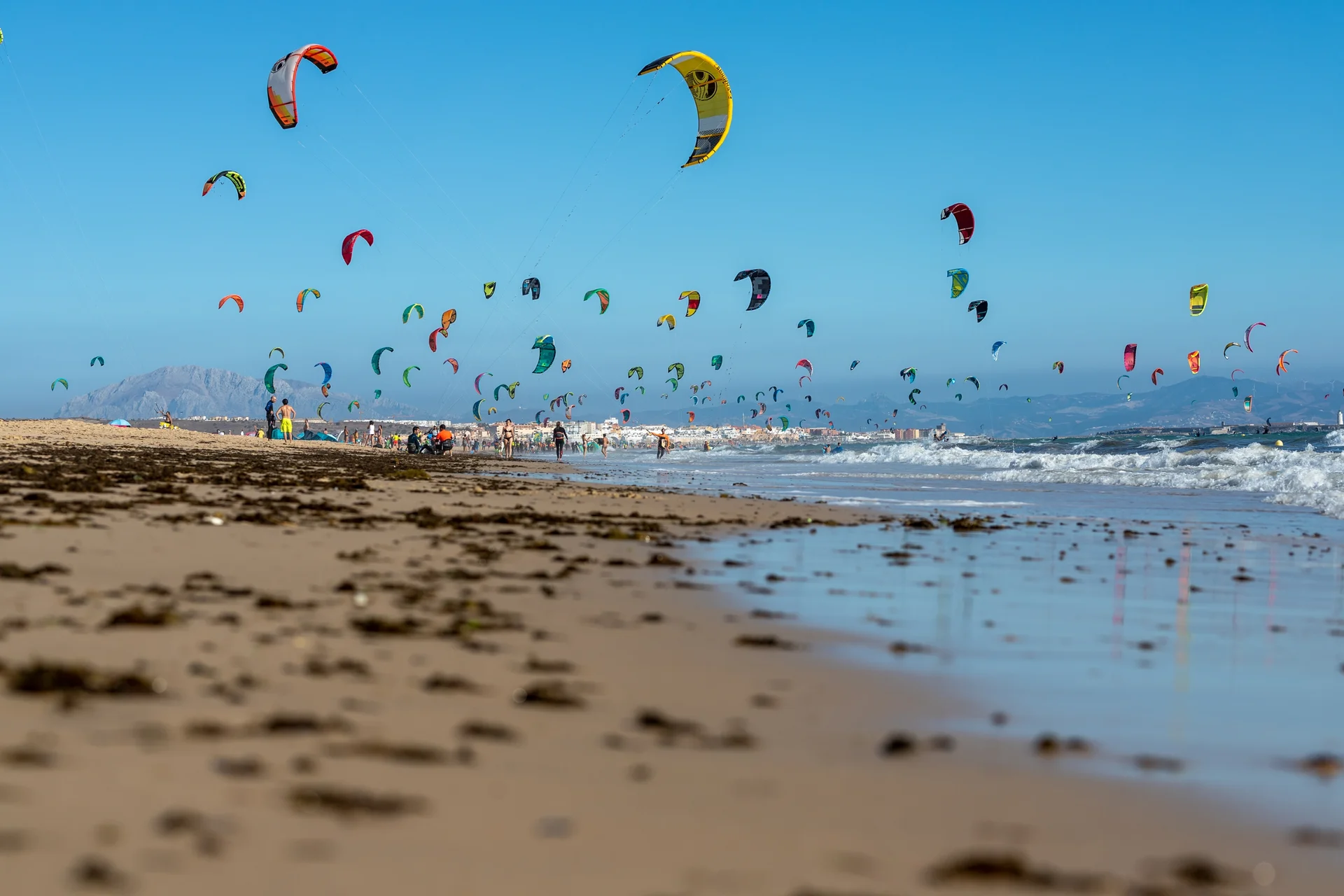
Kitesurfers make up a huge share of visitors, and the local economy has adapted entirely. Kite schools on every corner, specialty shops, and bars where people talk knots just as much as tapas. If you do not kite, certain days can feel endless when the Levante shuts down any beach activity. The sand flies, beach umbrellas blow away, and swimmers clear out.
Those looking for something beyond watersports will find spectacular Roman ruins, a whitewashed old town, some of the finest beaches in Spain, and the chance to hop on a ferry across to Morocco for the day. Having a car helps enormously for exploring the surrounding beaches and the Parque Natural del Estrecho. Parking in town turns into a nightmare during the summer, so arrive early.
Moderate budget for Andalusia
Expect to pay between $68 and $135* a night for a decent place to stay in season. Meals run between $17 and $34* at restaurants in the center, and less at beach bars. An introductory kitesurfing lesson costs around $90* for three hours.
The beaches: six miles of white sand and wind
The beach of Los Lances stretches for nearly six miles from town all the way to Punta Paloma. It serves as the main playground for kitesurfers, with designated zones set up in summer. The wind blows almost constantly here. For a calm swim, aim for Poniente days when things are milder, or head to Playa Chica, a small protected cove near the port.
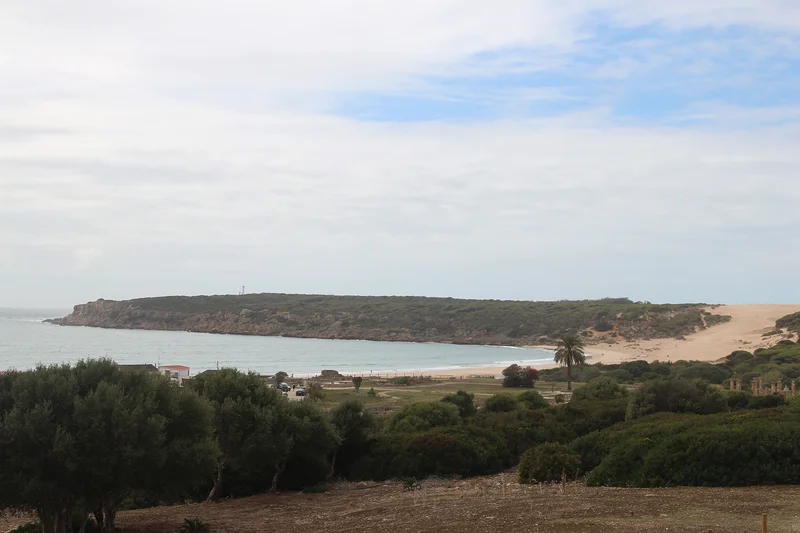
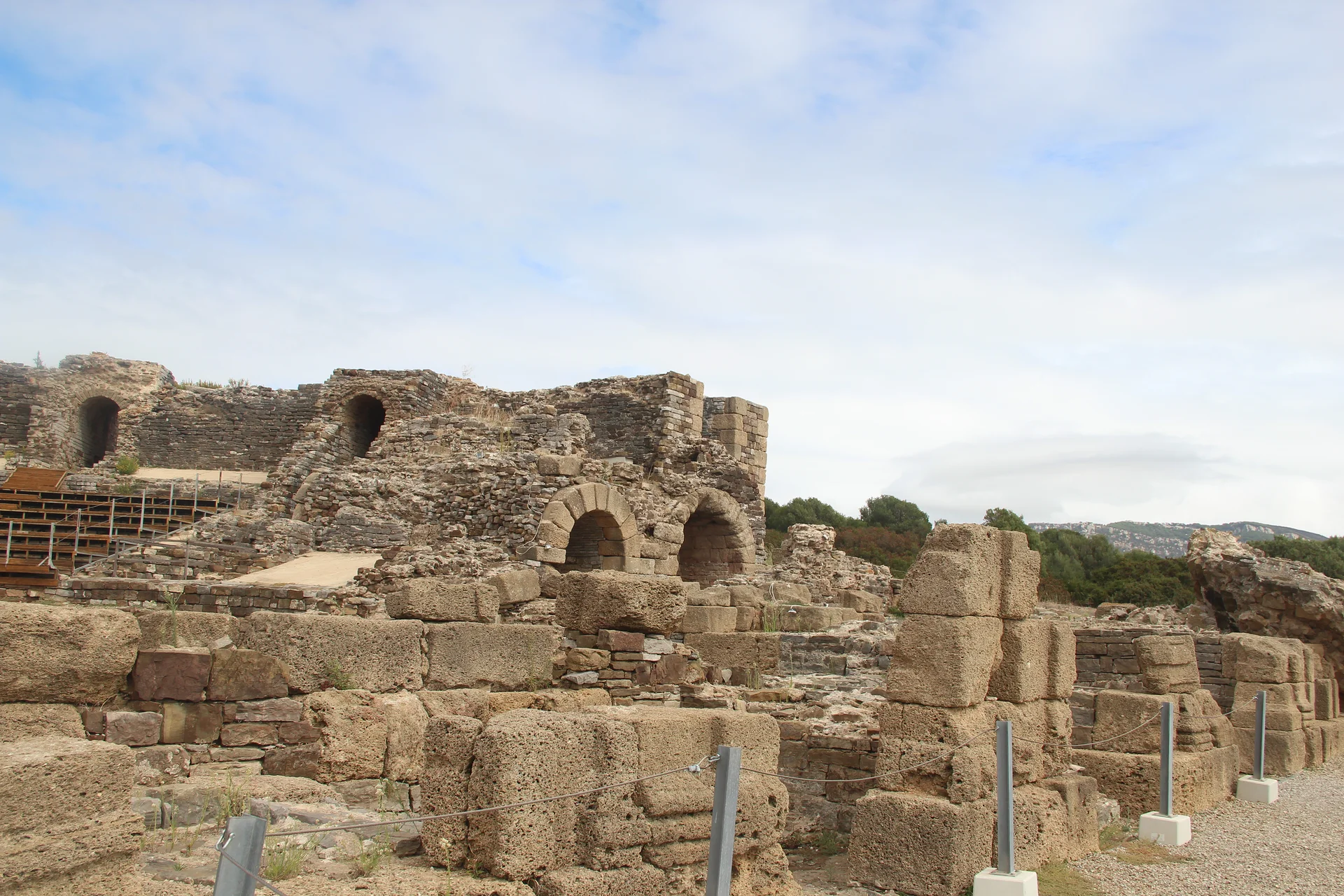
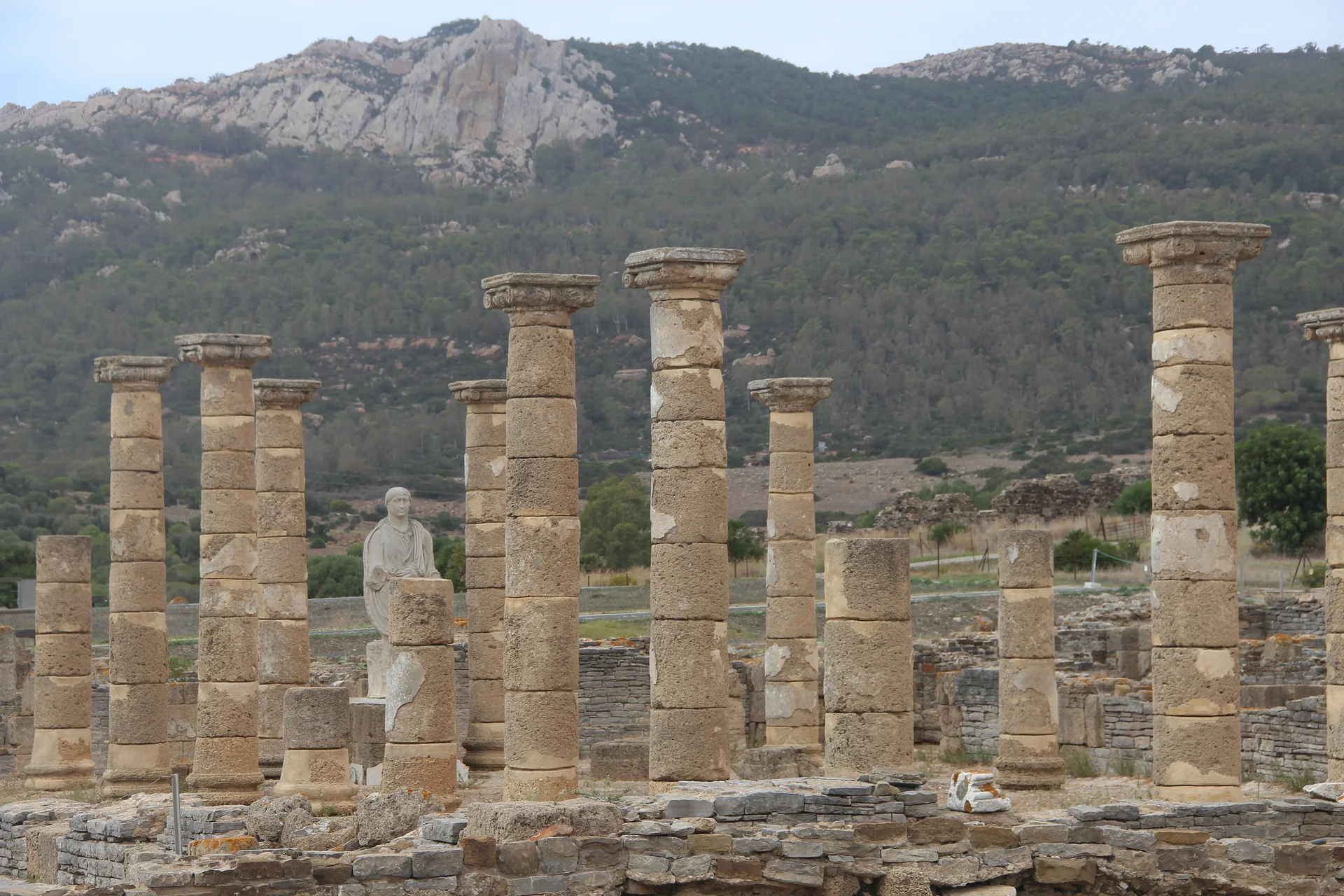
At Valdevaqueros, a 10-minute drive away, the vibe leans more party-oriented. Beach bars like Tangana and Tumbao draw an international crowd that tans by day and parties by night. The beach at Bolonia, 12 miles away, is worth the detour. Its massive 100-foot sand dune looms over a protected cove where the Roman ruins of Baelo Claudia sit right against the white sand.
Friendly tip: from mid-June to mid-September, kitesurfing is banned on most beaches before 8 PM. Only Los Lances Norte and Valdevaqueros remain open to riders all day long.
Baelo Claudia: Roman ruins facing Africa
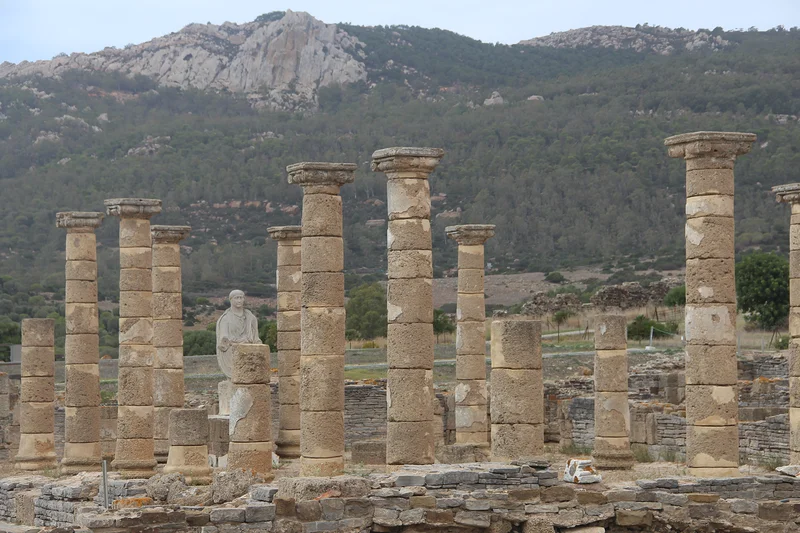
This ancient Roman city, founded in the 2nd century BCE, produced garum, a fermented fish sauce prized across the entire Empire. The remarkably preserved archaeological site reveals a forum, temples, a theater, thermal baths, and the vats used to prepare this specialty. A tsunami in the 3rd century hastened its decline.
The site museum displays artifacts recovered during excavations. Admission is free for European citizens. The setting alone justifies the trip, with ancient columns set against dunes and the sea, backed by the African coastline.
The old town: white alleys and late nights
The Puerta de Jerez, the only medieval gate still standing, marks the entrance to the old town. Narrow alleys weave without apparent logic between whitewashed houses and spilling bougainvillea. The late-gothic San Mateo church dominates the main square. The Castillo de Guzmán el Bueno, a 10th-century fortress, offers panoramic views over the strait and Morocco.
Nightlife starts late. Locals dine around 10 PM and head to clubs past 3 AM. Calle Batalla del Salado packs in surf shops, bars, and restaurants. The overall atmosphere stays laid-back, far from the mass tourism of the neighboring Costa del Sol.
Spotting cetaceans in the strait
The Strait of Gibraltar serves as a migration corridor for numerous cetacean species. Between March and October, boat trips offer chances to spot common dolphins, bottlenose dolphins, pilot whales, and occasionally killer whales or sperm whales. The FIRMM association, based at the port, runs two-hour scientific excursions. In summer, sightings are practically guaranteed.
Where to eat and drink in Tarifa?
Almadraba red tuna, caught using a centuries-old technique between April and June, stands out as the local specialty. It is prepared in multiple ways: encebollado with confit onions, grilled on a plancha, or as a tataki. Croquetas de chocos en su tinta, made with cuttlefish ink, appear on almost every menu. Tortillitas de camarones, tiny crispy shrimp fritters, pair perfectly with a pre-dinner drink.
In the old town, Bar El Francés serves Mediterranean food on a tiny but charming terrace. Mandragora dishes up excellent Moroccan fare in an oriental setting. Over in Bolonia, Restaurante Otero offers sweeping views of the Baelo Claudia ruins and makes a renowned regional shrimp salad.
Where to stay in Tarifa and around?
The old town offers the charm of traditional houses converted into small boutique hotels. Eole Tarifa features terrace rooms inside a character-filled building. Hostels like Ohana Tarifa draw budget-conscious kitesurfers. The Hurricane Hotel, right on Los Lances beach, pairs luxury with direct spot access.
Campgrounds line the coast one after another, offering oceanfront spots for vans and camper vans. In summer, book several weeks ahead because the small town draws huge crowds and accommodations fill up fast.
How to get to and around Tarifa?
Gibraltar airport sits 45 minutes away by car, Jerez is 1 hour and 30 minutes away, and both Malaga and Seville take roughly 2 hours. Buses connect Tarifa to Cadiz, Seville, Malaga, and Algeciras multiple times a day. The closest train station is in Algeciras, 12 miles away. From North America you connect through Madrid or another European hub into Malaga or Seville.
Once you arrive, having a car makes reaching the various beaches and Bolonia much easier. Free parking in town is nearly nonexistent. In summer, try your luck around the Jesús Nazareno neighborhood. Two ports face Morocco: Tarifa serves Tangier city itself, while Algeciras serves Tanger Med, 25 miles east of the city. Check the sailing schedule before you go, as it shifts with the season.
When to go?
Spring and autumn deliver the best conditions: steady wind for riders, pleasant temperatures for everyone else, and manageable crowds. Summer brings heavy traffic, high prices, and sometimes oppressive heat. Winter remains doable for experienced kitesurfers, but rainy days and freezing winds deter other visitors.
This small seaside resort town is a real favorite of mine.
I loved its location at the very south of the Iberian Peninsula, facing Morocco and the Strait of Gibraltar.
In addition to the beauty of the lively old town, it is a great spot for exploring the southern part of Andalusia.
Here you can even head out on a cruise to look for whales!