
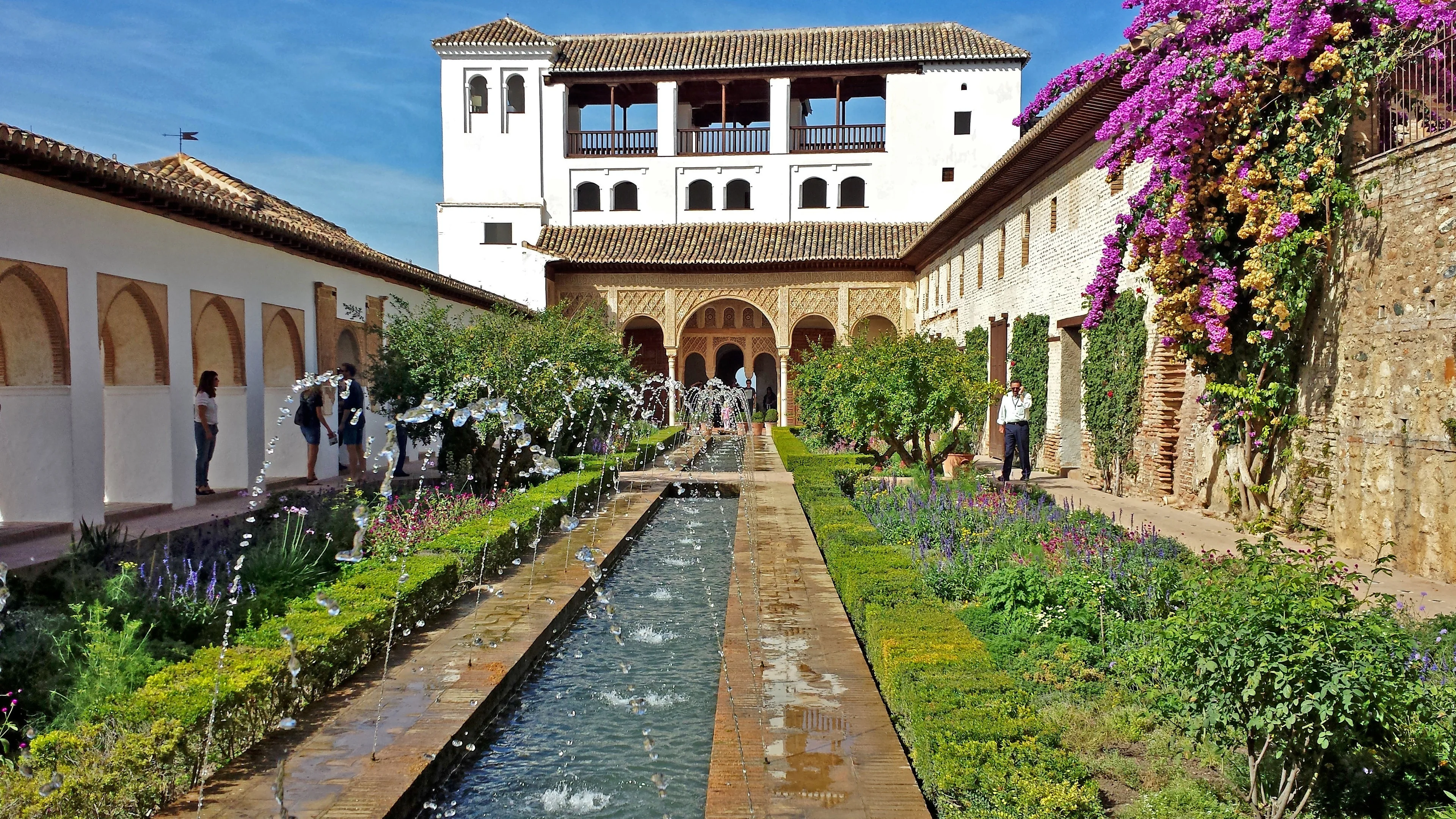
Where to stay in Andalusia: the 8 areas to know in 2026
In Andalusia, the season decides before the map does. Our reviews of Seville say so plainly: the city is not recommended in high summer, and exceptional in October. The three inland cities, Seville, Cordoba and Granada, are therefore for the cooler half of the year, October to May.
In summer the coast takes over, and it is not the same coast everywhere: the concrete of the Costa del Sol on one side, the near-empty coves of Cabo de Gata on the other. Second call, just as clear-cut: the city triangle runs on trains, the coast only works with a car. Eight areas below.
Compare hotel prices in Andalusia
In a hurry? Find the best accommodation deals in 3 clicks.
Compare live deals from Booking, Expedia, Agoda and other partners.
I would not recommend this city in the summer because it is so hot, but it offers plenty of things to do and see.
One base or several?
It all comes down to one call: the cities or the coast. Mixing them on a short trip costs you half-days in transit. Here is how we would split it by length of stay.
- A long weekend: Seville alone, three nights, or Granada alone. Both deserve three days, and the round trip between them would eat one.
- A week: The triangle: three nights in Seville, one in Cordoba, three in Granada. All by train, no car, outside July and August.
- Ten days: The triangle plus one coast. Add Cabo de Gata after Granada if you rent a car, Cadiz after Seville if you stay on the train.
- Two weeks: Both coasts, either side of the triangle: the Atlantic to the west, Cabo de Gata to the east, and Ronda on the road between Seville and Malaga.
How much driving between two bases?
By train where there is one, otherwise by car. The high-speed line links the big cities; the coast and the white villages have no useful station.
| Route | Driving time | Good to know |
|---|---|---|
| Séville → Cordoue | 45 min | High-speed, several an hour |
| Cordoue → Grenade | 1 hr 30 | Direct train |
| Séville → Grenade | 2 hr 30 | Direct train |
| Séville → Malaga | 2 hr | By train |
| Cordoue → Malaga | 1 hr | High-speed |
| Séville → Cadix | 1 hr 40 | Regional train |
| Malaga → Nerja | 1 hr 15 | By coach or car, no train |
| Malaga → Ronda | 1 hr 40 | Via the mountain road |
| Grenade → San José | 2 hr 30 | By car, through Almería |
| Cadix → Tarifa | 1 hr 15 | By car or coach |
At a glance: our picks by traveller type
Pick the profile that fits you and go straight to the recommended area.
Map of the areas in Andalusia
See how the areas sit relative to one another before choosing your base. Click a name to jump to its description.
Seville The Andalusian capital
for the densest center in the region, outside the hot months
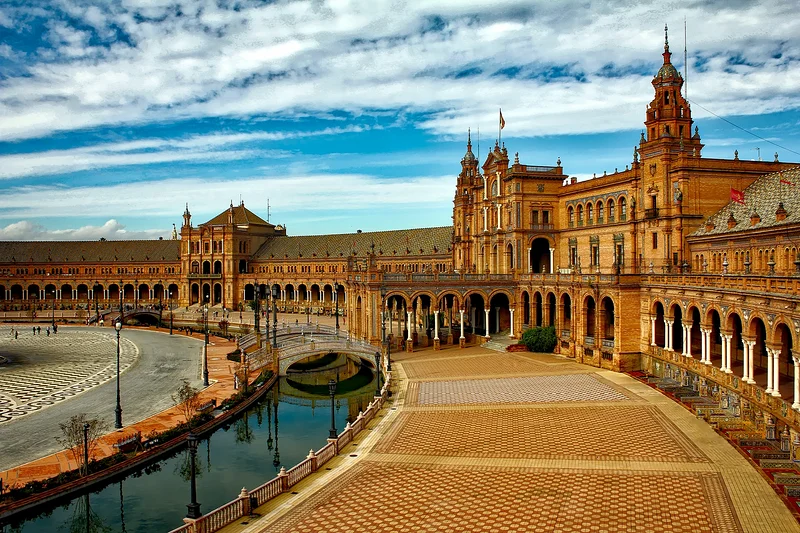
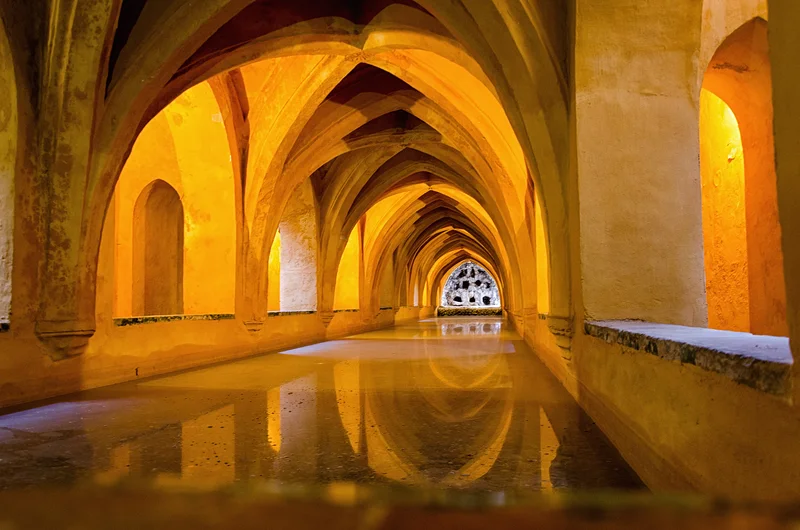
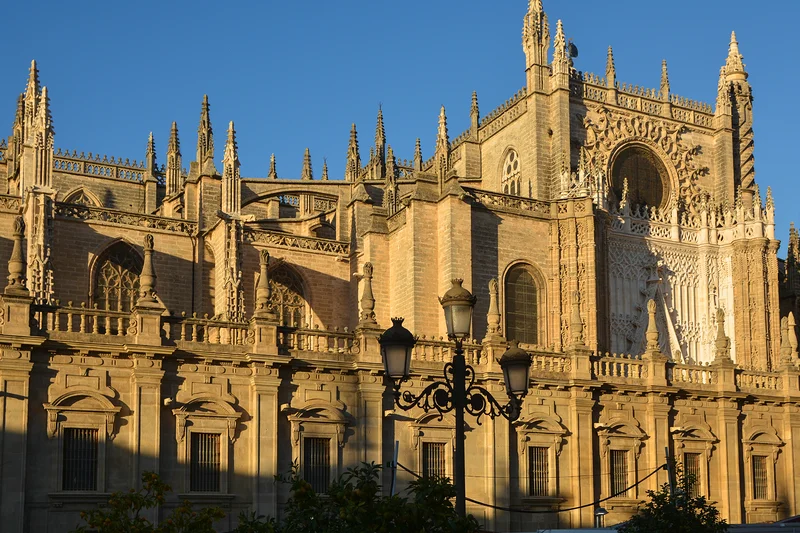
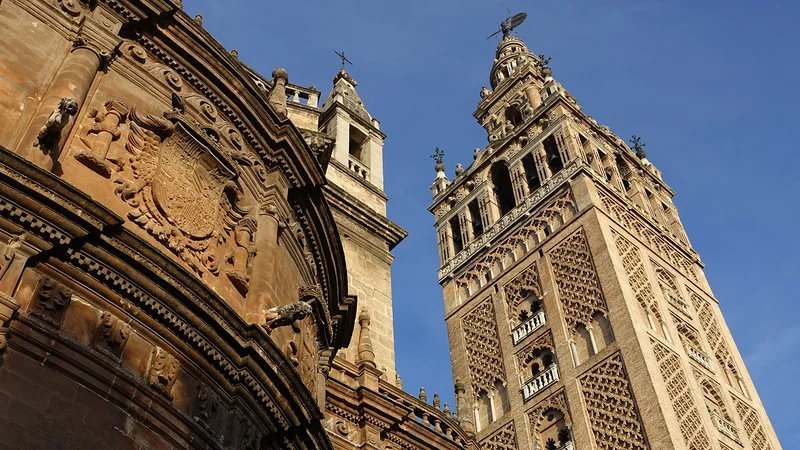
Eleventh city in our ranking out of more than fifty thousand, and the first in Andalusia: the Alcázar, the cathedral and its Giralda, the Plaza de España and the lanes of Santa Cruz all sit within a perimeter you cross on foot. Our members warn about two things: the historic center is small, and summer heat is a real issue here.
Seville, in the south of Spain, is a magnificent city. You can really feel the influence of Moorish culture there, as much in the intricate architecture as in the rhythm of daily life and the local customs.
The towns in this area
What to see and do in this area
Where to stay in this area
Hotel Alfonso XIII, a Luxury Collection Hotel, Seville Luxury
A five-star from 1928, Mudéjar down to the patio, next door to the Reales Alcázares and the cathedral. The city's historic address, and the closest to what you came to see.
Hotel Las Casas de la Judería Mid-range
A string of old houses linked by patios, right in Santa Cruz. You get a little lost in it, which is exactly what you came to the quarter to do.
Hotel Cervantes Budget
In the old town, a few streets from Las Setas and the center. The trade-off that keeps three Seville nights without spending the trip budget on them.
Pros
- The whole historic center on foot
- Forty-five minutes by high-speed train to Cordoba
Cons
- A summer heat our reviews advise against
- A small old center, quickly surrounded by ordinary blocks
Cordoba North, on the Guadalquivir
for a single sight, but one that justifies the trip
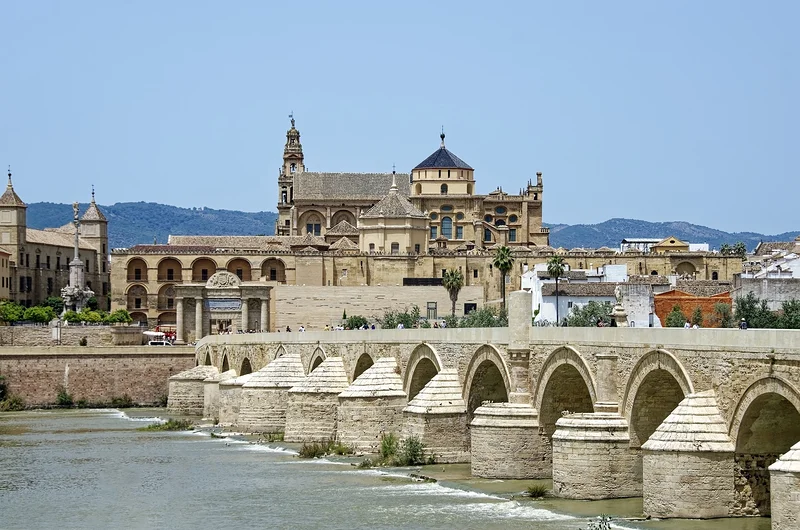
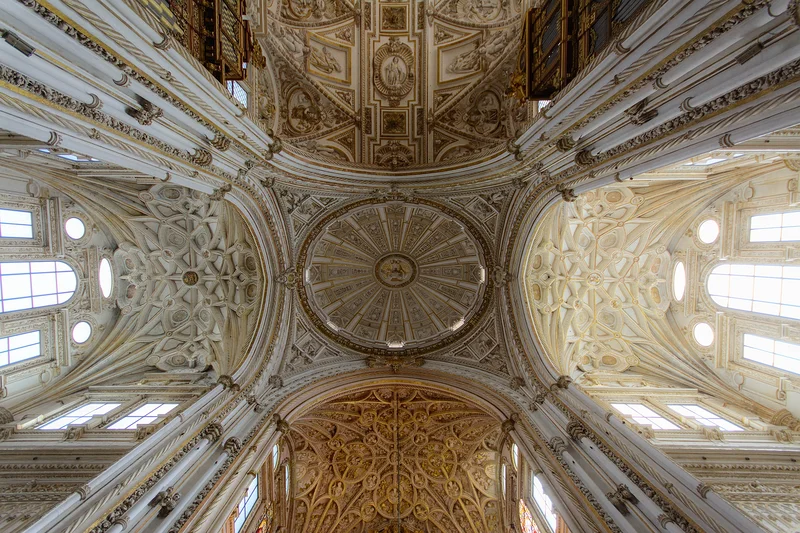
A city for one monument: the Mosque-Cathedral, eight hundred columns under a cathedral dropped in the middle, is the highest-rated thing to do in the province. Around it, the Judería and its flowered patios take a day. Forty-five minutes by high-speed train from Seville, an hour from Malaga: it is the easiest city to slot between two others.
An important city in Andalusian history that has kept its heritage from the past very well. Worth seeing for at least a weekend.
The towns in this area
What to see and do in this area
Where to stay in this area
Hotel Balcón de Córdoba Luxury
Some twenty meters separate its terraces from the Mosque-Cathedral. Small, old, with archaeological remains in the walls: the highest-ranked address in town.
Las Casas de la Judería de Córdoba Mid-range
Houses of the Judería gathered around patios and a pool, a few minutes' walk from the monument.
Hospes Palacio del Bailío Luxury
A 16th-century palace built over Roman baths, which you cross on a glass floor. Gardens, a spa, and the center ten minutes away.
Pros
- Forty-five minutes by high-speed train from Seville
- An entire listed old center, on foot
Cons
- A city you exhaust fast if you stay more than two days
- The patios in bloom means May, and only May
Granada and the Alhambra At the foot of the Sierra Nevada
for the highest-rated monument in the guide, and tapas still thrown in
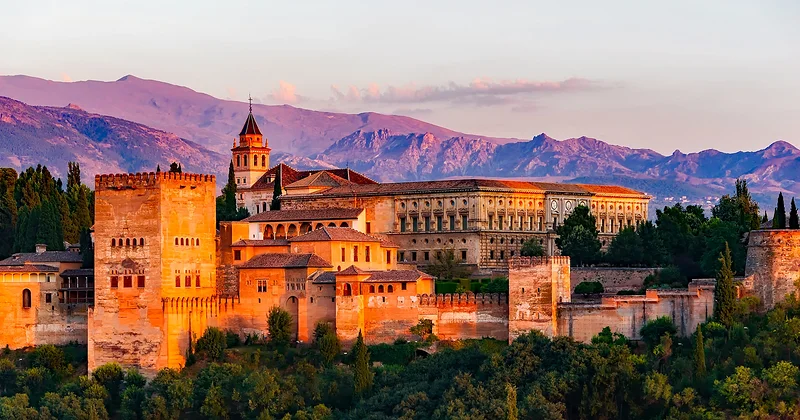
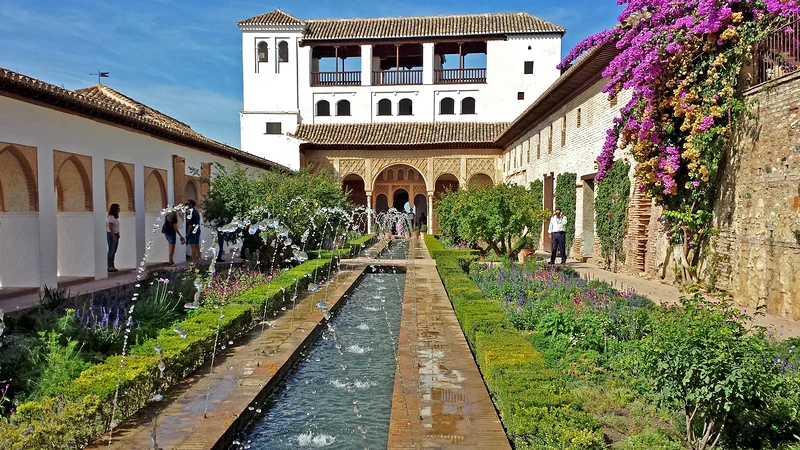
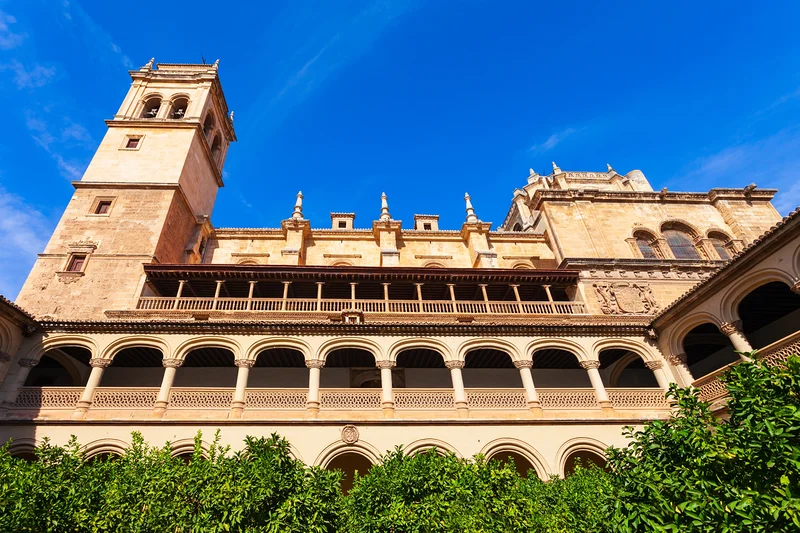
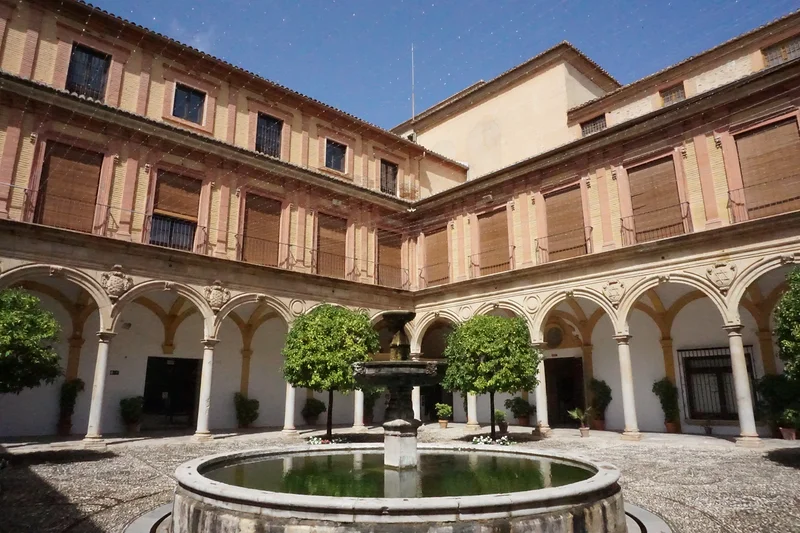
The Alhambra is the most recommended thing to do in the whole region on the site, with the Generalife, the Sacromonte and the cathedral close behind. Our members all describe the same thing: white lanes that climb, the Albaicín, tapas bars and lively nights. Two warnings keep coming back: it is steep, and the Alhambra books out weeks ahead.
In a semi-arid region of southern Spain, Granada appeared to me like a jewel.
The towns in this area
What to see and do in this area
Where to stay in this area
Parador de Granada Luxury
A 15th-century former convent inside the Alhambra grounds. You sleep within the monument itself, which no other address in the city can offer. Book very far ahead.
Áurea Washington Irving Luxury
A five-star on the Alhambra hill, surrounded by greenery near the Carmen de los Mártires gardens. Walking distance from the monument entrance.
Smart Suites Albaicín Mid-range
Suites with a terrace and garden in the Albaicín, a quarter of an hour's walk from the Alhambra. The district our members recommend most often.
Pros
- The highest-rated monument in the region, by a distance
- Tapas still served with the drink
Cons
- Steep streets, which every one of our reviews mentions
- The Alhambra sold out, often weeks ahead
Malaga and the Costa del Sol The urban coast
for the beach and the museums, not for the heritage
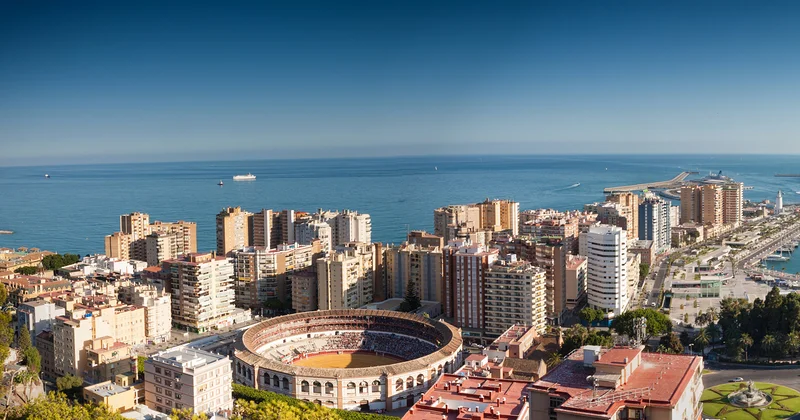
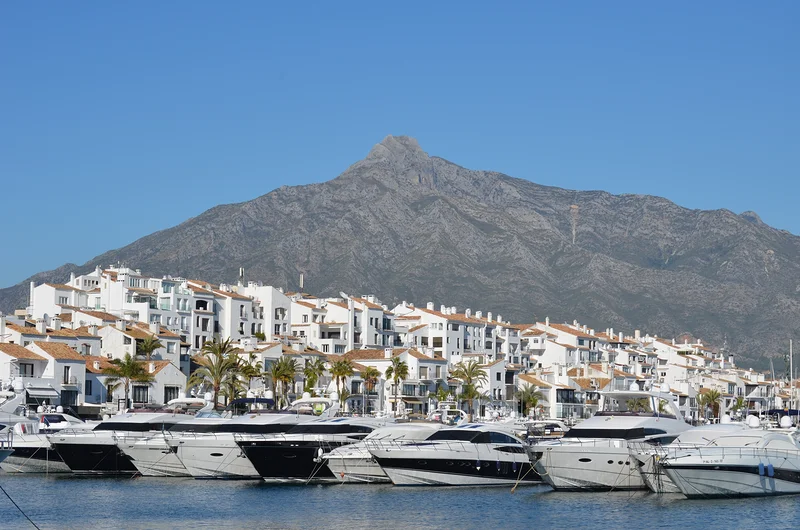
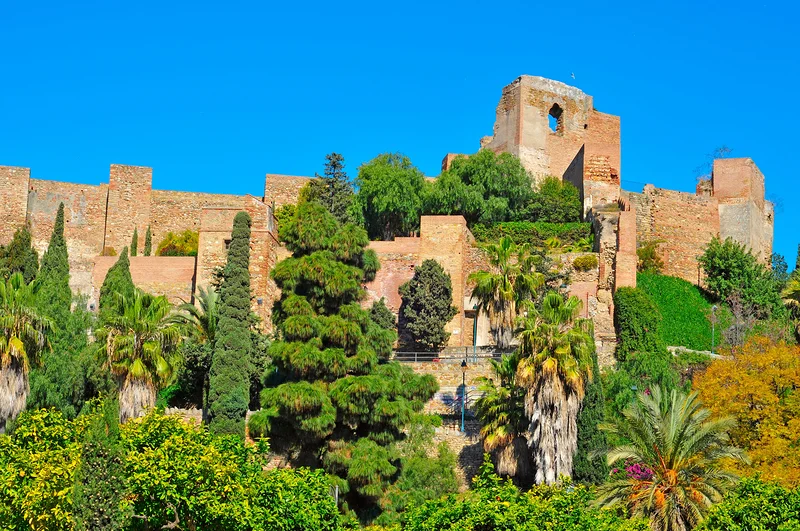
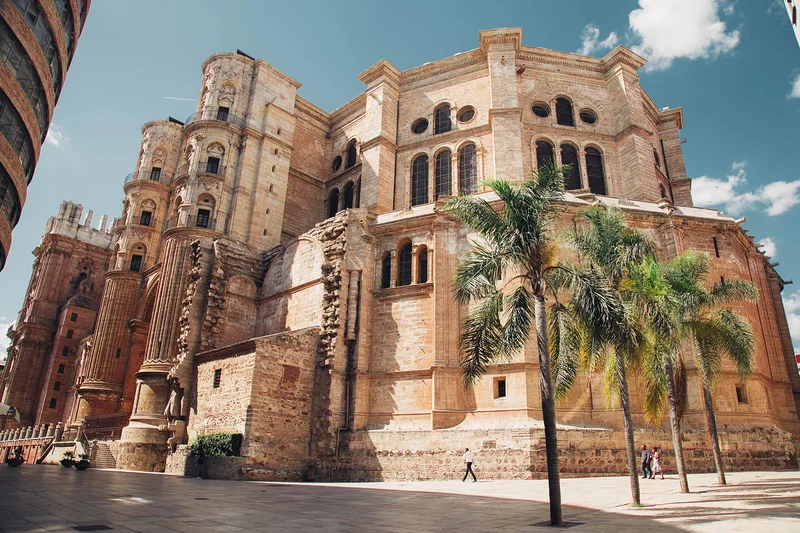
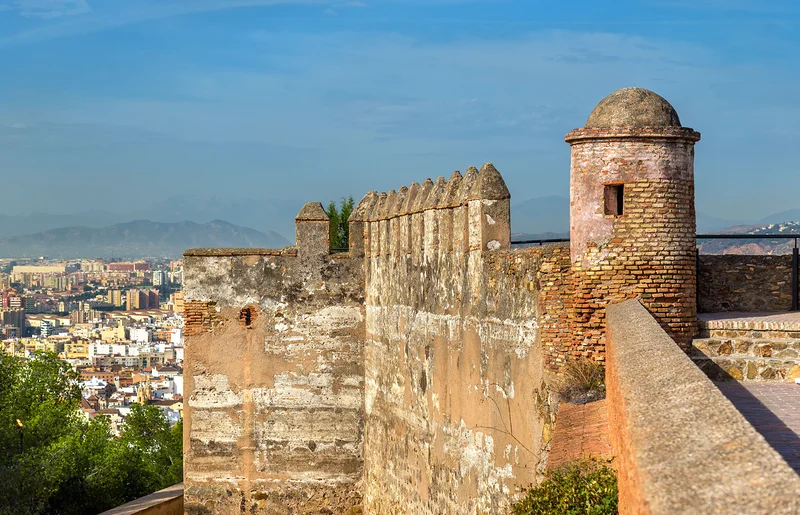
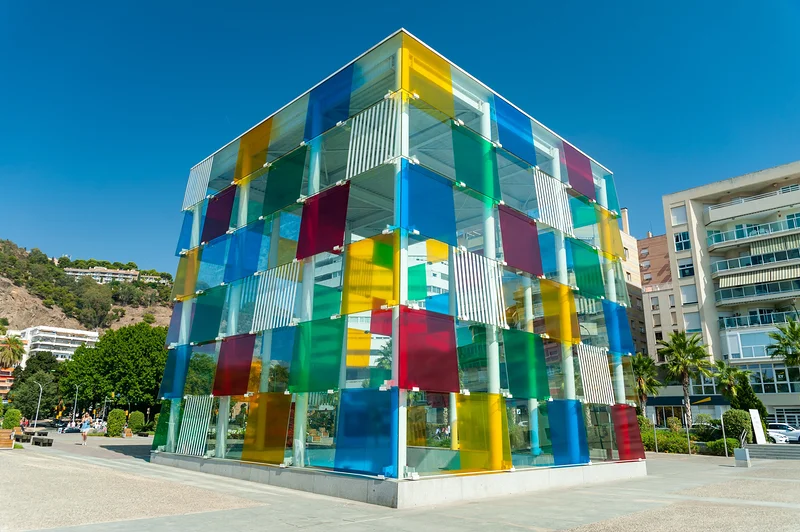
Sixty-four places described in Malaga, more than in Seville: the Alcazaba, the Gibralfaro, the Picasso Museum and a branch of the Centre Pompidou. The city has beaches, an international airport and nightlife. Forty minutes away, Marbella owns something else entirely: partying and the jet set. Our two reviews of Malaga say the same thing, with a number attached: two days are enough.
On the other hand, when it comes to cultural or architectural heritage, Seville, Granada, and Cordoba are much more interesting to visit in Andalusia.
What to see and do in this area
Where to stay in this area
Gran Hotel Miramar GL Luxury
A restored 1920s palace facing La Malagueta beach, five stars, spa. The original Moorish and Andalusian detailing was kept.
Palacio Solecio Luxury
An 18th-century palace right in the historic center, with a plunge pool on the roof. Steps from the cathedral and the Picasso Museum.
Hotel Soho Boutique Málaga Mid-range
In the Soho district, between the station, the old town and the port. Handy for anyone arriving by train and leaving for Cordoba.
Pros
- An international airport and the high-speed line to Cordoba
- Museums open year-round, one of them free
Cons
- Heritage our members place behind the three inland cities
- An urban beach, which one of them calls unremarkable
Nerja and the eastern coast East of Malaga
for a stop by the roadside, between Malaga and Granada
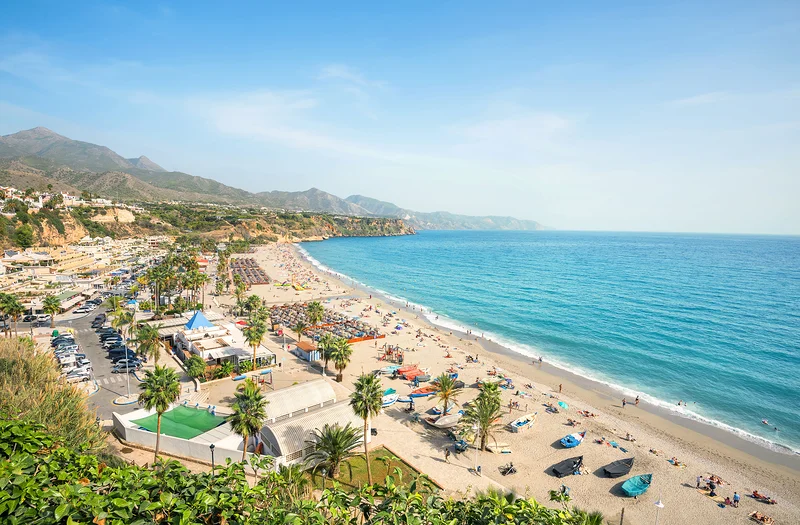
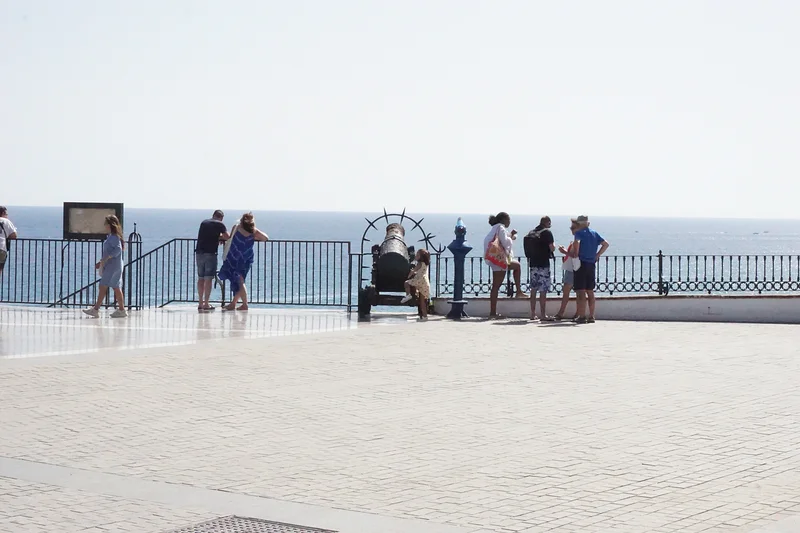
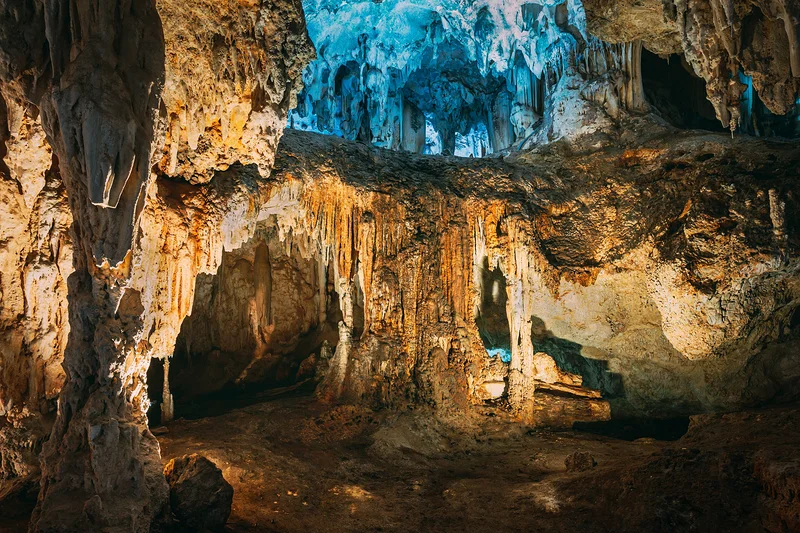
A white village on a cliff, a palm-lined promenade jutting out above the sea: the Balcón de Europa. Below it, small beaches; next door, the Nerja caves. Our most detailed review of the region describes exactly what the place is for: a stop of a few hours or a few days on the road linking Malaga to Almería and Granada.
Even though it is very touristy, Nerja is a charming little town offering a superb panorama of the sea and the coast. The famous Balcon de l'Europe is well laid out along a pretty pedestrian walkway lined with palm trees that allows you to access cute little beaches down below.
The towns in this area
What to see and do in this area
Where to stay in this area
MB Boutique Hotel Mid-range
In the heart of Nerja, adults only, it is the address travelers rate highest in the village.
Hotel Balcón de Europa Mid-range
Sitting on the Balcón de Europa itself, with direct access to the beach below. You cannot sleep closer to the viewpoint.
Pros
- On the road between Malaga, Granada and Almería
- Cheap tapas, named outright in our reviews
Cons
- Very touristy, as our member says from the first line
- The Parador is closed for works and will not reopen in 2026
Ronda and the white villages The serranía, inland
for a hundred-meter gorge in the middle of a town
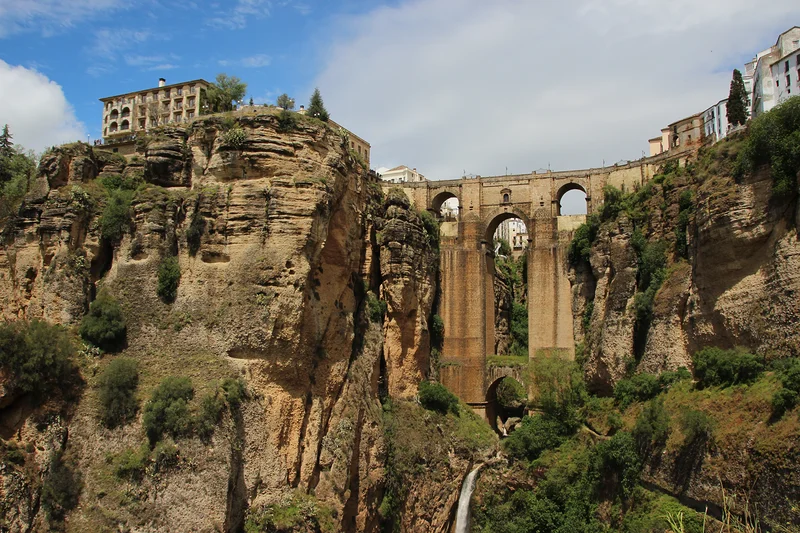
A town split in two by a hundred-meter gorge, crossed by the Puente Nuevo: Ronda is seen in half a day and photographed in three minutes. Around it opens the white villages route, Grazalema, Setenil, Zahara. The area only makes sense with a car: the train exists but forces a change, and the mountain road from Malaga takes an hour and forty minutes.
The towns in this area
What to see and do in this area
Where to stay in this area
Parador de Ronda Luxury
The former town hall, on the cliff edge, right beside the Puente Nuevo. The rooms facing the Tajo are the ones you come for.
Catalonia Ronda Mid-range
A four-star with a spa and a rooftop pool, minutes from the bridge. It is the address travelers rate highest in town.
Pros
- The gorge at first light, before the day trips
- The white villages route starts here
Cons
- Overrun from ten to five
- A car needed, since the train forces a change
Cadiz, Tarifa and the Atlantic coast The Costa de la Luz
for the Atlantic, the wind and a city on a peninsula
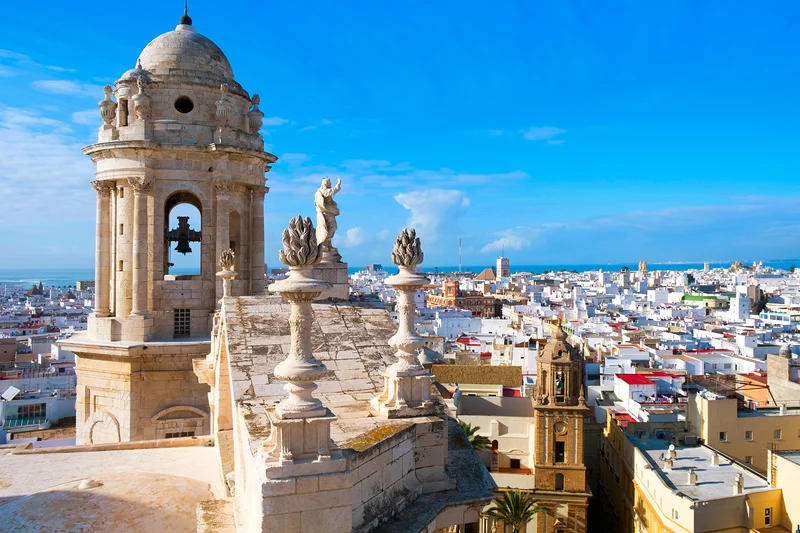
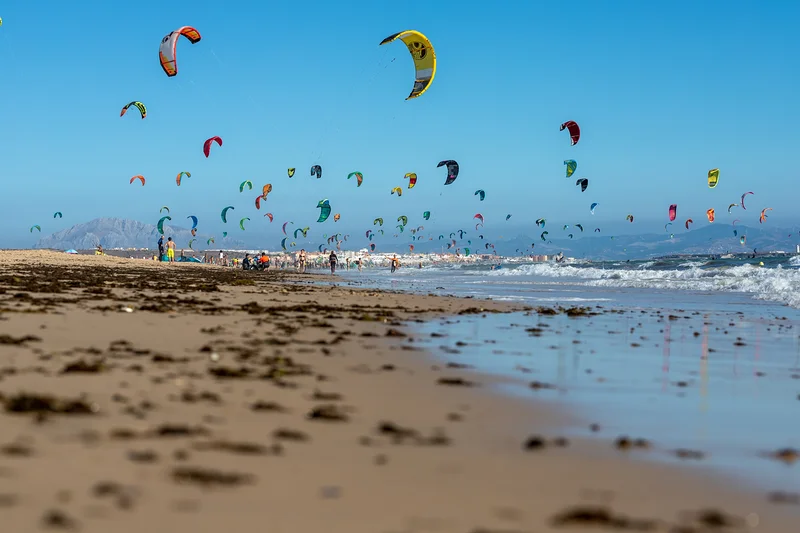
This is no longer the Mediterranean: the water is cooler, the beaches wider and the wind constant. Cadiz sits on a peninsula surrounded by water, with an enormous cathedral and towers you can see the whole city from; Tarifa, at the southernmost point of the continent, looks at Morocco and lives off windsurfing. Our member fell for both, and says so twice.
Cadiz is not easy to get a handle on, but this port city is definitely worth exploring for its old town. For me, it was love at first sight. You feel so far away from everything on this peninsula, right at the foot of the massive cathedral.
Where to stay in this area
Parador de Cádiz Luxury
A four-star facing the ocean, in the old town, with a spa and a Turkish bath. One of the most modern paradores in the country.
Hotel Boutique Argantonio Mid-range
A 19th-century house in the heart of the historic center of Cadiz, Andalusian decor, only about twenty rooms.
Hurricane Beach Hotel Mid-range
Feet in the sand at Tarifa, facing the Strait of Gibraltar, in a subtropical garden with two pools. The windsurfers' historic address.
Pros
- One hour forty by train from Seville
- Wide Atlantic beaches, and cooler water in summer
Cons
- The wind, which delights windsurfers and nobody else
- Tarifa is reached by car or coach, not by train
Cabo de Gata The south-east, in Almería
for the emptiest coves in Andalusia, and only with a car
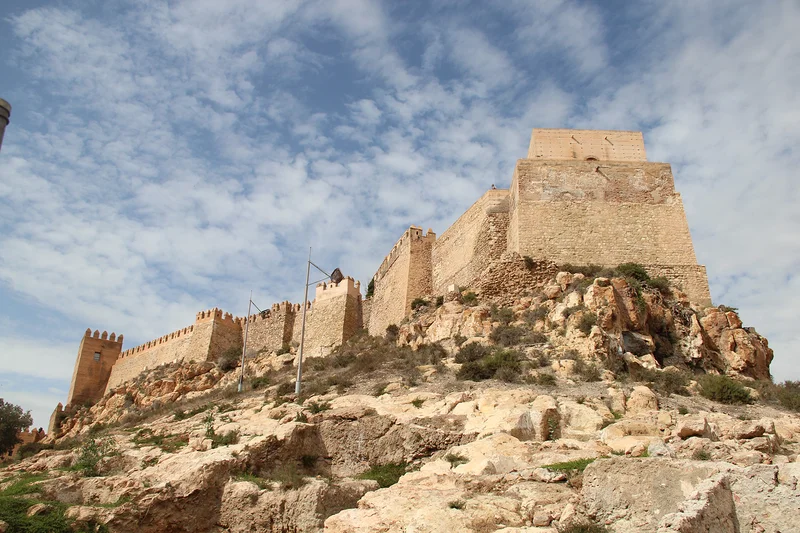
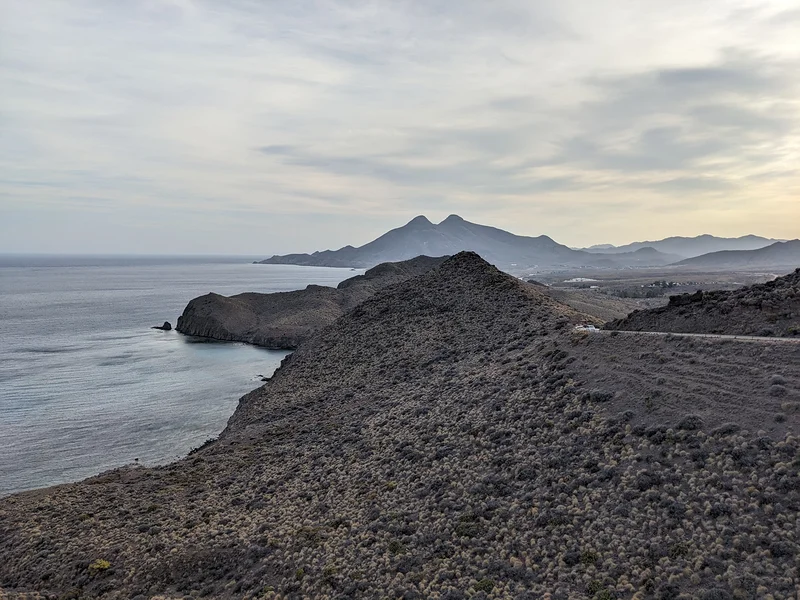
A natural park of extinct volcanoes dropping into the sea, with no apartment blocks, no promenade and almost nobody: Mónsul, Los Genoveses, the Arrecife de las Sirenas, La Isleta del Moro. San José serves as the base, Almería brings the city and its Alcazaba. Our review on the ground is categorical on one point: everything is less than thirty minutes away by car, and there is no other way.
A small seaside village that is pretty quiet and lacks any particular charm, but it is very well located for exploring the entire Cabo de Gata natural park.
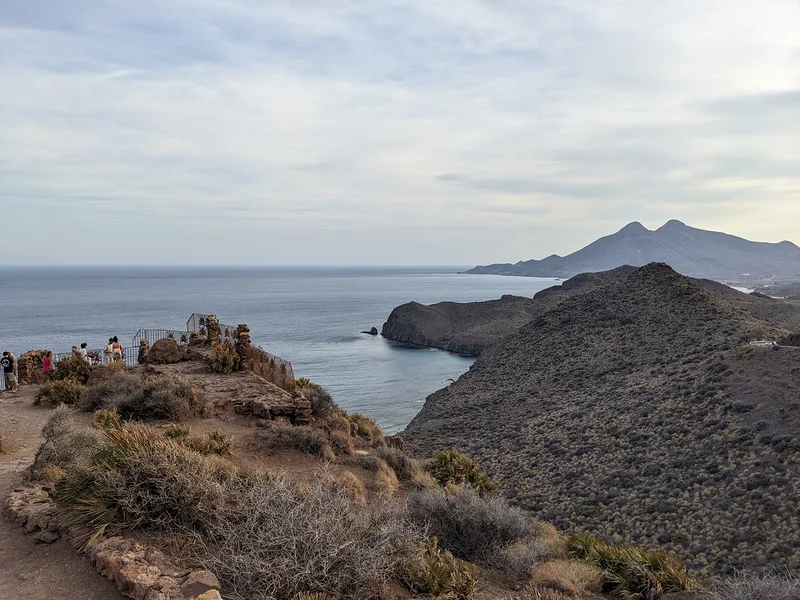
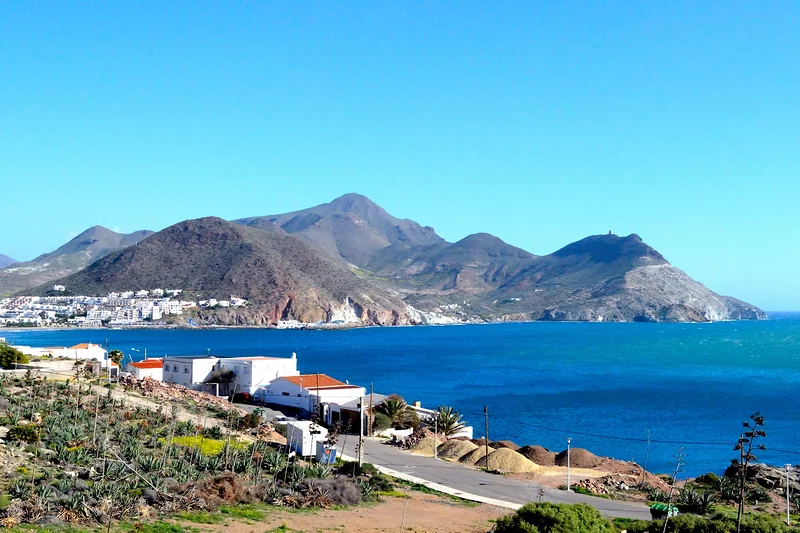
What to see and do in this area
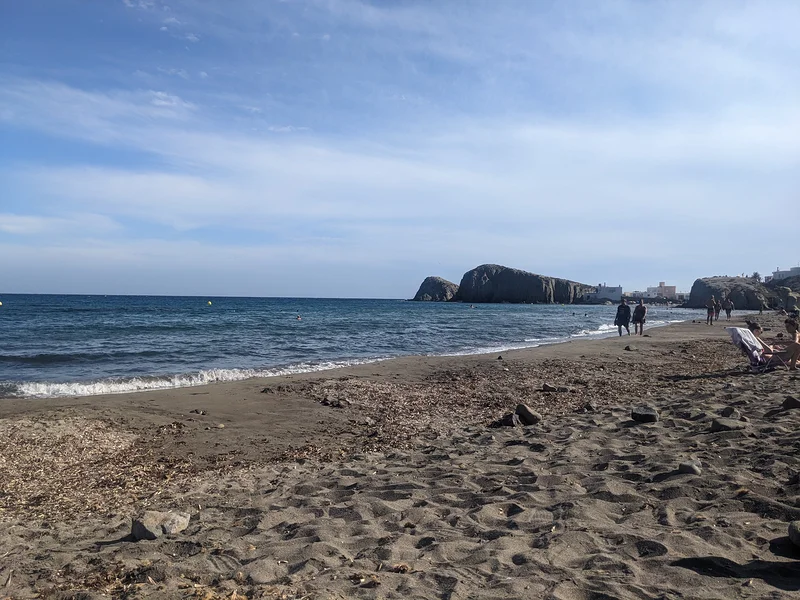
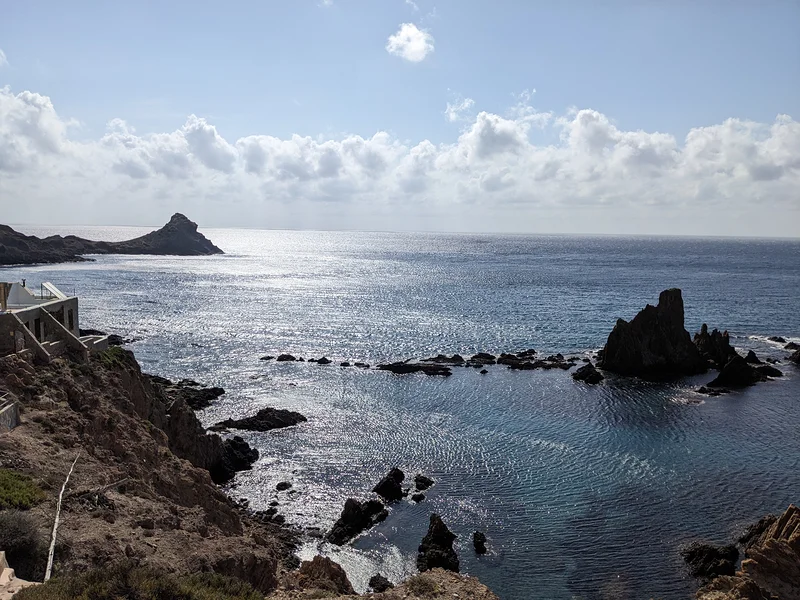
Where to stay in this area
Cortijo El Sotillo Mid-range
An 18th-century farmhouse turned four-star, inside the natural park, less than a kilometer from San José beach. Pool, tennis court, riding center.
Aire Hotel & Ancient Baths Mid-range
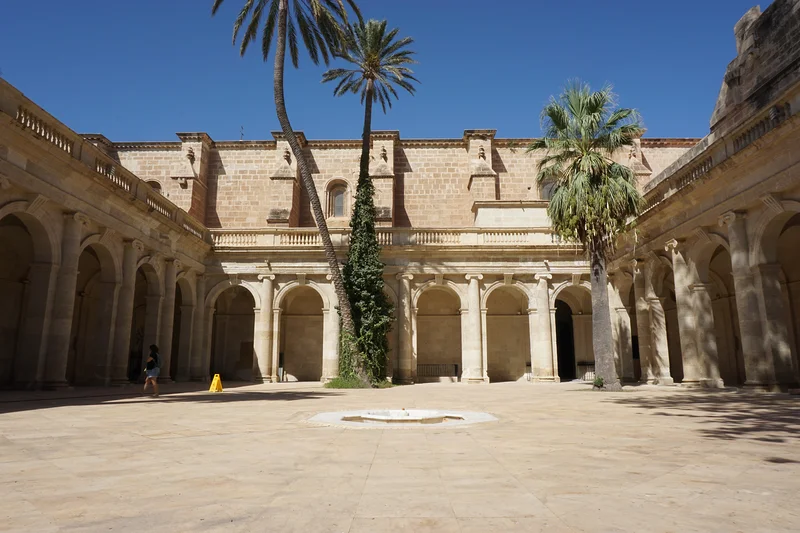
On the Plaza Vieja in Almería, with its own Arab baths. The base for anyone who wants the city before the park, with the station and the airport within reach.
Pros
- Coves with no buildings, rare on this coast
- The whole park within thirty minutes of San José
Cons
- Nothing is reachable without a car
- Few beds: in August you book months ahead
Our tips for booking the right place
- Summer belongs on the coast, not in the cities: It is the only advice our members give twice, and about the same city: Seville is advised against in high summer for its heat, and called exceptional in October, at 30 degrees by day and 20 in the evening. Spring and autumn go to the city triangle; July and August go to Cabo de Gata or the Atlantic.
- The Alhambra is booked before the flight: It is the most recommended thing to do in the region on the site, and the only one in this guide that can be sold out weeks ahead. Named tickets are bought online, and the Nasrid Palaces slot is timed: you do not get it back. Booking the monument before the hotel is the order that stops you sleeping in Granada for nothing.
- The triangle runs on trains, the coast on a car: Seville, Cordoba, Granada and Malaga are one to two and a half hours apart, and each is walkable once you are there: a car is a cost and a parking problem. Conversely, Cabo de Gata, Ronda and the white villages have no useful service. Renting the car for the second half of the trip is almost always the right split.
- Two days in Malaga, no more: Our two reviews of the city agree: the heritage takes two days, and one of them explicitly says to go and enjoy the rest of Andalusia afterwards. What holds you longer are the museums and the beach, not the monuments.
- Scheduling Seville, Cordoba and the interior in July or August: our reviews advise against the season, and the monuments are visited standing, in the sun.
- Taking a car for the city triangle alone: three historic centers closed to traffic, expensive parking, and a train that does Seville to Cordoba in forty-five minutes.
- Counting on public transport for Cabo de Gata: the park's coves are reached by car, and our review on the ground says so without hedging.
- Booking the Granada hotel before the Alhambra ticket: the monument fills up weeks ahead, and it is the one that sets the date.
- Choosing Marbella expecting authentic Spain: one of our members warns that this is not what you find there.