
Visiting Marbella
Tucked between the peaks of the Sierra Blanca and the Mediterranean Sea, Marbella is a prominent resort town in Malaga province in Andalusia. As the premier jet-set hub of the Costa del Sol, it has nonetheless managed to preserve several historic charms, notably its old town or casco antiguo, which offers a great look at Moorish architecture of the past. Start your walk at the Plaza de los Naranjos, typical of the region with its mature orange trees, and wander through the flower-lined narrow streets. Right in the heart of the old town, the Museum of Contemporary Spanish Engravings is worth visiting as much for the richness of its collections featuring works by Dalí, Picasso, and Miró as for the beauty of its building, a former 16th-century hospital featuring Renaissance and Mudéjar architecture.
Off the beaten path in Marbella
Take advantage of your stroll through the old town to visit the Church of the Incarnation, built in the 16th century on the ruins of an old mosque. Its high, multi-tiered walls give it the look of a fortified castle, as the church once served to protect the town from potential invasions in addition to its religious duties. Nearby, do not miss the remains of the old town walls, which date back to the Moorish occupation of the region in the 11th century.
A great walk in Marbella circles the Artola dunes. On-site, you can follow a wooden boardwalk that leads you directly to the quieter local beach, the Cabopino beach.
The flagship resort town of the Costa del Sol
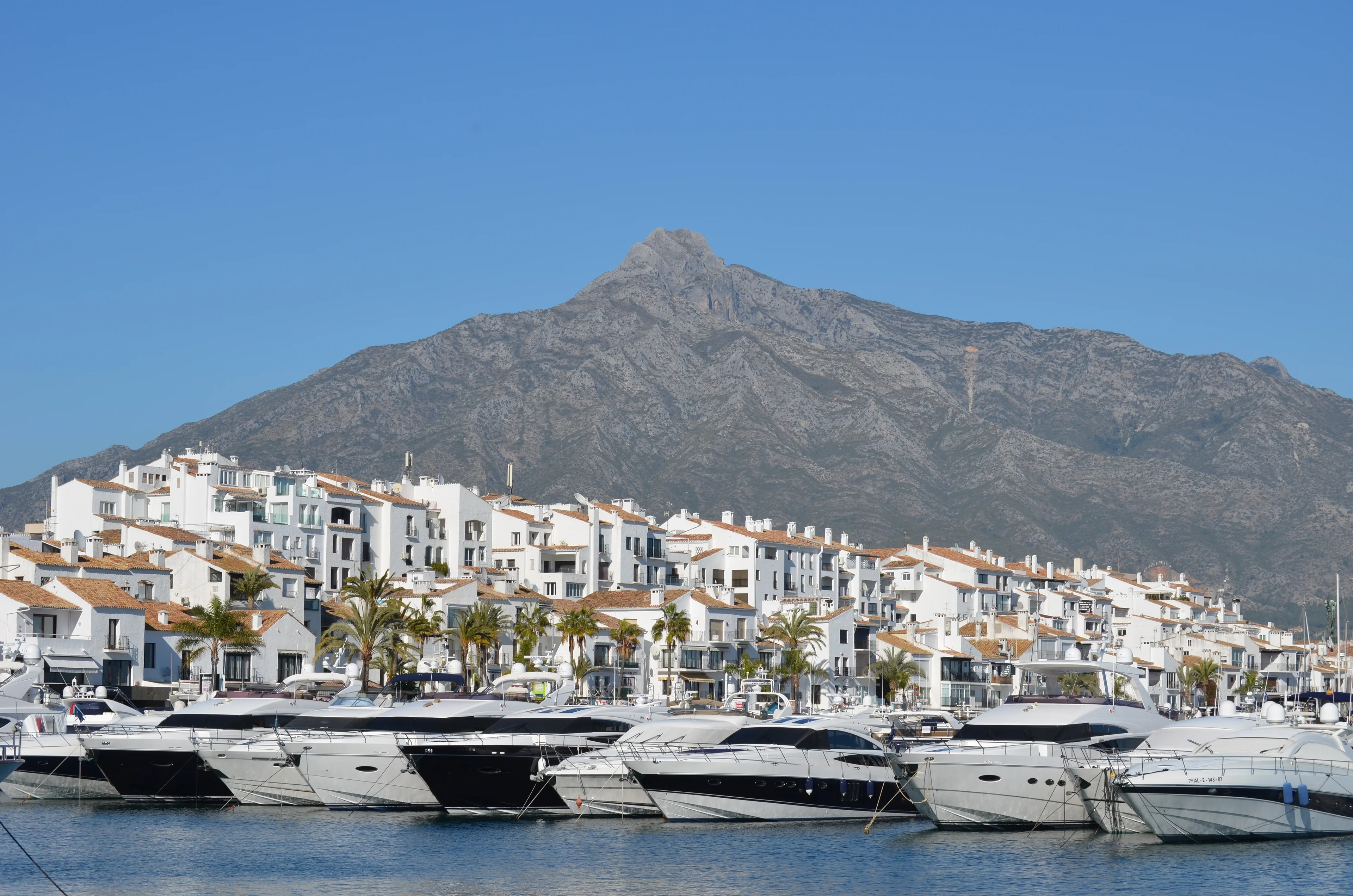
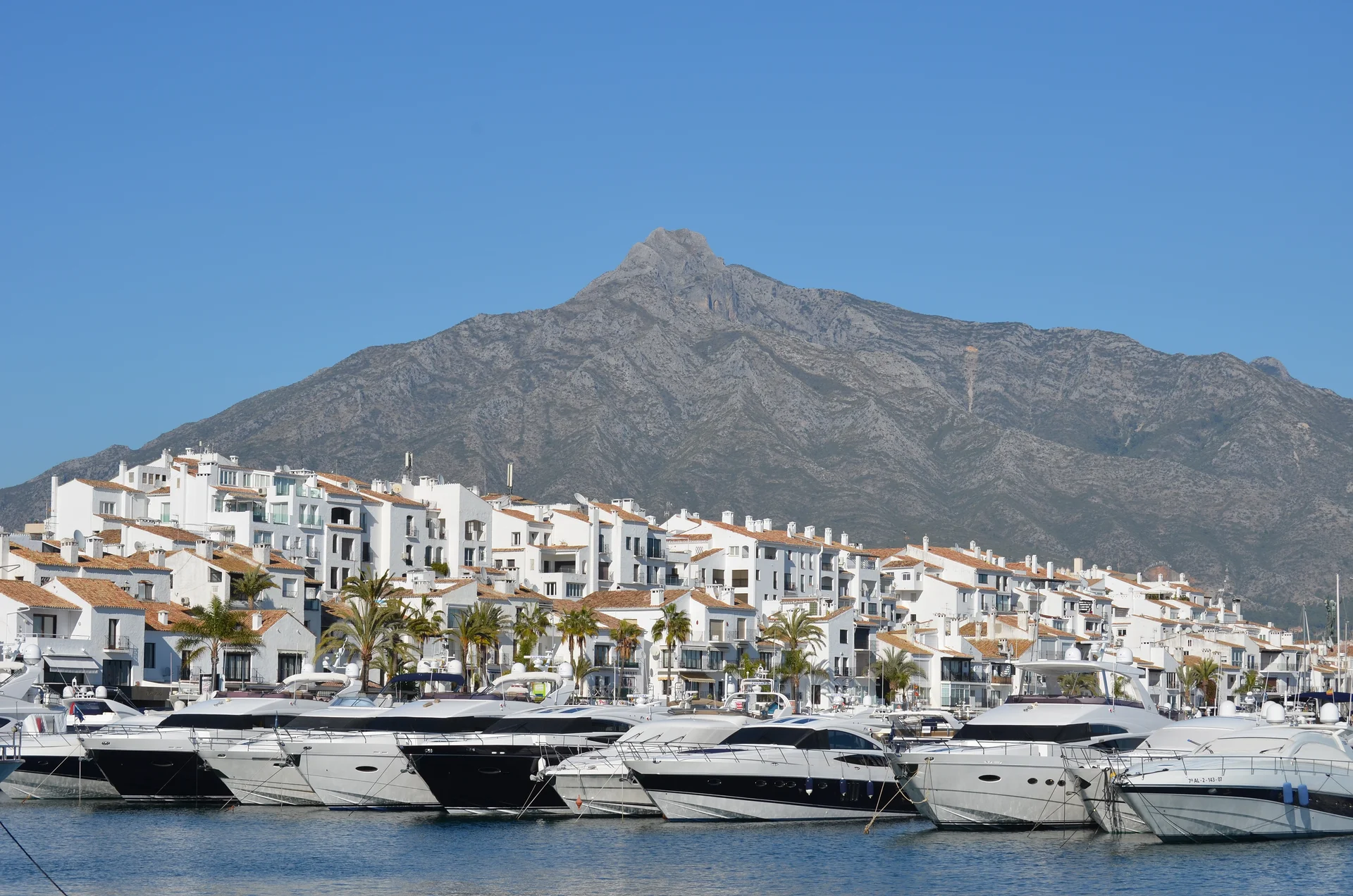
Marbella experienced its initial tourism boom in the 1950s when the construction of the Marbella Club Hotel in 1954 opened the door to international luxury tourism. In the 1970s, a luxury marina was also built, the Puerto Banús. Packed with upscale boutiques and luxury shops, the area draws numerous celebrities and offers a varied selection of bars and restaurants ranging from casual to high-end glitz.
In downtown, walk down the grand Avenida del Mar, which connects the port to the elegant Alameda park and the graceful Virgen del Rocío fountain located at its center. The promenade is dotted with sculptures created by Salvador Dalí. To make the most of the waterfront, take the paseo maritimo, a 7 kilometre boardwalk connecting the Puerto Deportivo to the Puerto Banús marina.
With 27 kilometres of coastline, Marbella features plenty of beaches where you can enjoy the sun and go for a swim, including the Nagüeles beach, El Faro beach, and Rio Verde beach.
When to go?
Avoid the peak season to escape the intense heatwaves and the crowds that flood the streets of Marbella every year. The best times to visit Marbella are during the spring and late summer between September and October.
How to get there?
The nearest airport is in Malaga. Buses run directly from Malaga airport to Marbella. Marbella does not have a train station, so the train from Malaga stops in Fuengirola, 25 kilometres away, where a bus takes over for the rest of the trip. By car, you will arrive via the Mediterranean highway, the AP-7, or the Costa del Sol dual carriageway, the A-7.

A place where it is very easy to party, meet people, and experience other cultures. Of course, you shouldn't go there for an "authentic stay in deep Spain."