
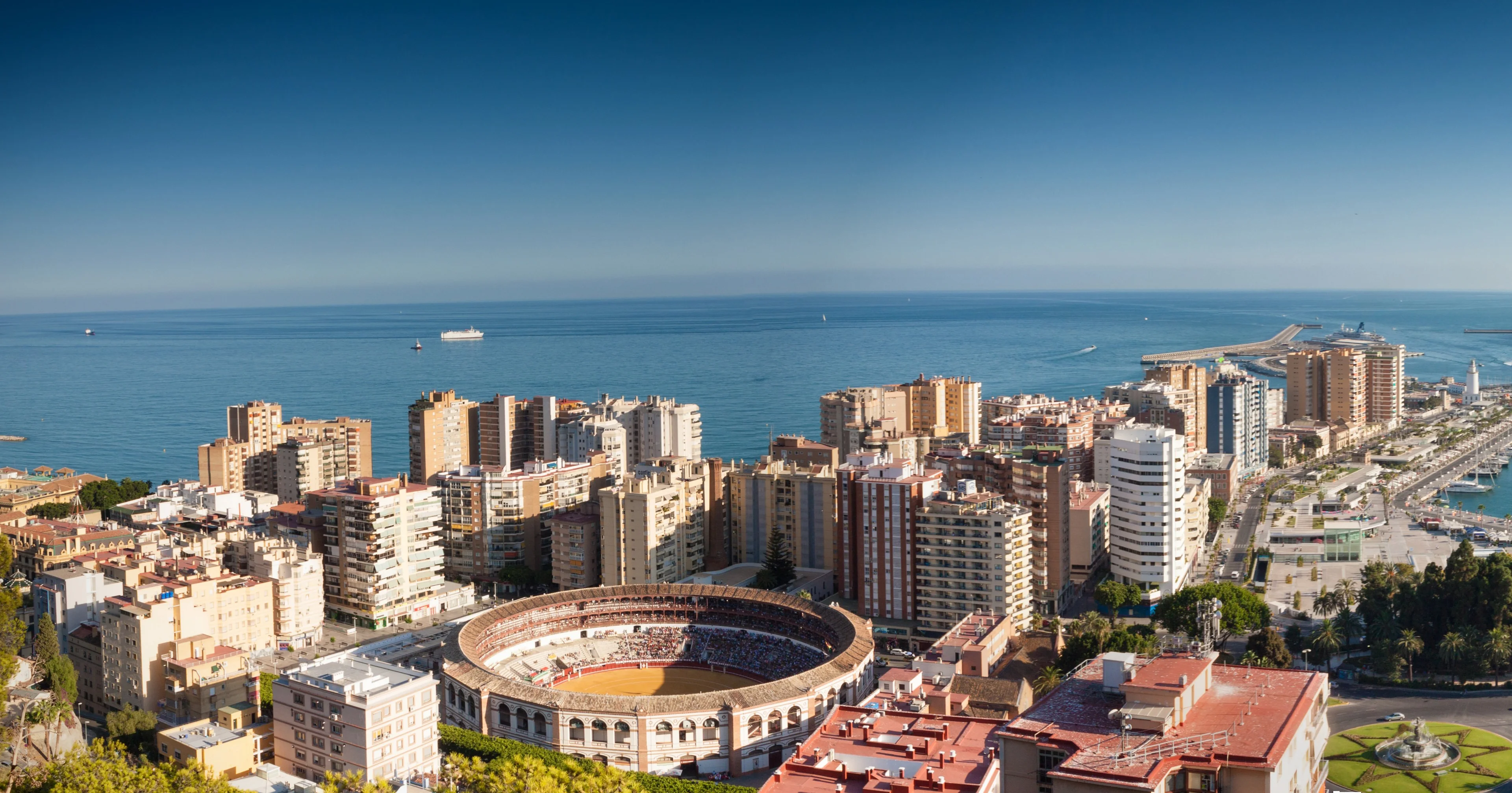
Where to stay in Malaga: the 5 neighborhoods to know in 2026
People often book Malaga on a seaside reflex, thinking Costa del Sol. Our members' reviews say something else: a lively, festive city whose heritage can be covered in two days, and whose beach one member calls « nothing special ».
So the sand is not the right criterion here. What matters is what you can reach on foot in the evening and how easily you can move on. The historic centre is pedestrian and takes twenty minutes to cross, María Zambrano station puts Seville under two hours away and the airport twelve minutes by train. Five areas below. On budget, the pedestrian area costs $102 to $169*, against $57 to $90* near the station. A bunk in a dorm drops to $29*.
If you want to spend your vacation tanning or going out, it is not bad at all. A good vibe is guaranteed. On the other hand, when it comes to cultural or architectural heritage, Seville, Granada, and Cordoba are much more interesting to visit in Andalusia.
Compare hotel prices in Malaga
In a hurry? Find the best accommodation deals in 3 clicks.
Compare live deals from Booking, Expedia, Agoda and other partners.
At a glance: our picks by traveller type
Pick the profile that suits you to head straight to the recommended neighborhood.
The neighborhood map in Malaga
Get your bearings on the neighborhoods and must-see sights before choosing where to drop your bags. Click a name to jump to its description.
The Centro Histórico and calle Larios Pedestrian core, cathedral to the Alameda
for doing everything on foot and walking home at night
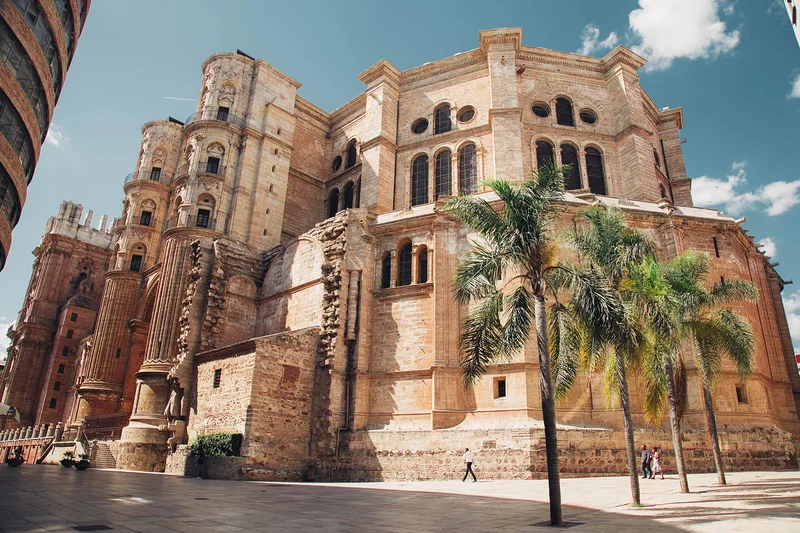
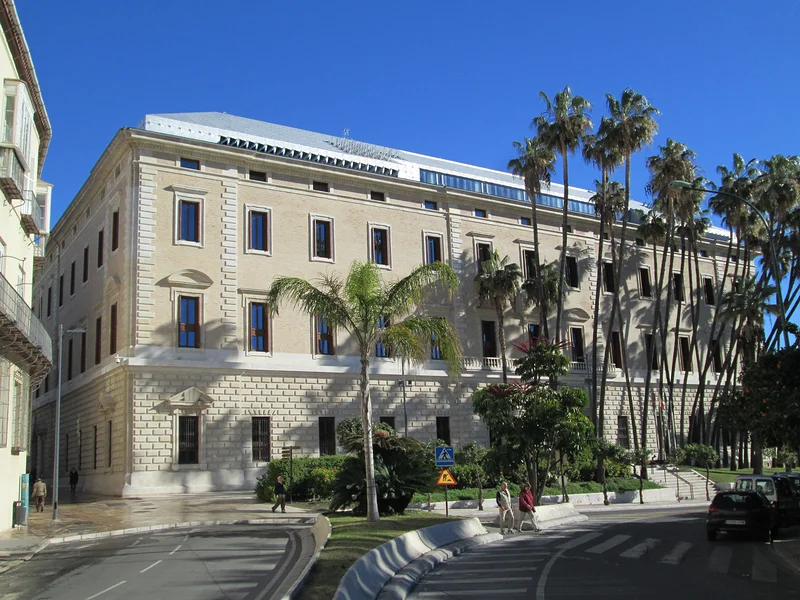
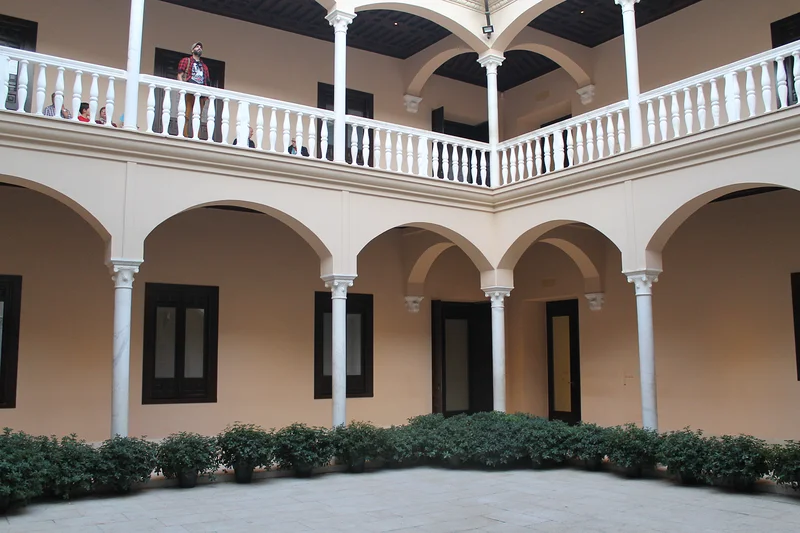
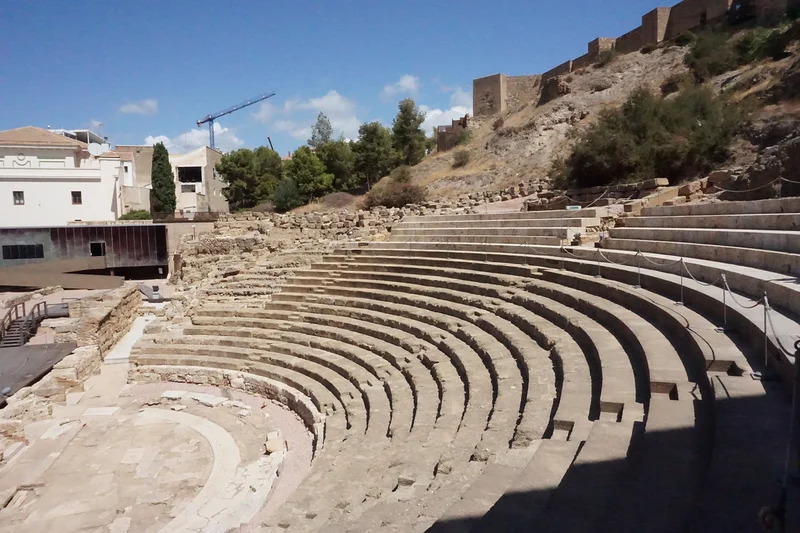
The old core is entirely pedestrian and takes twenty minutes to cross: the cathedral with its unfinished tower, the Roman theatre at the foot of the hill, the Picasso museum in its 16th-century palace, and the Atarazanas market for lunch. This is also where the terraces and tapas bars gather, so it is the one area where you can have dinner and walk home. The downside comes twice over: these are the highest prices in the city, and the tapas streets stay noisy late at weekends.
What to see & do in the neighborhood
Where to stay in this neighborhood
Vincci Selección Posada del Patio Luxury
A five-star built over the Roman and Arab city wall, left visible under glass. At the western entrance to the centre, five minutes from the Atarazanas market.
Catalonia Molina Lario Mid-range
A four-star a hundred metres from the cathedral, with a rooftop pool facing the bell towers. The best compromise for sleeping inside the pedestrian area.
The Lights Hostel Budget
A hostel on calle Torregorda, well-kept dorms and a roof terrace. The cheapest bed within walking distance of the museums.
Pros
- Museums, cathedral and tapas without transport
- Walking home after dinner
Cons
- The highest prices in the city
- Tapas streets noisy at weekends
The Soho and Muelle Uno Between the Alameda and the port
for contemporary art and the harbour promenade
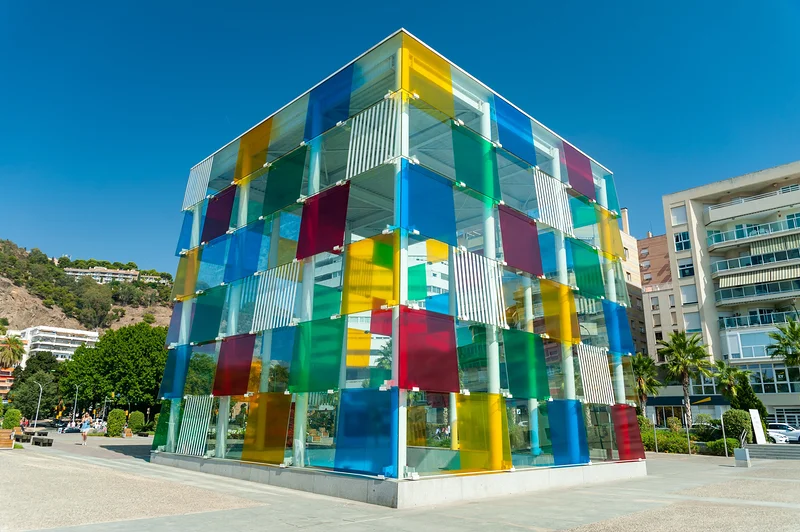
On the far side of the Alameda, former warehouses covered in murals, the contemporary art centre, and the coloured cube of the Centre Pompidou opening onto Muelle Uno, the old pier turned into a promenade of shops and restaurants facing the yachts. You sleep ten minutes from the cathedral without paying old-town rates. The downside: the area is still uneven from one street to the next, and the harbour terraces charge harbour prices.
What to see & do in the neighborhood
Where to stay in this neighborhood
Only You Hotel Málaga Luxury
A five-star on the corner of the Alameda Principal, designed rooms and a roof terrace open to the port. The most polished address in the area.
Soho Boutique Bahía Málaga Mid-range
A four-star on calle Somera, in the heart of the Soho, five minutes from the Pompidou and from Muelle Uno. Tidy rooms and a location hard to beat at this price.
Pros
- Pompidou, murals and Muelle Uno on foot
- Cheaper than the old town at the same distance
Cons
- No budget address in the area itself
- Overpriced harbour terraces
La Malagueta and Gibralfaro East, the beach and the hill
for the city beach and the view over the bay
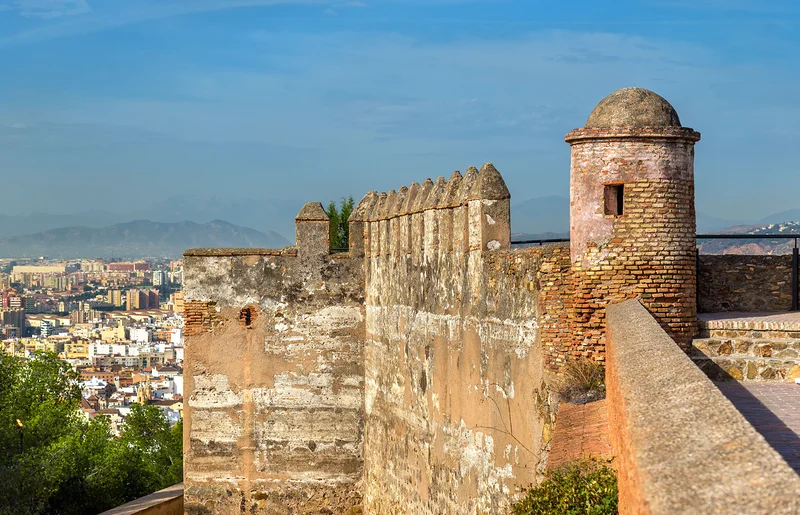
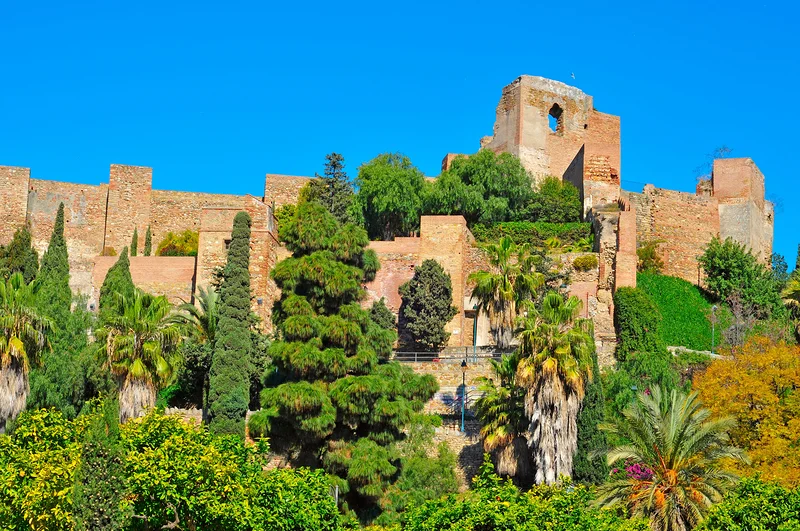
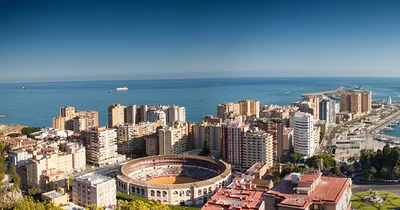
Two very different things under one name. Below, La Malagueta, the city beach ten minutes' walk from the cathedral, the bullring right behind it and the chiringuitos grilling sardine espetos at the edge of the sand. Above, the Gibralfaro hill and its castle, taking in the whole bay. The downside: the beach is decent and no more, and sleeping on the hill means climbing on foot or waiting for the bus every time you come back.
The walk up to the castle, a quick half-hour workout, also offers lovely panoramas. Wear good shoes so you do not slip, especially on the way down.
What to see & do in the neighborhood
Where to stay in this neighborhood
Parador de Málaga Gibralfaro Luxury
Perched beside the castle, with a terrace and pool open onto the whole bay. The finest view in the city, to be booked well ahead.
Gran Hotel Miramar Luxury
The 1926 grand hotel on the paseo de Reding, a monumental Andalusian patio and a spa, set between the beach and the centre.
Hotel MS Maestranza Mid-range
A four-star facing the bullring, one street from the sand and a quarter of an hour's walk from the cathedral.
Hotel Eliseos Budget
A plain three-star behind the beach, in the residential Campos Elíseos district. The sensible option for sleeping near the water.
Pros
- Swimming and espetos on foot from the centre
- The bay seen from the hill
Cons
- A city beach, decent and no more
- The climb to the castle on foot or by bus
El Perchel, La Trinidad and the station West bank of the Guadalmedina
for leaving easily and paying less
The other bank of the Guadalmedina, the almost permanently dry river that splits the city in two. Here are the working-class districts of El Perchel and La Trinidad, and above all María Zambrano station: fast trains to Seville, Cordoba and Madrid, and the suburban line that reaches the airport in twelve minutes. The centre is ten minutes away on foot across the bridges. The downside: nothing to visit here, and a frankly functional setting around the station.
Where to stay in this neighborhood
Barceló Málaga Luxury
A four-star attached to María Zambrano station, with direct access to the platforms. Spectacular architecture and the centre ten minutes away on foot.
Eurostars Málaga Mid-range
A four-star two streets from the station, calibrated rooms and parking. Handy for a late arrival or an early departure.
Ibis Budget Málaga Centro Budget
A chain address in Perchel Norte, no character but the floor price, one bridge from the pedestrian area.
Pros
- Trains, airport and buses at your door
- The softest rates ten minutes from the centre
Cons
- Nothing to visit in the area
- Functional setting around the station
Pedregalejo and El Palo The eastern beaches
for the chiringuitos and the slow pace
Further east, two former fishing villages caught up by the city: small coves separated by groynes, a boardwalk running past the chiringuitos, and low houses that keep a village air. This is where the espeto is at its best, eaten with your feet in the sand. The downside: the centre is a quarter of an hour away by bus, no upmarket hotel was ever built here, and the evening happens around the table rather than in the bars.
Where to stay in this neighborhood
La Chancla Mid-range
A three-star with its feet on Pedregalejo beach, on calle Cenacheros. The best position in the area, facing the coves.
Apartamentos Nereo Mid-range
Apartments with kitchens at Pedregalejo Playa, one street from the sand. The practical option with children or for several nights running.
Hotel Elcano Budget
A simple, well-kept two-star on the avenue running towards El Palo. The softest rate by the water.
Pros
- Espetos and coves every day
- Quiet, with village life
Cons
- A quarter of an hour by bus from the museums
- No upmarket hotel in the area
Our tips for booking the right place
- The train does most of the work: The suburban line links the airport to the centre in twelve minutes for under two euros, and María Zambrano station sends fast trains to Seville, Cordoba and Madrid. City buses serve the eastern beaches. Keep the car for the hinterland, El Chorro with its Caminito del Rey or Ronda: in the centre, parking is expensive and takes a long time to find.
- Two weeks double the prices: The Feria in mid-August turns the city into a party day and night, and Holy Week fills the streets with processions. In both periods rates double and rooms go months in advance. Spring and autumn bring 25 degrees, a sea still worth swimming in and sensible prices; winter stays mild and bright.
- The espeto is eaten facing the sea: Sardines skewered on a vine shoot and grilled in a boat filled with sand are the institution of the chiringuitos, from La Malagueta to El Palo, above all from May to September. It weighs on the choice of area: in the east you dine below your hotel, from the centre you need a bus each way.
- Booking an address sold as « Malaga » that actually sits in Torremolinos or Benalmádena: the Costa del Sol stretches for tens of kilometres, and you will need the train or a car for every journey. The city's postcode starts with 290, those resorts' do not.
- Taking a room on the tapas streets of the centre if you sleep lightly: the terraces run late from Thursday to Saturday and the noise rises to the upper floors. Two streets away the same district is quiet and often costs less.
- Choosing Pedregalejo or El Palo while expecting to see the city on foot: it is a quarter of an hour by bus to the museums, twice a day. The area is made for those who come to eat and rest by the water.
FAQ: where to stay in Malaga
Which area should I choose for a first visit to Malaga?
Where can I stay cheaply in Malaga?
Is Malaga suitable for families?
Where to go out in the evening in Malaga?
Do I need a car in Malaga?
How much does a hotel night cost in Malaga?
 Keep exploring
Things to do in Malaga
Keep exploring
Things to do in Malaga
Comments (0)
No comments yet. Be the first!