
The Alhambra: The Red Fortress That Embodies the Soul of Al-Andalus
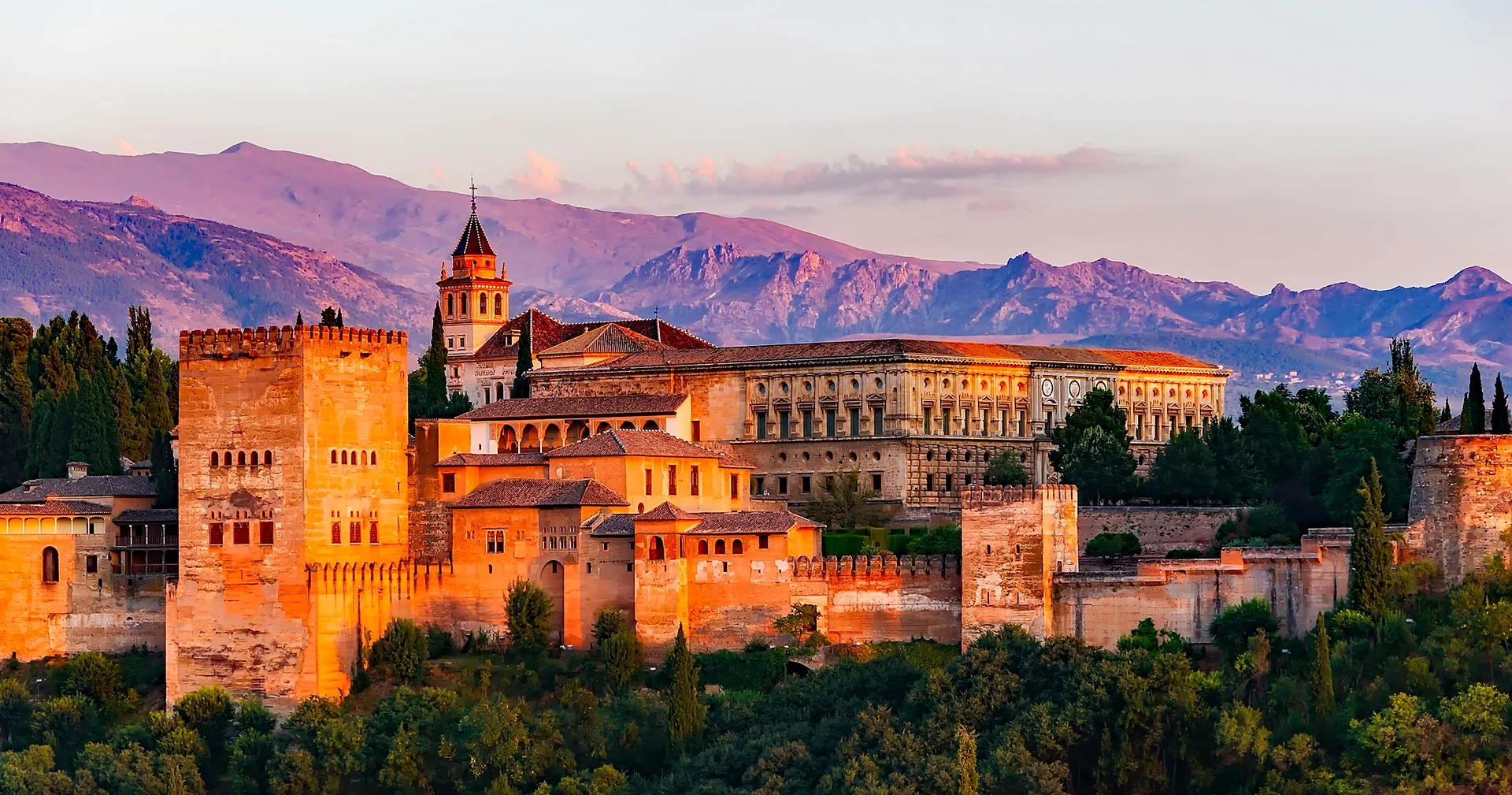
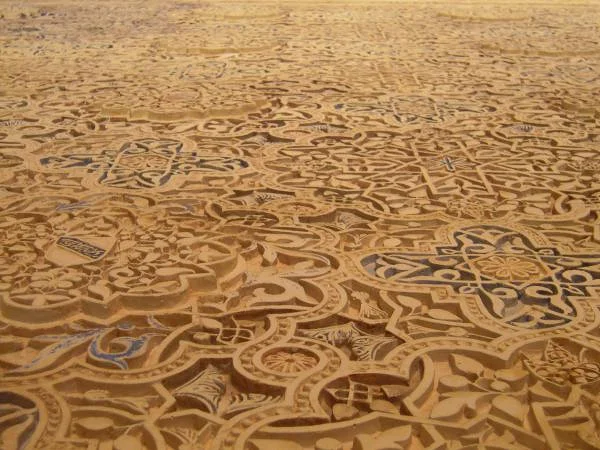
Perched high on the Sabika hill, the Alhambra has towered over Granada for eight centuries. Its reddish walls enclose the last grand palace of the Nasrid dynasty, the final Muslim kingdom of Western Europe. Behind the austere ramparts lies a world where water whispers, carved stucco turns walls into intricate lace, and every calligraphic inscription celebrates divine glory.
Why Does the Alhambra Fascinate the Entire World?
Founded by Mohammed ben Nazar in 1238, the Alhambra evolved for well over a century under the reigns of Yusuf I and Mohammed V, who left their architectural genius stamped on the grounds. A UNESCO World Heritage site since 1984, this 26-hectare palatial complex illustrates the peak of Hispano-Moorish art. Its name, Al-Qalʻat al-Hamra (the red citadel), evokes either the red beard of its founder or the hue of the rammed earth used for its ramparts.
The fall in 1492 marked a major turning point. The Catholic Monarchs miraculously preserved the Nasrid palaces by choosing them as a royal residence, saving them from the tragic fate reserved for so many Arab monuments. This decision guaranteed the survival of the most precious testimony of Islamic architecture in Europe.
The Nasrid Palaces, the Beating Heart of the Alhambra
Three main sections make up the palaces: the Mexuar for the administration of justice, the Comares Palace for official residence, and the Palace of the Lions for the private apartments. Each ruler built his own palace in line with Nasrid tradition, creating this unique architectural sequence.
The Court of the Myrtles and the Comares Tower
The immense rectangular reflecting pool mirrors the Torre de Comares, the tallest tower in the Alhambra. The myrtle hedges bordering the water perfume the air. At the far end, the Hall of the Ambassadors dazzles visitors with its paneled ceiling representing the seven heavens of Islam. Yusuf I held his royal audiences here, sitting beneath gilded Koranic inscriptions.
The Court of the Lions, an Absolute Masterpiece
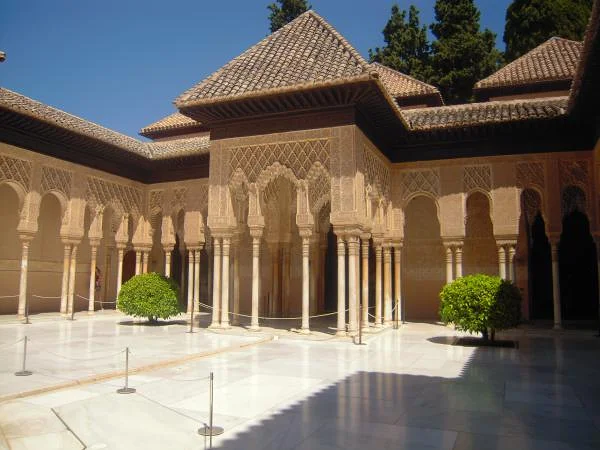
One hundred and twenty-four white marble columns frame this courtyard measuring 35 meters by 20. At the center, twelve stone lions have supported a marble basin since the 14th century. Water flows through four channels into the adjacent rooms. The Sala de las Dos Hermanas showcases its muqarnas dome, a geometric marvel where over five thousand individual cells catch the light.
Friendly tip: Book your tickets at least two weeks in advance. The entry time for the Nasrid Palaces is strict and non-modifiable. Start with the Generalife early in the morning, tour the Alcazaba, and head to the Nasrid Palaces at the exact time printed on your ticket.
The Military Alcazaba and the Generalife Gardens
The Alcazaba, the earliest fortress on the site, occupies the western end. From the top of the Torre de la Vela, the view sweeps across the Vega de Granada and the snow-capped Sierra Nevada. This is where the Nasrids kept watch for enemy movements during the Reconquista.
To the east stretch the gardens of the Generalife, the 14th-century summer residence of the emirs. The Patio de la Acequia lines up centuries-old cypress trees and water jets alongside a central canal. The terraced gardens offer sublime views over the Albaicín. Islamic architecture dialogues with nature here in perfect harmony.
Every year, the International Festival of Music and Dance transforms these gardens into a magical stage during warm summer nights.
Opening hours
November to March: 8:30 AM to 6:00 PM.
Night visits to the Nasrid Palaces are available year-round, and to the Generalife in April-May and September-October.
Entry to the Nasrid Palaces is restricted to the exact time printed on your ticket.
Closed December 25 and January 1.
*Information subject to change

A magical place! You can't miss it if you are in Granada. The Alhambra is a site of great architectural and artistic richness. I felt like I was in a One Thousand and One Nights fairytale. I didn't know much about Islamic art, and it was a real discovery for me. I loved the fortress and the Nasrid Palaces. Remember to book your ticket several weeks in advance and pay attention to the tour options to make sure you have access to the entire site (gardens and Nasrid Palaces included).