


Granada, the city where a drink comes with a free meal
The scene repeats every night: you order a beer for $2.80*, and the server sets down a plate of steaming croquetas in front of you. You didn't ask for anything. This is the tradition of free tapas, nearly extinct in the rest of Spain, but still going strong here at the foot of the Sierra Nevada. That one detail says a lot about Granada: a generous city where Arab-Andalusian heritage seeps into every alley.
Granada: the Andalusian city that looks like nowhere else
If you love Islamic architecture, flamenco music, and food that doesn't drain your wallet, Granada will stay with you. Two to three days cover the essentials, and four days leave room to add the Sierra Nevada or the villages of the Alpujarras.
We think it's one of the best values in Southern Europe for a cultural city break. The city is noticeably cheaper than Seville or Barcelona, with a comparable density of heritage sites.
Great for:
- History buffs and fans of Moorish architecture
- Flamenco lovers who want to see it in its birthplace, the Sacromonte
- Foodies who want free tapas with every drink
- Travelers on a moderate budget looking for a city rich in culture
Not ideal for:
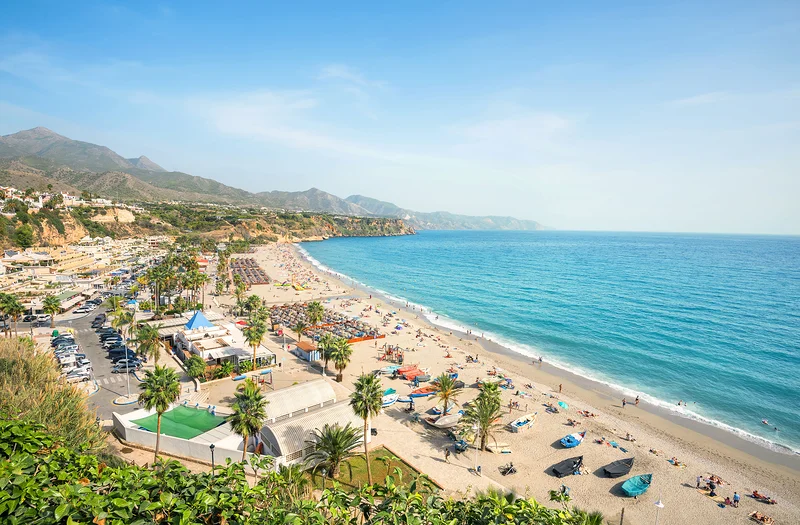
- Beach seekers: the sea is more than an hour away
- Anyone sensitive to heat: summers often top 40°C
- Those who hate walking uphill: the city is very hilly
A very gentle budget for Southern Europe
The tradition of tapas served with every drink changes the math on food costs. Three drinks at three different bars add up to a full dinner for under $11*.
| Expense | Typical range |
|---|---|
| Night in a hostel | $17 to $33* |
| Night in a 3-star hotel, central | $61 to $143* |
| Quick bite or tapas crawl | $5.50 to $11* |
| Sit-down restaurant meal | $17 to $28* |
| Alhambra ticket + transport | $22 to $33* |
| Backpacker daily budget | $44 to $72* |
| Comfortable daily budget | $99 to $154* |
What to expect on the ground
The center is walkable, but bring good shoes: the lanes of the Albaicín climb steeply. The city is safe, with the usual precautions in tourist areas. At night, stick to the main streets in the Albaicín.
For weather, spring and fall are ideal. Summer is brutal: 40°C is common in July and August. Spanish is the dominant language, but English is understood in tourist areas.
The Alhambra and the Generalife: half a day out of time
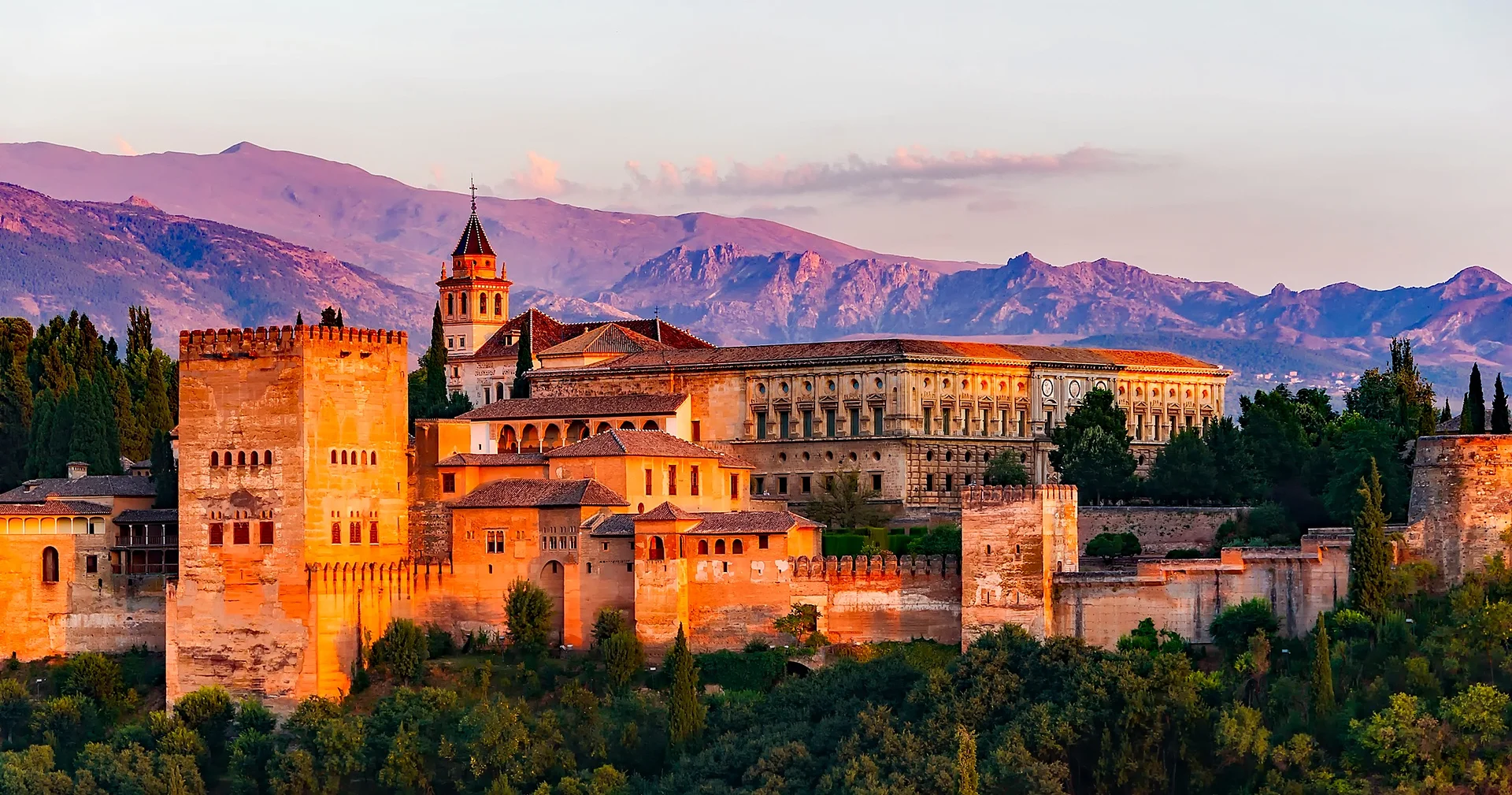
The Alhambra looms over the city from the Sabika hill. The Nasrid palaces take your breath away with their carved wooden ceilings, muqarnas vaulting, and the famous Court of the Lions. Plan on at least three hours, more if you add the gardens of the Generalife.
The Palace of Charles V, a massive Renaissance building, houses two free museums. The Alcazaba, the oldest part of the complex, gives you a full panorama of the city from its ramparts.
Friendly tip: book your tickets three to four weeks ahead. Only 300 visitors are admitted to the Nasrid palaces per 30-minute slot, and time slots go fast in high season.
The Albaicín and its viewpoints: the old Moorish quarter
A UNESCO World Heritage site, the Albaicín spreads its whitewashed lanes across the hill facing the Alhambra. The Mirador de San Nicolás offers the city's most famous view. Head back down along the Carrera del Darro, one of the loveliest streets in Spain, and step inside El Bañuelo, remarkably well-preserved 11th-century Arab baths.
Friendly tip: go up to the Mirador in the late afternoon for sunset, but arrive 30 minutes early. The teterías (tea houses) on Calle Calderería Nueva, just below, serve excellent mint tea to stretch the evening.
The Sacromonte: flamenco and cave dwellings
The Roma settled on this hill centuries ago, carving their homes into the rock. The neighborhood is considered one of the birthplaces of flamenco. Cave shows are still a gripping experience: guitar, singing, and dance just a few feet from you, in a raw, intimate space.
Friendly tip: for flamenco, choose Sacromonte venues like Cuevas los Tarantos over the tourist restaurants downtown. Expect to pay about $28* per person, drink included.
Where to eat and drink in Granada
Every drink comes with a free tapa. Some bars, like Bar Poë, even offer a menu of about ten dishes to choose from. Calle Navas and the Realejo neighborhood are packed with good spots. Try the tortilla del Sacromonte and piononos, small cream-filled rolled pastries typical of the region.
How to get to Granada
Federico García Lorca Airport, 15 km from the center, is served by nonstop flights from European hubs like Paris on Vueling and Transavia in about 2.5 hours. Round trips start around $72*. A shuttle reaches the center in 45 minutes for $3.30*. From the US, there is no nonstop service, so the usual routing is a connection through Madrid or another European hub.
Malaga airport, often cheaper, is a 1.5-hour drive away. The ALSA bus links the two cities for around 15 euros. From Seville, allow 2.5 hours by car or 3 hours by bus.
Getting around Granada
Walking is the best way to see the city. The city bus network covers the center well, with a ticket at $1.60*. The C1 minibus climbs to the Mirador de San Nicolás and spares you the uphill hike.
A car is useless in the city center. Taxis are affordable, with a base fare around $4.40*. Uber isn't available in Granada.
When to go
Spring and fall strike the best balance between mild weather and manageable crowds. Winter is cool but pleasant, and the Sierra Nevada opens its ski slopes less than an hour away. Avoid July and August: temperatures regularly top 40°C.

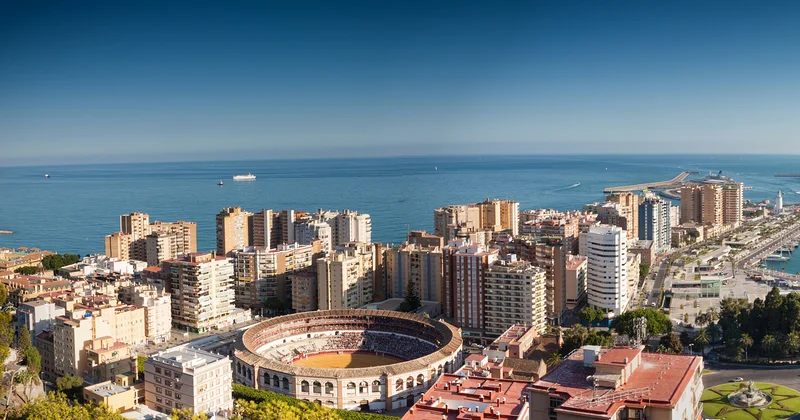
I really loved spending a few days in the city of Granada. The vibe there is mellow and it is a great place to live. It stays very lively until late at night. The Alhambra palaces are an absolute must-see. The city is vibrant and easy to explore on foot. You get some really beautiful views of the surrounding area.