Malaga

Things to do in the Costa del Sol: top 13 highlights in 2026

Sardines grilled over embers by the water, white villages clinging to the mountains and Picasso's home town at the foot of a Moorish fortress. The rankings below are made by travellers like you.

Our members' favourite places in the Costa del Sol

Ranked on recommendations from travellers who went there

#1 Malaga +51 recs

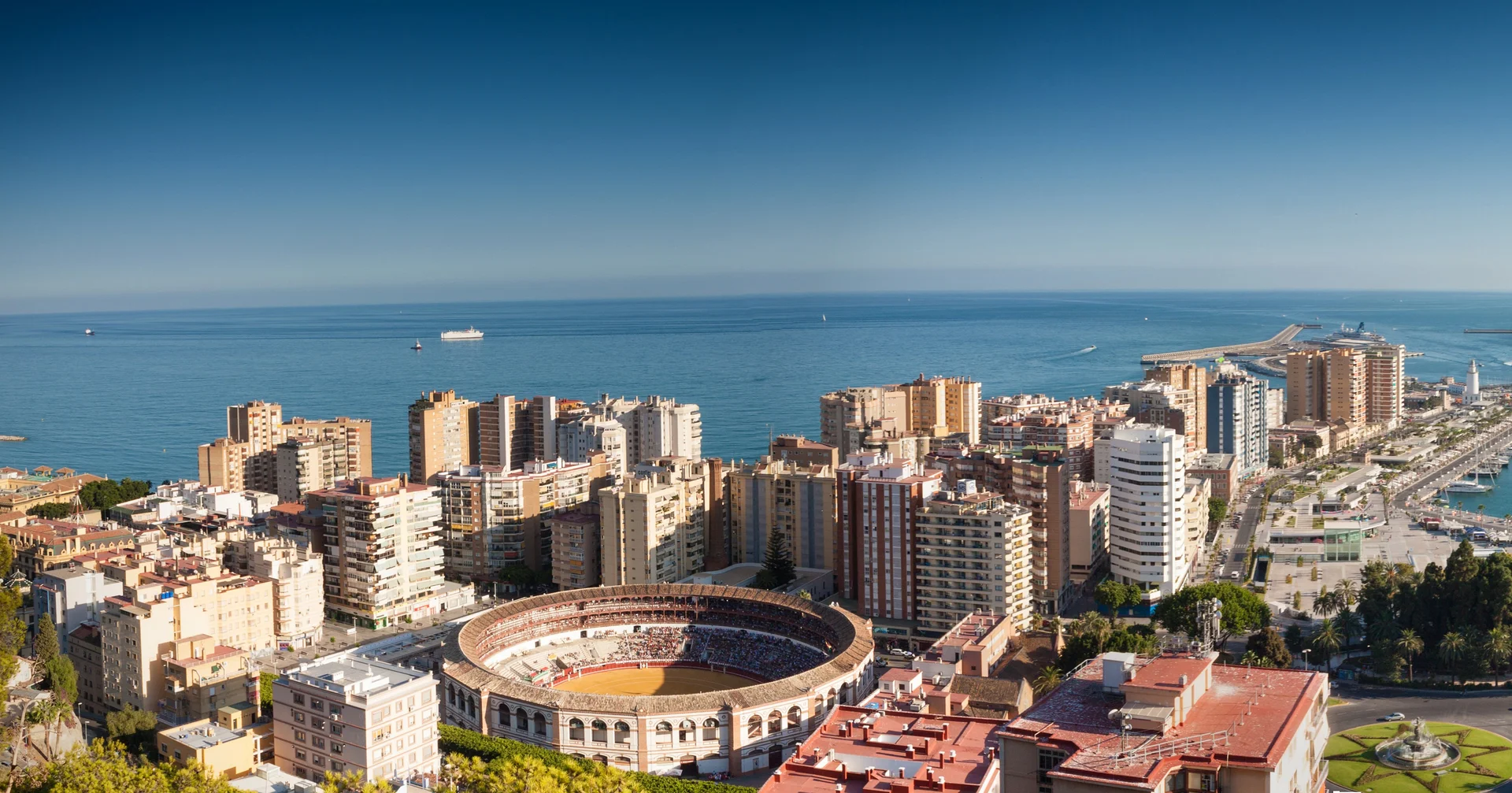
As the birthplace of Picasso and a hub for Andalusian tapas, Malaga has reinvented itself over the last decade. The city now boasts a museum density that rivals Spain's major capitals, while fishing neighborhoods like Pedregalejo maintain a pace of life that feels like a classic Southern California beach town. With over 300 days of sunshine, an ancient Alcazaba, and fresh sardines grilled right on the sand, this city is the standout of the south.

#2 Nerja +15 recs

Paradise beaches and water sports

Located on the Costa del Sol in southern Spain, Nerja is a major destination that retains a human scale for those who prioritize sun and sand. Its beaches, such as Playa de Burriana and Playa de Maro, feature crystal-clear water and golden sand, creating a coastal vibe reminiscent of the quieter stretches of the California central coast. Beyond swimming and tanning, visitors can go kayaking, scuba diving, and paddleboarding. Hidden coves and rocky formations provide an adventurous edge for those looking to explore the more rugged parts of the coastline.

What to see

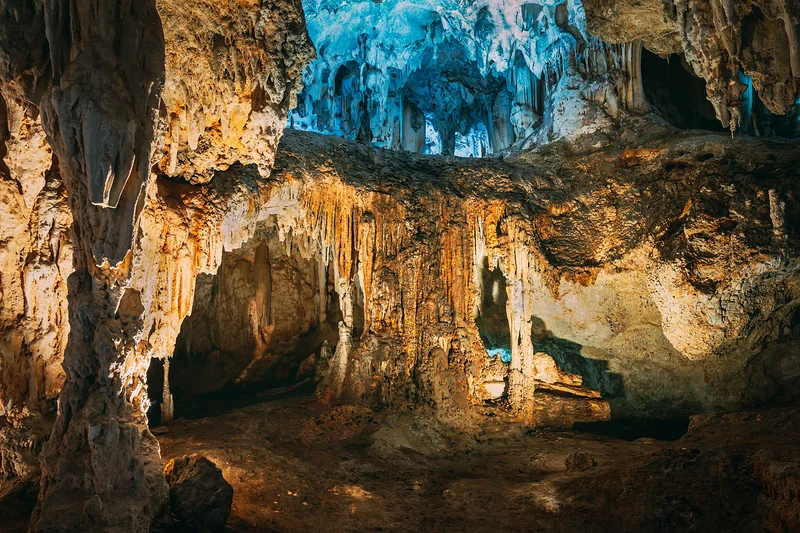
Nerja offers more than just its beaches. The town is famous for its Caves, an extensive network of caverns filled with stalactites and stalagmites. They rank among the largest in Spain, and a significant portion is open for walking tours.

Back in town, the historic center features narrow alleys, lively squares, and traditional architecture like the iglesia de Nuestra Señora de las Maravillas.

The Balcón de Europa, a scenic promenade perched above the sea, is the essential spot to take in views of the Mediterranean and the surrounding mountains.

Savory food and the Andalusian way of life

The local food scene is a highlight. Restaurants serve traditional Andalusian Mediterranean cuisine, including tapas, fresh fish, seafood, and cured Iberian meats. You can enjoy these meals in a relaxed, social atmosphere. The tapas bars and waterfront restaurants offer an authentic dining experience.

In the evening, the streets of Nerja become a social hub where you can wander, browse local art, and experience the slow pace of Andalusian life.

When to go

The best times to visit are spring (April to June) and fall (September to October). The weather is comfortable, the crowds are manageable, and you get to enjoy the scenery without the intense heat. Summers are quite hot, though they are the best choice if your primary goal is spending every day on the beach.

How to get there

The most practical approach is to fly into Malaga International Airport, which is the closest hub. From Malaga, it takes about one hour by car or bus to reach Nerja.

#3 Marbella +1 rec

Tucked between the peaks of the Sierra Blanca and the Mediterranean Sea, Marbella is a prominent resort town in Malaga province in Andalusia. As the premier jet-set hub of the Costa del Sol, it has nonetheless managed to preserve several historic charms, notably its old town or casco antiguo, which offers a great look at Moorish architecture of the past. Start your walk at the Plaza de los Naranjos, typical of the region with its mature orange trees, and wander through the flower-lined narrow streets. Right in the heart of the old town, the Museum of Contemporary Spanish Engravings is worth visiting as much for the richness of its collections featuring works by Dalí, Picasso, and Miró as for the beauty of its building, a former 16th-century hospital featuring Renaissance and Mudéjar architecture.

Off the beaten path in Marbella

Take advantage of your stroll through the old town to visit the Church of the Incarnation, built in the 16th century on the ruins of an old mosque. Its high, multi-tiered walls give it the look of a fortified castle, as the church once served to protect the town from potential invasions in addition to its religious duties. Nearby, do not miss the remains of the old town walls, which date back to the Moorish occupation of the region in the 11th century.

A great walk in Marbella circles the Artola dunes. On-site, you can follow a wooden boardwalk that leads you directly to the quieter local beach, the Cabopino beach.

The flagship resort town of the Costa del Sol

Marbella experienced its initial tourism boom in the 1950s when the construction of the Marbella Club Hotel in 1954 opened the door to international luxury tourism. In the 1970s, a luxury marina was also built, the Puerto Banús. Packed with upscale boutiques and luxury shops, the area draws numerous celebrities and offers a varied selection of bars and restaurants ranging from casual to high-end glitz.

In downtown, walk down the grand Avenida del Mar, which connects the port to the elegant Alameda park and the graceful Virgen del Rocío fountain located at its center. The promenade is dotted with sculptures created by Salvador Dalí. To make the most of the waterfront, take the paseo maritimo, a 7 kilometer boardwalk connecting the Puerto Deportivo to the Puerto Banús marina.

With 27 kilometers of coastline, Marbella features plenty of beaches where you can enjoy the sun and go for a swim, including the Nagüeles beach, El Faro beach, and Rio Verde beach.

When to go?

Avoid the peak season to escape the intense heatwaves and the crowds that flood the streets of Marbella every year. The best times to visit Marbella are during the spring and late summer between September and October.

How to get there?

The nearest airport is in Malaga. Buses run directly from Malaga airport to Marbella. Marbella does not have a train station, so the train from Malaga stops in Fuengirola, 25 kilometers away, where a bus takes over for the rest of the trip. By car, you will arrive via the Mediterranean highway, the AP-7, or the Costa del Sol dual carriageway, the A-7.

Our members' favourite things to do in the Costa del Sol

Ranked on recommendations from travellers who did them

#1 Balcón de Europa (Nerja) +7 recs 4/5

The Balcón de Europa in Nerja is a signature overlook on the Costa del Sol. It offers panoramic views of the Mediterranean and the surrounding mountains. Once a fortress, this site became a promenade after a visit from King Alfonso XII in the 19th century. Surrounded by restaurants and shops, it combines history with coastal relaxation.

#2 Malaga Cathedral (Malaga) +7 recs 4/5

Malaga Cathedral, nicknamed La Manquita due to its incomplete second tower, blends Gothic, Renaissance, and Baroque architecture. Located in the center of Malaga, it features detailed stone facades and a grand interior with intricate chapels. Climb to the roof for sweeping views of the city and the surrounding coast.

#3 Pompidou Centre Malaga (Malaga) +7 recs 4/5

Opened in 2015, Pompidou Centre Malaga is the first international outpost of the famous Parisian museum. Featuring an already iconic colorful cube, it holds over 90 works by artists like Pablo Picasso and Henri Matisse. Located in the Muelle Uno (Pier One) district, it is perfect for an art fix followed by a harbor walk.

See the guide See deals

#4 Museo de Málaga (Malaga) +7 recs 4/5

The Museo de Málaga, opened in 2016, holds a collection of over 2,000 pieces ranging from ancient to modern art. Housed in a Renaissance palace, it offers a welcoming space to view works by Francisco de Goya, Pablo Picasso, and Joaquín Sorolla. With workshops for all ages, it is a rewarding stop in Malaga.

#5 Historical Botanical Garden of Malaga (Malaga) +7 recs 4/5

The Historical Botanical Garden of Malaga, known locally as La Concepción, is a natural escape just minutes from the city center. Founded in 1855, this romantic garden houses over 25,000 plants across 2,000 species. Explore archaeological ruins, statues, and fountains, or join a tour to see the iconic Avenue of Palms and blooming wisteria.

#6 Gibralfaro Castle (Malaga) +7 recs 3/5

Gibralfaro Castle, built in the 14th century, towers over Malaga with sweeping views of the city, the sea, and the nearby mountains. Originally a defensive outpost for the Alcazaba, its massive walls reflect its military role in the Kingdom of Granada. Walk the ramparts, photograph the skyline, and visit the small military museum.

See the guide See deals

#7 Alcazaba (Malaga) +7 recs 4/5

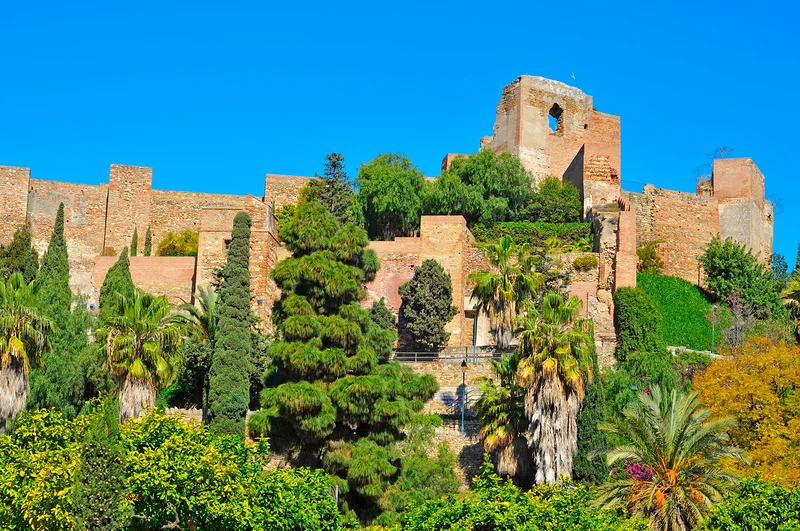
The Alcazaba in Malaga is an 11th-century Moorish fortress overlooking the city. Its courtyards, gardens, and fountains feature a blend of Roman and Islamic architecture. Beyond its history, the site provides views of the coast. For a full experience, pair your visit with the nearby Castillo de Gibralfaro, reached via a scenic path.

See the guide See deals-7%AVYGEO7

#8 Roman Theatre of Malaga (Malaga)

The Roman Theatre of Malaga, built during the 1st century BC under Emperor Augustus, is a striking piece of history at the foot of the Alcazaba. Rediscovered in 1951, this site lets you walk through ancient seating areas and stages. Interactive exhibits at the visitor center highlight its past. It is a Malaga staple.

See the guide See deals

#9 Picasso Museum (Malaga)

Housed in a historic palace, the Picasso Museum in Malaga is a primary stop for art lovers. It displays over 200 works covering every stage of his career, from paintings and sculptures to ceramics. Beyond the permanent collection, temporary exhibits highlight artists like Joan Miró, Henri Matisse, or Alberto Giacometti, tracing their connections to his own evolution.

See the guide See deals

#10 Nerja Caves (Nerja)

Nerja Caves are a prehistoric site on the Costa del Sol, discovered in 1959 and home to cave paintings over 42,000 years old. They span nearly 5 kilometers, featuring natural formations like a 32-meter stalactite column. The main hall hosts concerts, while the Museo de Nerja (Nerja Museum) details their geological significance.

See the guide See deals

Map of the Costa del Sol

Visiting the Costa del Sol

Some hundred and fifty kilometres of coast in southern Andalusia, from Manilva to Nerja, the length of the province of Málaga. Behind the beaches, the mountains almost drop into the sea, and white villages cling to them, like Mijas, Casares or Frigiliana. In the middle, Málaga has become a real city of art again, with its museums, Moorish fortress and harbour given back to walkers.

To the west, Marbella mixes its flower-filled old town with the yachts of Puerto Banús, and Estepona has kept a centre of lanes. In between, Torremolinos and Fuengirola were born of 1960s tourism. To the east, around Nerja, the coast turns back into cliffs and coves. You come for the mild winters, the beach in summer and Andalusia an hour's drive away.

You'll love it if

  • You want winter sun, a short flight from the UK
  • You want to mix beaches, museums and white villages
  • You want to explore Granada, Ronda or Seville from a base

Look elsewhere if

  • You hate concrete: part of the coast is heavily built up
  • You want empty beaches in August: the coast is packed
  • You want a wild coast: you'll need to go as far as Nerja for cliffs

The must-sees

  1. The Alcazaba and old Málaga

    1 The Alcazaba and old Málaga +7 recs

    A Moorish fortress climbs in terraces above the harbour, between gardens, fountains and horseshoe arches. Then climb up to Gibralfaro castle for the view over the bay, and come back down to the cathedral and the Picasso museum, five minutes' walk away.

  2. The Nerja caves

    2 The Nerja caves

    Beneath the hills of Nerja lie huge chambers, discovered by children in 1959, with calcite columns among the tallest in the world. In the evening, end at the Balcony of Europe, the terrace jutting out over the sea in the middle of the village.

  3. 3 The white villages Villages

    A few kilometres from the beach, Frigiliana, Mijas and Casares tumble down the slopes in whitewashed lanes, with pots of geraniums at the windows. Go up in the late afternoon, once the coaches have left: the light turns the façades golden and the terraces fill up.

  4. 4 The Caminito del Rey Hiking

    An hour from Málaga, a walkway pinned to the cliff crosses the El Chorro gorge, a hundred metres above the river. The walk takes about three hours, one way only. Places are booked well in advance, especially in spring.

  5. 5 The Málaga Fair Festival

    In mid-August, for a week, Málaga dances: sevillanas in the streets of the centre by day, horses and flounced dresses, then concerts and casetas at the fairground by night. People drink the local sweet wine, and the whole city lives outdoors.

The classic trap

Booking a hotel by the coastal motorway to save a few euros. You sleep to the sound of traffic, far from a beach on foot and from any old town. Look instead for a hotel on the seafront or in a historic centre: Málaga, Marbella, Estepona or Nerja.

Our itineraries in the Costa del Sol

Our itineraries by length of stay
LengthRouteWhat you see
3 daysMálaga › Nerja › FrigilianaThe Alcazaba, Picasso, the caves and a white village
5 daysMálaga › Marbella › Mijas › Caminito del ReyThe city, the chic coast, the villages and the gorge
1 weekFrom Nerja to Estepona, with Ronda and GranadaThe whole coast and Andalusia's great cities an hour away

Start in Málaga: the Alcazaba in the morning, then the Picasso museum and tapas around the cathedral. The next day, head to Nerja for the caves and the Balcony of Europe, then up to Frigiliana. Got a week? Add Marbella, the Caminito del Rey and a day in Ronda or Granada.

When to visit the Costa del Sol

When to go, season by season
AppealSeasonTemperaturesHighlightCrowds and prices
WinterNov. to March9 to 18 °CMild weather and cities without crowdsLow
SpringApril to June13 to 26 °CHoly Week and the Caminito del ReyMedium
SummerJuly and Aug.21 to 31 °CThe beach and the Málaga FairHigh
AutumnSept. and Oct.16 to 28 °CA warm sea and quiet beachesMedium

Our advice

The Costa del Sol is one of the few coasts in Europe you can visit all year. For swimming, come in June or September; for the cities and walking, choose winter or spring. In summer, watch out for the terral, a scorching wind from inland that sends the temperature up all at once.

Getting to the Costa del Sol

  1. By plane to Málaga The easiest

    Direct flights link London, Manchester, Birmingham, Dublin and dozens of other cities to Málaga in under three hours, all year round. The airport is a quarter of an hour from the centre and from Torremolinos.

  2. By train via Madrid Without flying

    From London, it's a long day with changes in Paris and Barcelona or Madrid. The high-speed train then links Madrid to Málaga in just under three hours.

  3. By car through France and Spain The longest

    More than a thousand kilometres separate the French border from Málaga along the Mediterranean motorway. It's a two-day drive at least, worth it only for a long stay or a loop around Andalusia.

Once there, you may not need a car: a commuter train links the airport to Málaga, Torremolinos, Benalmádena and Fuengirola. Hire one for Marbella, Estepona, the white villages and trips to Ronda or Granada.

Getting around the Costa del Sol

The commuter train runs along the coast from Málaga to Fuengirola, stopping at the airport, about every twenty minutes. Beyond that, buses link Marbella, Estepona and Nerja. For the white villages, the Caminito del Rey and inland, a car is the simplest option.

Good to know

Parking in central Málaga or Marbella is expensive: leave the car in a car park on the edge of town. For Nerja and Frigiliana in summer, set off early, car parks fill by ten. Spain drives on the right, and a UK or EU licence is all you need.

What to eat in the Costa del Sol

  • Espetos de sardinas: sardines threaded on a cane skewer and grilled over a wood fire, in a sand-filled boat on the beach.
  • Pescaíto frito: fried small fish, anchovies, squid and red mullet, eaten with your fingers.
  • Ajoblanco: Málaga's cold soup of almonds and garlic, served with grapes.
  • Málaga wine: a sweet muscat wine, poured straight from the barrel in the old taverns of the centre.
  • Aubergines with cane honey: fried and drizzled with the cane syrup of Frigiliana.
  • Coffee, Málaga style: you order it by the dose, solo, mitad, nube, depending on how much milk.

To eat like the locals, look for the beach chiringuitos, such as those at Pedregalejo in Málaga or Burriana in Nerja, where the espetos grill before your eyes. Lunch is around two, and dinner rarely starts before nine.

Where to stay in the Costa del Sol

Where to base yourself
AreaWhat forGood to know
MálagaMuseums, old town, station and airportThe most urban
Torremolinos and BenalmádenaLong beaches, marina, trainThe cheapest
Fuengirola and MijasFamily beaches, white villageThe most family-friendly
Marbella and EsteponaOld towns, golf, Puerto BanúsThe most upmarket
Nerja and the AxarquíaCliffs, coves, villagesThe finest scenery

Read the full guide: where to stay in the Costa del Sol

How much does a trip in the Costa del Sol cost?

Indicative budget per person, excluding flights
TripLengthBudget per person
Budget (apartment in Torremolinos, train, tapas)5 days€350 to €600
Comfort (city or beach hotel, car for two days)5 days€800 to €1,400
Luxury (grand hotel in Marbella, golf, fine dining)5 days€2,500 to €5,000
  • The season: from October to April, you often pay half the August price for the same room.
  • Tapas: a round of tapas at the bar costs far less than a sit-down meal.
  • Museums: the Museum of Málaga is free for EU visitors, and others are free on certain days.
  • The commuter train: a few euros from the airport to Málaga or Fuengirola.
  • The Caminito del Rey: book on the official site, resellers often add a hefty margin.

Traditions and way of life in the Costa del Sol

The Phoenicians founded Malaka nearly three thousand years ago, the Romans built a theatre, and the Moors ruled for eight centuries, until the Catholic Monarchs took the city in 1487. The Alcazaba and Gibralfaro castle date from their time. In the mountains, the white villages keep lanes laid out for shade, and sugar cane long covered the coast around Nerja.

Pablo Picasso was born in Málaga in 1881, on Plaza de la Merced, where his birthplace can be visited. In the 1960s Torremolinos became the haunt of artists and the first tourists, and then Marbella that of the jet set. In Málaga on a Sunday? Head down to the harbour: the whole city strolls there as a family until dusk.

Top photos posted by members

Balcon de Europa
Casares Old Town
Malaga

Traveler reviews

Nerja, the beautiful Balcony of Europe on the Mediterranean

Even though it is very touristy, Nerja is a charming little town offering a superb panorama of the sea and the coast. The famous Balcon de l'Europe is well laid out along a pretty pedestrian walkway l…

54

Spot with amazing views of the Costa del Sol

On the road from Malaga to Granada, I made a stop in Nerja because I had read in my guidebook that the Balcon de Europa offered spectacular views of the Costa del Sol. Indeed, this square is built on…

15

Beautifully decorated interior without being over the top

Compared to the Seville Cathedral, which is not too far away, the one in Malaga might seem small. The exterior is not particularly spectacular. On the other hand, the interior is worth visiting. The w…

45

Not bad but pretty limited

Interesting for modern art lovers, but heads up, you will have seen all the permanent and temporary exhibits in 1 hour, whereas a half day wouldn't be enough at the Centre Pompidou in Paris. It's not…

48

Interesting collection in a lovely building

Relatively new museum that contains artwork and craft objects found locally at archaeological sites. Interesting without being a must-see, you will learn quite a bit about the eventful history of Anda…

51