
A month in Andalusia: four legendary cities, endless tapas, and a heat that clings to your skin. Last August, I traveled through southern Spain from Granada to Cordoba, stopping in Cadiz and Seville along the way. Here, I’m sharing my full itinerary, the hiccups I faced, my favorite spots, and all my tips for visiting Andalusia without missing a beat.
If you're wondering what to do in Andalusia, the short answer is: everything. The long answer: read on.
Why is Andalusia such a unique destination?

Andalusia isn't just "Spain." It’s a mesmerizing blend of Arab, Jewish, and Christian culture, with eight centuries of Moorish history etched into the stone of its palaces and mosques. Add in flamenco, free tapas (yes, that’s still a thing in Granada!), and a laid-back lifestyle that makes every day feel a little magical.
Traveling to Andalusia in the summer? Don't be afraid of the heat! You just have to adopt the Andalusian rhythm: sightseeing early in the morning, a sacred siesta between 2 PM and 6 PM, then tapas and hanging out until the early hours. It’s a vicious cycle that’s easy to start but very hard to quit. ¡Salud!
⚠️ Best time to visit: Spring (April-June) and autumn (September-November) offer ideal temperatures. In the height of summer, expect 40°C (104°F) and up inland, but the nightlife more than makes up for it!
My Andalusia itinerary: the big picture
Here is the route I followed over 2 weeks, city by city. You can adapt it based on the length of your trip, from one week to two weeks, by picking the stops that appeal to you most.
| Stop | City | Recommended duration | Must-see |
|---|---|---|---|
| 1 | Granada | 3-4 days | The Alhambra, Albaicín, Sacromonte |
| 2 | Cadiz & Jerez de la Frontera | 3-4 days | La Caleta beach, old town, seaside camping |
| 3 | Seville | 3-5 days | Cathedral, Alcazar, Plaza de España, Triana district |
| 4 | Cordoba | 2-3 days | Mosque-Cathedral, flower-filled patios, Arab baths |
💡 Transport tip: Major Andalusian cities are connected by train (AVE and Media Distancia) and regular buses. For more freedom, especially if you want to explore the pueblos blancos (white villages) and nature spots, a rental car remains the best choice. Budget about 40 to 70 € per day, insurance included.
Granada: the pearl at the foot of the Sierra Nevada
Arriving by train through a landscape of olive groves sets the tone. Granada is a vibrant city, fueled year-round by thousands of students from all over the world. You’ll never be bored here.
Where to stay in Granada without breaking the bank?
I easily found a small, budget-friendly youth hostel that even had a rooftop terrace. It was pure bliss to sip an ice-cold beer in the evening, overlooking the city rooftops with the Alhambra illuminated in the distance. Granada is one of the most affordable cities in Andalusia for those on a budget.
The Alhambra: the monument you can't miss

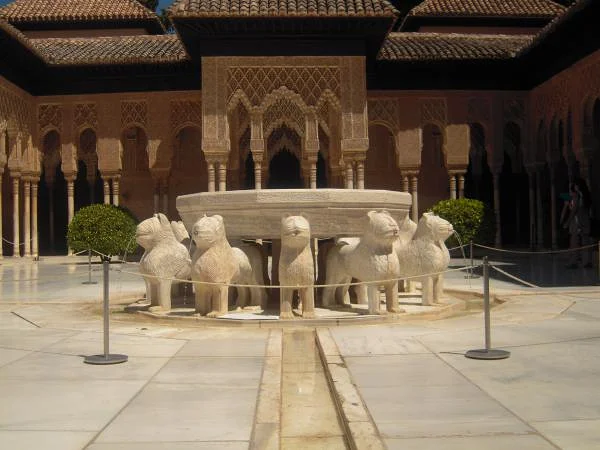
The inevitable, the unmissable, the imposing and ravishing Alhambra. Three sultans of the Nasrid dynasty competed in beauty and finesse to decorate their quarters. You’ll find yourself lulled by the succession of gardens, halls, and fabulously peaceful courtyards. In short, you won't want to leave.
Plan for at least half a day, or even a full day, to enjoy it without rushing. The Nasrid Palaces are the highlight of the visit: delicate arabesques, plays of light, whispering fountains... It’s the quintessence of Islamic art in Europe.
⚠️ Booking mandatory: Tickets for the Alhambra sell out 2 to 3 months in advance during high season. A general ticket costs about 16 € and provides access to the entire complex (Nasrid Palaces, Alcazaba, Generalife). Don't forget: bring your original passport on the day of your visit; photocopies are not accepted!
What else to see in Granada?

Strolling through the streets of Granada is a pleasure in itself. But the real joy is heading up to a mirador (viewpoint) to gaze at the Alhambra, the cathedral, and the mountains of the Sierra Nevada. The Mirador de San Nicolás, in the Albaicín district, is the dream spot for an unforgettable sunset.
- The Albaicín: This UNESCO-listed Moorish quarter is a labyrinth of white alleyways and small, shaded squares. Get lost in it, that’s the whole point.
- Sacromonte: Famous for its cave houses and flamenco shows held in caves. I attended a show at Chien Andalou where the dancers and musicians were just a few feet away. Guaranteed goosebumps.
- Free tapas: Granada is one of the last cities in Spain where every drink you order comes with a free tapa. Go from bar to bar and let yourself be surprised!
- The Royal Chapel and Cathedral: The final resting place of the Catholic Monarchs Ferdinand and Isabella, a beautiful example of Renaissance architecture.
A getaway to the Sierra Nevada
Don't just stay in the city. A simple local bus will take you to the small villages perched in the heart of the Sierra Nevada. The walks there are fantastic, winding between white villages and mountain trails. The Alpujarras, on the southern slopes, offer landscapes that rival the prettiest postcards.
Cadiz and Jerez: heading to the sea to catch your breath
After an initial wave of intense heat in Granada, there’s nothing better than heading for the ocean. Next stop: Cadiz, the oldest city in Western Europe, built on a peninsula between the bay and the Atlantic.
The camping hack in Jerez de la Frontera

Accommodation in Cadiz itself can be quite pricey, especially in summer. My advice: pitch your tent at a campsite in Jerez de la Frontera, about thirty minutes by boat from Cadiz. Fine sandy beaches, palm trees, and the sea just a few steps from your tent. An absolute dream for budget travelers.
Here is the link I used to find a campsite in Spain: good value for money, the Andalusian Atlantic coast around Cadiz and Jerez offers superb spots, often cheaper than on the Costa del Sol, and with a much more authentic vibe.
What to do in Cadiz?

Cadiz is a city of partying and atmosphere, like all major Andalusian cities. Along La Caleta beach, you’ll find some great little fish restaurants. The cathedral square is pleasant for a break on a terrace, and the narrow streets of the old town are packed with cool bars.
The beaches of Jerez de la Frontera, by the way, have nothing to envy those of Cadiz: golden sand, clear water, and far fewer crowds. The perfect place to catch your breath between two days of intense cultural sightseeing.
💡 Don't miss in Jerez: The Real Escuela Andaluza del Arte Ecuestre offers a unique equestrian show, "Cómo bailan los caballos andaluces" (How the Andalusian horses dance). A true ballet with purebred Spanish horses in traditional costumes.
Seville: the bustling Andalusian capital

The "capital" of Andalusia, Seville lives intensely. A student and party city, it really comes alive at nightfall, when the crushing heat of the day finally gives way to a warm breeze. Don't be discouraged by the thermometer: it’s cool inside the Cathedral!
Seville's must-see monuments

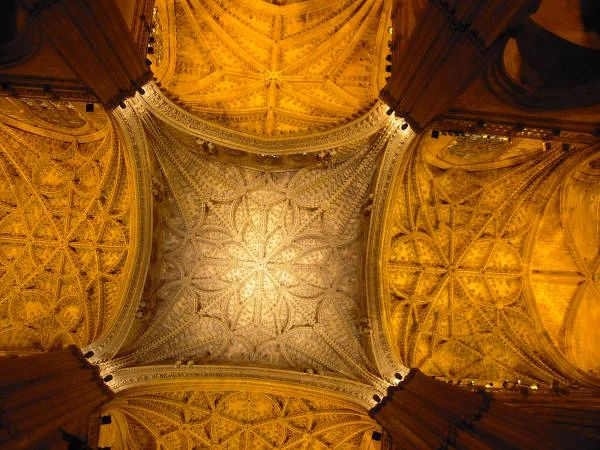
- The Seville Cathedral is the largest Gothic cathedral in the world. Climbing to the top of the Giralda, the former minaret converted into a bell tower, offers a breathtaking panorama over the entire city. A monument not to be missed.
- Right next door, the Seville Alcazar is sumptuous. Its gardens and fountains are perfect for an afternoon stroll when the sun is beating down. Fans of TV series will recognize the sets for certain scenes from Game of Thrones and Star Wars, filmed right here.
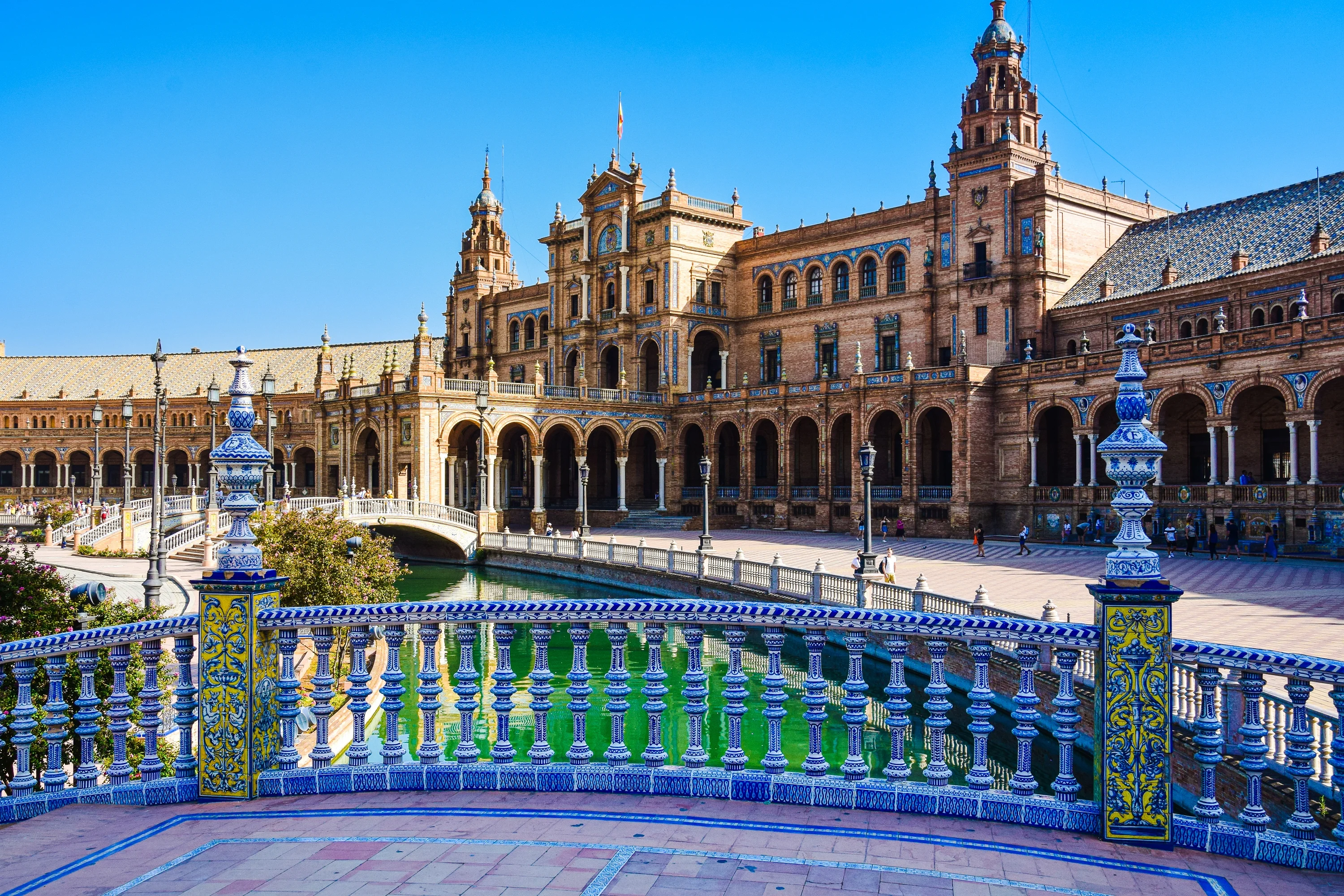
- And of course, a mandatory visit to the Plaza de España. This monumental monument (and that’s not an exaggeration) blends Renaissance, Baroque, and Mudéjar styles around a semi-circular canal. Just next door, the María Luisa Park offers welcome shade and magnificent green spaces.

My accommodation hack in Seville
A little gem found on the other side of the Triana bridge: a very reasonably priced youth hostel with a rooftop terrace equipped with tables, chairs, hammocks, and a hot tub! Perfect for recovering from a hard day of sightseeing in 42°C (108°F) heat.
The Triana district itself is worth the detour. It’s the cradle of Sevillian flamenco, and you’ll find beautiful shops selling typical handcrafted ceramics, perfect for bringing back a unique souvenir. It’s also where the nightlife is in full swing, with excellent tapas bars along Calle Betis.
What I loved in Seville
- The incomparable nightlife, especially in Triana and Santa Cruz
- The Alcazar and its gardens: an oasis of coolness in the middle of a heatwave
- Tapas in the small bars of the Barrio de Santa Cruz
- The Plaza de España at sunset
What you need to know
- The summer heat is truly crushing (40-45°C), plan to have water with you at all times
- Lines for the cathedral and the Alcazar can be long: book online
- Prices on terraces in highly touristy areas are inflated; walk a bit further away
- Watch out for pickpockets in crowded areas
Cordoba: the discreet splendor at the end of the trip

A smaller city than Seville or Granada, Cordoba is just as mesmerizing. It’s the perfect stop to slow down the pace at the end of your trip and enjoy a hammam, Arab baths, and an essential oil massage. You’ve earned it.
The Mosque-Cathedral: a monument unique in the world

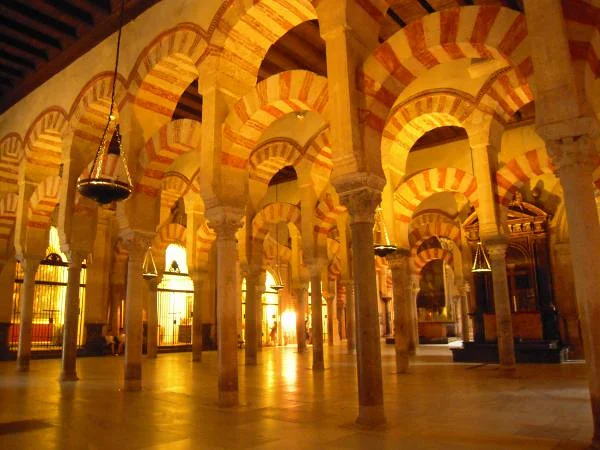
The Mezquita (Mosque-Cathedral) of Cordoba is a sumptuous building that is absolutely one of a kind. You enter a forest of two-toned columns as far as the eye can see, and suddenly, in the center, a Christian cathedral emerges. Two worlds coexisting in the same space. You leave truly shaken.
💡 Free tip: Entry to the Mezquita is free from Monday to Saturday between 8:30 AM and 9:30 AM (check times, they change by season). Arrive early to enjoy the place almost entirely to yourself, in the magnificent morning light.
Getting lost in the flower-filled alleyways
One of the great pleasures of Cordoba is strolling through the Judería (Jewish quarter) and stumbling upon patios overflowing with flowers. The famous Calleja de las Flores is a classic, but the real joy is getting off the beaten path to unearth even more beautiful patios hidden behind half-open doors.
If you visit in May, you’ll be lucky enough to attend the Festival de los Patios (from about May 1st to 13th), where locals open their interior courtyards decorated with hundreds of flower pots. It’s a UNESCO Intangible Cultural Heritage site and it’s free.
The Alcázar and culinary specialties

Not far from the Mezquita, the Alcázar de los Reyes Cristianos is worth a visit for its terraced gardens and fortified towers. Andalusian horse shows are also regularly held in the area.
As for gastronomy: don't miss out on trying the magnificent couscous and tajines around the Mosque-Cathedral. The North African influence is very much alive in Cordoban flavors. The salmorejo (a thick cousin of gazpacho) is also a must-try here; this is the city that invented it!
What about Ronda? The stop I should have added
In hindsight, if I were to do it all over again, I would definitely add Ronda to my itinerary. This city perched on a rocky plateau, split in two by the dizzying El Tajo gorge, is one of the most photogenic in Andalusia.
The Puente Nuevo, a 98-meter-high bridge built in the 18th century, spans the canyon and offers breathtaking views. The Arab baths of Ronda are among the best-preserved in Spain, and the bullring (1785) is one of the oldest in the country.
Ronda is located between Seville (1h45) and Malaga (1h30), making it an ideal stop during a road trip. Count on one day for the main sights, two days if you want to explore the surroundings, especially the atypical village of Setenil de las Bodegas, where the houses are literally built under the rock.
My practical tips for a successful trip to Andalusia
What budget should you plan?
| Expense | Backpacker budget | Comfort budget |
|---|---|---|
| Accommodation / night | 15-30 € (hostel, camping) | 60-120 € (hotel, Airbnb) |
| Meals / day | 15-25 € (tapas, menu del día) | 35-60 € |
| Inter-city transport | 10-25 € (bus) | 20-50 € (AVE train) |
| Sightseeing / day | 5-16 € | 15-40 € (guided tours) |
| Car rental / day | - | 40-70 € |
How to get between cities?
- By train: The Renfe network connects Seville, Cordoba, and Granada. The AVE (high-speed) covers Seville-Cordoba in just 45 minutes. Consider the Renfe Spain Pass if you’re making multiple trips.
- By bus: ALSA and other companies serve almost all Andalusian cities, including the smaller ones. It’s often the cheapest option.
- By car: This is the most flexible solution, especially for exploring the white villages, the Sierra Nevada, or the coast. The roads are in excellent condition.
My 5 mistakes to avoid
- Not booking the Alhambra in advance: I almost waited 3 hours at the ticket office at 5 AM! Since then, the ticketing system has evolved, but slots go fast. Book online 2-3 months before.
- Sightseeing in the middle of the afternoon in summer: Between 2 PM and 6 PM, everything closes and the heat is unbearable. Adopt the local rhythm: siesta is mandatory!
- Staying only in the big cities: The pueblos blancos, the Sierra Nevada, the Caminito del Rey... The wonders are also off the beaten path.
- Eating in touristy restaurants: Walk 100 meters away from the main monuments and prices drop by half for quality that is often better.
- Forgetting cash: Many small tapas bars and local shops still prefer cash.
In short: Andalusia, for whom?
What I take away from this month of travel is that this region has a rare cultural, historical, and human richness. Whether you’re more of a party animal or a lover of historical sites, traveling with friends, as a couple, or with family, Andalusia will fulfill your desires.
From the Nasrid palaces to the Atlantic beaches, from flamenco shows in a Sacromonte cave to endless tapas evenings in the streets of Seville, every day is a new adventure. It’s the kind of trip you return from transformed, with the Andalusian accent still lingering in your head and an irresistible urge to go back.
¡Buen viaje!
Comments (1)