Plaza España de Séville

Things to do in Seville: top 11 must-see attractions 2026

Looking for inspiration to visit Seville? Browse the attractions our traveler community loves most — historic sites, cultural visits, scenic walks and laid-back spots...

Top 11 attractions our members recommend

Alcázar of Seville

#1 Alcázar of Seville +38 4.7

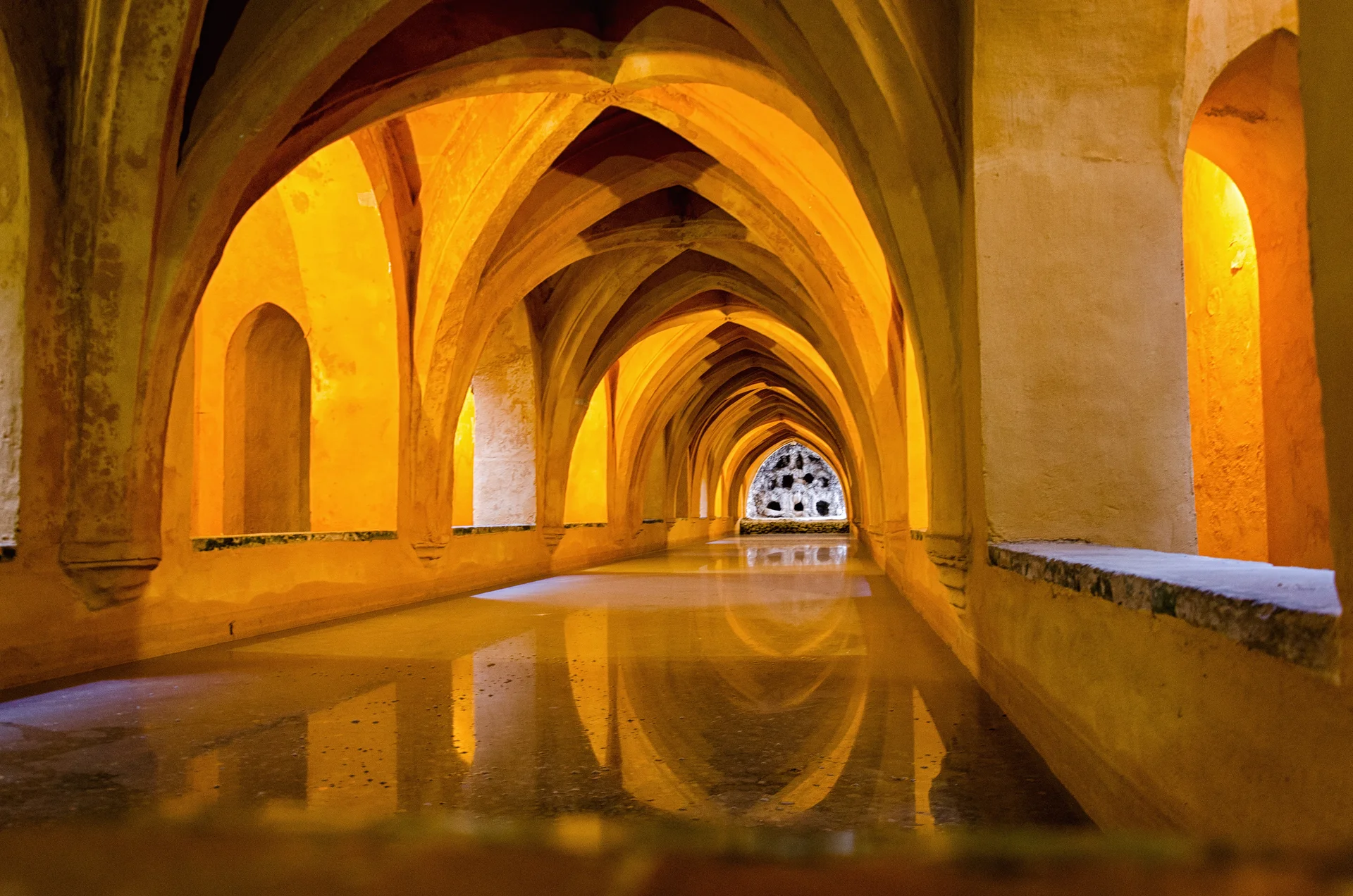
L'Alcazar de Séville, classé au patrimoine mondial de l'UNESCO, est un palais royal fortifié situé dans le centre historique de la cité andalouse. Construit principalement pendant l'époque musulmane, le palais a subi de nombreuses modifications au fil des siècles, reflétant ainsi les styles architecturaux mauresque, gothique, renaissance et baroque. Le palais est célèbre pour ses magnifiques jardins, ses patios luxuriants et ses fontaines élaborées, ainsi que pour sa salle des ambassadeurs, sa chambre des princesses et ses salles d'apparat richement décorées.

Voir le guide View offers-7%AVYGEO7
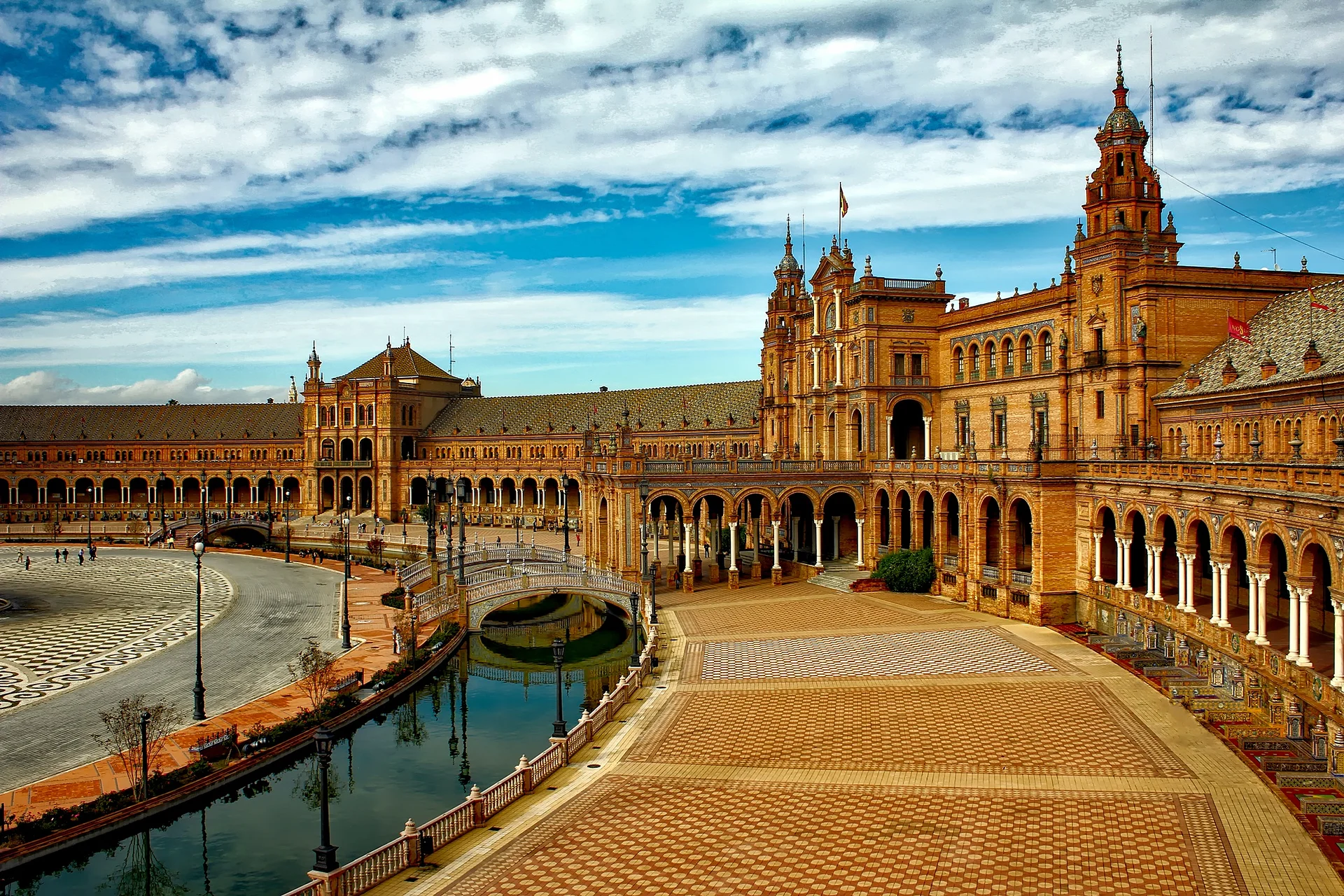
Plaza de España

#2 Plaza de España +35 5

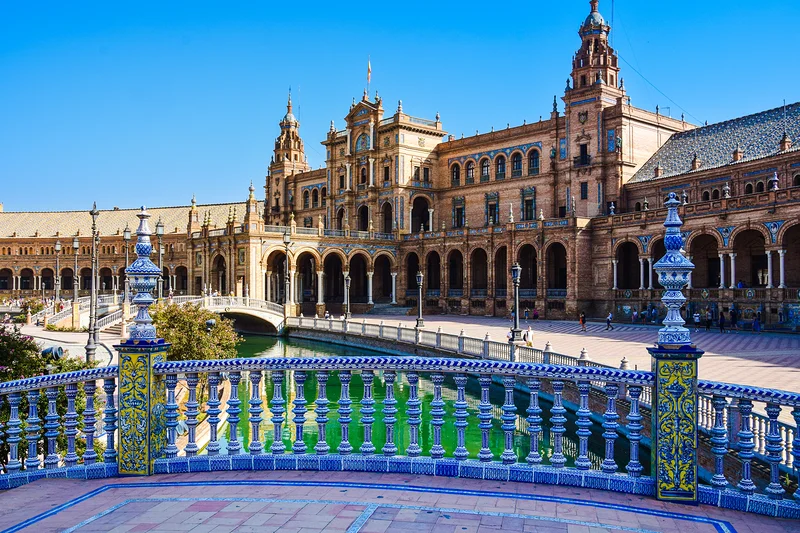
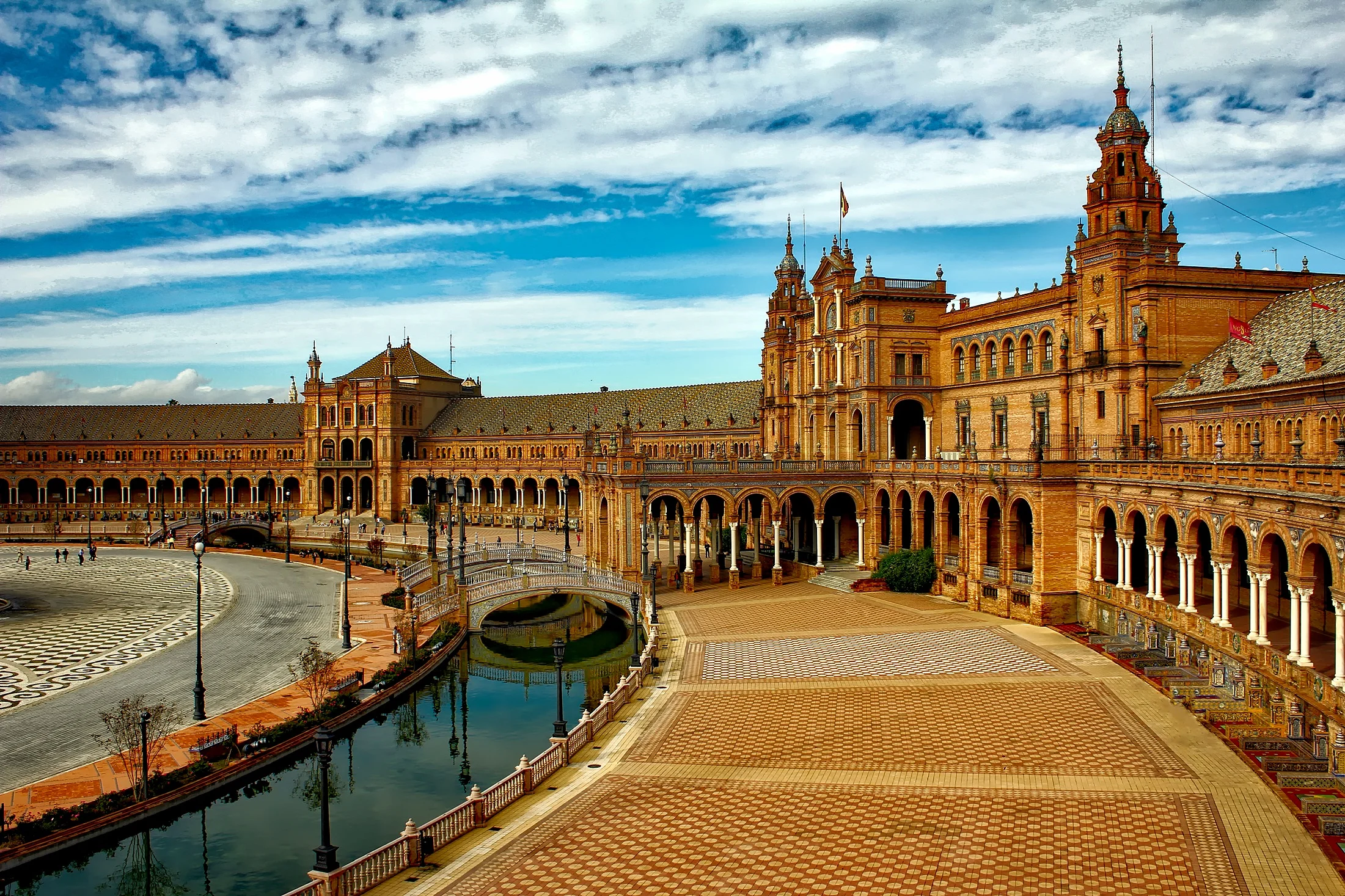
Aux abords du Parc Maria Luisa, la Plaza de España est un des lieux les plus grandioses de Séville. Composée d'un incroyable palais encadré de deux tours de 80 m qu'une galerie couverte longe, d'un canal qui en épouse la forme en demi-cercle et d'une place de 31 000 m² avec une fontaine, le site est une perfection d'élégance. Chaque élément représente une facette de l'Espagne, conçu dans le cadre de l'exposition ibéro-américaine de 1929, l'ensemble est devenu une référence touristique de la ville. Son architecture imposante et son immensité en font un point de rencontres culturelles d'une beauté infinie.

Voir le guide View offers
Seville Cathedral

#3 Seville Cathedral +34 4.9

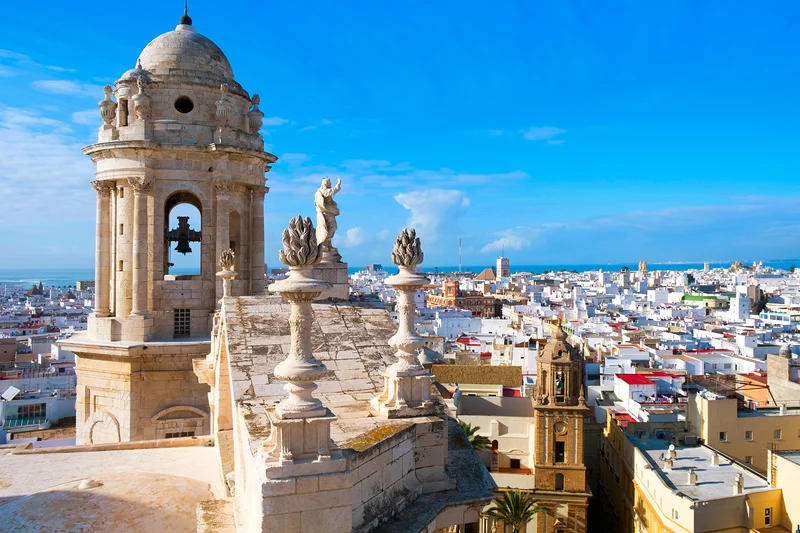
Située en plein centre de Séville, la cathédrale impressionne par sa taille et son mélange d’architectures gothique et mudéjare. Ancienne mosquée reconvertie, elle abrite la tombe controversée de Christophe Colomb et offre une vue panoramique depuis son clocher, la Giralda. Sa nef monumentale, ses chapelles et son patio aux orangers en font un site emblématique à découvrir, que l’on soit amateur d’histoire, d’art religieux ou simplement curieux de l’identité andalouse.

Voir le guide View offers-7%AVYGEO7
Giralda

#4 Giralda +19 4.5

Au cœur de la vieille ville, la Giralda est un des édifices les plus spectaculaires de Séville mais aussi d'Espagne. Ancien minaret de la grande mosquée sous la domination Almohade, en 1184, il sera transformé en clocher de la cathédrale de Santa Maria après la Reconquista. Reconstruit après le tremblement de terre de 1356, il culmine à 97,5m et son ascension fait désormais partie des incontournables. Il offre une vue panoramique sur la capitale andalouse et est un magnifique héritage du passé. Chef-d’œuvre architectural hors normes par ses proportions mais aussi son histoire, il est classé au Patrimoine mondial de l'UNESCO.

Voir le guide View offers-7%AVYGEO7
Museum of Fine Arts of Seville

#5 Museum of Fine Arts of Seville +18 5

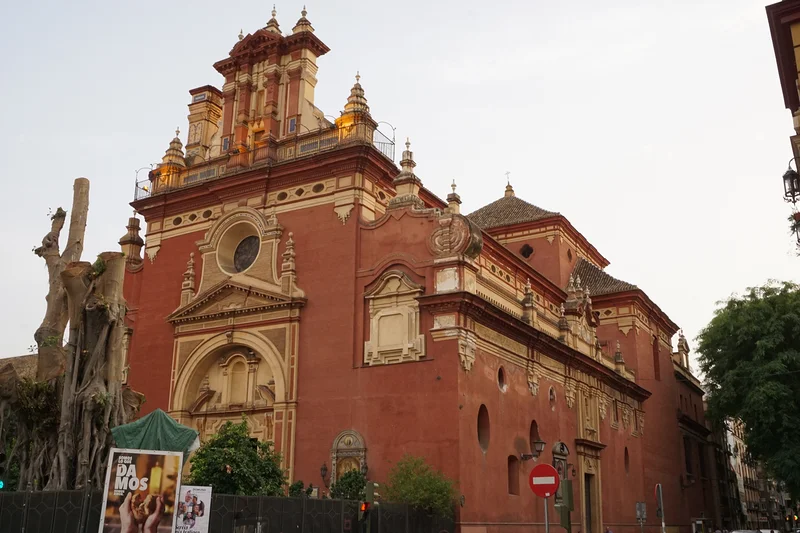
Derrière la façade baroque du sublime ancien Couvent de la Merced Calzada de la Asunción, plus de 1 300 toiles de maîtres vous donnent rendez-vous. Le Musée des Beaux-Arts de Séville ne pouvait trouver plus beau cadre et la visite en ce lieu avec patios et cloîtres n'en est que plus inoubliable. A travers 14 salles, l'histoire de l'art du Moyen-Age au modernisme est présentée, les plus prestigieuses signatures du Siècle d'or et de l'école sévillane se côtoient. Des collections exceptionnelles où l'on admire Goya, El Greco, Zurbarán, Murillo ou encore Velázquez et Cranach, pour ne citer qu'eux.

Voir le guide View offers-7%AVYGEO7
Maria Luisa Park

#6 Maria Luisa Park +17 5

Le parc María Luisa est le plus grand parc de Séville. Située entre les fameuses Plaza de España et Plaza de América, il a été réaménagé à l'occasion de l'exposition ibéro-américaine de 1929 par le paysagiste français Jean Claude Nicolas Forestier. Lieu de promenade à la végétation luxuriante, il comporte aussi deux musées, le musée archéologique de Séville et le Musée des arts et coutumes populaires. Outre ses beaux jardins paysagers, le parc est irrigué par différents points d'eau. Vous y découvrirez aussi de beaux monuments comme des fontaines décorées par des azulejos et des statues commémoratives.

Torre del Oro

#7 Torre del Oro +12 4.7

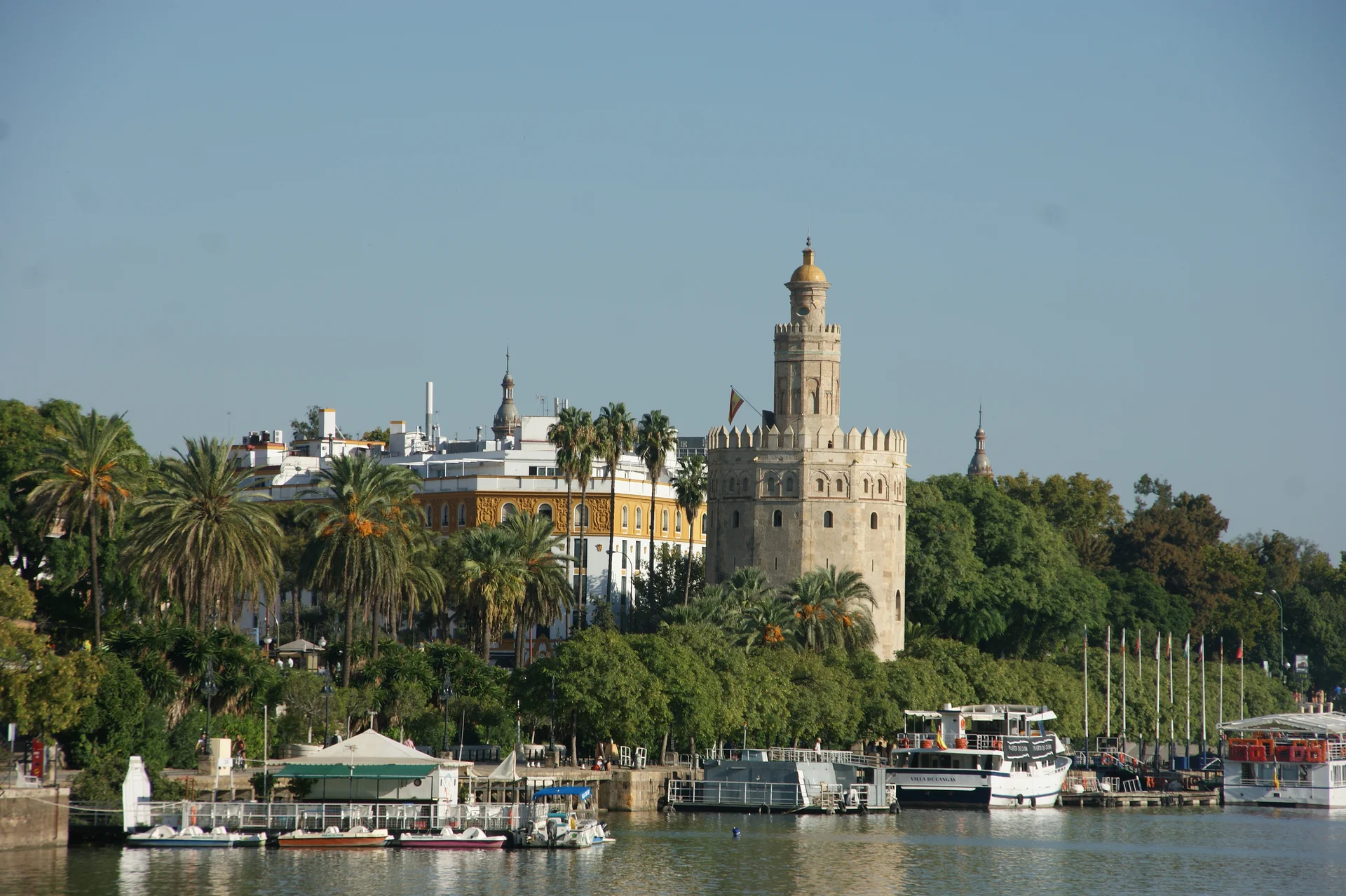
Sur la rive gauche du fleuve Guadalquivir, la Torre del Oro en est son gardien éternel. Monument incontournable de Séville, ses 36 m abritent désormais le Musée Naval de la ville où son histoire palpitante est présentée aux côtés de celle de l'Armada espagnole. Bâtie en 1221 sous la domination Almohade, la tour albarrane était d'abord un rempart défensif de 20m qui protégeait l'accès à l'Alcazar. Un deuxième niveau fut ajouté en 1334 et le lanterneau circulaire en 1760 vint compléter l'architecture magistrale d'un vestige à la beauté puissante. Du sommet, la vue panoramique est sublime.

Centro Andaluz de Arte Contemporáneo

#8 Centro Andaluz de Arte Contemporáneo +11 3.7

Le Centre Andalou d'Art Contemporain ne pouvait trouver plus bel écrin que le monastère chartreux de Santa Maria de Las Cuevas, fondé en 1400 sur l'île de Cartuja. Alliance d'un site historique fabuleux et des œuvres signées par les artistes majeurs du XXe siècle jusqu'à nos jours, la visite est doublement passionnante. Dans un ensemble architectural à la fois mudéjare et gothique, une collection permanente de peintures, céramiques et photos contemporaines surprend les visiteurs. Rare musée dont la découverte des murs est aussi fascinante que celle des créations artistiques, le CAAC est devenu un lieu culturel incontournable de Séville.

Triana Bridge

#9 Triana Bridge +11 4.3

Lien incontournable entre la Vieille ville et le quartier de Triana, le Pont Isabel II est communément désigné comme le Pont de Triana. Splendeur de 149m, tout de pierres et de fer, son allure élégante est un modèle d'esthétisme, composé de trois arches de cinq arcs de fonte. Construit entre 1845 et 1852, il est le premier pont fixe de Séville, le plus ancien et certainement le plus beau. Des dix ponts qui enjambent les eaux du Guadalquivir, celui de Triana est un chef-d’œuvre déclaré Monument national historique et une source d'inspiration sans limite pour les artistes qui l'immortalisent.

Museum of Popular Arts and Traditions

#10 Museum of Popular Arts and Traditions +10 4

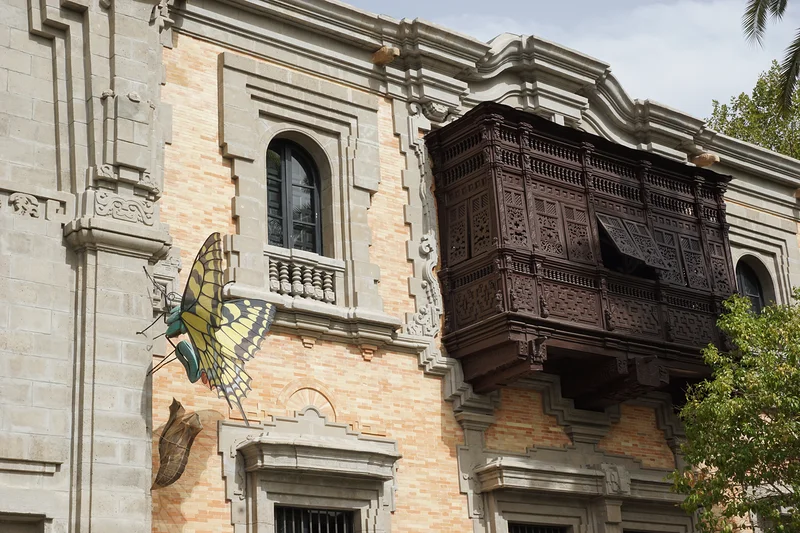
Avec le fabuleux Pavillon mudéjar pour écrin, un des plus beaux édifices de Séville, le Musée des Arts et des Traditions populaires ouvre les portes d'un univers riche et fascinant. On y retrouve la somptueuse collection de dentelles et broderies de Díaz Velázquez, une reconstitution de sa demeure typique de la haute bourgeoisie du XIXe siècle mais aussi tous les métiers qui ont forgé la culture andalouse. Une visite passionnante entre art et artisanat, aussi instructive que source d’émerveillement. Le mode de vie est également bien représenté grâce à l'exposition de l'ameublement et la décoration des pièces des habitations de l'époque.

Basilica de la Macarena

#11 Basilica de la Macarena -7 2

La Basilique de la Macarena est un temple chrétien situé dans un quartier populaire au nord de Séville. Elle est connue pour abriter l'icône de la Macarena, une représentation de la Vierge particulièrement vénérée dans la ville. Pendant la Semaine Sainte, l'icône et le Christ sont portés par les fidèles dans le cadre d'importantes processions. Un petit musée situé dans la Basilique revient sur ce rituel et sur l'histoire de la Confrérie de la Macarena. En face de l'édifice, vous apercevrez l'édifice qui abrite aujourd'hui le parlement de la région andaloue. 

Map of must-see attractions in Seville

Seville, the city where life happens outside and you eat on your feet

There is a Spanish saying: "Quien no ha visto Sevilla no ha visto maravilla." (Whoever has not seen Seville has not seen a wonder.) It sounds hyperbolic, but everything here is a little over the top. Step into the barrio de Santa Cruz on a spring evening, catch the heavy scent of bitter orange trees lining every narrow alley, and you will realize the locals are barely exaggerating.

As the fourth-largest city in Spain and the capital of Andalusia, Seville packs a massive Gothic cathedral, a working royal palace, over 3,000 tapas bars, and the birthplace of flamenco into a surprisingly compact footprint. It does all this at price points that would make travelers from New York or San Francisco do a double take.

Seville, the city that lives at the bar

You will quickly fall into the Sevillian rhythm. People wake up late, eat lunch around 2:00 PM, take a siesta, and the real day begins at 8:00 PM. If you are the type who likes to eat dinner at 7:00 PM and tuck in early, Seville will be a jolt to your system. But that schedule is part of the allure. The streets are packed at 11:00 PM, kids are still playing in the plazas at midnight, and the city hums with a nocturnal energy rarely seen in Europe.

Best for:

  • Foodies and fans of the tapas culture
  • Architecture buffs interested in Moorish, Gothic, and Baroque styles
  • Couples looking for a romantic and accessible city break
  • Travelers who prefer exploring a walkable historic center on foot
  • Fans of flamenco and authentic Andalusian culture

Not for:

  • Travelers visiting in July or August who cannot handle extreme heat
  • Travelers who want a beach right outside their hotel door
  • Those who prefer early dinners and avoiding late-night crowds

A gentle budget for a top European city

Seville remains noticeably cheaper than Barcelona, Madrid, or major US cities. The food budget is particularly generous. A tapa typically costs between 2.50 and 4 EUR (about $3 to $4.50), and five tapas are plenty for a full meal. Prices do spike during Semana Santa (Holy Week) and the Feria de Abril, especially for accommodations.

Estimated daily budget per person in Seville, 2025 figures
Expense Price Range
Night in a hostel or guesthouse 25 to 50 EUR (about $27-$55)
Night in a 2-3 star hotel or Airbnb 60 to 100 EUR (about $65-$110)
Tapas meal at the bar 10 to 18 EUR (about $11-$20)
Dinner at a restaurant 18 to 30 EUR (about $20-$33)
Daily transport and activities 15 to 35 EUR (about $16-$38)
Backpacker daily budget 60 to 80 EUR (about $65-$87)
Comfortable daily budget 100 to 150 EUR (about $110-$165)

What to know before you go

Seville is almost entirely walkable. Its historic center, the third largest in Europe, is mostly pedestrianized. Spanish is the common language, though English is understood in tourist areas. Regarding safety, the city is generally secure. The only real precautions involve pickpockets in crowded spots like the cathedral and the Santa Cruz neighborhood.

Watch out for the heat. From mid-June to mid-September, temperatures regularly climb above 38°C (100°F), sometimes hitting 45°C (113°F). Locals use a simple survival strategy: siesta from 2:00 PM to 6:00 PM, and only head out in the early morning or evening. If you travel in summer, copy their schedule.

Santa Cruz and the monumental center: the heart of stone and tiles

Everything starts here. The Cathédrale de Séville, the largest Gothic cathedral in the world, houses the tomb of Christopher Columbus and works by Murillo and Zurbarán. Its unique character comes from the former mosque it was built upon, a memory preserved in the orange tree courtyard.

The Giralda, a former minaret converted into a bell tower, stands 97 meters tall. You climb it via ramps originally designed for horses. At the top, the view over the city rooftops is spectacular. A combined ticket for the cathedral and the Giralda costs about 12 EUR (about $13).

Right next door, the Alcázar is a UNESCO-listed royal palace that is still in use. The Mudéjar architecture blends Islamic and Gothic influences across a series of courtyards, azulejos (ceramic tiles), and lush gardens. Fans of Game of Thrones will recognize the gardens of Dorne. Expect to pay 14.50 EUR (about $16) for entry and you must book online.

Insider tip: Buy your tickets for the cathedral and the Alcázar online several days in advance. The lines on-site often exceed an hour, especially in the spring. On Monday afternoons, the cathedral sometimes offers free slots with a reservation.

The barrio de Santa Cruz, the old Jewish quarter, surrounds these monuments. Its alleys are so narrow you could touch both walls by spreading your arms, and they are lined with flower-filled balconies and hidden patios. Get lost here on purpose. The Archivo de Indias, a stone's throw away, holds original documents from the colonization of the Americas. Admission is free.

Triana: the neighborhood that invented flamenco

Cross the pont de Triana and you enter a different world. Once a suburb for sailors, potters, and Romani people, Triana is where flamenco took root. The atmosphere is more working-class, louder, and more alive than in the monumental center. This is where locals come on the weekend to eat, drink, and dance.

The Mercado de Triana, built on the site of an old Inquisition fort, mixes fresh produce stalls with tapas counters. Further along, the Calle Betis runs along the river and offers clear views of the Torre del Oro and the rooftops of the center. It is the perfect spot for a drink at sunset.

Ceramic workshops, where they still make the famous Sevillian azulejos, are scattered through the adjacent streets. You can find handmade pieces there at prices much lower than in the shops in the center.

Insider tip: For a flamenco show without the tourist traps, choose small venues in Triana or peñas flamencas frequented by locals. La Carbonería, in Santa Cruz, offers free shows in an old coal warehouse, but arrive early to grab a seat.

From the Plaza de España to the Parque de María Luisa

The Plaza de España is a visual shock. Built in 1929 for the Ibero-American Exposition, this semicircular plaza is lined with 52 benches decorated with azulejos representing every Spanish province. You can rent a rowboat on the canal for a few euros. Access is free.

We do not mind saying it: this is one of the most beautiful public spaces in Europe, and it is worth the trip all by itself. Show up early in the morning or late in the day to avoid the crowds and enjoy the golden light on the ceramics.

The Parque de María Luisa wraps around the plaza and serves as the city's green lung. Shaded pathways, fountains, and parrots in the trees make it the ideal refuge when the heat becomes overwhelming.

Polanco and beyond: visits off the beaten path

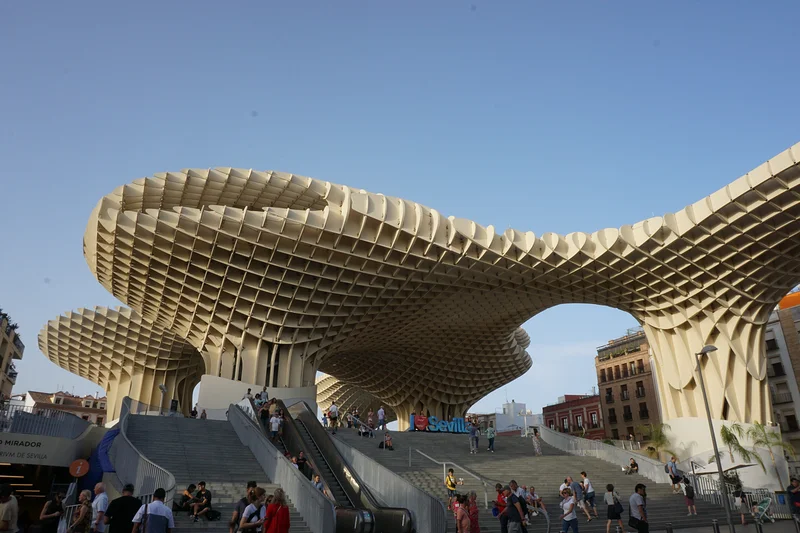
The Metropol Parasol, nicknamed Las Setas, is the largest wooden structure in the world. Its panoramic observation deck, accessible for about 15 EUR (about $16.50), offers a 360-degree view of the city, perfect for sunset. In the basement, the Antiquarium displays Roman and Moorish ruins discovered during construction.

Art lovers should head to the Museo de Bellas Artes, housed in a 17th-century palace. The collection of Baroque paintings by Murillo and Zurbarán is remarkable. Entry is free for EU citizens and only 1.50 EUR (about $1.70) for other visitors.

On the island of La Cartuja, the monastery of the same name houses the Centre Andalou d'Art Contemporain. Christopher Columbus is said to have stayed there before leaving on his expedition to the New World.

The Casa de Pilatos, a Renaissance and Mudéjar palace that is rarely crowded, is a more intimate alternative to the Alcázar, featuring superb patios decorated with mosaics and antique statues.

Where to eat and drink in Seville?

Seville claims the title of world capital of tapas. With over 3,000 tapas bars, the ritual of tapeo sets the pace for every evening. You order two or three small plates, drink a glass of fino or manzanilla, and then move on to the next bar. A full tapas meal costs 10-18 EUR (about $11-$20) per person.

Must-try specialties

Salmorejo, a cold tomato soup that is thicker and creamier than gazpacho, topped with ham and chopped hard-boiled egg. Espinacas con garbanzos, spinach with chickpeas seasoned with cumin, a humble and addictive dish. Carrillada de cerdo, pork cheeks braised in red wine until they melt under your fork. And pescaíto frito, an assortment of small fried fish served in a paper cone.

For dessert, the tocino de cielo is a dense flan made with egg yolks and caramel, a historic specialty of the city.

Our go-to spots

El Rinconcillo, open since 1670, is the oldest bar in Seville. They still write your tab in chalk on the counter. Casa Morales, in business since 1850, serves wine from giant clay jars. Bodeguita Romero, just steps away, prepares the best montadito de pringá in the city for 2.50 EUR (about $2.75).

For a more modern take on tapas, La Brunilda and Eslava offer creative plates in polished settings. Arrive 15 minutes before opening, as these spots do not take reservations and the line forms quickly.

Insider tip: Stay away from the terraces bordering the cathedral. The best bars are in the side streets of Santa Cruz, around the Plaza Alfalfa, or across the river in Triana. The golden rule: if the bar is packed with locals standing up, you are in the right place.

Where to stay in Seville and the surrounding area?

The Santa Cruz neighborhood puts visitors within walking distance of everything, but the prices are the highest. El Arenal, between the cathedral and the river, offers a good compromise between location and price. Triana attracts travelers who want a local experience, with accommodations often 20 to 30% cheaper than in the center.

The La Macarena neighborhood, to the north, is the smart choice for smaller budgets. It is less photogenic, but it makes up for it with a lively neighborhood vibe and tapas bars frequented exclusively by residents. Book several weeks in advance if you are coming during Semana Santa or the Feria.

How to get to Seville?

San Pablo Airport is 10 km (6 miles) from the center. From Paris, the flight takes about 2 hours and costs between 70 and 120 EUR (about $75-$130) one-way with low-cost carriers. The EA bus connects the airport to the city center for about 4 EUR (about $4.50), and a taxi costs around 25 EUR (about $27).

The AVE high-speed train connects Madrid to Seville in 2.5 hours for 20 to 55 EUR (about $22-$60) depending on how early you book. From France, a connection in Madrid allows you to reach Seville by train. ALSA buses also connect Seville to Granada, Cordoba, and Malaga for a lower cost.

How to get around Seville?

Walking is the best way to discover the city. Almost all the sites are within a 20-minute walk of each other. For longer distances, the bus and tram cover the city well with tickets at 1.40 EUR (about $1.50). A one-day pass costs 5 EUR (about $5.50), and a three-day pass is 10 EUR (about $11). Download the TUSSAM app to plan your trips.

The Sevici bike-sharing network is convenient and well-established in the center. Taxis and ride-shares are available, but rarely necessary unless you are heading to the airport or outlying neighborhoods. If you arrive by car, leave it in a parking garage on the outskirts, as driving and parking in the center is a nightmare.

When to go?

The best times are March to May and September to November for mild temperatures, clear skies, and a lively city. Spring is peak season, with Semana Santa and the Feria de Abril driving up prices and crowds. Autumn offers an ideal trade-off between pleasant weather and reasonable crowds.

Avoid July and August if you do not handle heat well. Temperatures regularly exceed 40°C (104°F), some restaurants close, and the city empties out. Winter, between December and February, remains mild and sunny, with days around 15°C (59°F) and very few tourists.

Find the best deals to travel to Seville

Activities and guided tours Hotels and stays Flights Custom trips

When to visit Seville?

The most favorable period to discover Seville covers:

February March April August September

Favorable months also include:

January May October November

Check the details below to fine-tune your choice based on your preferences!

Climate and atmosphere in Seville month by month

January Less Favorable

Temperatures
5°C to 16°C
Sunshine
5.5h / day
Rainy days
6 days
Rainfall
66 mm

The city settles into a quiet rhythm after the holidays, making it the perfect time to explore monuments and museums without the usual crowds. Take advantage of the mild afternoons to enjoy tapas on a terrace, though keep in mind that evenings stay chilly.

February Favorable

Temperatures
6°C to 18°C
Sunshine
6.5h / day
Rainy days
5 days
Rainfall
55 mm

Seville offers mild conditions for wandering the narrow streets of the <strong>Barrio Santa Cruz</strong>. The temperate days are perfect for strolling through parks like <strong>María Luisa</strong>, which is particularly pleasant during this time of year.

March Very Favorable

Temperatures
8°C to 21°C
Sunshine
7.5h / day
Rainy days
4 days
Rainfall
40 mm

Spring arrives and the city gradually comes to life with a cheerful, colorful atmosphere. Visit the blooming gardens of the Alcázar and check out the spring cultural events that are just starting to pick up.

April Very Favorable

Temperatures
10°C to 24°C
Sunshine
8h / day
Rainy days
5 days
Rainfall
50 mm

The famous <strong>Feria de Abril</strong> lights up Seville with a unique festive atmosphere, featuring flamenco dancing and local cuisine. The ideal temperatures make this the perfect time to visit the city's iconic landmarks.

May Very Favorable

Temperatures
13°C to 28°C
Sunshine
9.5h / day
Rainy days
3 days
Rainfall
31 mm

May is a prime time to visit. The heat begins to settle in, and the streets come alive once the sun goes down. It is the perfect window to catch open-air performances and enjoy the energy of the sidewalk cafes late into the evening.

June Favorable

Temperatures
17°C to 33°C
Sunshine
10.5h / day
Rainy days
1 days
Rainfall
10 mm

High temperatures make it best to use your mornings for visiting the <strong>Cathedral</strong> or the <strong>Alcázar</strong>. Once evening hits, the city stays active with outdoor flamenco performances.

July Less Favorable

Temperatures
20°C to 37°C
Sunshine
11.5h / day
Rainy days
0 days
Rainfall
2 mm

Expect extreme heat that can make afternoon sightseeing difficult, so plan your activities for the early morning or after dark. The city remains comfortable late into the evening, supported by a lively nightlife scene.

August Less Favorable

Temperatures
20°C to 36°C
Sunshine
11h / day
Rainy days
0 days
Rainfall
4 mm

Expect relentless heat, with streets that stay quiet during the day but come alive once the sun goes down. Take advantage of the concerts and summer events hosted in the evenings across local parks and plazas.

September Very Favorable

Temperatures
18°C to 32°C
Sunshine
9h / day
Rainy days
2 days
Rainfall
23 mm

Temperatures drop to more comfortable levels, making this the perfect time for cultural walks and the many events marking the return from summer break. It is an ideal window to explore authentic neighborhoods without the peak summer crowds.

October Very Favorable

Temperatures
14°C to 26°C
Sunshine
7h / day
Rainy days
5 days
Rainfall
62 mm

Fall colors settle into the many gardens across <strong>Seville</strong>. It is an excellent time to visit the city as the crowds thin out, and the temperatures remain very pleasant for long days of exploring.

November Favorable

Temperatures
9°C to 20°C
Sunshine
6h / day
Rainy days
6 days
Rainfall
84 mm

Expect a quiet and mild atmosphere that makes exploring the deep cultural heritage of <strong>Seville</strong> a breeze. With fewer crowds, the city shifts to a slower pace, which is ideal for taking in the local architecture without the usual rush.

December Favorable

Temperatures
6°C to 17°C
Sunshine
5h / day
Rainy days
7 days
Rainfall
95 mm

The holiday season brings a warm atmosphere to the city, complete with markets and festive light displays. <strong>Seville</strong> maintains a welcoming vibe, even as the winter evenings turn chilly.

Weather charts for Seville

Flight prices to Seville, month by month

Tip: click the filter icon below to choose your departure city and trip duration.

Top photos posted by members

Plaza España de Séville
L'Alcazar à Séville
Torre del Oro à Séville

Traveler reviews on Seville

Write a review

Reviews summary

On the city

11 reviews
+41
recos
  • Overall 4.9/5
  • Family 4.5/5
  • Couple 4.9/5
  • Friends 4.9/5

On the attractions

100 reviews
+198
recos
  • Museums +42
  • Castles and palaces +38
  • Squares +35
  • Churches and cathedrals +34

An absolute favorite

Seville is one of the most beautiful cities in Europe for me. I absolutely loved it!
Walking through the old town is a real pleasure, between charming narrow streets and lively squares with tons of bars and restaurants.
Between visiting the exceptional Seville Cathedral and the famous Plaza de España, the city offers magnificent discoveries around every corner.
I recommend discovering Seville outside of periods with extreme heat. In any case, in the middle of summer, life only starts up again late in the afternoon.

11
Recommends :
Overall rating :
With family :
As a couple :
With friends :

Impossible to get bored there

I visited Seville last December and I loved the vibe there! Everywhere you look there is a detail to notice, a colorful facade, a lively alleyway, unique architecture, and so many orange and lemon trees! It is a city where you feel good right away, safe, and where you can grab some famous tapas on the go at reasonable prices! And that is a good thing because the sights are pretty expensive, except for the Museum of Fine Arts of Seville, which is free for European Union residents, and the Cathedral, which is free if you book in advance! Do not miss the Alcazar, the jewel of the city!

8
Recommends :
Overall rating :
With family :
As a couple :
With friends :

My favorite city in Europe

Seville! What a city, everything here is intense:
The climate with its sun and summer heat, the color of the monuments and the white houses of the Santa Cruz neighborhood, the music of the flamenco shows, the joy of living of its inhabitants.
Plus you will get to try the divine Andalusian tapas, this destination is a dream...

3
Recommends :
Overall rating :
With family :
As a couple :
With friends :

Super romantic

Seville is the perfect city for a romantic trip. I went there during a long weekend in May and I was not disappointed. Its reputation is completely well-deserved. It is almost always sunny and warm, the restaurants are good, you can dance to the rhythm of flamenco, and take a carriage ride starting from the Plaza de España. You can also visit the majestic Alcázar cathedral, María Luisa Park, Torre del Oro...

2
Recommends :
Overall rating :
With family :
As a couple :
With friends :

Incredible architecture

I really liked my trip to the city of Seville, even though I suffered from the heat. If possible, don't go in the middle of summer. The architecture in the old town is truly magnificent and very well preserved. The Alcázar palace is sublime. It is one of my favorite cities in Spain.

1
Recommends :
Overall rating :
With family :
As a couple :
With friends :

Stunning Mudéjar architecture

We no longer need to introduce the history of Seville, where different cultures and civilizations succeeded one another and sometimes coexisted. From this meeting of ideas, the city has left us some very beautiful jewels to visit, like the Alcázar Palace.

1
Recommends :
Overall rating :
With family :
As a couple :
With friends :

Very good but not exceptional

Why this bittersweet title? Some people I know sold Seville to me as the prettiest city in Europe. My opinion after spending 3 days there is that it is not the case. The historic part, which is relatively small, is full of charm, but the modern parts are much less so (lots of apartment blocks with AC units hanging from every window).

Now, that being said, I really liked my time in Seville. The cathedral is spectacular, the Alcazar makes for a very beautiful complex, and it is a pleasure to get lost in the narrow streets of Santa Cruz. The banks of the Guadalquivir are pleasant for a walk, and the restaurants offer good meals at a reasonable price (though be careful with the tapas, the bill can add up quickly if you want to try a lot of things). The weather in October is exceptionally good. It was 86°F during the day and 68°F in the evening!

3
Recommends :
Overall rating :
With family :
As a couple :
With friends :

One of the most beautiful cities in Europe

Well-known, but less famous than cities like Rome, Florence, or Paris, I would still place Seville among the most beautiful cities in Europe without hesitation. Its architecture blends different inspirations with a lot of harmony. History breathes through its neighborhoods, its streets, its palaces, and the banks of the Guadalquivir.

3
Recommends :
Overall rating :
With family :
As a couple :
With friends :

Beautiful heritage

I would not recommend this city in the summer because it is so hot, but it offers plenty of things to do and see. I loved walking along the Guadalquivir and ducking into the narrow streets leading off the docks, following the sounds and lights spilling out from them.

3
Recommends :
Overall rating :
With family :
As a couple :
With friends :

The most beautiful architecture in Spain

The old part of the city is very well preserved and maintained. The Alcazar palace is splendid, and the banks of the Guadalquivir are very pleasant, especially in hot weather (which is pretty much constant in the summer).

It is beautiful when civilizations mix together :)

2
Recommends :
Overall rating :
With family :
As a couple :
With friends :

Seville in the south of Spain

Seville, in the south of Spain, is a magnificent city. You can really feel the influence of Moorish culture there, as much in the intricate architecture as in the rhythm of daily life and the local customs. I will go back with pleasure, bringing my kids along so they can discover a piece of Spanish history.

3
Recommends :
Overall rating :
With family :
As a couple :
With friends :

You've seen every review.

More cities to visit from Seville