
Seville, the city where life happens outside and you eat on your feet
There is a Spanish saying: "Quien no ha visto Sevilla no ha visto maravilla." (Whoever has not seen Seville has not seen a wonder.) It sounds hyperbolic, but everything here is a little over the top. Step into the barrio de Santa Cruz on a spring evening, catch the heavy scent of bitter orange trees lining every narrow alley, and you will realize the locals are barely exaggerating.
As the fourth-largest city in Spain and the capital of Andalusia, Seville packs a massive Gothic cathedral, a working royal palace, over 3,000 tapas bars, and the birthplace of flamenco into a surprisingly compact footprint. It does all this at price points that would make travelers from New York or San Francisco do a double take.
Seville, the city that lives at the bar
You will quickly fall into the Sevillian rhythm. People wake up late, eat lunch around 2:00 PM, take a siesta, and the real day begins at 8:00 PM. If you are the type who likes to eat dinner at 7:00 PM and tuck in early, Seville will be a jolt to your system. But that schedule is part of the allure. The streets are packed at 11:00 PM, kids are still playing in the plazas at midnight, and the city hums with a nocturnal energy rarely seen in Europe.
Best for:
- Foodies and fans of the tapas culture
- Architecture buffs interested in Moorish, Gothic, and Baroque styles
- Couples looking for a romantic and accessible city break
- Travelers who prefer exploring a walkable historic center on foot
- Fans of flamenco and authentic Andalusian culture
Not for:
- Travelers visiting in July or August who cannot handle extreme heat
- Travelers who want a beach right outside their hotel door
- Those who prefer early dinners and avoiding late-night crowds
A gentle budget for a top European city
Seville remains noticeably cheaper than Barcelona, Madrid, or major US cities. The food budget is particularly generous. A tapa typically costs between 2.50 and 4 EUR (about $3 to $4.50), and five tapas are plenty for a full meal. Prices do spike during Semana Santa (Holy Week) and the Feria de Abril, especially for accommodations.
| Expense | Price Range |
|---|---|
| Night in a hostel or guesthouse | 25 to 50 EUR (about $27-$55) |
| Night in a 2-3 star hotel or Airbnb | 60 to 100 EUR (about $65-$110) |
| Tapas meal at the bar | 10 to 18 EUR (about $11-$20) |
| Dinner at a restaurant | 18 to 30 EUR (about $20-$33) |
| Daily transport and activities | 15 to 35 EUR (about $16-$38) |
| Backpacker daily budget | 60 to 80 EUR (about $65-$87) |
| Comfortable daily budget | 100 to 150 EUR (about $110-$165) |
What to know before you go
Seville is almost entirely walkable. Its historic center, the third largest in Europe, is mostly pedestrianized. Spanish is the common language, though English is understood in tourist areas. Regarding safety, the city is generally secure. The only real precautions involve pickpockets in crowded spots like the cathedral and the Santa Cruz neighborhood.
Watch out for the heat. From mid-June to mid-September, temperatures regularly climb above 38°C (100°F), sometimes hitting 45°C (113°F). Locals use a simple survival strategy: siesta from 2:00 PM to 6:00 PM, and only head out in the early morning or evening. If you travel in summer, copy their schedule.
Santa Cruz and the monumental center: the heart of stone and tiles
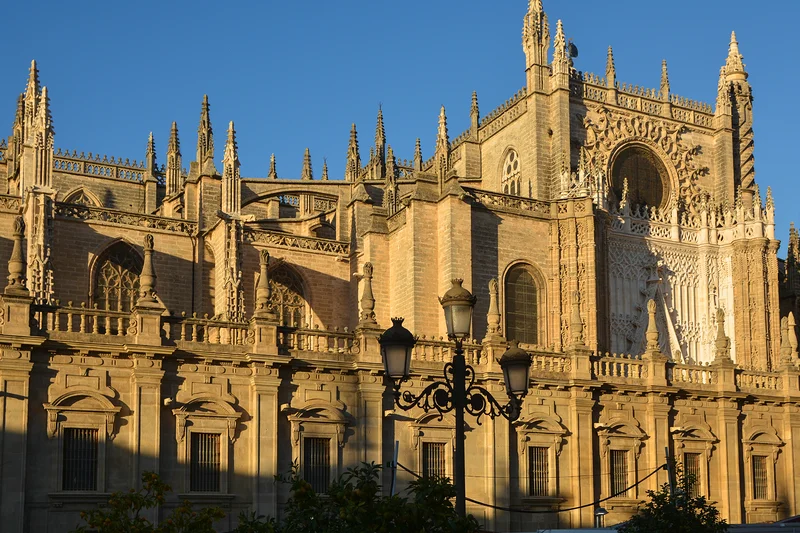
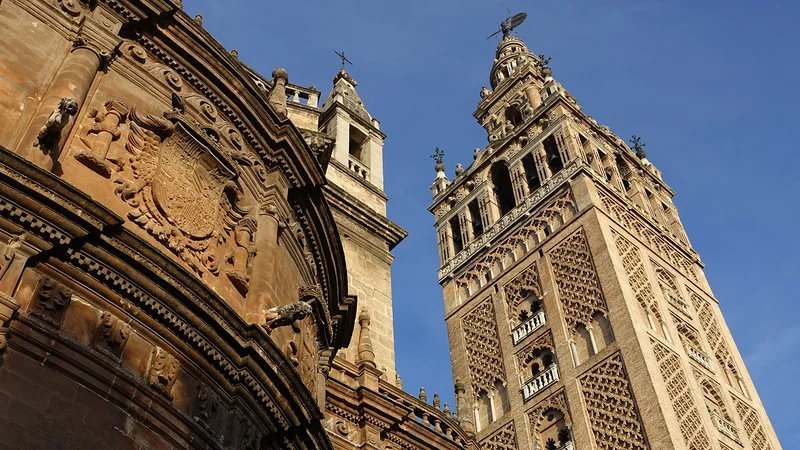
Everything starts here. The Cathédrale de Séville, the largest Gothic cathedral in the world, houses the tomb of Christopher Columbus and works by Murillo and Zurbarán. Its unique character comes from the former mosque it was built upon, a memory preserved in the orange tree courtyard.
The Giralda, a former minaret converted into a bell tower, stands 97 meters tall. You climb it via ramps originally designed for horses. At the top, the view over the city rooftops is spectacular. A combined ticket for the cathedral and the Giralda costs about 12 EUR (about $13).
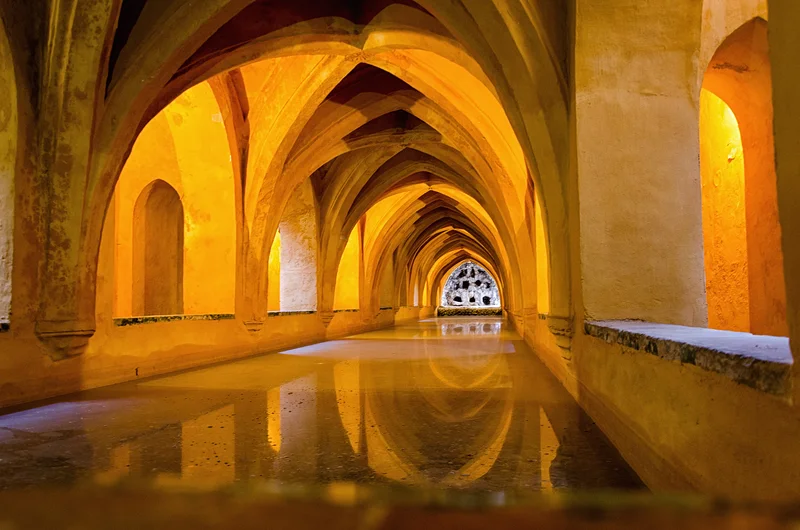
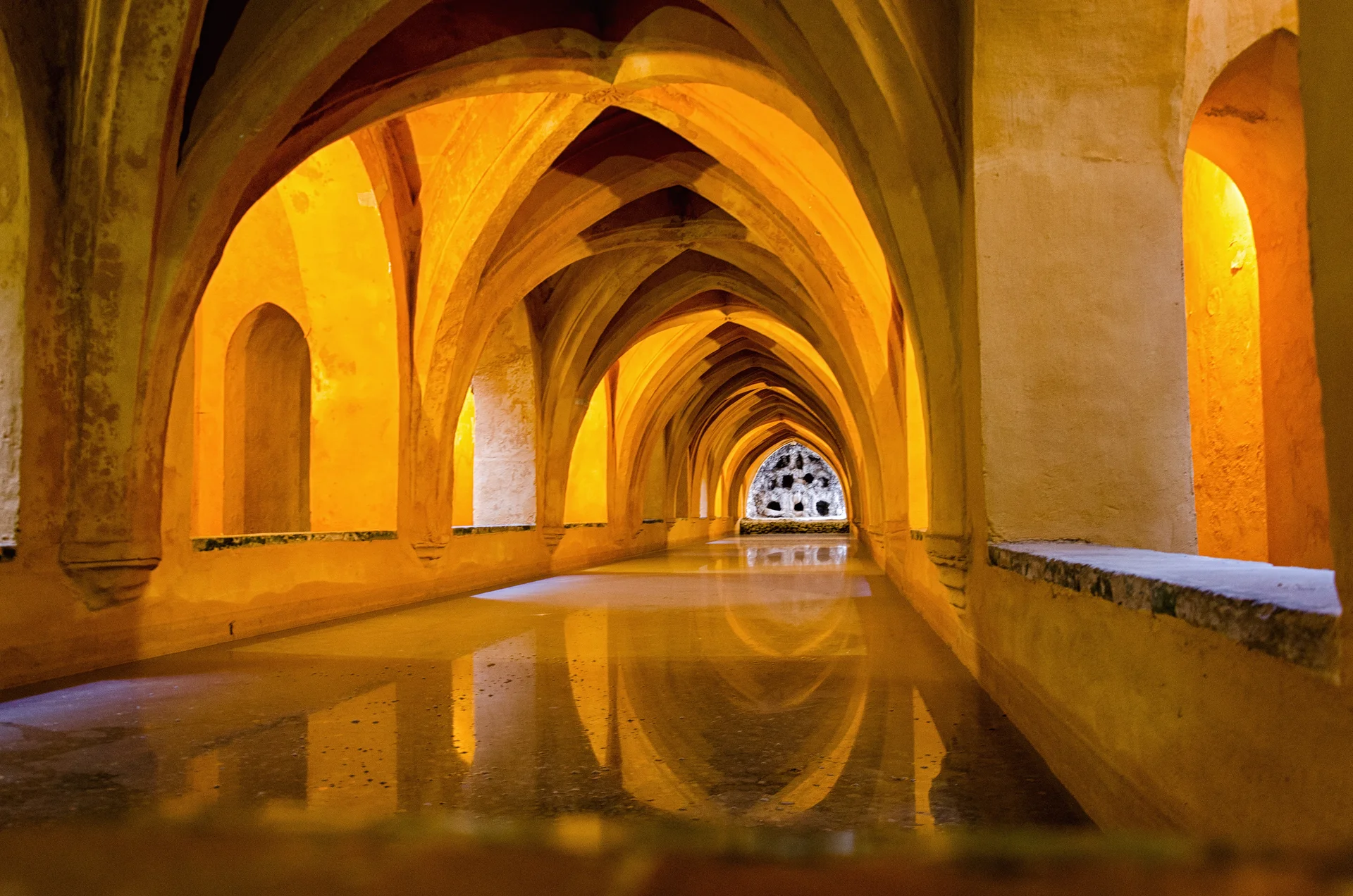
Right next door, the Alcázar is a UNESCO-listed royal palace that is still in use. The Mudéjar architecture blends Islamic and Gothic influences across a series of courtyards, azulejos (ceramic tiles), and lush gardens. Fans of Game of Thrones will recognize the gardens of Dorne. Expect to pay 14.50 EUR (about $16) for entry and you must book online.
Insider tip: Buy your tickets for the cathedral and the Alcázar online several days in advance. The lines on-site often exceed an hour, especially in the spring. On Monday afternoons, the cathedral sometimes offers free slots with a reservation.
The barrio de Santa Cruz, the old Jewish quarter, surrounds these monuments. Its alleys are so narrow you could touch both walls by spreading your arms, and they are lined with flower-filled balconies and hidden patios. Get lost here on purpose. The Archivo de Indias, a stone's throw away, holds original documents from the colonization of the Americas. Admission is free.
Triana: the neighborhood that invented flamenco
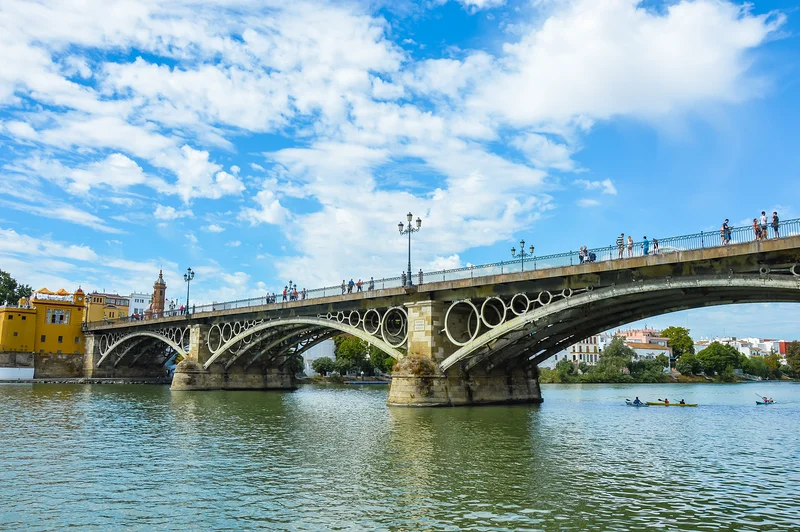
Cross the pont de Triana and you enter a different world. Once a suburb for sailors, potters, and Romani people, Triana is where flamenco took root. The atmosphere is more working-class, louder, and more alive than in the monumental center. This is where locals come on the weekend to eat, drink, and dance.
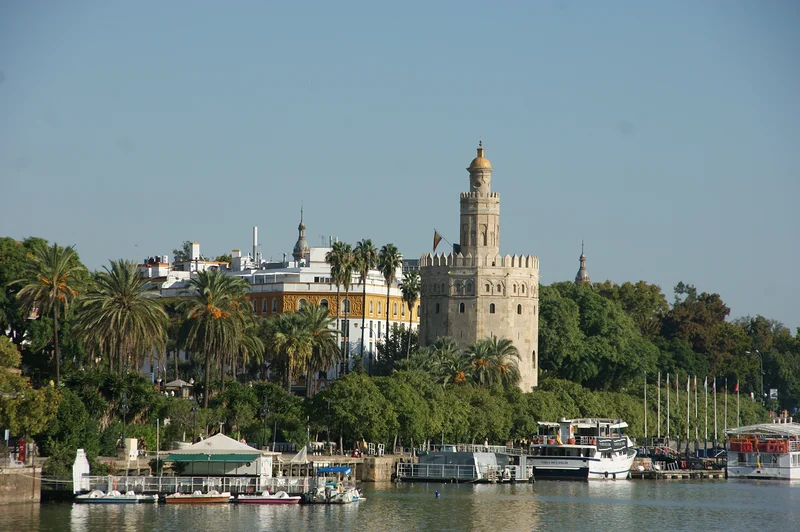
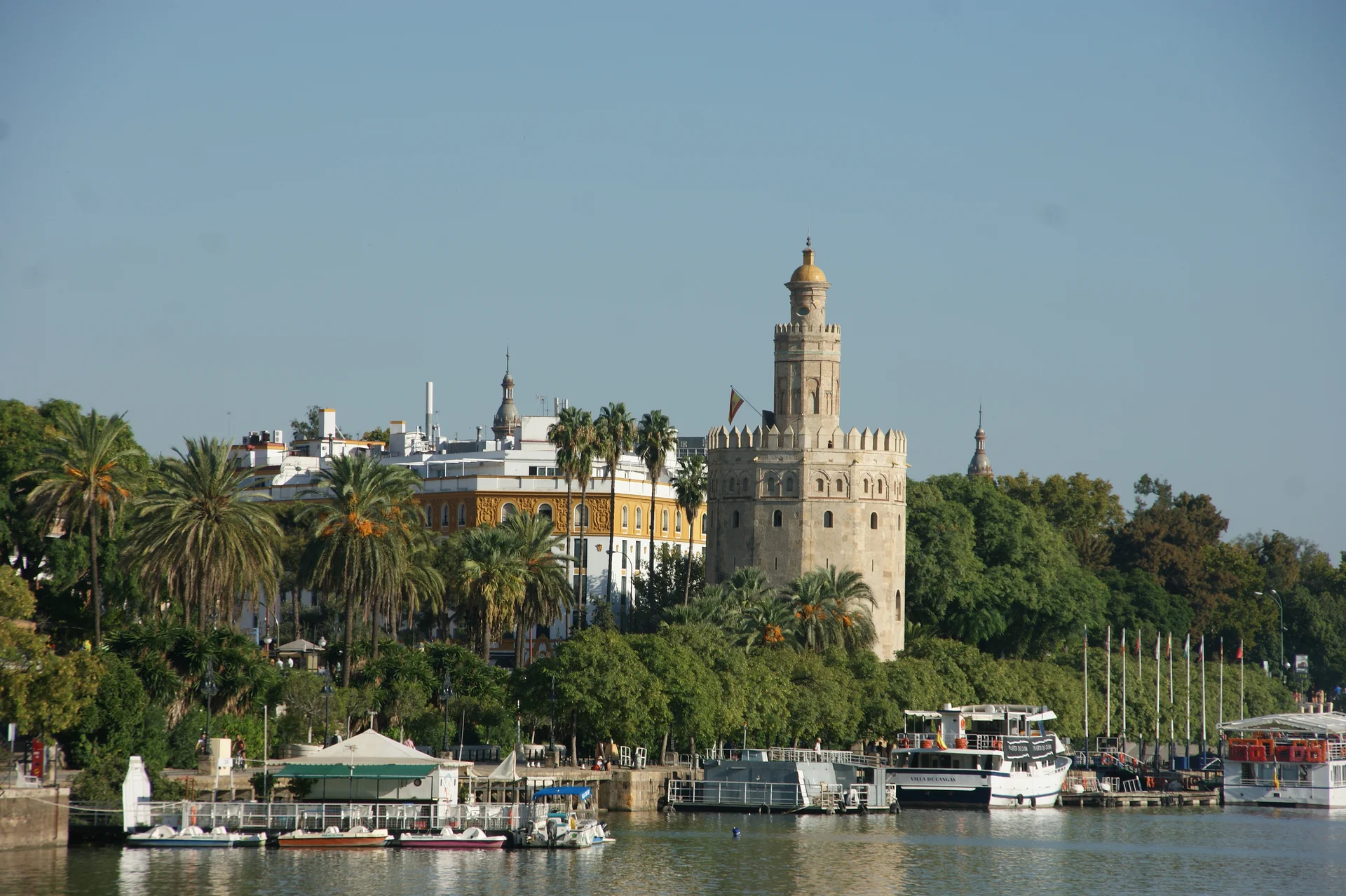
The Mercado de Triana, built on the site of an old Inquisition fort, mixes fresh produce stalls with tapas counters. Further along, the Calle Betis runs along the river and offers clear views of the Torre del Oro and the rooftops of the center. It is the perfect spot for a drink at sunset.
Ceramic workshops, where they still make the famous Sevillian azulejos, are scattered through the adjacent streets. You can find handmade pieces there at prices much lower than in the shops in the center.
Insider tip: For a flamenco show without the tourist traps, choose small venues in Triana or peñas flamencas frequented by locals. La Carbonería, in Santa Cruz, offers free shows in an old coal warehouse, but arrive early to grab a seat.
From the Plaza de España to the Parque de María Luisa
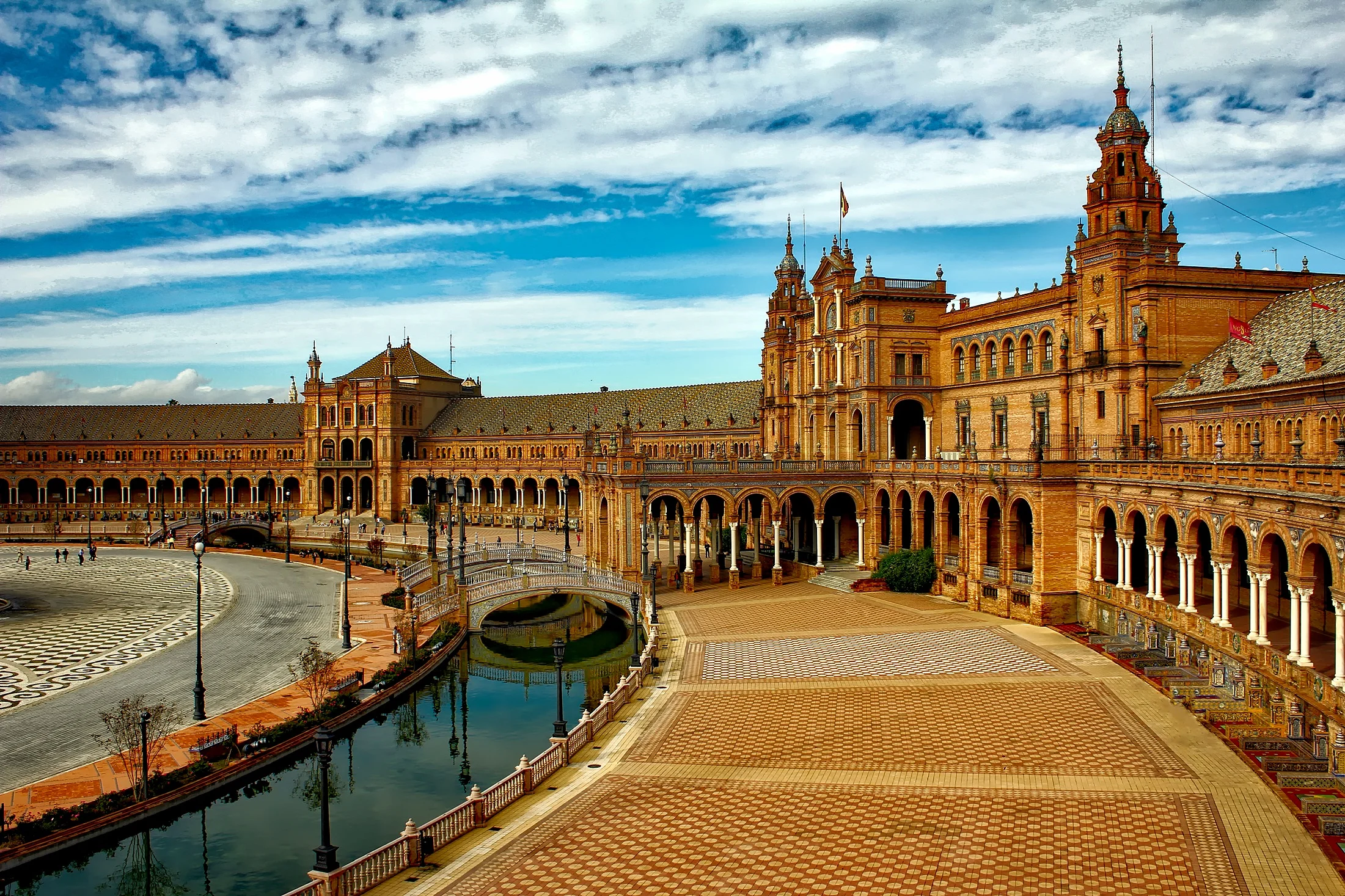
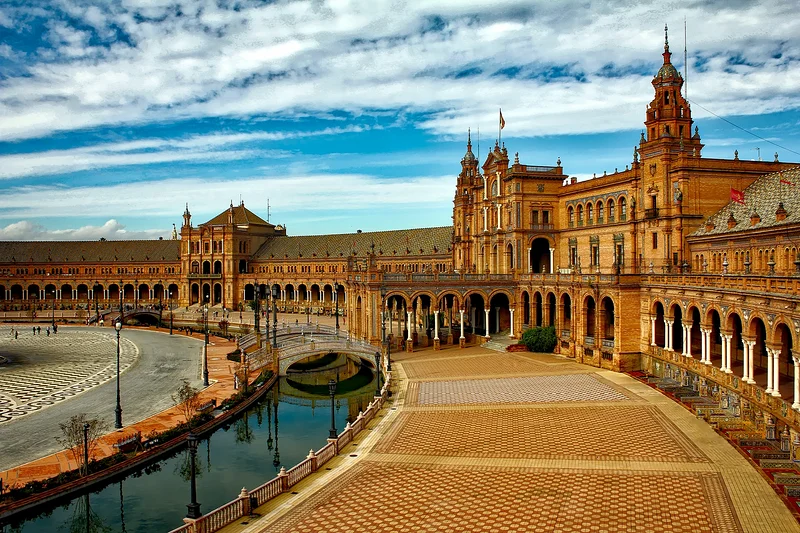
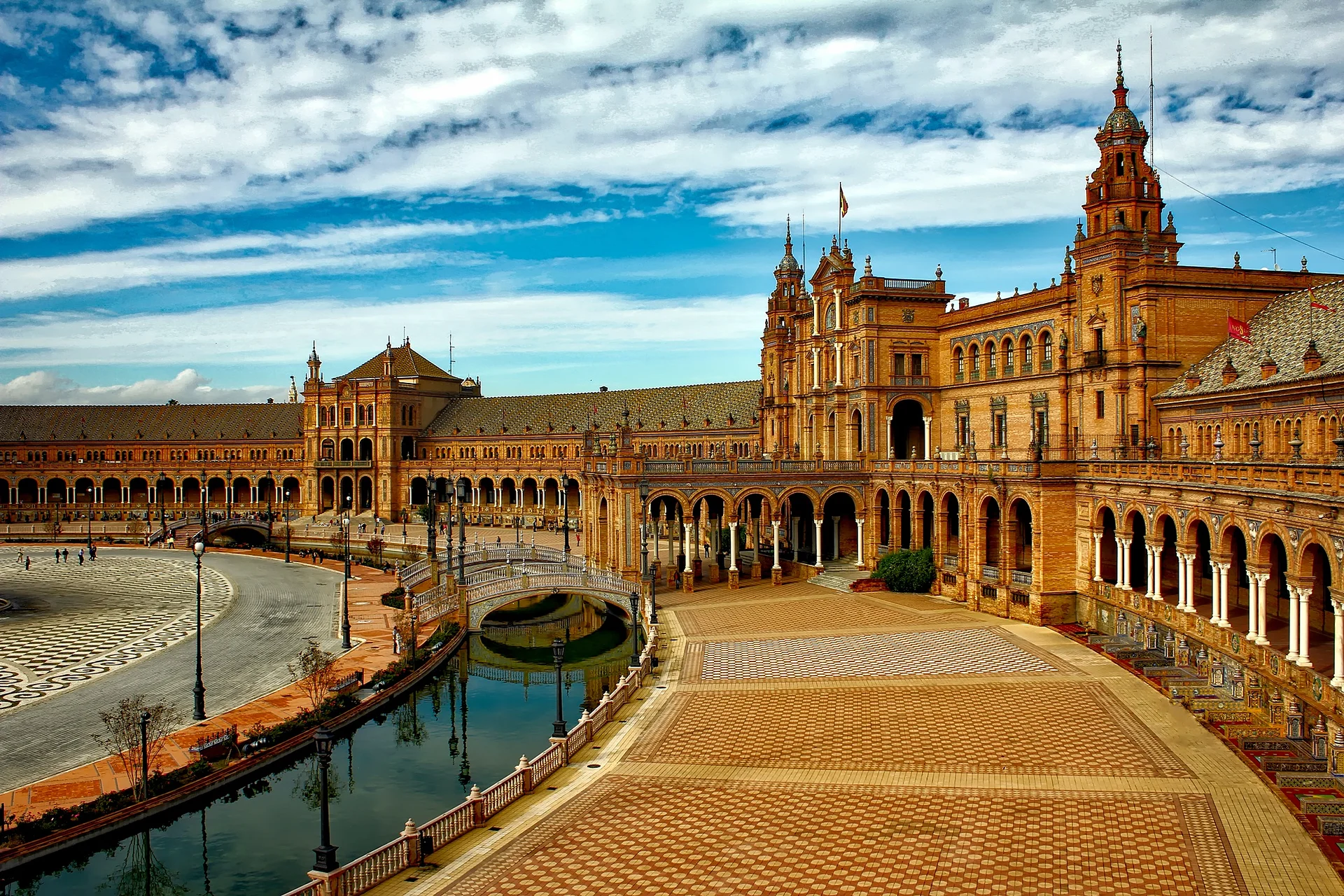
The Plaza de España is a visual shock. Built in 1929 for the Ibero-American Exposition, this semicircular plaza is lined with 52 benches decorated with azulejos representing every Spanish province. You can rent a rowboat on the canal for a few euros. Access is free.
We do not mind saying it: this is one of the most beautiful public spaces in Europe, and it is worth the trip all by itself. Show up early in the morning or late in the day to avoid the crowds and enjoy the golden light on the ceramics.
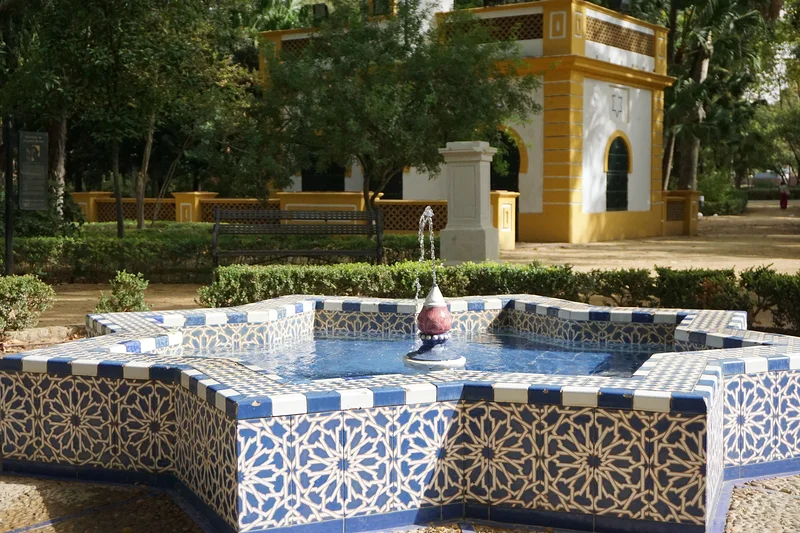
The Parque de María Luisa wraps around the plaza and serves as the city's green lung. Shaded pathways, fountains, and parrots in the trees make it the ideal refuge when the heat becomes overwhelming.
Polanco and beyond: visits off the beaten path
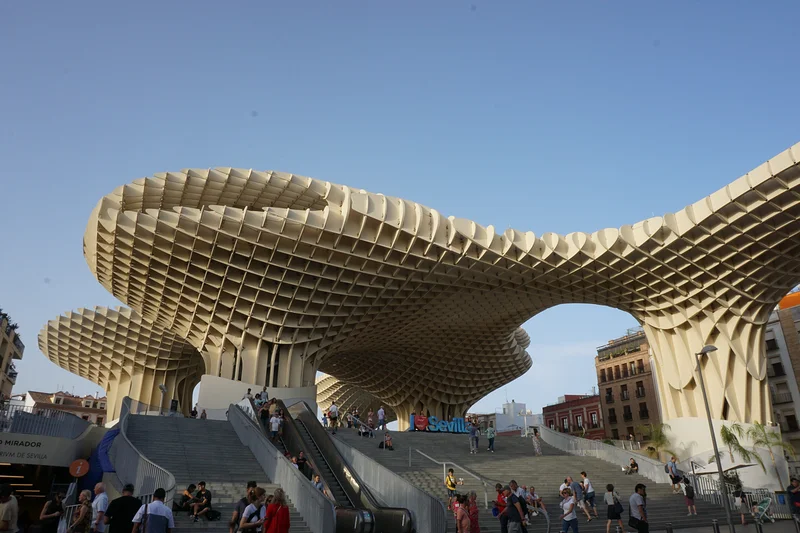
The Metropol Parasol, nicknamed Las Setas, is the largest wooden structure in the world. Its panoramic observation deck, accessible for about 15 EUR (about $16.50), offers a 360-degree view of the city, perfect for sunset. In the basement, the Antiquarium displays Roman and Moorish ruins discovered during construction.
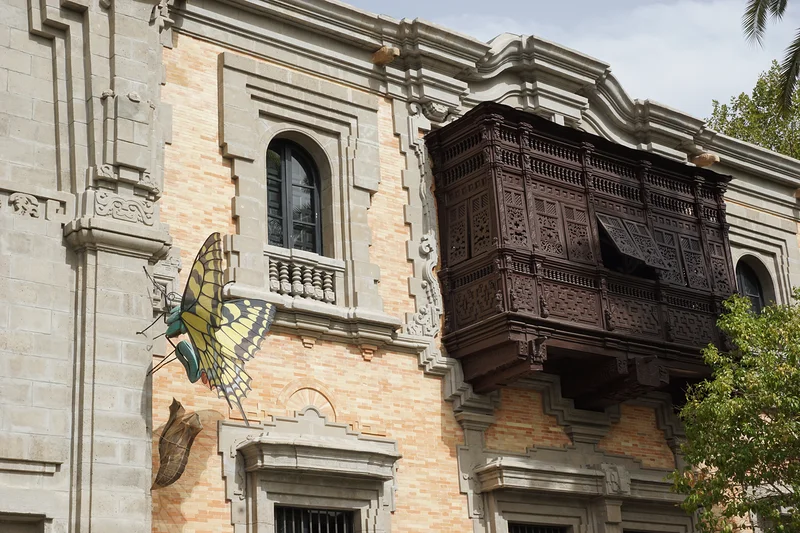
Art lovers should head to the Museo de Bellas Artes, housed in a 17th-century palace. The collection of Baroque paintings by Murillo and Zurbarán is remarkable. Entry is free for EU citizens and only 1.50 EUR (about $1.70) for other visitors.
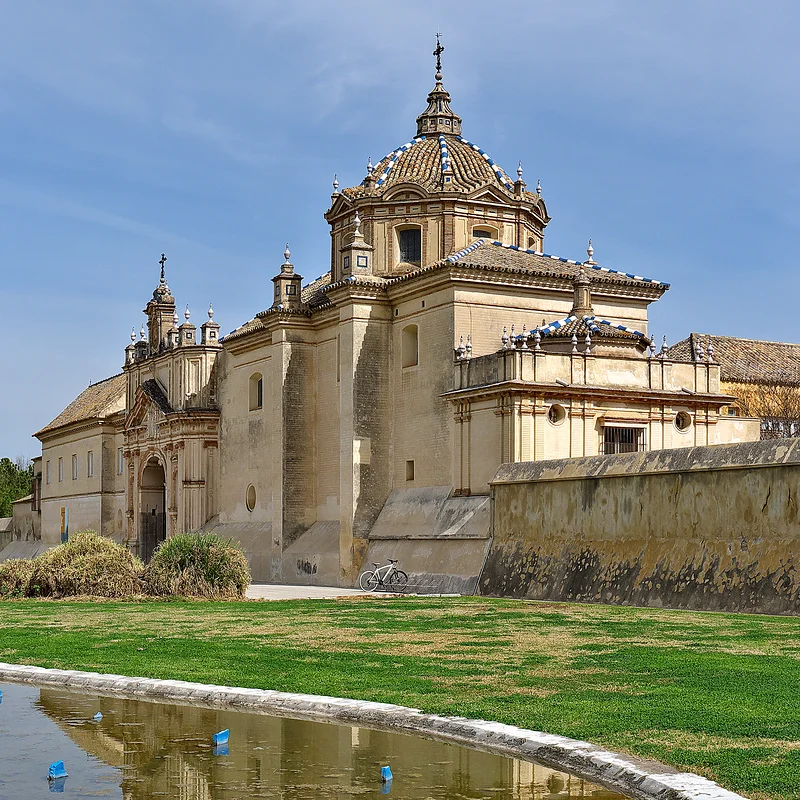
On the island of La Cartuja, the monastery of the same name houses the Centre Andalou d'Art Contemporain. Christopher Columbus is said to have stayed there before leaving on his expedition to the New World.
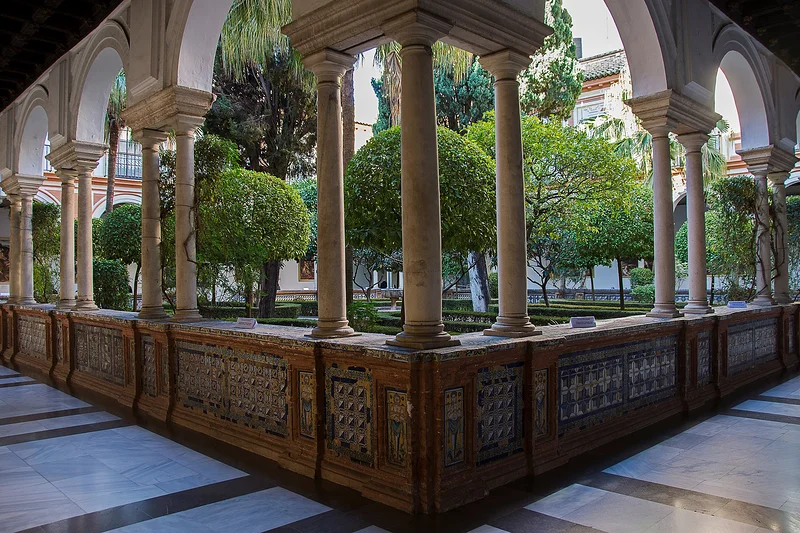
The Casa de Pilatos, a Renaissance and Mudéjar palace that is rarely crowded, is a more intimate alternative to the Alcázar, featuring superb patios decorated with mosaics and antique statues.
Where to eat and drink in Seville?
Seville claims the title of world capital of tapas. With over 3,000 tapas bars, the ritual of tapeo sets the pace for every evening. You order two or three small plates, drink a glass of fino or manzanilla, and then move on to the next bar. A full tapas meal costs 10-18 EUR (about $11-$20) per person.
Must-try specialties
Salmorejo, a cold tomato soup that is thicker and creamier than gazpacho, topped with ham and chopped hard-boiled egg. Espinacas con garbanzos, spinach with chickpeas seasoned with cumin, a humble and addictive dish. Carrillada de cerdo, pork cheeks braised in red wine until they melt under your fork. And pescaíto frito, an assortment of small fried fish served in a paper cone.
For dessert, the tocino de cielo is a dense flan made with egg yolks and caramel, a historic specialty of the city.
Our go-to spots
El Rinconcillo, open since 1670, is the oldest bar in Seville. They still write your tab in chalk on the counter. Casa Morales, in business since 1850, serves wine from giant clay jars. Bodeguita Romero, just steps away, prepares the best montadito de pringá in the city for 2.50 EUR (about $2.75).
For a more modern take on tapas, La Brunilda and Eslava offer creative plates in polished settings. Arrive 15 minutes before opening, as these spots do not take reservations and the line forms quickly.
Insider tip: Stay away from the terraces bordering the cathedral. The best bars are in the side streets of Santa Cruz, around the Plaza Alfalfa, or across the river in Triana. The golden rule: if the bar is packed with locals standing up, you are in the right place.
Where to stay in Seville and the surrounding area?
The Santa Cruz neighborhood puts visitors within walking distance of everything, but the prices are the highest. El Arenal, between the cathedral and the river, offers a good compromise between location and price. Triana attracts travelers who want a local experience, with accommodations often 20 to 30% cheaper than in the center.
The La Macarena neighborhood, to the north, is the smart choice for smaller budgets. It is less photogenic, but it makes up for it with a lively neighborhood vibe and tapas bars frequented exclusively by residents. Book several weeks in advance if you are coming during Semana Santa or the Feria.
How to get to Seville?
San Pablo Airport is 10 km (6 miles) from the center. From Paris, the flight takes about 2 hours and costs between 70 and 120 EUR (about $75-$130) one-way with low-cost carriers. The EA bus connects the airport to the city center for about 4 EUR (about $4.50), and a taxi costs around 25 EUR (about $27).
The AVE high-speed train connects Madrid to Seville in 2.5 hours for 20 to 55 EUR (about $22-$60) depending on how early you book. From France, a connection in Madrid allows you to reach Seville by train. ALSA buses also connect Seville to Granada, Cordoba, and Malaga for a lower cost.
How to get around Seville?
Walking is the best way to discover the city. Almost all the sites are within a 20-minute walk of each other. For longer distances, the bus and tram cover the city well with tickets at 1.40 EUR (about $1.50). A one-day pass costs 5 EUR (about $5.50), and a three-day pass is 10 EUR (about $11). Download the TUSSAM app to plan your trips.
The Sevici bike-sharing network is convenient and well-established in the center. Taxis and ride-shares are available, but rarely necessary unless you are heading to the airport or outlying neighborhoods. If you arrive by car, leave it in a parking garage on the outskirts, as driving and parking in the center is a nightmare.
When to go?
The best times are March to May and September to November for mild temperatures, clear skies, and a lively city. Spring is peak season, with Semana Santa and the Feria de Abril driving up prices and crowds. Autumn offers an ideal trade-off between pleasant weather and reasonable crowds.
Avoid July and August if you do not handle heat well. Temperatures regularly exceed 40°C (104°F), some restaurants close, and the city empties out. Winter, between December and February, remains mild and sunny, with days around 15°C (59°F) and very few tourists.
Seville is one of the most beautiful cities in Europe for me. I absolutely loved it!
Walking through the old town is a real pleasure, between charming narrow streets and lively squares with tons of bars and restaurants.
Between visiting the exceptional Seville Cathedral and the famous Plaza de España, the city offers magnificent discoveries around every corner.
I recommend discovering Seville outside of periods with extreme heat. In any case, in the middle of summer, life only starts up again late in the afternoon.