Cadaqués

Things to do in the Costa Brava: top 16 highlights in 2026

Coves at the foot of the pines, stone villages perched above the Empordà and Dalí's house facing the harbour at Portlligat. The rankings below are made by travellers like you.

Our members' favourite places in the Costa Brava

Ranked on recommendations from travellers who went there

#1 Cadaqués +53 recs

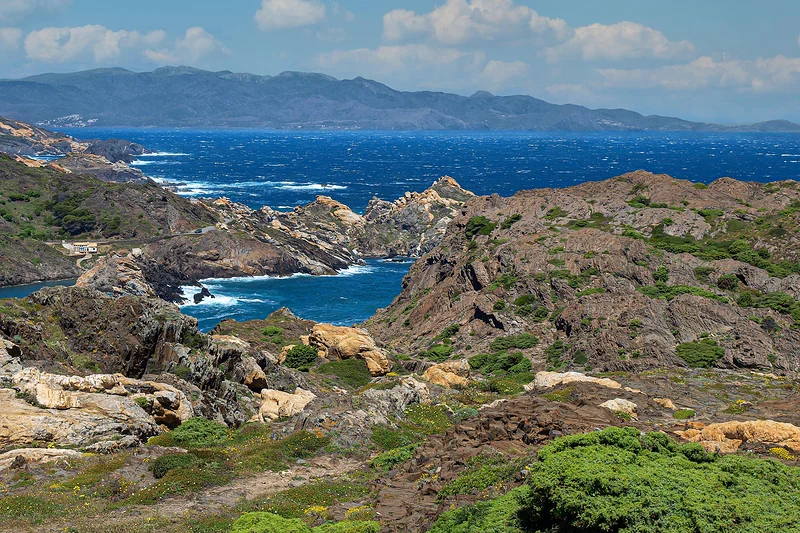
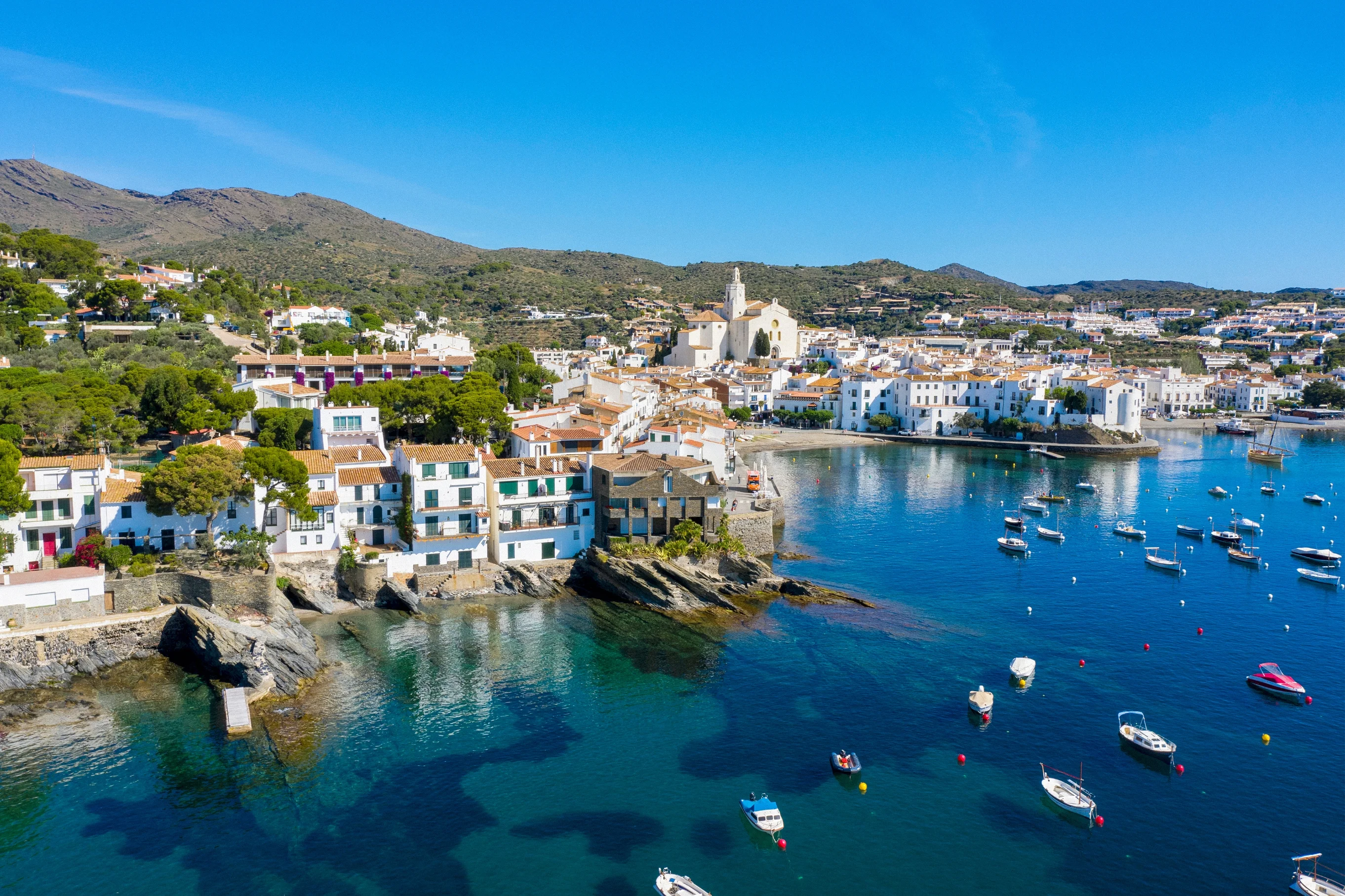
Cadaqués feels like a Greek island misplaced on the Catalan coast. White houses tumble toward turquoise water, framed by the jagged, wind-swept rock formations of Cap de Creus. Salvador Dalí built his creative sanctuary here, and artists like Picasso and Duchamp once wandered these streets. The village retains a rare sense of character along a stretch of the Costa Brava otherwise dominated by modern concrete development. Travelers come for the secluded coves, quiet art galleries, and the intense Mediterranean light that famously fueled the surrealist movement.

#2 Figueres +33 recs

Figueres is defined by Salvador Dalí, whose theater-museum topped with giant eggs draws a million visitors annually. Beyond the museum, this Catalan city rewards those who explore deeper. Its shaded Rambla, local market squares, and modernist facades create a setting where a relaxed pace of life is the norm rather than a slogan. Located thirty minutes from the French border, it serves as a gateway to the more quiet stretches of the Costa Brava.

#3 Roses +25 recs

Fronting a sweeping bay, Roses pairs its classic beach resort energy with deep history and rugged landscapes. Ancient Greek ruins sit alongside the wild trails of the Cap de Creus natural park, where the Pyrenees drop straight down into the Mediterranean. Explore old fortifications in the morning and wind-swept coves in the afternoon.

#4 Lloret de Mar +4 recs

Lloret de Mar is best known as a go-to spot for nightlife. Located in the Spanish province of Girona, not far from Barcelona, this coastal town draws travelers looking to hit the bars with friends and relax on expansive stretches of sand, but there is more to it than that.

The Costa Brava, an ideal beach destination

The beach is the main draw for visitors heading to Lloret de Mar. The town features 7 kilometers of sandy shores packed with locals and vacationers during peak season. The largest is Platja de Lloret, spanning a kilometer and conveniently located right near downtown. It offers plenty of amenities and recreational activities, including jet skiing, parasailing, kayaking, a kids club, and snack kiosks. However, the favorite beach for many visitors is Platja de Fenals, separated from its neighbor by a rocky headland. Sheltered from the wind, it stays a bit quieter and suits travelers looking to lounge all day. A bit further out, about 3 kilometers from the town center, sits Platja de Santa Cristina. This charming beach is backed by a cliff topped by the chapelle de l'Ermitage. After a swim, make sure to check out its frescoes and garden.

Local heritage worth exploring

Do not be fooled into thinking Lloret de Mar is strictly for partygoers and beach lovers. You will find plenty of historical gems by exploring the streets with a curious eye. Start your tour at the main square, home to a striking 19th-century neoclassical town hall. Head next to the église paroissiale de Sant Romà, known for its vibrant, colorful rooftops. Its traditional architecture was remodeled several times from the 16th to the 20th century. Finally, the jardins de Santa Clotilde offer a peaceful walk through a park filled with statues, fountains, and small bridges. From the top of the viewpoint, you get a sweeping panorama of the surrounding area.

When to go

Lloret de Mar comes alive in the summer, fueled by tourists looking for nightlife and beach relaxation. If you want high energy, that is the time to visit. If you prefer a quieter experience, aim for spring or autumn outside of school break periods. Winter is generally quiet, with many hotels and restaurants closing their doors for the season.

How to get there

Lloret de Mar sits about an hour's drive from Barcelona, making the Catalan capital the most practical arrival point by plane. If you do not plan on renting a car, you can catch a bus from downtown Barcelona straight to Lloret de Mar, a trip taking about an hour and a half. If you are traveling from southern France, Toulouse is only about a three-and-a-half-hour drive away via the A61 and A9 motorways.

#5 Blanes +4 recs

As the gateway to the Costa Brava, Blanes splits its time between a high-energy, family-friendly beach town and a quiet, contemplative retreat. You can spend your morning on long stretches of sand, then head up to the botanical gardens that hang over the Mediterranean. It is a perfect spot to experience the Catalan coast, balancing summer crowds with dramatic, clifftop views that feel worlds away.

#6 Castell-Platja d'Aro +1 rec

Located in the northeast corner of Catalonia, Castell-Platja d'Aro stands out as one of the region's premier coastal destinations. It offers more than just postcard views, as the town holds surprising historical depth for those willing to look past the waterfront.

Dreamy coves

Castell-Platja d'Aro is primarily a beach destination, offering plenty of options for swimming and watersports. The most accessible spot is Platja Gran, a two-kilometer stretch of sand right next to the town center, complete with full facilities and a wide variety of restaurants and bars. The beach at Sant Pol is a favorite for walkers and active travelers thanks to its dunes and clear water that makes for excellent snorkeling. The Parque de Las Dunas offers dedicated children's activities throughout the summer. If you prefer smaller, more intimate spaces, Cala Rovira is a popular choice, protected from the wind and easy to reach by car. For something even more secluded, Cala Sa Cova is a tiny cove under 50 meters long, tucked between cliffs and native Mediterranean greenery, known for its striking turquoise water. For a change of pace, the Aquadiver water park is a solid bet for a family day out, featuring everything from a 100-meter-long slide to a calm wave pool.

Must-see sights beyond the sand

Don't limit your time here to the beach. The small village of Castell d'Aro sits just three kilometers inland and feels worlds away from the coastal energy. Its narrow stone streets wind their way toward the town square, where you can visit the Benedormiens Castle, a fortress built by locals to fend off pirate raids. History buffs should also check out the Roman ruins of Platja d'Aro near Cala Rovira. These remnants of an ancient villa, unearthed in the 1980s, offer a glimpse into the region's Roman past. Round out your historical tour with the local churches: the parish church of Santa Maria de Platja d'Aro and that of Santa Maria de Fenals d'Aro anchor religious life here.

When to go

The experience in Castell-Platja d'Aro peaks during the summer months. The town is most popular from June through September when the beach culture is in full swing. If you prefer smaller crowds, late spring is an excellent time to visit and enjoy the town at a slower pace.

How to get there

The most efficient way to reach Castell-Platja d'Aro is by plane into Girona. Many airlines service the Girona-Costa Brava Airport. Once you land, you can rent a car or take a bus for the 35-minute drive to town. Nothing flies here from North America, so plan on Barcelona instead, about an hour and a quarter away by road.

Our members' favourite things to do in the Costa Brava

Ranked on recommendations from travellers who did them

#1 Dalí Theatre-Museum (Figueres) +20 recs 4.7/5

The Dalí Theatre-Museum in Figueres is dedicated to the Spanish surrealist master. Located in his hometown in Catalonia, Spain, the museum houses an extensive collection of paintings, sculptures, and sketches. Explore his unique creative evolution within a building designed by the artist himself, featuring iconic giant eggs atop its facade.

See the guide See deals-7%AVYGEO7

#2 Lloret de Mar Beach (Lloret de Mar) +10 recs 3.5/5

Mirroring the sun of the Costa Brava, festive Lloret de Mar shines with Mediterranean beauty. Five main beaches and countless coves create a coastal paradise. Located downtown near bars and eateries, Lloret de Mar Beach is the largest, stretching over 0.9 miles. It holds Blue Flag status and borders the picturesque Sa Caleta cove.

See the guide See deals

#3 Cadaqués Beach (Cadaqués) +10 recs 4.5/5

On the rocky coast of Spain's Costa Brava, Cadaqués remains a rare, authentic fishing village despite its popularity. As the home of Salvador Dalí and sheltered by Cap de Creus, it faces the sea directly. Explore the winding lanes to find small coves and the central Cadaqués Beach. This 200-meter pebble shore features whitewashed houses, small boats, and clear, calm waters.

#4 Cap de Creus Natural Park (Cadaqués) +10 recs 5/5

People often say the Cap de Creus Natural Park is where the Pyrenees meet the sea. This 672 m promontory marks the easternmost point of the Iberian Peninsula. Just a few miles from Cadaqués, this protected landscape features rocky shores and secluded coves. It is a premier spot on the Costa Brava, highlighted by an 11 m lighthouse.

See the guide See deals

#5 Dalí House-Museum (Cadaqués) +9 recs 5/5

The Dalí House-Museum in Cadaqués is a surrealist labyrinth developed over 50 years. This former fisherman's shack, transformed into a personal masterpiece, offers an intimate look at the lives of the painter and his muse, Gala. From the sunlit studio to the garden, every detail reveals his obsessions. Book online well ahead of your visit.

See the guide See deals-7%AVYGEO7

#6 Monastery of Sant Pere de Rodes (Cadaqués) +8 recs 5/5

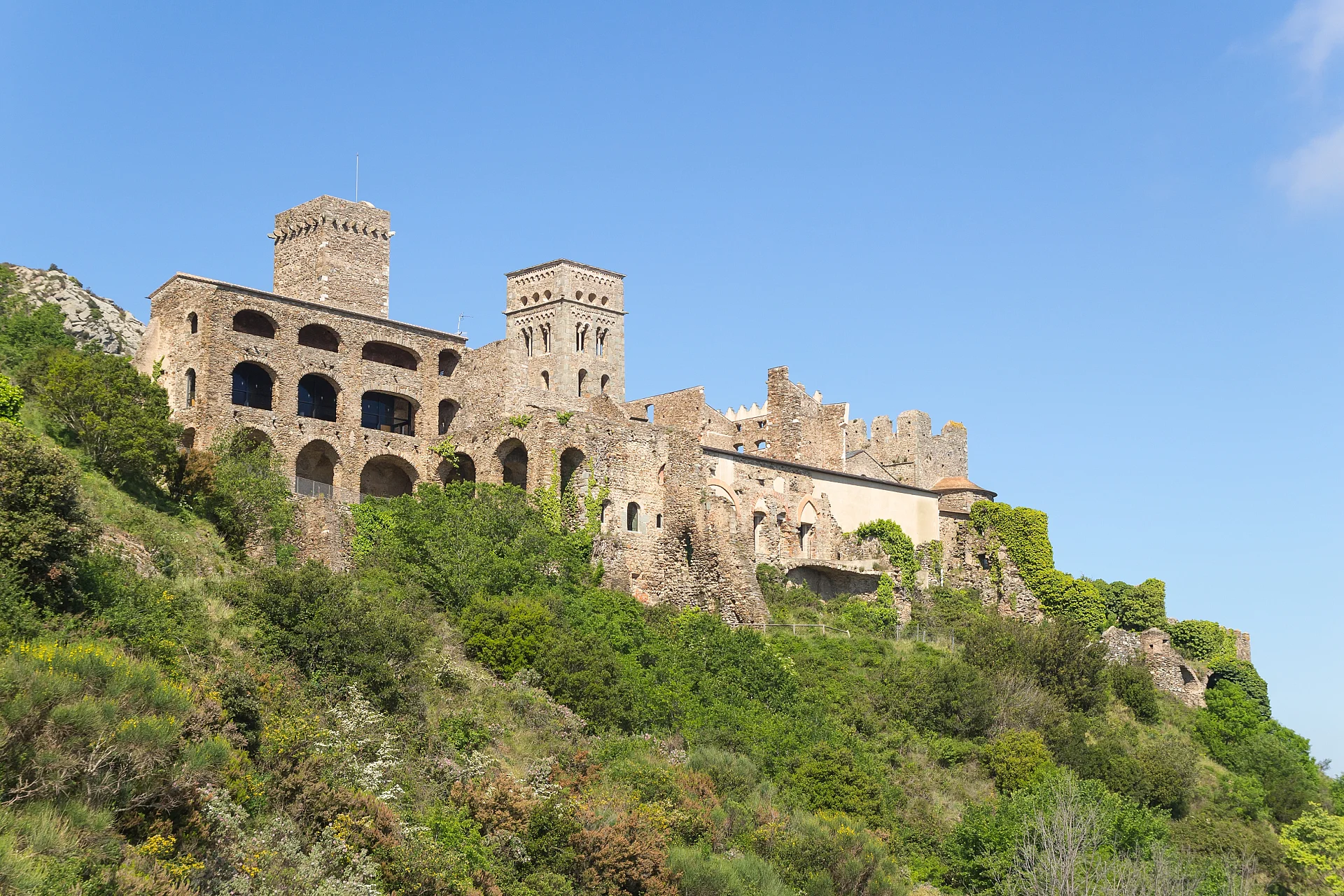
Perched at an elevation of 500 meters, this site offers a fascinating dive into Lombard Romanesque art. Between its carved stone walls and pink marble cloister, you will find a spiritual fortress steeped in history. From its terraces, the panorama stretches to the Pyrenees, providing a clear view over the Gulf of Roses.

See the guide See deals

#7 Cala Montjoi (Roses) +7 recs 4/5

Cala Montjoi is an isolated cove within the Cap de Creus Natural Park, located a few kilometers from the center of Roses. With clear water and rocky depths, it is a prime spot for snorkeling and diving. Accessible by car, boat, or hiking trails with coastal views, this cliff-lined retreat is perfect for nature lovers.

#8 Roses Beach (Roses) +3 recs 3/5

Located on the Costa Brava, Roses Beach is a vast stretch of golden sand along a bay with calm waters. Perfect for swimming and relaxing, it also offers paddleboarding, kayaking, windsurfing, and boat tours. A waterfront promenade lined with restaurants and terraces completes the scene. It is a lively spot for Mediterranean relaxation.

See the guide See deals

#9 Cala Sant Francesc (Blanes) +1 rec 4/5

Locals call it Cala Bona, but this golden sand cove in Blanes is officially Cala Sant Francesc. Sheltered by cliffs and pine forests, the calm, clear water is perfect for swimming or snorkeling. With full amenities and the Marimurtra Botanical Garden nearby, it is a favorite for families exploring the Costa Brava.

#10 Castell de Sant Joan (Blanes) +1 rec 4/5

The Castell de Sant Joan, an 11th-century fortress, towers over Blanes from its hilltop perch. Its restored watchtower delivers a 360-degree vantage point of the harbor, local beaches, town, and the start of the Costa Brava. It is a historic site perfect for viewing the landscape at sunrise or sunset. The hike up is a destination itself.

Map of the Costa Brava

Visiting the Costa Brava

Some two hundred kilometres of rocky coast, from the French border down to Blanes, in the north-east of Catalonia. In the north, Cap de Creus drops into a sea often whipped up by the tramontane wind, and Cadaqués lines its white houses around a fishing harbour. In the middle, the Empordà plain hides medieval villages, rice fields and the Greek ruins of Empúries.

Further south, the coast narrows into small coves linked by a path cut into the rock, all the way to the ramparts of Tossa de Mar. Lloret and Blanes live at the pace of big beach resorts. You come for the swimming, the walks along the sea and Dalí, whose whole world fits between Figueres, Portlligat and Púbol.

You'll love it if

  • You want hidden coves an hour from Barcelona airport
  • You like walking along the sea, from cove to cove
  • You want to mix beaches, stone villages and museums

Look elsewhere if

  • You want empty beaches in August: the coast is very busy
  • You hate wind: the tramontane blows hard in the north
  • You want peace in Lloret in summer: the resort lives by night

The must-sees

  1. Dalí's triangle

    1 Dalí's triangle +20 recs

    Three places, three sides of the painter. In Figueres, his theatre-museum crowned with giant eggs. In Portlligat, the fisherman's house he enlarged for forty years. In Púbol, the castle he gave to Gala. Book Portlligat ahead: visits run in small groups.

  2. Cap de Creus

    2 Cap de Creus +10 recs

    The easternmost point of the Iberian peninsula, a natural park of bare schist carved by the tramontane. Park at the lighthouse, walk down to the coves, and stay for the sunset over the sea.

  3. 3 The coastal path Hiking

    A coastal path links the coves between Calella de Palafrugell, Llafranc and Tamariu, through pines and rocks. You pass under stone arches, drop down to tiny beaches and swim along the way. Set off early in summer: shade is scarce.

  4. 4 The Empordà villages Villages

    A few kilometres from the beaches, Pals and Peratallada keep their walls, their lanes of golden stone and their arcaded squares. In the evening, the terraces fill with Catalan families. Go at dusk, when the stone turns orange.

  5. 5 The habaneras of Calella Festival

    Every summer, in early July, the beach at Calella de Palafrugell hosts an evening of sea shanties brought back from Cuba. You sit on the sand, drink cremat, a rum flambéed with coffee, and the crowd sings along with the bands.

The classic trap

Booking in the centre of Lloret de Mar expecting the postcard Costa Brava. You'll get a lively resort, loud at night, ringed by apartment blocks. For coves and villages, aim for Begur, Calella de Palafrugell, Tossa or Cadaqués instead.

Our itineraries in the Costa Brava

Our itineraries by length of stay
LengthRouteWhat you see
3 daysFigueres › Cadaqués › Cap de CreusDalí, the white harbour of Cadaqués and the cape at sunset
5 daysCadaqués › Empúries › Pals › Calella de PalafrugellThe wild north, the Greek ruins, the villages and the coastal path
1 weekFrom Portbou to Tossa de Mar, via Roses, Begur and Sant Feliu de GuíxolsThe whole coast, the Medes Islands and the walls of Tossa

Start in Figueres with the Dalí museum, then head to Cadaqués for an evening on the harbour. The next day, Cap de Creus and the house at Portlligat. Then drive south to L'Escala for Empúries, on to the Empordà villages and the coves of Palafrugell. Got a week? Add a dive at the Medes Islands and a night in Tossa de Mar.

When to visit the Costa Brava

When to go, season by season
AppealSeasonTemperaturesHighlightCrowds and prices
WinterNov. to March4 to 15 °CQuiet villages and museums without queuesLow
SpringApril to June10 to 25 °CWalking the coastal pathMedium
SummerJuly and Aug.19 to 29 °CSwimming and village festivalsHigh
AutumnSept. and Oct.13 to 26 °CA still-warm sea and the grape harvestMedium

Our advice

Come in June or September: the water is already pleasant, the coves have room and prices drop noticeably. In the north, watch the tramontane: when it blows, the sea gets rough around Cadaqués and Roses, and the sheltered coves of the south take over.

Getting to the Costa Brava

  1. By car, from Girona, Barcelona or France The most flexible

    From Girona airport, the coast is half an hour's drive away; from Barcelona, Blanes is an hour and Cadaqués two. Driving down through France, Figueres is an hour past Perpignan.

  2. By high-speed train to Girona or Figueres Without a car

    High-speed trains link Barcelona to Girona in under forty minutes and to Figueres in under an hour, and direct trains from Paris stop at both. Buses then run to the coast.

  3. By plane to Girona or Barcelona The usual way

    Direct flights from London, Manchester, Dublin and many other cities serve Barcelona all year, and Girona mostly in summer. Girona is the closer of the two to the coves.

Pick up a hire car at the airport: buses link the towns but rarely the coves. If you are staying in the south, in Blanes or Tossa, you can do without one.

Getting around the Costa Brava

A car gives you the most freedom, but the coastal roads are narrow and the cove car parks small. Buses link the towns to each other and to Girona. In the south, boats shuttle between Blanes, Lloret and Tossa, and the train from Blanes runs to Barcelona every half hour. The finest way, though, is on foot, along the coastal path.

Good to know

In summer, car parks near the coves are often paid and full by ten in the morning. In Cadaqués, park at the edge of the village and walk down. Spain drives on the right, and a UK or EU licence is all you need.

What to eat in the Costa Brava

  • Suquet de peix: the fishermen's stew, fish and potatoes in a saffron broth.
  • L'Escala anchovies: salted and cured in the harbour for centuries, served on tomato bread.
  • Palamós prawns: the red prawn of Palamós harbour, simply grilled.
  • Mar i muntanya: the Catalan surf and turf, chicken and langoustines in the same pot.
  • Empordà wines: reds and rosés from wind-blown vines, which you can taste in the cellars around Peralada.
  • Crema catalana: lemon and cinnamon custard under a crust of burnt sugar.

To eat like the Catalans, wait: lunch is around two, and dinner rarely before nine. The lunchtime set menus in the Empordà villages are the best deal on the coast, and the harbours of Palamós and L'Escala serve the catch of the day without fuss.

Where to stay in the Costa Brava

Where to base yourself
AreaWhat forGood to know
Cadaqués and Cap de CreusWhite harbour, Dalí, wild covesThe most beautiful
Roses and its bayLong beaches, boat tripsThe most family-friendly
L'Escala and L'EstartitEmpúries, diving at the Medes IslandsThe most natural
Begur and PalafrugellCoves, villages, coastal pathThe most charming
Tossa, Lloret and BlanesRamparts, resorts, train to BarcelonaThe easiest without a car

Read the full guide: where to stay in the Costa Brava

How much does a trip in the Costa Brava cost?

Indicative budget per person, excluding travel
TripLengthBudget per person
Budget (campsite or guesthouse, buses, set lunches)5 days€350 to €600
Comfort (hotel near a cove, car, restaurants)5 days€800 to €1,400
Luxury (boutique hotel, Michelin-starred tables)5 days€2,000 to €4,000
  • The season: in June and September, you often pay far less than in August for the same room.
  • The set lunch: starter, main, dessert and a drink for the price of one main course at dinner.
  • The coves: they are public and free; only the car parks cost money.
  • The Dalí museums: you'll pay an entry at each of the three sites, and Portlligat must be booked.
  • The car: book it early for summer, and allow for motorway tolls.

Traditions and way of life in the Costa Brava

Before the beaches came the Greeks: around 575 BC, sailors from Phocaea founded Emporion, today's Empúries, whose ruins still overlook the sea near L'Escala. The centuries that followed left monasteries, such as Sant Pere de Rodes above El Port de la Selva, and villages fortified against pirates. People speak Catalan here, and on Sundays the sardana is still danced in the squares.

The name Costa Brava, the wild coast, first appeared in 1908, coined by a journalist, Ferran Agulló. Then came Salvador Dalí, born in Figueres, who settled in Portlligat and made the Empordà the backdrop of his canvases. Passing through Cadaqués? Look at the rocks of Cap de Creus: you'll find them, barely distorted, in his paintings.
Top photos posted by members

Monastère de Sant Pere de Rodes
Cala Pola on the Costa Brava
Dali Museum Vault

Articles posted by members

Traveler reviews

Very lively

The beach itself is very beautiful and pleasant with fine sand and turquoise water. Unfortunately, in the summer there are so many people that it makes the experience much less enjoyable right away. I…

167

Astonishing

This museum is truly astonishing. It doesn't just present Dalí's works, but allows you to dive deep into his unique universe. The pieces are perfectly showcased with a very atypical decor. Look closel…

67

Too crowded in high season

The Roses beach on the Costa Brava is a typical beach for the region. Off-season, it is really pleasant and lets you enjoy the scenery and a nice walk along the sea, even if there is a lot of concre…

163

For the view

A pretty physical climb, especially if it is hot out. The castle itself isn't all that interesting, but the view of the city and the coast is spectacular.

25

The pearl of Blanes

What a lovely garden! There is an entrance fee so I only visited once, but we were all won over by what we saw. The plants, the flowers, the overall layout of the paths, the views of the sea, truly th…

19