Pain de Sucre

Top 10 most beautiful cities in Brazil to visit2026 ranking

Discover our members' favourite cities in Brazil. Feel free to publish your own reviews to take part in this collaborative ranking.

Favourite cities in Brazil among our members, approved by the editors

#1 Rio de Janeiro +274

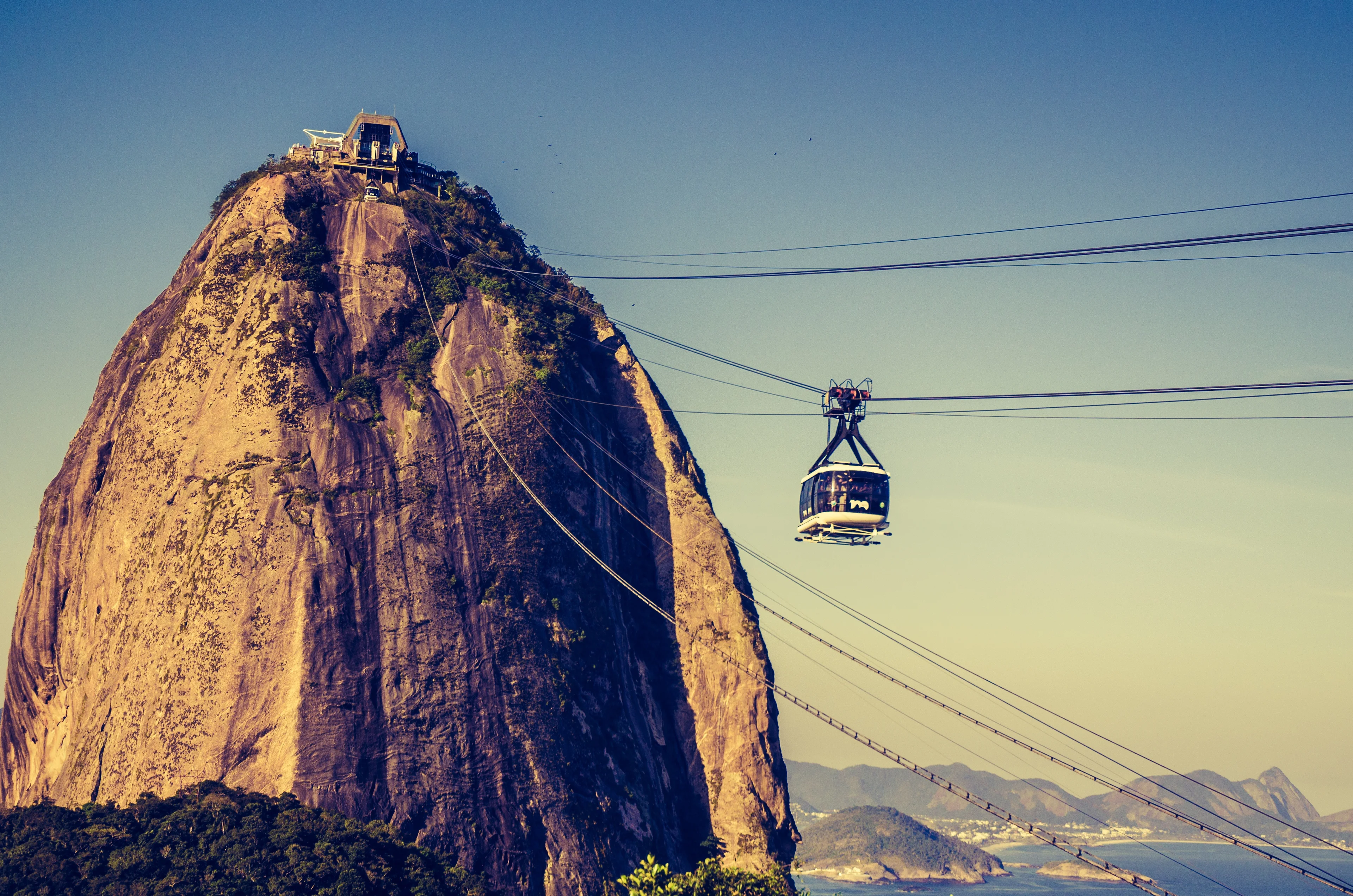
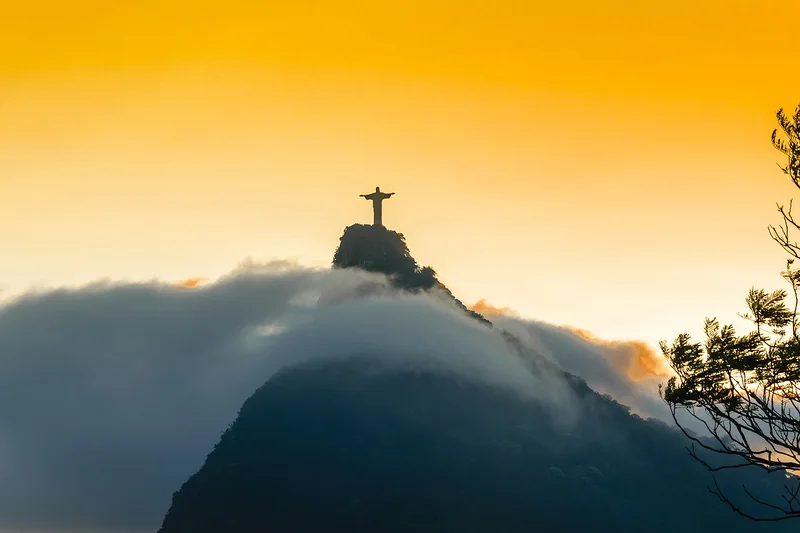
Rio de Janeiro defies expectations with a landscape where granite peaks drop directly into the Atlantic, creating a terrain as dramatic as the California coastline. Between the summit of Corcovado and the sands of Ipanema, the city moves at a pace defined by carioca energy and a focus on outdoor living. Expect a daily rhythm that shifts from urban grit to lush tropical surroundings in just a few blocks.

#2 Florianópolis +109

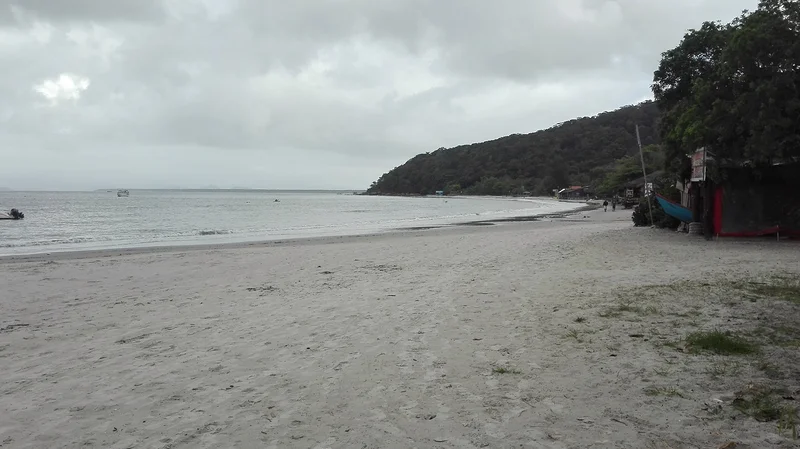
Brazilians call it the magic island, and Florianópolis packs 42 beaches with distinct vibes into a 34-mile stretch. On the east side, the surf breaks and nightlife center around the Lagoa da Conceição. Head south to find Atlantic forest trails leading to secluded coves, or visit the Azorean-style fishing villages to eat the best oysters in Brazil while watching the sunset.

#3 Salvador +72

Salvador centers on a deep Afro-Brazilian heritage, anchored by the bright colonial buildings of the Pelourinho district. Between the coastal rhythm of the Bay of All Saints and the local street food scene, it offers a direct look at the country's roots. Expect a mix of steep cobblestone streets, beach time, and a pace of life that feels like a more intense, tropical version of New Orleans.

#4 Petropolis +56

Tucked into the Serra dos Órgãos mountains, Petrópolis provides a quiet escape from the intensity of Rio de Janeiro. This former imperial city draws visitors with its preserved history, palaces, and cool mountain air, offering a reprieve similar to the crisp atmosphere of Asheville. It is a straightforward destination for those interested in Brazilian heritage or simply looking to slow down away from the urban rush.

#5 São Paulo +49

São Paulo is Brazil’s financial and cultural engine, a sprawling metropolis with a scale that feels like a more vertical, intense version of Los Angeles. Established in 1554, the city grew wealthy on the backs of gold and coffee trade. You can trace this history through the old city center, the Cathedral, and the iconic Avenida Paulista, which anchors the city's modern identity. For a deep dive into local heritage, visit the Museu Paulista, the Museu Afro Brasil, and the massive Ibirapuera Park. Don't miss the Memorial da América Latina, which serves as a dedicated space for regional history and arts.

#6 Ouro Preto +42

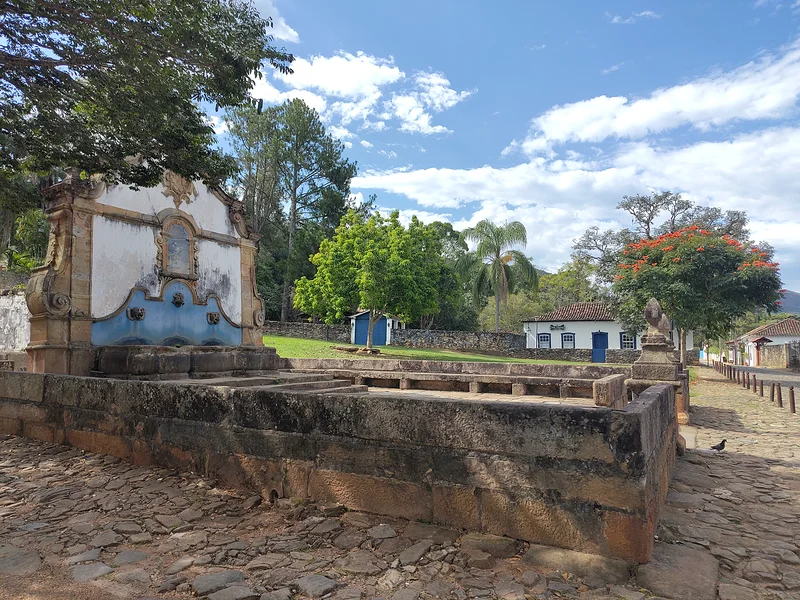
Ouro Preto, a former mining town in Minas Gerais, stands out for its preserved Baroque architecture and genuine character. As a UNESCO World Heritage site, it functions like a living museum filled with ornate churches, galleries, and local cultural festivals. Surrounding the city are rugged landscapes perfect for hiking, making this an ideal stop for travelers interested in history and art who want to see a side of Brazil beyond the typical coastal resorts.

#7 Porto Alegre +40

As the capital of the Rio Grande do Sul state, Porto Alegre sits among the southernmost major cities in Brazil. Unlike the coastal hubs most travelers associate with Brazil, this city is not a beach destination. Instead, it defines itself by its relationship with the water, sprawling along the Guaíba Bay and the river of the same name. Beyond its preserved neoclassical architecture, the city integrates nature into the urban layout with expansive green spaces like Farroupilha Park, also known as Redenção. It is an ideal spot for families, featuring a zoo and dedicated play areas.

A multicultural city shaped by Gaucho identity

Porto Alegre is a cultural crossroads where Argentine and Uruguayan influences meet waves of European immigration. Several local customs are shared with Argentina, most notably the ritualistic consumption of maté and the prevalence of churrascarias, the iconic barbecue restaurants serving endless cuts of grilled meat. Flanked by the vast Pampa grasslands, the region gave rise to the Gauchos, traditional rural cattle ranchers who famously seized the city during the Farroupilha Revolution in 1835 before being reclaimed by the central government.

Start your downtown walk at Praça Marechal Deodoro to see the Piratini Palace, the seat of the state government, recognized by its imposing columns and statues. On the same square, you will find the São Pedro Theater and the city cathedral, which houses intricate stained glass and mosaics. A short walk away is Praça da Alfândega, home to two of the citys most significant cultural institutions: the Rio Grande do Sul Museum of Art, known as MARGS, and the Memorial do Rio Grande do Sul, which documents the history and identity of this specific Brazilian state.

Porto Alegre, a green city

Spend some time in the old city center at the Porto Alegre market, a massive structure housing over a hundred individual stalls. Afterward, follow the Guaíba River to visit the Iberê Camargo Foundation, an award-winning concrete building designed by Portuguese architect Álvaro Siza Vieira.

If you are looking for nature, the city is well-situated. Nearby, the Jacuí Delta is a protected ecological zone made up of roughly thirty islands crisscrossed by canals and teeming with birdlife. To the south, a lagoon stretching over 160 miles (260 kilometers) runs down to the southern edge of the continent. You can explore it by boat from the port of Porto Alegre, one of the most vital shipping hubs in Brazil with five miles (8 kilometers) of docks.

When to visit

The weather in Porto Alegre is generally pleasant year-round. Be aware that from November through February, temperatures frequently climb above 86 degrees Fahrenheit (30 degrees Celsius).

Getting there

Porto Alegre is served by an international airport. From the United States, you will typically connect through São Paulo or Rio de Janeiro before catching a domestic flight to Porto Alegre.

#8 Foz do Iguaçu +36

Foz do Iguaçu is a border town in Brazil, located at the intersection of three countries: Brazil, Argentina, and Paraguay. Its name in Portuguese translates to "mouth of the Iguaçu." This is where you will find the Iguaçu Falls, a UNESCO World Heritage site. It is a massive stretch of cascades spanning 3 kilometers (nearly 2 miles) with individual drops reaching 80 meters (262 feet) in height. From Foz do Iguaçu, you can cross into Argentina via the Fraternity Bridge or into Paraguay over the Friendship Bridge.


The unique Iguaçu ecosystem

Foz do Iguaçu serves as a gateway to the Iguaçu National Park and its famous waterfalls. The park was designated as a site of public interest by Brazilian authorities in 1939, thanks to the lobbying efforts of aviation pioneer Santos-Dumont. A statue of him stands in town to honor his role in protecting the area.

The park and the Iguaçu Falls are a critical sanctuary for biodiversity. Endangered species such as jaguars, pumas, harpy eagles, and giant otters live here. While the site is split between Argentina and Brazil, Foz do Iguaçu offers the best panoramic views of the cataracts. You can follow marked trails to get close to the Devil's Throat, where the most intense water flow occurs. The national park encompasses several subtropical forest ecosystems, including the last remnants of the Atlantic Forest that once covered much of Brazil.


A multicultural city near Brazil's natural wonders

Nearby, visit the Bird Park (Parque das Aves), which spans 16 hectares (about 40 acres). It houses over 100 protected bird species and various reptiles. More than half of the animals here were rescued from illegal trafficking, deforestation, or poaching.

Foz do Iguaçu sits at the confluence of the Iguaçu and Paraná rivers. Water defines the region, so consider touring the Itaipu Dam, one of the world's largest hydroelectric plants. The dam stretches over 7 kilometers (4.3 miles) and generates nearly 30% of Brazil's electricity. For another outing, walk along the Paraná River to the Brazilian monument marking the triple border, where you will find an obelisk painted in the national colors of green and yellow.

The city itself is multicultural and lively. Spend some time walking along Avenida Brasil, where you will find the bulk of the local shops and restaurants.


When to go

The most pleasant months to visit Foz do Iguaçu and the falls are from March through September, with warmer temperatures in March and April.


How to get there

There is an international airport 15 kilometers (about 9 miles) from Foz do Iguaçu. Flights from the US typically require a layover in Rio de Janeiro or São Paulo.

#9 Lençóis +35

Lençóis is a colonial-era town serving as the main gateway to the Chapada Diamantina National Park. Once a hub for the diamond rush, it now hosts hikers and outdoor enthusiasts drawn to its waterfalls, caves, and unique rock formations. The historic center features colorful architecture and a laid-back atmosphere that makes it the perfect basecamp for exploring one of Brazil's most rugged natural regions.

#10 Olinda +35

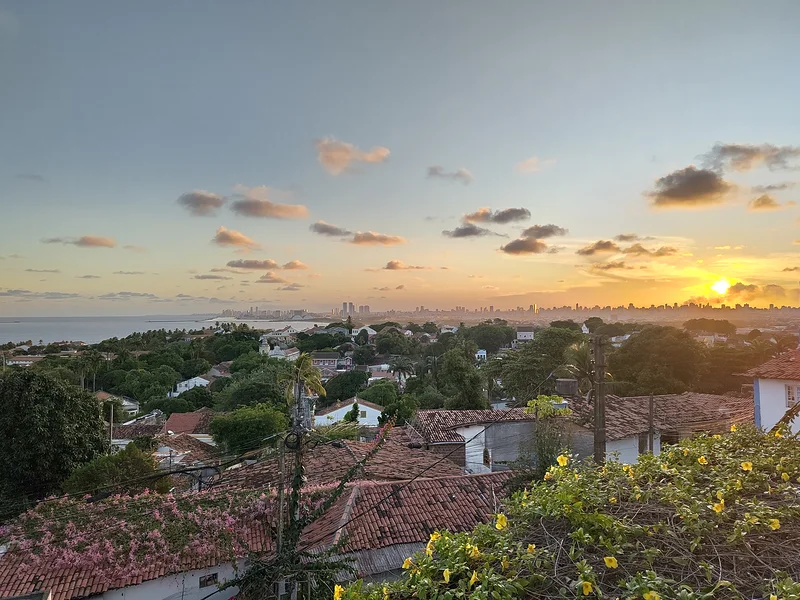
Olinda offers a direct look at Brazil's colonial past within its UNESCO-listed historic center. This quiet Nordeste town is defined by cobblestone streets, baroque churches, and local artist studios. During Carnival, the streets fill with massive papier-mâché puppets and a high-energy, welcoming crowd. With calm beaches nearby and a genuine atmosphere that holds up year-round, it serves as a grounded, culturally rich alternative to the high-rise sprawl of neighboring Recife.

Latest reviews

For urban planning lovers

Brasilia, the (real) capital of Brazil, left me with a rather mixed impression despite its interesting urban planning. I appreciated Niemeyer's futuristic architecture, especially the cathedral and th…

15 0

The Afro-Brazilian soul

Salvador de Bahia is a vibrant city in Brazil that I had a great time discovering. It is a colorful city where you can deeply feel the Afro-Brazilian soul. I took advantage of beaches like Porto da Ba…

12 0

Amazon tour

There are two options to get to Manaus, the gateway to the Amazon in Brazil: by river (very long but cheap) or by plane. I was expecting a village on the riverbank, but it is actually a big port city,…

15 0

Just for catching a flight

Like Sao Luis but not as bad, Fortaleza has zero appeal for tourists. We just flew out of there after visiting Jericoacoara, its lagoons, and its dunes. The Dragão do Mar, a cultural center similar to…

5 0

Stay away!

I really hated Sao Luis. I followed a friend who had found a cheap flight between Manaus in the Amazon and Jericoacoara, which is known for its dunes and chill vibe. Sao Luis has a historic center tha…

5 0

Rankings by travellers, for travellers

Our rankings are powered by thousands of reviews from travelers like you, not the arbitrary pick of a single editor. Every positive review you publish raises the destination’s score.

1 positive review = +1 reco

Your voice matters!

Have you travelled and discovered amazing places? Share your experience and help the community rank the most beautiful destinations! Sign up for free to post reviews and make your voice heard.