
Visiting Foz do Iguaçu
Foz do Iguaçu sits at the border of Brazil, right where three nations meet: Brazil, Argentina, and Paraguay. In Portuguese, the name translates to mouth of the Iguaçu. This city serves as the gateway to the Iguaçu Falls, a UNESCO World Heritage site featuring an immense panoramic expanse of waterfalls stretching across 3 kilometers with drops reaching 80 meters high. From Foz do Iguaçu, you can easily cross into Argentina via the Tancredo Neves Bridge or head over to Paraguay across the Friendship Bridge.
The Exceptional Iguaçu Ecosystem
Foz do Iguaçu is one of the main access points to the Iguaçu National Park and its famous waterfalls. The Brazilian authorities designated the park as a public interest area in 1939 following advocacy from several figures, including the aviation pioneer Santos-Dumont. A statue of him stands in the city to honor his conservation efforts.
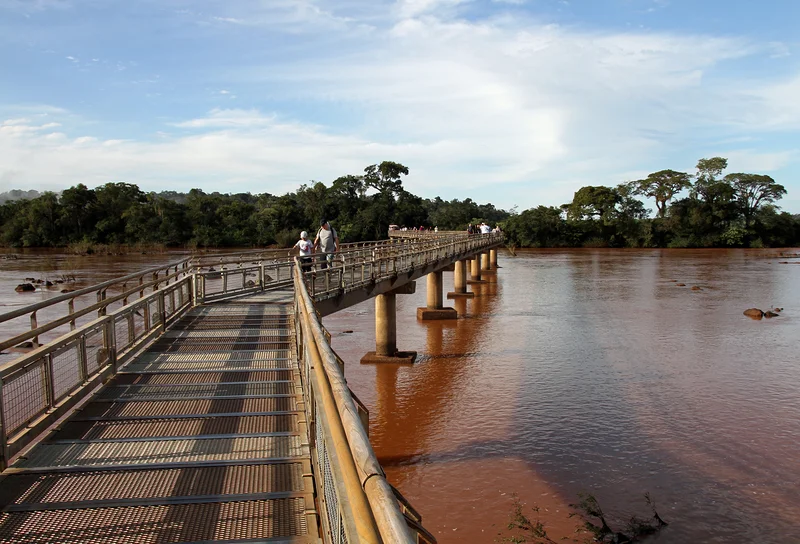
The park and the Iguaçu waterfalls shelter an incredible range of biodiversity. Endangered species like jaguars, pumas, harpy eagles, and giant otters all live here. While the site spans both Argentina and Brazil, the Brazilian side in Foz do Iguaçu offers the most sweeping panoramic views of the cataract. Walking paths get you close to the famous Devil's Throat, where the most powerful torrents plunge into the abyss. The national park protects characteristic subtropical forest ecosystems along with some of the last surviving stretches of the Atlantic Forest that once covered much of Brazil.
A Multicultural City Near Natural Wonders
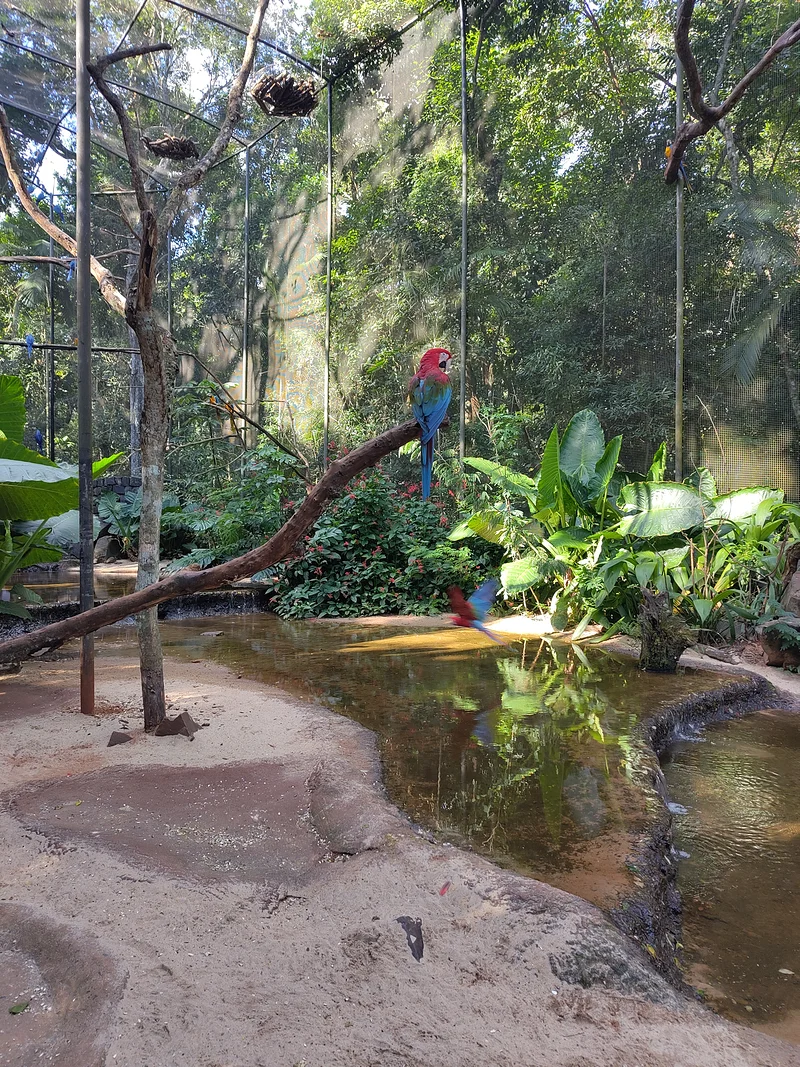
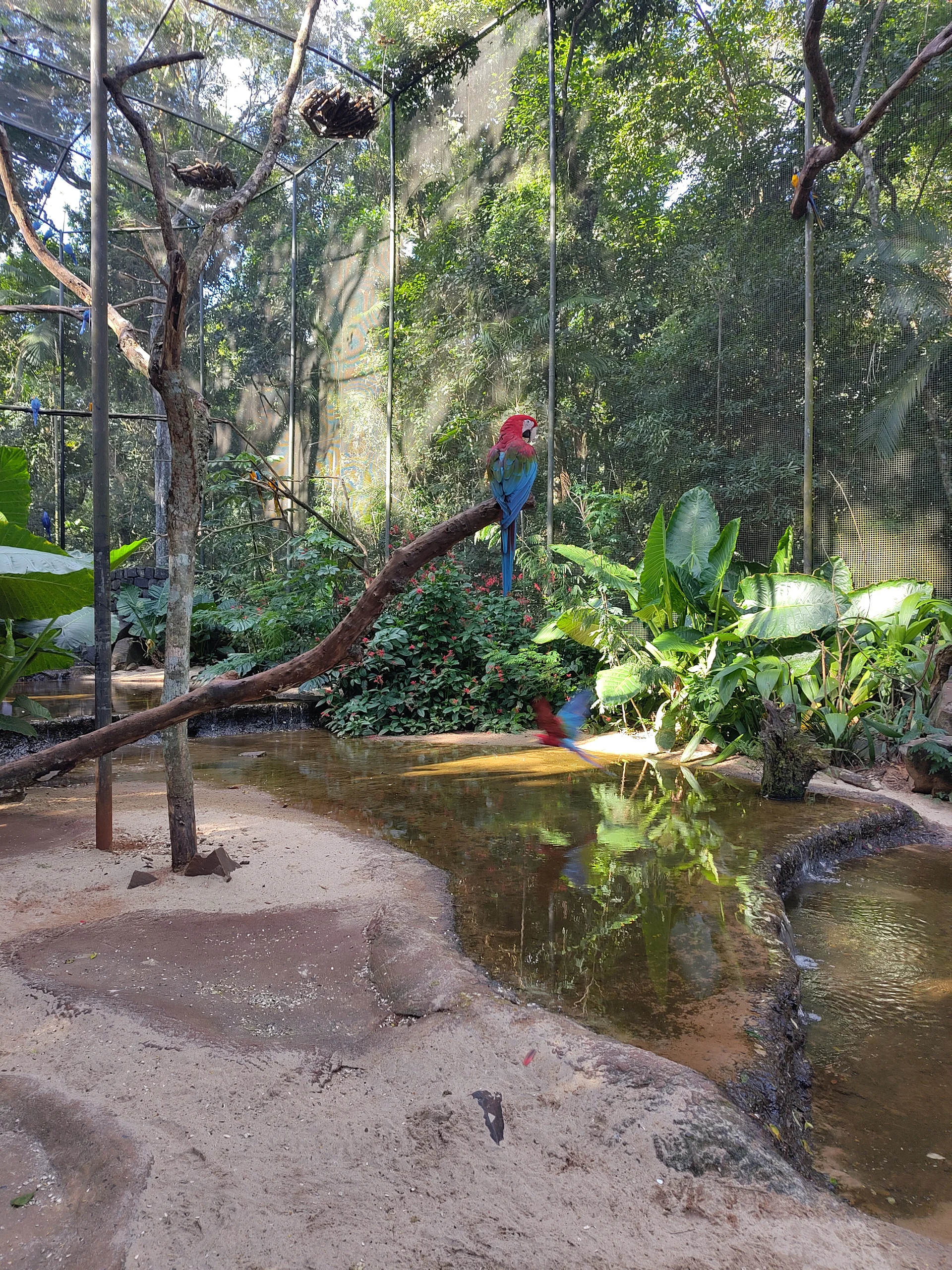
Right near the falls, the Bird Park spans 16 hectares and houses over a hundred protected bird species alongside reptiles. More than half of the animals living in the park were rescued from illegal trafficking, deforestation, or poaching.
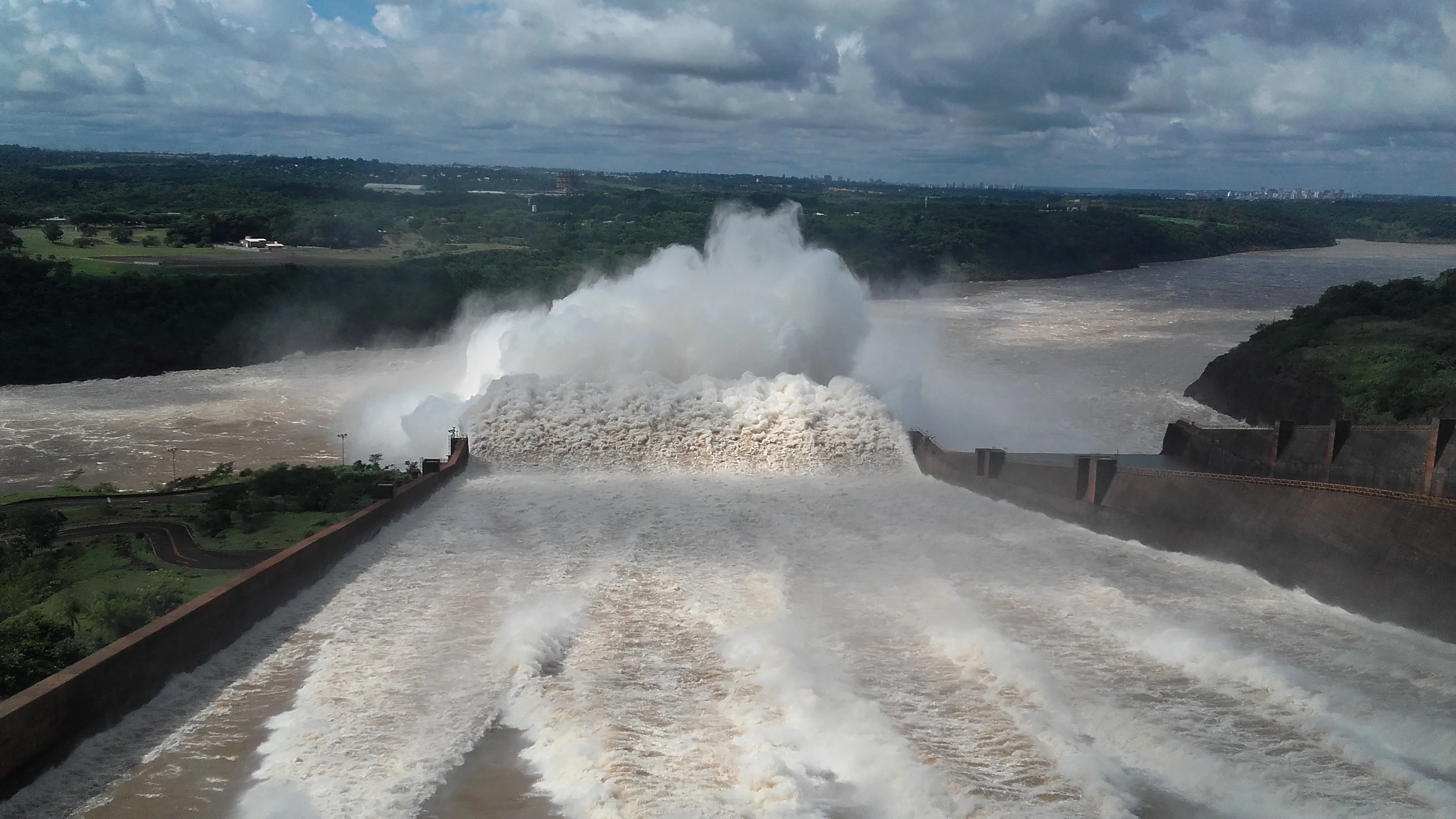
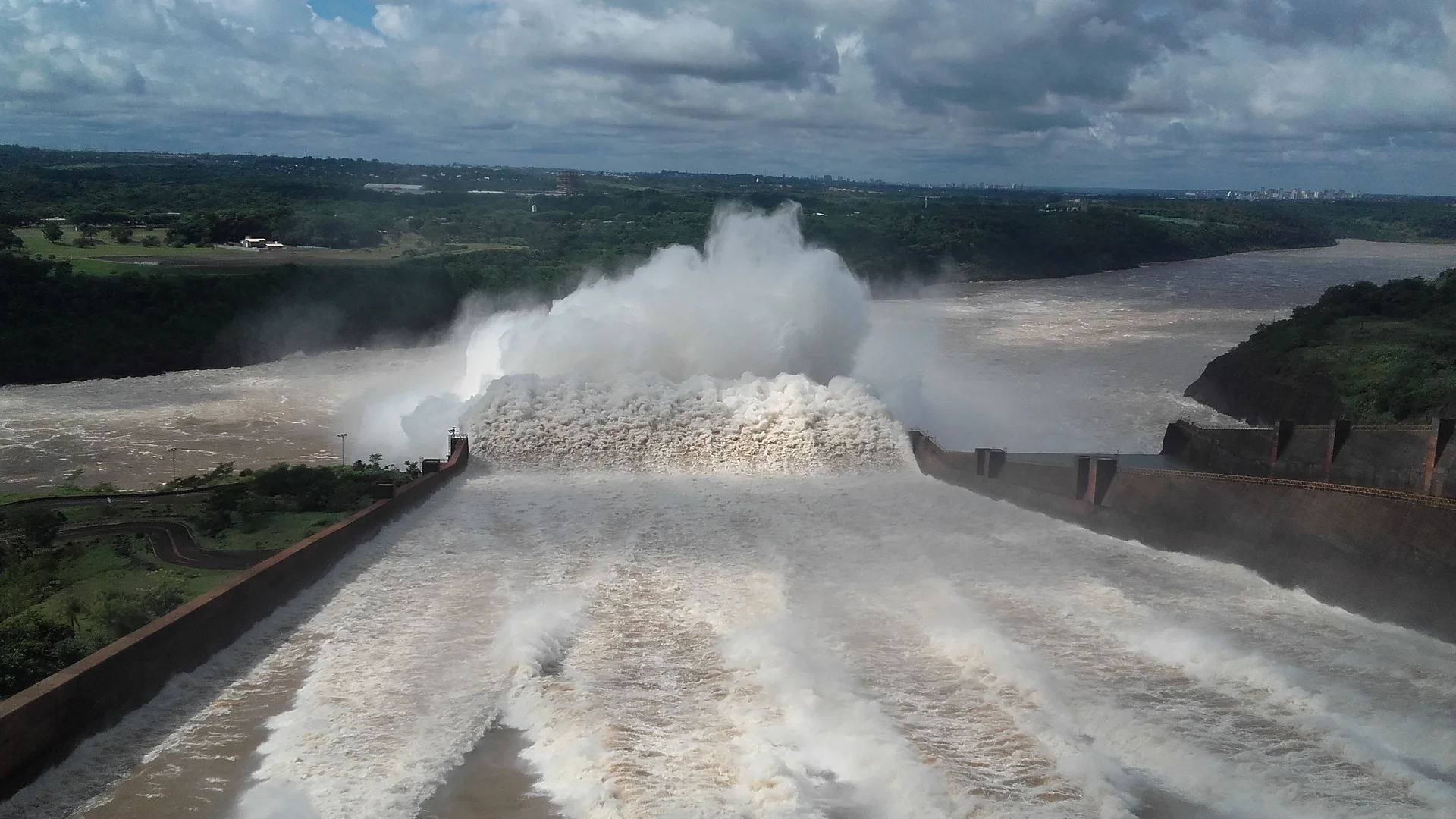
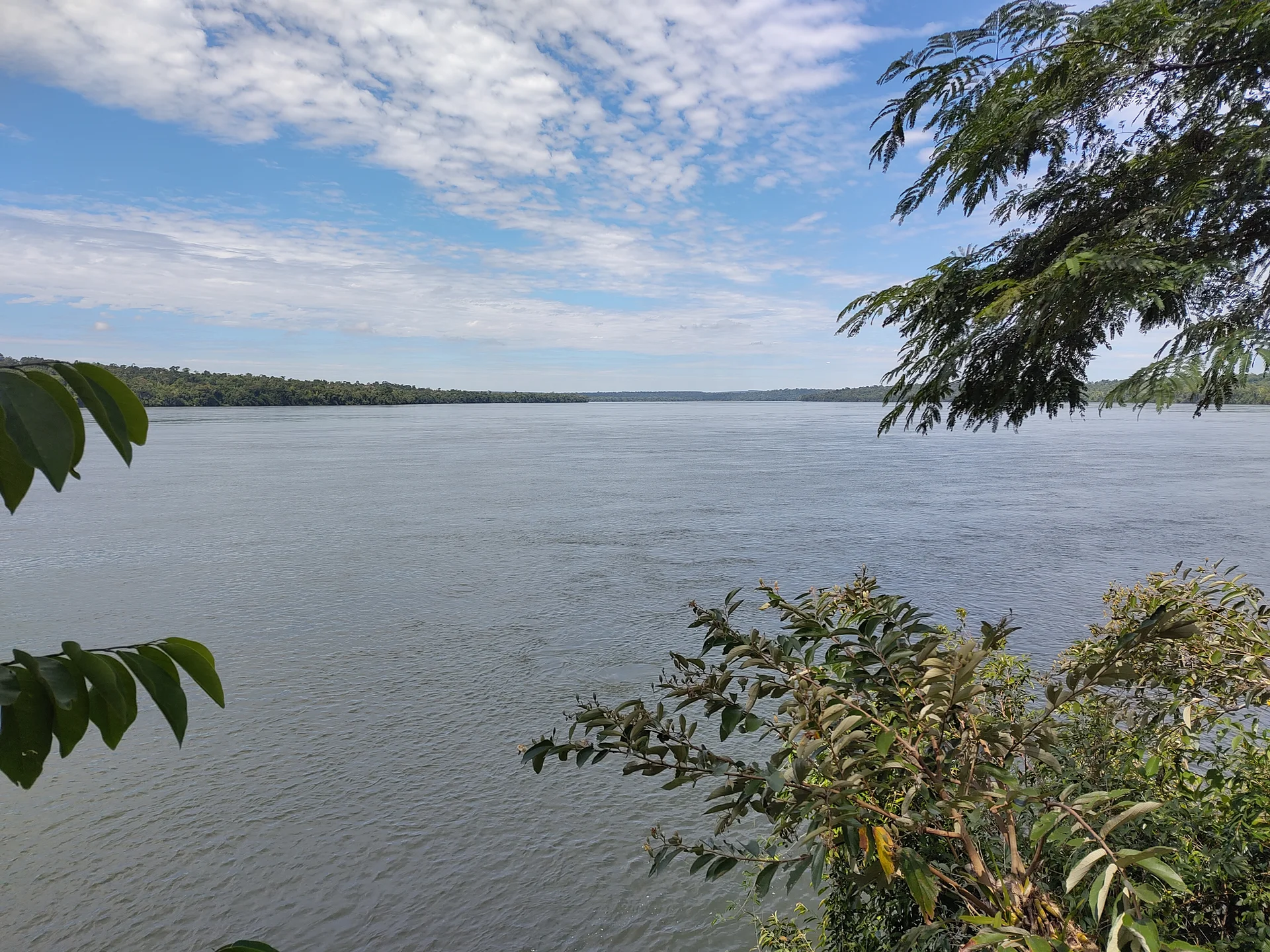
Foz do Iguaçu sits at the confluence of the Iguaçu and Paraná rivers. Water is everywhere in this region, making a visit to the Itaipu Dam, one of the largest hydroelectric power plants in the world, practically mandatory. Stretching over 7 kilometers, it generates nearly 10 percent of the electricity consumed in Brazil. Another worthwhile walk takes you along the Paraná River to the Brazilian Triple Frontier monument, marked by an obelisk painted in the national colors of green and yellow.
Multicultural and lively, Foz do Iguaçu is worth exploring on foot. Take the time to walk down Avenida Brasil, where most of the local shops and activity are centered.
When to go
The most pleasant months to visit Foz do Iguaçu and its waterfalls run from March to September, with warmer temperatures lingering through March and April.
How to get there
An international airport operates 15 kilometers from Foz do Iguaçu. Flights from the US typically require a connection in Rio de Janeiro or São Paulo.
If you want to visit Iguazu Falls, plan on spending at least one night in Foz. Of course, I am not talking to the consumerist tourists who might be able to fly back and forth in a day from São Paulo. I am talking to real backpackers who will make the trip by bus. For example, the trip there can be done during the day to admire the landscapes of Paraná, its hilly fields and its grain silos, and the return trip at night to save on a night of accommodation. Once in Foz, there is not much to do, though. But the border town vibe with Paraguay is interesting to discover. People speak as much Portuguese as Spanish, and you just hop across the border over the bridge.