
Iguazu National Park, the Atlantic Forest sanctuary where the jaguar roams
185,000 hectares (about 457,000 acres) of Atlantic Forest stretch across the western reaches of Paraná, forming one of the last major biodiversity strongholds in southern Brazil. Iguazu National Park protects far more than just spectacular waterfalls. Among its trails, 158 species of mammals roam, including the most significant population of onças-pintadas (jaguars) in the Atlantic Forest. The 390 bird species fill the canopy with their calls.
This UNESCO World Heritage site is best explored on foot, by bike, or by boat, revealing its treasures to those who take the time to venture deep into its interior.
An ecological bastion at the triple border
Established in 1939, this federal park managed by ICMBio (Chico Mendes Institute for Biodiversity Conservation) spans 14 municipalities in Paraná, from Foz do Iguaçu to Capanema. With its Argentine twin, Iguazú National Park, it forms a 244,000-hectare biological corridor, the largest continuous forest in the American center-south. This cross-border connection allows large predators to maintain viable populations.
The onça-pintada, the park's symbol, embodies this fragile ecological balance. Weighing up to 158 kilograms (about 348 pounds), this apex predator only survives in intact ecosystems. The Projeto Onças do Iguaçu conducts essential research on this mystical species, which was venerated by Guarani, Maya, and Aztec cultures. Tapirs, ocelots, otters, and giant anteaters also populate this forest where every trophic level remains represented.
Four hubs, a thousand ways to explore
The park is divided into four accessible sectors, each offering a distinct experience. The Polo Cataratas hub concentrates tourist infrastructure in Foz do Iguaçu, but three other hubs open doors to wilder terrain.
The Polo Cataratas hub: beyond the falls
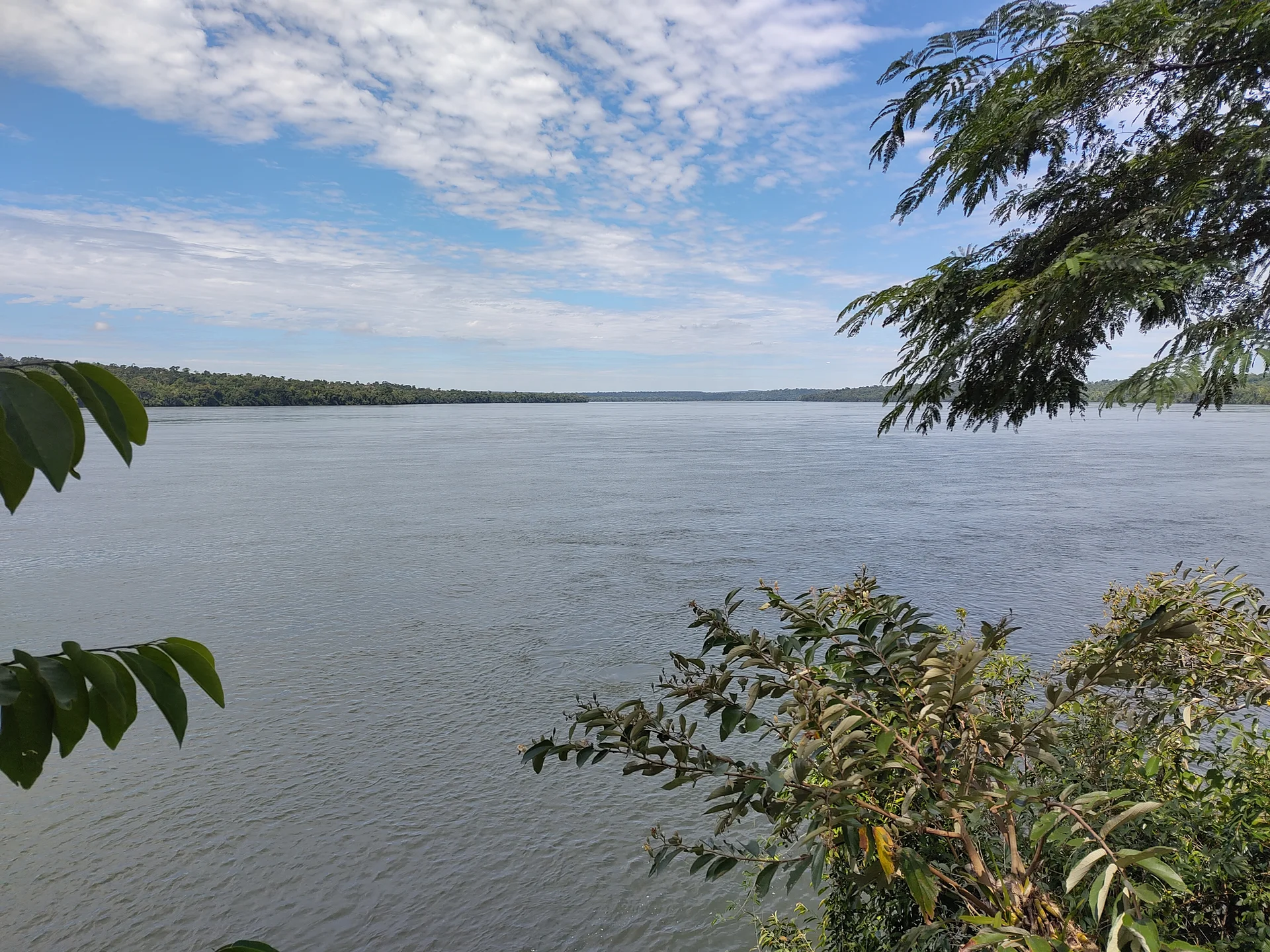
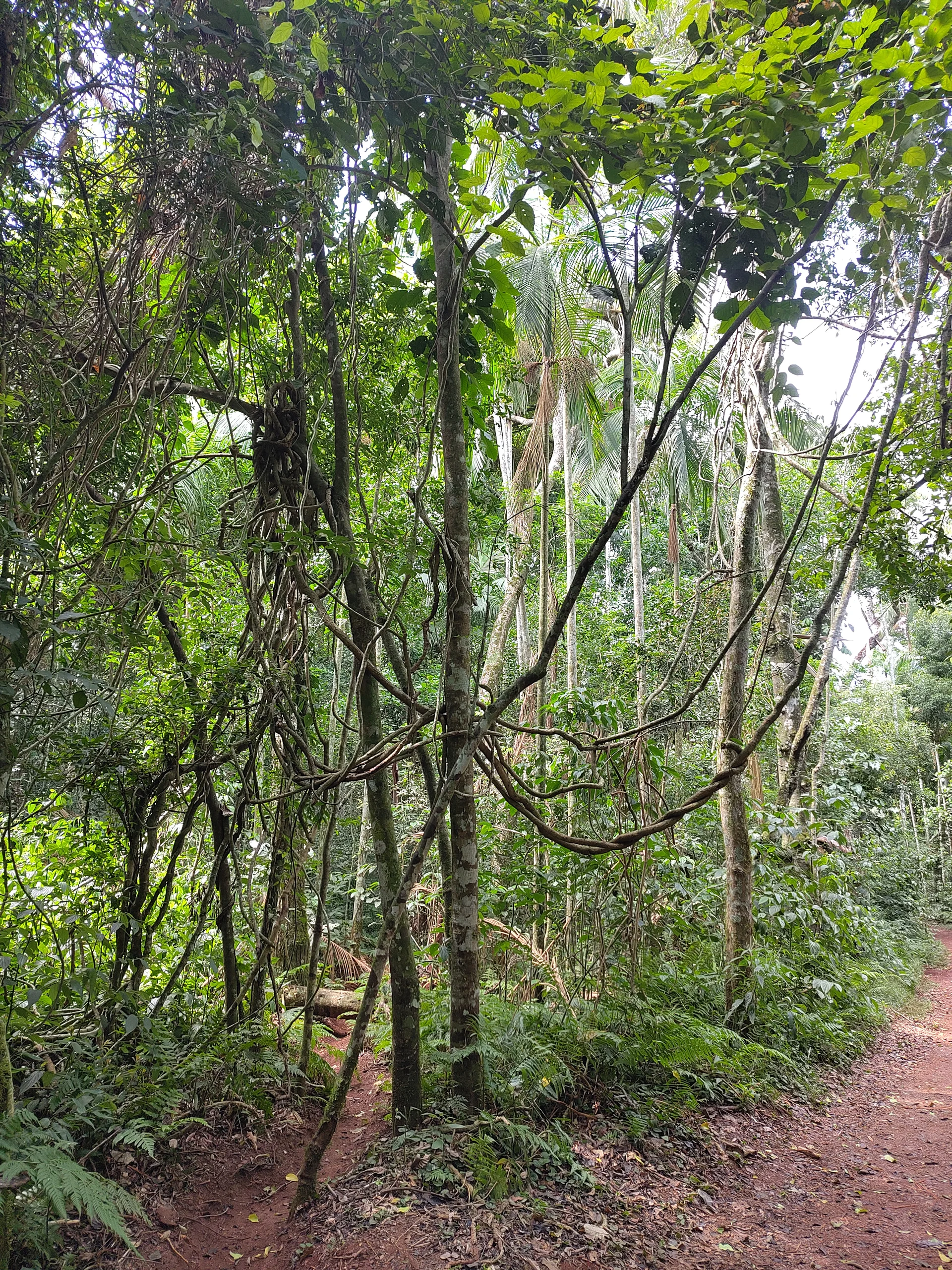
The Trilha das Cataratas (Falls Trail) winds for 1.2 kilometers (0.75 miles) between the cascades, but that is only the beginning. The Caminho das Bananeiras (Banana Tree Path) runs for 1.3 kilometers (0.8 miles) to the banks of the Iguazu River upstream from the falls. The Espaço Taupá offers a deck over the quiet river before it plunges into the abyss. The new Trilha Ytepopo, a 5-kilometer (3.1-mile) path along the river, immerses hikers in the dense Atlantic Forest. Accessible from 9:00 AM to 2:30 PM, it connects Porto Canoas to the Caminho das Bananeiras.
The Caminho do Poço Preto (Black Well Path) is for adventurers, covering 18 kilometers (11.2 miles) round trip on foot or by bike through primary forest. Swimming areas dot the route. Tinamous, large forest game birds that only survive in primitive environments, hide in the undergrowth. A paved 11.6-kilometer (7.2-mile) bike path connects the Visitor Center to the start of the Trilha das Cataratas, crossing sections completely swallowed by the canopy.
The Silva Jardim, Rio Azul, and Ilhas do Iguaçu hubs
These lesser-known sectors are open to visitors seeking authenticity. The Polo Silva Jardim, located in the municipalities of Serranópolis, São Miguel, and Matelândia, features the 6.7-kilometer (4.2-mile) Trilha Quilombo Apepu through native forest and along the Iguazu River. The Polo Rio Azul, in Céu Azul, provides access to the Rio Azul Waterfall via an 18-kilometer (11.2-mile) hike. Swimming is permitted in these isolated cascades. Birdwatchers flock here at 5:00 AM, accompanied by specialized guides.
Friendly tip: to observe birds in the best conditions, join a guided tour at dawn (5:00 AM) in the Silva Jardim or Rio Azul hubs. Toucans, jacutingas, tinamous, and vinaceous-breasted parrots appear during the cool morning hours. Reservations are required via the ICMBio website.
Biodiversity beyond belief
- More than 2,000 plant species blanket the park. The last native palmitos-juçara (a type of palm tree) find refuge here, protected from poaching. Prehistoric ferns grow alongside trees exceeding 40 meters (131 feet). The seasonal semi-deciduous forest, characterized by intense summer rains followed by a dry winter season, creates complex layers of vegetation.
- The 390 bird species make the park a paradise for birders. In addition to five species of toucans, harpy eagles soar above the canopy. Broad-snouted caimans lounge on the banks and can live for 50 years.
- The 800 invertebrate species recorded represent only a fraction of reality, as scientists constantly discover new species. Morpho butterflies with iridescent blue wings, leaf-cutter ants, and arachnids with strange shapes inhabit every corner.
Experience the park differently
The Bike Poço Preto tour takes cyclists on an 18-kilometer (11.2-mile) ride with a guide specializing in biodiversity. The sunrise tour, Amanhecer nas Cataratas, opens the park before the crowds arrive, including breakfast at Porto Canoas. The Macuco Safari combines 2 kilometers (1.2 miles) in an electric vehicle, 600 meters (0.4 miles) of guided hiking, and a boat trip on the river. These paid activities are in addition to the standard entrance fee.
The Bora Parque Nacional do Iguaçu app, developed in partnership with ICMBio, offers audio tours for the Escola Parque, Canafístula, and Cataratas trails. Free to download, it reveals secrets about local architecture, fauna, and flora. It can even be used from home to help plan your visit.
Opening hours
*Information subject to change

If you visit Iguazu Falls, know that you can also walk around the national park. The bus that takes you to the falls makes a stop at the entrance of the Bananeiras trail. From there, you walk along a small path in the forest that leads to the river upstream from the falls. You really get a sense of the impressive amount of water, this calm mass that moves lazily along before being plunged with force into the cataracts.