Visiting Puerto Iguazu: At the gates of one of nature's grandest spectacles
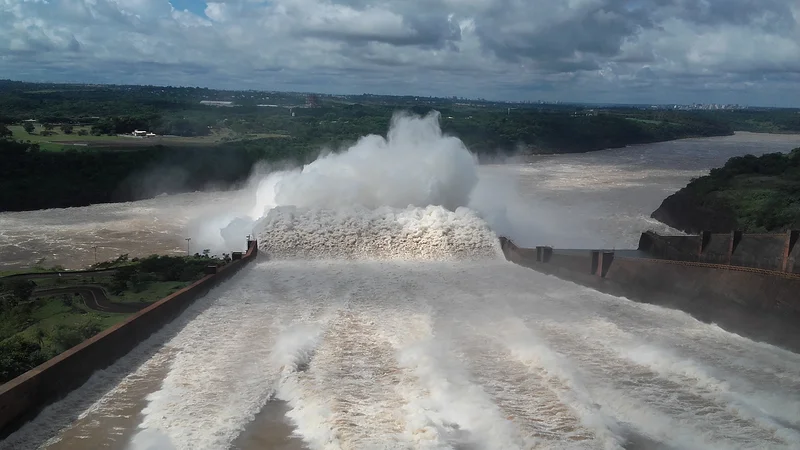
Imagine the deafening roar of hundreds of waterfalls plunging into the void, mist wrapping around you like a tropical embrace, and the feeling of being minuscule against a force that completely dwarfs you. Welcome to northern Argentina, where the subtropical jungle meets a river that turns into a wild, raging torrent.
The gateway to the natural show
This town of 80,000 residents has only one purpose: to get you to the falls. Do not be mistaken, however, as this functional nature is exactly what makes it such an excellent base camp. No frills, no facades, you come here for the nature, period.
This place is perfect for nature lovers, photographers chasing the perfect shot, and families looking to amaze their children without overcomplicating things. Tourist infrastructure is well-oiled, transportation is organized, and everything is designed to make your visit easy. However, if you are looking for a frantic nightlife or a sophisticated urban experience, you will be disappointed.
Budget considerations
Plan for a daily budget that varies widely depending on your style, including lodging, keeping in mind that entry to the national park is extra, at a rate revised several times a year.
The main attraction: the national park and its legendary cascades
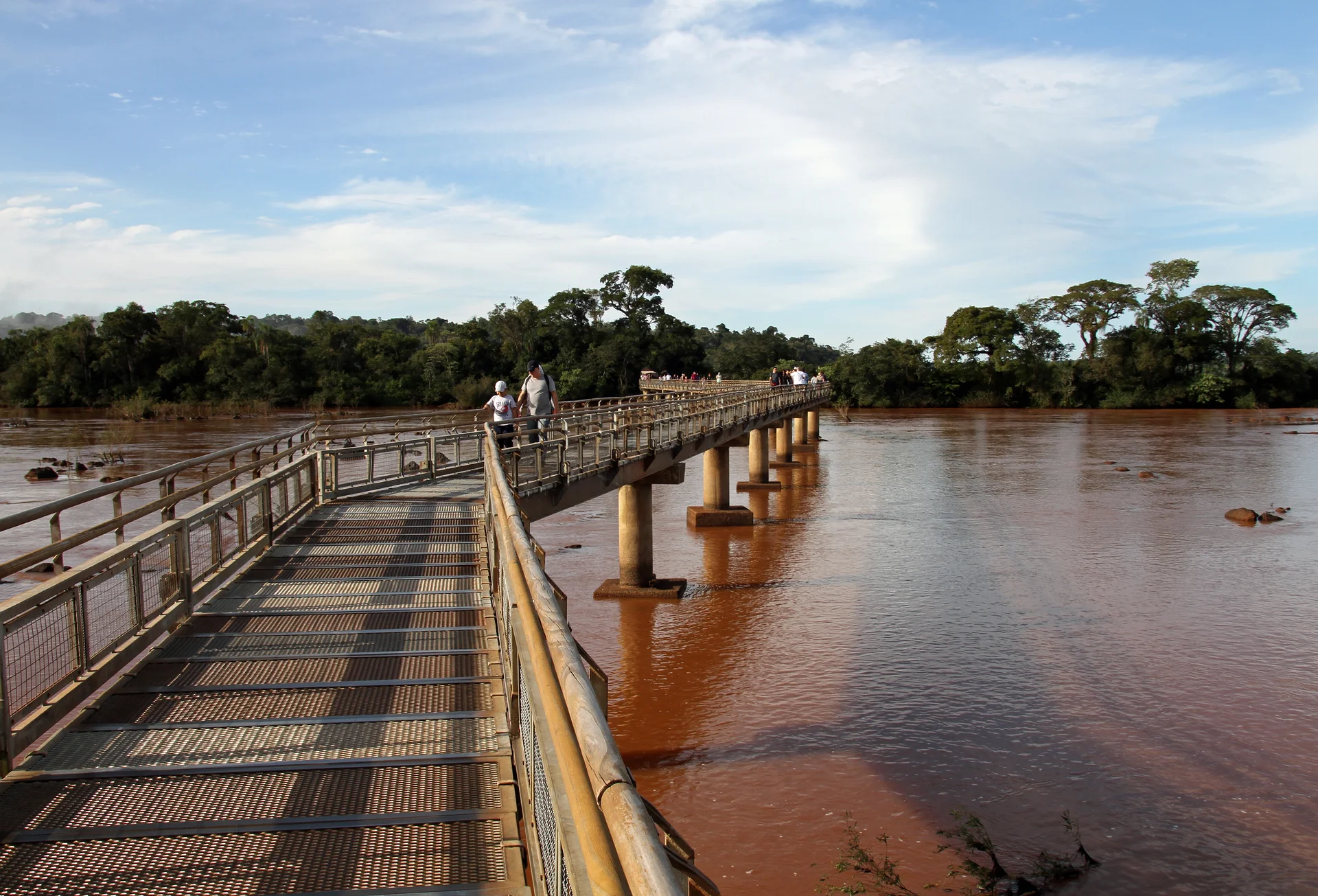
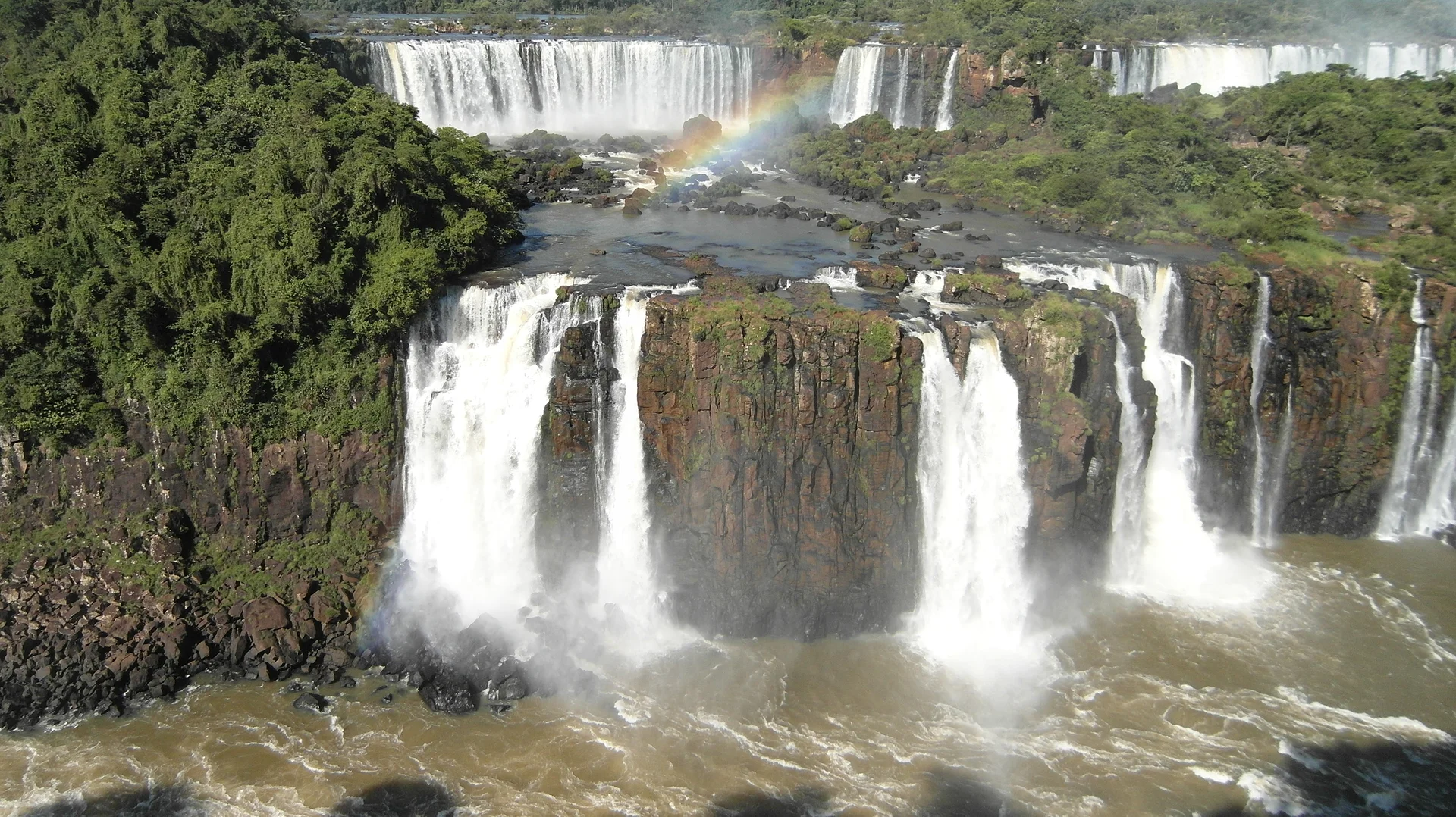
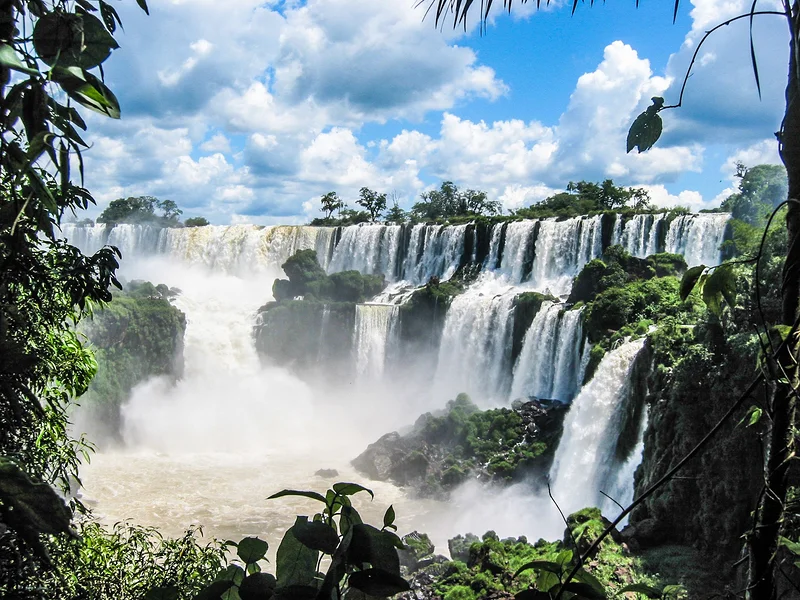
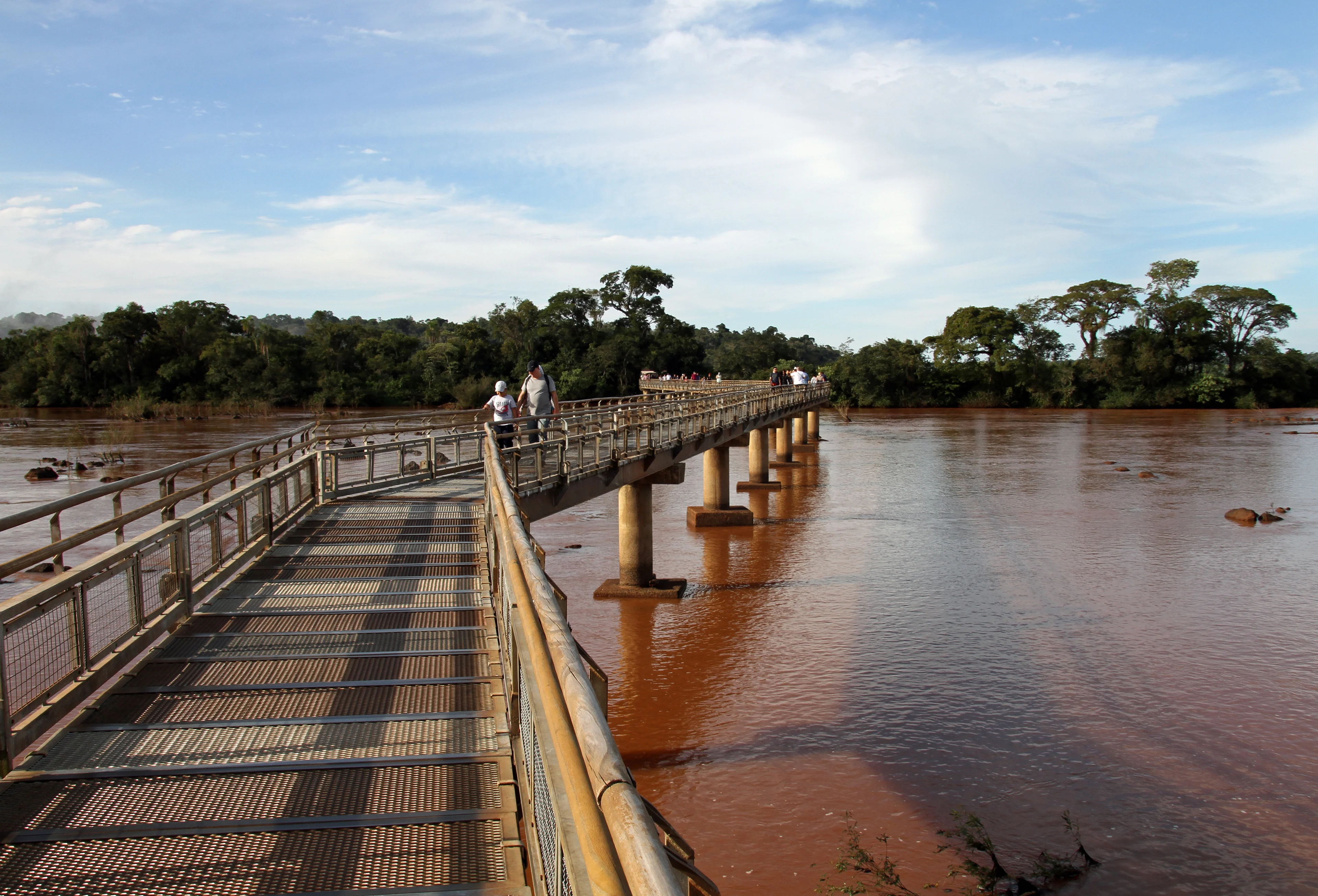
The Iguazu Falls form a natural amphitheater of 275 cascades stretching for nearly 3 kilometers. On the Argentine side, three main circuits await. The upper circuit lets you walk above the falls, offering a dizzying, top-down perspective. Expect a 1.5-hour walk on perfectly maintained metal walkways.
The lower circuit drops you right into the heart of the action. Here, you are at the foot of the falls, soaked by spray and your ears filled with the crashing water. It is visceral, raw, and absolutely unforgettable. Plan for 2 hours and accept that you will get wet, even with a raincoat.
The highlight remains the Garganta del Diablo, or Devil's Throat. An electric train takes you to a footbridge that extends over this horseshoe-shaped cataract, which is 150 meters wide and 80 meters high. The water plunges into a chasm with such violence that it creates a permanent cloud of mist. It is hypnotic, terrifying, and magnificent.
Friendly tip: Arrive as soon as the park opens at 8:00 AM. You will have the Garganta del Diablo almost to yourself for a good hour, and the morning light on the falls is magical. Absolutely avoid the Easter and July holidays when lines can reach 2 hours.
The Brazilian side and complementary experiences
Crossing into Brazil to see the falls from a panoramic angle is almost mandatory if you have two days. The perspective is radically different: where the Argentine side immerses you in the cascades, the Brazilian side offers a spectacular, sweeping overview. A half-day is enough. Remember to check your visa requirements for Brazil.
For adrenaline seekers, the Gran Aventura combines a 4x4 ride through the jungle followed by a speedboat trip that takes you under the falls. You will be soaked from head to toe, but the thrill is worth it. Book in advance, especially during the high season.
If you are looking for a cultural break, visiting a Guarani community offers insight into the lifestyle of the indigenous population. It is authentic, respectful, and the money goes directly to the families. The Wanda mines, 40 km away, reveal amethysts and quartz in open-pit quarries, an excursion that children will enjoy.
Friendly tip: For a truly unique experience, try visiting the Garganta del Diablo under a full moon. The park opens on select nights, and you can see lunar rainbows in the waterfall mist. It is magical and poetic.
Observing the subtropical forest wildlife
The forest surrounding the falls is home to more than 400 species of birds. Toucans are easily photographed near the trails, while coatis (relatives of the raccoon with long tails) beg for food from tourists. Do not feed them, even if they look adorable.
For birdwatching enthusiasts, specialized excursions leave early in the morning in different sectors of the park. The Biocentro Iguazu is a conservation center where you can observe rescued butterflies, reptiles, and birds up close.
Where to eat and drink in Puerto Iguazu?
The undisputed star of local plates is surubi, a catfish from the Parana River that can reach 50 kilos. Its white, delicate meat is versatile, but try it grilled on a plancha with a creamy sauce. The bife de chorizo (Argentine sirloin) remains omnipresent, tender, and flavorful, just like everywhere else in the country.
As for addresses, La Rueda has been an institution since 1975. Their surubi garganta del diablo, topped with a shrimp sauce, justifies the detour on its own. Expect main-course prices to match its reputation. El Quincho del Tio Querido is the temple of grilled meat, with achuras (offal) that will delight enthusiasts. AQVA offers more creative cuisine, mixing local fish with modern techniques in an elegant setting near the bus terminal.
For a more casual vibe, head to La Feirinha, a Brazilian street market on Avenida Brasil. Plastic tables, dirt-cheap beers, generous picadas (charcuterie boards), and a local atmosphere are guaranteed. La Docta, in the same market, serves excellent empanadas and no-frills grilled meats.
Where to stay in Puerto Iguazu and the surroundings?
You have three main options. In the city center, around Avenida Victoria Aguirre and the bus terminal, you will find the majority of mid-range hotels. It is convenient for restaurants and the bus to the falls, which leaves every 20 minutes. Hotel Saint George offers the best value with a pool that feels great after a day in the humid heat.
The jungle lodges, all grouped in the Iryapu reserve a few kilometers from town, offer total nature immersion. Think cabins on stilts, the sound of monkeys at sunrise, and pools with views of the canopy. Loi Suites and Aldea de la Selva are reliable choices, with spas and on-site restaurants. Expect upscale lodge rates per night.
Finally, for a truly exclusive experience, the Gran Melia Iguazu is the only hotel located inside the Argentine national park. You can access the falls before and after opening hours, when the circuits are empty. It is expensive, but unique.
How to get to and around Puerto Iguazu?
The Cataratas International Airport (code IGR) is 20 kilometers from the center. There are several daily flights from Buenos Aires with Aerolineas Argentinas, Flybondi, and JetSmart, a 1-hour and 45-minute flight. From the airport, shared shuttles take 30 to 45 minutes. Taxis offer a direct ride for more money and less time.
To reach the national park, public buses leave from the terminal every 20 to 30 minutes from 7:15 AM to 8:15 PM. The trip takes 20 minutes and costs a few pesos. Inside the park, a free eco-train transports you between the different circuits. You do not need a car, unless you want to explore the surroundings like the Wanda mines or the San Ignacio Jesuit missions.
For the Brazilian side, buses run from the terminal, or you can take a taxi that will handle the customs formalities for a surcharge. Always keep your passport with you.
When to go?
The ideal times are April-May and September-October. Temperatures are pleasant around 25°C (77°F), there are fewer crowds on the trails, and the water flow of the falls is optimal. The austral summer (December-February) is very hot and humid, 30-35°C (86-95°F), with plenty of rain and tourists. Winter (June-August) remains mild, 20-24°C (68-75°F) during the day, but attracts Argentine crowds during the July holidays.
Absolutely avoid Easter and the two weeks of July if you hate waiting in lines. The rainy season, November-March, can make the river flow dangerously high, canceling some activities like boat trips, but it offers an even more impressive spectacle.