
Visiting Porto Alegre
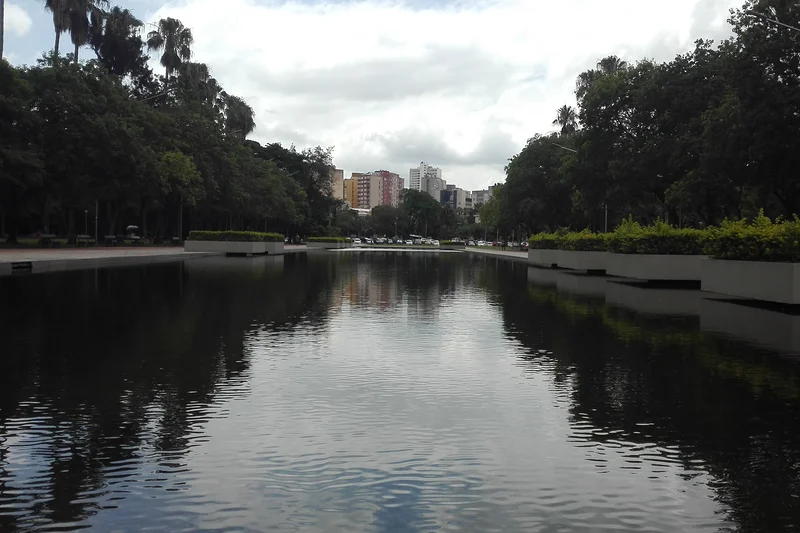
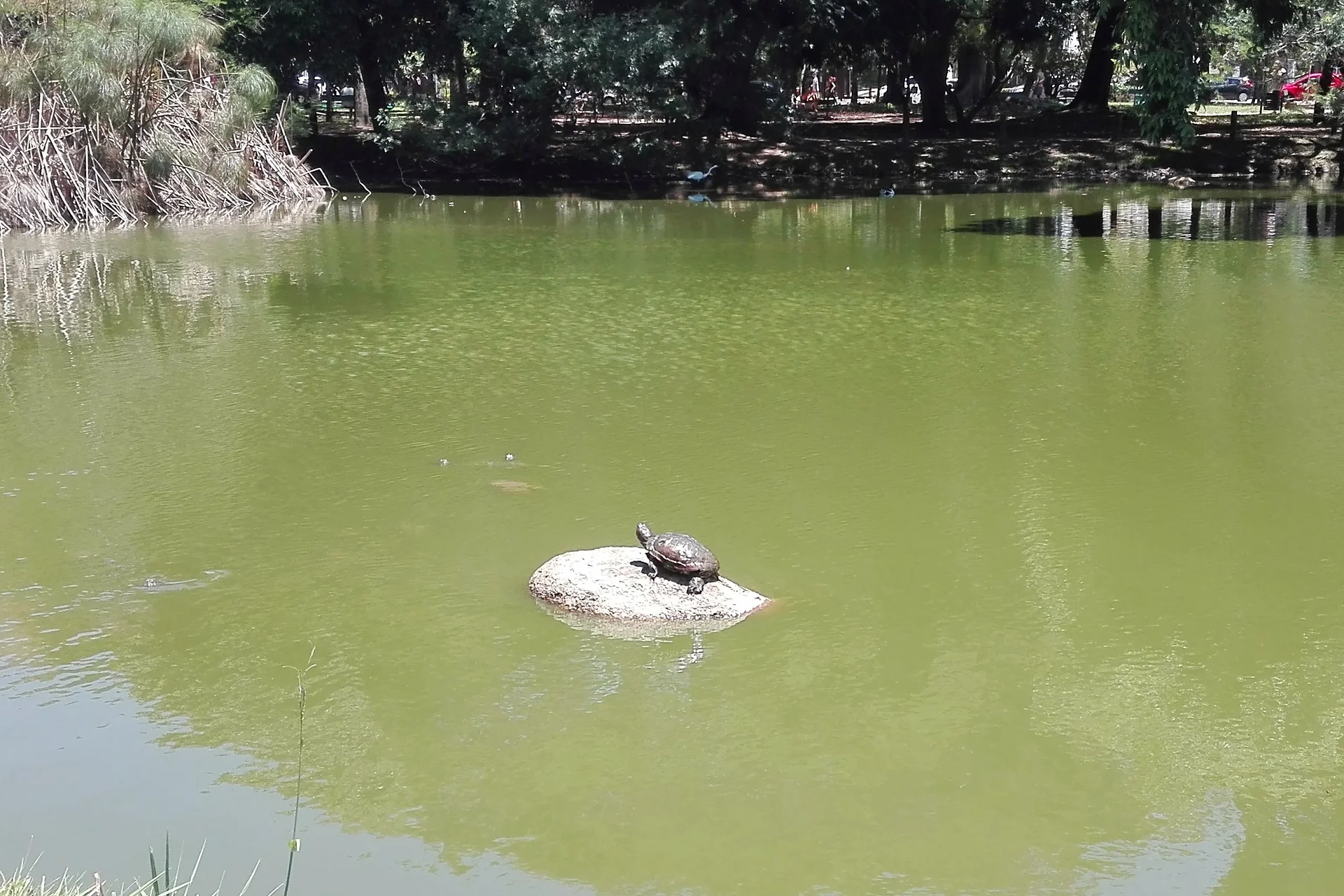
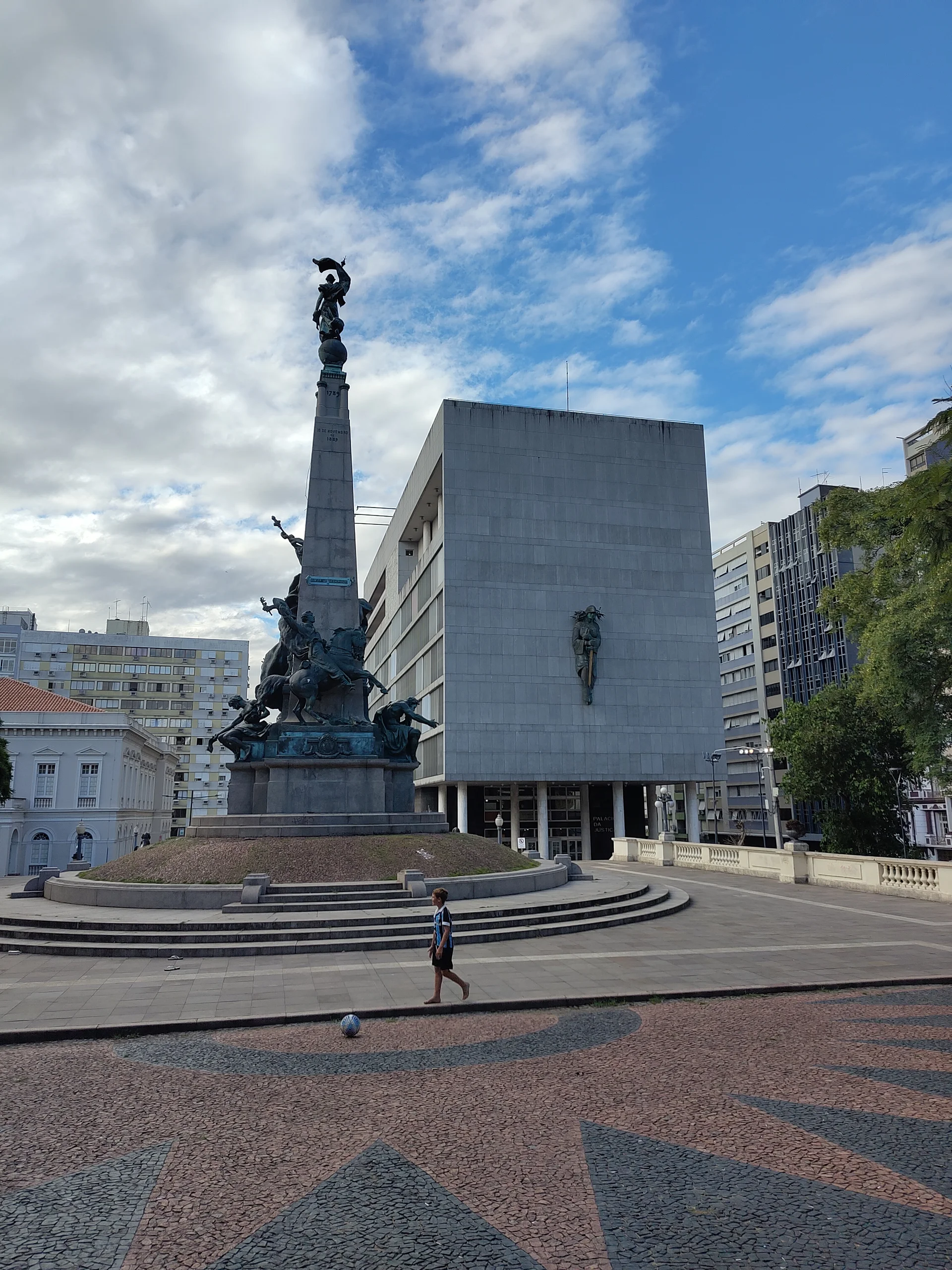
As the capital of the state of Rio Grande do Sul, Porto Alegre sits among the southernmost cities in Brazil. Unlike most major Brazilian tourist hubs, Porto Alegre does not draw crowds for its beaches, though water plays a huge role here since the city sits right on the Guaíba Bay and the river of the same name. Beyond its well-preserved neoclassical buildings, the city balances urban life with plenty of greenery and flowers, featuring parks like Farroupilha Park or Redenção Park, which makes for a great afternoon outdoors with its zoo and children's areas.
A multicultural city shaped by gaucho heritage
Porto Alegre is a melting pot shaped by Argentine and Uruguayan influences alongside waves of European immigration. Several traditions trace back to Argentina, notably the daily ritual of drinking mate and the churrascarias, the iconic barbecue meat restaurants spread throughout the city. Framed by wide expanses of Pampa grasslands, Porto Alegre fostered the Gauchos, traditional rural cattle herders who took control of the city during the Farroupilha Revolution in 1835 before central authorities eventually reclaimed power.
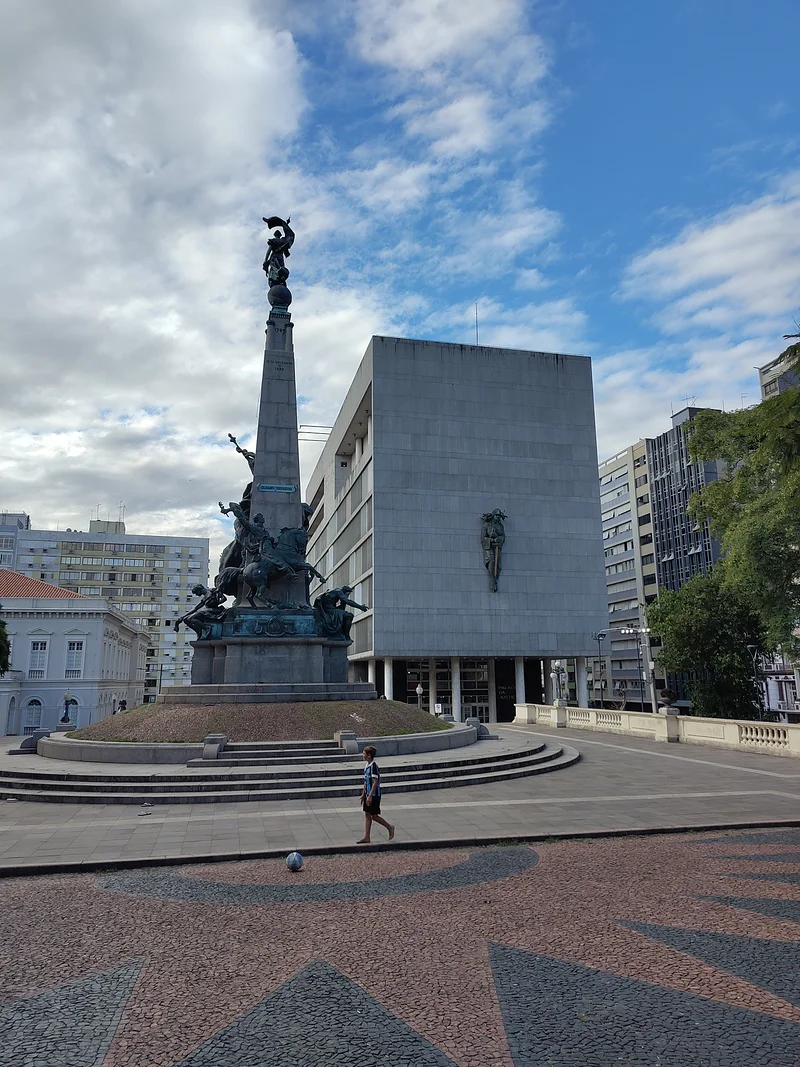
Start your downtown walk around Praça Marechal Deodoro to take in Piratini Palace, the local government seat featuring a columned and statue-adorned facade. That same square houses the São Pedro Theater and the city cathedral, where the entrance displays majestic stained glass and mosaics. Just steps away, head over to Praça da Alfândega, home to two of the city's premier cultural institutes: the Rio Grande do Sul Museum of Art, known as MARGS, and the Memorial do Rio Grande do Sul, which honors the gaucho identity of this southern Brazilian state.
Porto Alegre, a green city
Linger a bit longer in the old town to check out the Porto Alegre market, a massive indoor hall packed with over a hundred stalls. Afterward, follow the Guaíba River down to the Iberê Camargo Museum, an award-winning concrete structure designed by Portuguese architect Álvaro Siza Vieira.
When it comes to nature, Porto Alegre delivers. Nearby, the Jacuí Archipelago forms a protected ecological zone with some thirty islands webbed by numerous channels, creating a true birdwatching haven. South of the city, a lagoon stretching over 260 kilometres runs all the way to the Atlantic Ocean. You can tour it by boat from the port of Porto Alegre, one of Brazil's major commercial ports with its 8 kilometres of docks.
When to go?
Porto Alegre enjoys pleasant weather year-round. Keep in mind that between November and February, temperatures climb past 30 degrees.
How to get there?
Porto Alegre has an international airport. Traveling from the US, expect a layover in São Paulo or Rio de Janeiro before landing in Porto Alegre.
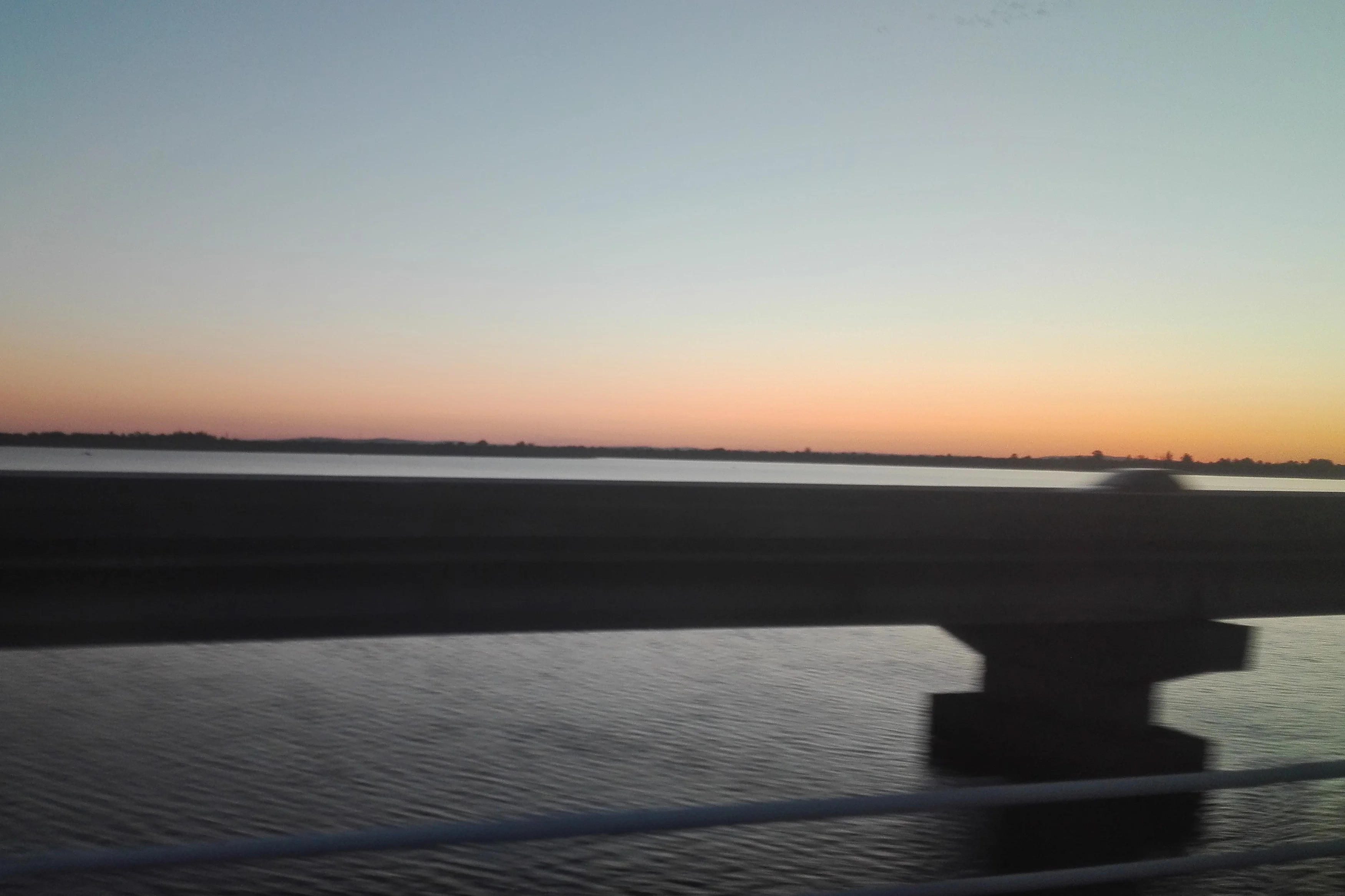
Not much to see, but the walk along the docks bordering the lagoon is worth the trip, especially at sunset. You can stop at Cais Embarcadero to enjoy one last caipirinha in this extreme south of Brazil.