














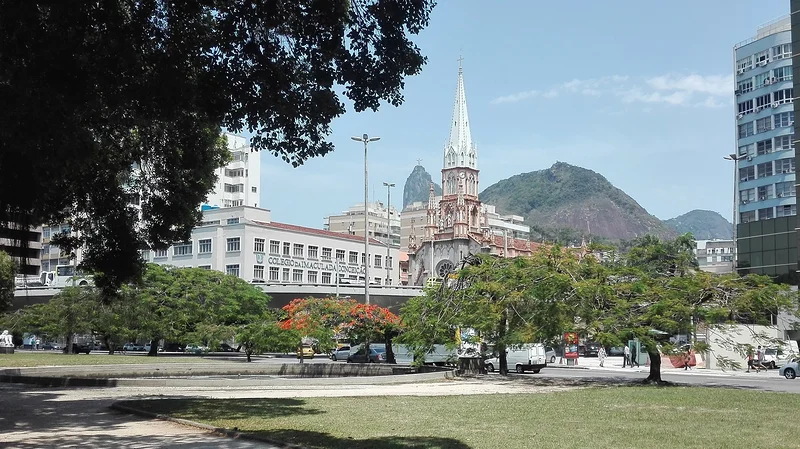
Visiting Rio de Janeiro, where the ocean meets the mountains
Picture a city where granite peaks rise straight out of the Atlantic, rainforest cascades down to golden beaches, and every sunset looks like a life-sized painting. Rio de Janeiro is more than a destination, it is a geographic jolt that rewrites your idea of what is possible.
Rio, the city that wakes up every sense
This Brazilian metropolis is built for lovers of sharp contrasts and raw energy. If you are looking for a sleepy resort town, keep moving. Rio demands an open mind, a place where beauty bumps against poverty, luxury sits next to simplicity, and the volume never really gets turned down.
As for the budget, expect to spend at least $90* a day to experience the city comfortably, transport and meals included. Curious travelers, urban culture seekers, and nature lovers will find plenty to love here. On the flip side, travelers looking for absolute quiet or anyone easily overwhelmed by constant noise might find themselves rattled by the non-stop symphony of car horns, music, and loud conversations.
The legendary heights of the bay
The Corcovado and its famous Christ the Redeemer statue are the mandatory pilgrimage for every visitor. This 38-meter Art Deco giant has watched over the bay since 1931, and the cogwheel train ride up through the Tijuca Forest is worth the trip all by itself. Get there early in the morning to beat the crowds and catch softer light on the city.
The Sugarloaf Mountain offers a different yet equally striking perspective. Its 396-meter summit is reached in two cable car stages, with a midway stop on the hill of Urca. The sunset panorama here is particularly magical, just as the city lights start blinking on.
Friendly tip: book your tickets for Christ the Redeemer online and pick a late afternoon time slot. You will dodge the cruise ship crowds and get optimal lighting for your photos.
The Carioca lifestyle between Copacabana and Ipanema
These two legendary beaches are much more than postcard views, they are Rio's true open-air living rooms. Copacabana pulses along 4 kilometers of fine sand, marked by numbered lifeguard posts that double as local landmarks. The vibe is lively and electric, a mix of pickup beach volleyball matches and cold caipirinha vendors.
Ipanema keeps things a bit more refined. This is where Rio's beautiful people come to work on their tans, especially around Posto 9, the hangout spot for the local jet set. The famous song got it right, the girls from Ipanema really do have something special.
Friendly tip: rent a chair and an umbrella right on the sand instead of bringing your own. It is cheaper than you think, supports the local economy, and saves you from lugging gear around.
Santa Teresa and Lapa, the bohemian soul of Rio
Perched on the hills, Santa Teresa charms visitors with cobblestone alleys lined with colorful colonial mansions. For decades, this neighborhood has drawn artists and intellectuals drawn to its relaxed atmosphere and studios tucked inside old fazendas. Art galleries sit next to fusion restaurants, creating a sharp mix of old and new.
Lapa takes over when the sun goes down. Its iconic arches, leftovers from an old aqueduct, now frame the city's wildest nightlife. Samba bars line the arcade, and the Selarón Steps, covered in bright multicolored tiles, make the ultimate backdrop for a night that stretches into the early hours.
Friendly tip: explore Santa Teresa in the late afternoon, then walk down to Lapa via the Selarón Steps to flow naturally from daytime exploring into the nightlife of these two connected neighborhoods.
Where to eat and drink in Rio
Carioca cuisine blends African, Portuguese, and indigenous influences with real flair. Do not leave Rio without trying a feijoada completa, a rich stew of black beans and smoked meats that serves as the national dish, traditionally served on Wednesdays and Saturdays. Pastéis de camarão (shrimp fritters) are best eaten right on the beach with a freshly chopped água de coco.
When it comes to drinks, the caipirinha reigns supreme, but do yourself a favor and order a cerveja gelada, the ice-cold beer locals drink at all hours. Neighborhood markets overflow with exotic fruits like açaí, cupuaçu, and caju, which introduce you to entirely new flavor profiles.
How to get to and around Rio
Galeão International Airport handles direct flights from major hubs (about an 11-hour flight from Paris). Expect to pay between $900 and $1,350* depending on the season. From the airport, stick to official taxis or rideshare apps like Uber to get to your lodging safely.
Inside Rio, the metro handles the main tourist zones efficiently, backed up by a dense bus network that can trip up first-timers. For short hops, walking remains the best way to get a feel for the city, especially along the waterfront where a well-paved bike path invites you to slow down.
When to go?
The months from December to February line up with the southern summer and the run-up to Carnival: hot temperatures, short tropical downpours, and a non-stop party vibe. To dodge the crowds and enjoy milder weather, aim for May to September, during the Brazilian winter when temperatures hover around 77°F. Avoid July if you can, as it is school vacation season in Brazil, and Rio fills up with traveling families.





Ce premier commentaire est parfait, merci beaucoup. Il donne en quelques lignes des infos très importantes pour toute personne voulant visiter Rio (bon, pas tout de suite à priori étant donné la crise sanitaire mondiale). Bienvenue :)