
Visiting Maracanã Stadium
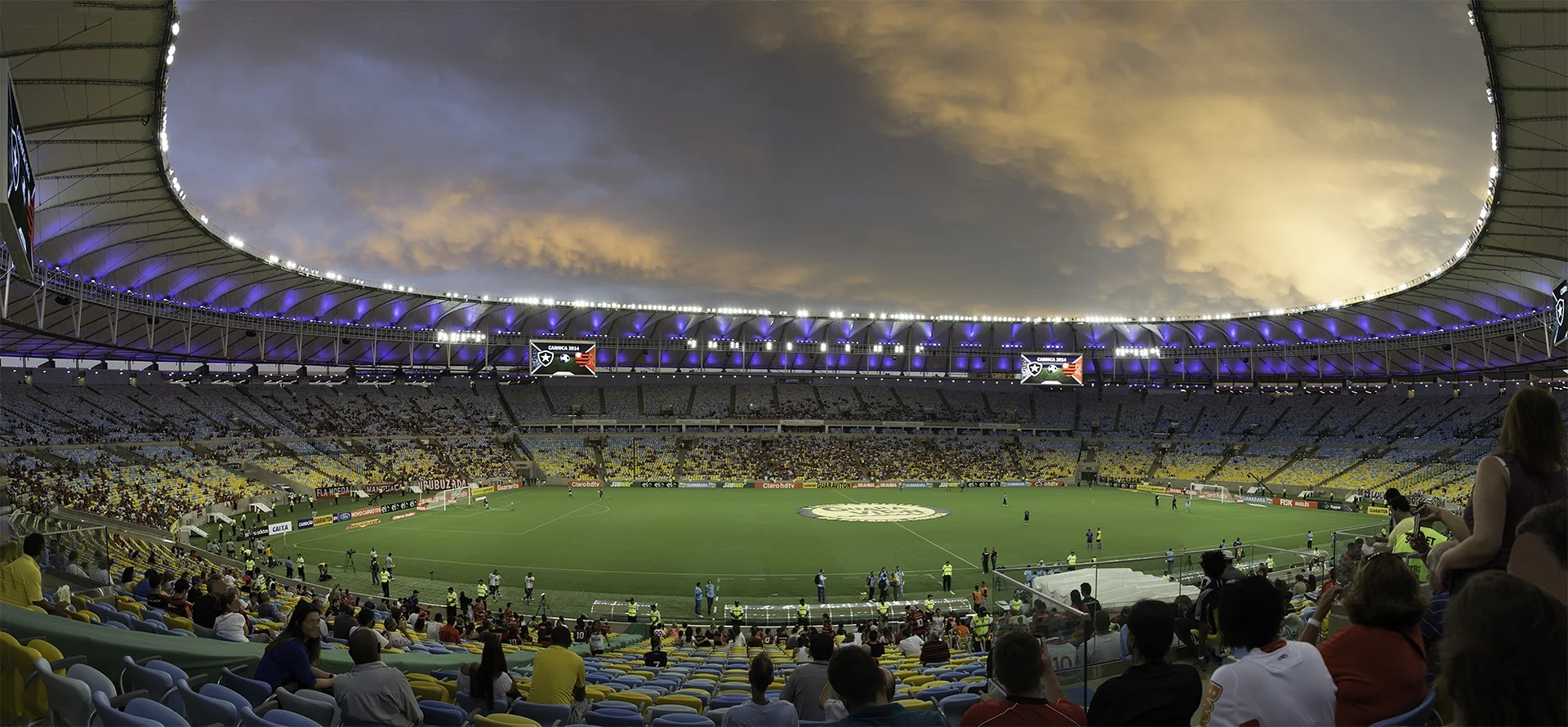
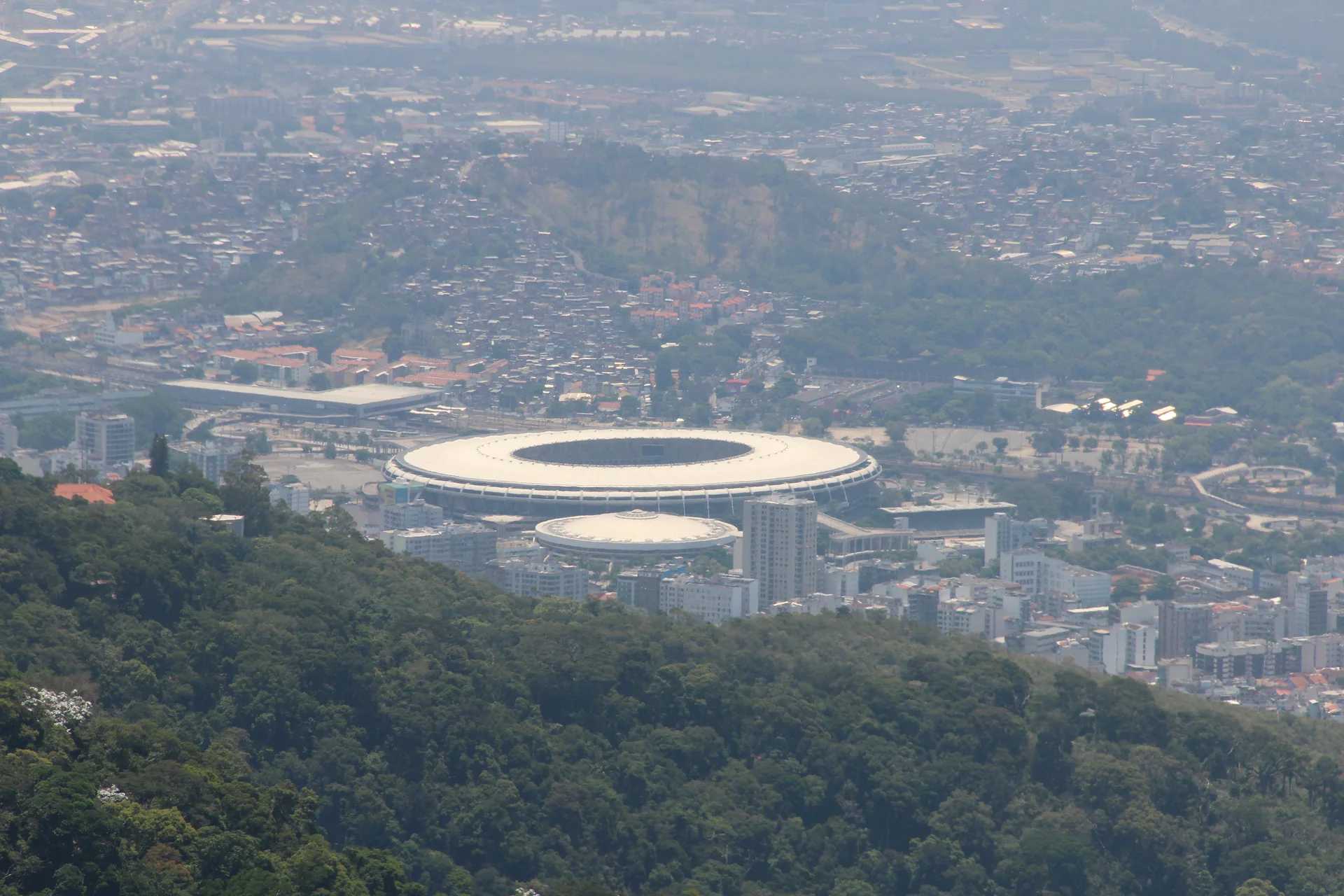
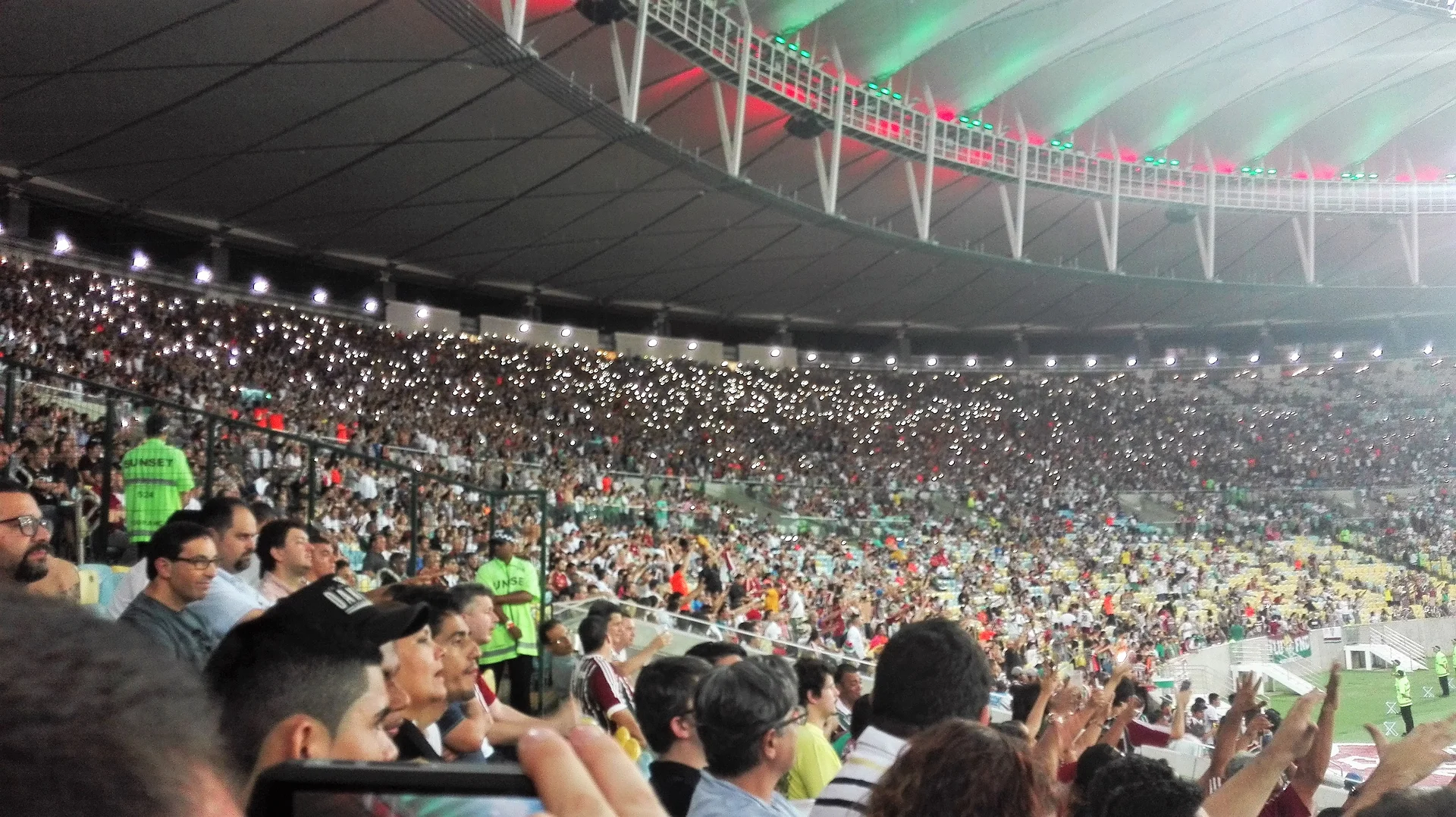
Maracanã Stadium is a landmark of global soccer culture in Brazil. Built in less than two years in Rio de Janeiro to host the 1950 World Cup, Maracanã Stadium reaches massive proportions. It once held up to 200,000 spectators across nearly 200,000 square meters of space. While no single club calls it home, the stadium remains the undisputed venue for the most prestigious matches in the country and across South America, including the Copa Libertadores. Among the most sought-after tickets are the Fla-Flu derbies, which pit local Rio rivals Flamengo and Fluminense against each other.
A soccer temple in Brazil
Maracanã Stadium was built between 1948 and 1950 in Rio de Janeiro, at a time when much of Europe was war-torn and unable to host the World Cup. Brazil had been selected as the host nation as early as 1939, but the competition was delayed by the outbreak of World War II.
The structure was assembled in less than two years by nearly 1,500 workers. At the time, the choice of location sparked heated debates among local officials. It was ultimately the articles written by sports journalist Mário Filho that settled the dispute and gave life to the stadium that has borne his name since 1966, Estádio Jornalista Mário Filho.
Adapting to FIFA standards
Over time, the stadium footprint and spectator capacity were reduced to meet FIFA safety requirements for the 2014 World Cup hosted by Brazil. The total capacity was brought down to fewer than 80,000 seats.

Who lives football the most passionately? Brazil! The most iconic stadium in Brazil? The Maracana!
This is where every football fan has to make their pilgrimage :)
An almost religious experience, I do not even remember the score, the point was somewhere else.