

Where to stay in Rio de Janeiro: the 5 neighborhoods to know in 2026
On Avygeo, Copacabana is the place in Rio our members recommend least: the two who rated the beach advise against it, and they say why. Too many people, too many vendors, and a four-lane avenue between the sand and the hotels. Yet it is where most travellers book their first night.
Two reviews do not make a truth, but they raise the right question. Ipanema and Leblon have the same sea, with trees and a cycle path; Botafogo looks at the Sugarloaf for far less; the Centro empties in the evening. Five areas, from the most seaside to the most historic. On budget, $68* gets a simple room in the South Zone, 110 a very comfortable one, and a dorm bed costs 25 to 40.
Since I am not very objective about this city that I adore, you have to know to get info in advance about the danger level of certain neighborhoods, by day as well as by night.
Compare hotel prices in Rio de Janeiro
In a hurry? Find the best accommodation deals in 3 clicks.
Compare live deals from Booking, Expedia, Agoda and other partners.
At a glance: our picks by traveller type
Pick the profile that suits you to head straight to the recommended neighborhood.
The neighborhood map in Rio de Janeiro
Get your bearings on the neighborhoods and must-see sights before choosing where to drop your bags. Click a name to jump to its description.
Copacabana and Leme South Zone, seafront
for the widest choice and services at any hour
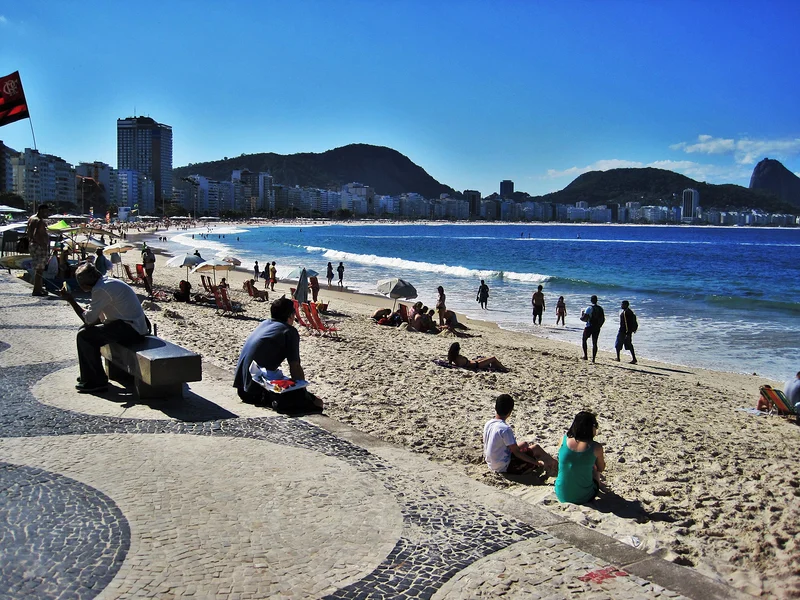
Four kilometres of sand in a long curve, the metro running under the avenue and rooms at every price: Copacabana is still the most practical area in Rio. The beach that gives it its name is nonetheless the place our members recommend least in the whole city, and both make the same complaint: the crowds, the vendors, and the Avenida Atlântica separating the hotels from the sand. « Way too many people, too much noise. », writes Cloclo. At the northern end, Leme gives the same access to the beach with far less traffic.
What to see & do in the neighborhood
Where to stay in this neighborhood
Copacabana Palace Luxury
The 1923 grand hotel on Avenida Atlântica, facing the sand. A century of Rio history fits in its lobby, and the service matches the rate.
Pestana Rio Atlântica Mid-range
A large Portuguese address on the seafront, rooms with balconies and a rooftop pool. The most consistent location-to-price ratio in the area.
Che Lagarto Hostel Copacabana Budget
The South American chain's hostel, three streets from the beach. Air-conditioned dorms and plenty of comings and goings: you come here to meet people more than to sleep.
Pros
- The metro and shops open late
- Rooms at every price, all year round
Cons
- The beach our members recommend least in Rio
- A four-lane avenue between the hotel and the sand
Ipanema, Leblon and the Lagoa South Zone, between sea and lagoon
for the same sea in a calmer setting
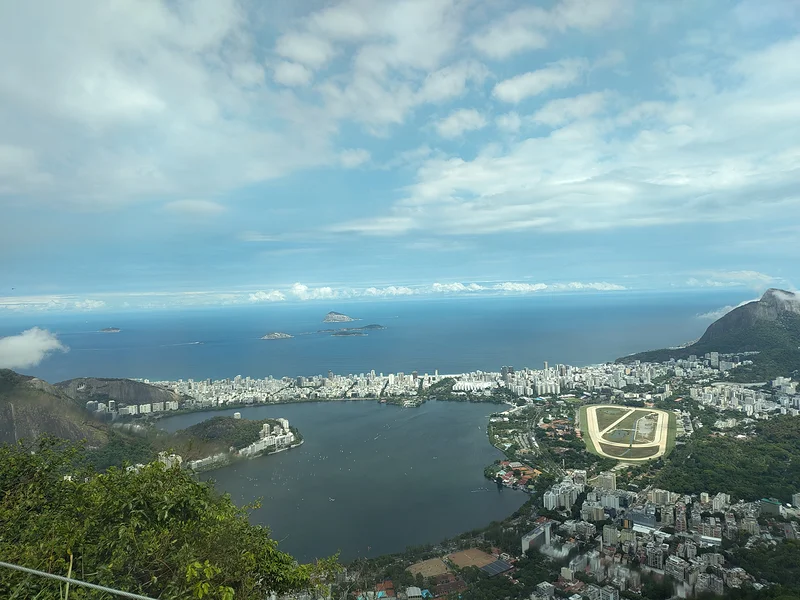
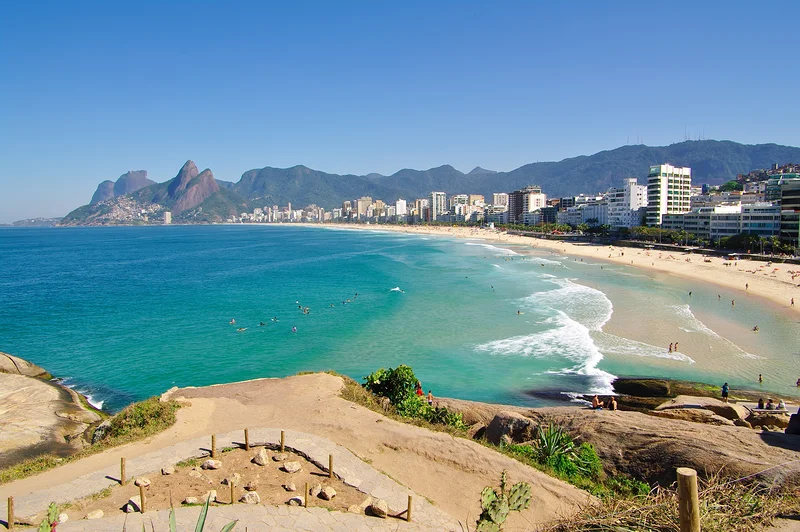
Two beaches in a row west of Copacabana, and a difference our members pin down precisely: Ipanema is lined with trees and a cycle path where its neighbour runs along a very busy road. Leblon, at the far end, is more residential and pricier still, with the metro reaching the beach. Behind stretches the Lagoa Rodrigo de Freitas, eight kilometres of shaded bank best done by bike, then the Botanical Garden, « a bit complicated to get to by bus » warns one member. The drawback is one word: this is the most expensive area in the city.
What to see & do in the neighborhood

Where to stay in this neighborhood
Hotel Fasano Rio de Janeiro Luxury
Facing the sand of Ipanema, interiors by Philippe Starck and a rooftop pool looking at the Dois Irmãos. The ground-floor bar doubles as the neighbourhood's living room.
Ipanema Inn Mid-range
A small, understated hotel on rua Maria Quitéria, one street from the beach. You pay for the Ipanema location without the seafront premium.
The Mango Tree Hostel Budget
An old house two blocks from the sand, with a garden and a shared kitchen. Calm rather than party-minded, which is rare this close to the beach.
Pros
- Sand, restaurants and metro in one area
- Shaded streets and a cycle path along the beach
Cons
- The most expensive area in the city
- The Lagoa and the Botanical Garden are poorly served
Flamengo, Botafogo and Urca Along the bay, between centre and South Zone
for the Sugarloaf view and sensible rates
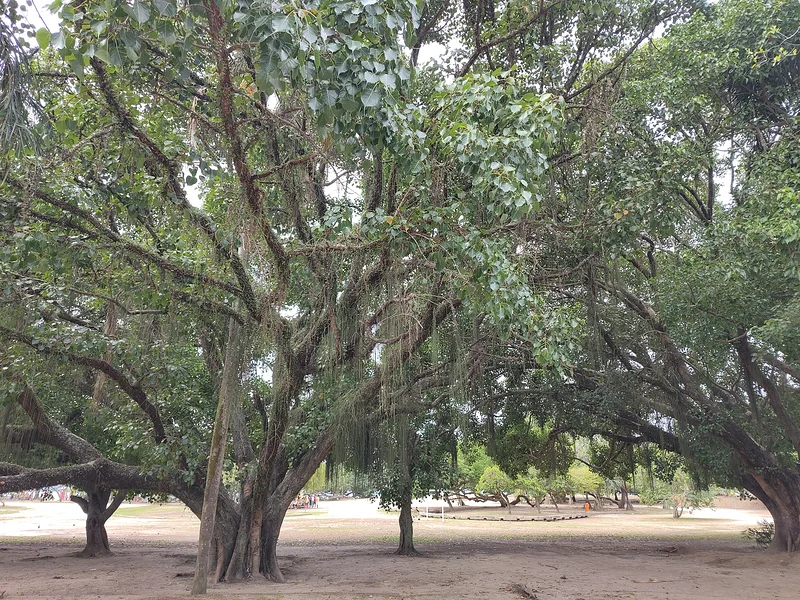
The strip running along Guanabara Bay, from the Flamengo park to Botafogo, with the metro all the way and prices well below the seafront. This is where Rio's two ascents begin: the rack railway to the Corcovado at Cosme Velho, the cable car to the Sugarloaf at Urca. Urca is a residential dead end where strolling is « It is always a pleasure » for one member who often passed through. The drawback: you do not swim in the bay, and the Flamengo park is « Careful, it is not very safe at night. » according to a member who lived opposite it.
What to see & do in the neighborhood



Where to stay in this neighborhood
Yoo2 Rio Tapestry Collection by Hilton Luxury
A design tower in Botafogo, with a rooftop bar and pool facing the Sugarloaf. The best view in the area, at a South Zone rate without the beach.
Windsor Florida Hotel Mid-range
A safe bet in Catete, steps from the palace and the metro station. Rooftop pool and a generous breakfast, no surprises.
Riale Imperial Flamengo Budget
A simple three-star from a Brazilian chain, on the street of Catete's old hotels. The entry price for sleeping on the metro line.
Pros
- The metro, and the departures for Corcovado and Sugarloaf
- Rooms at half the price of the beachfront
Cons
- You do not swim in the bay
- The Flamengo park is best avoided at night
Centro, Lapa and Santa Teresa Historic centre and hills
for history and samba, if you accept a centre that empties
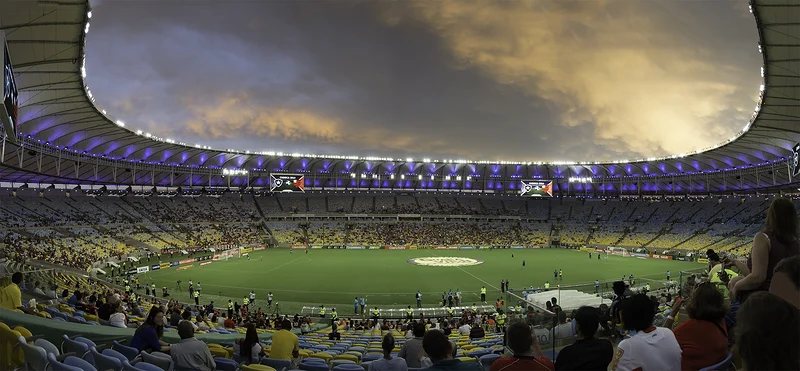
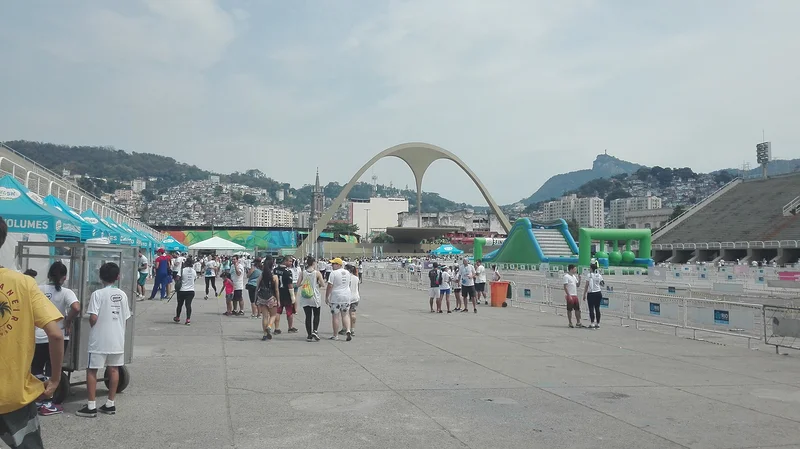
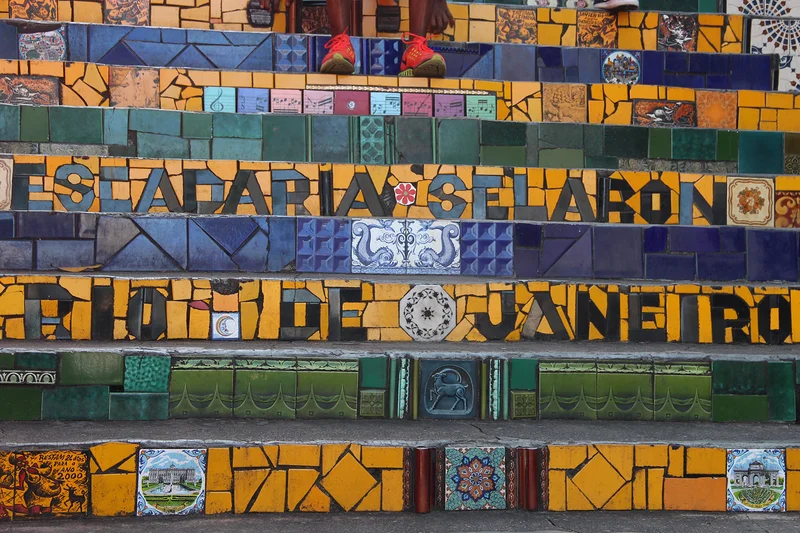
All of Rio's heritage is here: the São Bento monastery, the Candelária, the municipal theatre, and the Selarón steps climbing towards Santa Teresa and its old houses. In the evening Lapa comes alive under the arches and samba spills out of the bars. In between there is a gap: Centro is an office district that empties at closing time, and two of our members describe late afternoons that were cut short in the alleys around the steps. Here the exact address matters more than the name of the district.
I wanted to see the steps in the late afternoon, thinking the neighborhood would start coming alive to welcome the evening party crowd. Bad idea!
What to see & do in the neighborhood

Where to stay in this neighborhood
Santa Teresa Hotel RJ - MGallery Luxury
A former Santa Teresa mansion turned boutique hotel under the MGallery banner, up on the hill, with a view over the bay. Its restaurant goes by the name Térèze.
Vila Galé Rio de Janeiro Mid-range
A four-star on rua Riachuelo, right in Lapa, in a restored older complex. Soundproofed rooms, which counts in the noisiest district in the city.
Ibis Rio de Janeiro Centro Budget
A chain hotel in the heart of the business district. Its pricing logic works in a traveller's favour: rates drop at weekends, when the offices empty and the visitors arrive.
Pros
- Heritage and museums on foot
- The bars of Lapa and samba at the end of the street
Cons
- Centro empties in the evening and at weekends
- Santa Teresa is steep, and the tram does not reach everything
Barra da Tijuca and São Conrado West Zone, beyond the massif
for space, surf and stays with a car
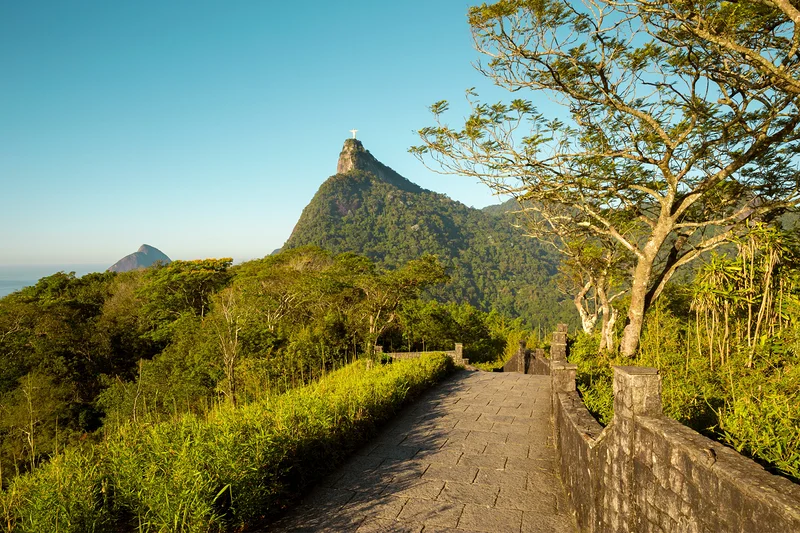
On the far side of the Tijuca massif, Barra lays out eighteen kilometres of sand, the longest beach in Rio. One member finds it « less polluted and less overwhelming » than Copacabana, and the metro now reaches its terminus here. This is a district of residential blocks and shopping malls: journeys are made by car, and the waves are strong enough that surfing takes precedence over swimming with young children. São Conrado, halfway there, keeps the beach and sits closer to the South Zone.
What to see & do in the neighborhood


Where to stay in this neighborhood
Gran Meliá Nacional Rio de Janeiro Luxury
Oscar Niemeyer's round tower in São Conrado, reopened after years of closure. Sea views from every room and a garden designed by Burle Marx.
Grand Hyatt Rio de Janeiro Luxury
A contemporary resort between Barra beach and the lagoon, with pools and a spa. The choice for long stays and families who want room to spread out.
Windsor Barra Mid-range
A tower facing the beach with a panoramic rooftop pool. The simplest address for sleeping in Barra without paying resort rates.
Pros
- Eighteen kilometres of beach and space everywhere
- The metro terminus and easy parking
Cons
- Far from everything, a car becomes useful
- Almost no hostels: the area is not built for small budgets
Our tips for booking the right place
- The metro decides your area: Lines 1 and 4 link Centro to Barra da Tijuca via Flamengo, Botafogo, Copacabana, Ipanema and Leblon: every area in this guide except Santa Teresa sits on them. Off that spine it is the bus or a car, including for the Lagoa and the Botanical Garden, which are nonetheless deep in the South Zone.
- Book the two summits before you leave: The Corcovado and the Sugarloaf are Rio's two queues. « Buy your tickets online so you can use the fast track. », advises one member about Christ the Redeemer, who also reckons you « wait an easy hour » at the cable car. Both departures are in the bay area: sleeping there saves you a morning.
- Plan a week, not a weekend: « At least a week », says one member who covered the whole city. The distances, the queues and a sky that can close in within the hour make short stays frustrating. Over three days, better to pick one area and stay in it than to try to link everything up.
- Booking in Copacabana for the postcard without looking at what stands between the hotel and the sand. Avenida Atlântica is a four-lane road, and it is the first thing our members hold against the beach. If the name matters to you, at least take a room on the Leme side, where the traffic drops off.
- Counting on Centro for your evenings. It is an office district: it runs at full tilt by day and empties at closing time, weekends included. Lapa takes over right next door, but the alleys around the Selarón steps are exactly the ones two of our members chose to leave at the end of the day. Sleeping there means accepting taxi rides home.
- Choosing Barra da Tijuca while expecting to see Rio on foot. The Tijuca massif physically separates the area from the South Zone, and even with the metro terminus, every outing has to be planned. It is an excellent choice for the beach and for space, a poor one for a first three-day stay.
FAQ: where to stay in Rio de Janeiro
Which area should I choose for a first visit to Rio?
Where can I stay cheaply in Rio?
Is Rio suitable for families?
Where to go out in the evening in Rio?
Do I need a car in Rio?
How much does a hotel night cost in Rio?
 Keep exploring
Things to do in Rio de Janeiro
Keep exploring
Things to do in Rio de Janeiro
Comments (0)
No comments yet. Be the first!