

Visiting Copacabana
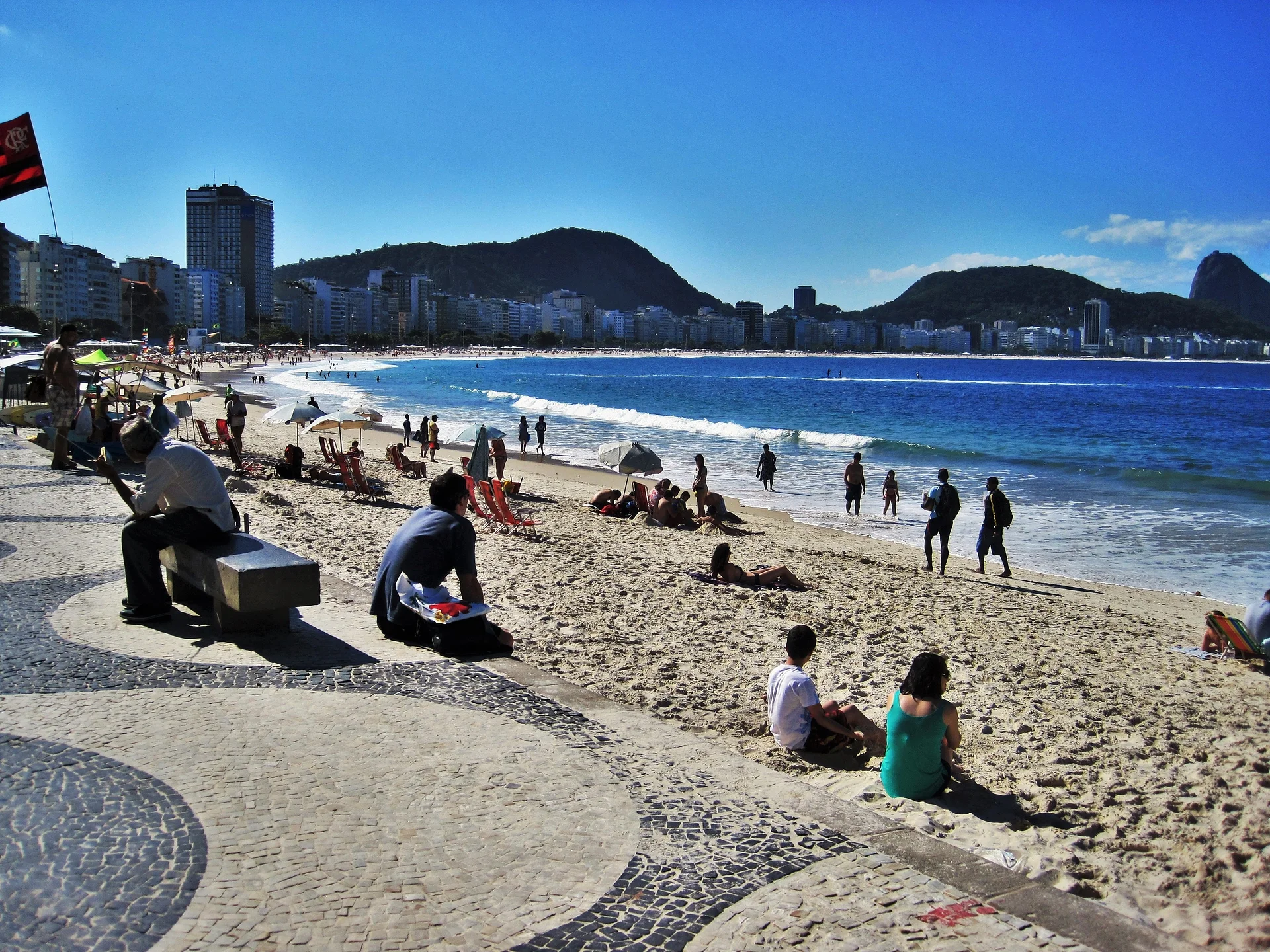
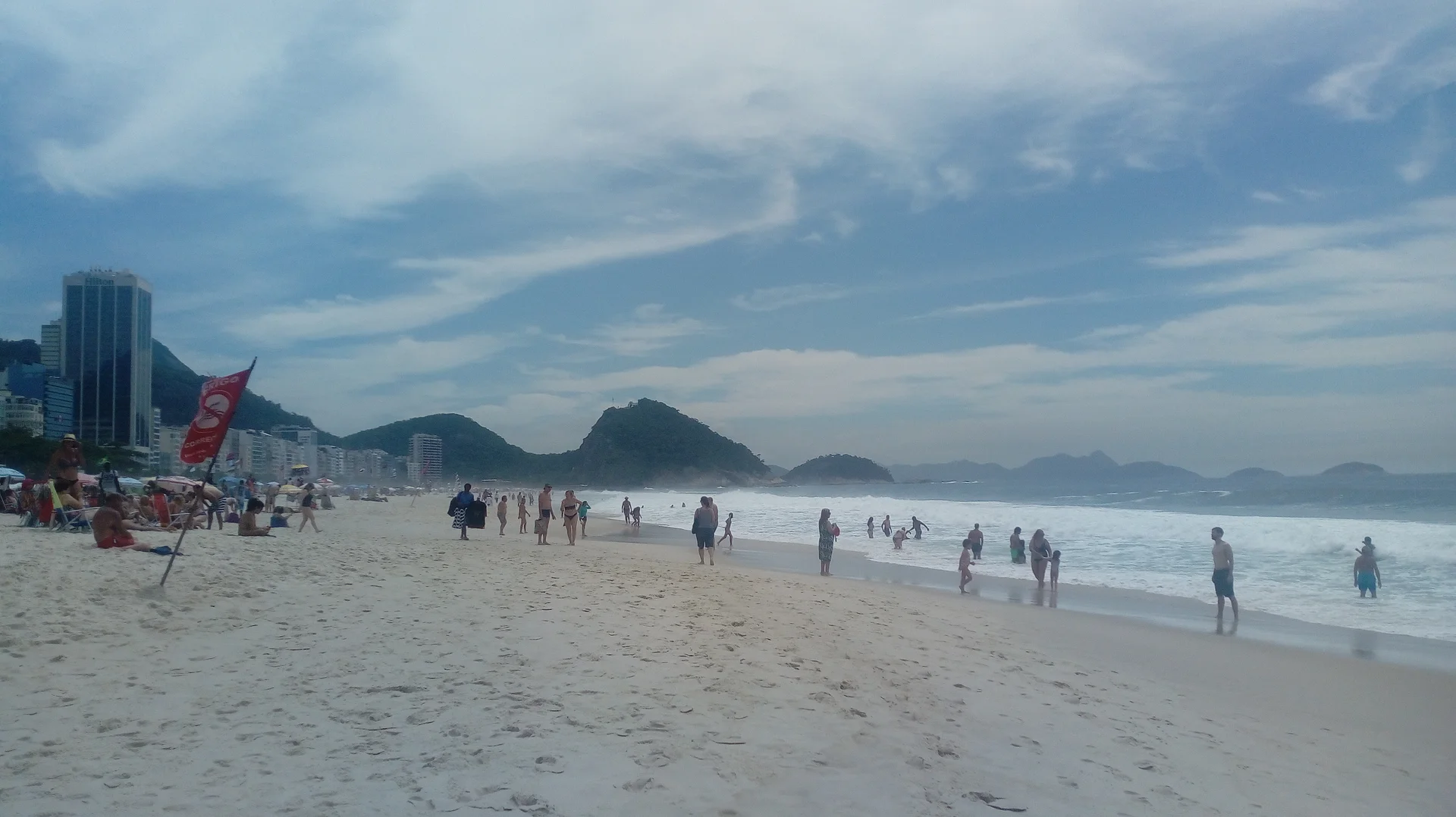
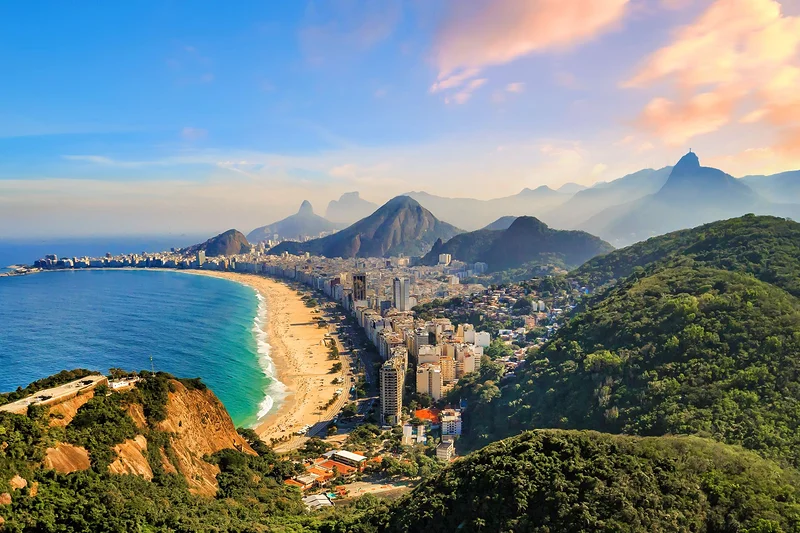
Copacabana is not only a neighborhood in Rio de Janeiro, but also the most famous beach in Brazil! Stretching 4.5 km, it sits along the baie de Guanabara and runs alongside the avenue Atlântica, which closes to traffic on Sundays. In Portuguese, locals call the beach Princesinha do Mar, or the Princess of the Sea.
From a fishing village to a vibrant district of Rio de Janeiro
Originally, Copacabana was an isolated fishing village, tucked between the sea, the forest, and the mountains. Locals called it Sacopenapã, named after a bird typical of this stretch of the Atlantic coastline. During colonization, it took on a new name following the installation of a chapel containing a replica of the Virgin Mary from a village on the shores of lac Titicaca in Bolivia, known as Copacabana.
The fort militaire de Copacabana was built in the early 20th century to protect the port of Rio de Janeiro. Today, it welcomes the public, who come for the museum and the sweeping views of the bay. The city opened its first tunnel in 1892 to connect Copacabana to the rest of Rio, a milestone that heavily accelerated its development.
Copacabana as a luxury destination
Back in 1923, the shoreline welcomed the Palace de Copacabana, designed by French architect Joseph Gire in the style of the most glamorous hotels on the French Riviera. Now a historic landmark, it has hosted numerous celebrities who helped cement Copacabana's reputation as a premier beach resort.
While you are there, make sure to walk the oceanfront promenade. With its striking black basalt and white calcite two-tone stone patterns, designed by Brazilian landscape architect Burle Marx, it feels reminiscent of the streets of Lisbon.

I prefer Barra da Tijuca because there are fewer people, fewer street vendors, and the view is nicer. After a walk in front of the Copacabana Palace in the morning it is still pleasant, but nothing crazy.