
Visiting Sugarloaf Mountain
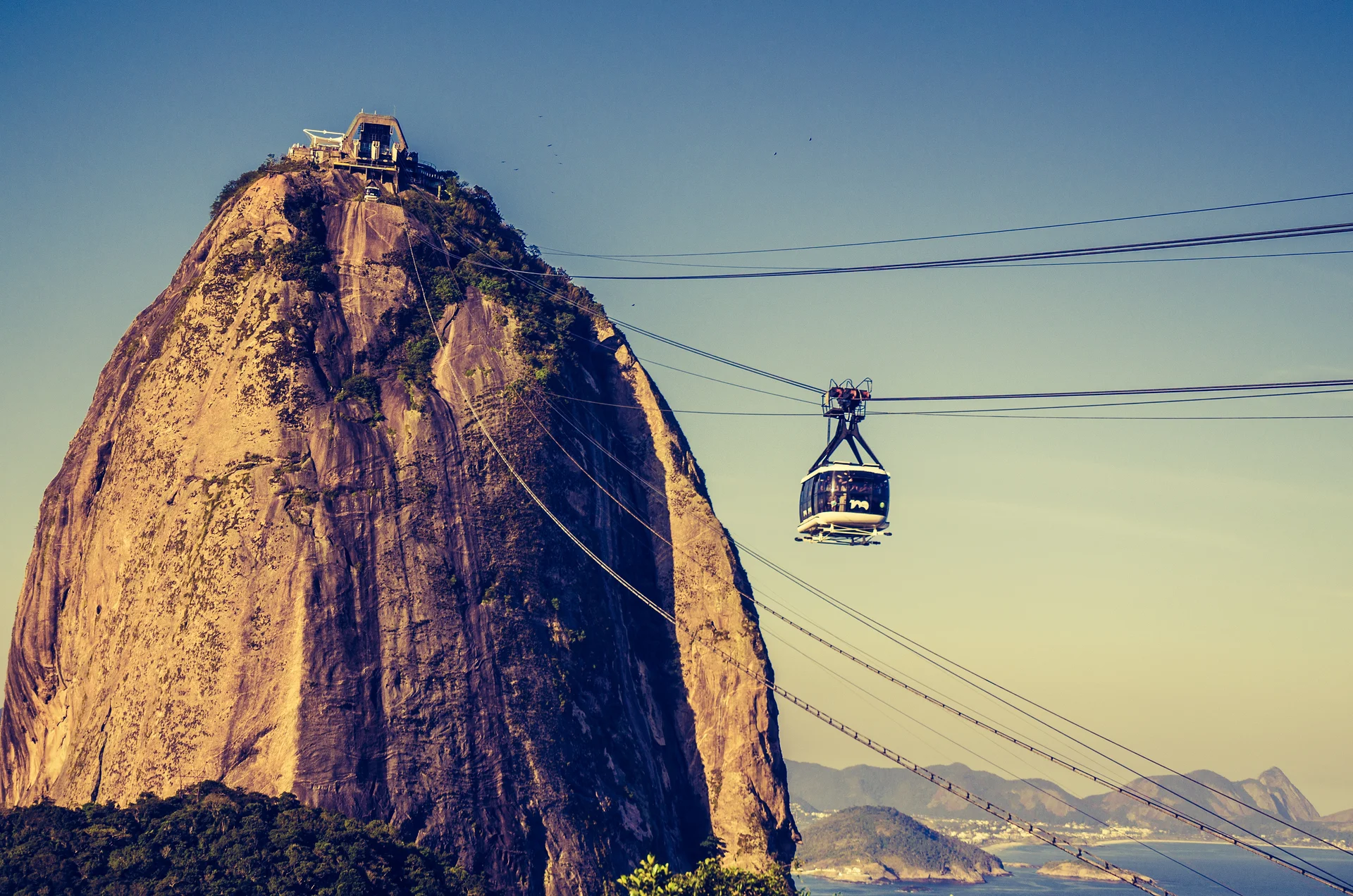
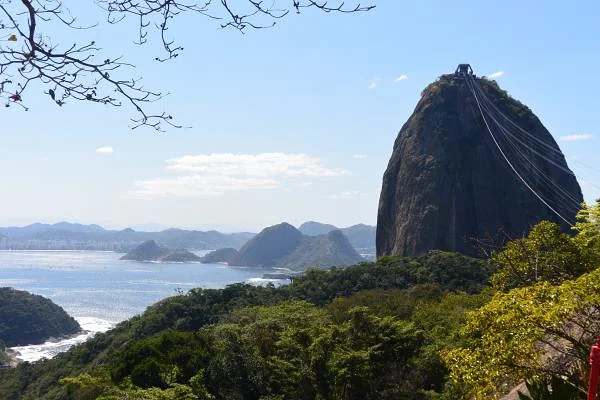
Sugarloaf Mountain is a monolithic granite block or inselberg, a towering rock mass that drops straight down into the ocean at a height of 396 metres above Rio de Janeiro. A defining landmark of the local landscape, Pão de Açúcar is easily reached via the cable car lines originally designed in the early 20th century by architect Augusto Ferreira Ramos. Unless, that is, you prefer tackling one of the 270 rock-climbing routes leading to the summit.
A must-see site in Rio de Janeiro
Sugarloaf Mountain is an essential stop in Rio because it offers some of the best panoramic views of the city and the Christ the Redeemer statue sitting further west atop Mont Corcovado. Portuguese colonists named the mountain as early as the 16th century. It likely got its name from the production of refined sugar from cane plantations and the cone shape it took inside clay molds. The term Pão de Açúcar may also originate from the indigenous tupi guarani language, specifically the phrase "Pau-nh-acuqua", which translates to "high hill."
Taking the cable car to the summit of Sugarloaf
The cable car project was conceived in 1907 and completed in 1912. At the time, it was only the third cable car line in the world. Since then, the lines and cabins have been completely updated twice. The first leg takes you up to Mont Urca at an altitude of 220 metres, where you can also catch a helicopter tour or explore the cable car history museum. From there, a second cable car carries you the rest of the way to the top of Sugarloaf Mountain.
Opening hours
| Monday | 08:00-21:00 |
|---|---|
| Tuesday | 08:00-21:00 |
| Wednesday | 08:00-21:00 |
| Thursday | 08:00-21:00 |
| Friday | 08:00-21:00 |
| Saturday | 08:00-21:00 |
| Sunday | 08:00-21:00 |
*Information subject to change

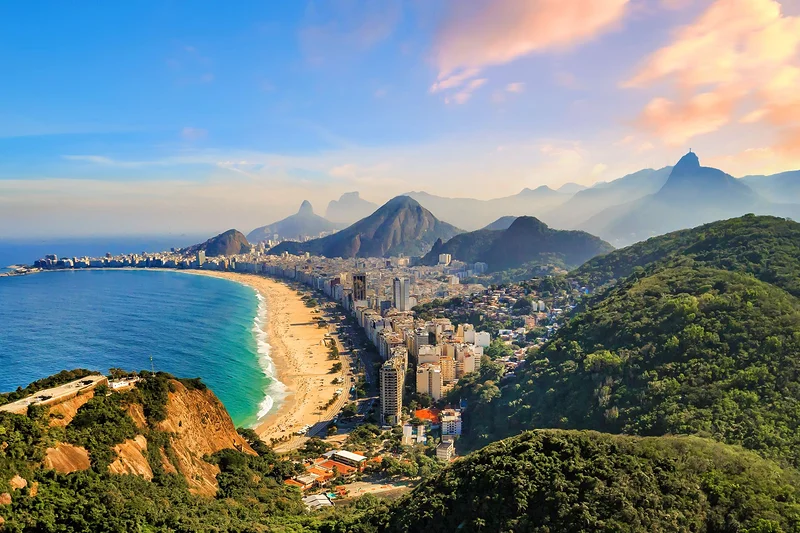
Opinions vary, but for me, the view from Sugarloaf Mountain is even better than the one from Corcovado. The facilities at Sugarloaf have developed a lot recently, with shops and restaurants. It is a shame because it ruins the natural site a bit, which used to be more authentic. However, it is a must-see in Rio and you absolutely have to go. Tip: plan ahead for the cable car ride if you want to be at the summit for sunset, but I personally think it is even better during the day.