
Visiting Ibirapuera Park
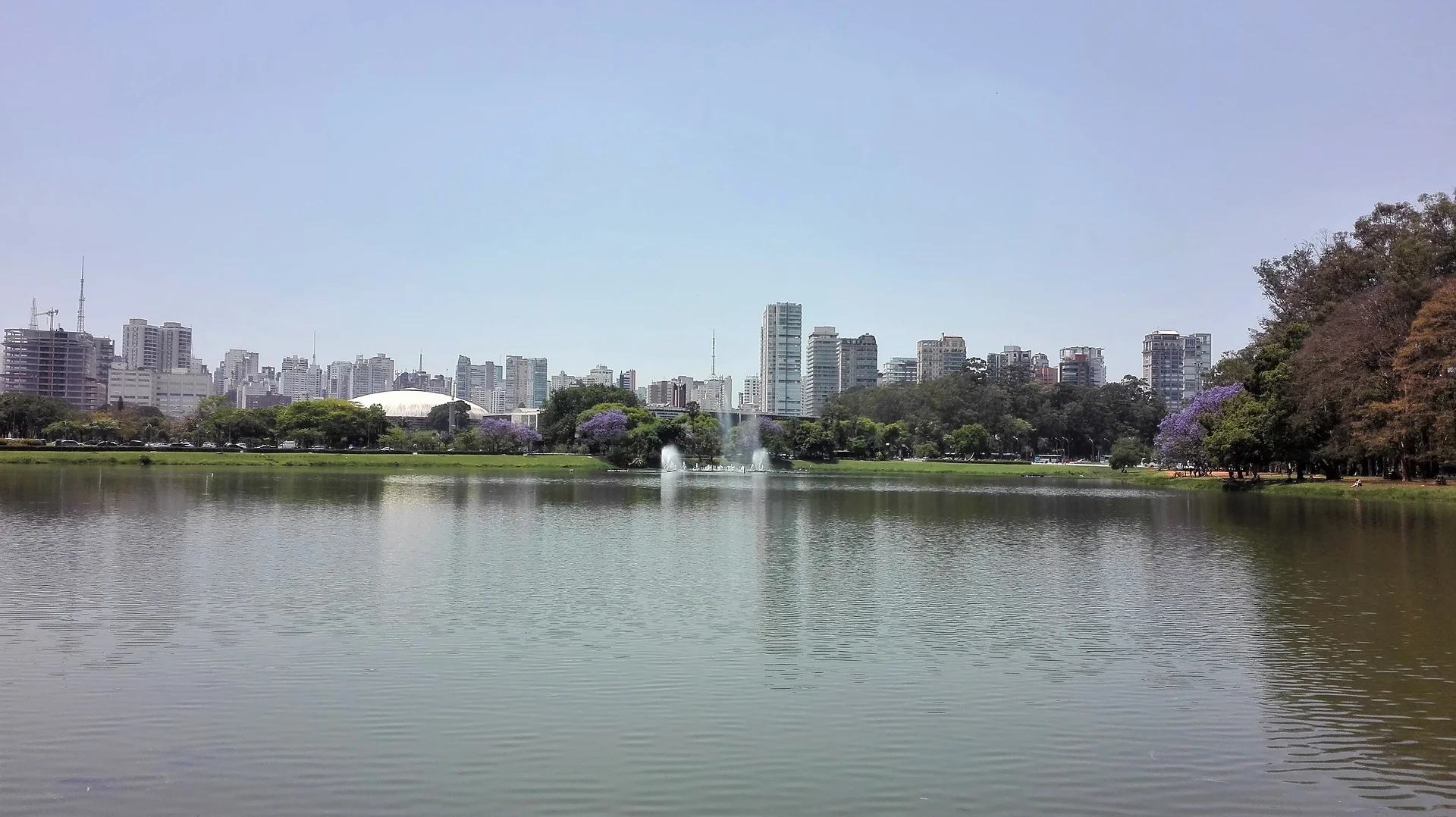
Spanning 158 hectares, Ibirapuera Park is the second largest park in São Paulo. Its civic role is comparable to Hyde Park in London or Central Park in New York. The site was originally home to an indigenous tribe and partially covered in wetlands. In 1927, the municipality decided to plant a collection of tropical and exotic trees, which helped drain the land and served as the first step in the park's development.
A green lung in São Paulo
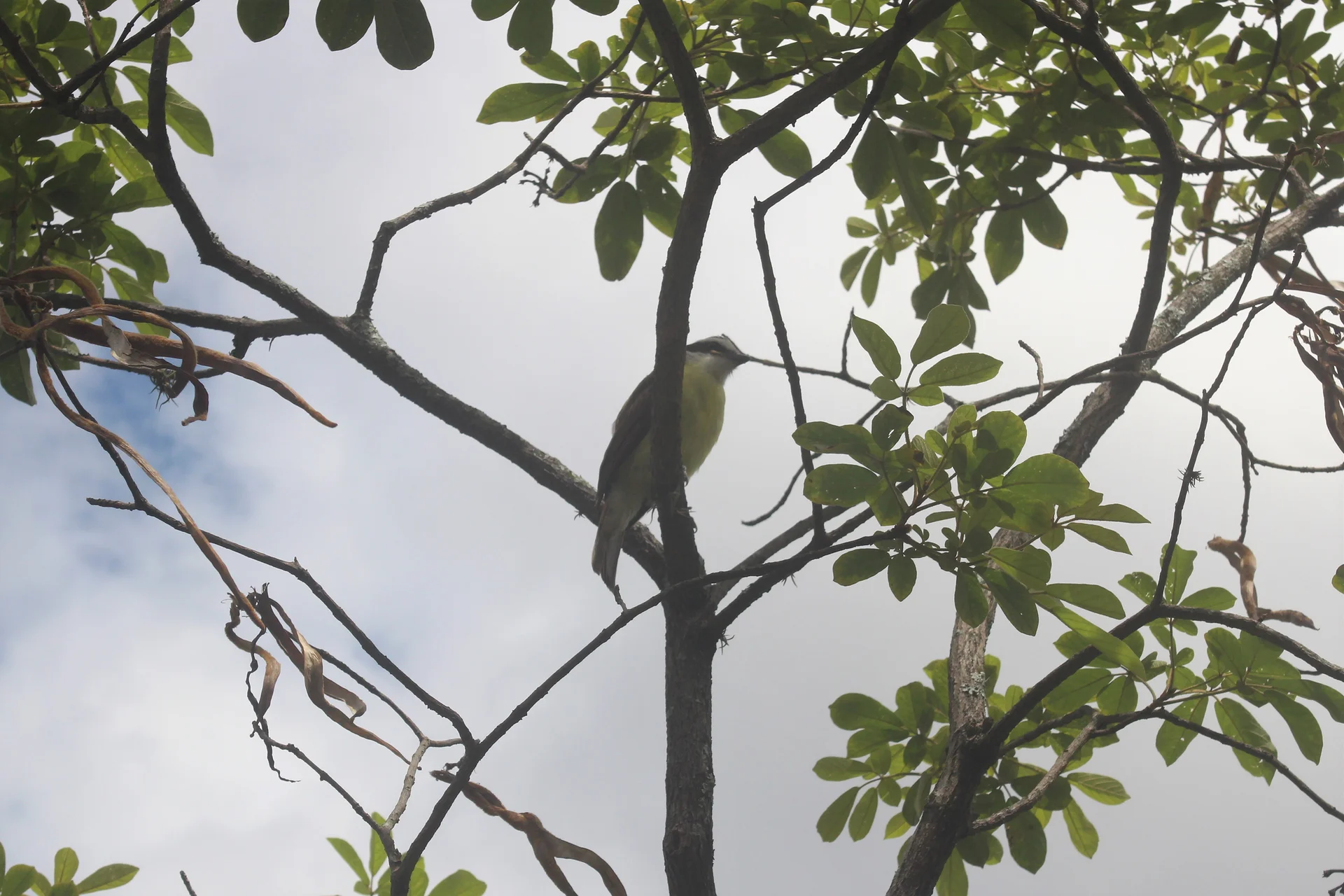
The name Ibirapuera comes from the Tupi language, meaning rotten wood or wet wood. Today, the area features 3 lakes and gardens designed by landscape architect Otávio Augusto Teixeira Mendes. It is a prime spot for a nature walk, where you can spot kingfishers, hummingbirds, geese, peacocks, and moorhens, or head out for a workout.
Several monuments detailing the history of the region are located here, most notably the Obelisk of São Paulo, which honors the Constitutionalist Revolution of 1932, a failed democratic push under the rule of President Vargas. There is also the Monument to the Bandeiras, a granite statue representing the bandeiras, or pioneers who set out to explore the interior of Brazil in the 17th century.
Key cultural institutions
While exploring the grounds, you will notice the modern structures characteristic of Oscar Niemeyer. Two major museums are located within the park: the Museum of Modern Art (MAM), housed in the Grande Marquise, and the Museum of Contemporary Art (MAC), situated in the Cicillo Matarazzo Pavilion, both designed by the famous Brazilian architect.
Other buildings to visit include the Afro Brazil Museum and the Planetarium, the first of its kind in South America, which is a great stop for families.
Opening hours
| Monday | 05:00-00:00 |
|---|---|
| Tuesday | 05:00-00:00 |
| Wednesday | 05:00-00:00 |
| Thursday | 05:00-00:00 |
| Friday | 05:00-00:00 |
| Saturday | 05:00-00:00 |
| Sunday | 05:00-00:00 |

Petite-Terre summed it up well, this park reminds me of Central Park in New York: greenery to relax in, but also plenty of events and cultural spots.