

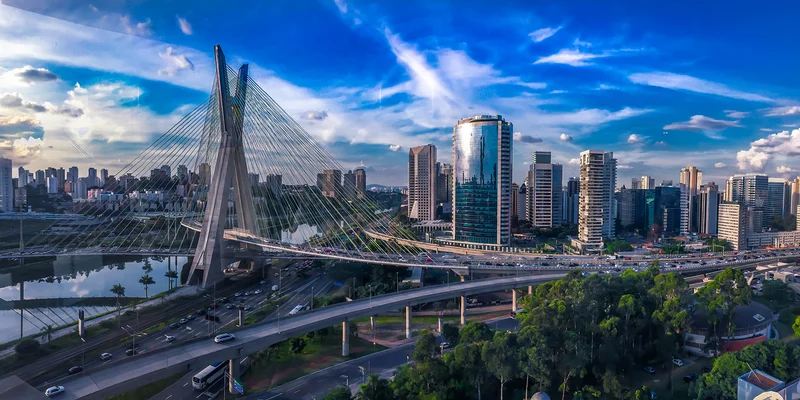


Visiting São Paulo
São Paulo is the economic capital of Brazil and one of the biggest megacities on the planet, home to 20 million people across its metro area, 11.5 million of them Paulistanos. It is also one of those South American cities with an improbable story. Founded in 1554 by a group of Portuguese Jesuits, the small village was reshaped by the events of history: first the frenzied scramble of gold prospectors in the 17th century, then the coffee boom that structured its economy in the 19th century. Today, São Paulo is Brazil's richest city and the country's economic, culinary and cultural capital.
Brazil's capital of everything supersized
Start with the old city, around the Praça da República and the Largo Páteo do Colégio, the historic site where the Jesuit school was founded in 1554. Wander the surrounding streets and you will run into some of the city's defining buildings, like the immense São Paulo Cathedral, considered the fourth-largest neo-Gothic cathedral in the world, and the Theatro Municipal. A short walk away, stop by the Mercado Municipal, a vast covered market of 12,000 m² (about 130,000 sq ft) housed in a hall with beautiful stained-glass windows.
Then head to the city's best-known artery, Avenida Paulista, which links the historic center to the business district and is packed with art galleries and restaurants. Along the way, don't miss the São Paulo Museum of Art (MASP), with impressive collections spanning antiquity to the present day.
São Paulo hits you with its seas of skyscrapers, each one more imposing than the last. Among the towers worth visiting, climb to the top of the Martinelli Building, whose 30 floors deliver a stunning panorama of the city. If you prefer something calmer, head to Vila Madalena, a bohemian neighborhood covered in street art.
Brazil's history in one city
São Paulo is the ideal place to learn more about Brazilian history. The metropolis is full of museums that tell the story of the country, such as the Museu Paulista, also known as the Ipiranga Museum, built in 1895, and the Museu Afro Brasil, which pays tribute to Black cultures in South America. The latter sits in the middle of Ibirapuera Park, a huge green space laid out by Otávio Augusto Teixeira Mendes with buildings designed by Oscar Niemeyer. Think of it as São Paulo's answer to Central Park.
Also worth a visit: the Latin America Memorial, a complex designed by Oscar Niemeyer as a tribute to Latin American culture. Its famous bloodied hand, with a wound shaped like the map of Latin America, will not leave you unmoved!
When to go
The best months to visit São Paulo run from April to October.
How to get there
São Paulo has an international airport that connects it to the rest of the world.
How to get around
Subway lines and a gigantic bus network make it easier to get around São Paulo.

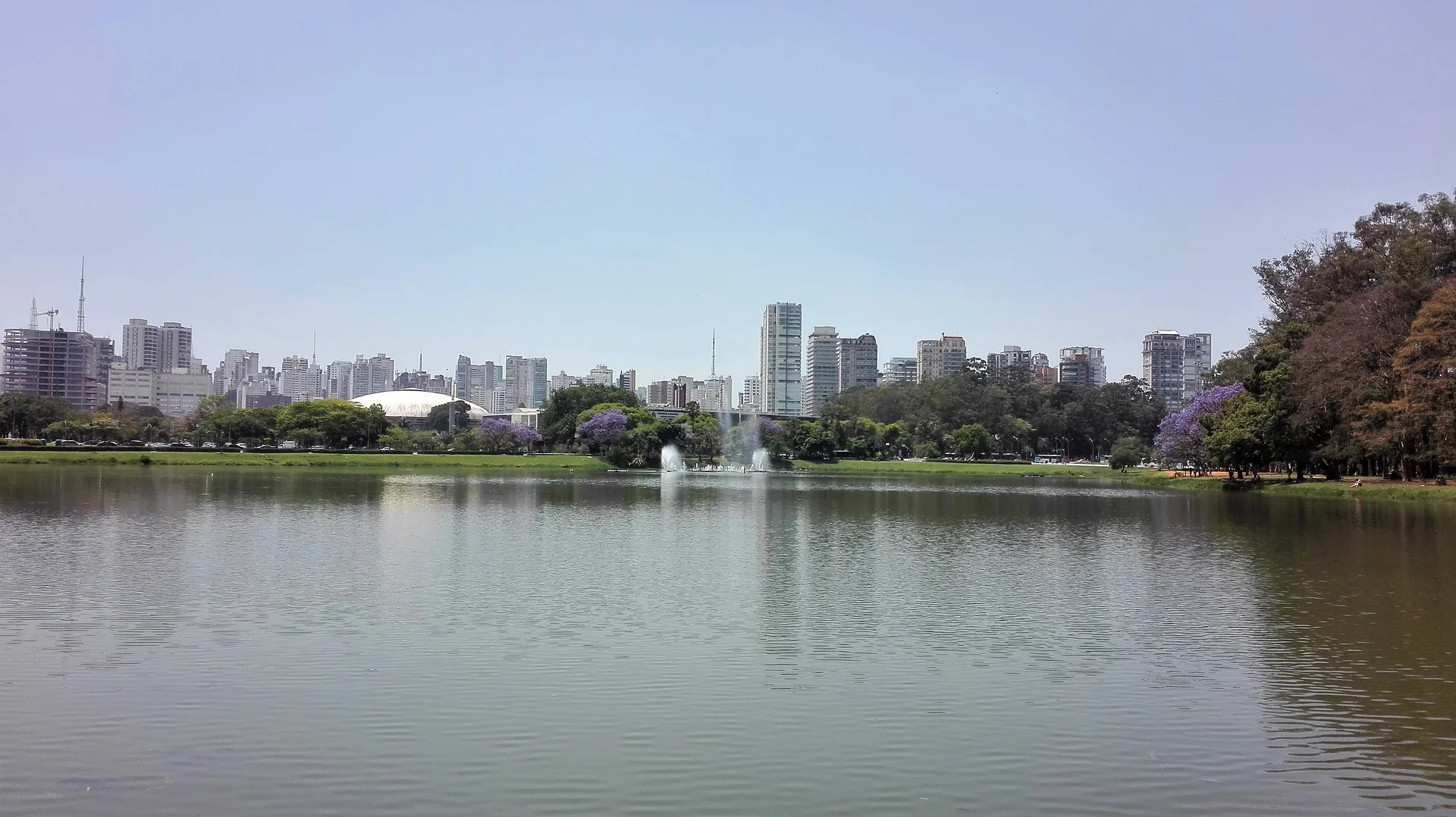

I have visited São Paulo twice, the first time to visit a Brazilian friend and the second time for her wedding. It is much more interesting to discover this cosmopolitan megalopolis with a local. Each neighborhood has its own little charm, but no site offers any real tourist appeal. The traffic is a nightmare, and compared to it, Paris is just a village. The least unpleasant parts? Ibirapuera Park and the hipster neighborhood of Vila Madalena.