
Visiting the Interlagos Circuit
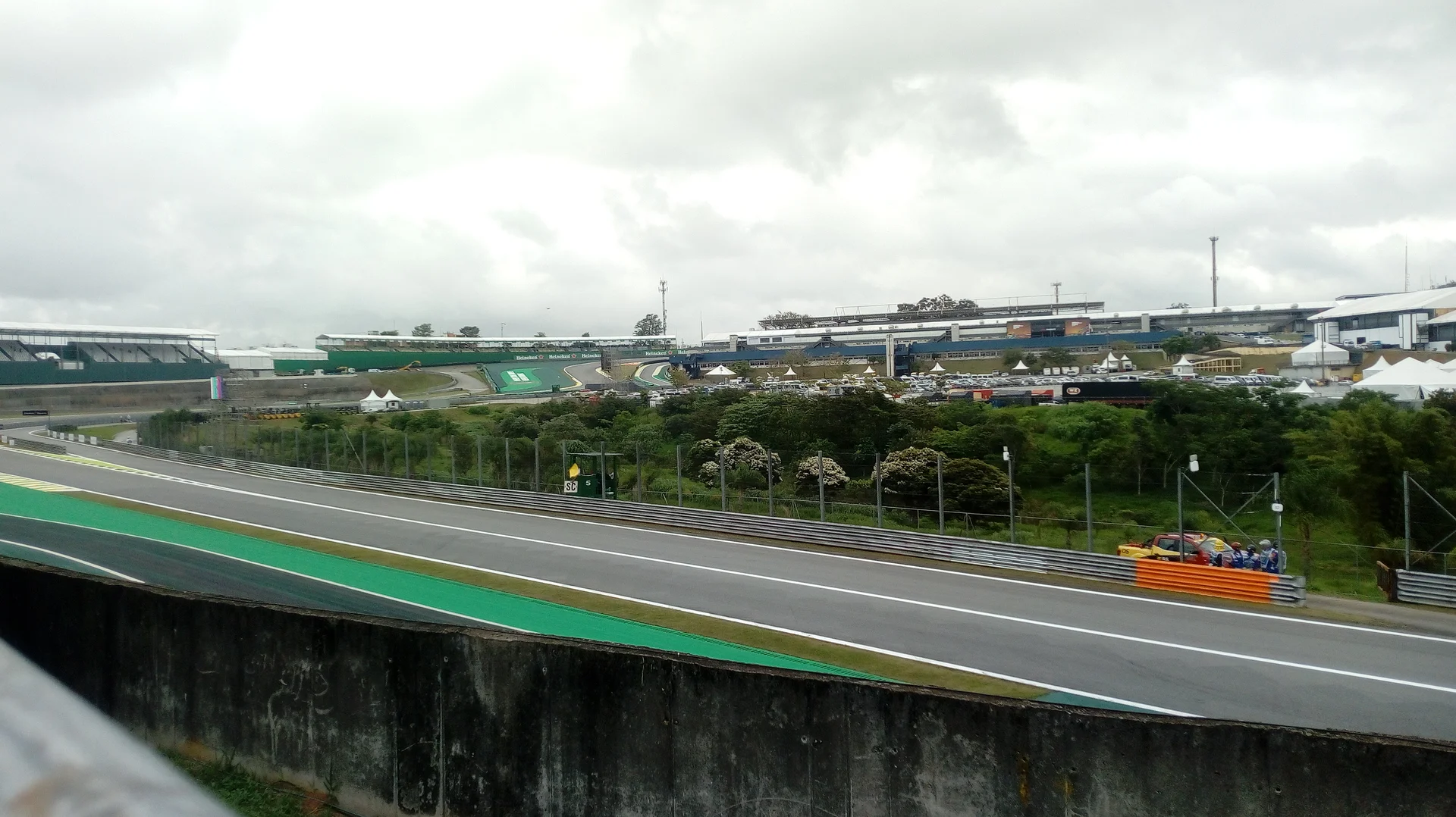
The Interlagos Circuit was built in 1972 in São Paulo to host the Brazil Formula 1 Grand Prix. The site was originally purchased in 1926 by a real estate firm planning to build housing and a sports complex, but the project collapsed following the 1929 economic crash. In 1936, local authorities decided to build a racetrack instead. The first international Formula 1 race took place here in 1947.
An impressive Formula 1 track
The original track layout was nearly 8 kilometers long, measuring exactly 7,960 meters. It has since been shortened to 4,325 meters to better align with Fédération Internationale de l'Automobile (FIA) standards. It features 15 turns and is notable for its counter-clockwise flow. The São Paulo racetrack is known globally as a difficult drive because the terrain is hilly, with a 45-meter elevation change between the highest and lowest points of the circuit.
The track is named Interlagos because it is situated between two artificial lakes in the São Paulo region. It is also officially named José Carlos Pace, after a former F1 driver who won here in 1975 and died two years later in a plane crash.
A circuit surrounded by controversy
Although international competitions have been held here every year since 1990, the Interlagos Circuit continues to face scrutiny regarding safety conditions around the track, leading many drivers to prefer arriving by helicopter. Furthermore, the drainage systems are not optimal, which causes rainwater to frequently damage the track surface.

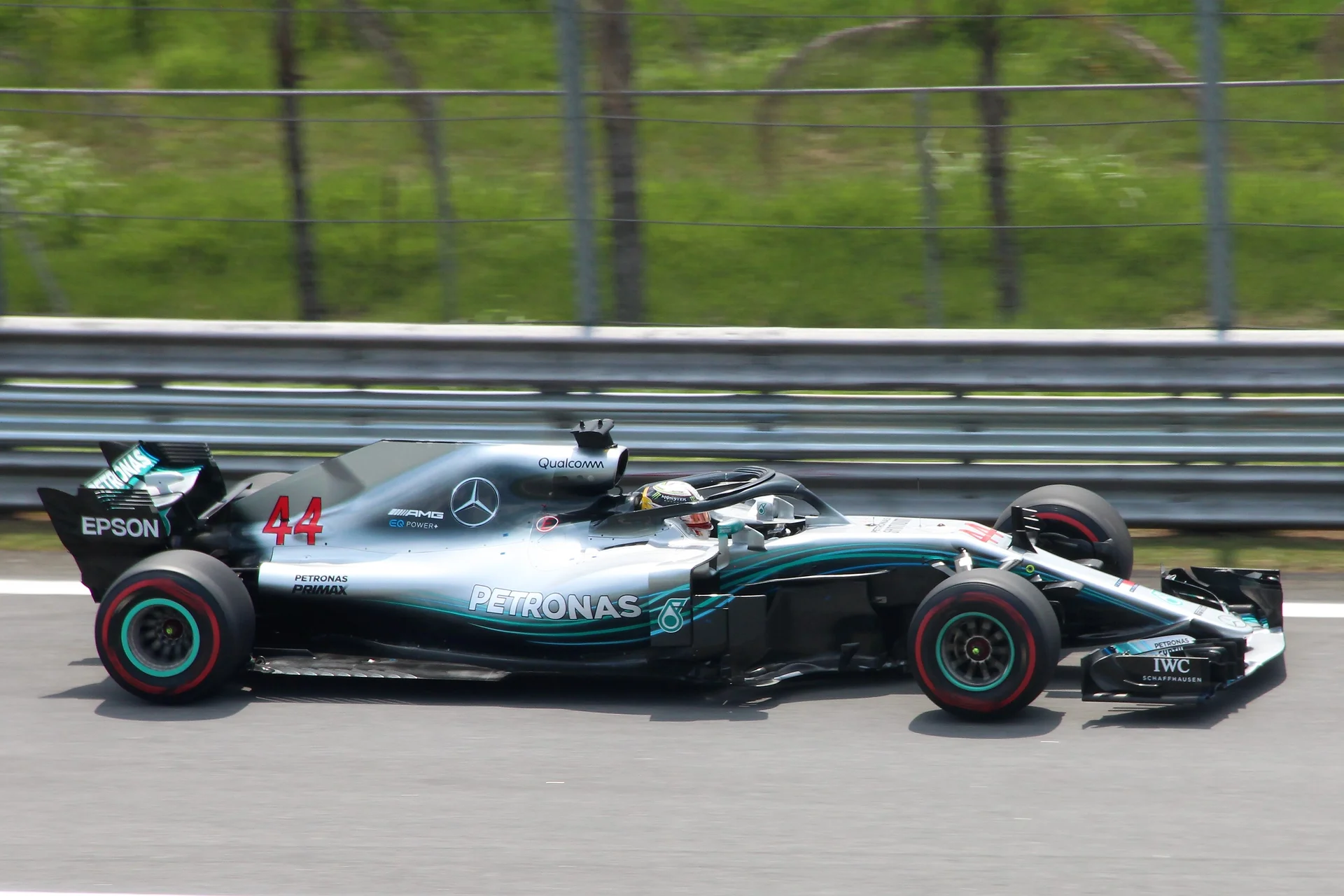
I went to see the F1 at Interlagos and it was (aside from the stifling heat) incredible. You definitely need to like motorsports, but the energy of the Paulistas is such that you can't help but get pumped up during every lap of the cars (or trucks or motorcycles). And for my first GP there, a Mercedes, a Red Bull, and a Ferrari on the podium (Hamilton, Verstappen, and Raikkonen), meaning the 3 big teams of that era, 2018.