
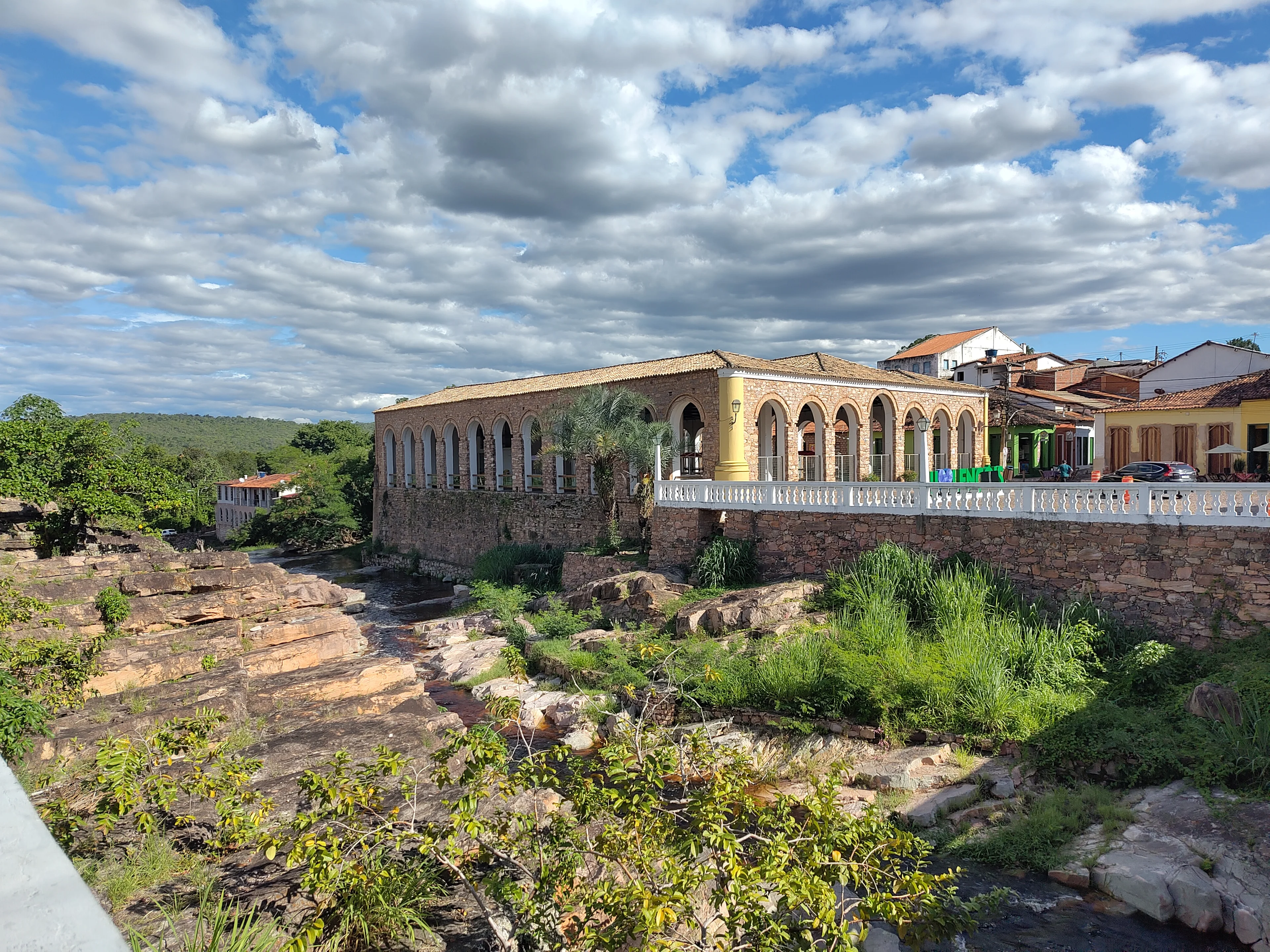
Visiting Lençóis, the gateway to Chapada Diamantina
Located in the state of Bahia, Lençóis is a former mining town that has held onto its colonial character. Today, it serves as the primary base for exploring the Chapada Diamantina National Park, one of Brazil's most impressive natural regions. With cobblestone streets, colorful homes, and a laid-back pace, Lençóis is a practical home base for travelers looking for nature and authenticity.
A town center with colonial history
Lençóis hit its stride in the 19th century during the diamond rush. That past prosperity is still visible in the architecture of the historic center, where well-preserved colonial homes line the streets. Wandering through town, you will find shaded plazas, old churches, and local craft workshops.
Waterfalls and natural pools near town
Within walking distance of the town, several natural spots offer a place to cool off after a long day of hiking. Ribeirão do Meio, known for its natural rock waterslide, is one of the most popular. Closer still, Ribeirão de Baixo provides a quieter setting for swimming in natural pools surrounded by greenery.
Hiking and dramatic landscapes
Lençóis is the ideal starting point for exploring the Chapada Diamantina. Among the more accessible hikes, the climb up Morro do Pai Inácio offers a panoramic view that is best at sunset. For the more adventurous, the Vale do Pati, considered one of the premier treks in Brazil, allows for total immersion in nature, featuring plateaus, canyons, and crystal-clear rivers.
An overlooked archaeological site
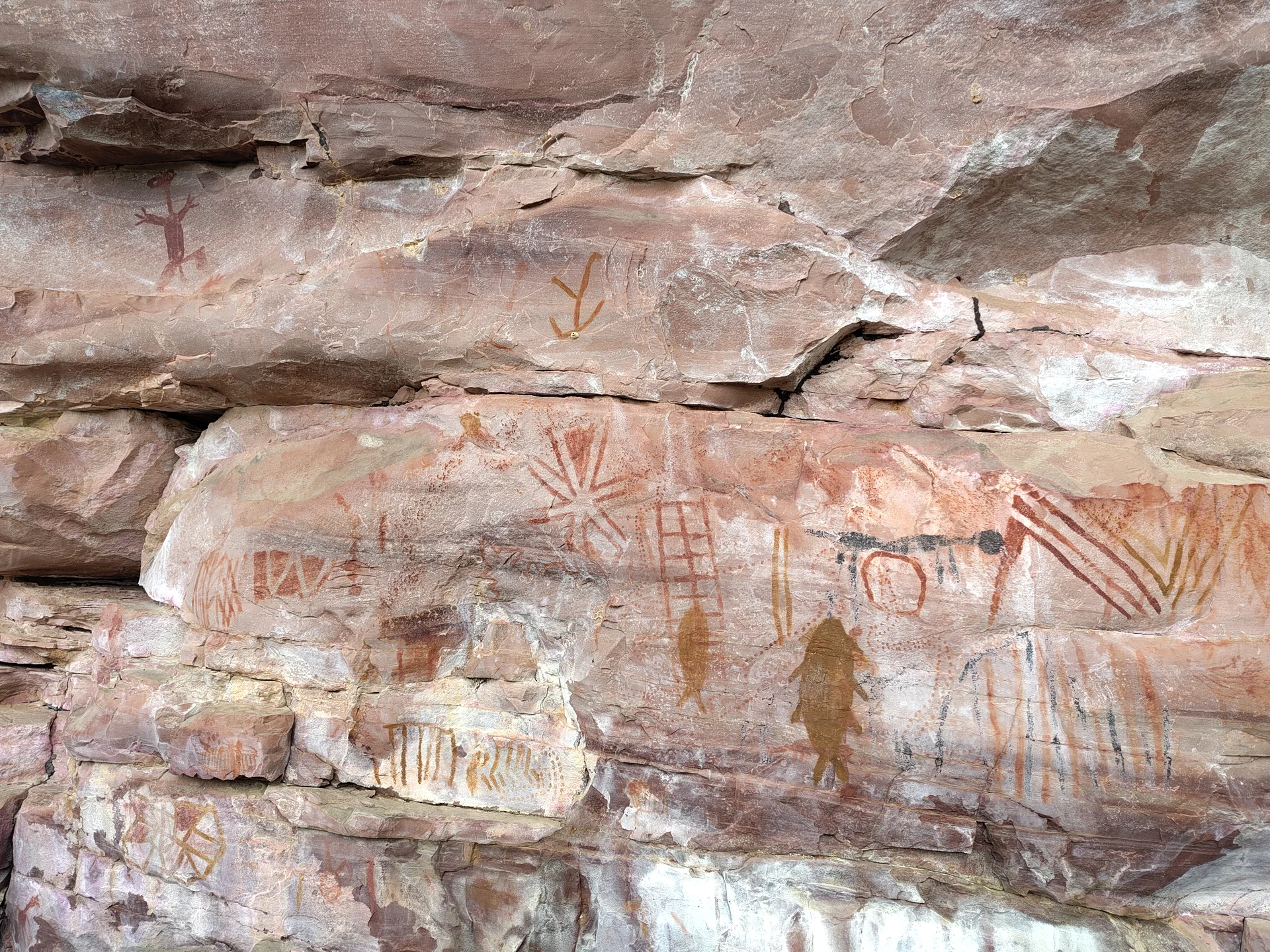
About an hour's drive from Lençóis, the Serra das Paridas site houses cave paintings dating back thousands of years. These paintings, created by the region's early inhabitants, depict human and animal figures. You must visit with a guide to learn about the pre-Columbian history of the Chapada Diamantina.
Local flavors with a Bahian influence
The food in Lençóis draws from Bahian traditions, relying heavily on fish, shrimp, and cassava. The moqueca, a fish stew simmered with coconut milk and spices, is a staple. For dessert, look for treats made with cajá, a local fruit with a tart edge. To drink, try suco de umbu, a refreshing juice made from the green plum of the sertão.
Where to eat?
- Quilombola Casa de Taipa (center). An authentic spot serving traditional Bahian dishes made with local ingredients.
- Lampião Culinária Nordestina (center). Regional specialties, including moqueca and grilled meats, served in a rustic, welcoming space.
- El Jamiro (center). A vegetarian option featuring local vegetables and organic produce.
When to go?
The best time to visit Lençóis is from May to September, when temperatures are comfortable and rain is less frequent. The rainy season, from November to March, makes the landscape greener but can make some hiking trails difficult. Every July, the Festival de Lençóis brings the town to life with live music and cultural events.
How to get there?
Lençóis is accessible from Salvador by plane (regular flights, about 1 hour) or by bus (a 6-hour trip, about 100 BRL). The Lençóis airport is 20 km from the town center, with taxis and shuttles available for the transfer.
How to get around?
The center of Lençóis is easily navigated on foot. To explore the surrounding area and natural sites, it is recommended to rent a vehicle or book through an agency that offers guided excursions.
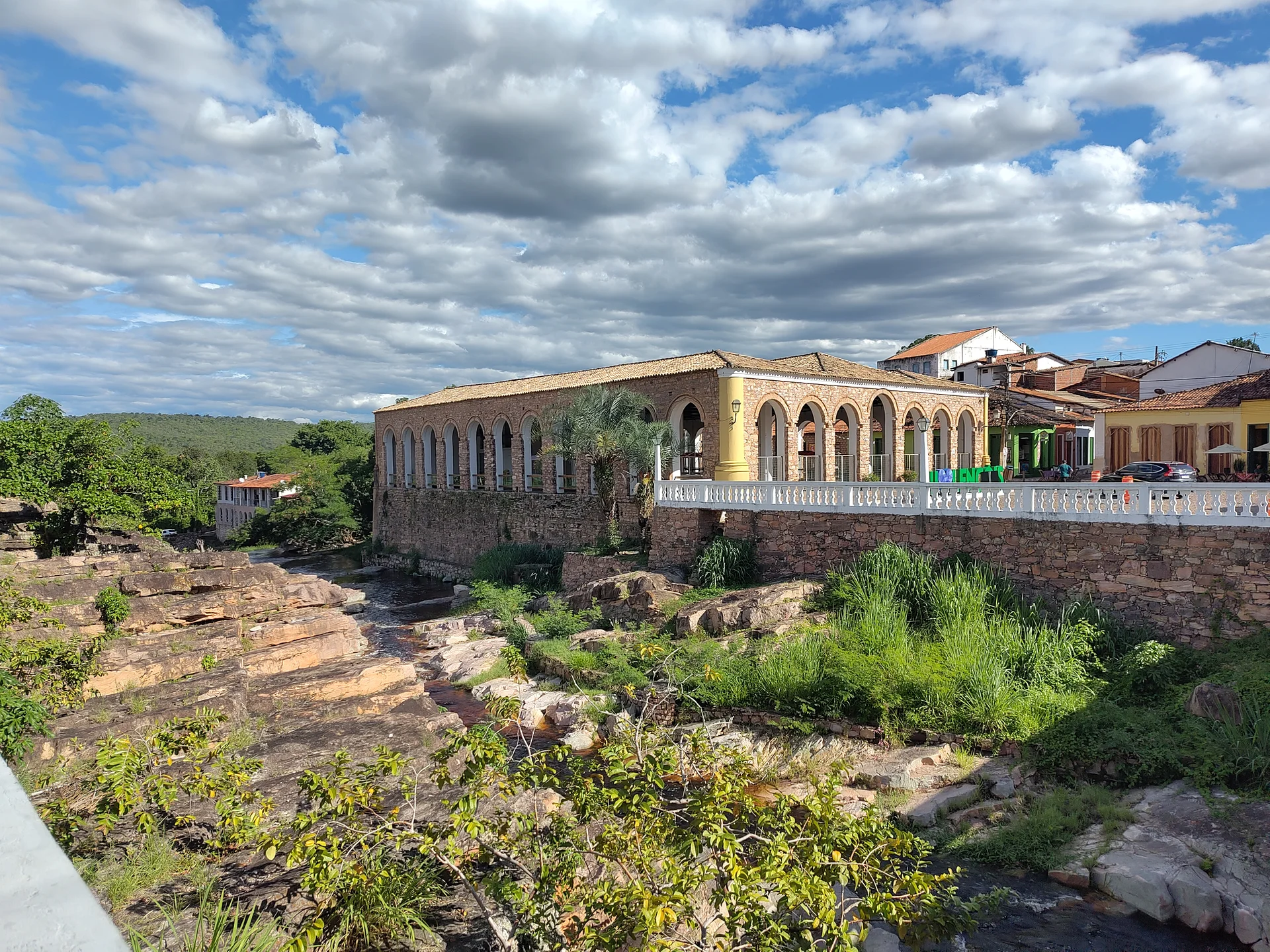
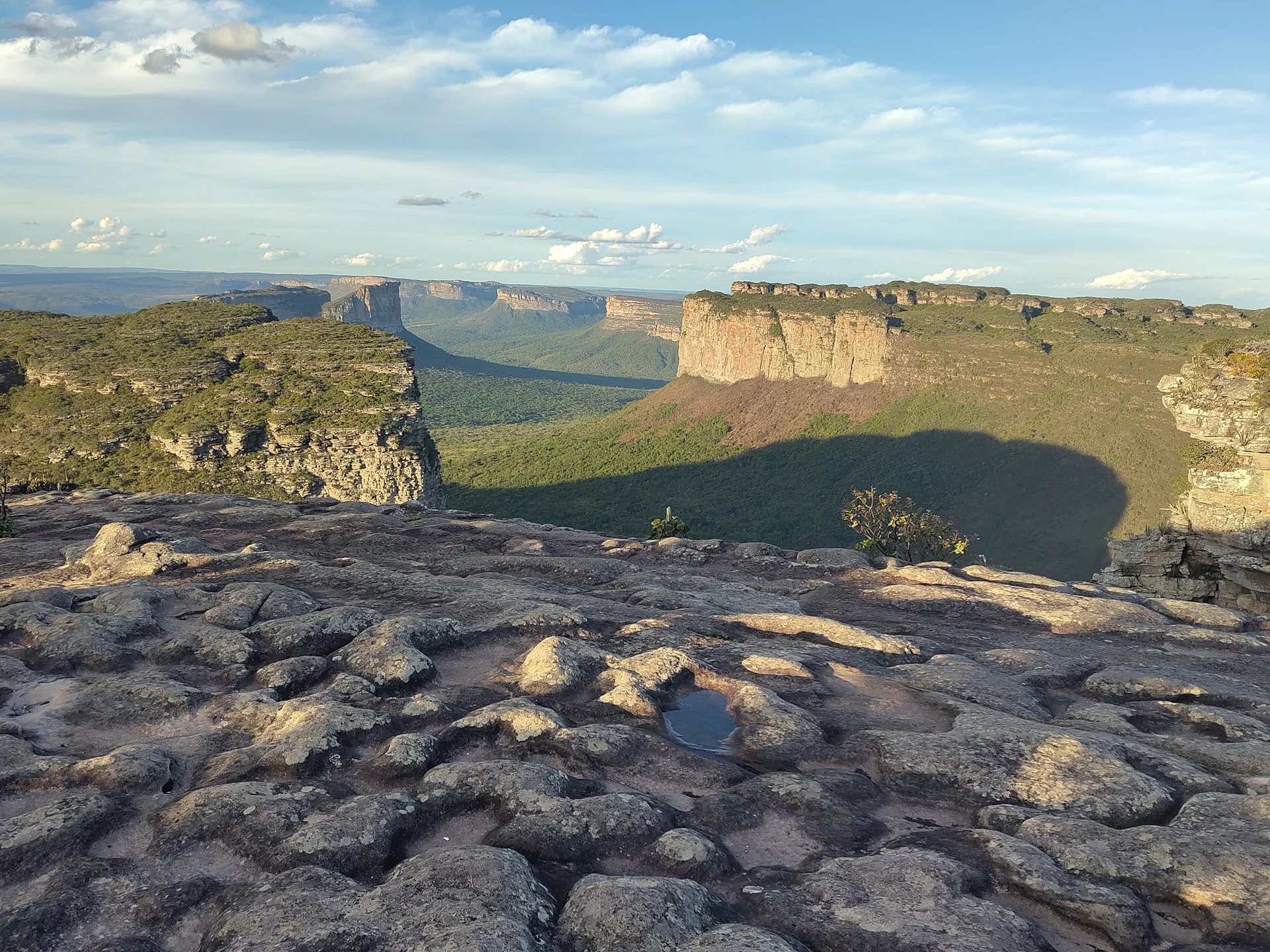
Gateway for diamond hunters, Lençóis was built around the extraction of the precious stone. Lençóis means sheets in Portuguese, because the settlers spread white fabric to use as roofs at the beginning of the mining operations. Today, it is the gateway to Chapada Diamantina, a national park famous for its hiking trails.