
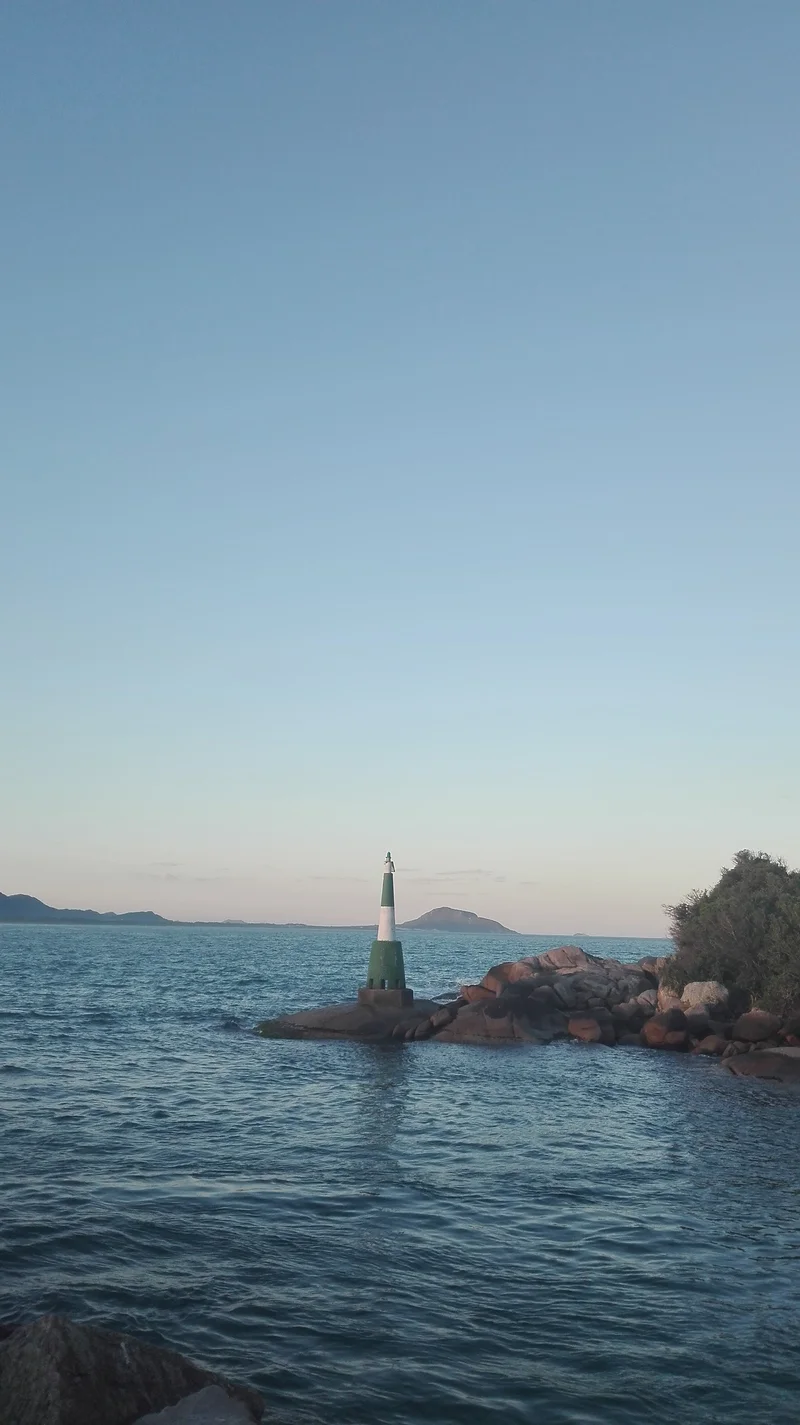
Florianópolis, the Brazilian island that refuses to be boxed in
Brazilians have a saying about this island: "Floripa won't let you leave." Founded in 1675 by Portuguese colonist Francisco Dias Velho under the name Nossa Senhora do Desterro, the capital of Santa Catarina state has lived many lives. Its current name comes from dictator Floriano Peixoto.
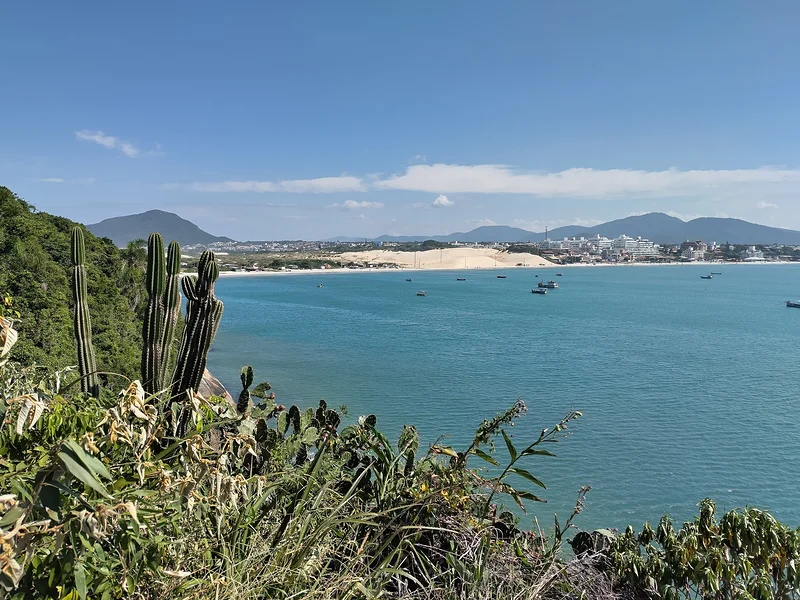
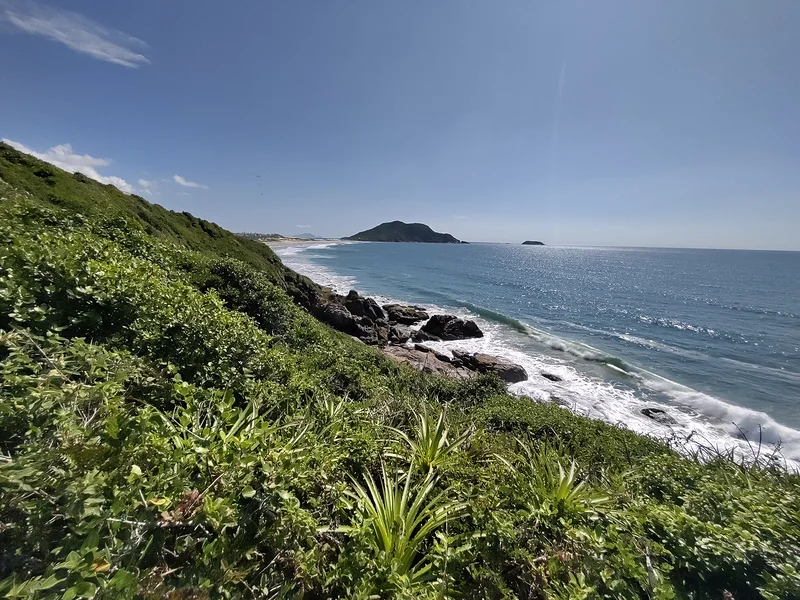
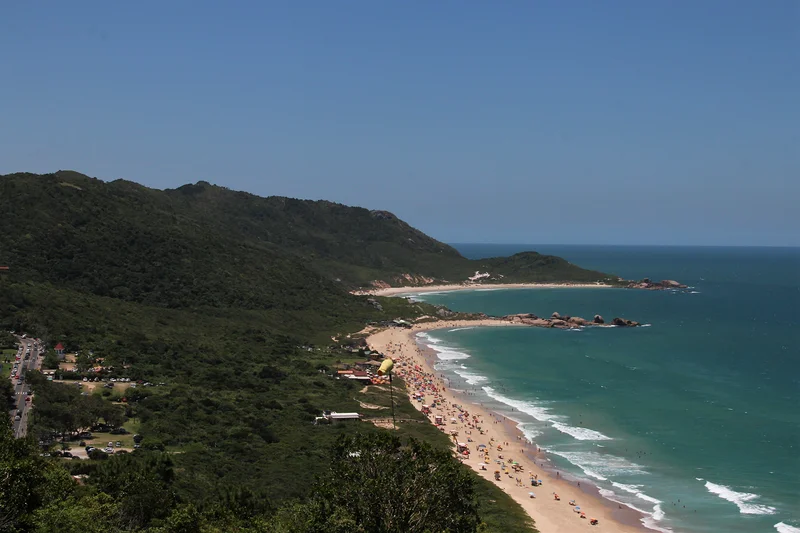
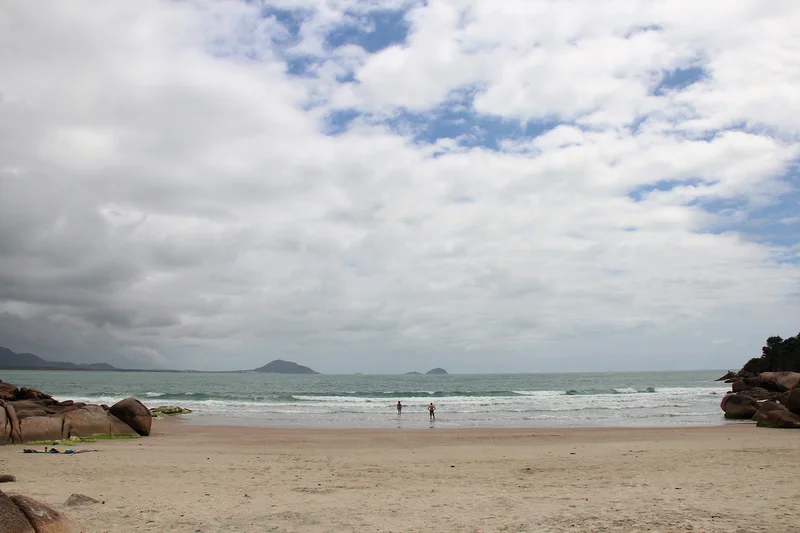
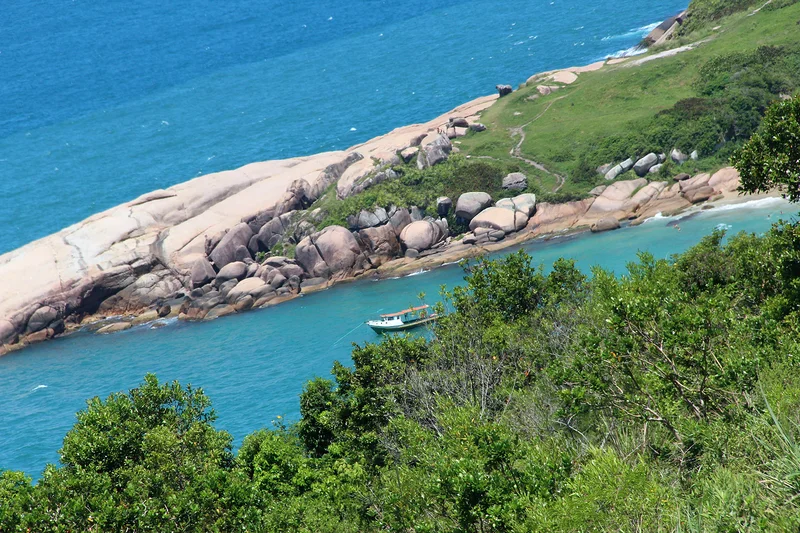
Today, life here revolves around 42 beaches, a lagoon where the wind never lets up, and Azorean fishing villages serving up the country's best oysters.
A beach paradise with a growing reputation
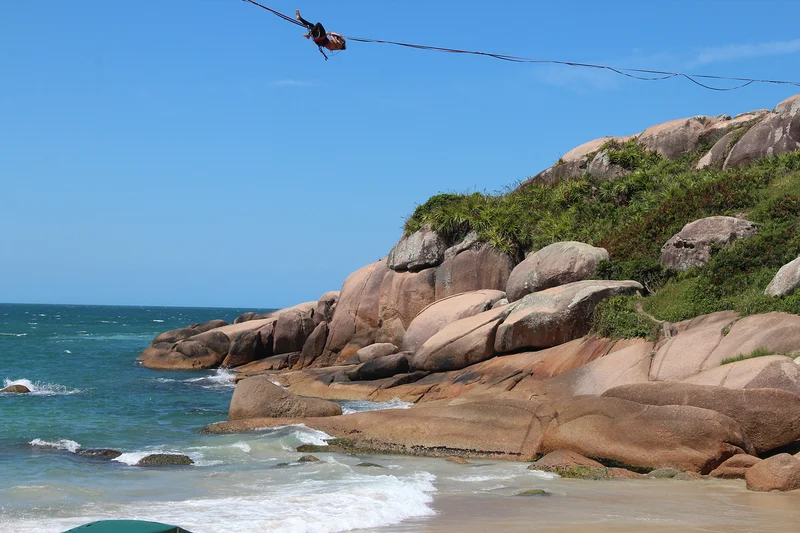
Floripa first pulls in beach bums and surfers. But the island also hides dramatic hikes through the Atlantic forest, some of the liveliest nightlife in southern Brazil, and a seafood-driven culinary scene. The city appeals to backpackers, families, digital nomads, and the Argentine partiers who flood in every summer.
Great spot for:
- Surfers and watersports enthusiasts
- Hikers looking for wild coastal trails
- Partiers and fans of intense nightlife
- Families looking for calm, safe beaches in the north of the island
- Long-term travelers who want to drop their bags for a few weeks
Not ideal for:
- Anyone looking for major historical or architectural heritage
- Travelers who hate renting a car or depending on buses
- People who want to escape crowds in January and February
- Fans of urban life and high-end shopping
A very reasonable budget for the setting
Compared to major Brazilian capitals, the island offers remarkable value. Prices jump noticeably in the peak season from December to February, when lodging can double. Off-season, bargains are everywhere.
| Expense item | Price range |
|---|---|
| Hostel night (dorm bed) | $7.90 to $17* |
| Night in a comfortable hotel or pousada | $40 to $90* |
| Quick bite (pastel, açaí, shawarma) | $2.30 to $5.70* |
| Mid-range restaurant meal | $12 to $23* |
| Transit + one daytime activity | $9 to $29* |
| Backpacker daily budget | $29 to $51* |
| Comfortable daily budget | $68 to $113* |
A massive island where you need to plan ahead
The classic trap is imagining an island is easy to cross quickly. Floripa stretches 54 kilometers from north to south. Without a car, bus rides between two beaches can take over an hour. In peak season, traffic jams are brutal, especially toward the northern beaches. Give yourself plenty of time.
Portuguese is the everyday language. Very few people speak English or French outside of hostels. A few words of basic Portuguese will make a real difference. The climate is subtropical, hot and humid in summer, cool but mild in winter, with rain possible year-round.
Is it dangerous to travel to Florianópolis?
It is one of the safest cities in Brazil. Crime rates are low compared to Rio de Janeiro or São Paulo. The usual precautions apply: watch your stuff on crowded beaches, avoid isolated areas at night, and keep your phone out of sight. Nothing more.
Downtown and the Hercílio Luz Bridge: the island's colonial memory
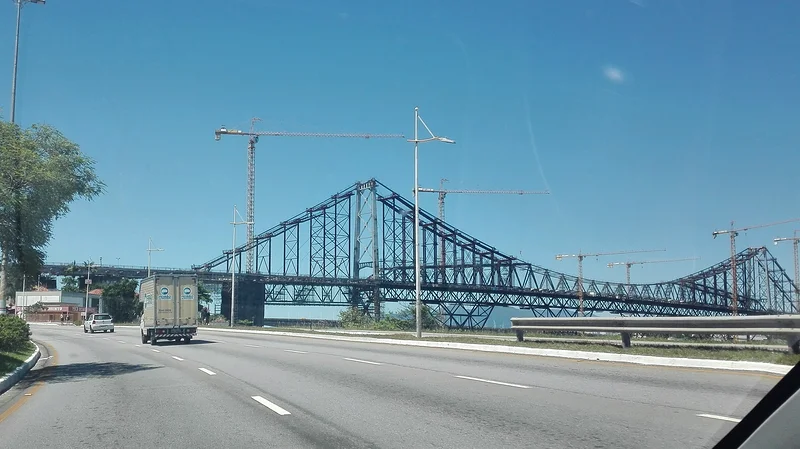
Start in the historic center. The Hercílio Luz suspension bridge, the longest in Brazil with a 340-meter main span, connects the mainland to the island. You can walk across it for a great view at sunset. On the other side, the cobblestone streets of downtown keep a few traces of the colonial era.
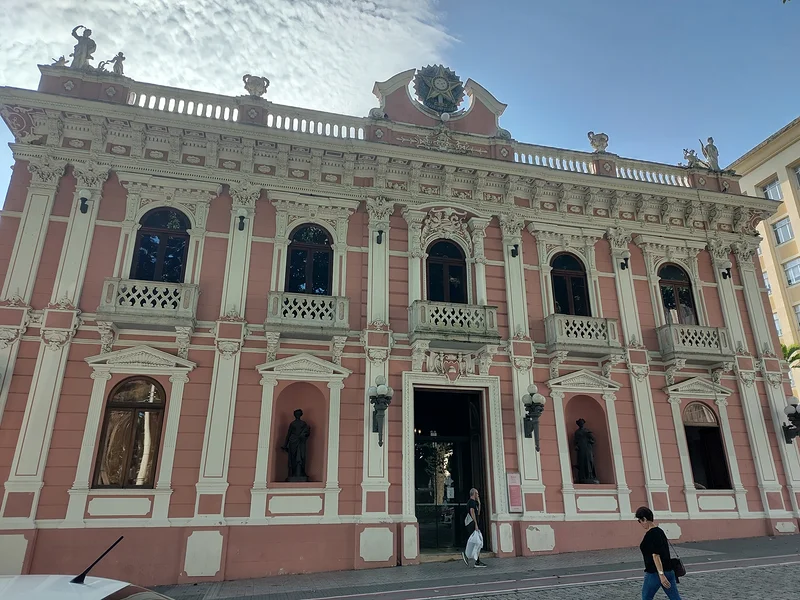
On Praça XV de Novembro, the Cruz e Sousa Palace houses a museum dedicated to the state's history. Nearby, the municipal market hosts around a hundred stalls where you can grab fried pastéis on the go and drink a fresh-squeezed juice for pennies. Box 32, inside the market, is a local institution for lunch.
Friendly tip: in the evening, walk down Avenida Beira Mar Norte for its waterfront promenade. Locals run, walk their dogs, or hang out at the outdoor gym terraces. It is the best place to feel the pulse of the city.
The eastern beaches and Lagoa da Conceição: the beating heart of Floripa
Lagoa da Conceição is the natural gathering spot for travelers. This saltwater lagoon, wedged between dunes and hills, packs in bars, restaurants, hostels, and surf shops. This is where nightlife is at its peak, especially in summer. The steady wind makes it a renowned spot for windsurfing and kitesurfing.
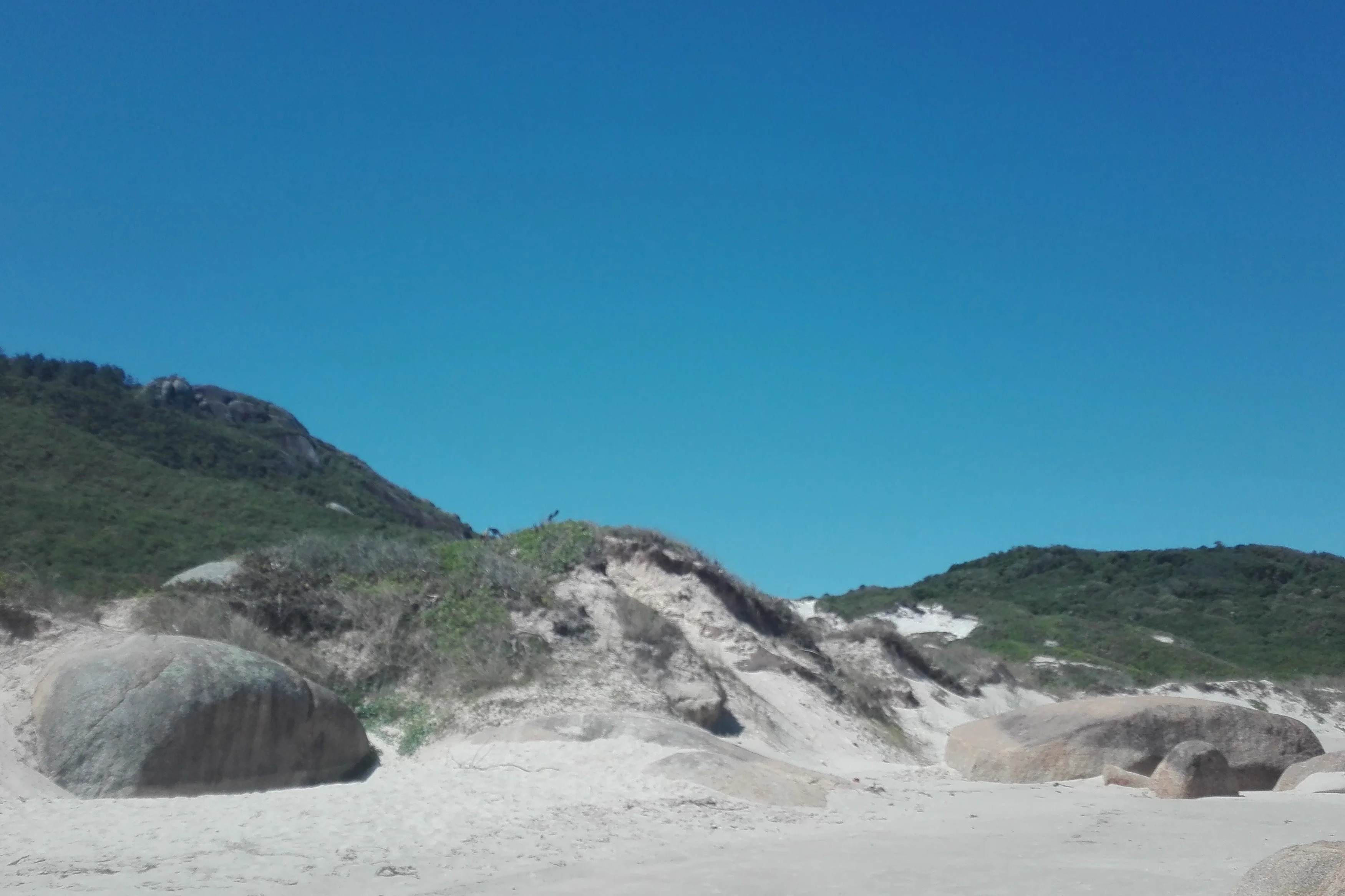
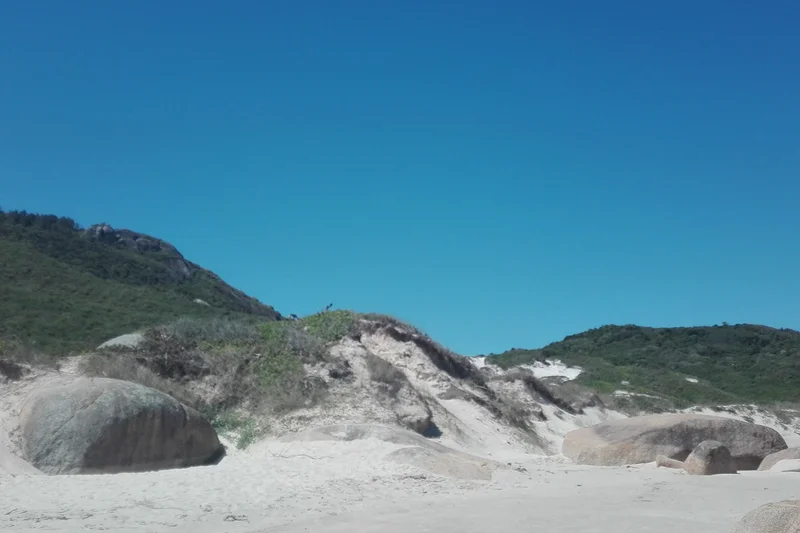
Minutes away, Praia Mole lines up consistent waves against forest-covered hills. It is a hangout for surfers and a young crowd. Right next door, Praia da Joaquina stretches for 3 kilometers, overlooked by massive sand dunes where people practice sandboard, the Brazilian take on snowboarding.
We will say it straight at Avygeo: Barra da Lagoa is the place we recommend most for a first stay. This fishing village on the east coast keeps a relaxed vibe, with fresh fish restaurants and direct access to great coastal hikes.
The wild south: hikes and deserted beaches
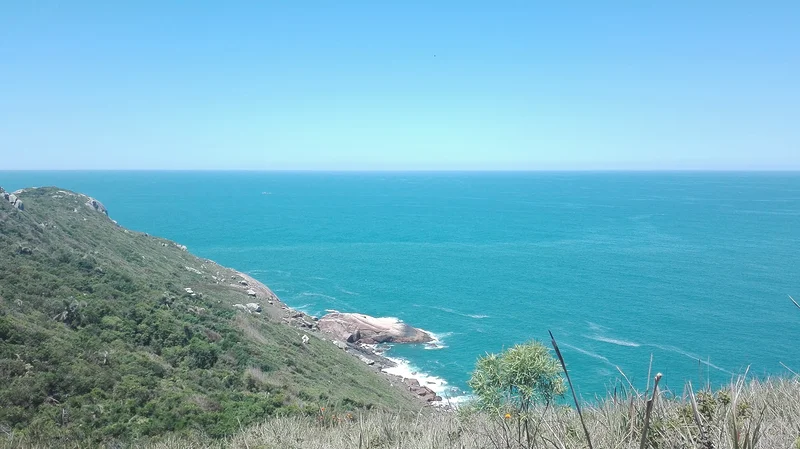
The south is where the island shows its rawest face. The Lagoinha do Leste trail, reached from Pântano do Sul, is the best hike on Floripa. Count at least 3 hours round trip to reach an isolated beach trapped between the Atlantic forest and the ocean. The effort is real, and the payoff matches it.
From Campeche beach, boats make the ten-minute trip to Campeche Island, a designated national archaeological site. Its turquoise waters and ancient petroglyphs make it an unmissable day trip. Daily visitor numbers are limited, so book ahead, especially in summer.
Friendly tip: head down to the village of Ribeirão da Ilha on the southwest coast. This old Azorean hamlet with colorful houses and cobblestone streets is home to oyster farms. You can taste Brazil's best oysters here, raised in the calm waters of the bay, at very gentle prices.
The resort north and Azorean heritage
The northern beaches, like Canasvieiras, Jurerê, and Praia dos Ingleses, offer the warmest water and the most developed infrastructure with hotels, restaurants, and shops. Jurerê Internacional is the swankiest neighborhood, featuring beach clubs and an affluent clientele. It is also the most crowded sector in peak season.
For a totally different vibe, the district of Santo Antônio de Lisboa keeps the soul of the Azorean settlers who arrived in 1747. Its narrow streets, church facing the bay, and small seafood restaurants make it one of the best places on the island for a sunset. Not far away, the restored São José da Ponta Grossa Fortress offers a panoramic view of the northern coast.
Where to eat and drink in Florianópolis?
The island is the oyster capital of Brazil. Millions are produced every year in the farms of Ribeirão da Ilha and the south of the island. Another local specialty is the sequência de camarão, a multi-course shrimp feast served with crab, fish, and octopus. The restaurants in Barra da Lagoa and Santo Antônio de Lisboa are the top spots for these dishes.
For a quick bite, the pastéis at the municipal market and the açaí bowls sold at beach kiosks are safe bets for under $3.40*. At night, the Lagoa da Conceição area overflows with caipirinha bars and craft breweries like Cerveja Sambaqui.
How to get to Florianópolis?
There are no direct flights from Europe. You have to connect through São Paulo or Rio de Janeiro, then take a domestic flight of about 1 hour to 1 hour and 40 minutes with Gol, Azul, or LATAM. Total travel time from Paris runs between 11 and 14 hours.
Hercílio Luz International Airport is 12 km from downtown. From São Paulo, an overnight bus reaches the island in about 12 hours. From Porto Alegre, expect a 6 to 7 hour drive. International flights also run from Buenos Aires, Santiago, and Lisbon.
How to get around Florianópolis?
The bus network covers the island, but connections are slow. Lines run through main terminals: TCEN for downtown, TLAG for the lagoon, and TIRIO for Campeche. A ride costs about $2.10*. The faster express yellow lines cost a bit more. Google Maps works well for route planning.
Uber and the Brazilian app 99 are widely used and often cheaper than taxis. An airport to Canasvieiras ride runs $17-$23*. Renting a car is the most comfortable way to explore the island at your own pace, but parking and summer traffic jams can quickly turn into a headache.
When to go?
The high season runs from December to March, with temperatures around 27-30 °C, packed beaches, and high-energy nightlife. Carnival in February or March brings the whole island alive with samba parades and parties in every neighborhood.
To enjoy the beaches without the crowds, March and April stay mild and much less busy. Skip June and July if you are not a fan of damp cold and short days.
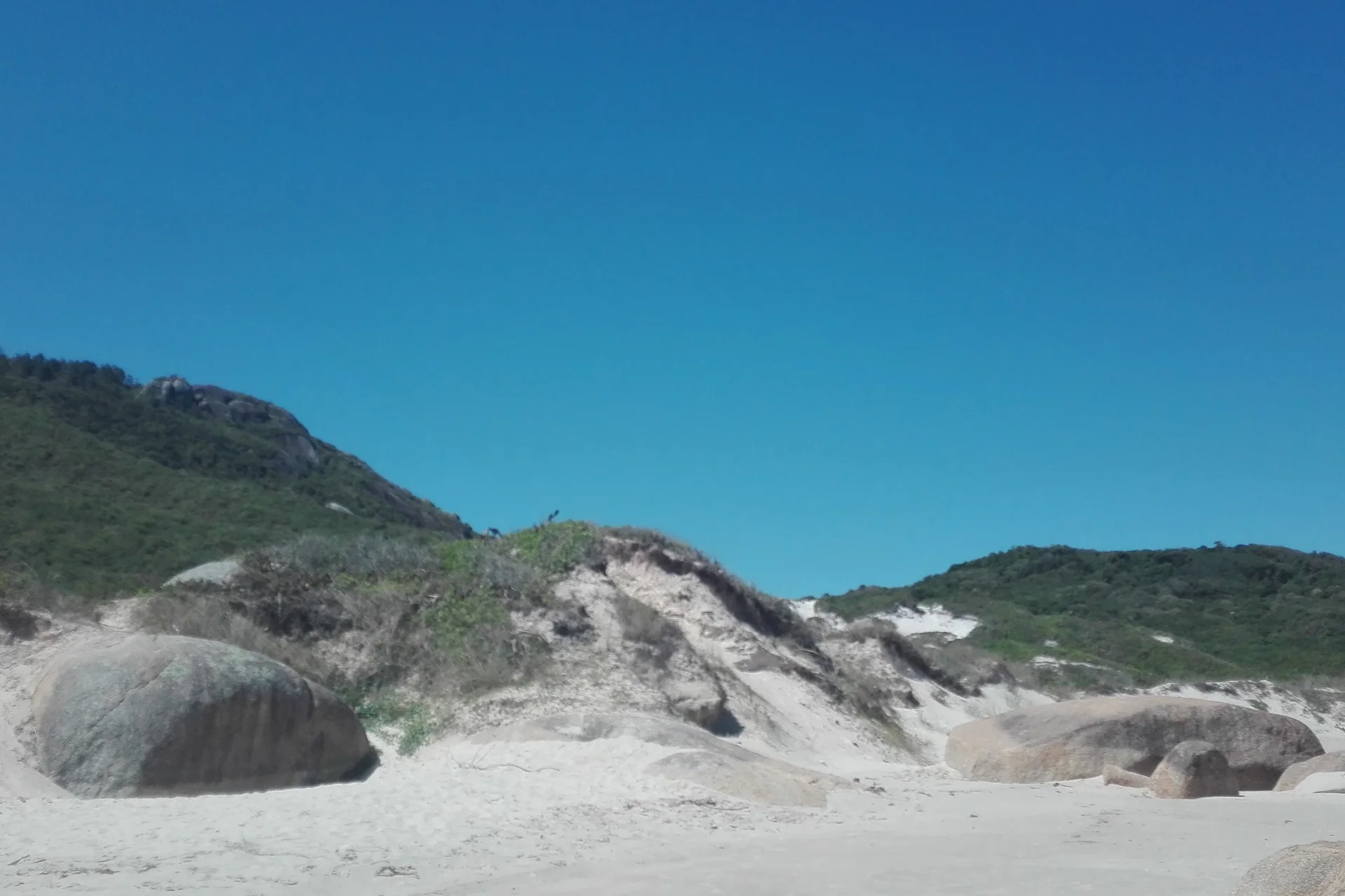
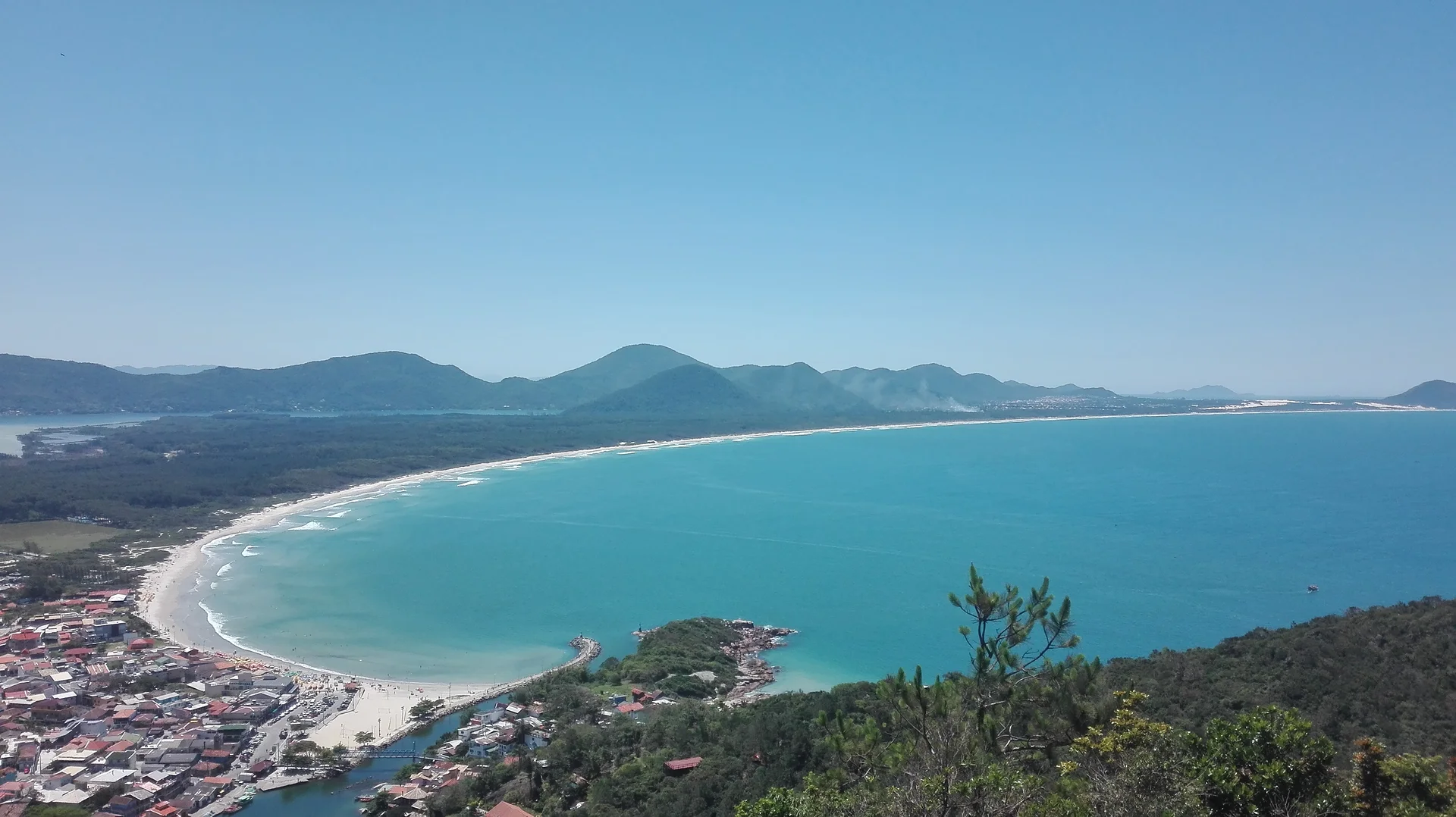
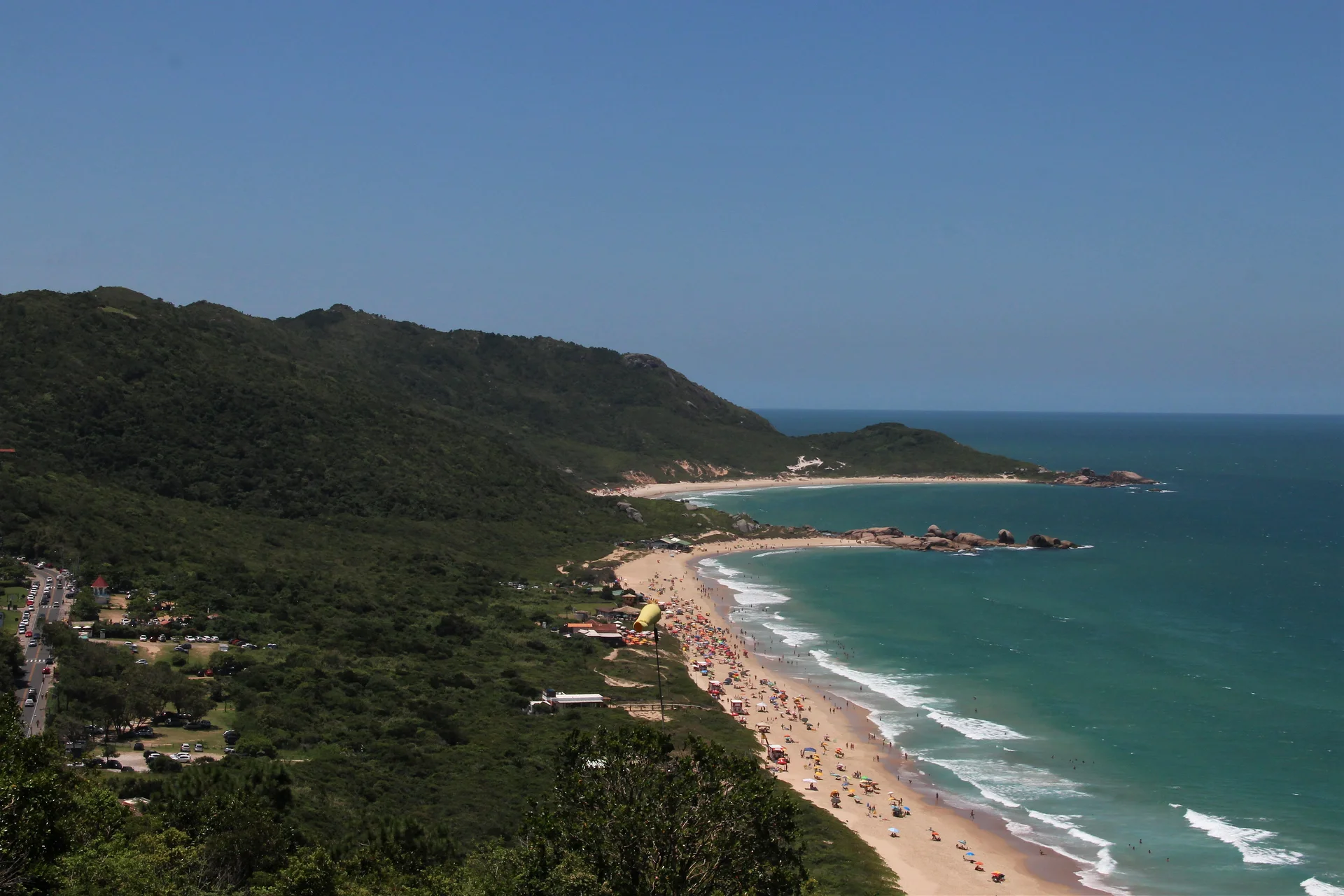
Florianopolis is a superb destination in the south of Brazil. You can go there before or after visiting Iguazu Falls or Rio de Janeiro, for example. People mostly go there for the surfing. The ideal move is to rent a car to visit its many beaches (they are hard to reach by bus, but not impossible). Lots of wealthy Brazilians vacation here. It is a place for relaxing and hitting the beach, kind of like a mini Ibiza.