

Exploring Olinda, the Colonial Gem of Brazil's Nordeste
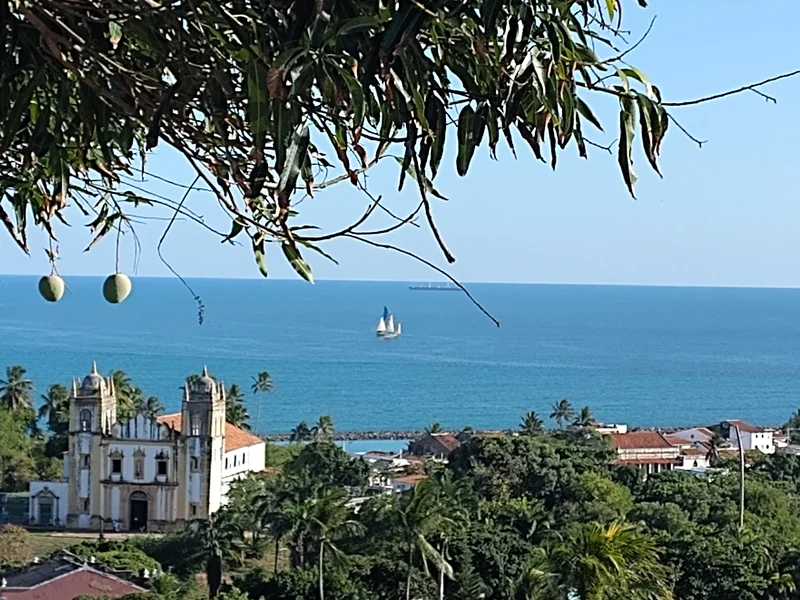
Perched on the hills overlooking the Atlantic Ocean, Olinda charms visitors with its colonial architecture, cobblestone streets, and brightly painted facades. Recognized as a UNESCO World Heritage Site, this city offers a deep dive into Brazilian history and culture, far removed from the frantic pace of the country's mega-cities.
A Preserved Historic Center
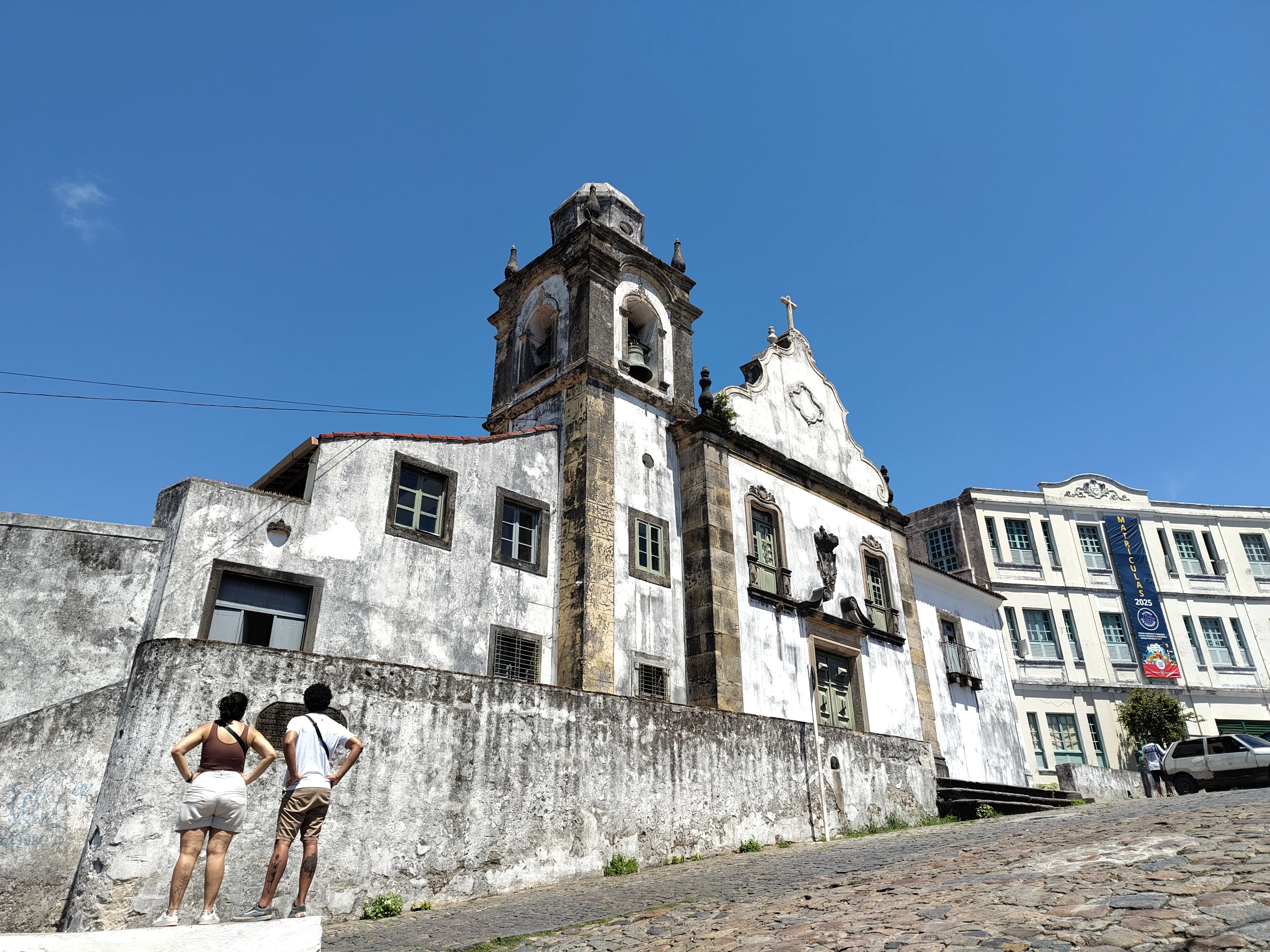
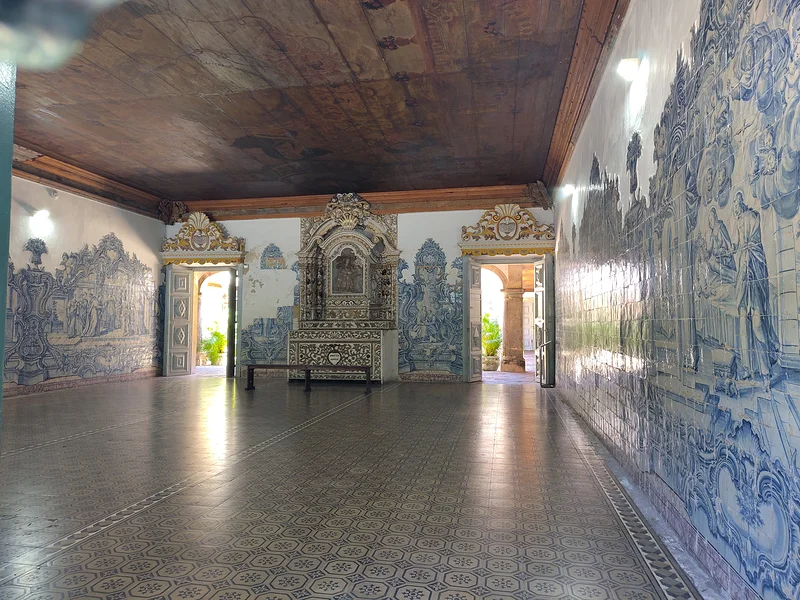
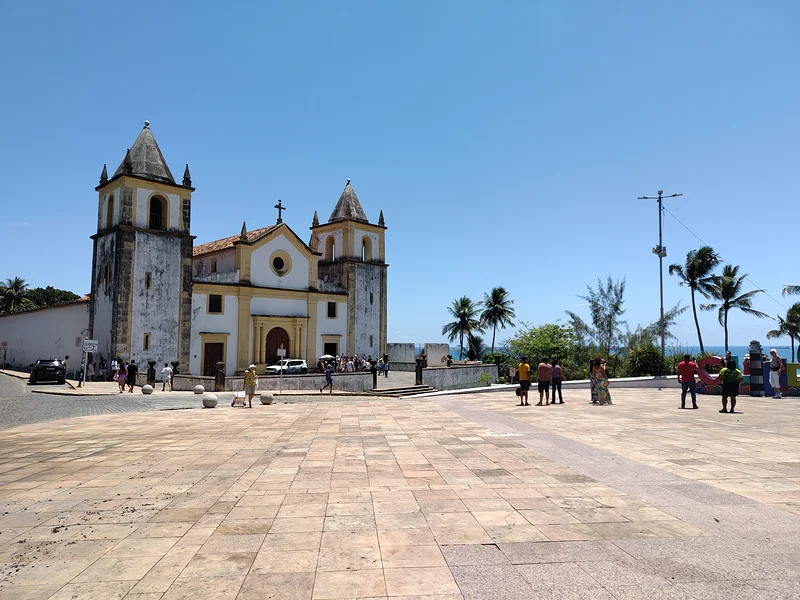
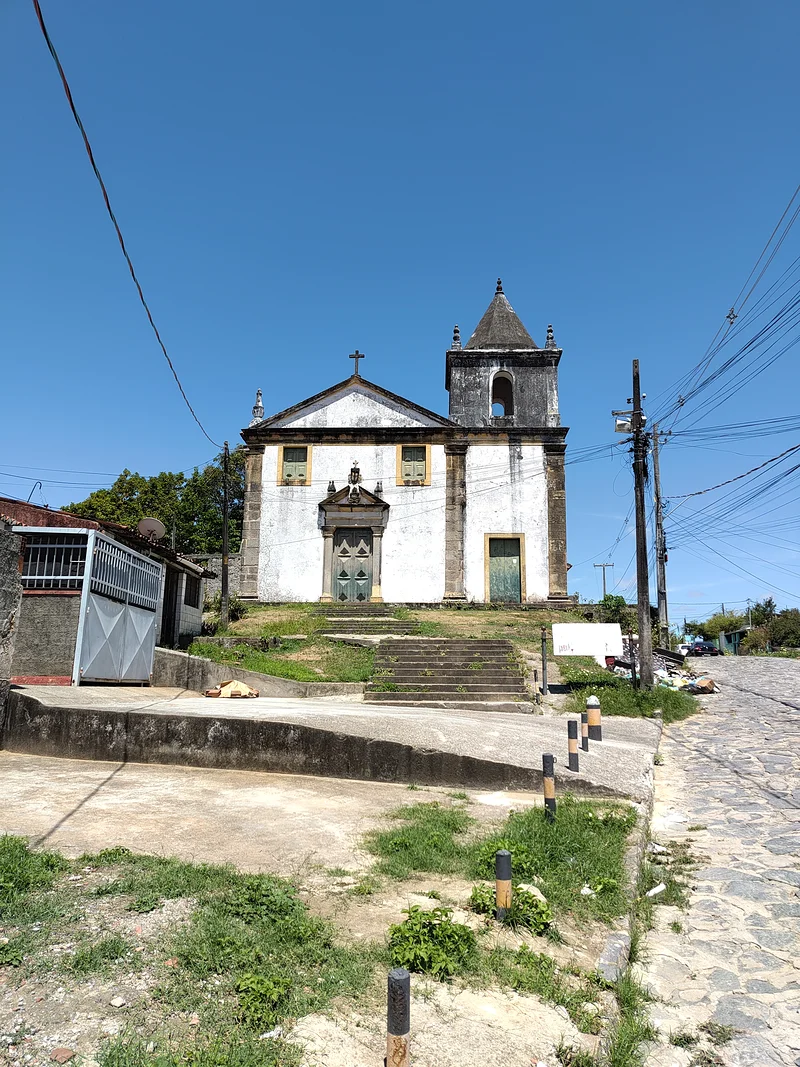
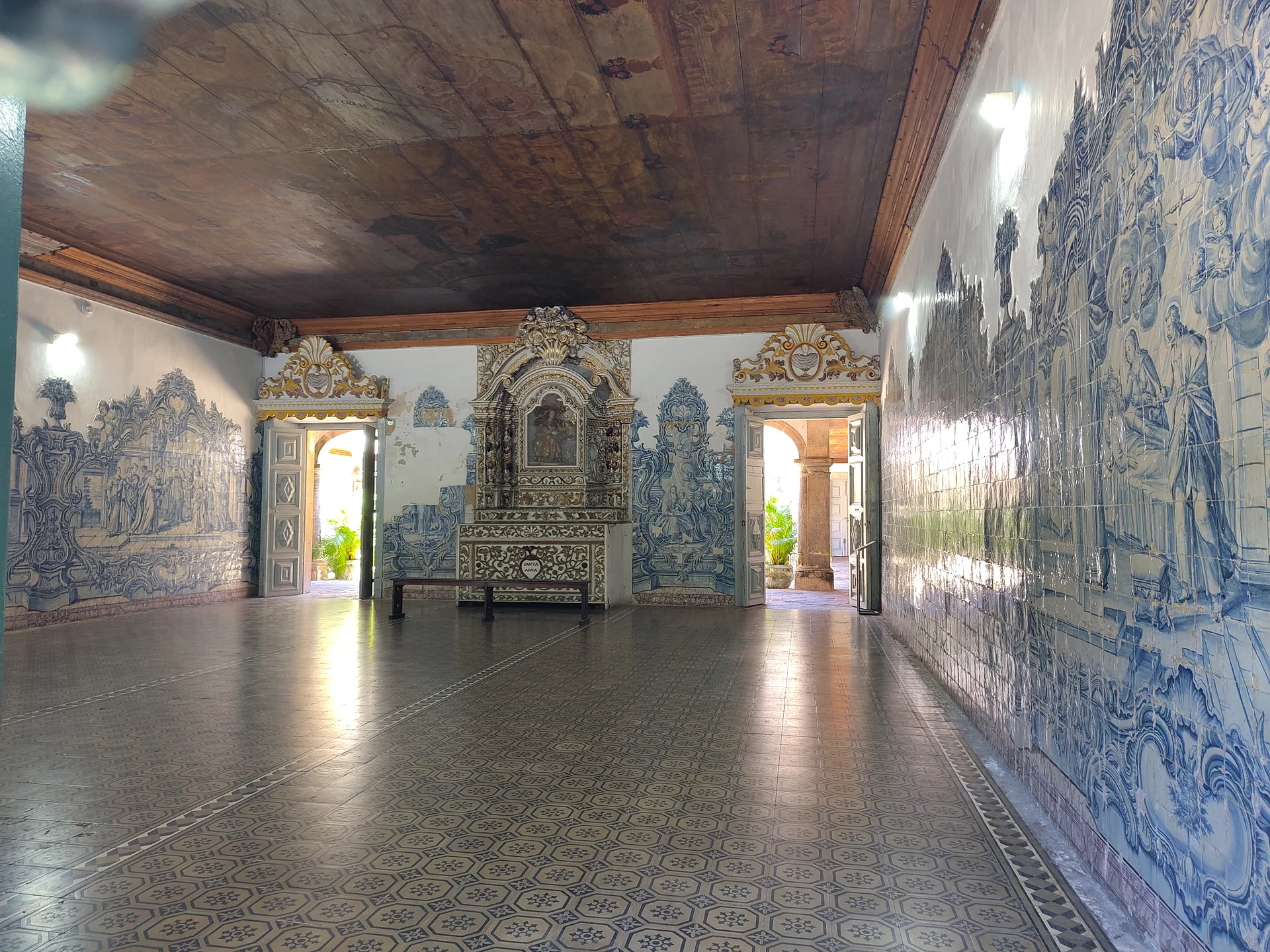
The heart of Olinda functions as an open-air museum. Wandering the streets reveals baroque churches, monasteries, and beautifully restored colonial buildings. Key landmarks include the Sé Cathedral, which provides sweeping views of the city and the ocean, while the São Bento Monastery stands out for its architectural detail.
Art enthusiasts will find numerous independent galleries and studios tucked away throughout the old town.
A Vibrant Carnival Tradition
Olinda is celebrated for hosting one of the most authentic carnivals in Brazil. Unlike the massive stadium parades in Rio, the festivities here unfold directly in the narrow streets to the sounds of frevo and maracatu music. The giants of Olinda, towering papier-mâché figures, mingle with the crowd of dancers, creating an energetic and welcoming atmosphere.
Peaceful Nearby Beaches
While primarily known for its architectural heritage, Olinda also offers accessible coastal spots. Carmo beach sits close to the center, making it convenient for a quick swim or a late-afternoon stroll. For longer stretches of sand, the neighboring city of Recife provides several options just a short trip away.
A Creative Arts Scene
Olinda operates as a major cultural hub, hosting arts programming throughout the year. Visitors can catch open-air music, dance, and theater performances, often outdoors. Local artisan markets also provide a direct look at regional craftsmanship.
Flavors of Pernambuco: A Multilayered Cuisine
The local food scene in Olinda reflects the cultural mix of the region. A top local staple is tapioca, a cassava-flour crepe typically filled with grated coconut or cheese. baião de dois, a hearty combination of rice and beans, serves as a comforting classic from the Nordeste. Meals are commonly paired with a caipirinha, a cocktail made from cachaça, fresh limes, and sugar.
Where to eat?
- Oficina do Sabor (Alto da Sé): This well-known spot serves inventive regional dishes that highlight local ingredients in creative ways.
- Beijupirá Olinda (Carmo): Positioned with clear ocean views, this restaurant focuses on fresh seafood paired with modern twists on traditional recipes.
- Bode do Nô Olinda (Varadouro): Specializing in grilled meats, this family-run eatery is popular for its lively atmosphere and hearty portions.
When to go?
Olinda experiences a tropical climate with warm temperatures year-round. September through March brings optimal weather for sunny days and outdoor activities. Carnival usually takes place in February, drawing large crowds for the annual celebrations.
How to get there?
Recife International Airport lies roughly 20 km away and serves as the closest entry point to Olinda. Direct flights arrive from various international hubs, with pricing dependent on the season. From the airport, taxis and local buses make the trip to Olinda in about thirty minutes.
How to get around?
The historic center of Olinda is best explored on foot, which allows visitors to take in the architecture and neighborhood details at a close range.
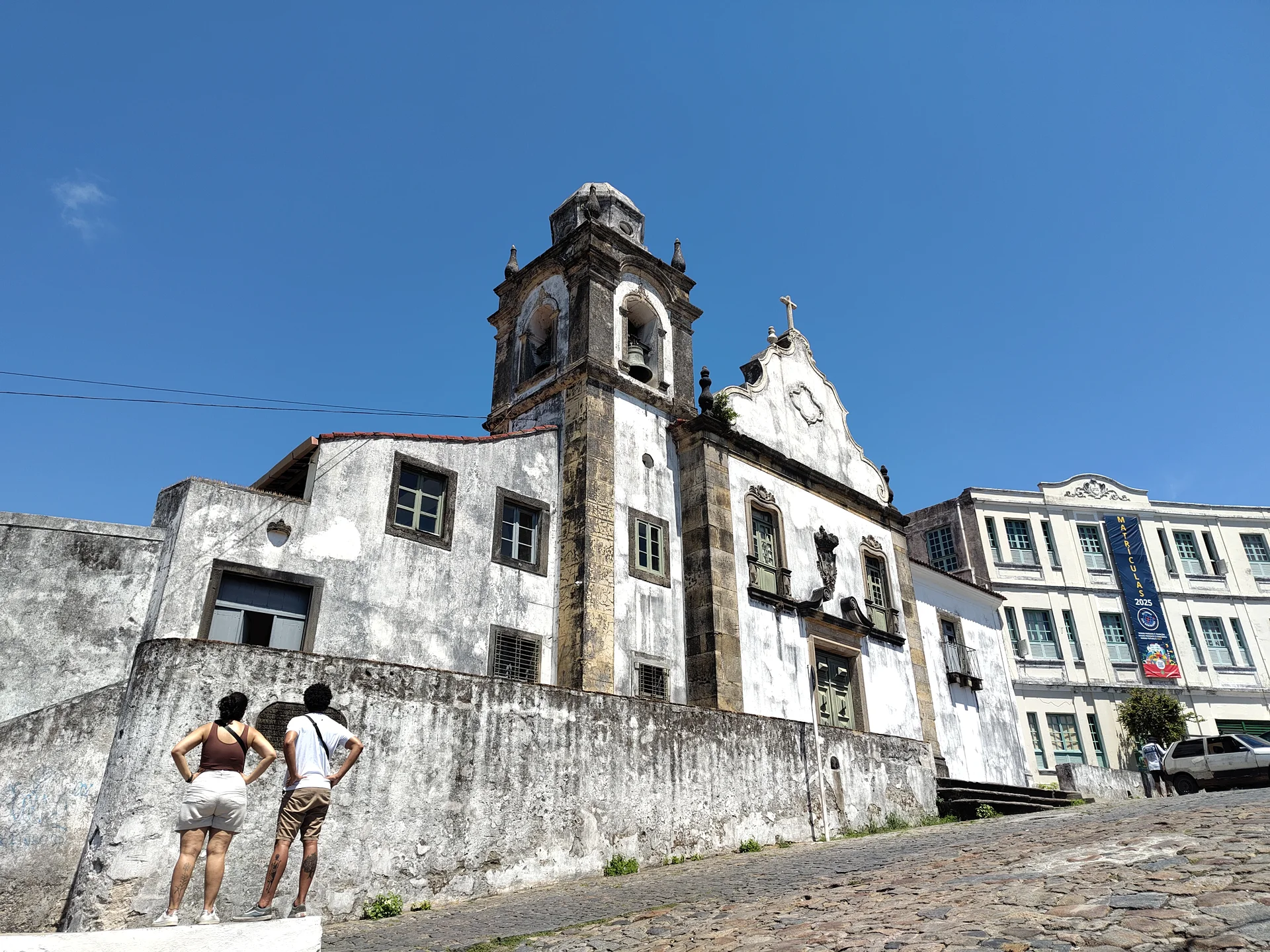
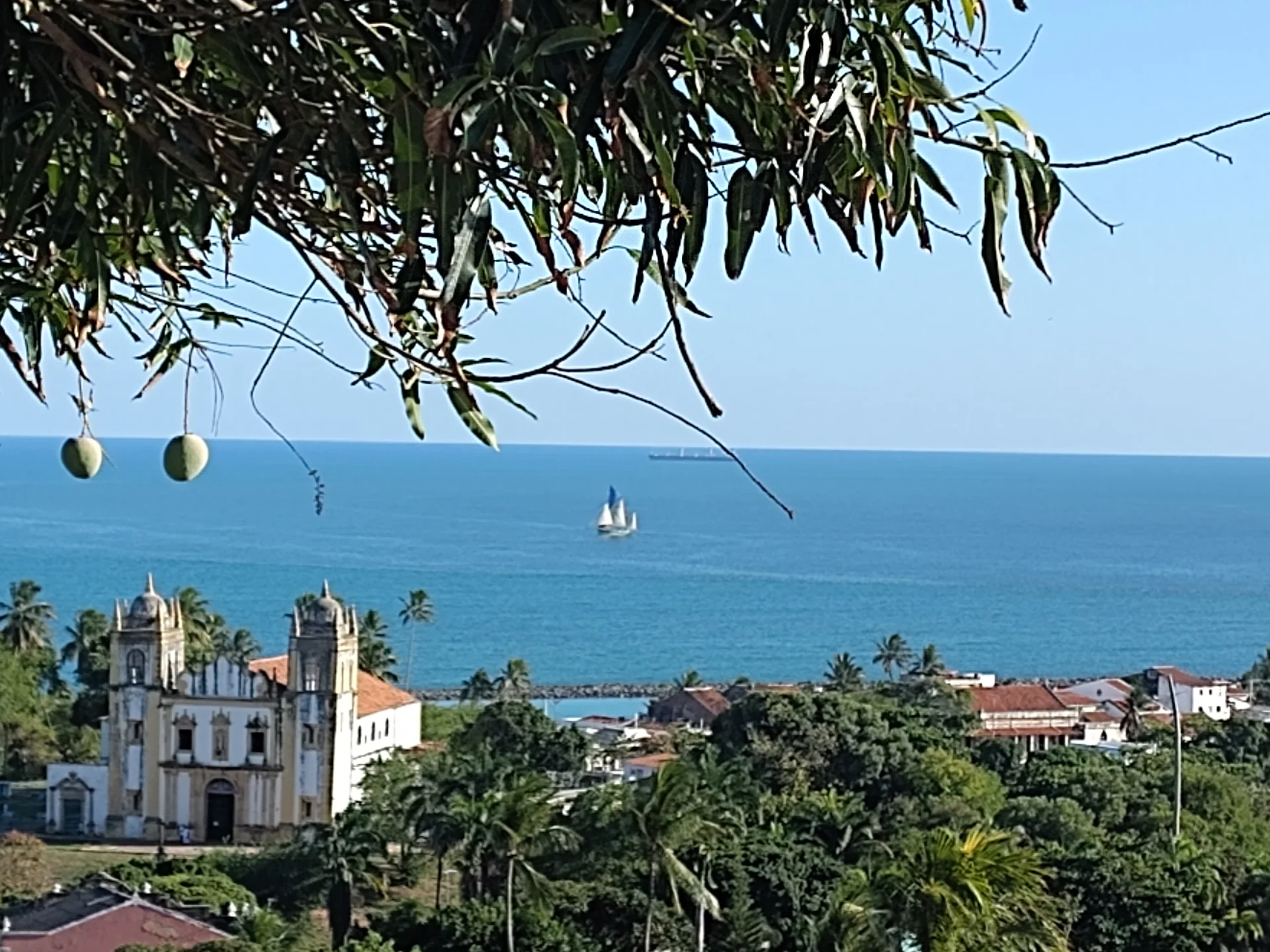
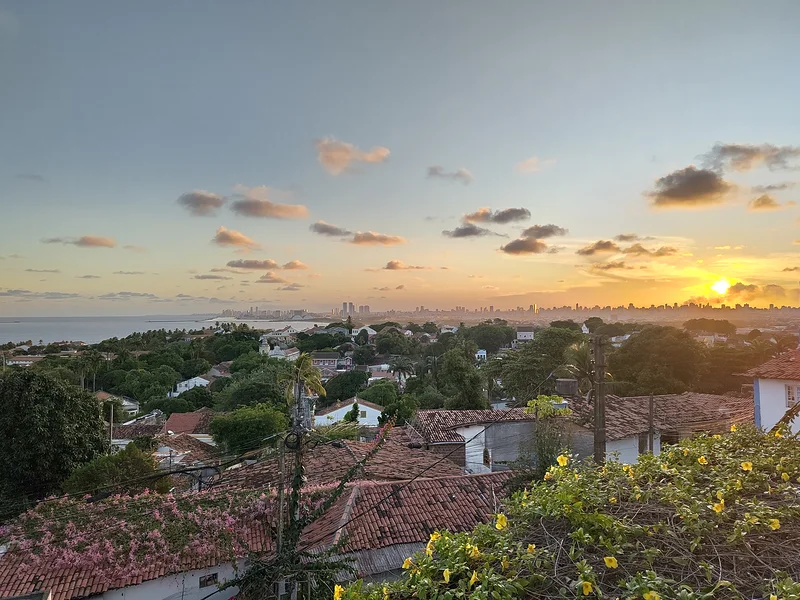
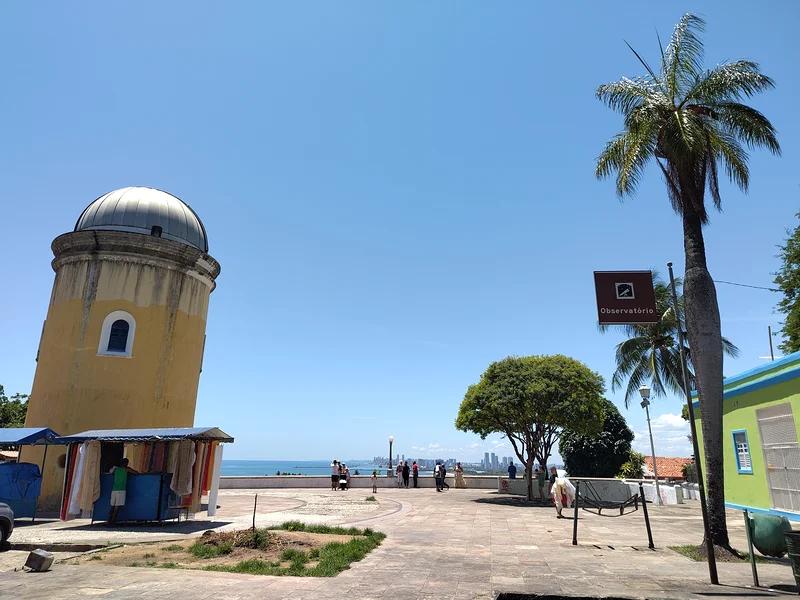
A city with so many bell towers and lots of height, with a breathtaking view of the massive Recife from the Praça Alto da Sé.